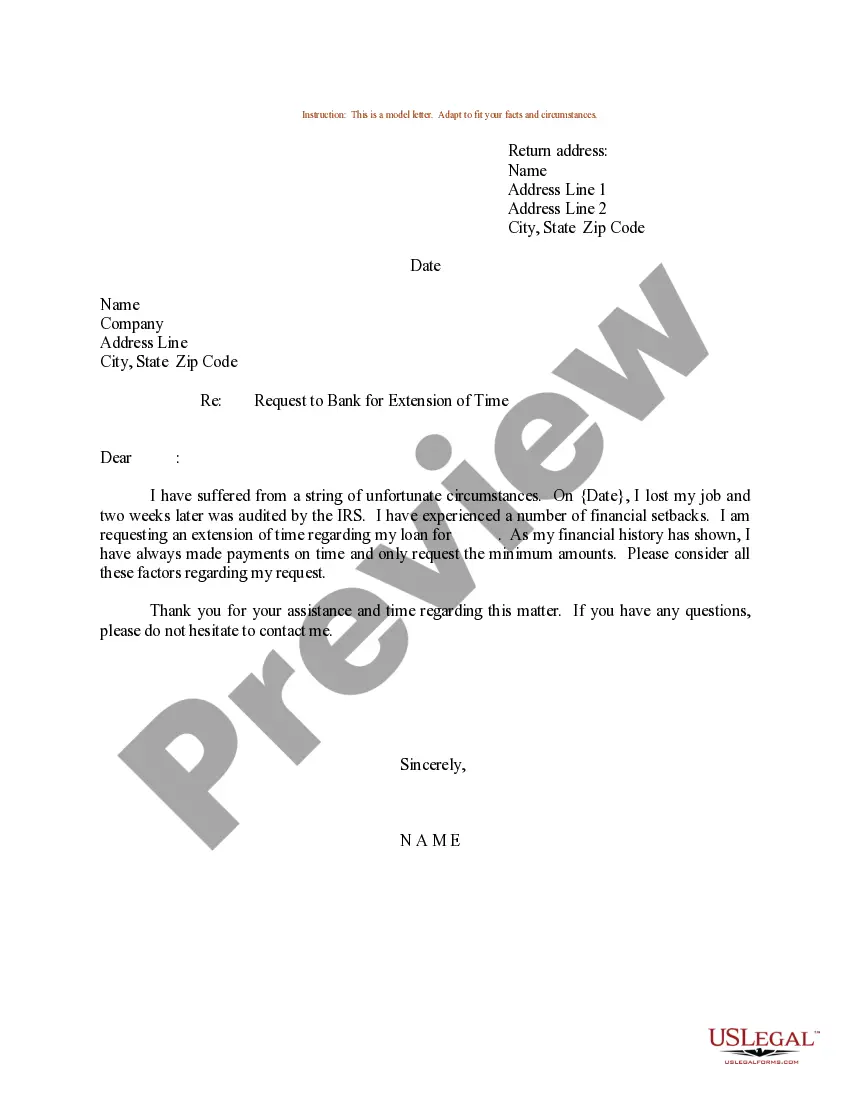
Florida Trademark Assignment and License Agreement
Description
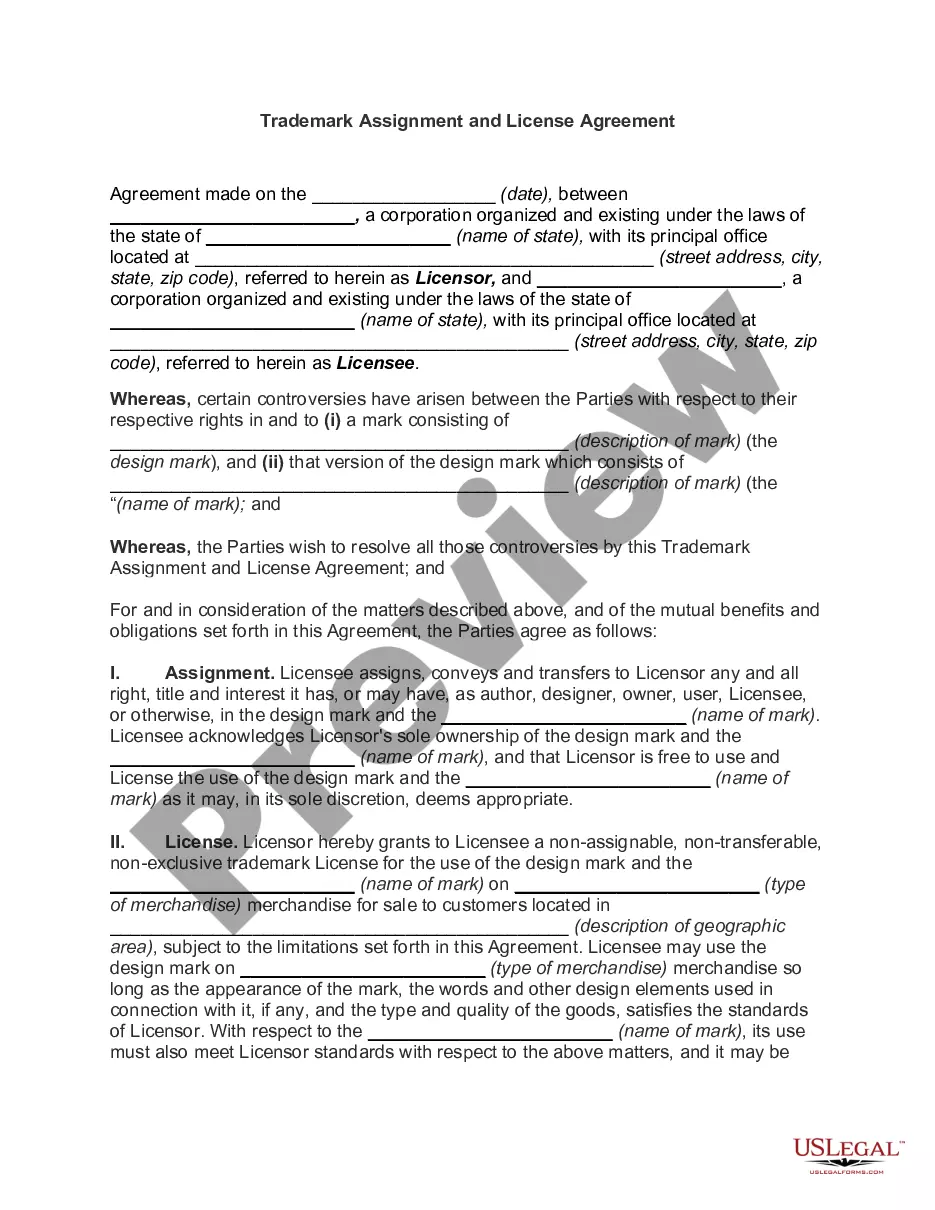
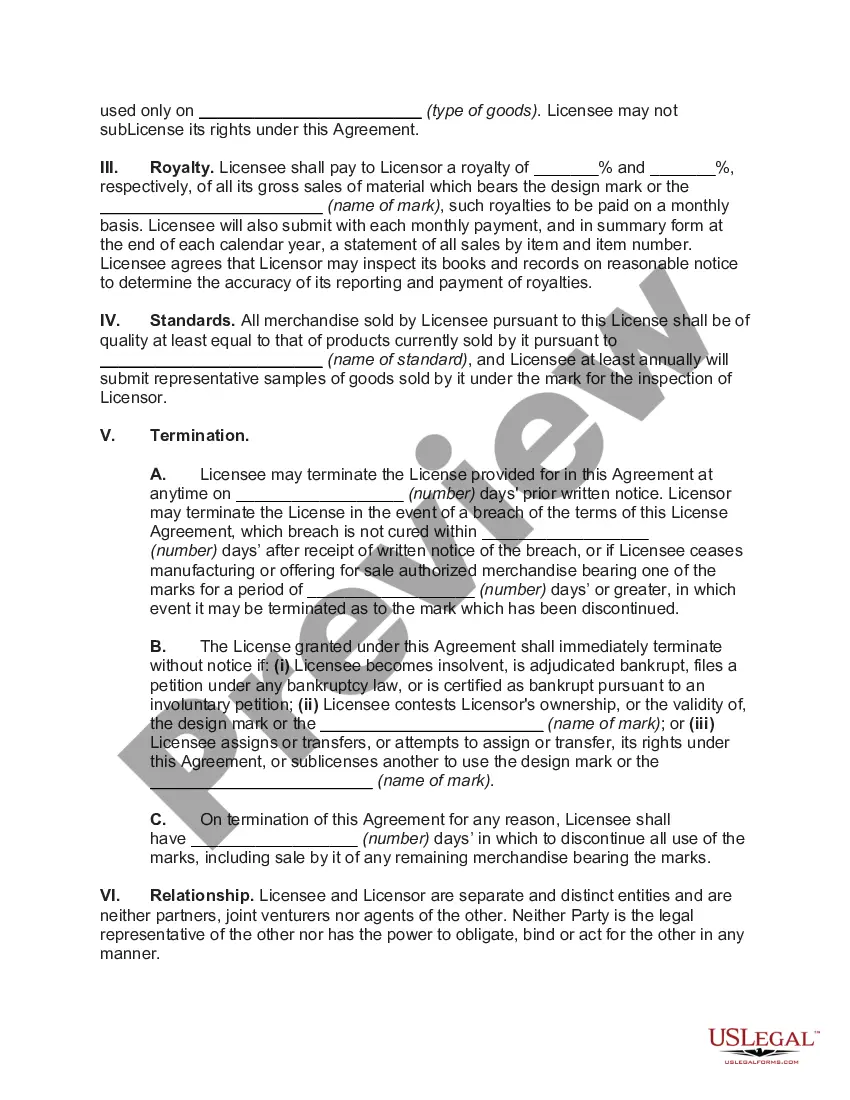
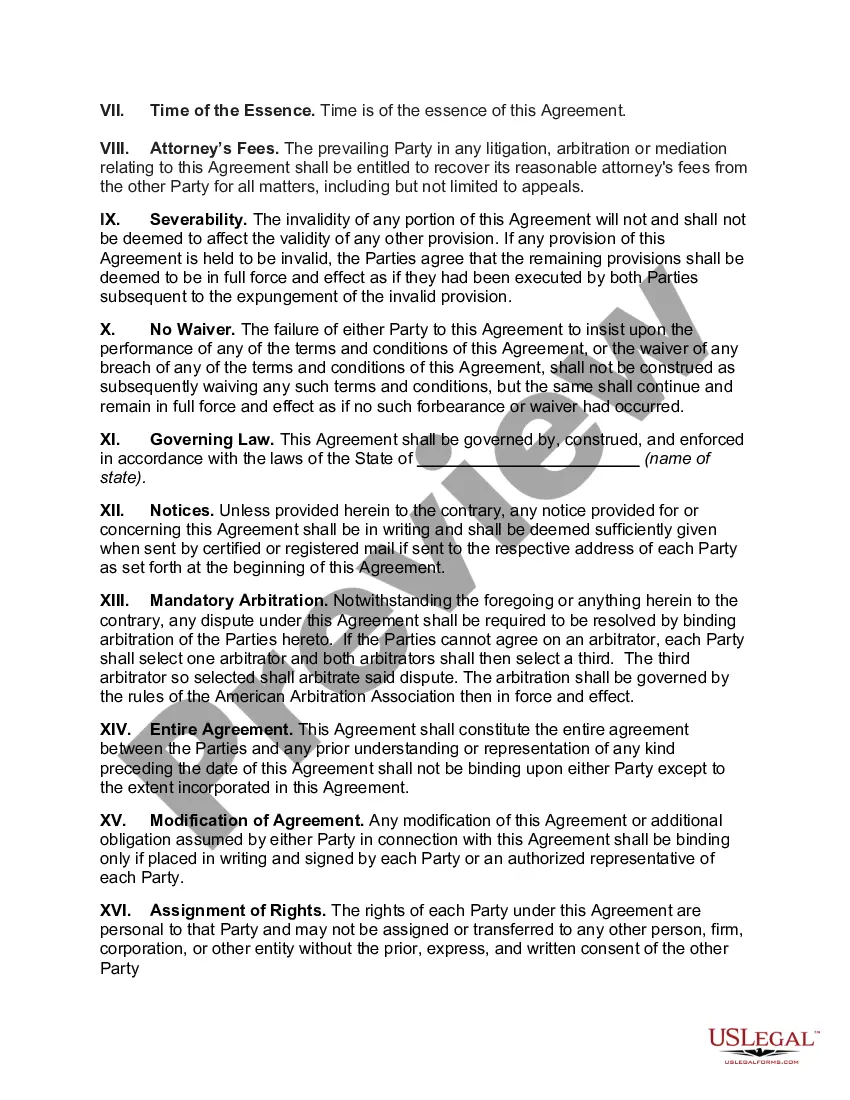
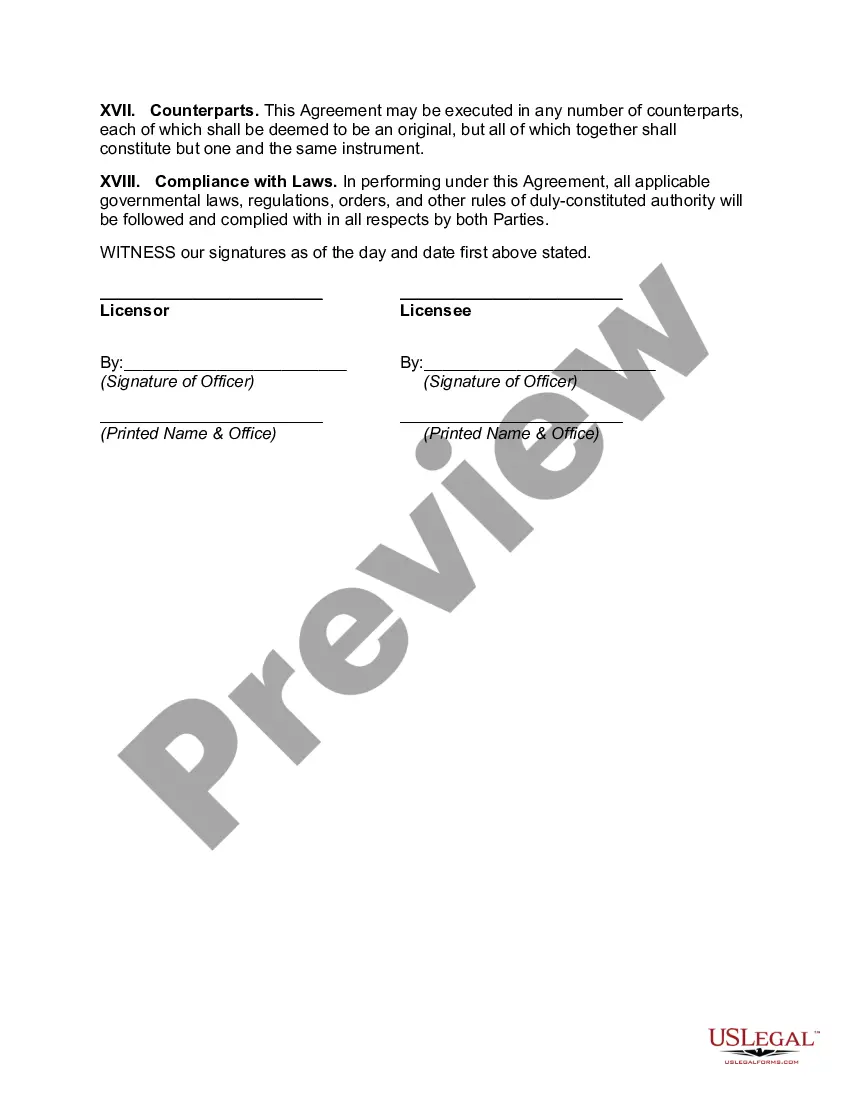
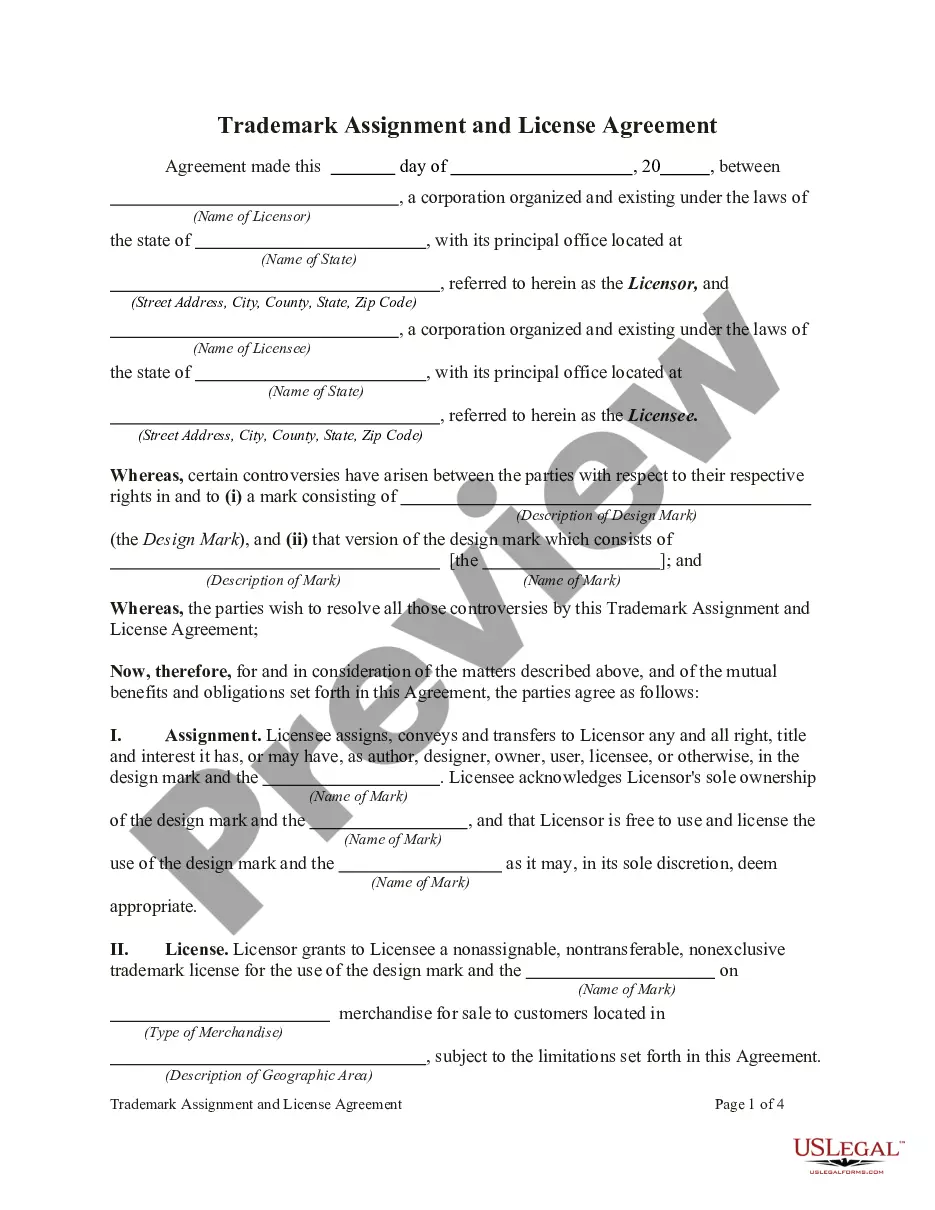
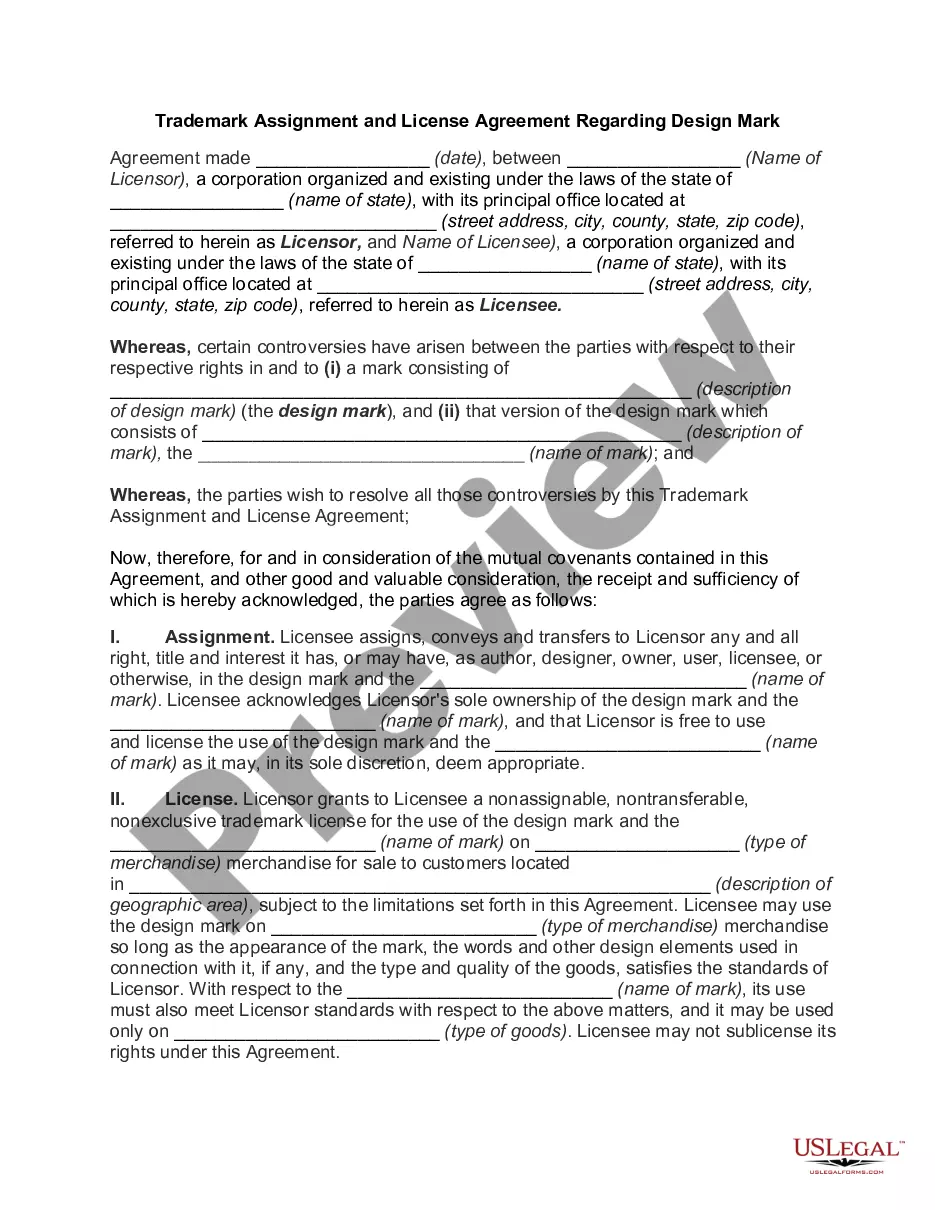
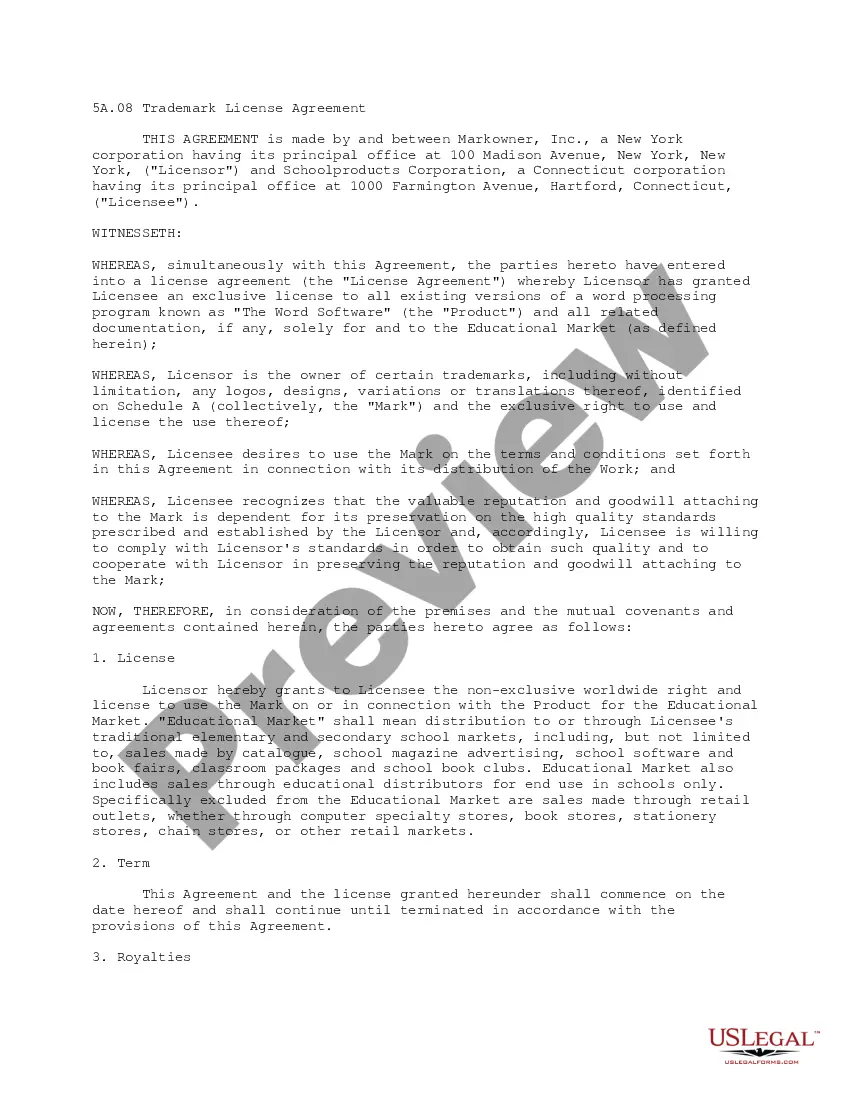


How to fill out Trademark Assignment And License Agreement?
It is feasible to invest hours online looking for the legal document format that meets the federal and state requirements you desire.
US Legal Forms offers thousands of legal documents that can be reviewed by experts.
You can download or print the Florida Trademark Assignment and License Agreement from the service.
If available, use the Preview button to view the document format as well.
- If you already have a US Legal Forms account, you can Log In and then click the Download button.
- Afterwards, you can fill out, modify, print, or sign the Florida Trademark Assignment and License Agreement.
- Every legal document format you purchase is yours indefinitely.
- To obtain an additional copy of any purchased document, go to the My documents tab and click the respective button.
- If you are using the US Legal Forms site for the first time, follow the simple instructions below.
- First, ensure that you have selected the correct document format for the state/region of your choice.
- Read the form description to confirm that you have chosen the right form.
Form popularity
FAQ
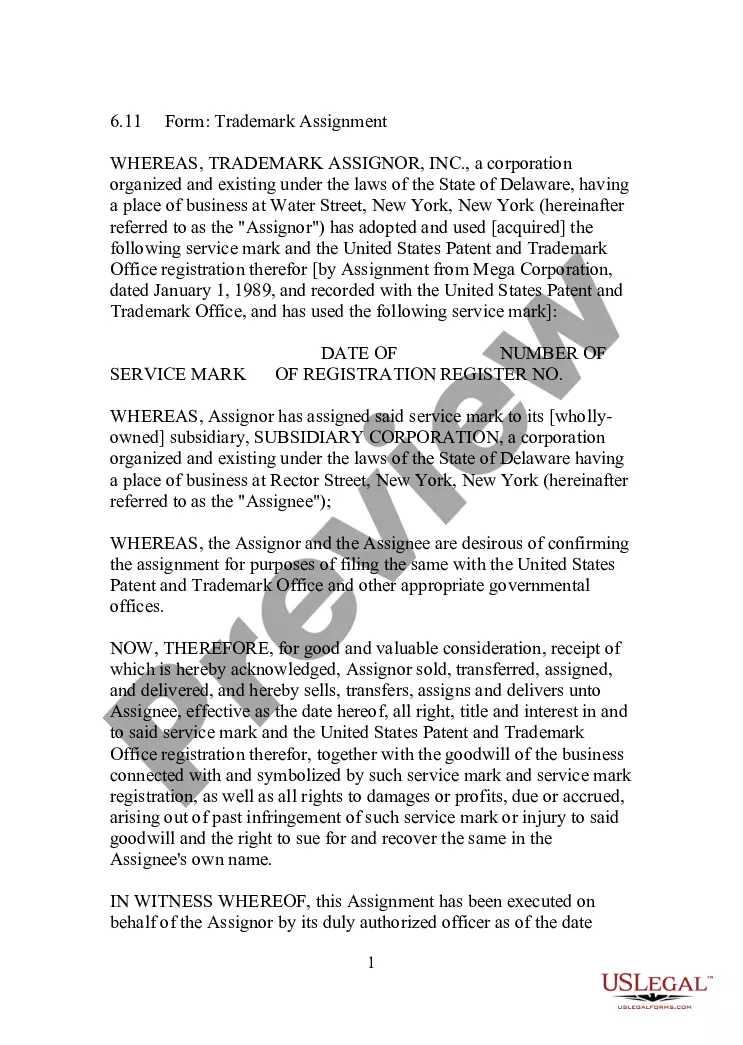
A Trademark Assignment Agreement is a written document that legally transfers a legally recognized word, phrase, symbol, and/or design (the Trademark) from the current owner (the Assignor) to the future owner (the Assignee).
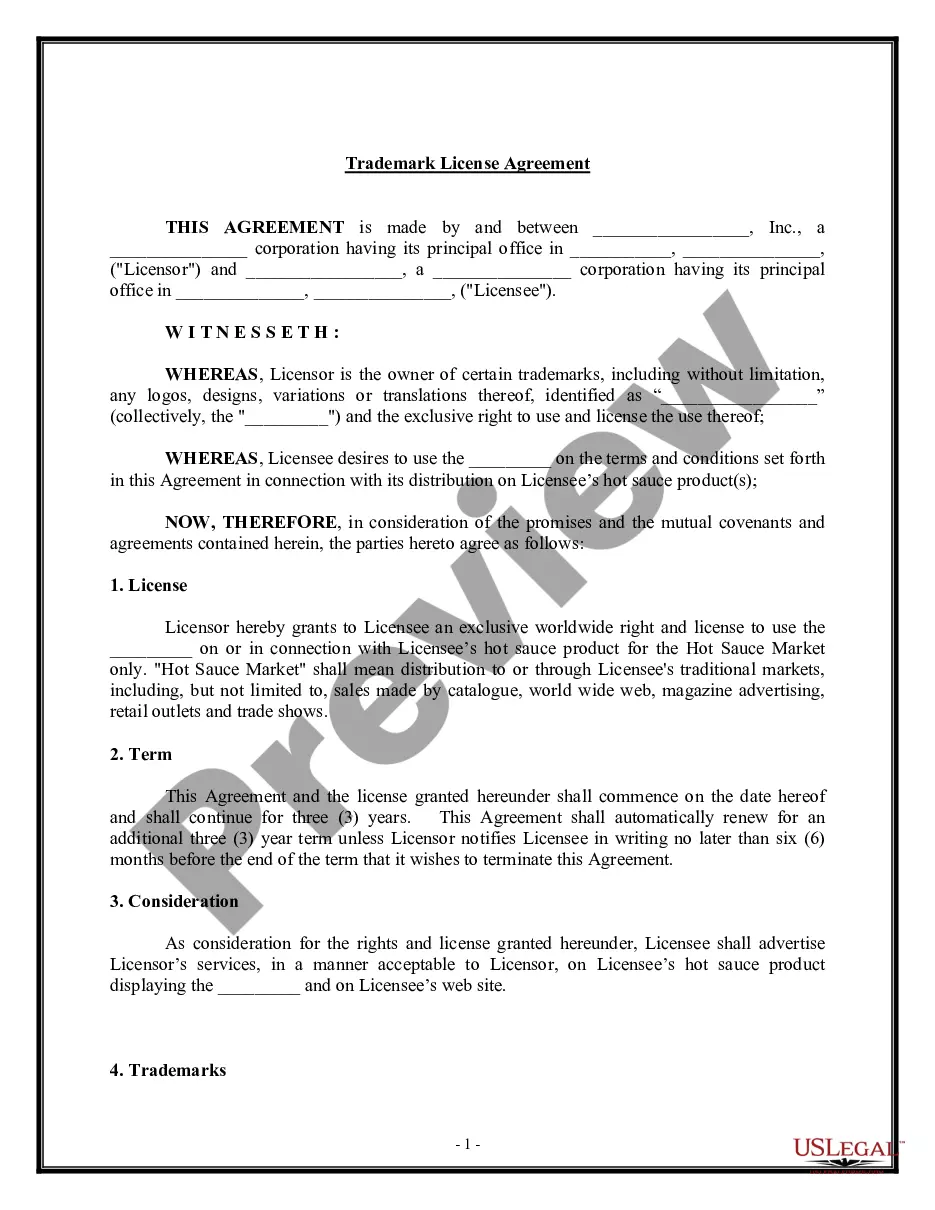
WHAT IS THE DIFFERENCE BETWEEN ASSIGNMENT AND A LICENSE? The main difference between the two is that in a license the person granting permission (Licensor) retains an interest in the property being licensed, whereas in an assignment the assignor transfers his rights in the property being assigned.
The term 'assignment' and 'license' cannot be interchanged. A license is different from an agreement. Generally, in absence of any provision to the contrary, the assignee becomes the owner of the assigned work, whereas in case of a license the licensee gets the right to exercise particular rights only.
The main difference between an assignment and a license is who owns the copyright. In an assignment the copyright holder gives up ownership and in a licence, the copyright holder retains it.
By law, a trademark owner may transfer or sell his or her property rights to another through a legal document referred to as an assignment. An assignment is generally a written agreement in which the two parties have negotiated and agreed to a price. To be valid, the assignment must be signed by both parties.
There is no proscribed form for the assignment, but by statute it must be in writing and duly executed. The assignment will be checked for accuracy by the United States Patent and Trademark Office (PTO) so make sure the information in the application matches the assignment document.
A trademark assignment is the transfer of an owner's property rights in a given mark or marks. Such transfers may occur on their own or as parts of larger asset sales or purchases. Trademark assignment agreements both provide records of ownership and transfer and protect the rights of all parties.
To put it summarily, in case of an assignment of a trademark, there is a change in the ownership of the registered brand and in case of licensing, the right in the trade mark continues to vest with the original owner but only few restricted rights to use the brand/mark are given to the third party.
The Act allows a registered proprietor to assign or license out the use of his trademark. The assignment and licensing can be made with or without the goodwill of the business concerned. A trademark need not be registered to be assigned or licensed.
Instead, a trademark must be assigned through an Assignment of Rights. That Assignment must transfer not only the trademark and the registration, but must also transfer the goodwill behind the trademark to be valid.