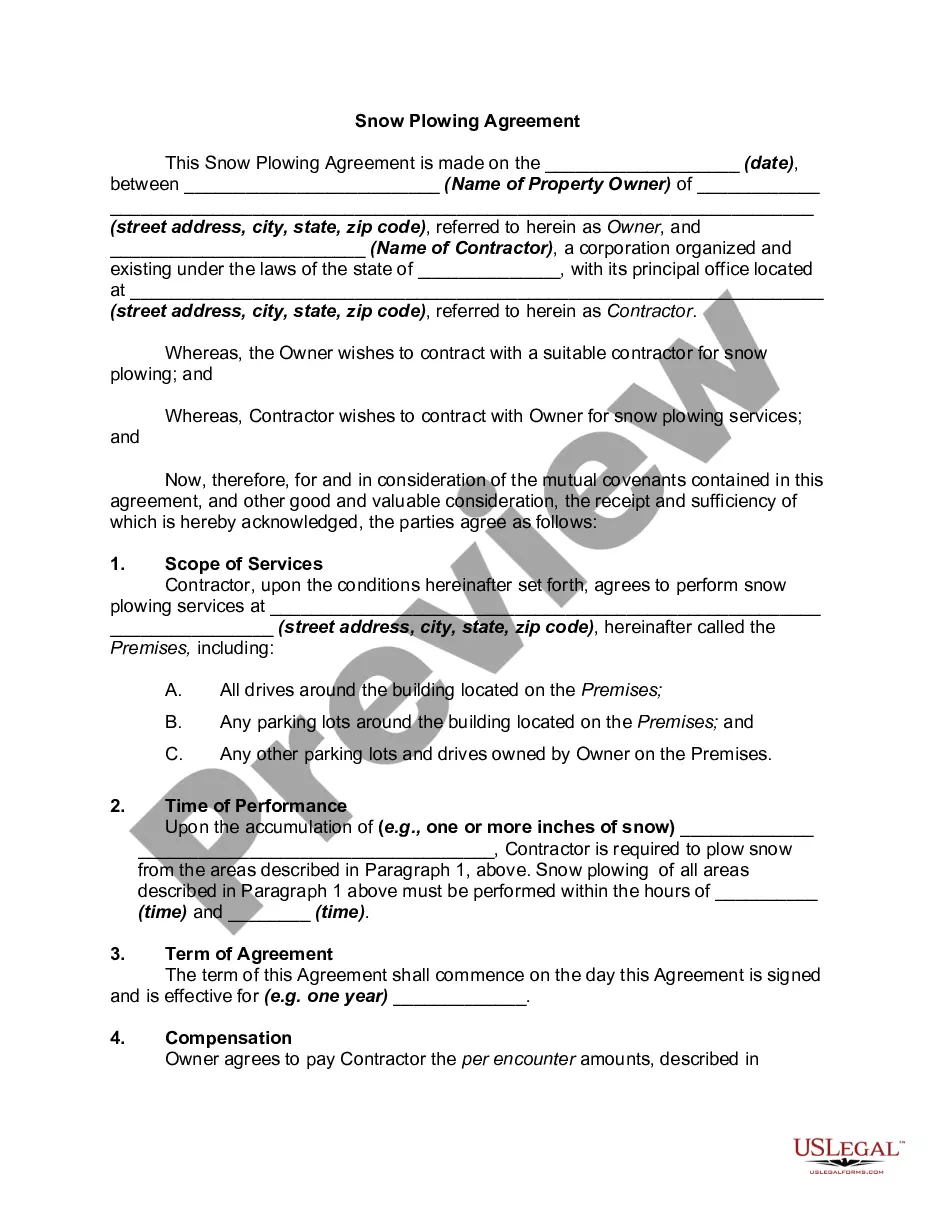
Florida Employee Lending Agreement
Description

Get your form ready online
Our built-in tools help you complete, sign, share, and store your documents in one place.
Make edits, fill in missing information, and update formatting in US Legal Forms—just like you would in MS Word.
Download a copy, print it, send it by email, or mail it via USPS—whatever works best for your next step.
Sign and collect signatures with our SignNow integration. Send to multiple recipients, set reminders, and more. Go Premium to unlock E-Sign.
If this form requires notarization, complete it online through a secure video call—no need to meet a notary in person or wait for an appointment.
We protect your documents and personal data by following strict security and privacy standards.

Make edits, fill in missing information, and update formatting in US Legal Forms—just like you would in MS Word.

Download a copy, print it, send it by email, or mail it via USPS—whatever works best for your next step.

Sign and collect signatures with our SignNow integration. Send to multiple recipients, set reminders, and more. Go Premium to unlock E-Sign.

If this form requires notarization, complete it online through a secure video call—no need to meet a notary in person or wait for an appointment.

We protect your documents and personal data by following strict security and privacy standards.
Looking for another form?
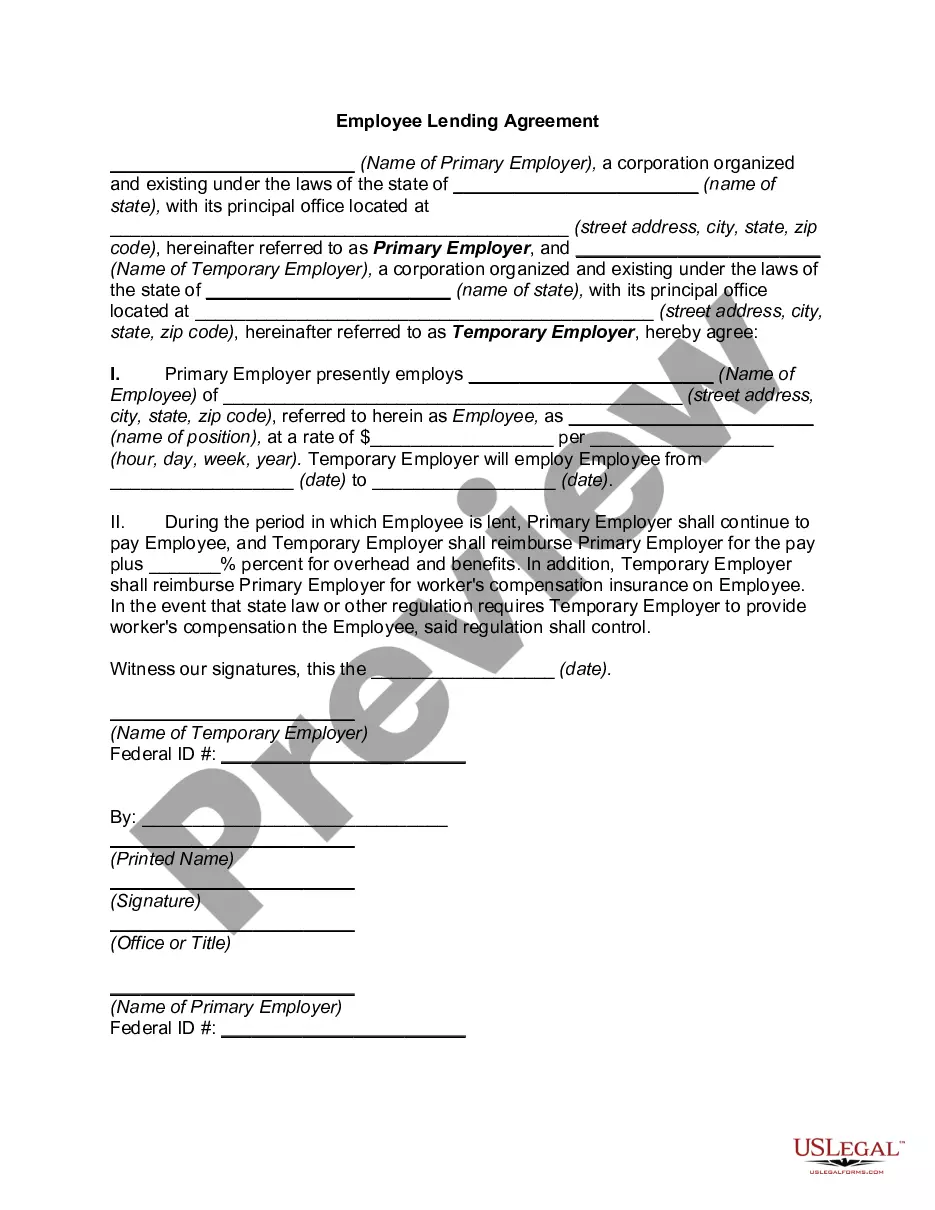
How to fill out Employee Lending Agreement?
Selecting the appropriate authorized document template can be a challenge.
Certainly, there are numerous templates accessible online, but how can you locate the legitimate form you require.
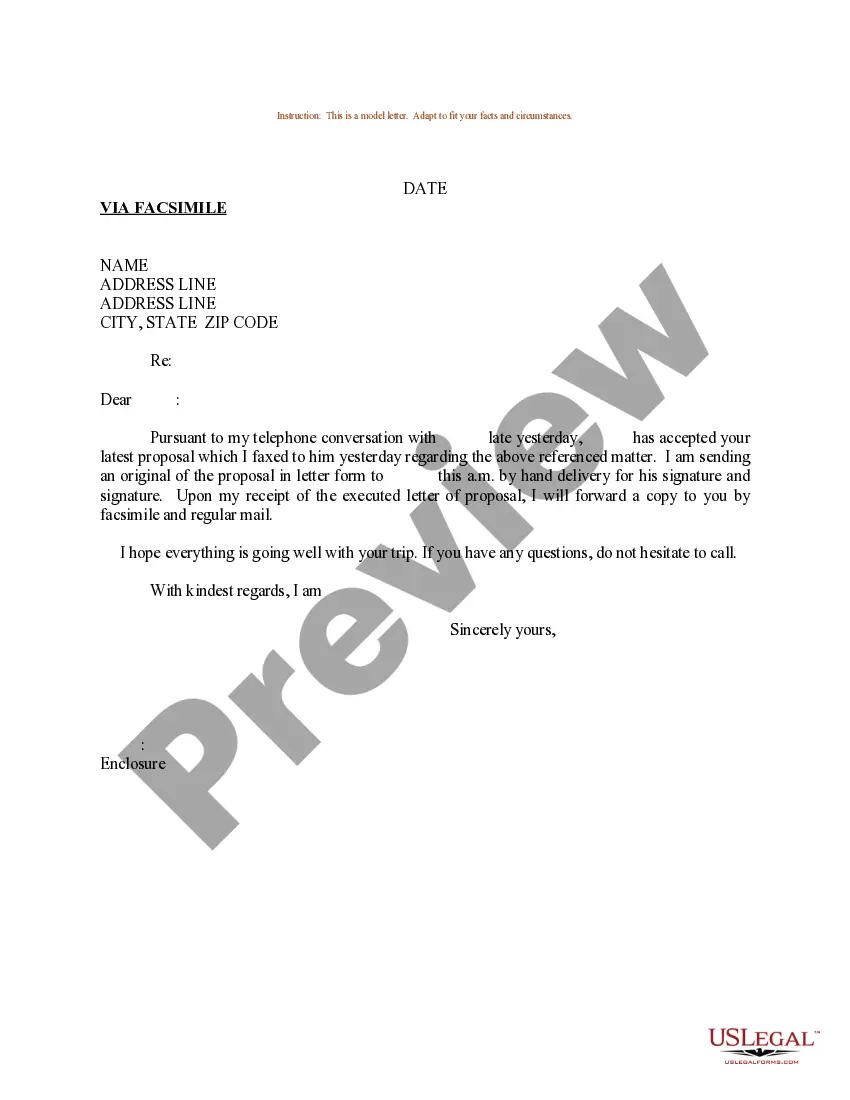
Utilize the US Legal Forms website. The service offers a vast array of templates, such as the Florida Employee Lending Agreement, which you can utilize for both business and personal purposes.
If the form does not meet your needs, use the Search field to find the appropriate form.
- All forms are reviewed by experts and comply with federal and state regulations.
- If you are currently a registered user, Log In to your account and hit the Download button to obtain the Florida Employee Lending Agreement.
- Use your account to browse through the legal forms you have previously acquired.
- Navigate to the My documents tab in your account and download another copy of the document you require.
- If you are a new user of US Legal Forms, here are simple steps you can follow.
- First, ensure you have chosen the correct form for your city/state. You can view the form using the Preview button and read the form description to confirm it is the right one for you.
Form popularity
FAQ
No taxes should come out of the actual advance, but you must withhold taxes from the repayment. This way, the employees' wages will be taxed as normal.
Most banks charge personal loan interest rates between 10.50% to 24% p.a. The interest rate that you are charged will vary based on a number of factors such as your credit score, your income, the company that you are employed with, your age at the time of applying for the loan, etc.
An employer may offer a cheap or interest-free loan to an employee, for example to cover the purchase of a season ticket, to meet welfare expenses or in the case of financial hardship.
For a demand loan, the amount of forgone interest is recognized as taxable compensation to the employee and as a compensation expense deduction to the employer on the last day of the calendar year.
For a demand loan, the amount of forgone interest is recognized as taxable compensation to the employee and as a compensation expense deduction to the employer on the last day of the calendar year.
The Tax Code permits an employer to make an interest-free loan to an employee of up to $10,000 without having to treat the foregone interest as compensation to the employee.
Employers in the U.S. can provide loans to their employees, but may have to comply with different laws depending on your state. Some states allow employees to repay loans through payroll deductions, but only if it doesn't reduce their wages below the $7.25-per-hour federal minimum wage.
Yes, a Private Limited Company can grant a loan to a managing/whole-time director of the company if it is approved by a special resolution in the meeting and if this facility is given by the PLC to all its employees.
If the employee loan given by your business is over $10,000, charge an interest rate of at least the Applicable Federal Rate (or AFR). This interest rate gets set by the IRS each month. If you don't charge this interest rate, the IRS could consider your business as having received phantom income, which is taxable.