Florida Seven day eviction notice without cure
What is this form?
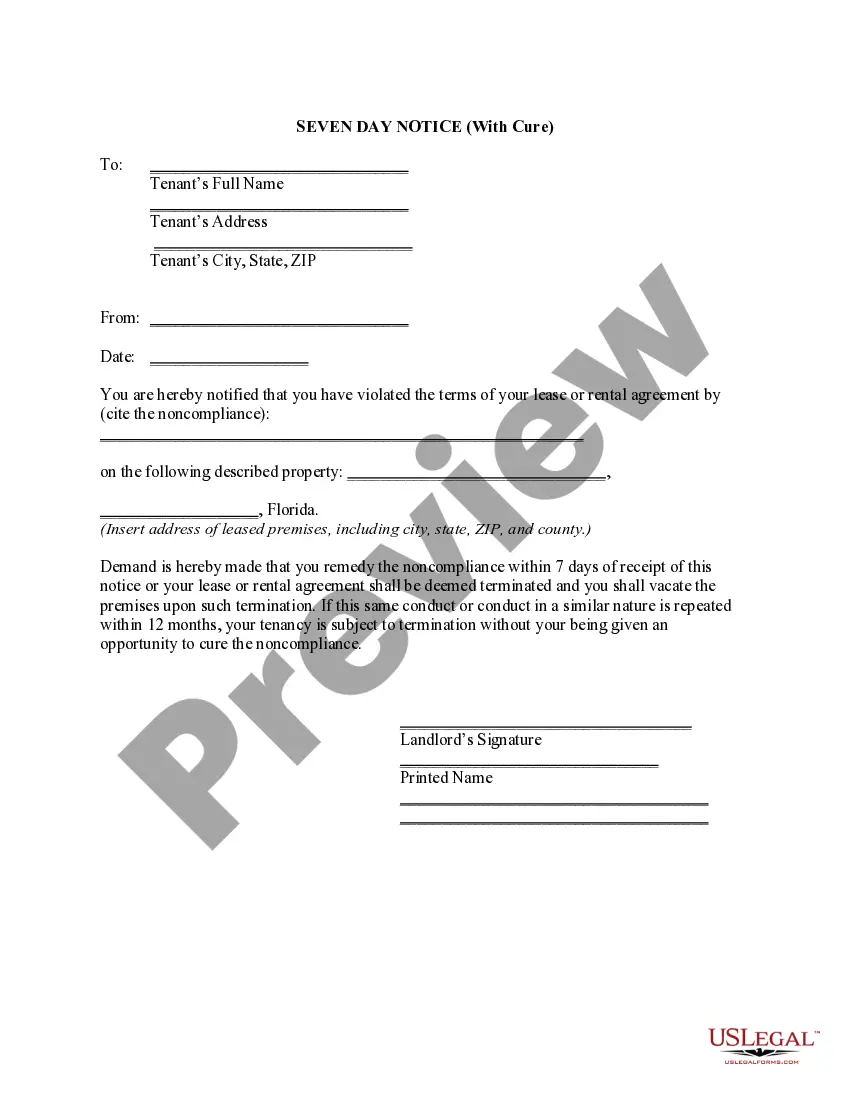
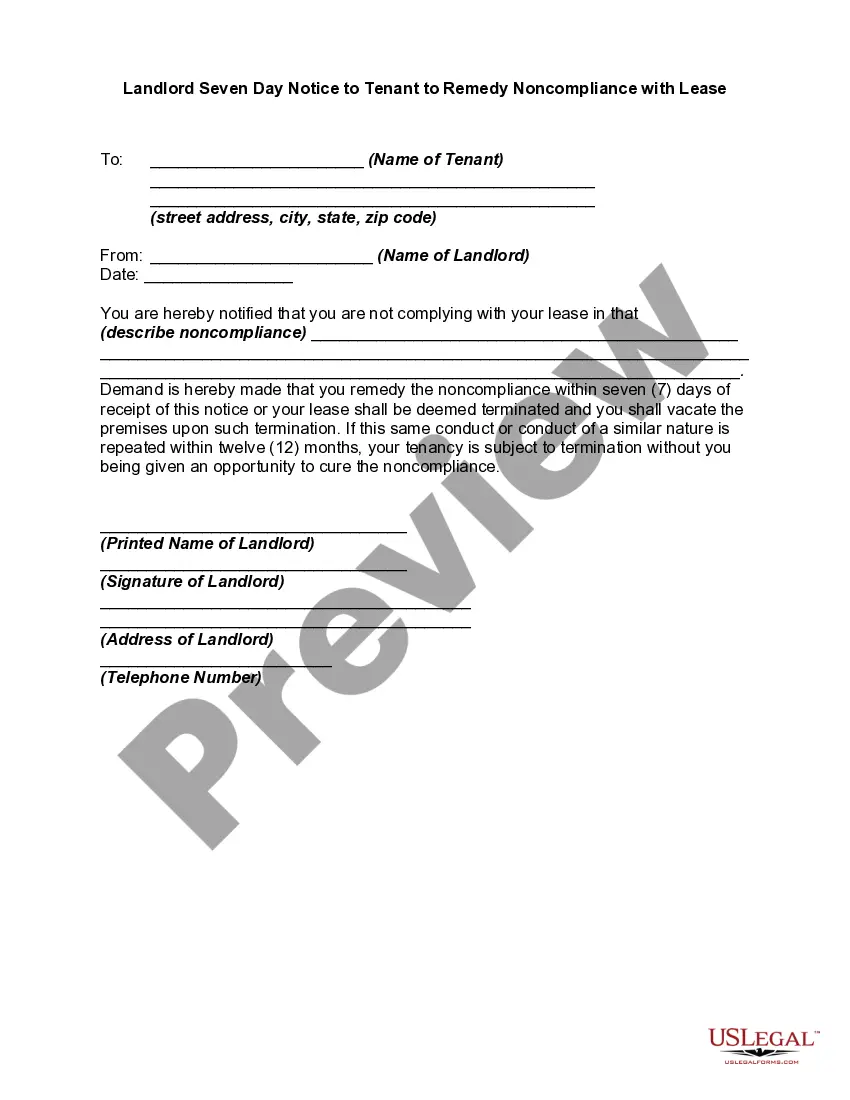
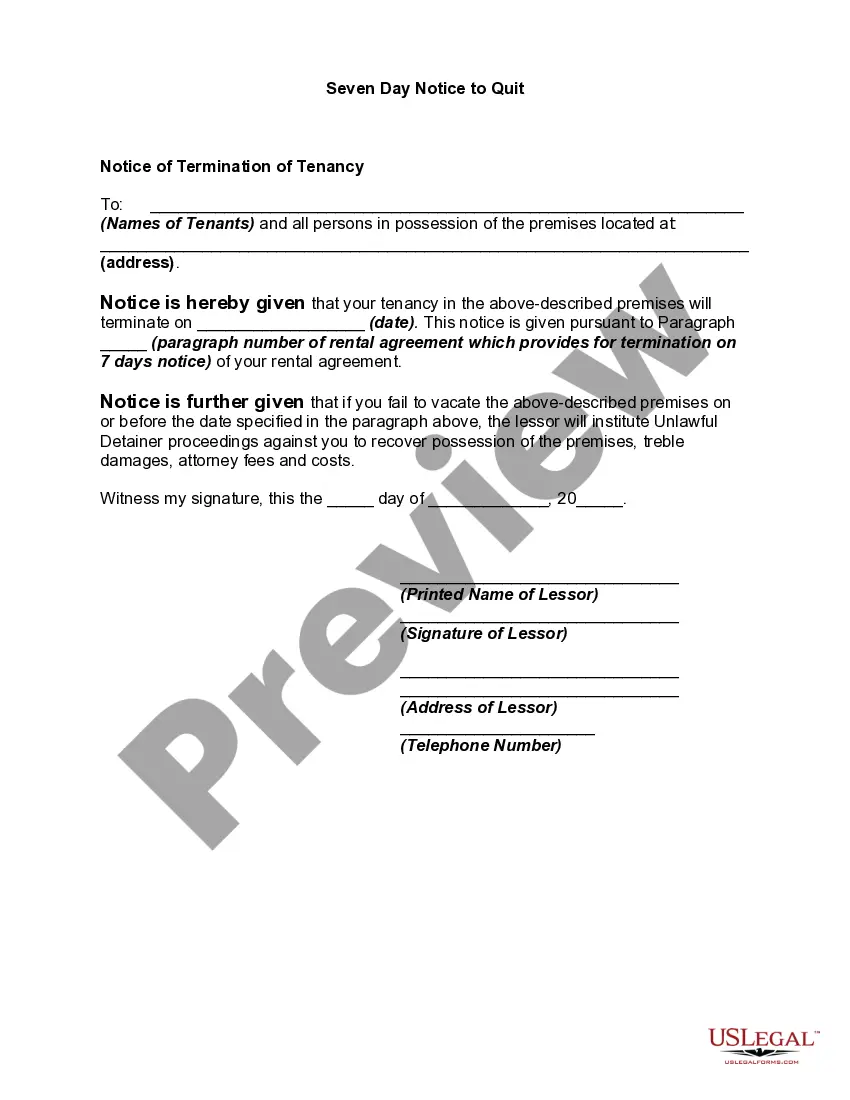
A seven day eviction notice without cure is a legal document used by landlords to terminate a rental agreement immediately when a tenant has violated essential terms. This form is distinct from other eviction notices as it does not provide the tenant an opportunity to remedy the violation, which is applicable in scenarios such as the intentional destruction of property. It serves as an essential tool for landlords seeking to act swiftly against significant breaches of the rental agreement, protecting their property and interests.
Key parts of this document
- Tenant's full name and address
- Landlord's name and contact information
- Date of notice delivery
- Specific address of the leased property
- Deadline for tenant to vacate the premises
- Reasons for termination of the rental agreement
- Landlord's signature and printed name
Situations where this form applies
This form should be used when a tenant has committed a serious violation of the rental agreement that justifies immediate eviction without the option to cure the breach. Common scenarios include damage to the property, illegal activities, or consistent failure to make timely rental payments. Landlords can utilize this form to formally notify the tenant of the eviction and to establish a clear timeline for vacating the property.
Who this form is for
- Landlords or property managers with tenants who have violated the rental agreement
- Landlords in Florida seeking to enforce immediate eviction for severe breaches
- Property owners who want to protect their rights and interests without delay
Instructions for completing this form
- Enter the tenant's full name and address in the designated fields.
- Specify the address of the leased premises accurately.
- Indicate the date of delivery of the eviction notice.
- Clearly state the reasons for termination of the rental agreement.
- Sign the form and include your printed name and contact information.
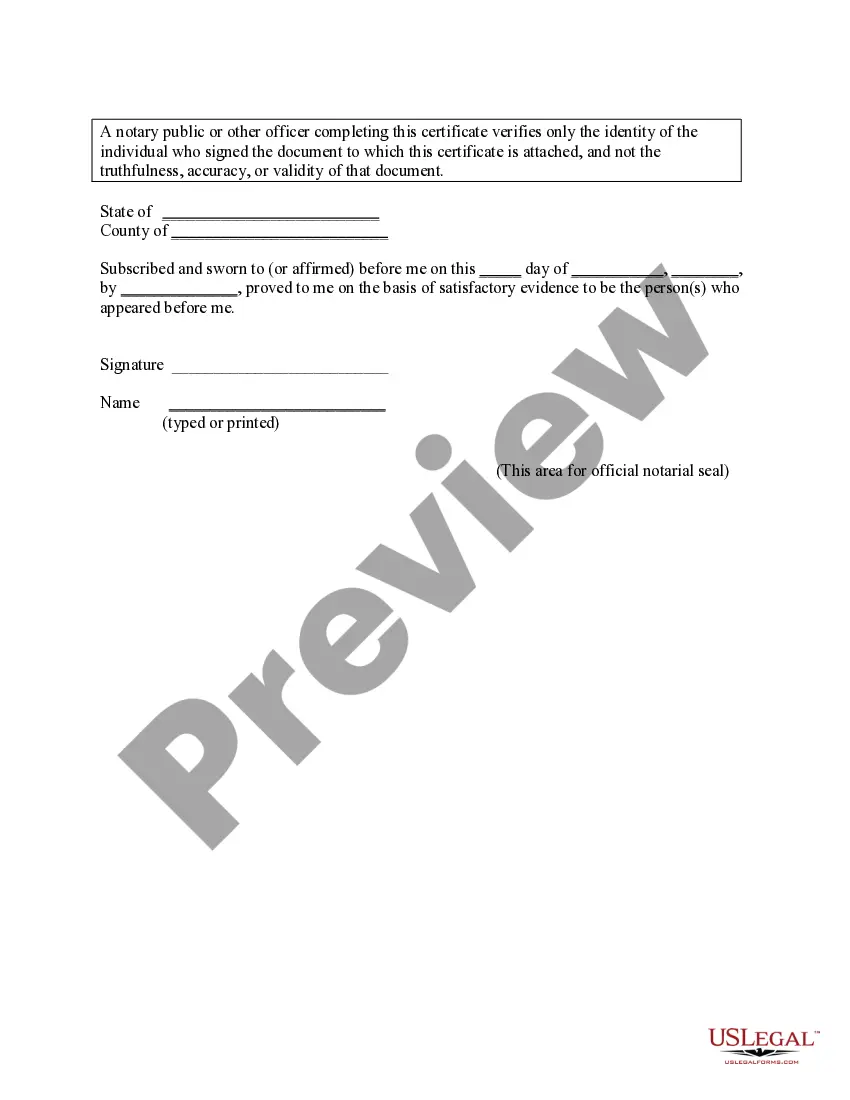
Notarization requirements for this form
This form does not typically require notarization unless specified by local law. However, it is advisable for landlords to maintain a copy for their records and ensure proper delivery to the tenant.
Get your form ready online
Our built-in tools help you complete, sign, share, and store your documents in one place.
Make edits, fill in missing information, and update formatting in US Legal Forms—just like you would in MS Word.
Download a copy, print it, send it by email, or mail it via USPS—whatever works best for your next step.
Sign and collect signatures with our SignNow integration. Send to multiple recipients, set reminders, and more. Go Premium to unlock E-Sign.
If this form requires notarization, complete it online through a secure video call—no need to meet a notary in person or wait for an appointment.
We protect your documents and personal data by following strict security and privacy standards.

Make edits, fill in missing information, and update formatting in US Legal Forms—just like you would in MS Word.

Download a copy, print it, send it by email, or mail it via USPS—whatever works best for your next step.

Sign and collect signatures with our SignNow integration. Send to multiple recipients, set reminders, and more. Go Premium to unlock E-Sign.

If this form requires notarization, complete it online through a secure video call—no need to meet a notary in person or wait for an appointment.

We protect your documents and personal data by following strict security and privacy standards.
Typical mistakes to avoid
- Failing to include the specific reasons for termination, which are essential for legal validity.
- Not providing complete tenant or landlord contact information.
- Using the incorrect format or failing to date the notice properly.
Why use this form online
- Immediate access to legally compliant forms drafted by licensed attorneys.
- Convenient download and edit options, allowing customization as needed.
- Secure handling of sensitive information in online transactions.
Legal use & context
- This notice serves as a formal record of eviction proceedings.
- Failure to comply by the tenant may lead to further legal actions by the landlord.
- It is important to adhere to state-specific regulations regarding eviction procedures to ensure enforceability.
Main things to remember
- A seven day eviction notice without cure is essential for immediate lease termination for severe violations.
- Proper completion and delivery of this form are necessary to initiate the eviction process legally.
- Landlords should familiarize themselves with Florida's eviction laws to protect their rights effectively.
Looking for another form?
Form popularity
FAQ
Fighting a Florida seven day eviction notice without cure can be challenging, but it is possible. First, review the notice carefully to ensure it follows all legal requirements. Then, gather any evidence or documentation that supports your case, such as proof of payment or communication with your landlord. If you believe the notice is invalid, consider consulting a legal professional or utilizing resources from USLegalForms to understand your options and rights.
When you receive a 7 day eviction notice, you must understand the urgency of your situation. This notice signals that you have seven days to either address the issue or vacate the premises. Failing to act can lead to a landlord filing for eviction in court under the Florida Seven day eviction notice without cure provisions. It is crucial to respond promptly and seek legal advice if needed.
The speed of eviction in Florida can vary based on specific circumstances and adherence to proper procedures. Generally, if you receive a Florida Seven day eviction notice without cure and do not respond appropriately, the eviction process can begin after seven days. Once filed, the legal process may advance quickly, often taking just a few weeks. It's crucial to understand your rights throughout this timeline.
In Florida, the statute governing the 7 day notice to cure is outlined in Chapter 83 of the Florida Statutes. This notice must inform the tenant of their breach and provide them seven days to remedy the issue, such as paying overdue rent. If the tenant fails to address the problem within this timeframe, the landlord can proceed with the Florida Seven day eviction notice without cure. This clear statutory guideline protects both parties by setting defined expectations.
To write a 7-day eviction notice in Florida, include the tenant's name, address, and the reason for the eviction. Clearly state that the tenant has seven days to vacate the property without any opportunity to cure the situation. It's essential to follow state-specific guidelines for eviction notices, and using a platform like USLegalForms can ensure that your notice is legally compliant.
To write a letter to a judge to stop an eviction, start by clearly stating your case and providing relevant details. Include your name, address, and any case numbers, along with a concise explanation of why the eviction should not proceed. It's advisable to refer to any legal documents, such as a 7-day eviction notice without cure, and seek guidance on the best format and content for your letter from resources like USLegalForms.
Yes, an eviction notice can sometimes be retracted, but this depends on the specific situation and timing. If the landlord decides not to proceed with the eviction after serving the notice, they can issue a formal retraction. Both parties should communicate effectively and consider utilizing legal forms, such as USLegalForms, to document any retractions accurately.
While paying Texas does not directly relate to Florida eviction laws, tenants sometimes can stop an eviction by addressing outstanding rent or lease violations. In Florida, early intervention is critical, and paying owed rent can often halt the eviction process. You may benefit from legal forms or resources to ensure your payment is documented correctly to avoid complications.
Yes, you can be evicted in seven days in Florida if you receive a 7-day notice without cure. This expedited process is typically used in situations involving non-payment of rent or serious lease violations. Tenants should take immediate action upon receiving such a notice because time is limited to seek legal remedies.
A 7-day notice without cure in Florida is a legal document that landlords use to inform tenants about lease violations. This specific notice gives tenants just seven days to vacate the premises without an opportunity to remedy the violation. Understanding this notice is crucial for tenants to protect their rights and take appropriate action.