Delaware Written Revocation of Will
Overview of this form
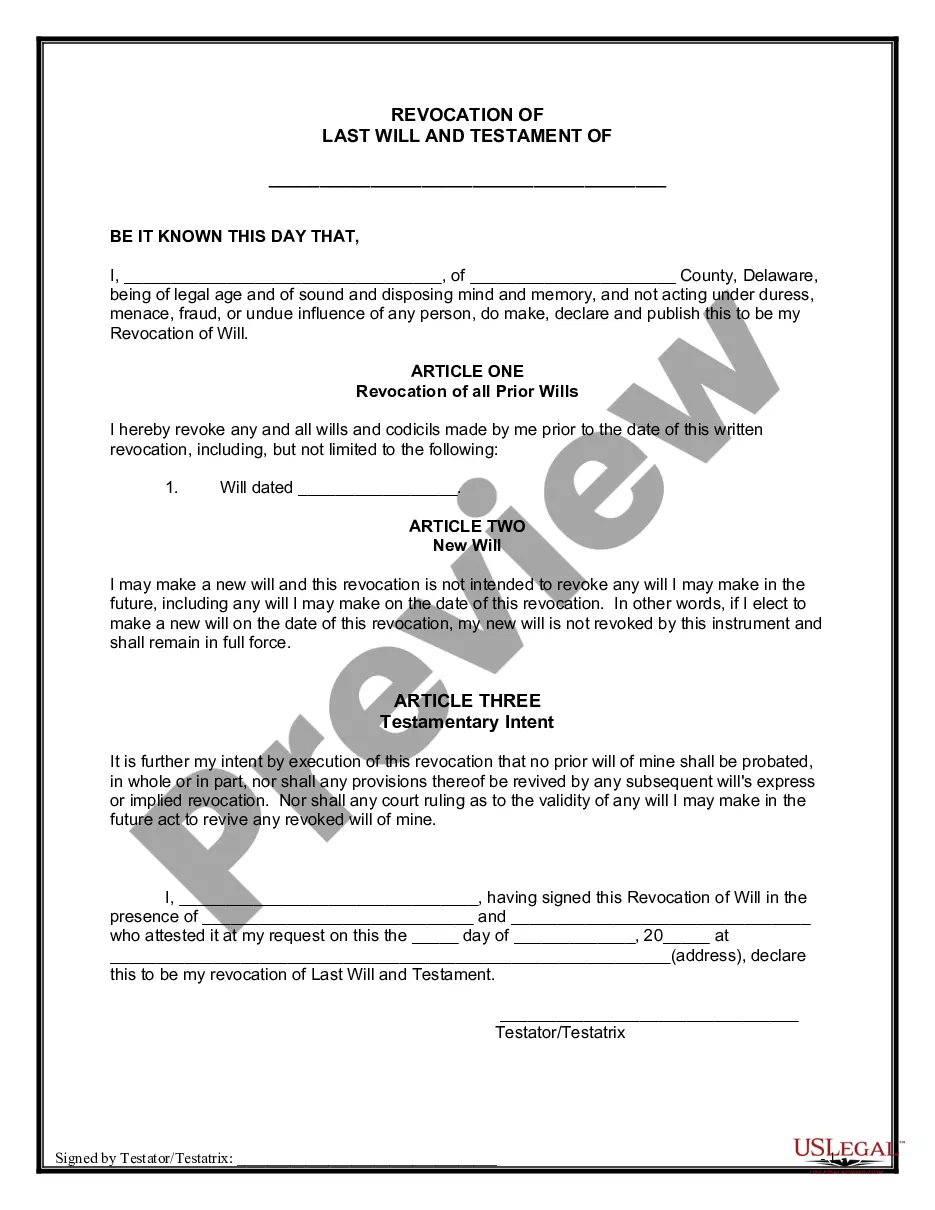
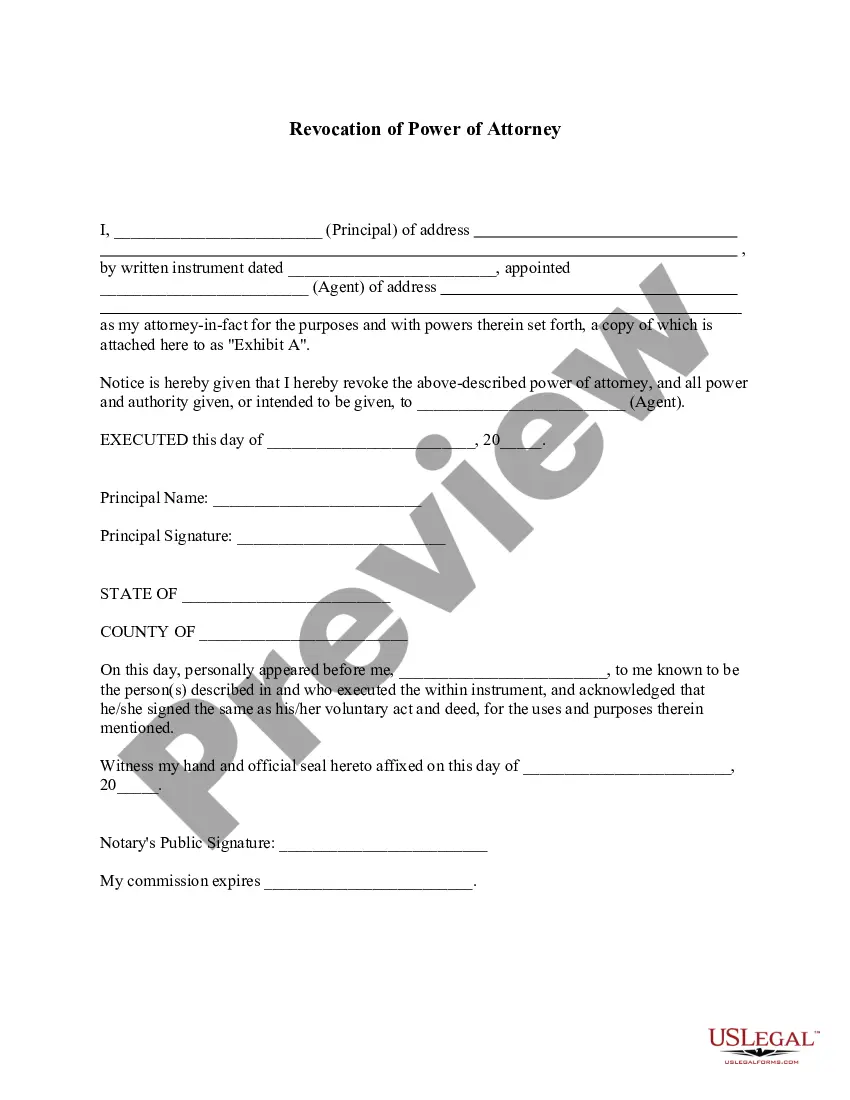
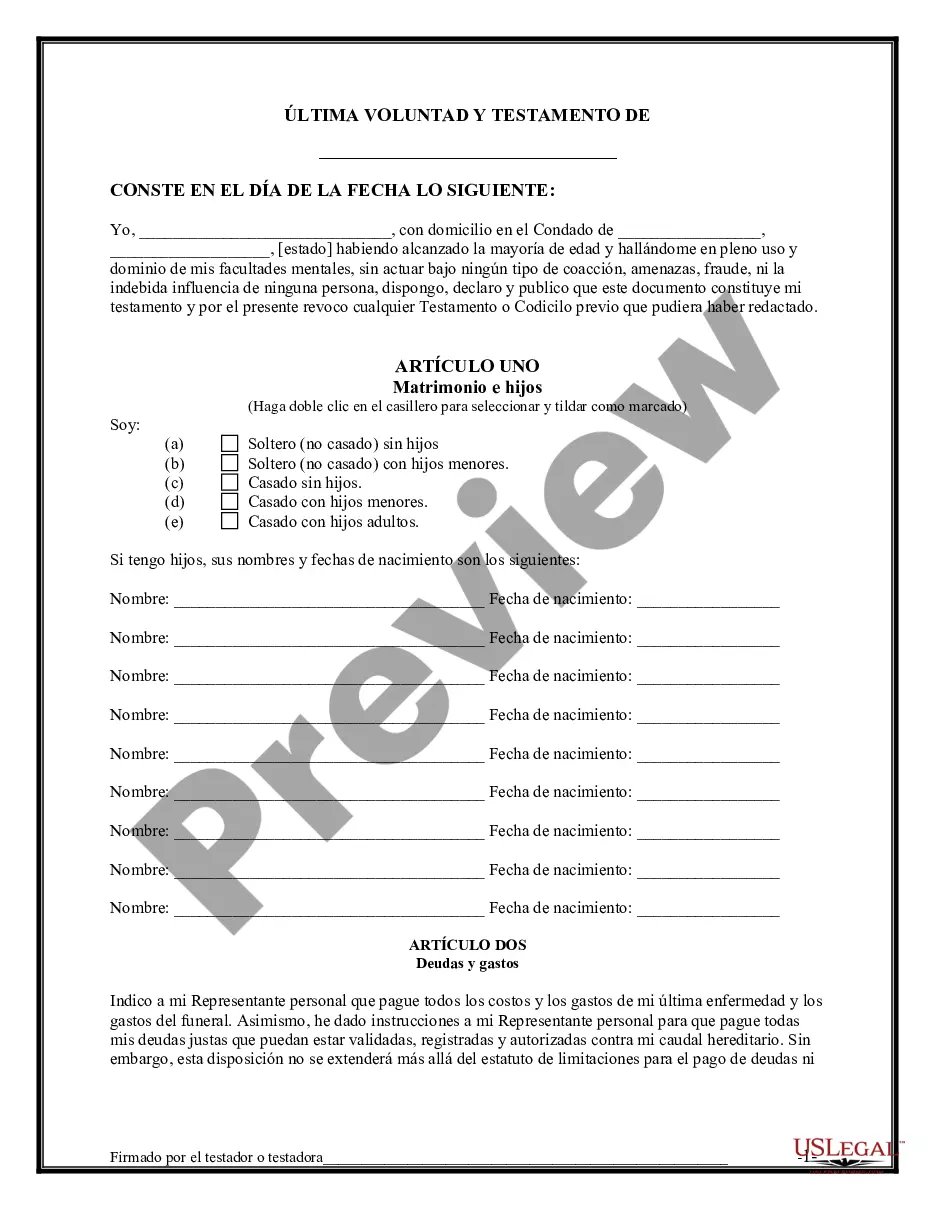
The Written Revocation of Will is a legal document used to revoke a previously established will. This form is essential to clarify that no former wills should be probated, particularly when a newer will lacks a revocation clause. By utilizing this written revocation, you can ensure your current wishes are clearly expressed, preventing confusion among your heirs regarding which will to follow.
Key components of this form
- Introduction identifying the testator and the purpose of the document.
- Article one revokes all prior wills and codicils.
- Article two clarifies that a future will can still be valid.
- Article three emphasizes the intent to prevent any prior wills from being probated.
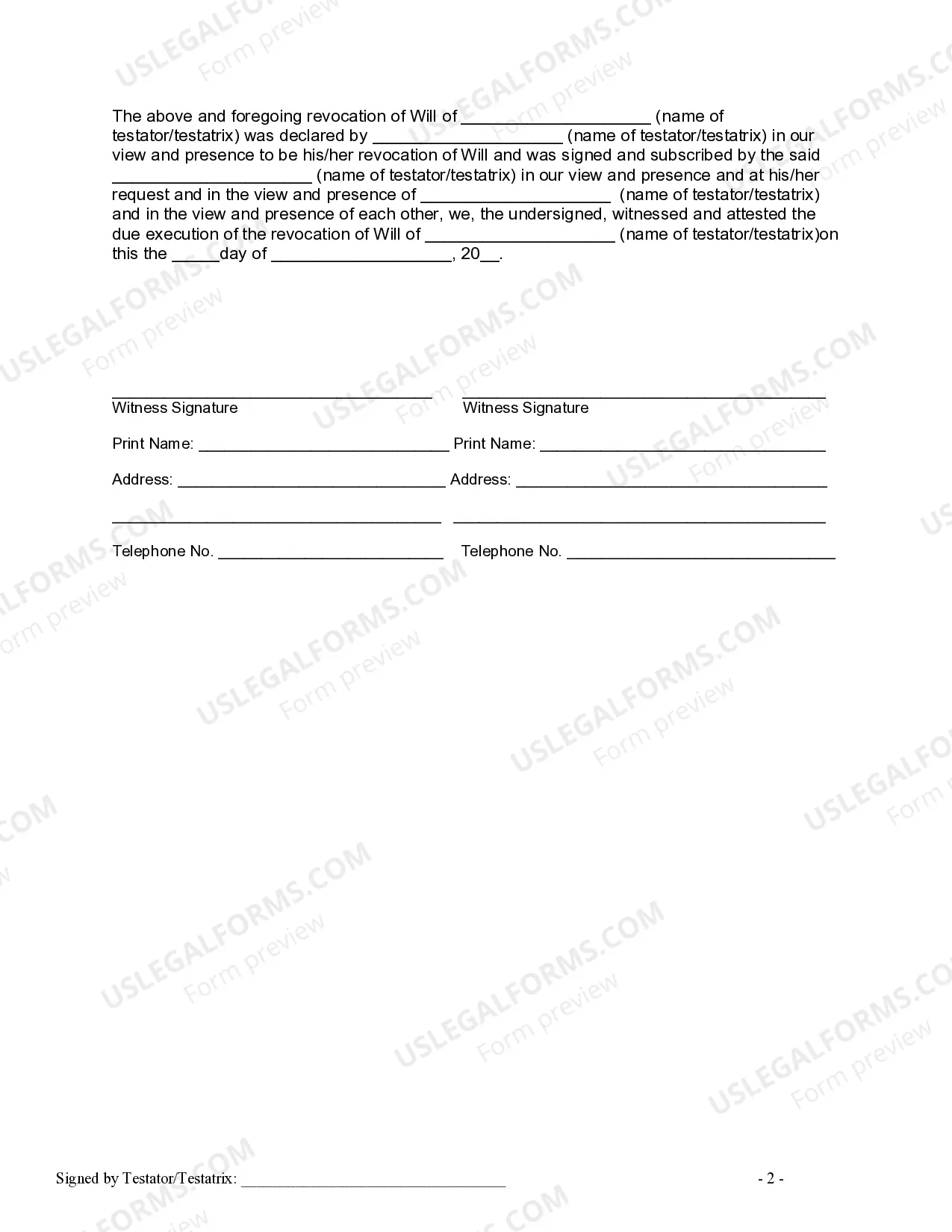
- Signature section for the testator and witnesses, ensuring proper execution.
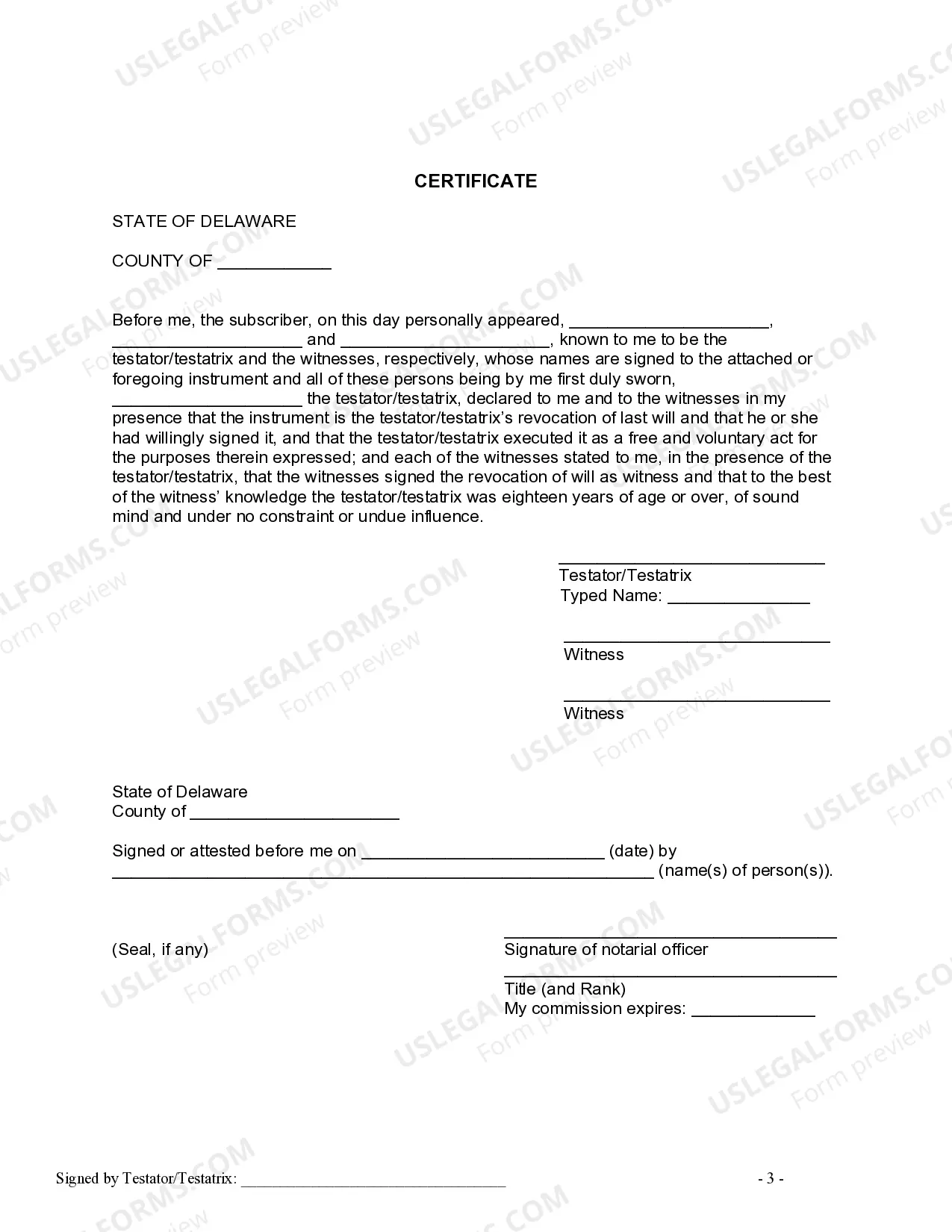
- Notarization certification section, confirming the authenticity of the signatures.

When to use this document
This form is particularly useful in situations where a person has created a new will but wants to ensure that all previous wills are definitively revoked. It is also beneficial if you suspect that your heirs may attempt to probate an outdated will that you no longer favor.
Who this form is for
- Individuals who have previously created a will and wish to revoke it.
- Those who want to prevent any confusion regarding their testamentary wishes.
- People planning to make a new will and want to ensure it remains valid by revoking old documents.
Steps to complete this form
- Identify the parties: Fill in your name as the testator and your county of residence.
- Specify the revocation: Clearly state that you revoke all prior wills and mention the date of the one being revoked.
- Indicate intent for future wills: Confirm that this revocation does not affect any future wills you may create.
- Gather witness signatures: Have at least two witnesses sign the document in your presence.
- Complete the notarization: If required, have a notary public witness the signing for added legal validity.
Notarization guidance
This form must be notarized to be legally valid. US Legal Forms provides secure online notarization powered by Notarize, allowing you to complete the process through a verified video call.
Get your form ready online
Our built-in tools help you complete, sign, share, and store your documents in one place.
Make edits, fill in missing information, and update formatting in US Legal Forms—just like you would in MS Word.
Download a copy, print it, send it by email, or mail it via USPS—whatever works best for your next step.
Sign and collect signatures with our SignNow integration. Send to multiple recipients, set reminders, and more. Go Premium to unlock E-Sign.
If this form requires notarization, complete it online through a secure video call—no need to meet a notary in person or wait for an appointment.
We protect your documents and personal data by following strict security and privacy standards.

Make edits, fill in missing information, and update formatting in US Legal Forms—just like you would in MS Word.

Download a copy, print it, send it by email, or mail it via USPS—whatever works best for your next step.

Sign and collect signatures with our SignNow integration. Send to multiple recipients, set reminders, and more. Go Premium to unlock E-Sign.

If this form requires notarization, complete it online through a secure video call—no need to meet a notary in person or wait for an appointment.

We protect your documents and personal data by following strict security and privacy standards.
Typical mistakes to avoid
- Neglecting to sign the document, which invalidates the revocation.
- Failing to have proper witnesses, which is required in many jurisdictions.
- Not specifying all prior wills being revoked clearly, leading to potential disputes.
- Overlooking the need for notarization in states that require it.
Advantages of online completion
- Convenient access: Download and complete the form at your convenience.
- Editability: Modify the document as needed before finalizing.
- Reliability: Forms are drafted by licensed attorneys to ensure legal compliance.
Looking for another form?

Form popularity
FAQ
Yes, Delaware wills are generally considered public records once they are filed with the court. This means that anyone can access and view a Delaware Written Revocation of Will along with other estate planning documents after they have been submitted for probate. However, while wills are public, certain details may remain private depending on various legal circumstances. If you are concerned about privacy, consulting with a legal professional can help you navigate your options.
To change a will in Delaware, you can create a new will that clearly states your new wishes or use a codicil to amend your existing will. If you choose to revoke your will, a Delaware Written Revocation of Will is an ideal method. Always ensure your updated documents comply with Delaware laws for them to be effective.
Yes, several factors can supersede a will. These include a Delaware Written Revocation of Will, a new will that clearly expresses your updated intentions, and certain legal documents like trusts or agreements that may dictate asset distribution. Understanding these options helps you maintain control over your estate planning.
A notarized document can supersede a will if it explicitly states your intent to revoke the prior will, similar to a Delaware Written Revocation of Will. However, not all notarized documents are considered legally binding in the same way. Always consult with a legal professional to ensure compliance with Delaware laws.
The document that amends a will is known as a codicil. A codicil allows you to make specific changes or add new provisions without completely rewriting your will. To ensure clarity and legally binding effects, this document must also be executed in accordance with Delaware’s legal requirements.
In general, certain documents can supersede a will, including a Delaware Written Revocation of Will, which explicitly indicates the desire to cancel a previous will. Additionally, any subsequent will or codicil that clearly outlines updated wishes may also replace the prior documents. It is essential to ensure that these documents are properly executed according to state laws to be effective.
In Delaware, a will does not have to be notarized to be valid, but it must be signed by the testator and witnessed by at least two individuals. Notarization can help to authenticate the will and may assist in the probate process. If you are considering a new will or revoking a previous one, exploring options like a Delaware Written Revocation of Will can ensure your intentions are accurately recorded.
An example of revocation of a will in Delaware can occur when a new will is created that expressly states it revokes all previous wills. Another common method involves physically destroying the old will, such as tearing it up or burning it. Formalizing your wishes through a Delaware Written Revocation of Will can provide clear documentation of your intent. This practice helps avoid potential conflicts among your heirs.
A handwritten will can be quite valid if it adheres to the legal standards set by Delaware law. It should include a clear expression of your intentions and be signed by you. However, the possibility of challenges exists due to the informal nature of such documents. To mitigate disputes over your wishes, create a Delaware Written Revocation of Will if changes are necessary.
In Delaware, you generally have 120 days to contest a will after it has been probated. This timeframe ensures that any disputes regarding the validity of the will are addressed promptly. After this period, it becomes significantly more challenging to challenge the will. If you have concerns about a will’s validity, consider consulting a legal expert sooner rather than later.