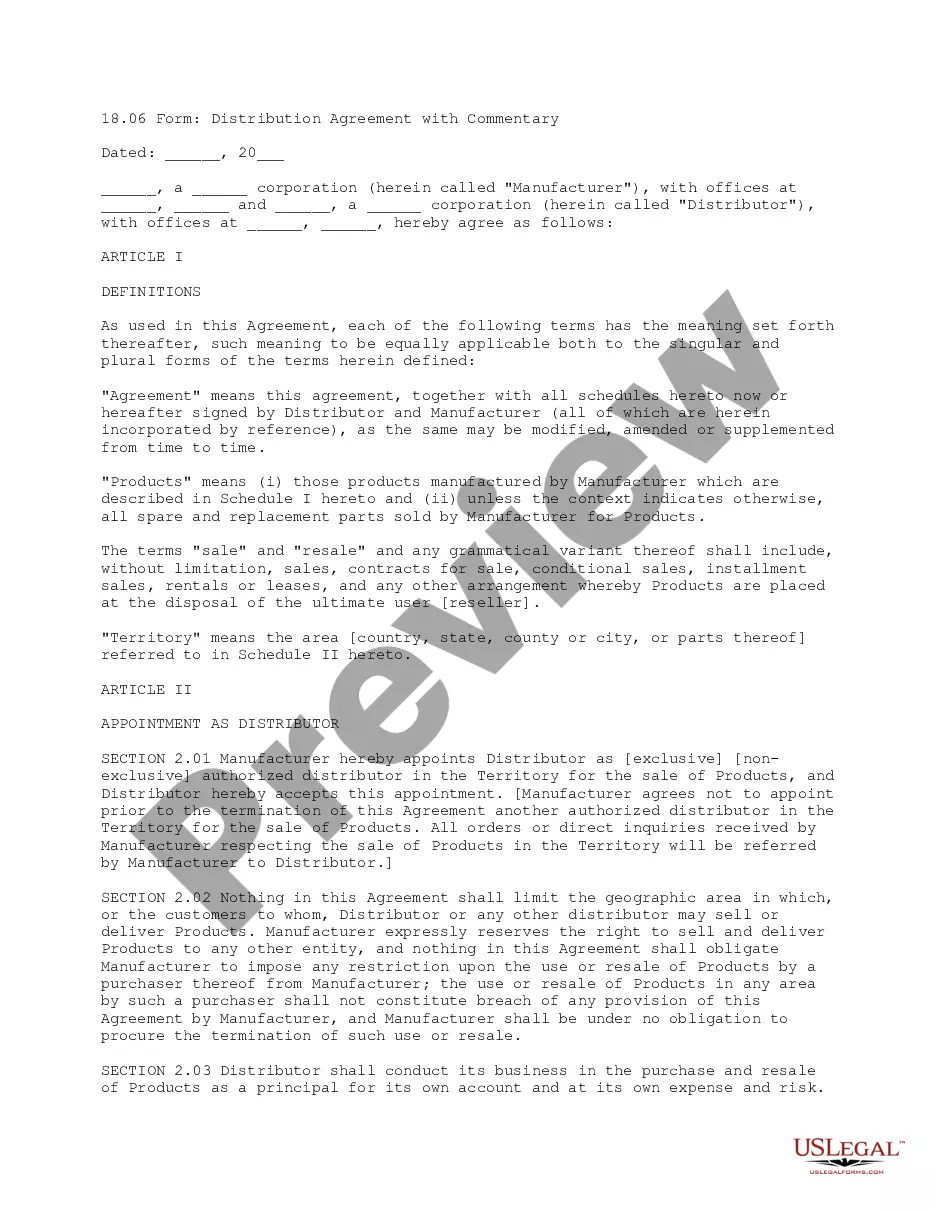
Delaware Waiver and Release From Liability For Minor Child for Skeet Shooting
Description
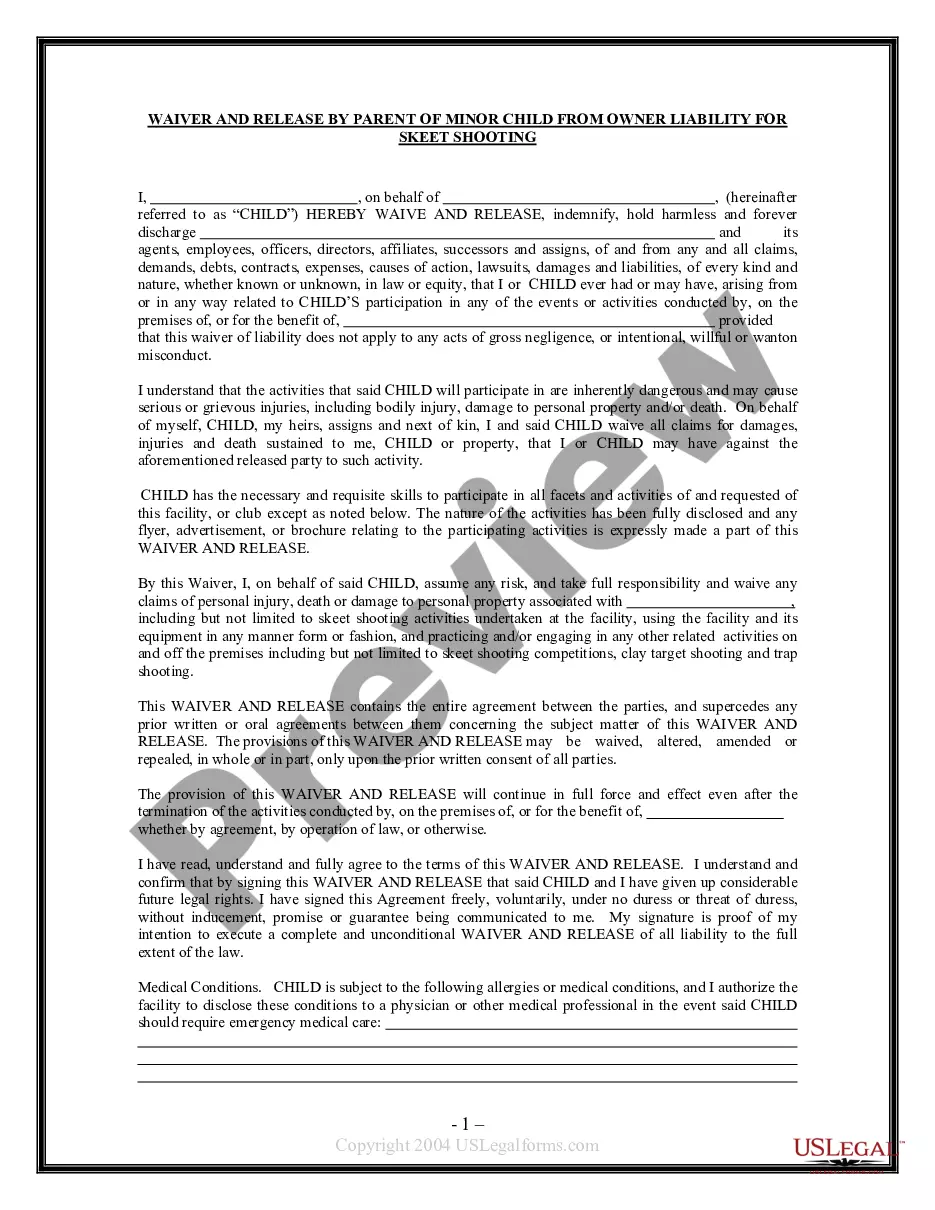
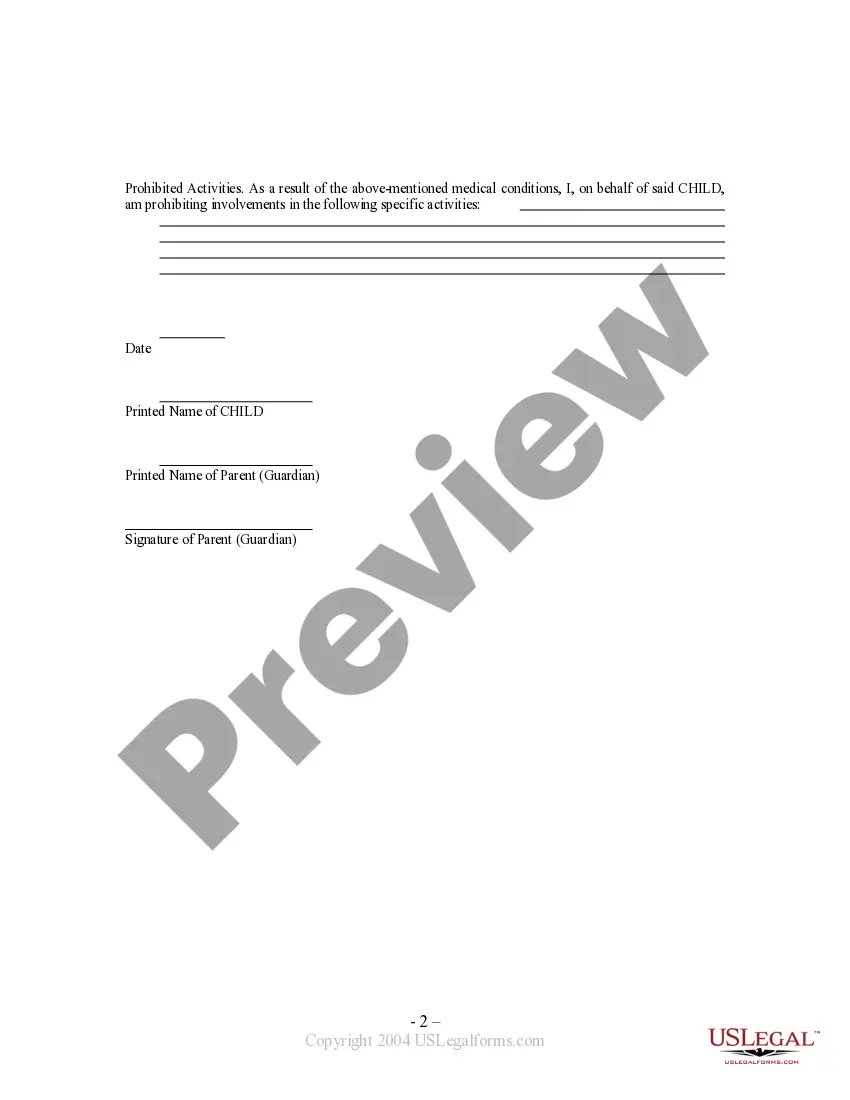
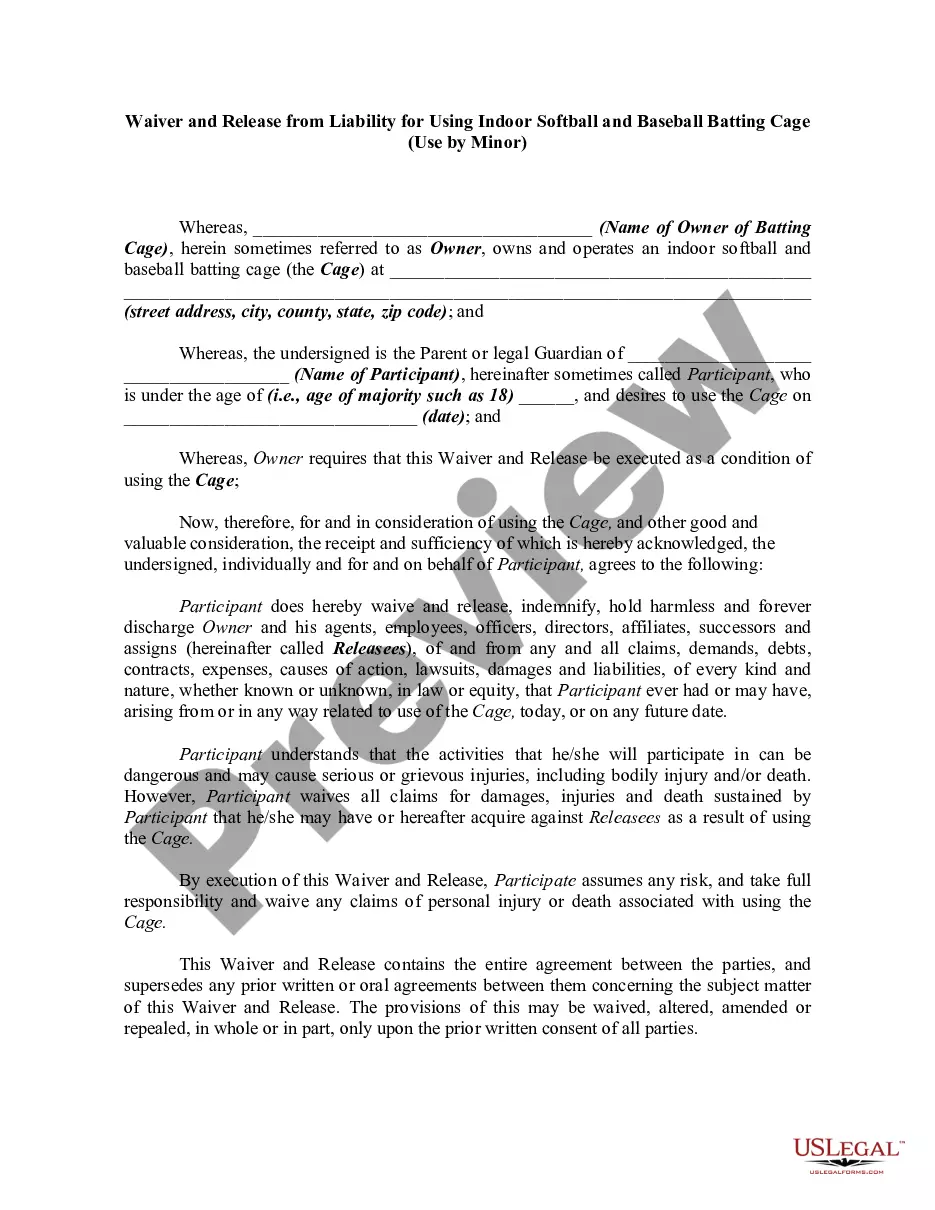
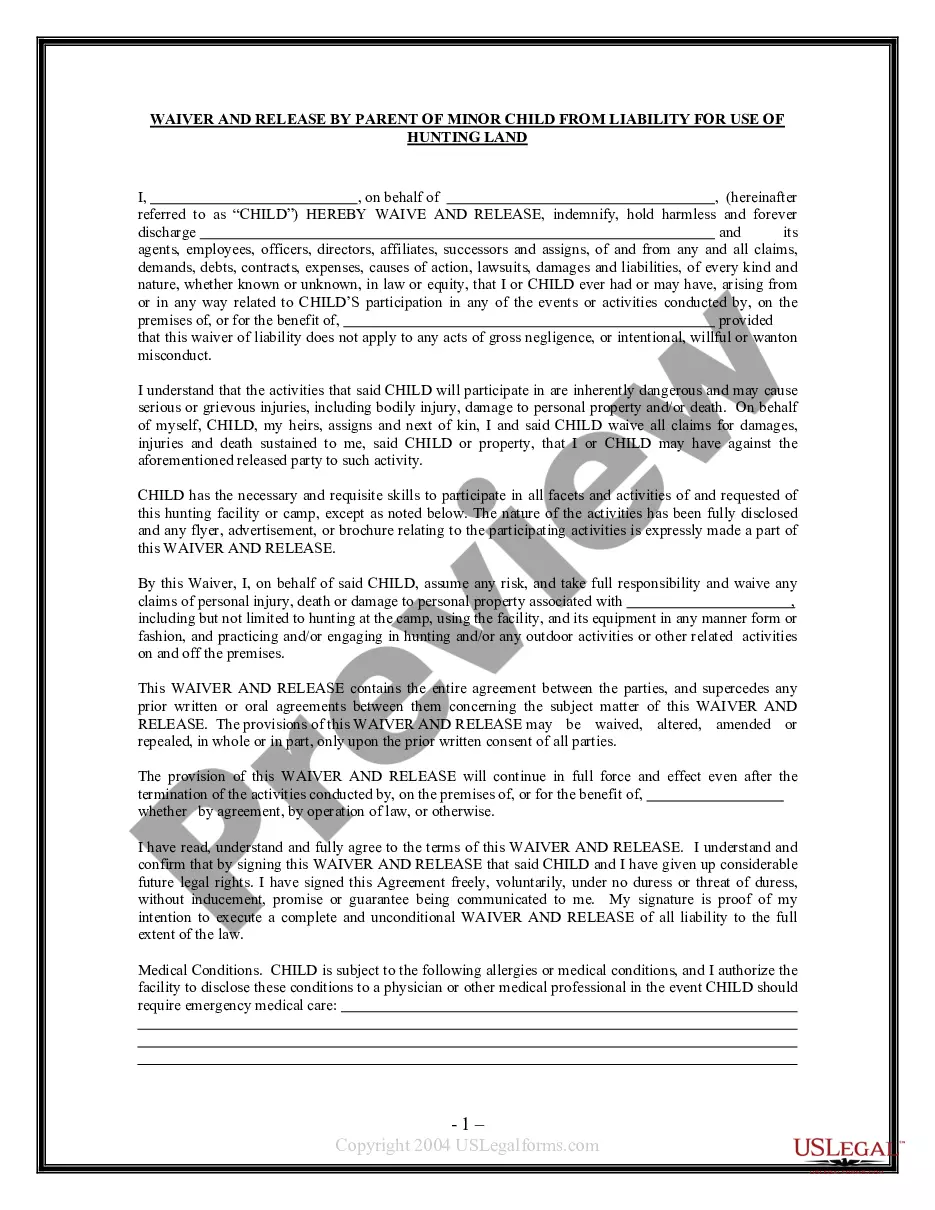
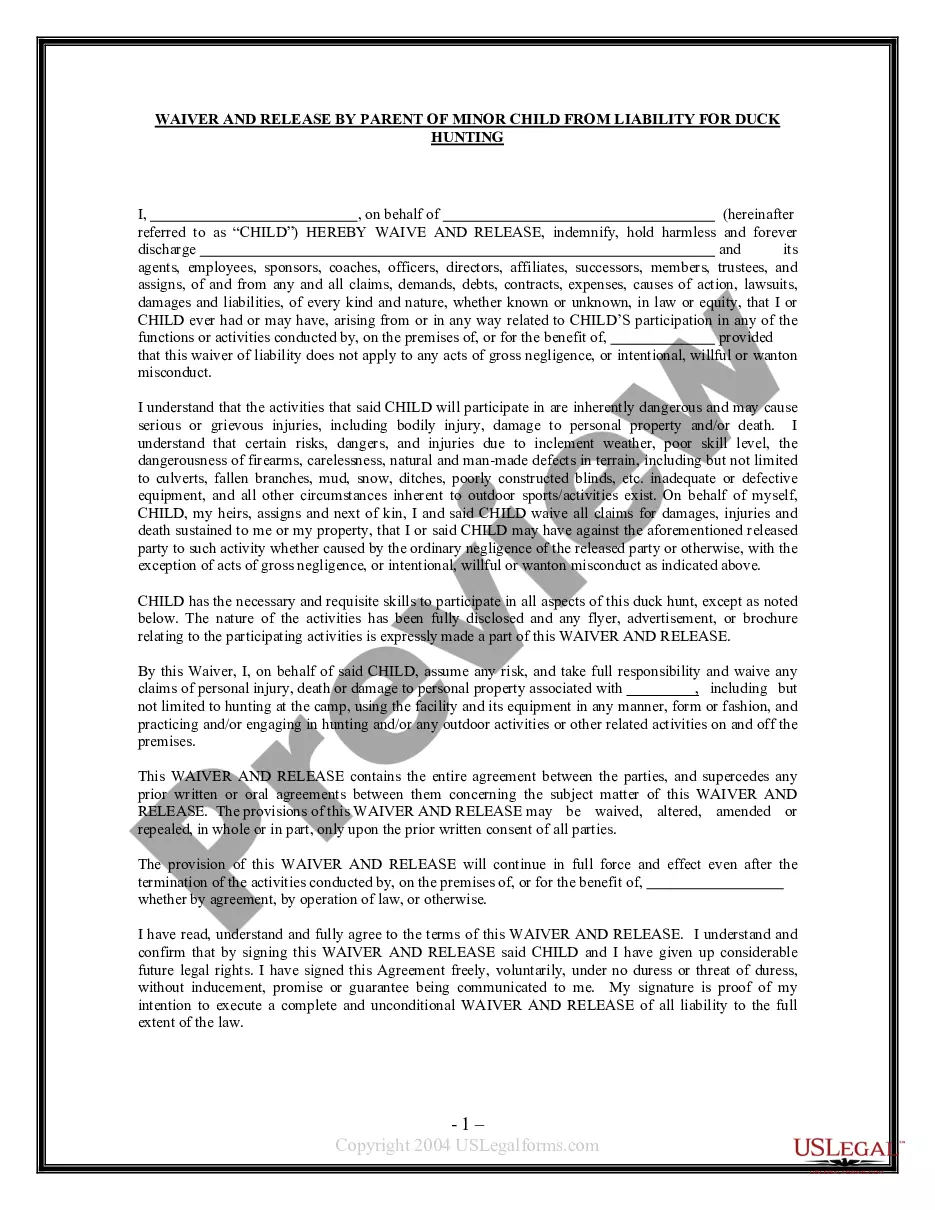
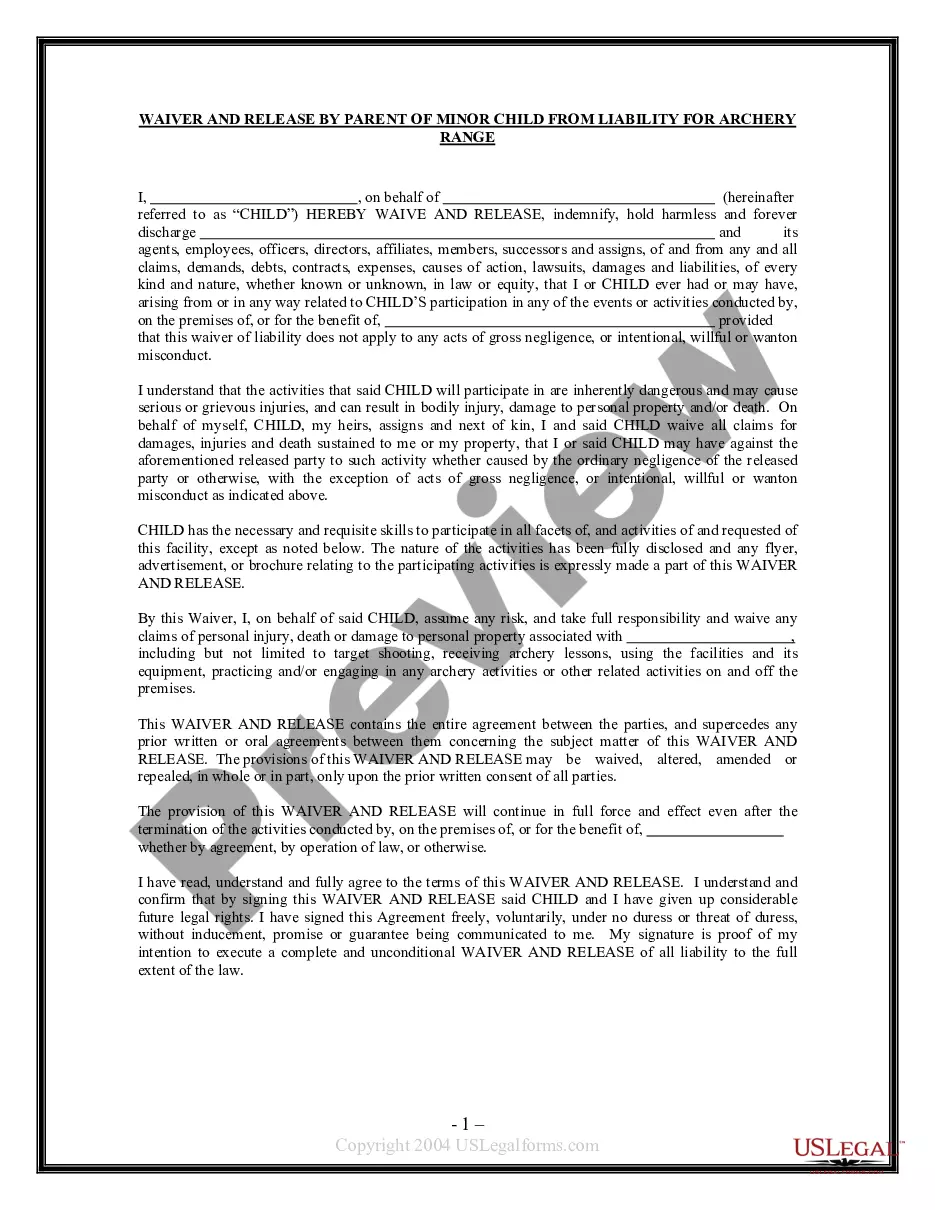
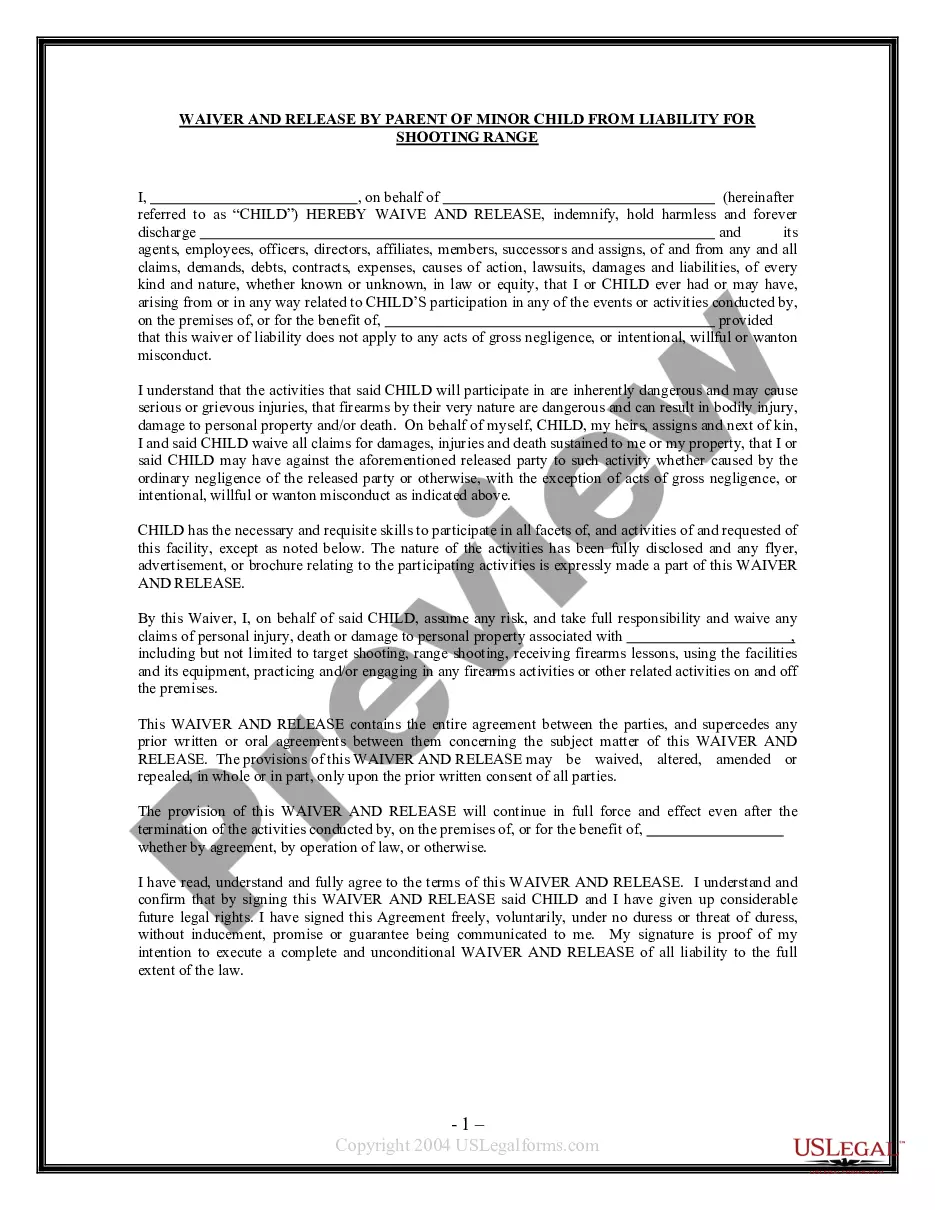
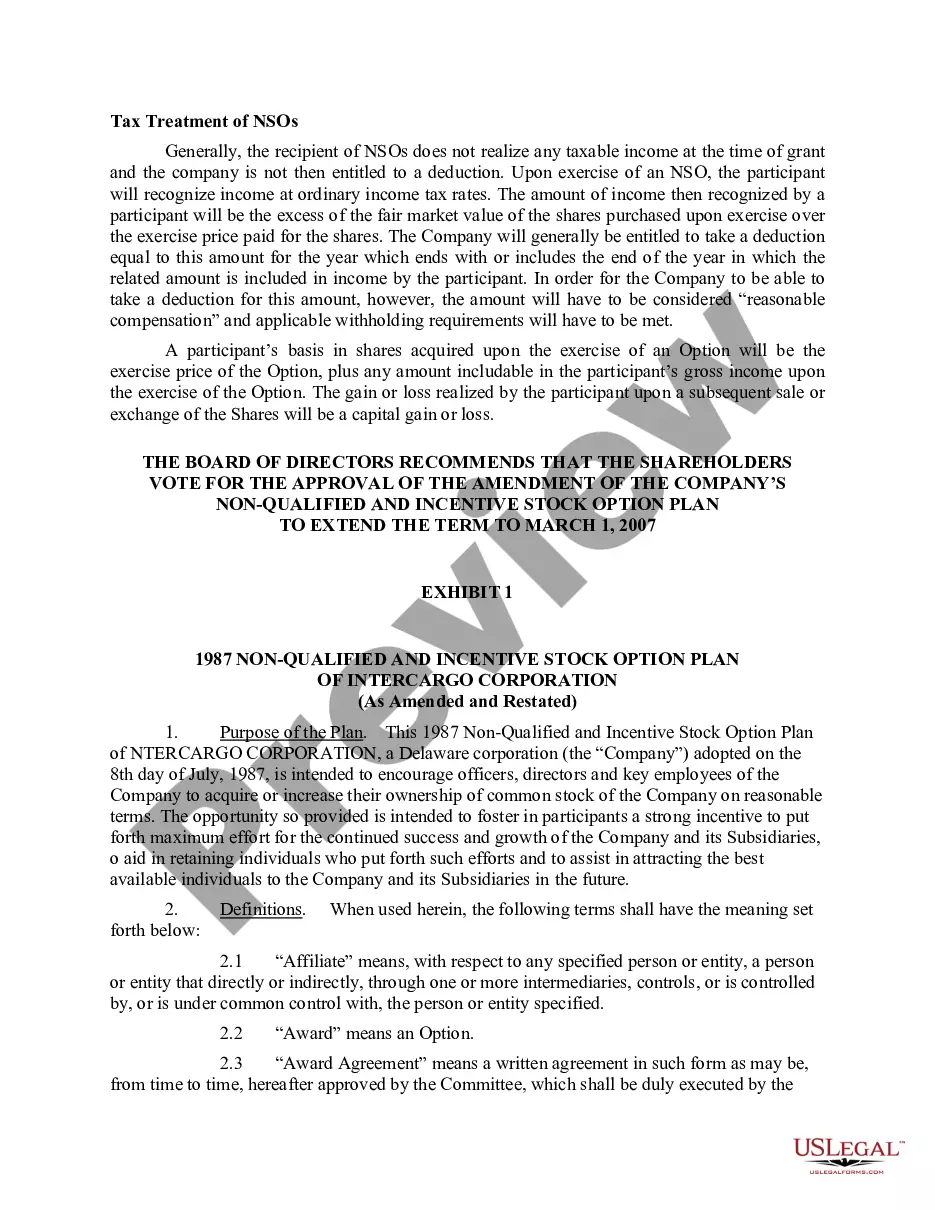
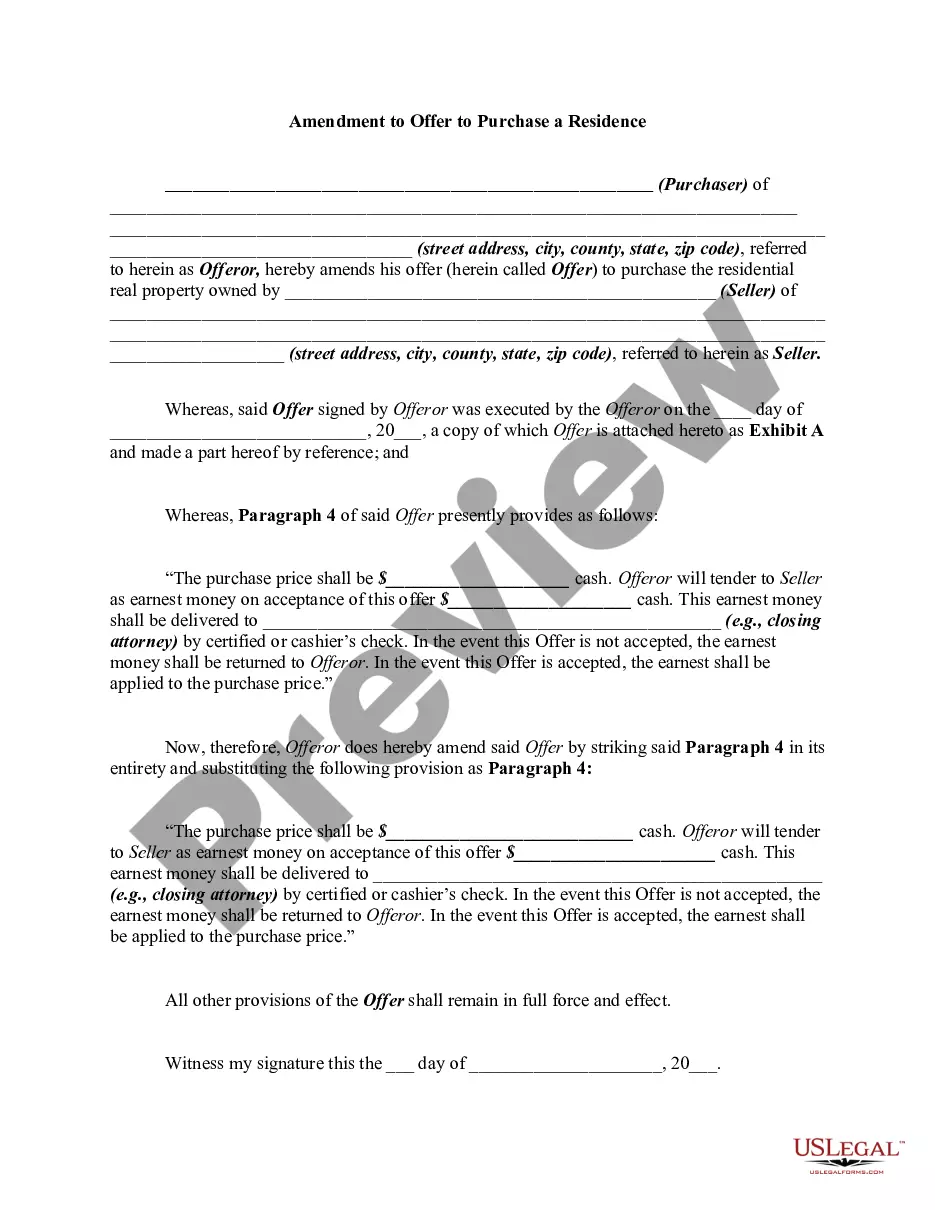
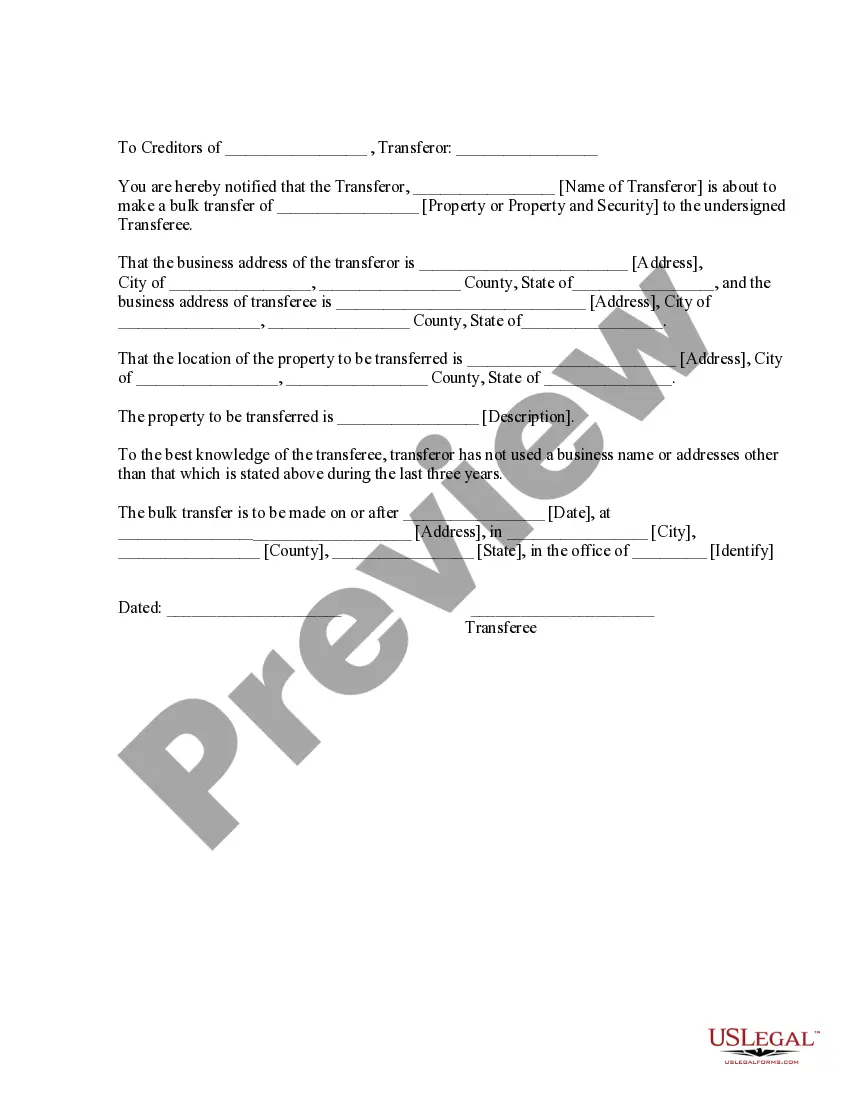
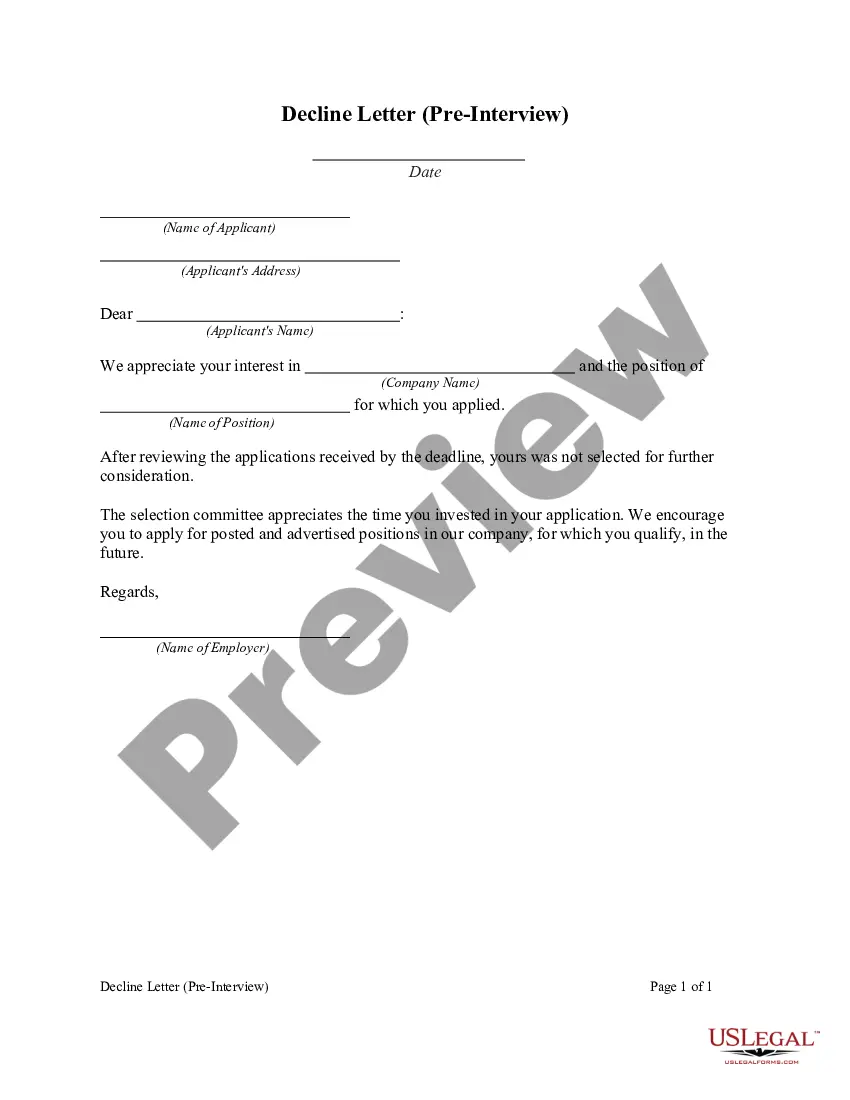
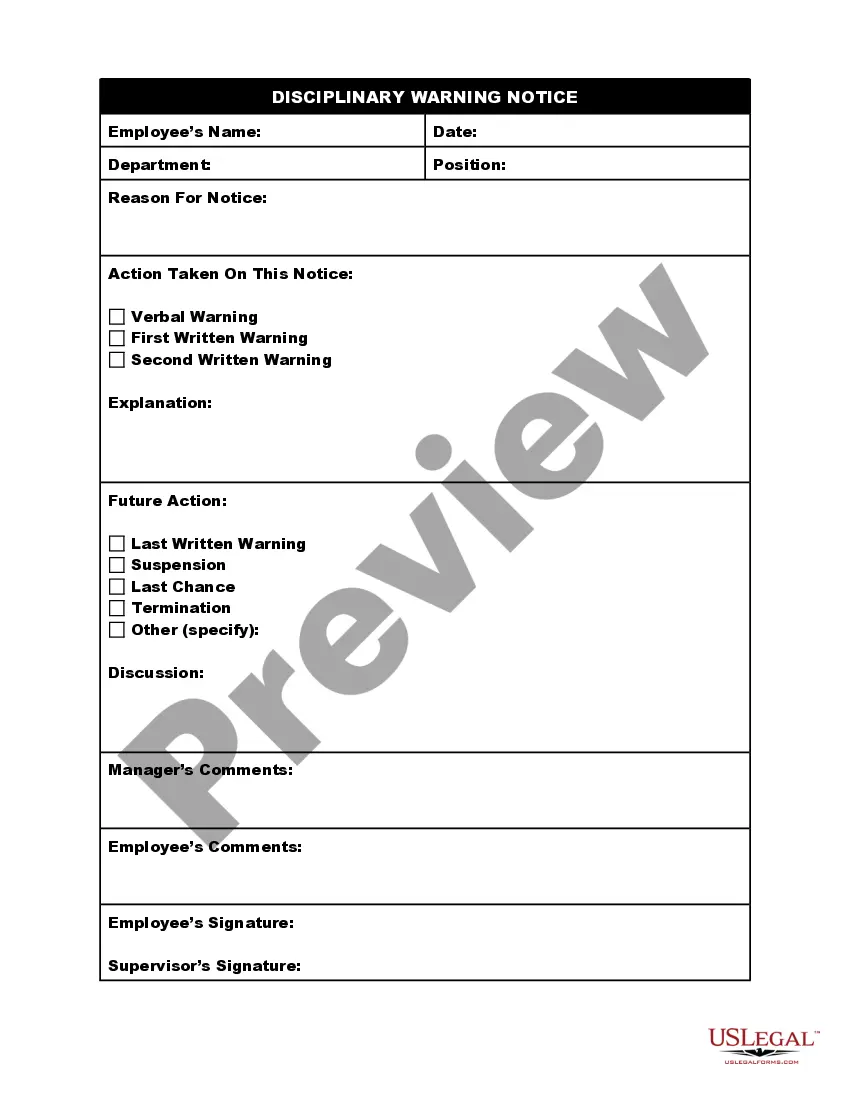
How to fill out Waiver And Release From Liability For Minor Child For Skeet Shooting?
Are you presently in a role that necessitates documentation for either organizational or personal tasks nearly every day? There are numerous legal document samples accessible online, but finding ones you can trust is not straightforward. US Legal Forms provides thousands of form samples, such as the Delaware Waiver and Release From Liability For Minor Child for Skeet Shooting, that are designed to comply with federal and state regulations.
If you are already familiar with the US Legal Forms website and have your account, just Log In. After that, you can download the Delaware Waiver and Release From Liability For Minor Child for Skeet Shooting template.
If you do not have an account and wish to start using US Legal Forms, follow these steps: Find the document you need and ensure it is for your correct city/state. Use the Preview button to review the form. Check the description to make sure you have selected the correct document. If the form is not what you're looking for, use the Lookup section to find the form that meets your needs and specifications. If you locate the right form, click Acquire now. Select the payment plan you prefer, fill in the necessary details to create your account, and pay for your order using your PayPal or credit card. Choose a suitable file format and download your copy.
Avoid altering or deleting any HTML tags. Only synonymize plain text outside of the HTML tags.
- Find all the document samples you have purchased in the My documents list.
- You can obtain an additional copy of Delaware Waiver and Release From Liability For Minor Child for Skeet Shooting at any time, if necessary.
- Just click on the desired form to download or print the document template.
- Utilize US Legal Forms, one of the most extensive collections of legal forms, to save time and avoid mistakes.
- The service offers expertly crafted legal document templates that can be utilized for a variety of purposes.
- Create your account on US Legal Forms and start simplifying your life.
Form popularity
FAQ
The main difference between releases and waivers is the transferring of ownership. When rights are released, they are transferred to another party. When rights are waived, they are gone altogether. If intellectual property rights are waived, the IP can be used by any other party that has access to it.
AN AGREEMENT NOT TO SUE THE RELEASEES for any loss, injury, costs or damages of any form or type, howsoever caused or arising, and whether directly or indirectly from the participation of my minor child/ward in any aspect of the EVENT; and. 4.
Examples of activities that require an additional waiver include:Operator or passenger of: snowmobile, farm equipment, motorcycles, trikes, scooters, quad bikes, ATVs, etc.;Handling of weapons (guns, air guns, bows, swords, knives etc.)Scuba diving (with proper certification)More items...?
A waiver is a legal agreement the primary purpose of which is to let you or another party modify or relinquish a right, privilege, or claim. The agreement can be a separate document on its own, such as if you sign a waiver form, or added to a contract as a waiver clause.
A player that is claimed on release waivers has the option of rejecting that claim and instead exploring the free-agent market. Release waivers are often requested after a player's contract is designated for assignment or in cases when a veteran player would otherwise refuse an outright assignment.
A waiver is an essential document that informs participants of the risks involved in certain activities and also protects you from liability. In some cases, you may limit your liability as a business by asking participants to sign a hold- harmless agreement.
WHAT ARE WAIVERS AND RELEASES? Waivers and/or releases of liability (releases) are legal agreements designed to transfer responsibility for injuries and property damage from one party to another.
Waivers must be stored by the department supervising the activity for at least three years after the activity ends. Waivers signed on behalf of a minor must be retained for three years after the activity ends or until the minor turns 20, whichever is longer.
No waiver for intentional, reckless or grossly negligent conduct. Most states will not enforce waivers of liability for intentional, reckless or grossly negligent conduct. This means a party is not protected by a liability waiver if, for instance, it engaged in fraud or conduct that was grossly negligent.