New Hampshire Statement for Services Other Than Counsel
Understanding this form
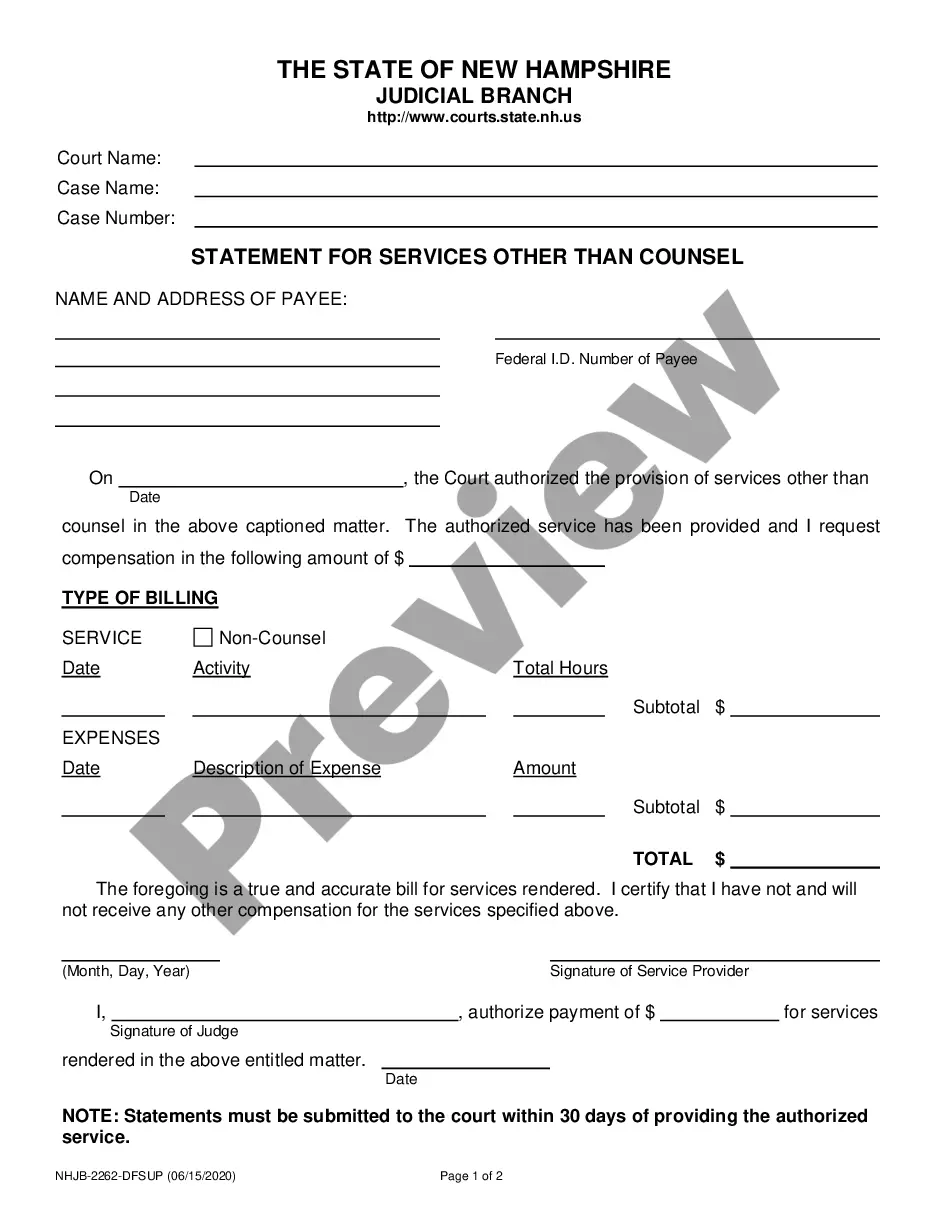
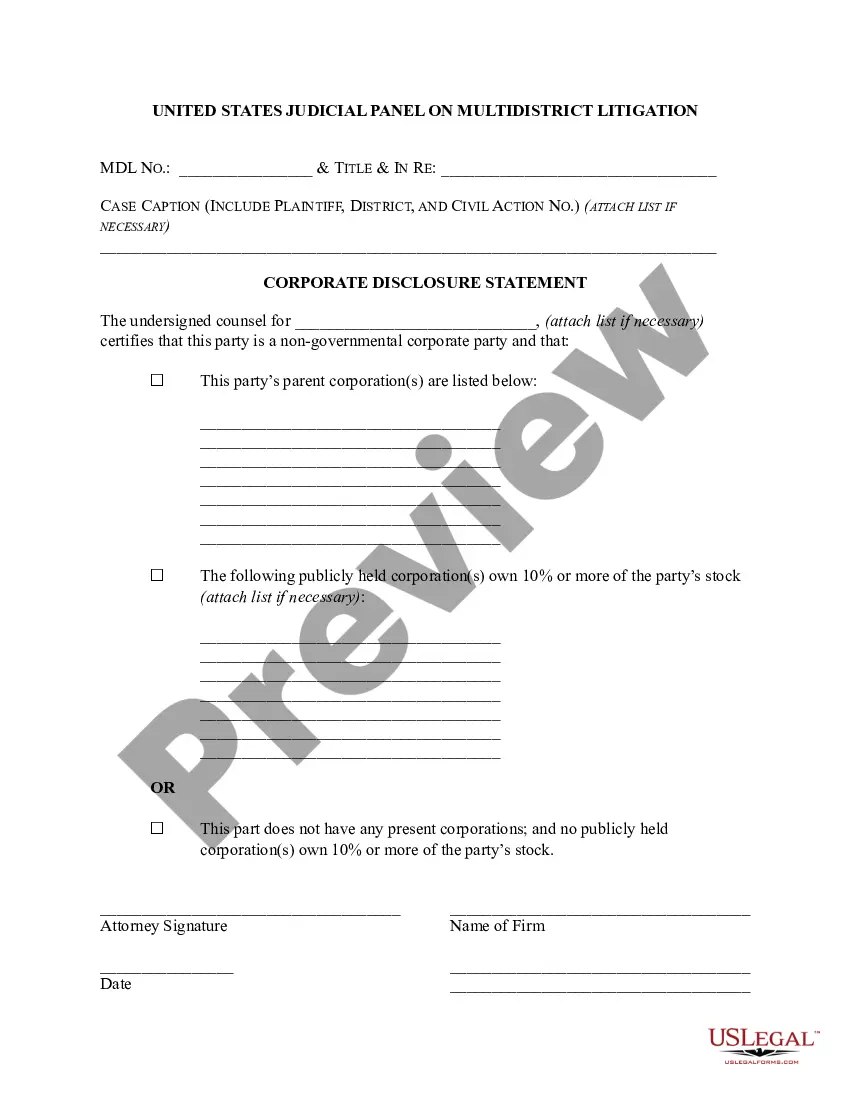
The Statement for Services Other Than Counsel is an official document used in New Hampshire to itemize and request compensation for services rendered by individuals or associations, which have been authorized by the court. This form distinguishes itself by focusing specifically on non-counsel services, unlike other legal forms that may pertain to counsel-related expenses. It ensures compliance with New Hampshire laws and is regularly updated by licensed attorneys through US Legal Forms.
What’s included in this form
- Identification fields for the court name, case name, and case number.
- Name and address of the payee, including their Federal I.D. number.
- Section for detailing authorized services provided, including dates, descriptions, and hours worked.
- Expense section for additional costs incurred, requiring receipts for documentation.
- Certification statement confirming the accuracy of the billing and a signature line for the service provider.
- Signature line and date for judicial authorization of payment.
When this form is needed
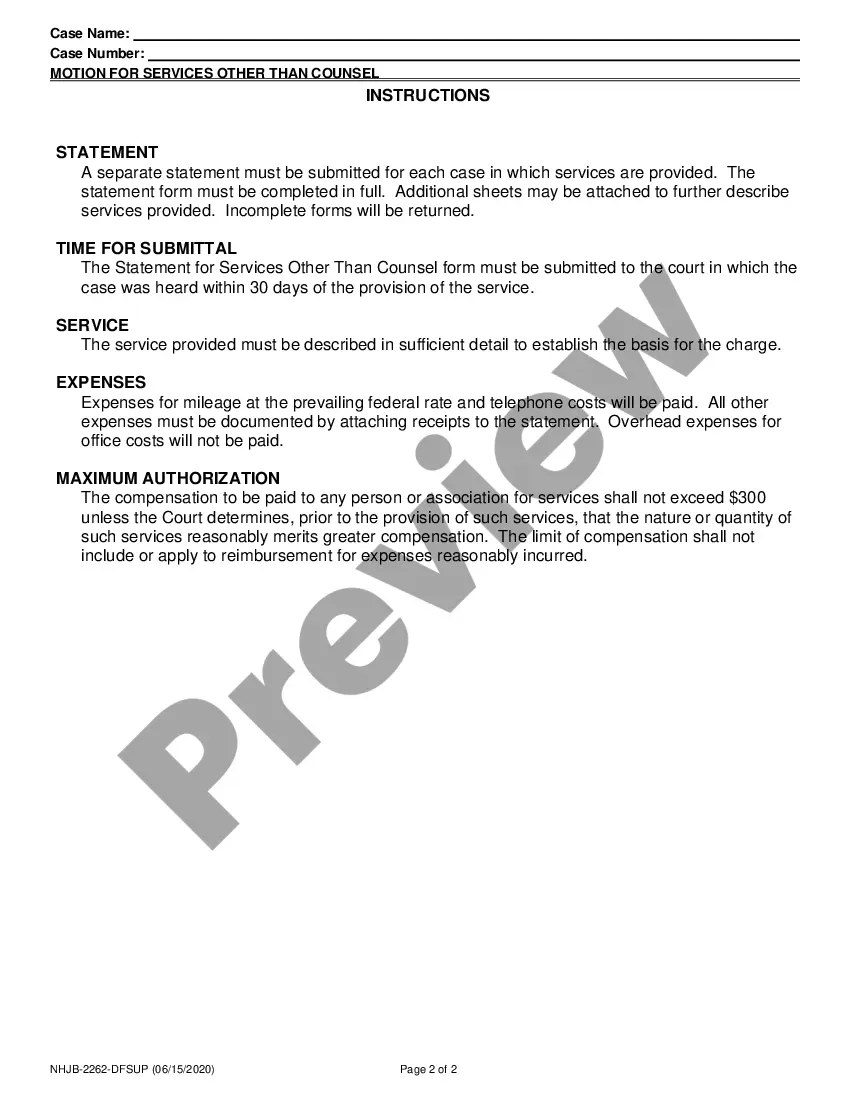
This form should be used when a court has approved the provision of services other than legal counsel in a case. If a service provider has delivered authorized services, they must submit this statement to request payment within thirty days of providing those services. It is applicable in various situations involving court-mandated support or assistance that does not involve legal representation.
Intended users of this form
- Service providers who have been authorized by the court to perform duties outside of legal counsel.
- Associations or individuals who have rendered such services and seek reimbursement.
- Anyone involved in a case in New Hampshire that requires billing for services rendered after court approval.
Steps to complete this form
- Fill in the court name, case name, and case number at the top of the form.
- Provide the name and address of the payee, including their Federal I.D. number.
- Document the services provided, including the date, type of service, total hours worked, and subtotal for the services.
- List any additional expenses incurred, ensuring to attach receipts for reimbursement.
- Sign and date the certification statement to confirm the accuracy of the billing.
- Obtain the judge's signature to authorize the payment for services rendered.
Does this form need to be notarized?
This form does not typically require notarization unless specified by local law. You should confirm with court requirements to ensure compliance.
Get your form ready online
Our built-in tools help you complete, sign, share, and store your documents in one place.
Make edits, fill in missing information, and update formatting in US Legal Forms—just like you would in MS Word.
Download a copy, print it, send it by email, or mail it via USPS—whatever works best for your next step.
Sign and collect signatures with our SignNow integration. Send to multiple recipients, set reminders, and more. Go Premium to unlock E-Sign.
If this form requires notarization, complete it online through a secure video call—no need to meet a notary in person or wait for an appointment.
We protect your documents and personal data by following strict security and privacy standards.

Make edits, fill in missing information, and update formatting in US Legal Forms—just like you would in MS Word.

Download a copy, print it, send it by email, or mail it via USPS—whatever works best for your next step.

Sign and collect signatures with our SignNow integration. Send to multiple recipients, set reminders, and more. Go Premium to unlock E-Sign.

If this form requires notarization, complete it online through a secure video call—no need to meet a notary in person or wait for an appointment.

We protect your documents and personal data by following strict security and privacy standards.
Common mistakes to avoid
- Failing to submit the form within the required thirty-day time frame.
- Leaving sections incomplete, which can lead to the form being returned.
- Not providing sufficient detail about services provided, making it difficult to justify charges.
- Omitting required signatures from both the service provider and the judge.
Advantages of online completion
- Convenient access to download the form anytime without office visits.
- Editable fields allow for up-to-date information to be entered easily.
- Reliability of using legal templates that comply with current laws.
Legal use & context
- Ensures transparency and accountability in the billing for services rendered.
- Commonly used in civil court cases involving non-counsel services.
- May be subject to review by the court to ensure appropriateness of charges.
Main things to remember
- The Statement for Services Other Than Counsel is vital for documenting and requesting payment for non-counsel services.
- Submissions must be complete and made within thirty days for consideration.
- Diligence in detailing services and expenses prevents processing delays.
Looking for another form?
Form popularity
FAQ
A corporate counsel is a lawyer that works only for a single business or organization. They typically provide legal advice, protection, and interpretation for their employer.
A general counsel, sometimes called GC, chief legal officer, or corporate counsel, is a company's main attorney and primary source of legal advice... The GC typically reports directly to the CEO, because his or her opinions are integral to business decisions.
A counsel or a counsellor at law is a person who gives advice and deals with various issues, particularly in legal matters. It is a title often used interchangeably with the title of lawyer. The word counsel can also mean advice given outside of the context of the legal profession.
Each of the five Executive Councilors represents one fifth of the population or approximately 263,000 citizens. Councilors are elected every two years, concurrently with the Governor. The Councilors participate in the active management of the business of the state.
Role of General Counsel A general counsel is considered a more traditional executive role within a company. The main focus of a GC is to manage a company's legal compliance as well as corporate governance.
In U.S. practice, the terms are used as follows: Litigator - an attorney whose practice is focused on litigation, that is lawsuits.Counsel - This is a general term for lawyer, also known as counselor. It is frequently used to refer to a lawyer who works exclusively for one company or one agency.
At many other companies, go one level down, and you may see additional GCs. This is because if a company has operating subsidiaries, it may designate the top legal officer for each of those operating subsidiaries as a General Counsel. It may also grant the GC title to legal heads of lines of businesses.
Earn an Accredited Bachelor's Degree. Earn an Accredited Master's Degree in Counseling. Take the Exam. Choose an internship or practicum. Choose Your Counseling Specialty. Continue Your Counseling Education. Earn a Doctoral Degree.
Rule 1.13(a) of the ABA Model Rules of Professional Conduct, which applies equally to outside lawyers and in-house counsel and is followed by a majority of states, provides that a lawyer employed or retained by an organization represents the organization through its duly authorized constituents. In other words, in-