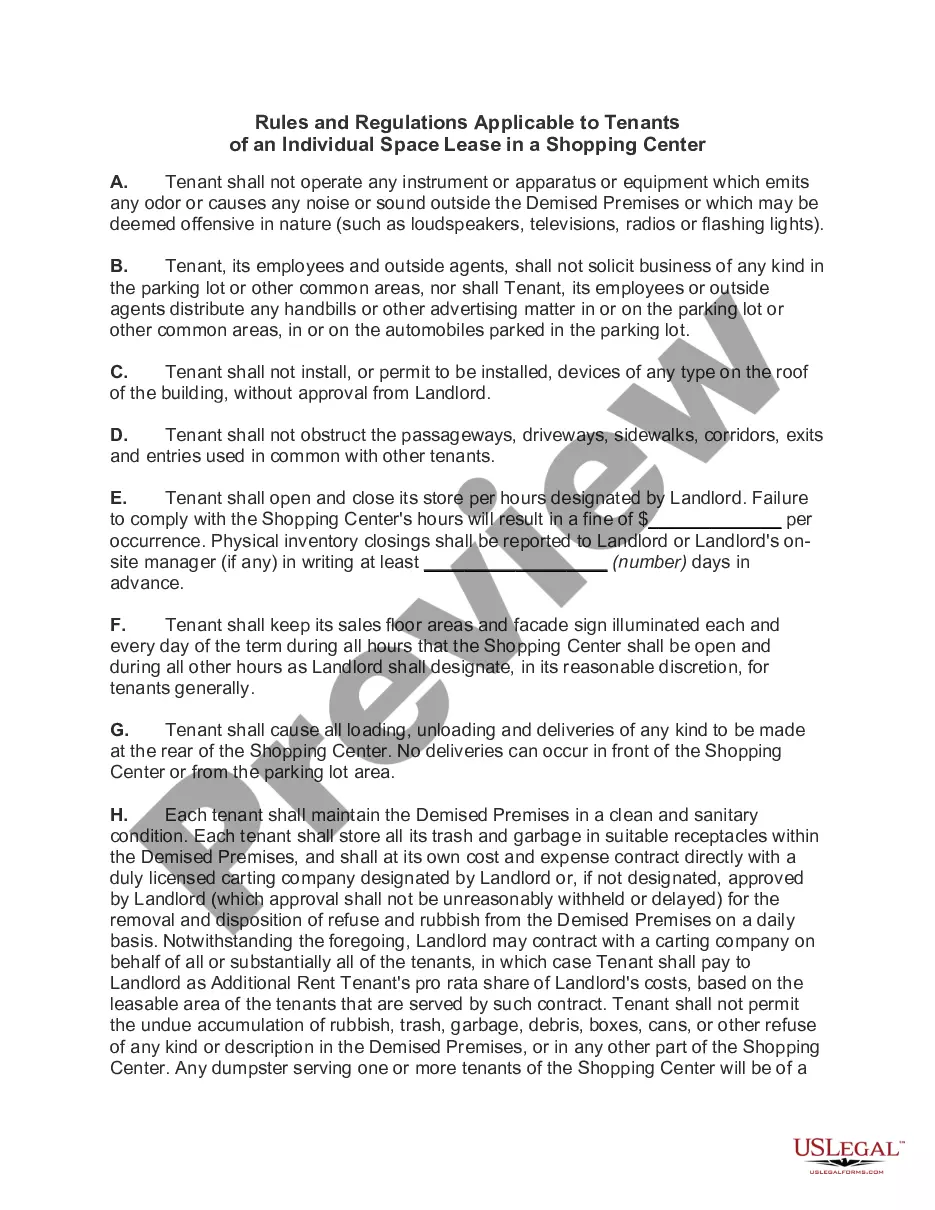
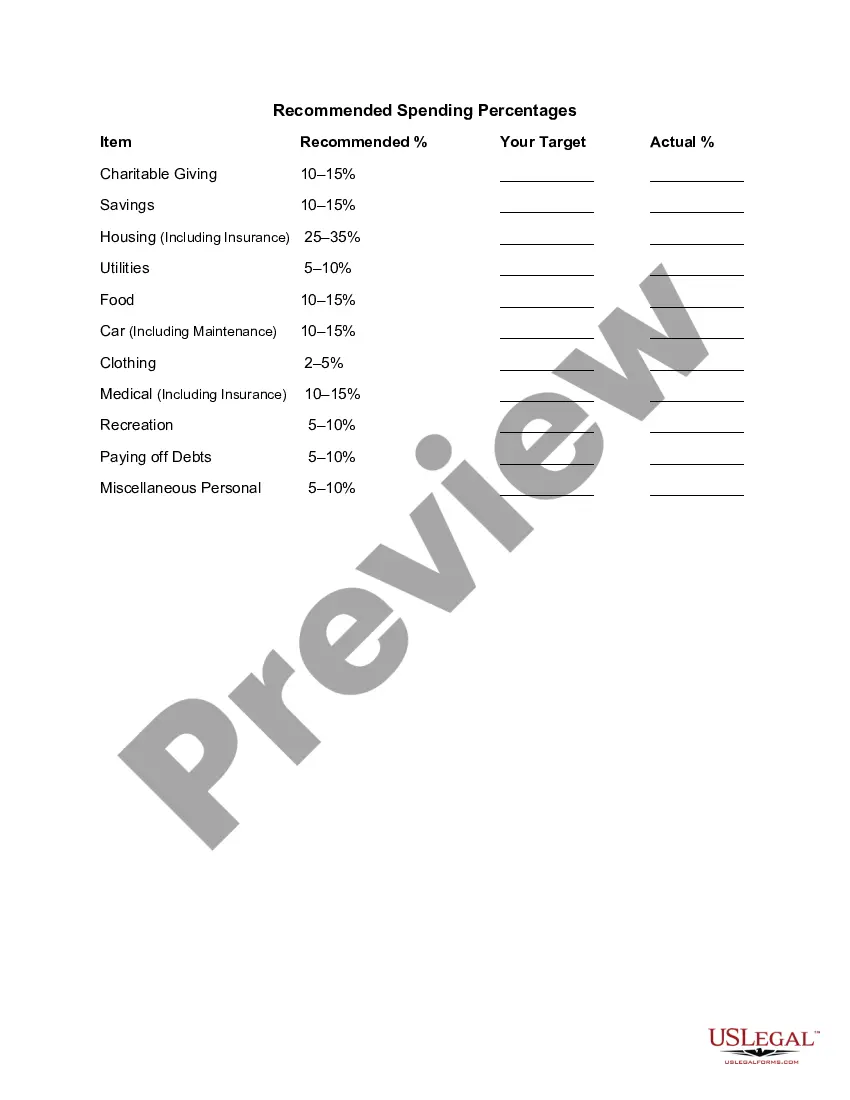
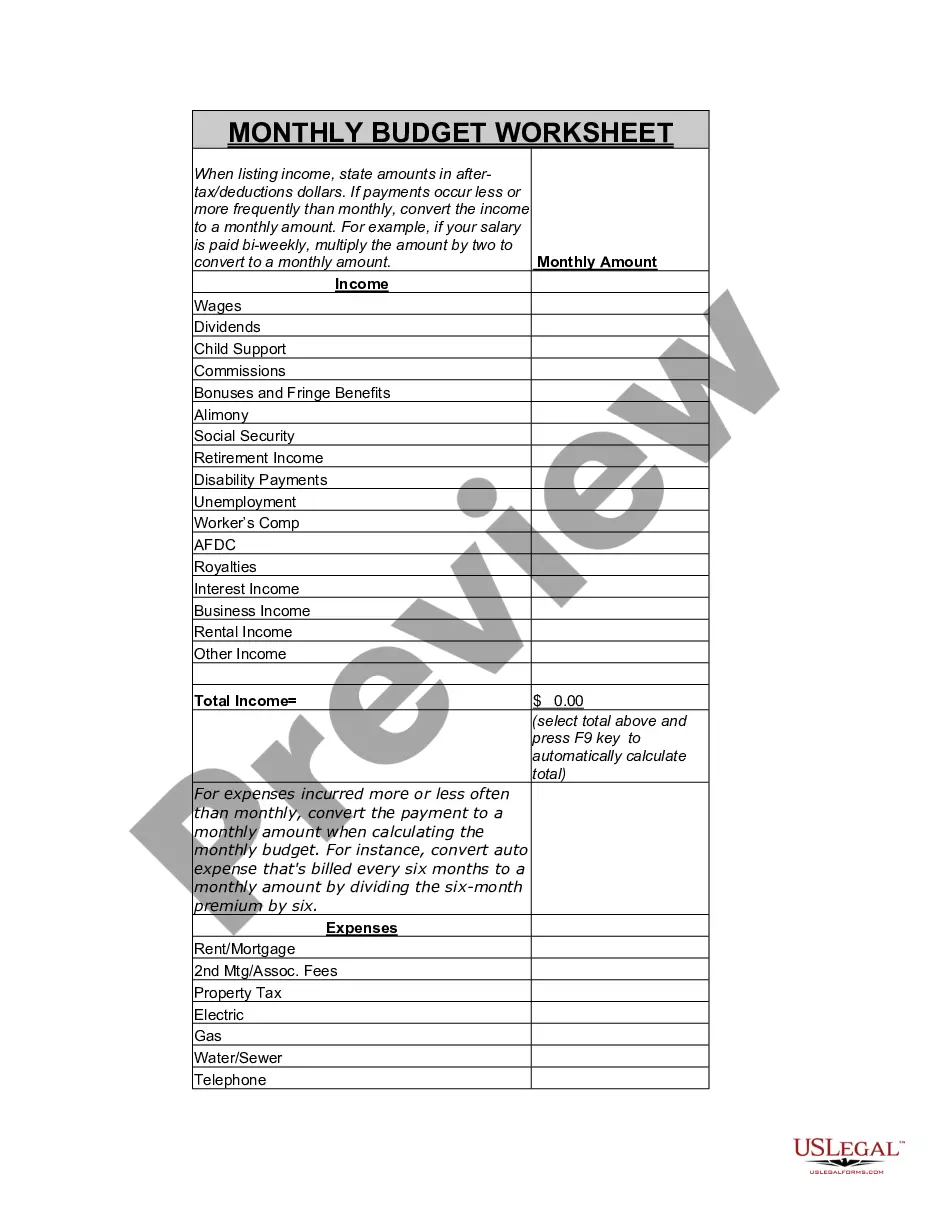
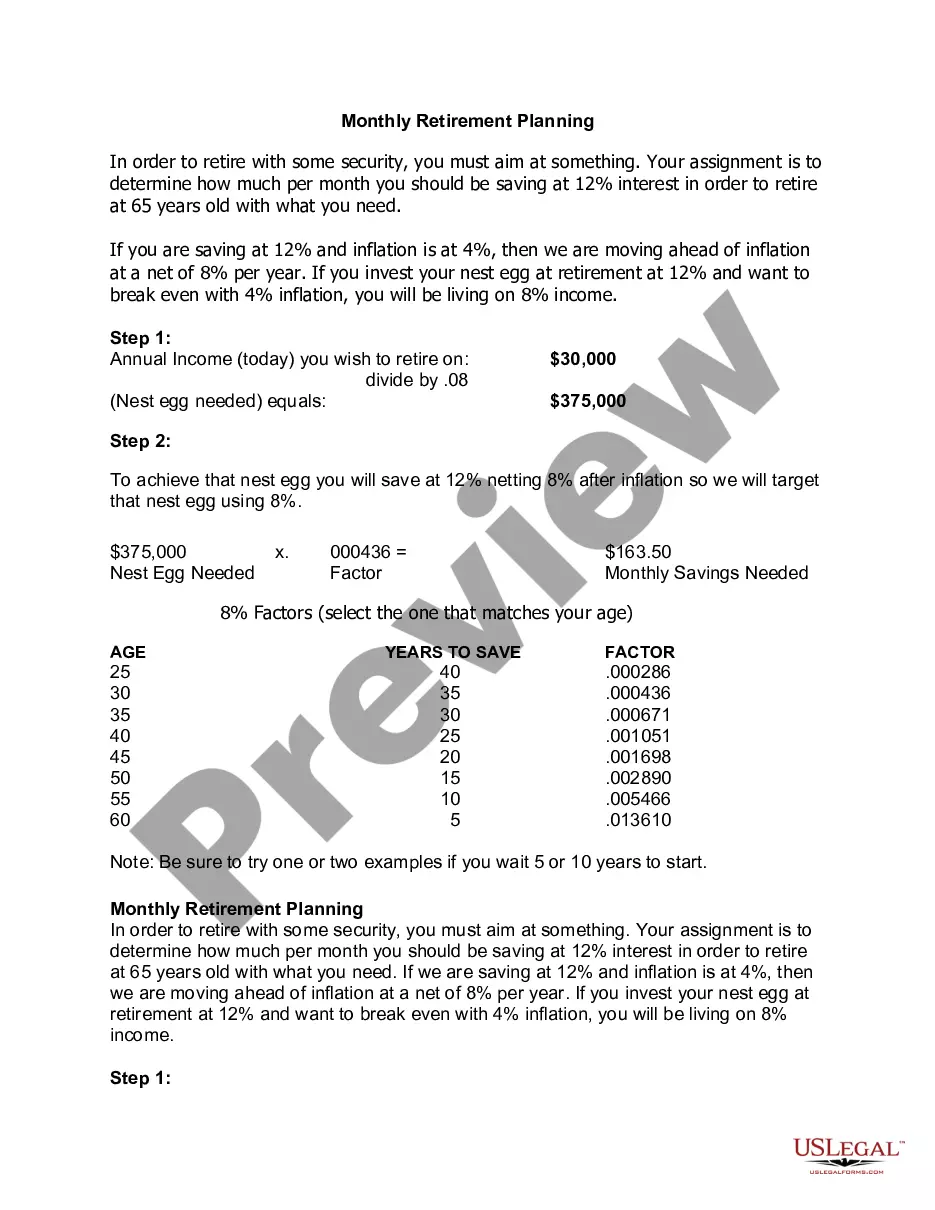
Delaware Recommended Spending Percentages
Description
Get your form ready online
Our built-in tools help you complete, sign, share, and store your documents in one place.
Make edits, fill in missing information, and update formatting in US Legal Forms—just like you would in MS Word.
Download a copy, print it, send it by email, or mail it via USPS—whatever works best for your next step.
Sign and collect signatures with our SignNow integration. Send to multiple recipients, set reminders, and more. Go Premium to unlock E-Sign.
If this form requires notarization, complete it online through a secure video call—no need to meet a notary in person or wait for an appointment.
We protect your documents and personal data by following strict security and privacy standards.

Make edits, fill in missing information, and update formatting in US Legal Forms—just like you would in MS Word.

Download a copy, print it, send it by email, or mail it via USPS—whatever works best for your next step.

Sign and collect signatures with our SignNow integration. Send to multiple recipients, set reminders, and more. Go Premium to unlock E-Sign.

If this form requires notarization, complete it online through a secure video call—no need to meet a notary in person or wait for an appointment.

We protect your documents and personal data by following strict security and privacy standards.
Looking for another form?

How to fill out Recommended Spending Percentages?
Have you found yourself needing documents for either business or personal reasons almost every workday.
There are many authentic document templates accessible online, but finding ones you can trust is not simple.
US Legal Forms offers thousands of template options, such as the Delaware Recommended Spending Percentages, which can be tailored to comply with state and federal regulations.
Once you identify the correct form, click Acquire now.
Select the payment plan you prefer, fill in the required details to set up your account, and finalize your purchase using PayPal or a credit card.
- If you are already familiar with the US Legal Forms website and own an account, simply Log In.
- After logging in, you can download the Delaware Recommended Spending Percentages template.
- If you do not have an account and wish to start using US Legal Forms, follow these steps.
- Locate the form you need and ensure it is for the correct city/state.
- Utilize the Review button to assess the form.
- Read the description to confirm that you have selected the right document.
- If the form does not fit your search criteria, use the Research field to find the template that suits your needs.
Form popularity
FAQ
Delaware's standard deduction is an amount you can subtract from your income when filing state taxes. This deduction can lower your taxable income significantly, depending on your filing status. By incorporating this deduction into your financial strategy, alongside an awareness of the Delaware recommended spending percentages, you can maximize your tax efficiency.
Join in the work of CT Mirror Fiscal Accountability reports filed Friday by state analysts show a whopping $95.4 billion in long-term debt, a daunting figure that's up 4.1% over the past year.
Delaware would spend $4.9 billion under Gov. John Carney's budget plan unveiled in Dover Thursday morning. The budget grows spending by 4.6% compared to the current year's plan. Two years into the pandemic, the budget growth comes as the state is swimming in revenue.
Delaware has a graduated tax rate ranging from 2.2% to 5.55% on income under $60,000. The maximum income tax rate is 6.60% on income of $60,000 or over.
According to the U.S. Census Bureau, Delaware had a debt of $4,964,915,000 in fiscal year 2015. The state debt per capita was $5,259. This ranked Delaware 42nd among the states in debt and 10th in per capita debt. The total state debt owned by the 50 states was $1.15 trillion with a per capita debt of $3,582.
The executive branch is headed by the Governor of Delaware. The present governor is John Carney (Democrat), who took office January 17, 2017. The lieutenant governor is Bethany Hall-Long. The governor presents a "State of the State" speech to a joint session of the Delaware legislature annually.
In the fiscal year of 2020, the state of Oregon had state debt totaling 16.61 billion U.S. dollars. However, the local government debt was much higher at 29.25 billion U.S. dollars.
Delaware Gov. John Carney is proposing a $5 billion operating budget for the fiscal year starting July 1, an increase of roughly 4.6% over this year's $4.77 billion budget. Jan. 27, 2022, at p.m.
While New York leads the country in terms of per capita government debt, at $18,411 per person, California, the most populous state, has the largest amount of total debt, at $507 billion.
Between fiscal years 2015 and 2016, total government spending in Delaware increased by approximately $0.5 billionfrom $9.8 billion in fiscal year 2015 to an estimated $10.2 billion in 2016.