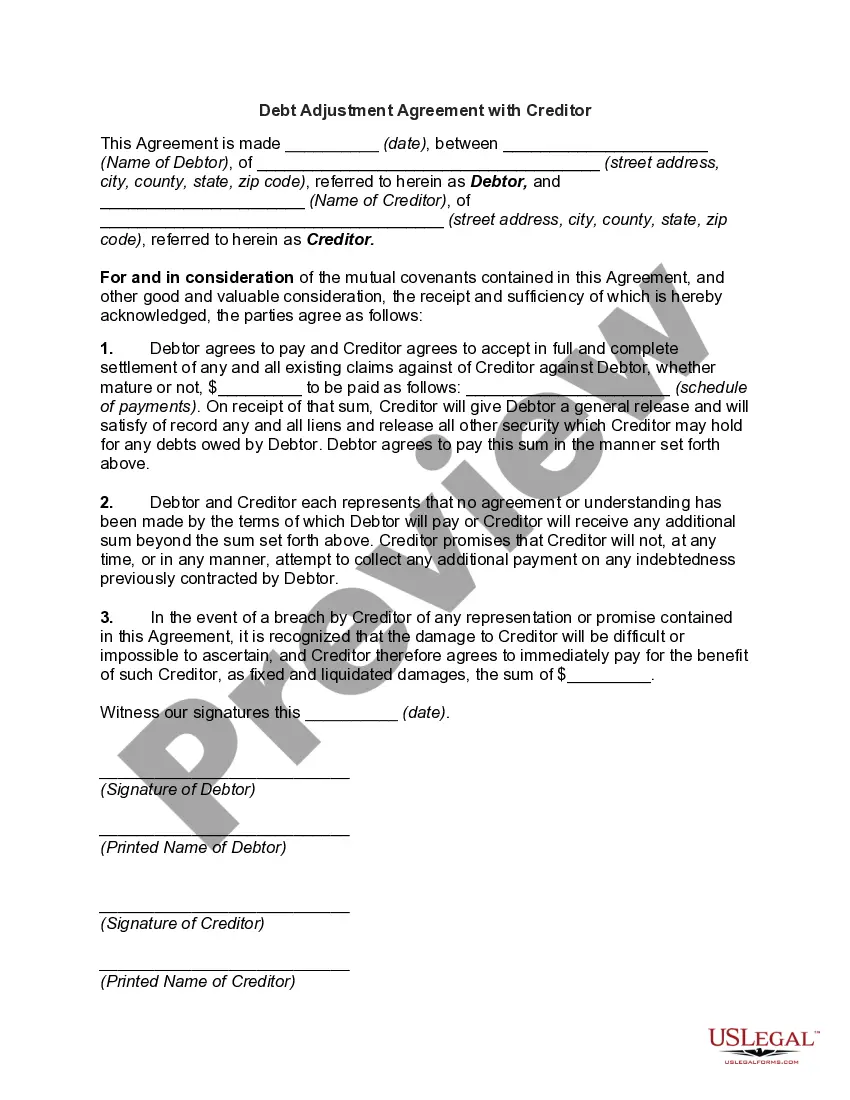
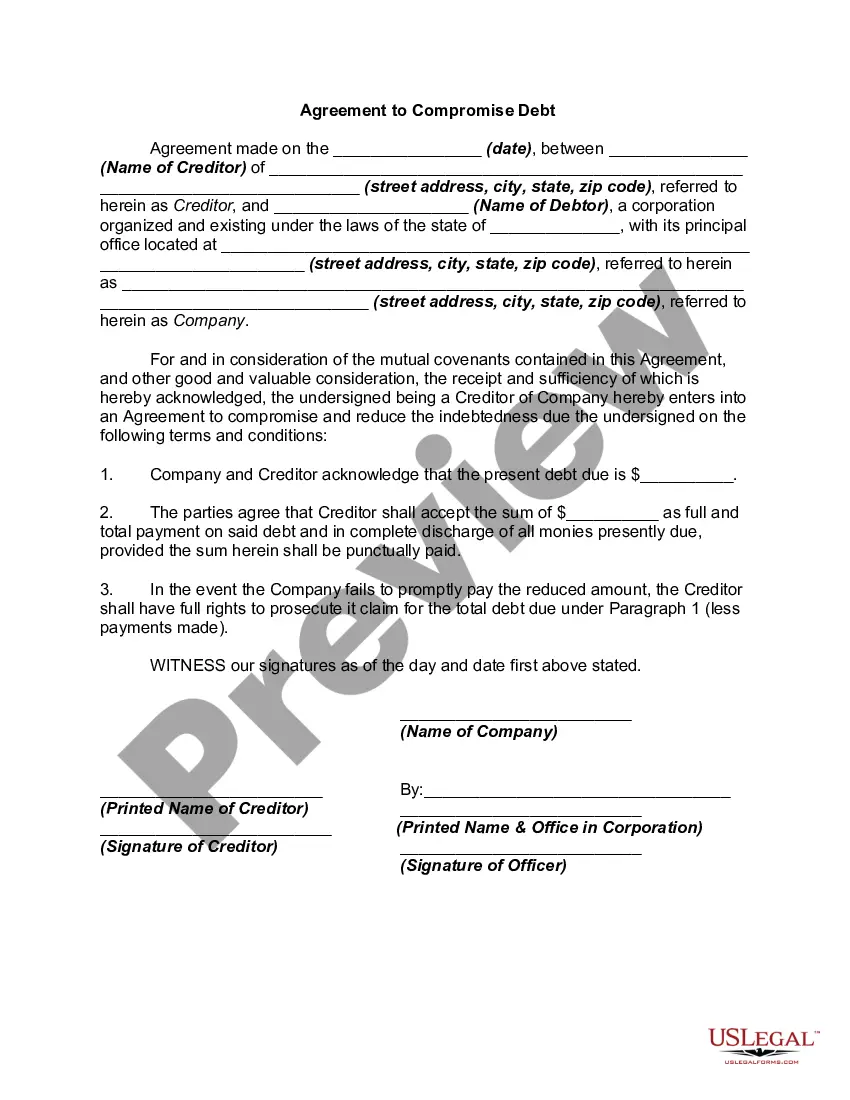
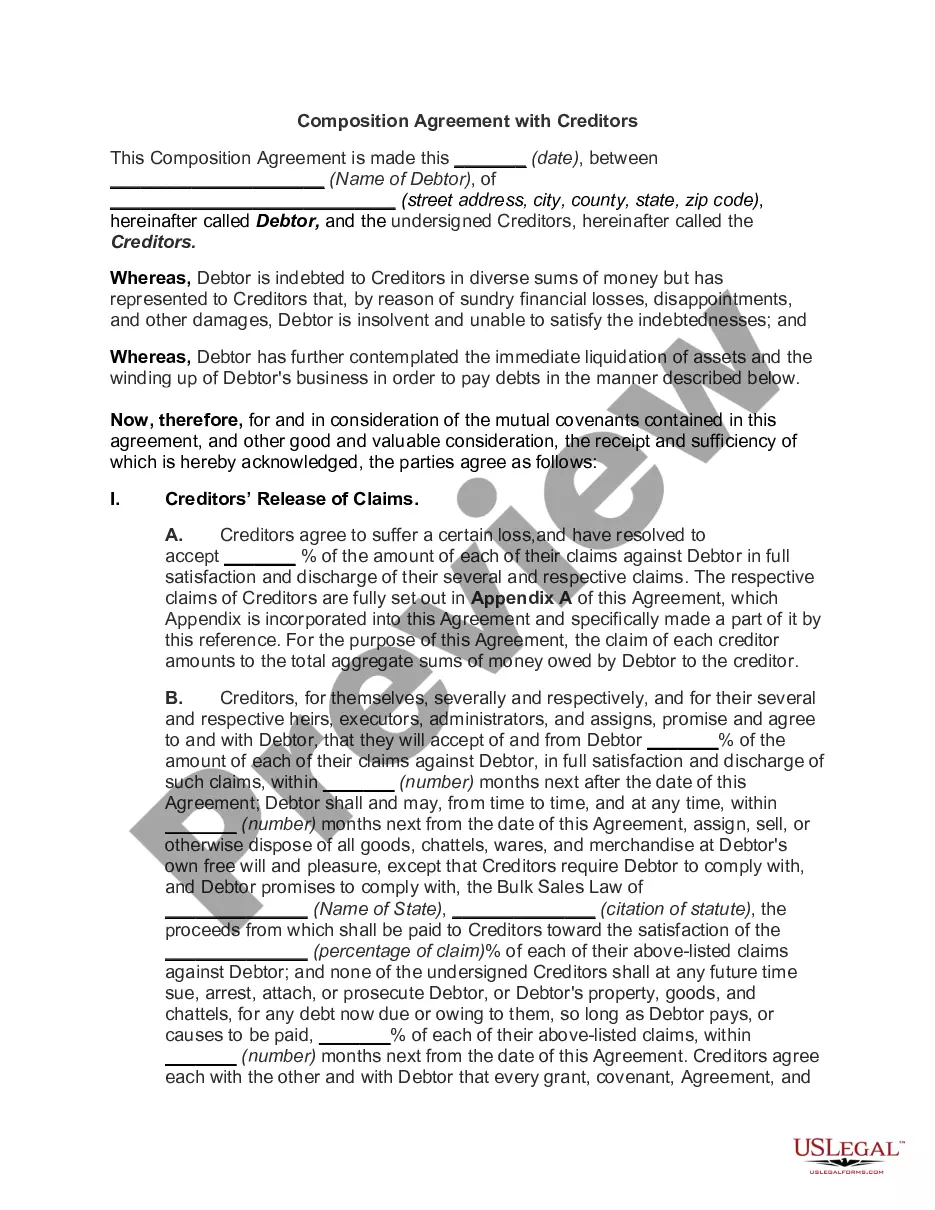
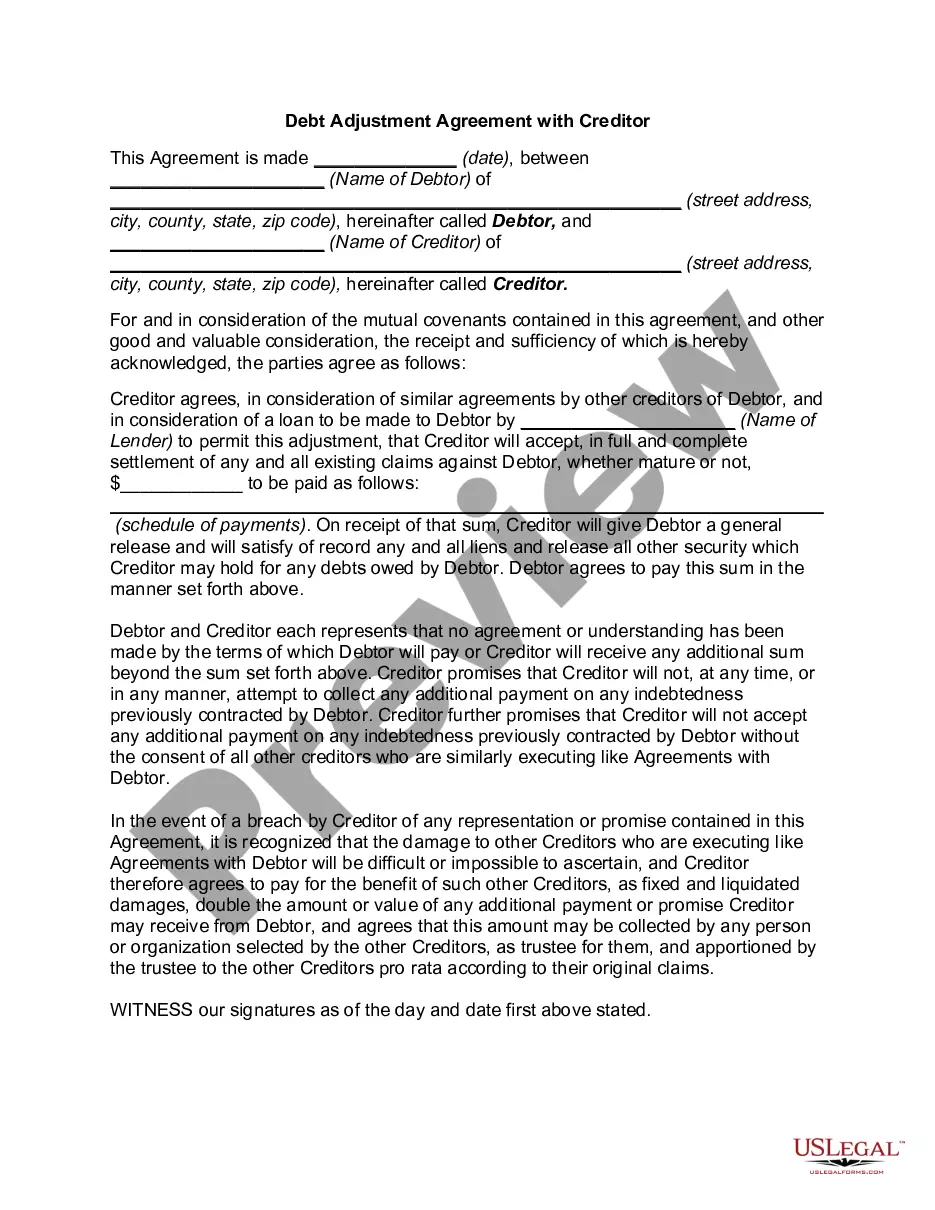
Delaware Debt Adjustment Agreement with Creditor
Description
Get your form ready online
Our built-in tools help you complete, sign, share, and store your documents in one place.
Make edits, fill in missing information, and update formatting in US Legal Forms—just like you would in MS Word.
Download a copy, print it, send it by email, or mail it via USPS—whatever works best for your next step.
Sign and collect signatures with our SignNow integration. Send to multiple recipients, set reminders, and more. Go Premium to unlock E-Sign.
If this form requires notarization, complete it online through a secure video call—no need to meet a notary in person or wait for an appointment.
We protect your documents and personal data by following strict security and privacy standards.
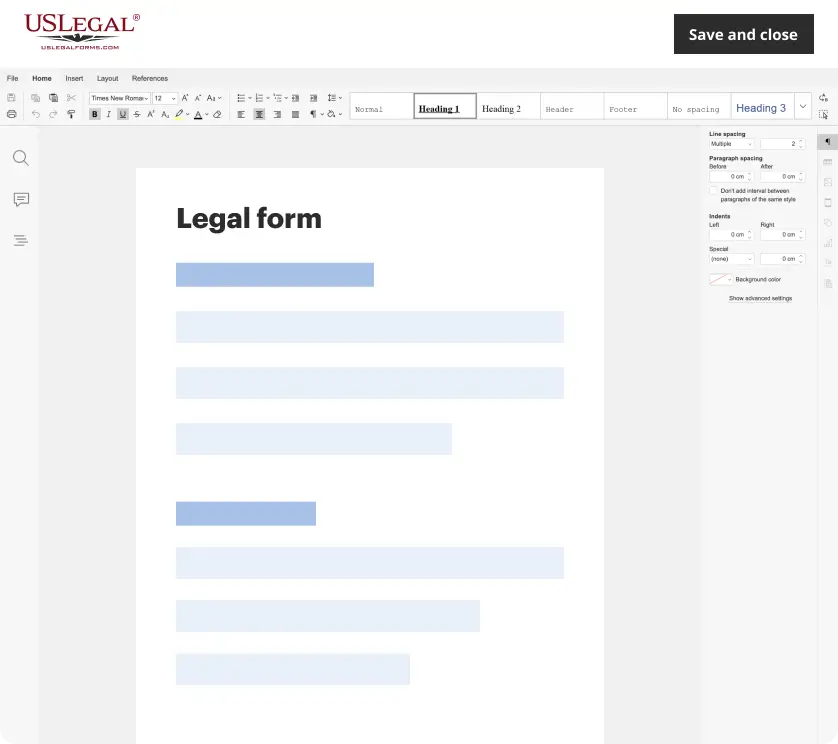
Make edits, fill in missing information, and update formatting in US Legal Forms—just like you would in MS Word.
Download a copy, print it, send it by email, or mail it via USPS—whatever works best for your next step.
Sign and collect signatures with our SignNow integration. Send to multiple recipients, set reminders, and more. Go Premium to unlock E-Sign.
If this form requires notarization, complete it online through a secure video call—no need to meet a notary in person or wait for an appointment.
We protect your documents and personal data by following strict security and privacy standards.
Looking for another form?




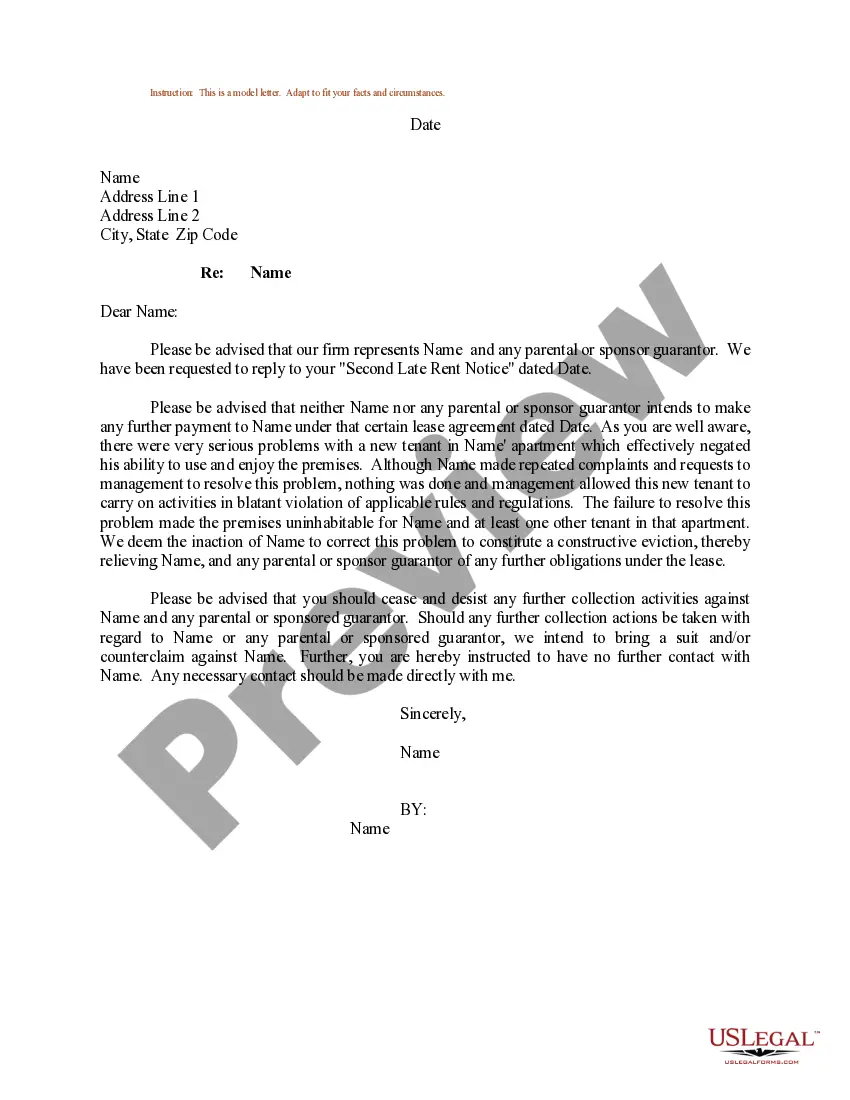
How to fill out Debt Adjustment Agreement With Creditor?
You can spend hours on the internet attempting to locate the legal document template that meets the federal and state requirements you need.
US Legal Forms offers thousands of legal forms that can be reviewed by experts.
You can obtain or create the Delaware Debt Adjustment Agreement with Creditor through the service.
Check the form outline to make certain you have chosen the appropriate template. If available, use the Preview button to review the document layout at the same time. If you wish to obtain another version of the template, utilize the Search field to find the template that fits your needs and requirements. Once you have located the template you need, click Purchase now to proceed. Select the pricing plan you require, enter your details, and register for an account on US Legal Forms. Complete the transaction. You can use your credit card or PayPal account to pay for the legal template. Find the format of the document and download it to your device. Make edits to your document if necessary. You can fill out, modify, and sign the Delaware Debt Adjustment Agreement with Creditor. Download and print thousands of document templates using the US Legal Forms website, which provides the largest collection of legal forms. Utilize professional and state-specific templates to address your business or personal needs.
- If you already have a US Legal Forms account, you can Log In and then click the Download button.
- After that, you can fill out, modify, create, or sign the Delaware Debt Adjustment Agreement with Creditor.
- Each legal document template you acquire is yours indefinitely.
- To acquire another copy of any purchased form, navigate to the My documents tab and click the corresponding button.
- If you are using the US Legal Forms site for the first time, follow the simple instructions below.
- First, ensure that you have selected the correct document template for the county/city of your choice.
Form popularity
FAQ
Under the Fair Credit Reporting Act, debts can appear on your credit report generally for seven years and in a few cases, longer than that. Under state laws, if you are sued about a debt, and the debt is too old, you may have a defense to the lawsuit.
In Delaware, the statute of limitations on debts is as follows: Open and closed contracts have a limit of 3 years from the date the debt is unpaid. Promissory notes have a limit of 6 years. Contracts signed under seal have a 20-year limit.
Lenders typically agree to a debt settlement of between 30% and 80%. Several factors may influence this amount, such as the debt holder's financial situation and available cash on hand.
For most debts, the time limit is 6 years since you last wrote to them or made a payment. The time limit is longer for mortgage debts. If your home is repossessed and you still owe money on your mortgage, the time limit is 6 years for the interest on the mortgage and 12 years on the main amount.
In most cases, the statute of limitations for a debt will have passed after 10 years. This means a debt collector may still attempt to pursue it (and you technically do still owe it), but they can't typically take legal action against you.
With do-it-yourself debt settlement, you negotiate directly with your creditors in an effort to settle your debt for less than you originally owed. The strategy works best for debts that are already delinquent.
Typically, a creditor will agree to accept 40% to 50% of the debt you owe, although it could be as much as 80%, depending on whether you're dealing with a debt collector or the original creditor. In either case, your first lump-sum offer should be well below the 40% to 50% range to provide some room for negotiation.
If the debtor still refuses to pay the unsecured debt, the creditor can file a lawsuit against the debtor. Once a court grants judgment in favor of the creditor, it can usually take money from the debtor's bank account or garnish the debtor's wages.
In Delaware, the statute of limitations on debt collection is four years for open credit card accounts, three years for written contracts and six years for promissory notes. For any time period, the clock begins ticking from the date of default, which is typically thirty days after the last payment was actually made.
Typically, a creditor will agree to accept 40% to 50% of the debt you owe, although it could be as much as 80%, depending on whether you're dealing with a debt collector or the original creditor. In either case, your first lump-sum offer should be well below the 40% to 50% range to provide some room for negotiation.