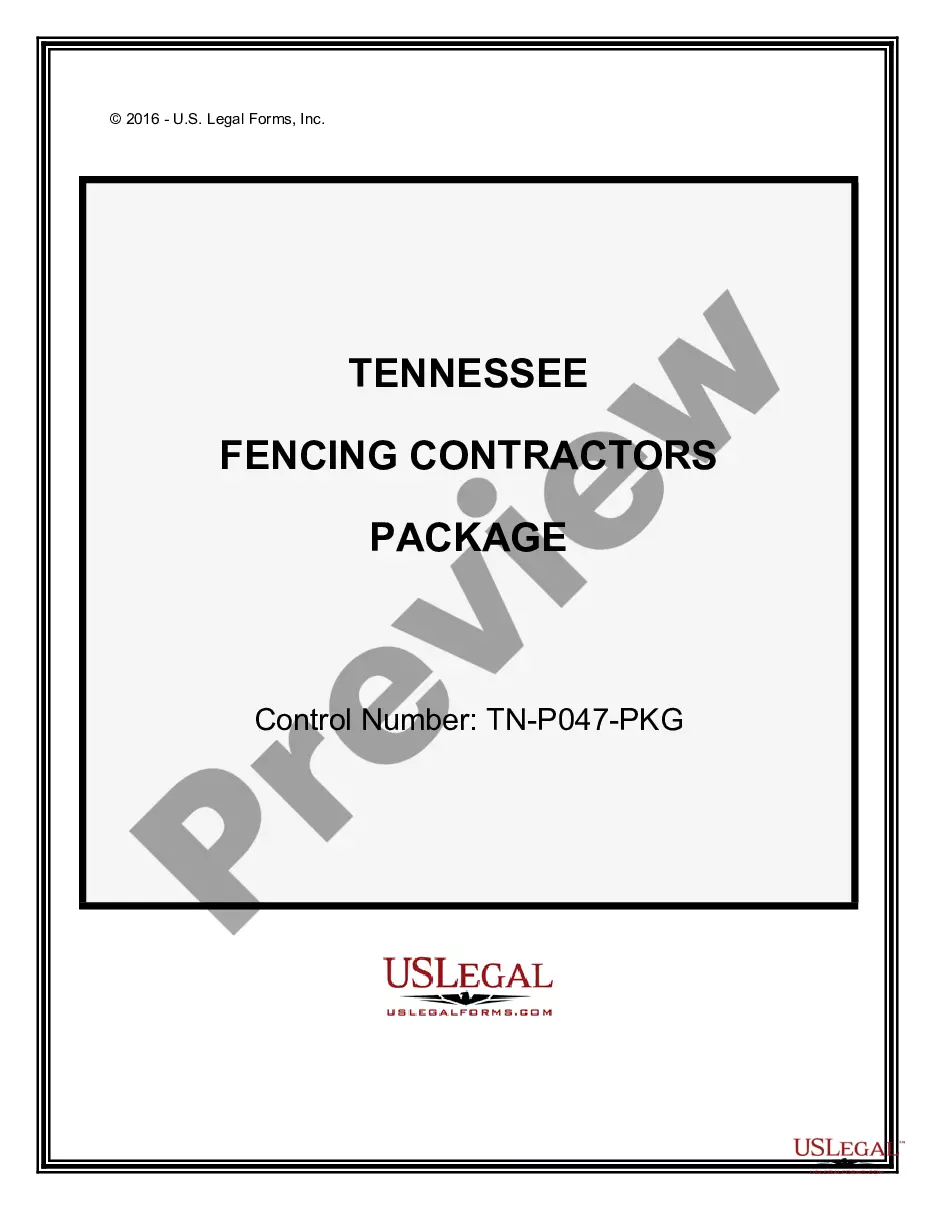
Delaware Notice of Delinquent Assessment
Understanding this form
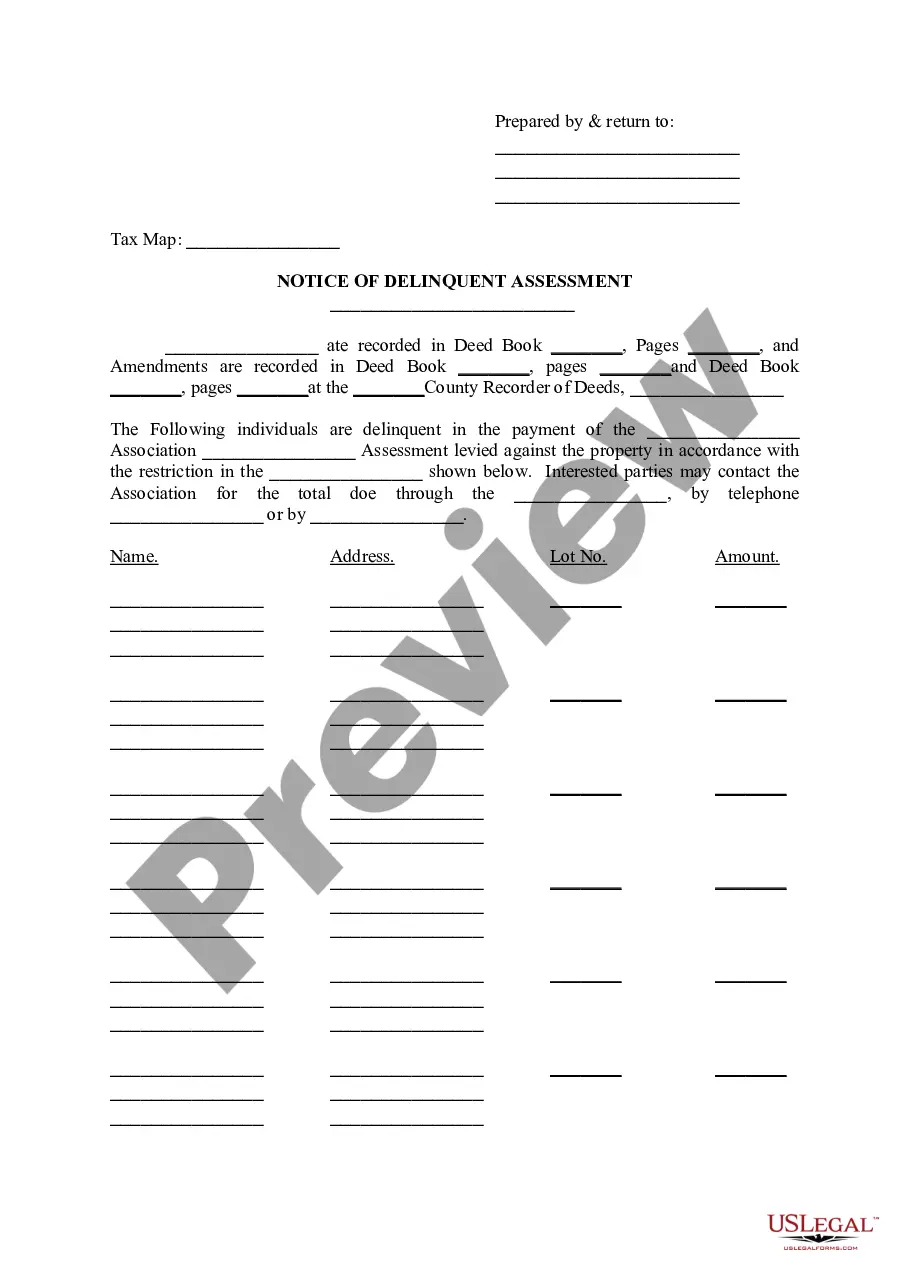
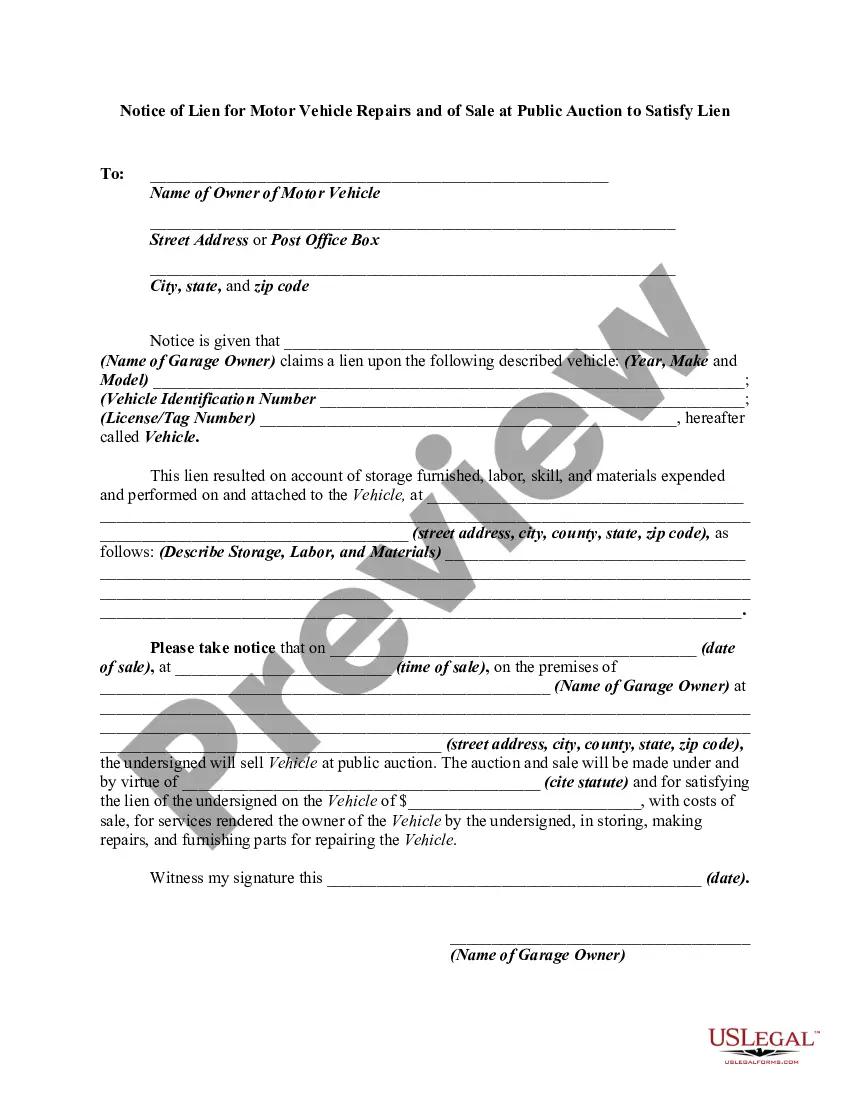
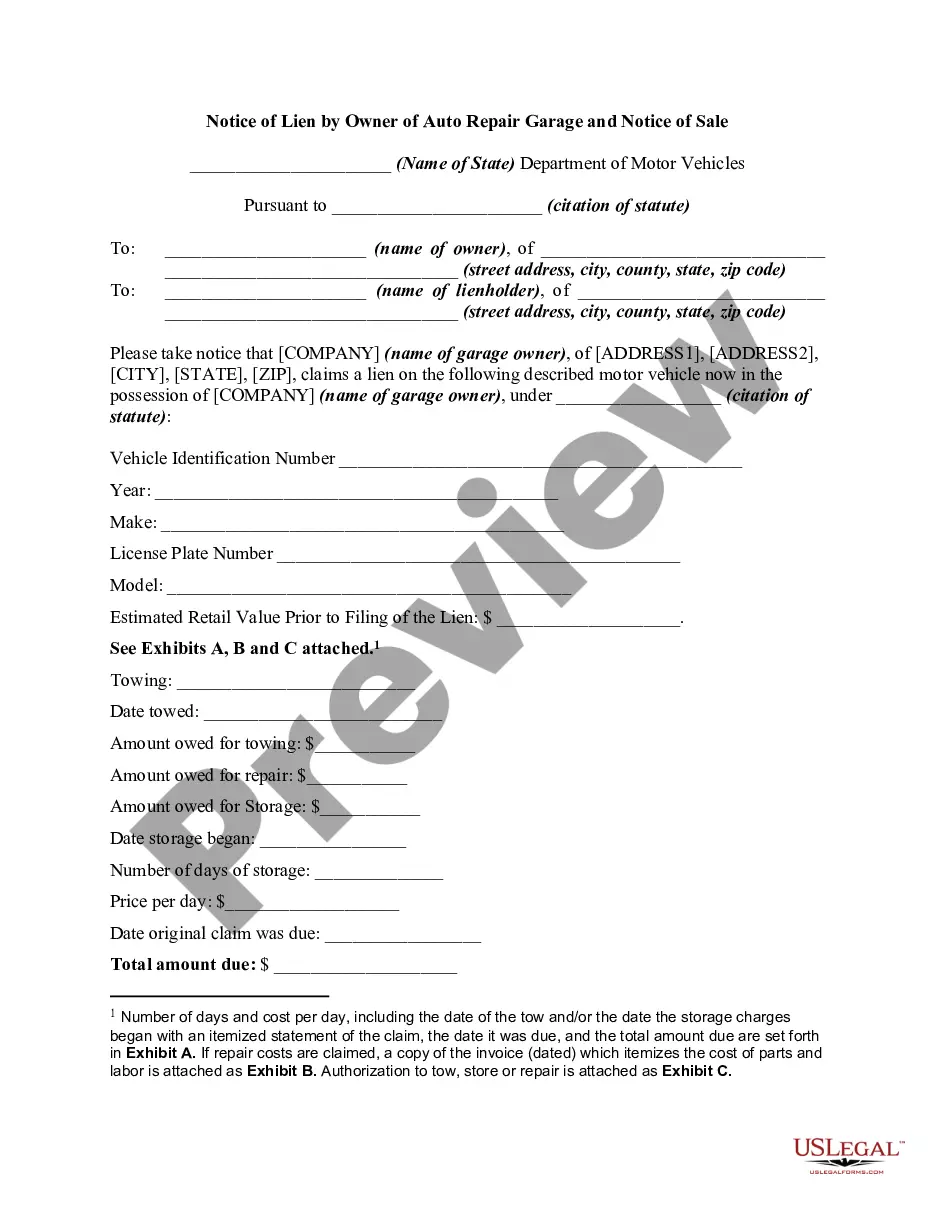
The Notice of Delinquent Assessment is a legal document used by governing authorities to inform property owners about unpaid assessments levied against their properties. This form serves as official notification and is essential for compliance with local regulations regarding property assessments. Unlike general payment reminders, this notice specifies delinquency related to property association fees and outlines the necessary actions to address the outstanding amount.
Key components of this form
- Prepared by & return to: Contact information for the sender.
- Tax map reference: Identification of the specific property.
- Details of delinquent parties: Names, addresses, lot numbers, and owed amounts.
- Association contact information: For inquiries about the total due.
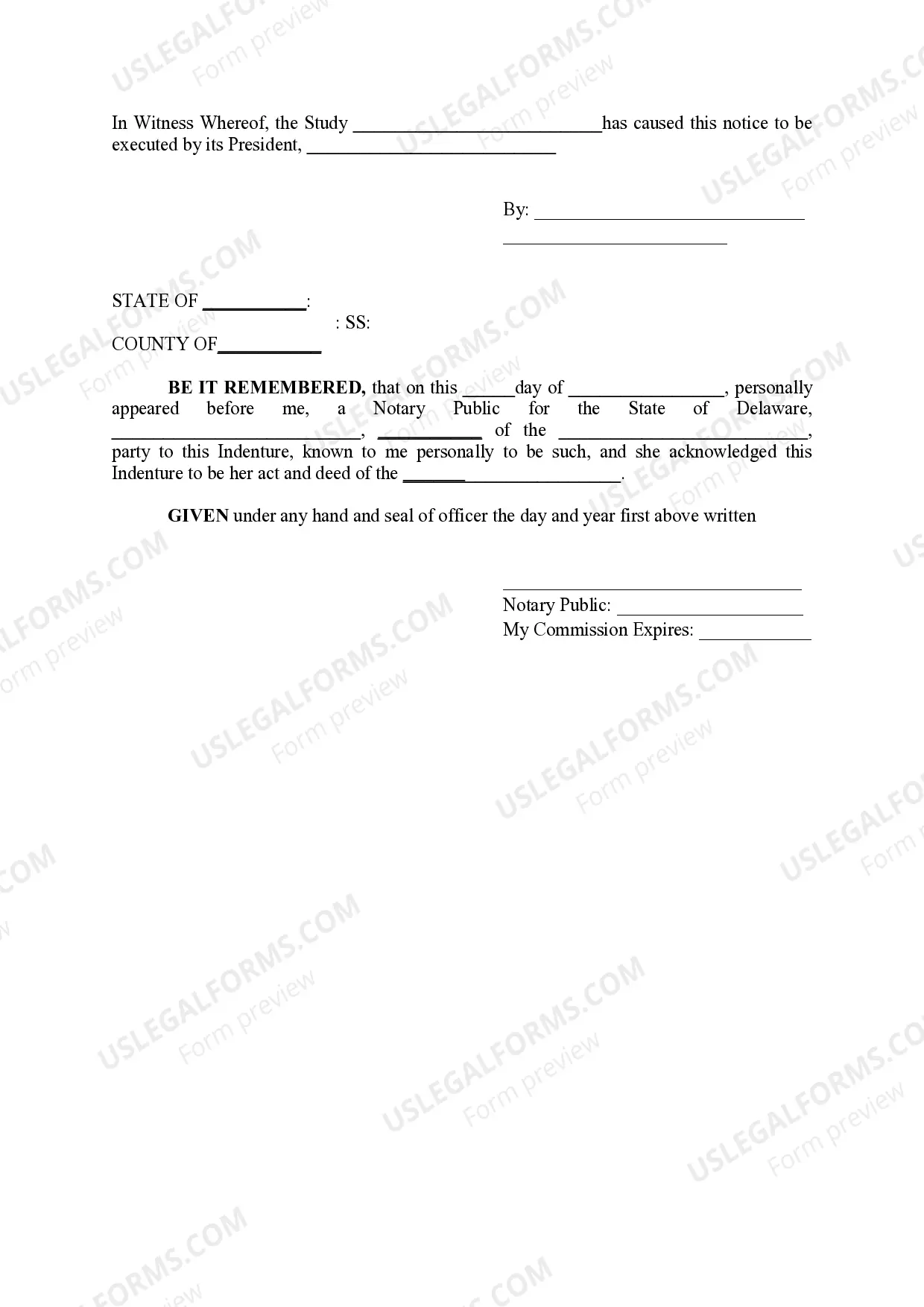
- Signature and notary section: Validation of the document.
When to use this document
This form should be used when a property owner has failed to pay assessments or dues required by a property association. Common scenarios include residential communities, homeowner associations, and condominium complexes where members are responsible for regular fees. It is crucial to use this form before legal action can be taken for collection or foreclosure procedures.
Who this form is for
- Homeowner associations needing to notify members of unpaid dues.
- Property management companies overseeing community finances.
- Governing boards of condominiums or similar residential arrangements.
- Property owners who need to formally document delinquent accounts.
Steps to complete this form
- Identify the sender: Fill in the name and contact information of the governing authority.
- Specify the property: Include the tax map reference and property address accurately.
- List delinquent parties: Enter the names, addresses, lot numbers, and amounts owed for each individual.
- Provide contact details for the association: Ensure correct phone numbers and email addresses for inquiries.
- Sign and notarize the document: Have the designated officer sign and complete the notary section as required.
Is notarization required?
Yes, this form must be notarized to be legally valid. US Legal Forms provides integrated online notarization services, allowing you to complete the process securely through a video call at any time, eliminating the need for in-person visits.
Get your form ready online
Our built-in tools help you complete, sign, share, and store your documents in one place.
Make edits, fill in missing information, and update formatting in US Legal Forms—just like you would in MS Word.
Download a copy, print it, send it by email, or mail it via USPS—whatever works best for your next step.
Sign and collect signatures with our SignNow integration. Send to multiple recipients, set reminders, and more. Go Premium to unlock E-Sign.
If this form requires notarization, complete it online through a secure video call—no need to meet a notary in person or wait for an appointment.
We protect your documents and personal data by following strict security and privacy standards.

Make edits, fill in missing information, and update formatting in US Legal Forms—just like you would in MS Word.

Download a copy, print it, send it by email, or mail it via USPS—whatever works best for your next step.

Sign and collect signatures with our SignNow integration. Send to multiple recipients, set reminders, and more. Go Premium to unlock E-Sign.

If this form requires notarization, complete it online through a secure video call—no need to meet a notary in person or wait for an appointment.

We protect your documents and personal data by following strict security and privacy standards.
Common mistakes to avoid
- Failing to include complete contact information for delinquent parties.
- Leaving out the tax map reference, which is crucial for property identification.
- Missing signatures or notary acknowledgment, leading to invalid notices.
- Not providing accurate association contact details for inquiries.
Advantages of online completion
- Immediate access to the document for swift notification of delinquency.
- Editable templates allow customization per specific circumstances.
- Reliable format ensures legal compliance with prescribed requirements.
Looking for another form?

Form popularity
FAQ
The term delinquent refers to failing to fulfill a financial obligation or duty by the agreed-upon deadline. In the context of homeowners associations, a delinquent status often pertains to unpaid assessments or dues. This can result in further action, such as the issuance of a Delaware Notice of Delinquent Assessment, which serves as an official reminder to rectify the outstanding payments and avoid additional penalties.
If your account is delinquent, it means you have not met your financial obligations by the due date. This could involve unpaid fees, assessments, or dues associated with your HOA or community association. Delinquent accounts could lead to enforcement actions, including the issuance of a Delaware Notice of Delinquent Assessment, which formally notifies you of your outstanding debts and the potential consequences.
Chapter 81 of Title 25 of Delaware relates to the administration of condominiums and community associations, including regulations around assessments. This chapter provides the legal framework for governance, financial obligations, and enforcement measures within homeowners associations. Understanding this chapter can offer essential insights into managing assessments and addressing the Delaware Notice of Delinquent Assessment effectively.
To dissolve a Homeowners Association (HOA) in Delaware, you must first review the association's governing documents. These documents typically outline the process for dissolution, including required votes from members. Additionally, you may need to settle any outstanding financial responsibilities and notify your members. If a Delaware Notice of Delinquent Assessment is pending, addressing it promptly is crucial to ensure a smooth dissolution.
In Delaware, property tax exemptions are not directly tied to a specific age, but many counties offer tax relief programs for seniors. Typically, individuals aged 65 and over may qualify for exemptions or reductions. It's crucial to check with your local tax authority to understand the specific benefits available to you. Properly navigating these benefits can help you manage your taxes, particularly in relation to any Delaware Notice of Delinquent Assessment you might receive.
Yes, Delaware LLCs are required to file an annual report with the state. This report includes basic information about the company and ensures that the business remains in good standing. Failure to file can result in penalties and could lead to the issuance of a Delaware Notice of Delinquent Assessment. Staying compliant with filing requirements helps you avoid unnecessary complications and fees.
In Delaware, certain individuals and entities may qualify for property tax exemptions. Common exemptions include those for veterans, active-duty military members, and nonprofits. Additionally, properties owned by senior citizens or persons with disabilities may be eligible for reduced property tax rates. Understanding your status is important, especially when dealing with the Delaware Notice of Delinquent Assessment, as exemptions can prevent unexpected charges.
Delinquent assessments refer to unpaid taxes that property owners owe to local governments. When these taxes go unpaid, municipalities issue a Delaware Notice of Delinquent Assessment to notify property owners of their outstanding obligations. This notice serves as an important document, as it can lead to tax sales if the debt is not resolved. Understanding your delinquent assessments can help you avoid losing your property and ensure you remain compliant with local regulations.