Delaware Deed of Easement
Overview of this form
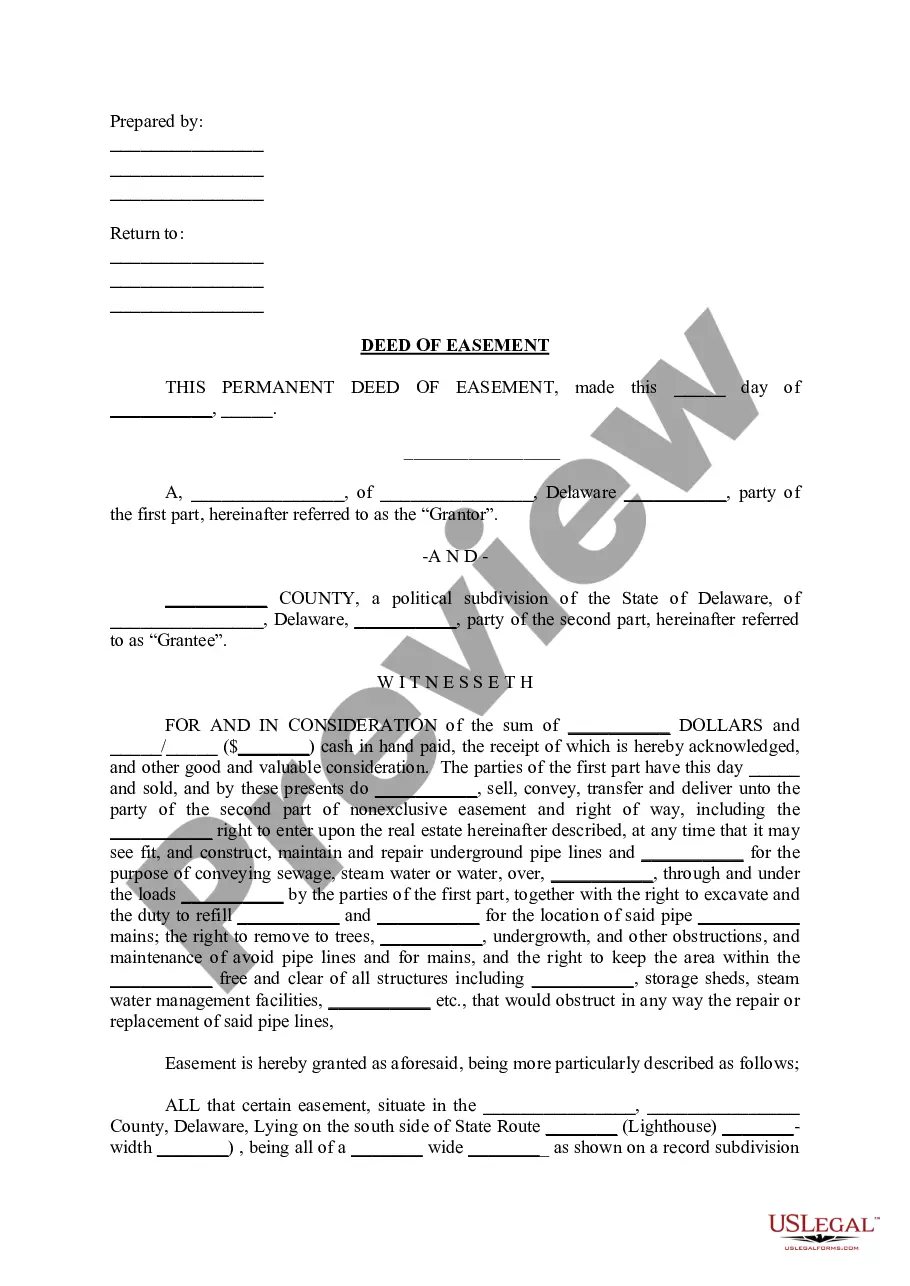
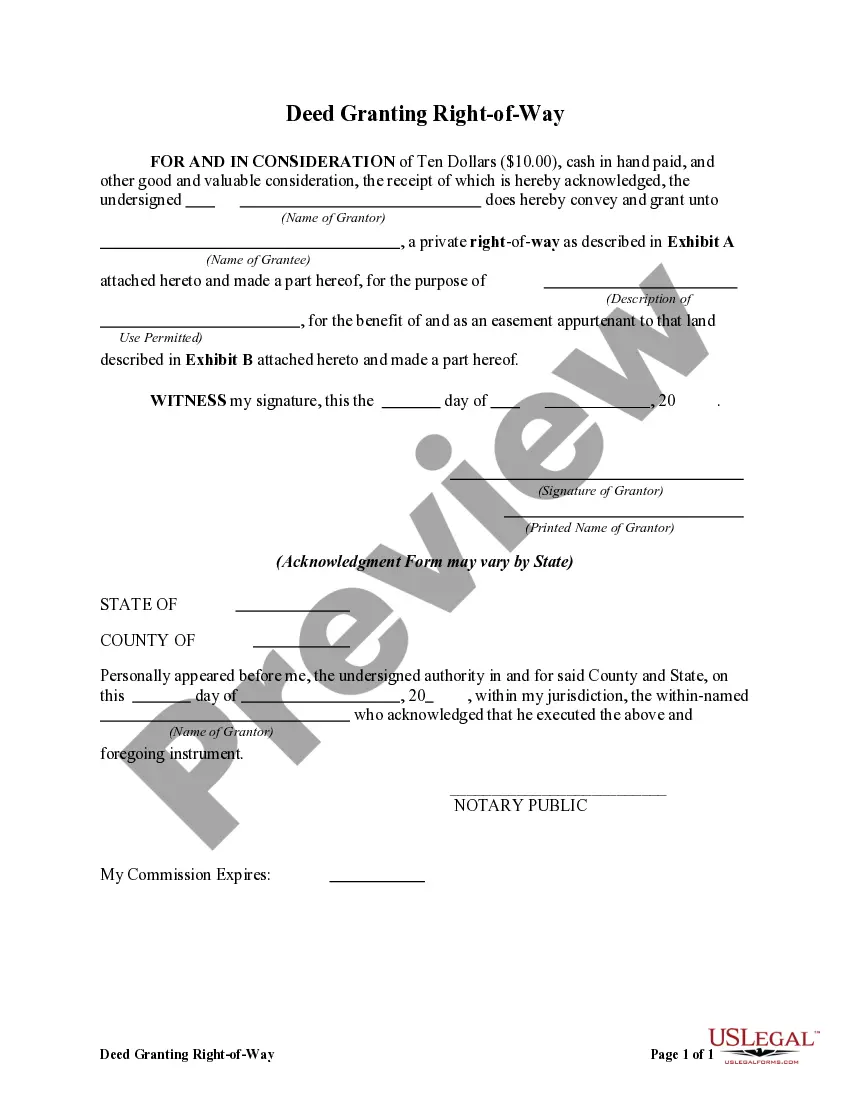
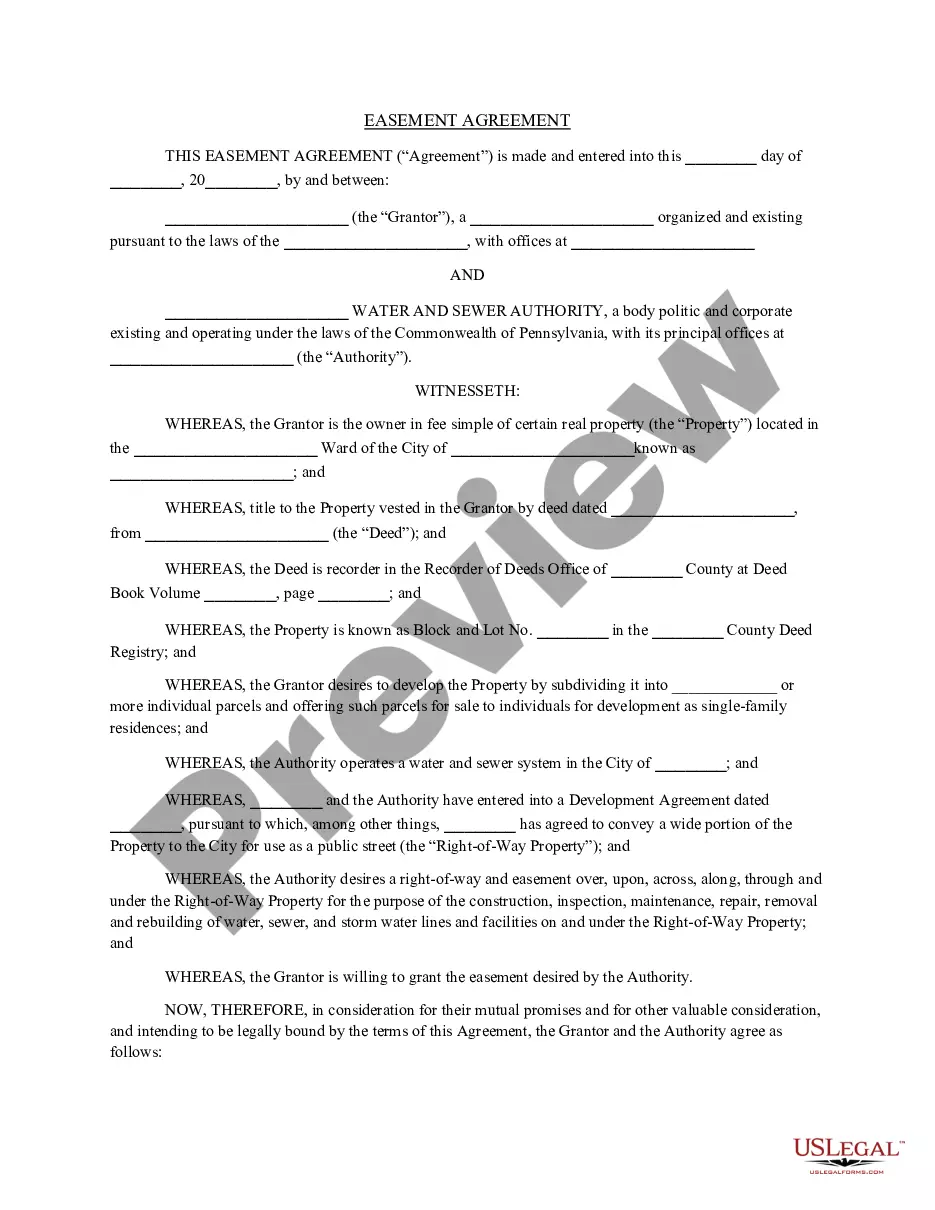
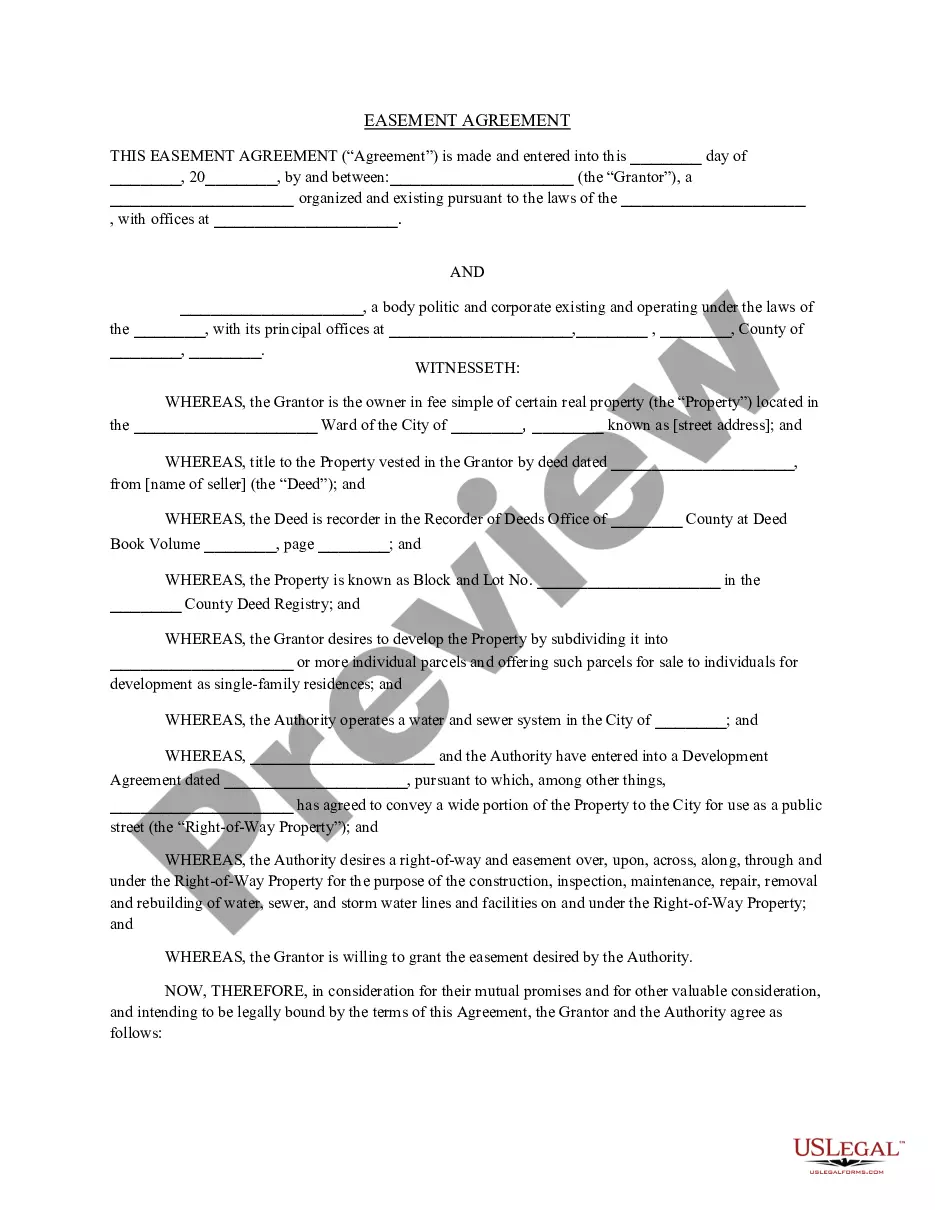
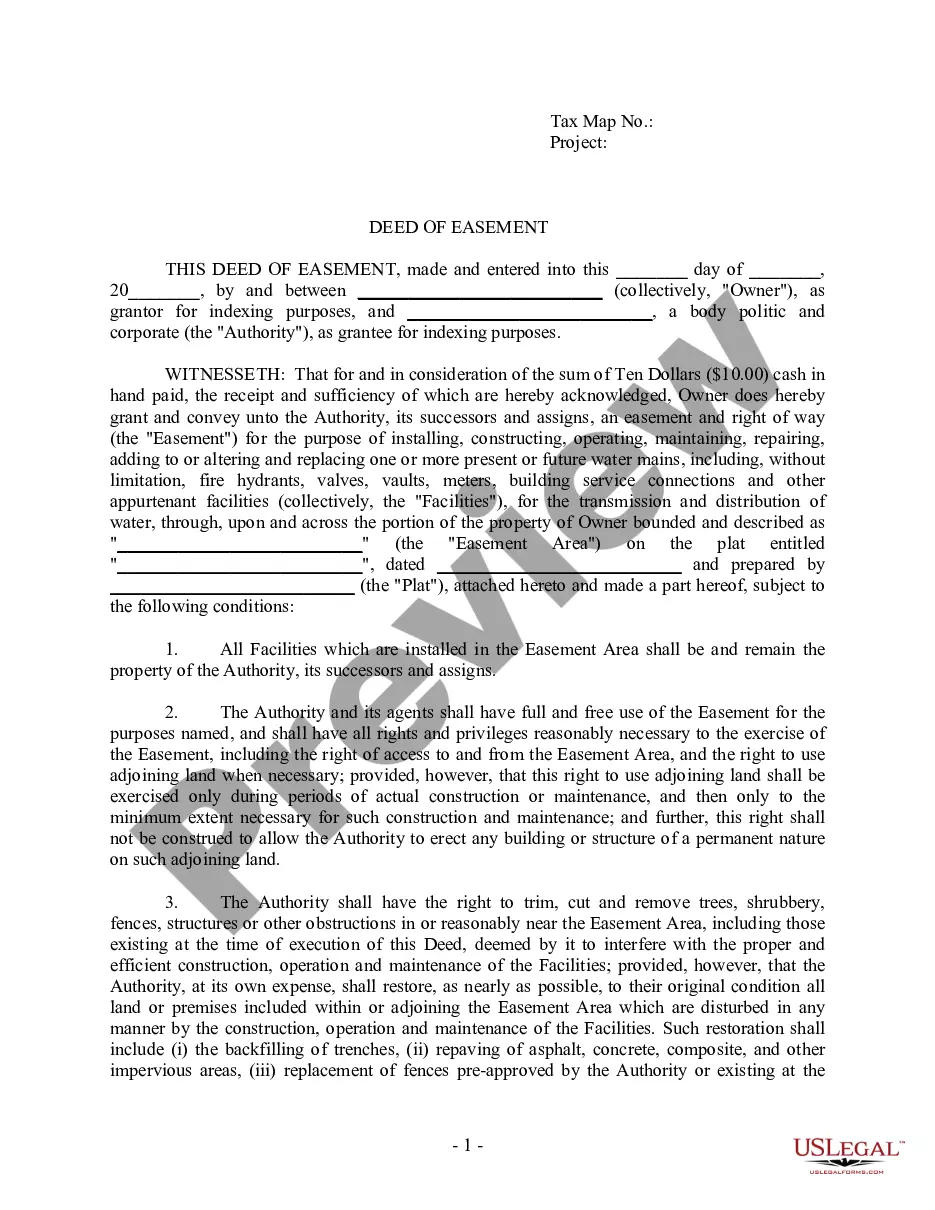
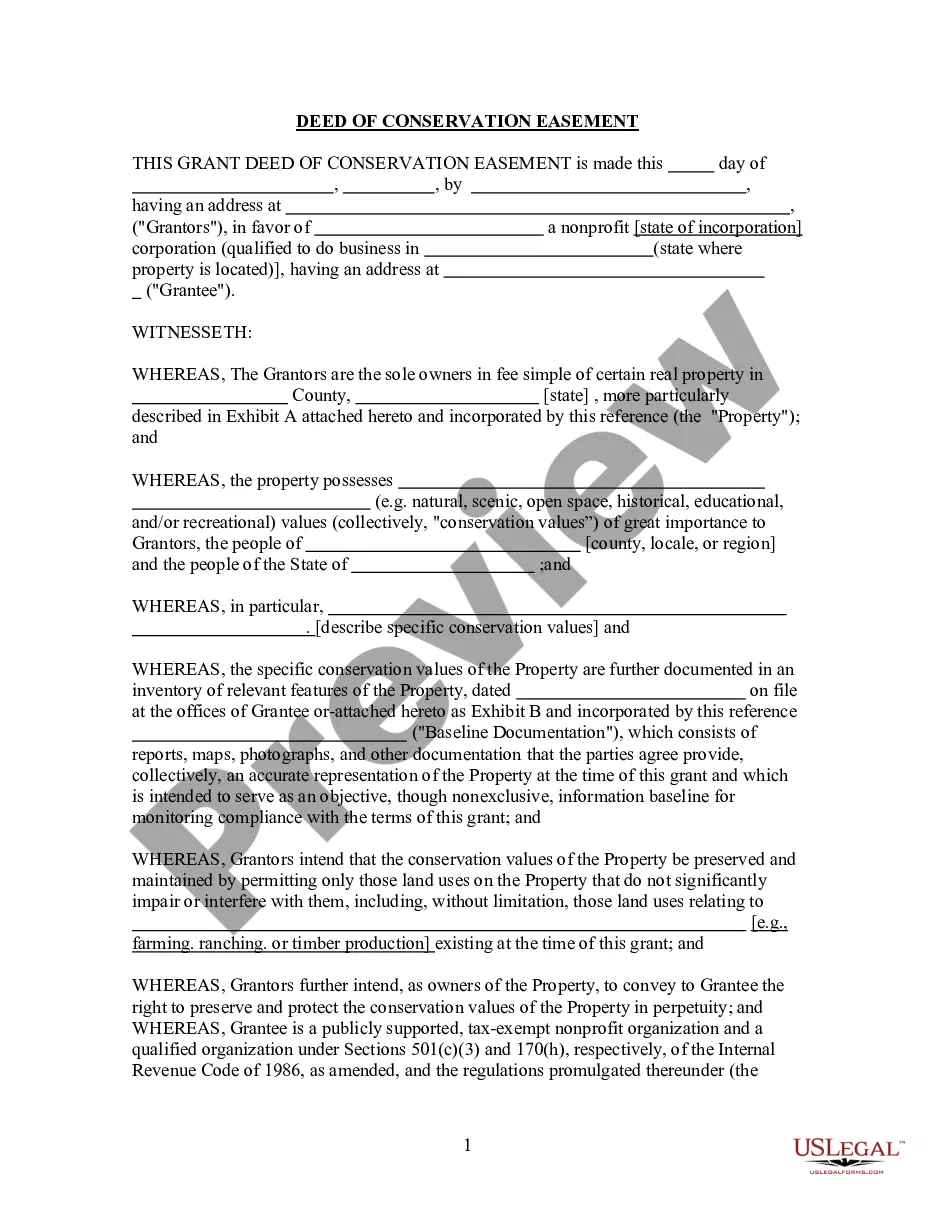
The Deed of Easement is a legal document that grants a third party the right to use a portion of a property for specific purposes, such as the installation and maintenance of utility lines and drainage facilities. This form differs from other property agreements because it specifically addresses the nonexclusive rights of the Grantee to access, install, and maintain utilities on the Grantor's land while outlining the responsibilities and protections for both parties.
Form components explained
- Identification of the Grantor and Grantee.
- Details of the easement purpose, such as maintenance of drainage facilities and utility lines.
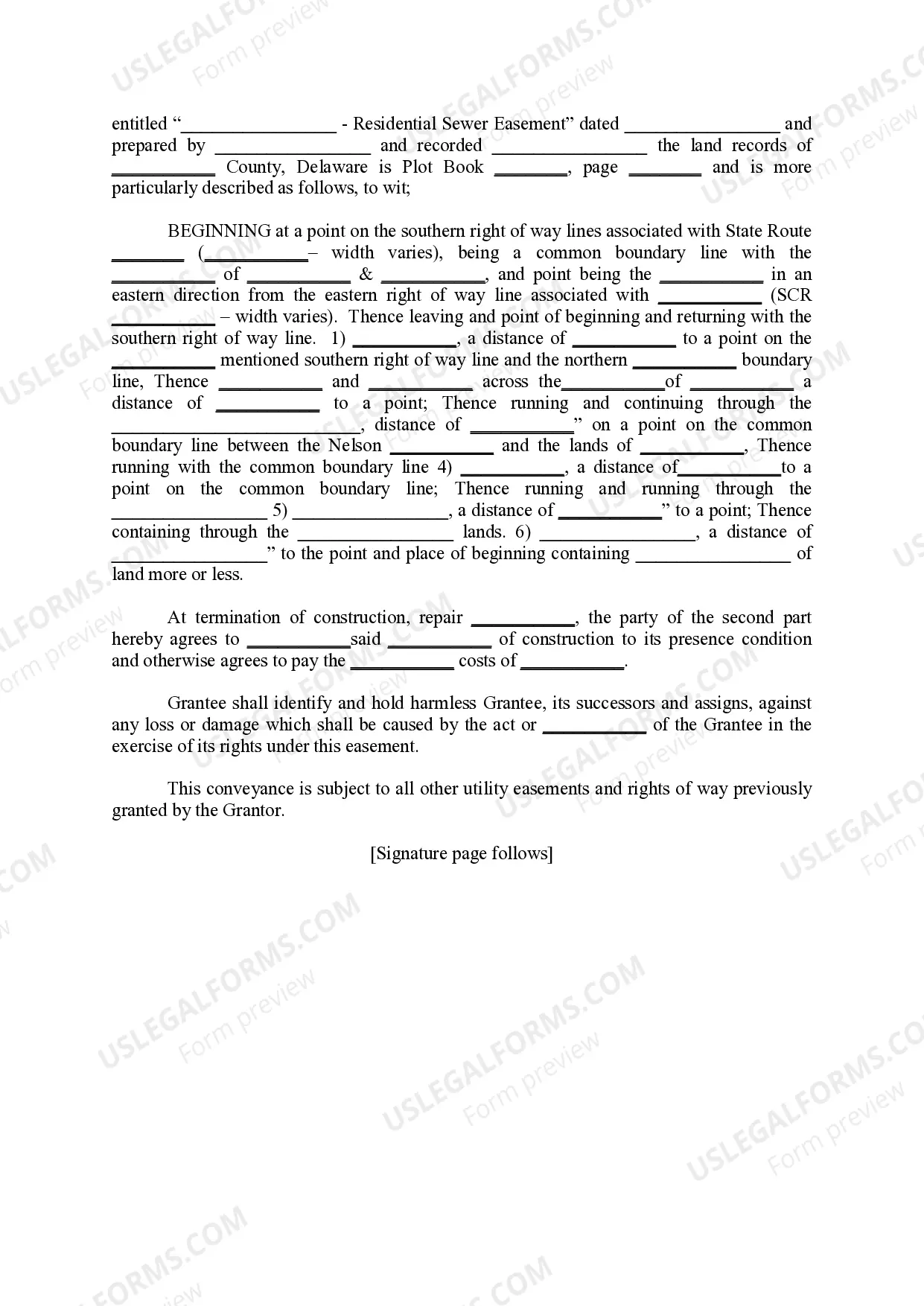
- Legal description of the property involved in the easement.
- Terms regarding construction, maintenance, and rights of access.
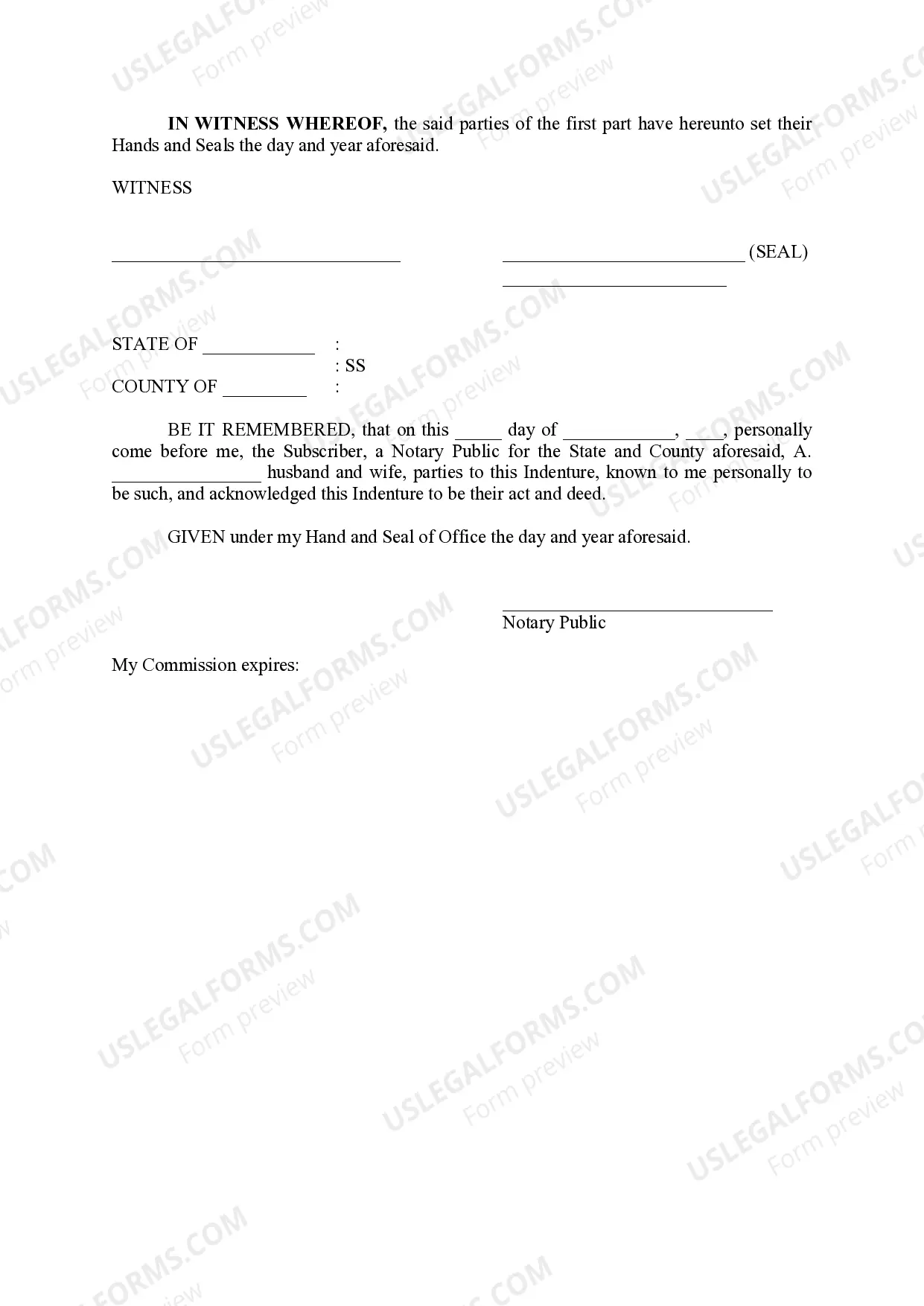
- Notarization section for legal validation.
When this form is needed
This Deed of Easement is used when a property owner (the Grantor) needs to allow a utility company or another entity (the Grantee) to access their property for installing or maintaining utility lines or drainage systems. It is essential in situations where the Grantee requires a permanent right of way to operate effectively, especially in residential or commercial developments.
Who can use this document
- Property owners looking to grant access for utility maintenance.
- Utility companies needing legal permission to use land for infrastructure.
- Developers planning new construction that involves shared utility access.
- Legal representatives drafting agreements for easement rights.
Completing this form step by step
- Identify the parties involved, filling in the names and addresses of the Grantor and Grantee.
- Clearly state the purpose of the easement and the rights being granted.
- Provide a detailed legal description of the property that is subject to the easement.
- Enter any monetary compensation agreed upon for the easement.
- Obtain signatures from both parties and include notarization if required.
Does this document require notarization?
Yes, this form must be notarized to be legally valid. US Legal Forms offers integrated online notarization, providing secure video calls with licensed notaries available 24/7, ensuring convenient access without the need for travel.
Get your form ready online
Our built-in tools help you complete, sign, share, and store your documents in one place.
Make edits, fill in missing information, and update formatting in US Legal Forms—just like you would in MS Word.
Download a copy, print it, send it by email, or mail it via USPS—whatever works best for your next step.
Sign and collect signatures with our SignNow integration. Send to multiple recipients, set reminders, and more. Go Premium to unlock E-Sign.
If this form requires notarization, complete it online through a secure video call—no need to meet a notary in person or wait for an appointment.
We protect your documents and personal data by following strict security and privacy standards.

Make edits, fill in missing information, and update formatting in US Legal Forms—just like you would in MS Word.

Download a copy, print it, send it by email, or mail it via USPS—whatever works best for your next step.

Sign and collect signatures with our SignNow integration. Send to multiple recipients, set reminders, and more. Go Premium to unlock E-Sign.

If this form requires notarization, complete it online through a secure video call—no need to meet a notary in person or wait for an appointment.

We protect your documents and personal data by following strict security and privacy standards.
Common mistakes
- Failing to accurately describe the property or easement rights granted.
- Not obtaining necessary signatures or missing the notarization requirement.
- Leaving blank fields that can lead to confusion regarding terms of the easement.
Benefits of completing this form online
- Convenient access to legal templates from home or office.
- Edit and customize the form to meet specific needs quickly.
- Reliable legal framework created by licensed attorneys, reducing potential legal issues.
Key takeaways
- The Deed of Easement grants specific rights for utility access on private property.
- It includes detailed property descriptions and terms for maintenance responsibilities.
- Proper completion and notarization of the form ensure legal enforceability.
Looking for another form?


Form popularity
FAQ
The statute of easements in Oregon primarily governs the creation and enforcement of easements within the state. Generally, easements can be established through express agreements or by necessity. Understanding these laws helps protect your property rights. For specific legal references and forms, US Legal Forms can guide you in creating a Delaware Deed of Easement while ensuring compliance with Oregon statutes.
Writing a property easement requires you to define the purpose, location, and duration of the easement clearly. Include details such as the names of the parties involved and the property description. It is essential to use clear and concise language that reflects the intended use of the easement. For a practical solution, you can use US Legal Forms' Delaware Deed of Easement templates to simplify the writing process.
Yes, a release of an easement must be documented in writing to be legally effective. This written release outlines the terms of the easement and provides clarity on the rights being returned to the property owner. Without a written document, it may be difficult to prove the easement has been released. You can find resources on US Legal Forms for creating a Delaware Deed of Easement release that meets your needs.
Writing an easement involves drafting a document that clearly outlines the terms, rights, and responsibilities associated with the easement. Include the names of the parties, the description of the property, and the specific rights being granted. It is vital to ensure the document is legally binding by following local laws. For guidance, consider using US Legal Forms and their Delaware Deed of Easement templates.
To release an easement by deed, you must create a formal document stating your intention to terminate the easement. This document needs to be signed by the parties involved and should specify the details of the easement being released. Once completed, file the release with the appropriate local authorities. You can utilize US Legal Forms to access templates for a Delaware Deed of Easement that streamline this process.
Releasing an easement in Delaware involves creating a Delaware Deed of Easement that explicitly states your intention to terminate the easement. Both parties must agree to this change, and the new deed should be filed with the appropriate county office. This process helps ensure that the easement is legally recognized as inactive. To streamline this procedure, you can utilize US Legal Forms, which provides templates and guidance for your documentation.
While it is not always mandatory to hire a lawyer for a Delaware Deed of Easement, having legal guidance can simplify the process. A lawyer can help ensure that the deed aligns with state laws and protects your interests. Additionally, a legal expert can address any specific concerns you may have regarding property rights or easement implications. If you prefer to navigate the process independently, consider using US Legal Forms for reliable resources.
Easement law in Delaware outlines the rights and obligations of easement holders and property owners. In Delaware, easements can be created through express agreements, necessity, or prescription. It's critical to follow legal protocols when establishing an easement, such as using a Delaware Deed of Easement for documentation. For detailed guidance, you can turn to resources like USLegalForms for clarity and assistance.
The primary difference lies in their functions; a deed transfers ownership of property, while an easement allows use of the property without transferring ownership. This distinction is vital for property transactions. For instance, a Delaware Deed of Easement remains in effect even if the property ownership changes, protecting the easement holder's rights.
Easements and deed restrictions serve different purposes in property law. An easement grants specific usage rights, while a deed restriction limits what a property owner can do with their land. Understanding these differences ensures property owners and easement holders know their rights and obligations. Consider consulting a Delaware Deed of Easement to clarify these terms effectively.