Delaware Acknowledgment for Individuals
About this form
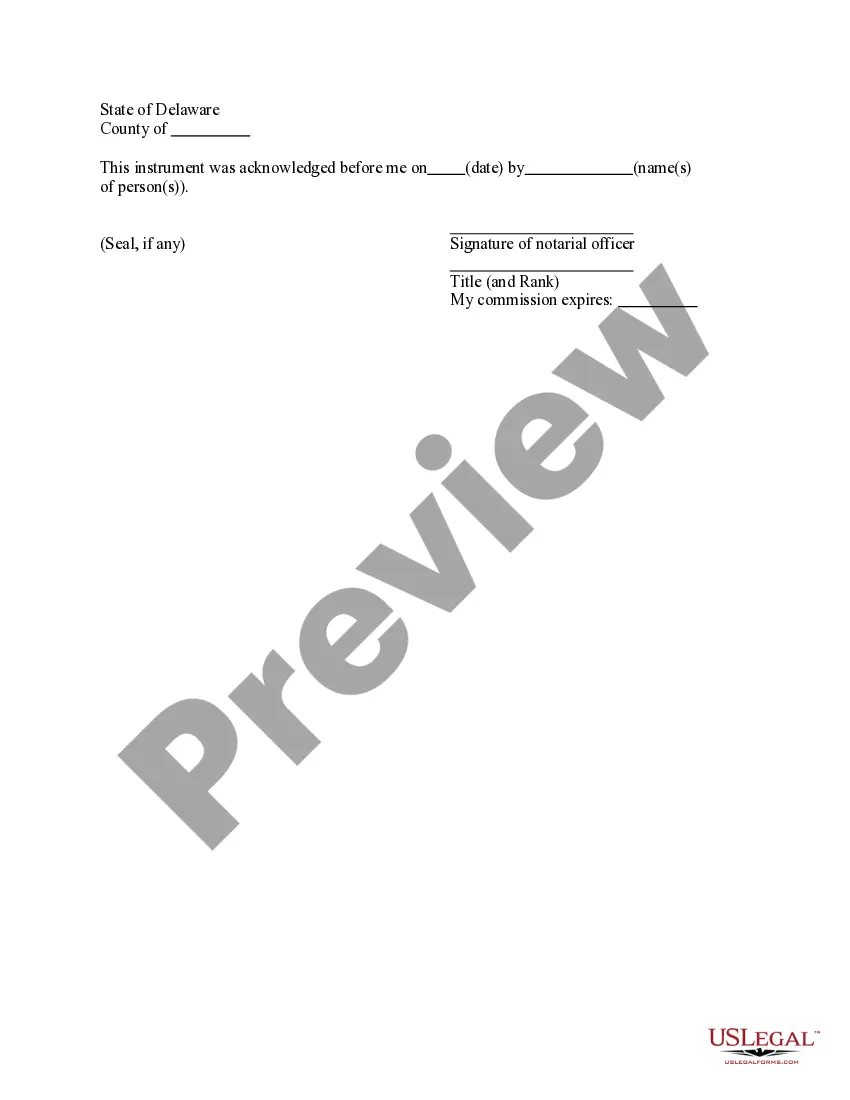
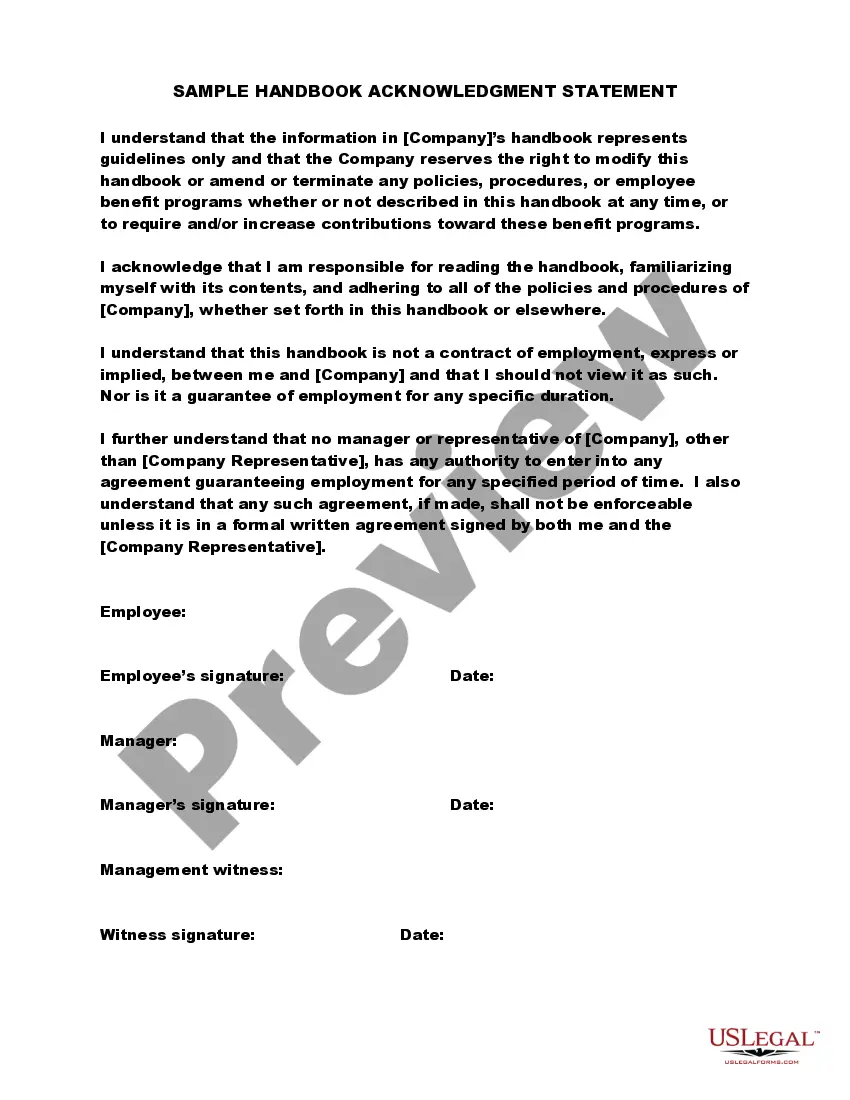
The Acknowledgment for Individuals is a legal document used to verify that an individual has personally signed a document in the presence of a notary public or other authorized official. This form serves as a formal declaration that the signatures on the document are authentic and were made willingly. This acknowledgement is essential when the authenticity of a document is questioned and differs from other types of acknowledgment forms that may not require a notary or are specific to particular transactions.
Key parts of this document
- Acknowledgment statement confirming the identity of the signer.
- Space to enter the date the document was signed.
- Areas for the names of the individuals whose signatures are being acknowledged.
- Signature line for a notarial officer.
- Seal of the notary (if required).
When to use this document
This form is typically needed when an individual is required to provide evidence of their signature for documents such as contracts, deeds, or other important legal paperwork. It is commonly used in real estate transactions, power of attorney agreements, and other situations where the authenticity of the signed document must be verified by a legal authority.
Who this form is for
- Individuals who need to confirm their identity while signing important documents.
- Notarial officers who require a standard form to acknowledge signatures.
- Anyone involved in transactions such as real estate closings or legal agreements that necessitate authentication.
How to complete this form
- Identify the parties involved by entering their full names in the designated fields.
- Enter the date when the document is being signed.
- Have the individuals sign the document in the presence of the notary.
- Complete the notary's section, including the notary's signature and seal if required.
- Ensure all information is accurate and legible before finalizing.
Notarization guidance
Yes, this form must be notarized to be legally valid. The presence of a notary public ensures that the signature is genuine and reduces the chances of fraud. US Legal Forms offers an integrated online notarization service that is available 24/7, allowing you to complete this requirement via a secure video call without the need to travel.
Get your form ready online
Our built-in tools help you complete, sign, share, and store your documents in one place.
Make edits, fill in missing information, and update formatting in US Legal Forms—just like you would in MS Word.
Download a copy, print it, send it by email, or mail it via USPS—whatever works best for your next step.
Sign and collect signatures with our SignNow integration. Send to multiple recipients, set reminders, and more. Go Premium to unlock E-Sign.
If this form requires notarization, complete it online through a secure video call—no need to meet a notary in person or wait for an appointment.
We protect your documents and personal data by following strict security and privacy standards.

Make edits, fill in missing information, and update formatting in US Legal Forms—just like you would in MS Word.

Download a copy, print it, send it by email, or mail it via USPS—whatever works best for your next step.

Sign and collect signatures with our SignNow integration. Send to multiple recipients, set reminders, and more. Go Premium to unlock E-Sign.

If this form requires notarization, complete it online through a secure video call—no need to meet a notary in person or wait for an appointment.

We protect your documents and personal data by following strict security and privacy standards.
Avoid these common issues
- Failing to sign the document in front of a notary public.
- Leaving fields blank or providing incorrect names.
- Not including the date of signing.
- Forgetting the notary's signature or seal.
Benefits of using this form online
- Convenience of downloading and completing the form from home.
- Editable format allows for easy customization of information.
- Reliable and accurate form crafted by licensed attorneys.
- Access to integrated online notarization services, if needed.
Looking for another form?

Form popularity
FAQ
To become a notary public in Delaware, you must meet specific eligibility requirements, including being a resident and at least 18 years old. After completing an application and passing a background check, you will take an oath and receive your notary commission. By becoming a notary, you can facilitate important processes like the Delaware Acknowledgment for Individuals, serving your community effectively.
To perform an acknowledgment properly, the notary public must first confirm the identity of the signer through valid identification. The signer then acknowledges that they are signing the document voluntarily before the notary. This meticulous process ensures the reliability of the Delaware Acknowledgment for Individuals, enhancing the document's acceptance for legal purposes.
For an acknowledgment to be valid, the signer must appear before the notary public and provide valid identification. Additionally, they must affirm that they are signing the document voluntarily. These essential requirements uphold the integrity of the Delaware Acknowledgment for Individuals, providing confidence in the legitimacy of executed documents.
Individual acknowledgment refers to the process where a singular person confirms their identity and willingness to sign a document. This type of acknowledgment is crucial in legal transactions, as it protects against fraud. In Delaware, the Delaware Acknowledgment for Individuals serves this purpose effectively, ensuring that all parties can trust the authenticity of the documents involved.
An Acknowledgment involves confirming that a person has signed a document willingly, while a direct notary generally verifies the identity of a signer and witnesses the signing. The Delaware Acknowledgment for Individuals specifically relates to the acknowledgment process, which adds an important layer of legitimacy to the document. Understanding these differences can help you navigate your legal needs more effectively.
The person signing the document is the one who provides their signature during the notary's acknowledgment process. The notary public then notarizes the document, affirming that they witnessed the signature. This interaction ensures that the Delaware Acknowledgment for Individuals is legally binding and respected.
In Delaware, a notary public is authorized to give an Acknowledgment of a document. This professional certifies that the signatory is who they claim to be and that they have willingly signed the document. Doing so fulfills an essential legal requirement for various documents, making the Delaware Acknowledgment for Individuals an important step in the process.
Yes, a family member can notarize a document for another family member in Delaware, provided the notary complies with state laws. It’s crucial to ensure the signers are present and that the process is conducted transparently. This can efficiently facilitate a Delaware acknowledgment for individuals without unnecessary complications.
Yes, you can notarize for a family member in Delaware. However, you must adhere to the standards set by Delaware law regarding notary practices. As you conduct a Delaware acknowledgment for individuals, remain neutral and ensure that all requirements are met for the notarial act.
In Delaware, while family members can act as witnesses, it's often recommended to use impartial witnesses. This practice maintains objectivity in the witnessing process and strengthens the credibility of the Delaware acknowledgment for individuals. If possible, consider using individuals who are not related to ensure the legality of the document.