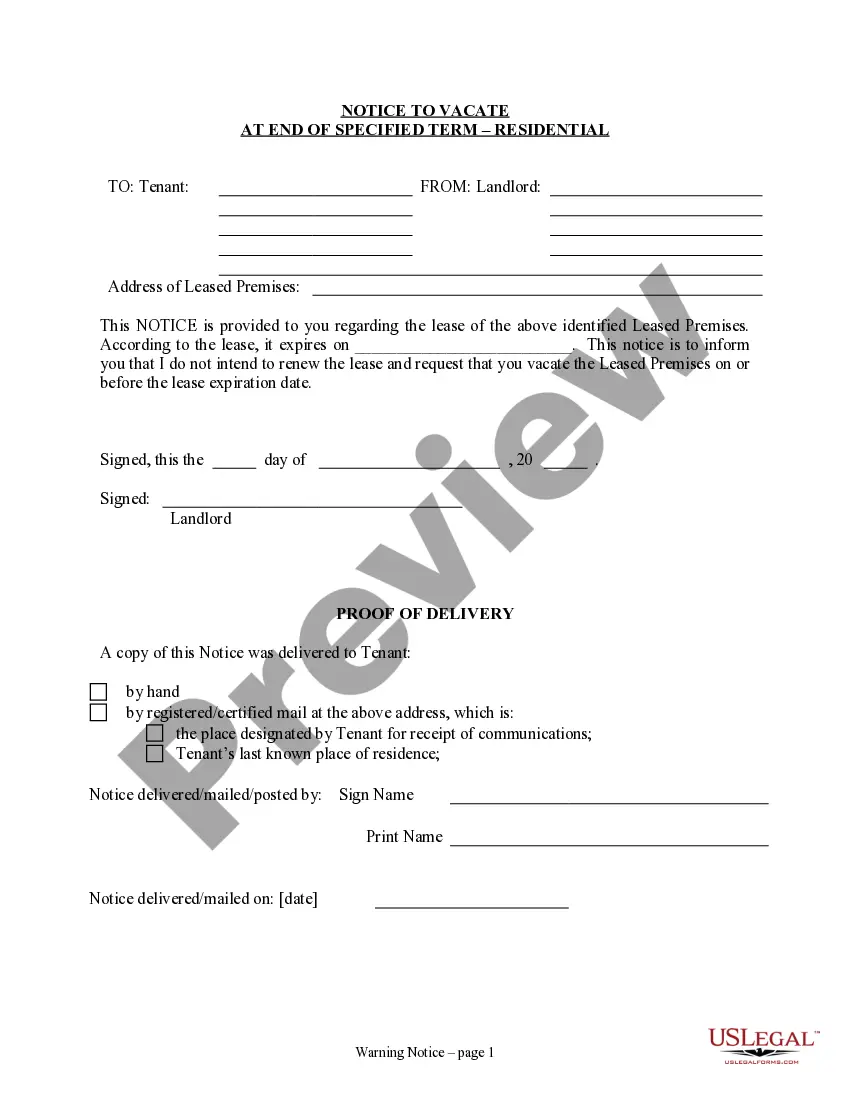
Delaware Notice of Intent Not to Renew at End of Specified Term from Landlord to Tenant for Residential Property
What is this form?
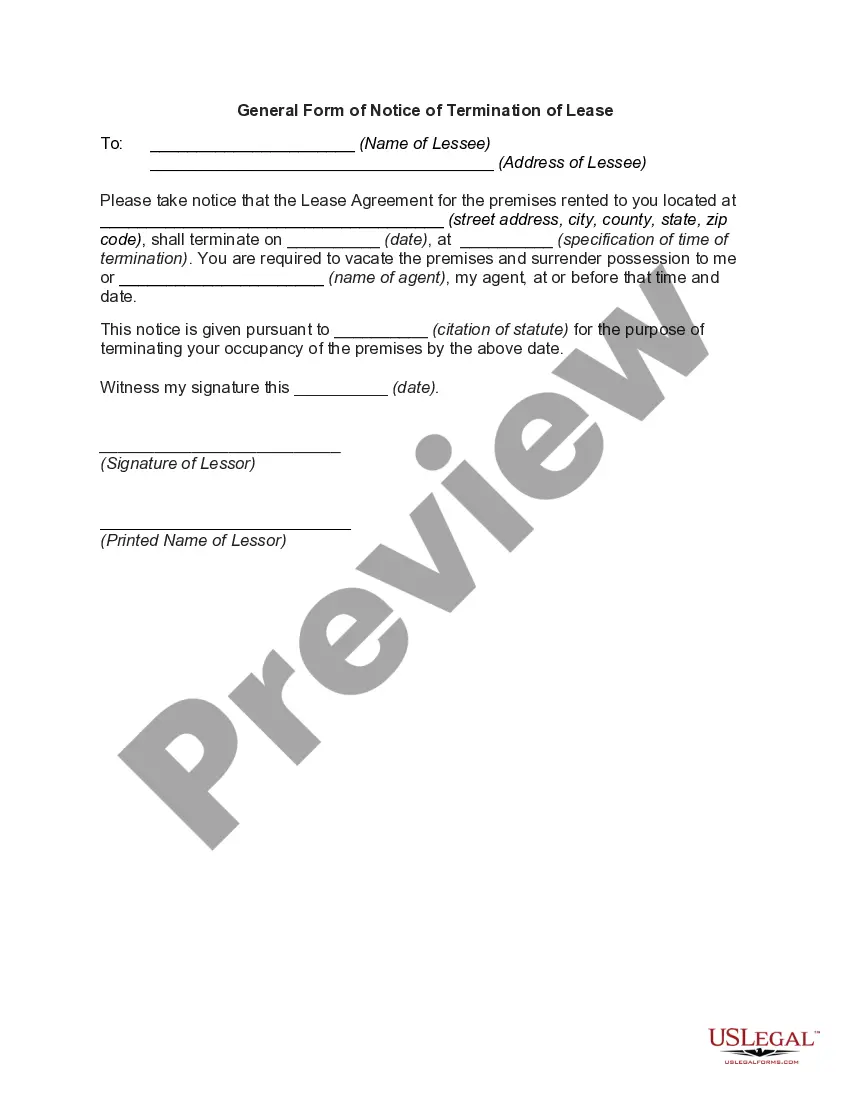
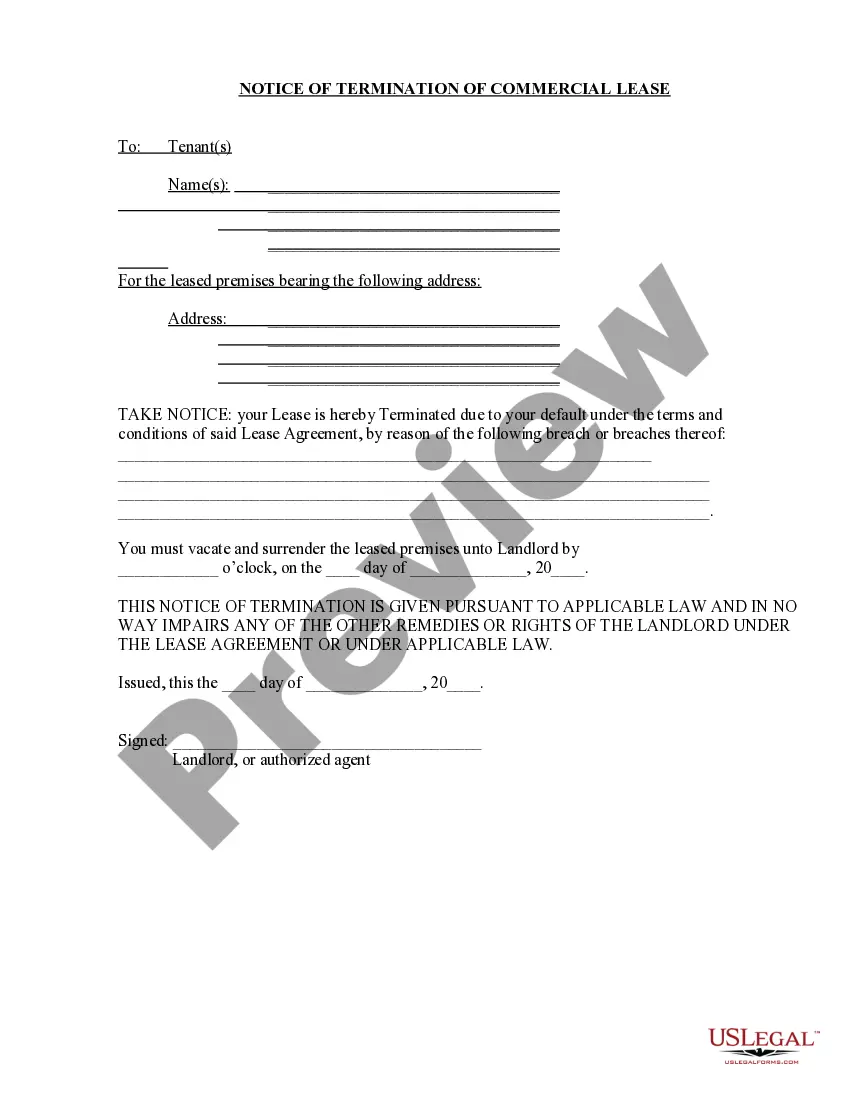
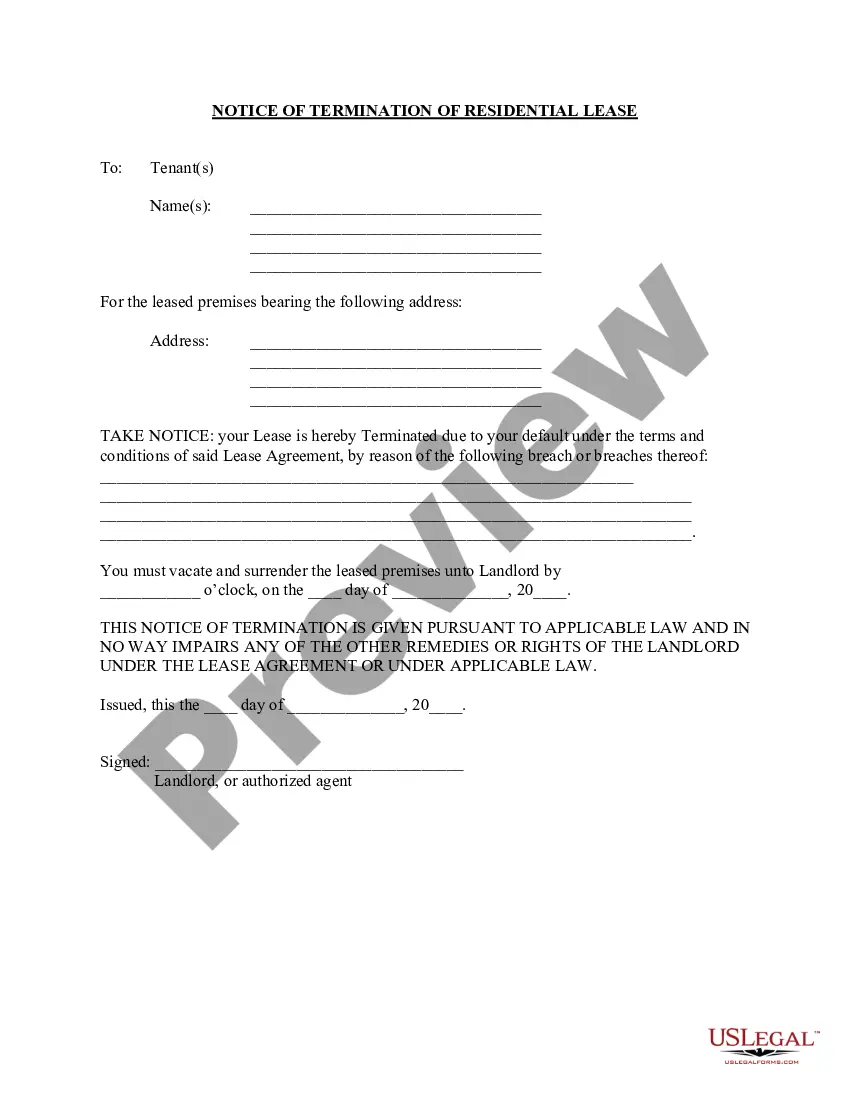
The Notice of Intent Not to Renew at End of Specified Term from Landlord to Tenant for Residential Property is a legal document used by landlords to inform tenants that their lease will not be renewed after its specified end date. Unlike other notices that may require ongoing communication or renewal options, this form clearly states the landlord's decision not to extend the lease, allowing tenants to prepare to vacate the property. This notice serves as a formal communication of intent regarding the residential lease agreement.
Key parts of this document
- Parties involved: Identifies the landlord and tenant by name and contact information.
- Property Address: Specifies the address of the leased premises.
- Lease Expiry Date: Clearly states the date when the lease agreement ends.
- Statement of Intent: Declares the landlord's intent not to renew the lease.
- Signature Section: Requires the landlord's signature along with the date of signing.
- Proof of Delivery: Indicates how and when the notice was delivered to the tenant.
Situations where this form applies
This form should be used when a landlord wishes to provide notification to a tenant that their lease will not be renewed upon expiration. Typical scenarios include when a landlord seeks to reclaim their property for personal use, plans to sell the property, or intends to make significant renovations that require the tenant to vacate. Using this form ensures that the tenant receives clear communication and is aware of their need to vacate the premises by the lease expiration date.
Who should use this form
This form is intended for:
- Residential landlords who have a tenant with a fixed-term lease.
- Landlords wishing to formally communicate their intent not to renew a lease.
- Anyone managing rental properties who requires a clear process for lease termination.
Completing this form step by step
- Identify the parties: Fill in the names and contact information of both the landlord and the tenant.
- Specify the property: Enter the complete address of the leased premises.
- Enter the lease expiration date: Clearly state the date the current lease agreement ends.
- State the intent: Affirm that the lease will not be renewed and that the tenant must vacate by the expiration date.
- Sign the document: The landlord must sign and date the notice to validate it.
- Deliver the notice: Make a copy for proof of delivery and choose the method of delivery to the tenant.
Does this document require notarization?
This form does not typically require notarization unless specified by local law. This means you can complete and deliver it without needing to visit a notary, simplifying the process.
Get your form ready online
Our built-in tools help you complete, sign, share, and store your documents in one place.
Make edits, fill in missing information, and update formatting in US Legal Forms—just like you would in MS Word.
Download a copy, print it, send it by email, or mail it via USPS—whatever works best for your next step.
Sign and collect signatures with our SignNow integration. Send to multiple recipients, set reminders, and more. Go Premium to unlock E-Sign.
If this form requires notarization, complete it online through a secure video call—no need to meet a notary in person or wait for an appointment.
We protect your documents and personal data by following strict security and privacy standards.
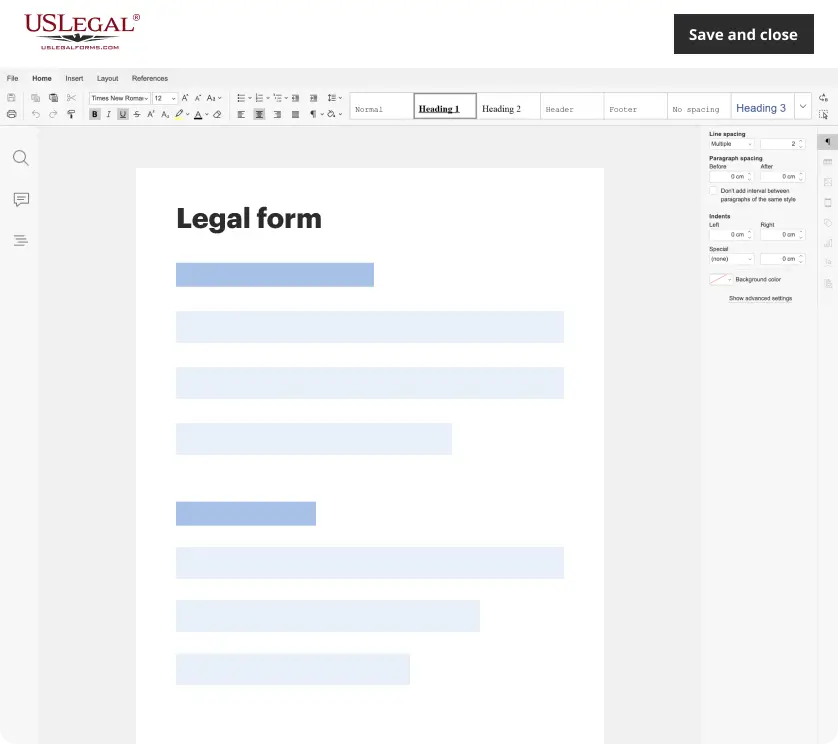
Make edits, fill in missing information, and update formatting in US Legal Forms—just like you would in MS Word.
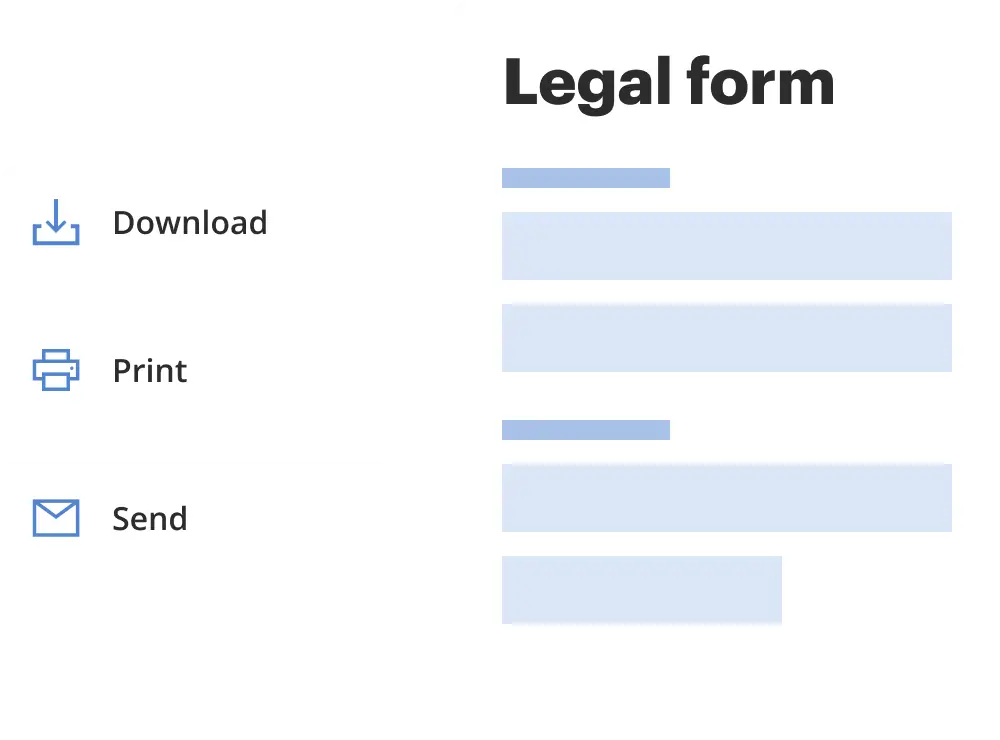
Download a copy, print it, send it by email, or mail it via USPS—whatever works best for your next step.
Sign and collect signatures with our SignNow integration. Send to multiple recipients, set reminders, and more. Go Premium to unlock E-Sign.
If this form requires notarization, complete it online through a secure video call—no need to meet a notary in person or wait for an appointment.
We protect your documents and personal data by following strict security and privacy standards.
Common mistakes to avoid
- Failing to provide the notice within the required time frame based on state laws.
- Not including the full address of the leased premises.
- Omitting signatures or dates, which could invalidate the notice.
- Assuming verbal communication is sufficient instead of providing this formal notice.
Benefits of completing this form online
- Convenient access to templates drafted by licensed attorneys.
- Edit and personalize the document easily to fit specific needs.
- Instant download capabilities, which saves time compared to traditional methods.
- Secure storage of completed forms for future reference.
Legal use & context
- The form officially notifies the tenant of the non-renewal of the lease, which is a legally recognized action.
- Failing to provide proper notice may affect the landlord's ability to enforce the lease terms.
- It may serve as evidence in court should any disputes arise regarding possession of the property.
Key takeaways
- The form serves as notice that a lease will not be renewed, giving tenants time to prepare to vacate.
- Ensure all required information is complete to avoid invalidation of the notice.
- Follow state-specific laws regarding notice periods and delivery methods.
- Using this form online offers a simple, efficient way to manage lease terminations.
Looking for another form?
Form popularity
FAQ
There are no specific laws in Delaware that dictate how often a landlord must replace carpets in rental properties. However, landlords are responsible for maintaining rental properties in good condition, which may include replacing worn-out carpets. Tenants should communicate with their landlords about any maintenance issues, making it easier to uphold the living standards expected in residential properties.
Under Delaware law, a landlord must give at least 60 days of written notice if they do not intend to renew a lease. This notice is essential for tenants to make arrangements for relocation or to address any concerns regarding their tenancy. The Delaware Notice of Intent Not to Renew at End of Specified Term from Landlord to Tenant for Residential Property serves as a formal communication to ensure tenants are informed.
Delaware does not impose statewide limits on rent increases, allowing landlords to raise rent as they see fit, provided they give proper notice. However, landlords must still adhere to any lease agreements and serve the Delaware Notice of Intent Not to Renew at End of Specified Term from Landlord to Tenant for Residential Property if the increase affects the termination of the lease. It's beneficial for tenants to be aware of local laws and to anticipate potential increases.
A tenant who refuses to vacate after the lease has ended is often referred to as a 'holdover tenant.' In Delaware, the landlord can serve a Delaware Notice of Intent Not to Renew at End of Specified Term from Landlord to Tenant for Residential Property to begin the process of eviction. This action ensures that landlords can reclaim their property and prepare it for the next occupants.
Section 5514 of the Delaware landlord/tenant code details the responsibilities of landlords regarding returning security deposits. It requires landlords to provide a written statement of any deductions made from the deposit within specific timeframes. Understanding this section can provide clarity and help both landlords and tenants manage their expectations in residential agreements.
In Delaware, a landlord must provide a written notice to a tenant at least 60 days before the end of the lease term for residential properties. This notice is often framed as a Delaware Notice of Intent Not to Renew at End of Specified Term from Landlord to Tenant for Residential Property. Ensuring you receive this notice is crucial for planning your next steps and adhering to the legal timeline.
Section 5513 of the Delaware Landlord Tenant Code covers other essential aspects of lease agreements, such as termination procedures and tenants' rights. This section helps landlords and tenants navigate the complexities of residential leases, including the Delaware Notice of Intent Not to Renew at End of Specified Term from Landlord to Tenant for Residential Property. Familiarizing yourself with this section can enhance your understanding of lease termination and tenant protections.
Section 23 of the Landlord and Tenant Act outlines the requirements and processes for terminating a lease agreement. It establishes the necessity for landlords to provide tenants with proper notice when they intend to non-renew a lease. Specifically, this section is vital for understanding the Delaware Notice of Intent Not to Renew at End of Specified Term from Landlord to Tenant for Residential Property, ensuring that both parties are clear on their rights and responsibilities.
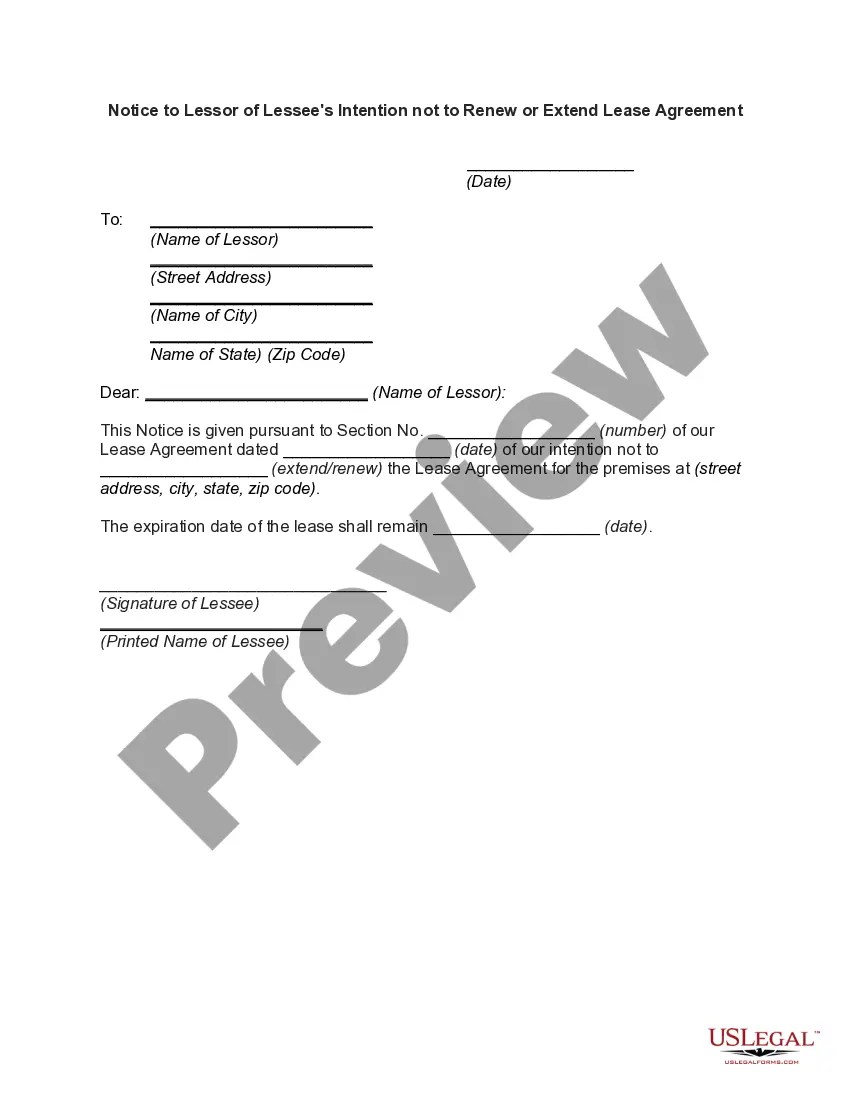
Writing a letter of not renewing a contract involves clearly stating your intent not to continue the agreement. Begin with the date, address the recipient, and include specific details like contract terms and the effective date of termination. A Delaware Notice of Intent Not to Renew at End of Specified Term from Landlord to Tenant for Residential Property can be an excellent reference to structure your letter properly and ensure it meets legal requirements.
The best excuse to break a lease usually involves valid reasons such as job relocation, health issues, or significant repairs needed in the rental unit. It is also important to review your lease for any specific clauses that allow for early termination. While a Delaware Notice of Intent Not to Renew at End of Specified Term from Landlord to Tenant for Residential Property can make your intentions clear, discussing your situation with your landlord can lead to an amicable resolution.