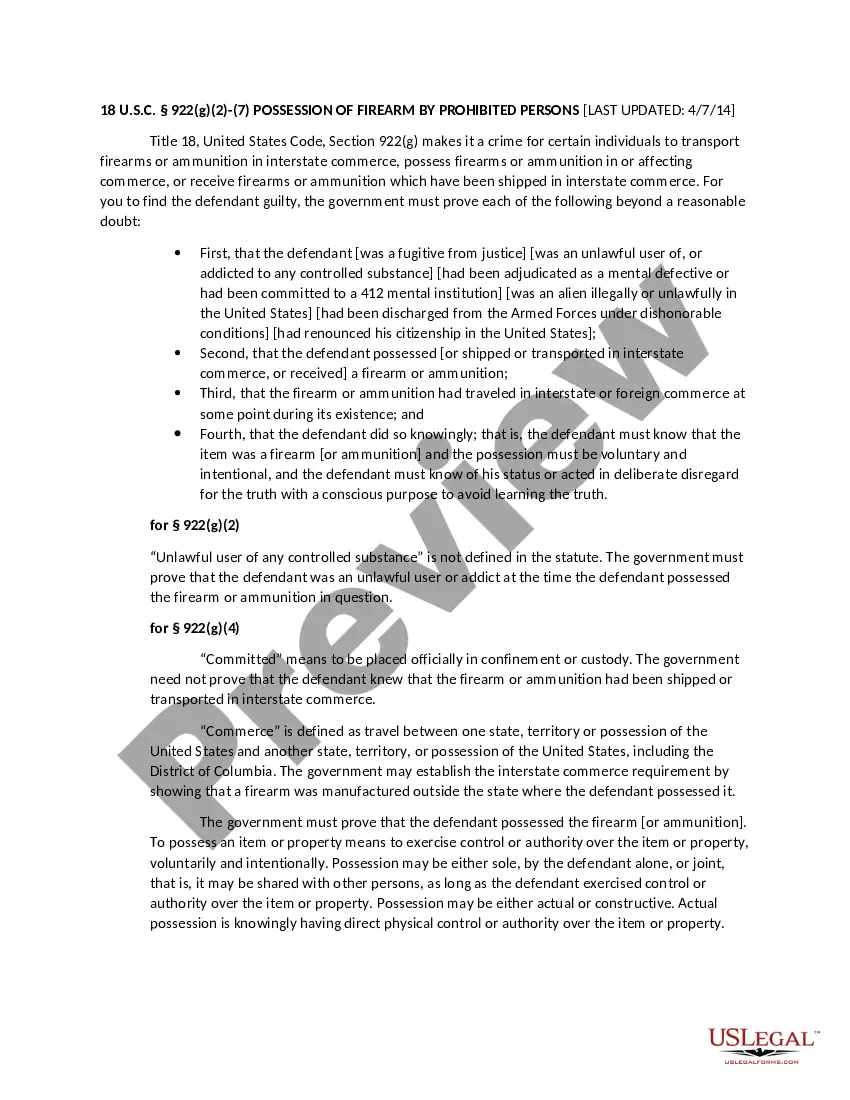
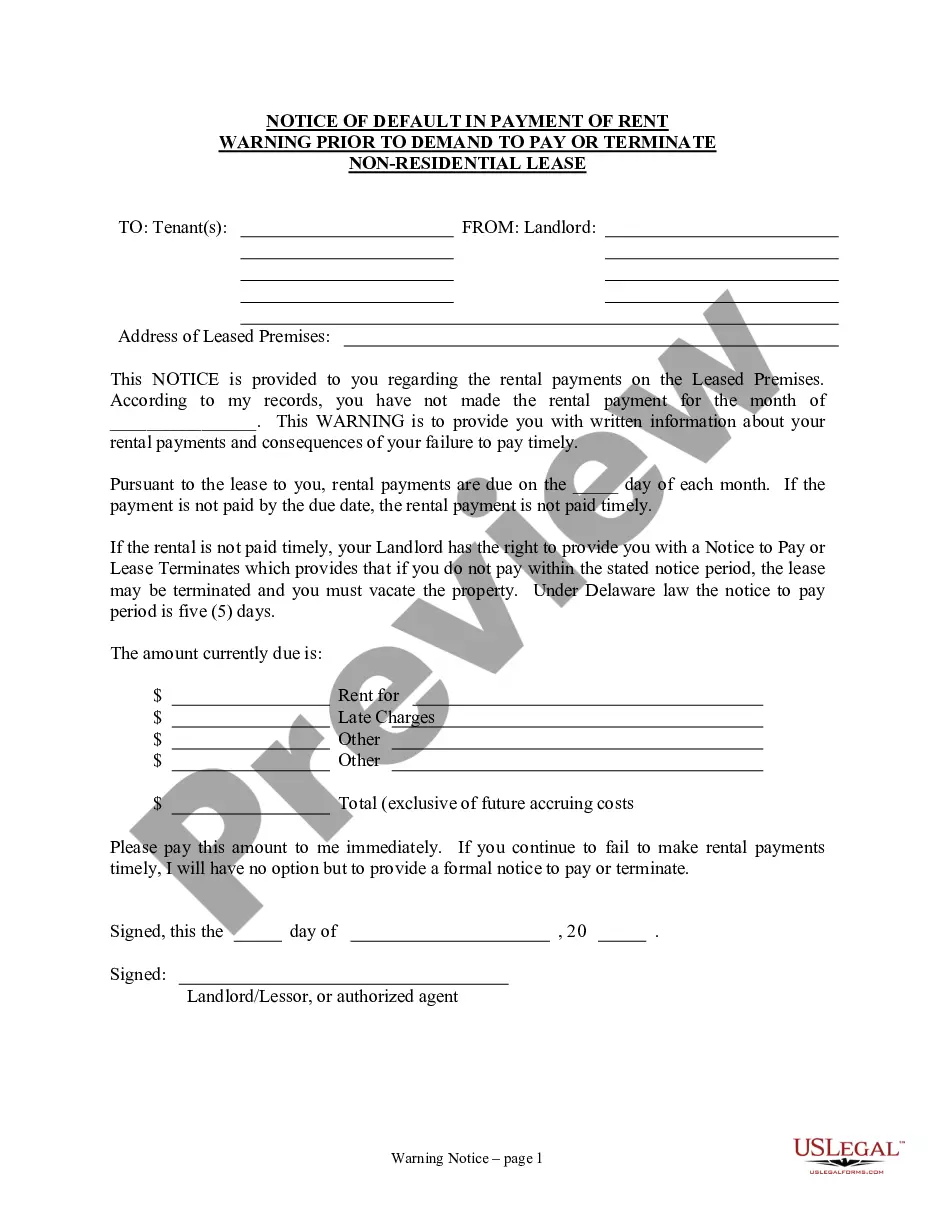
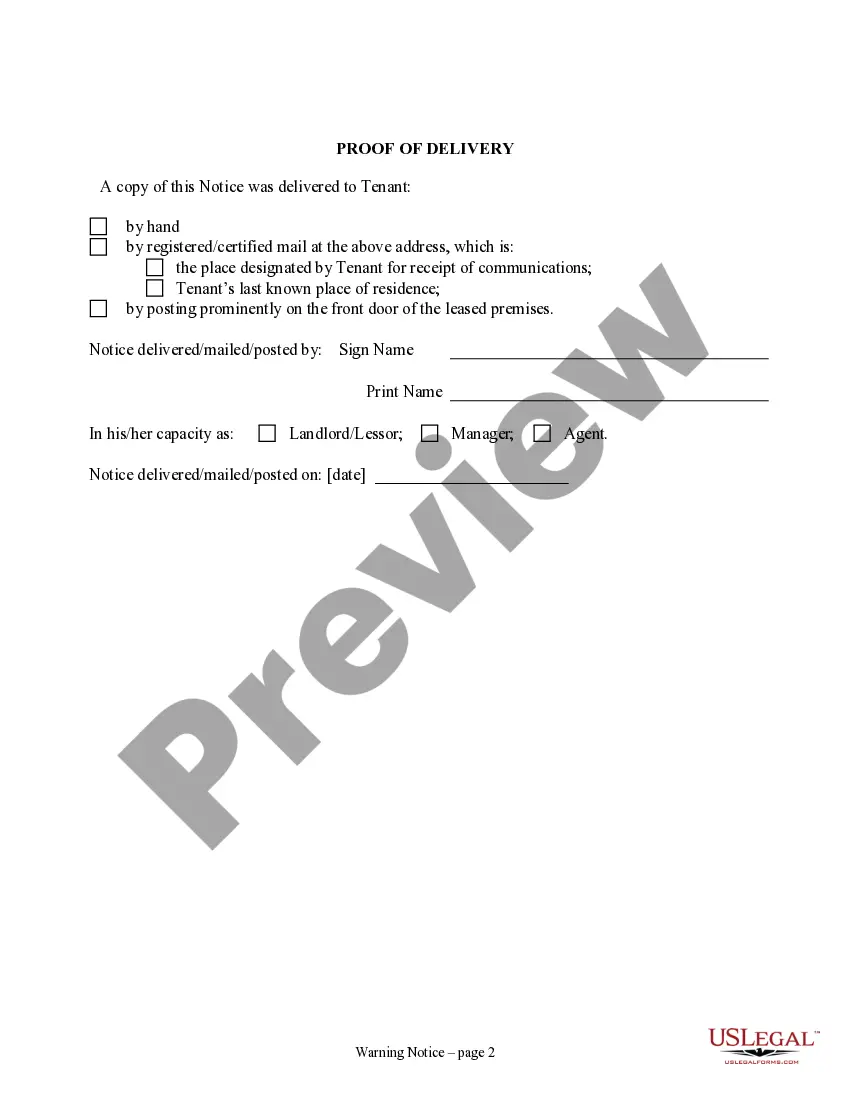
This Notice of Default in Payment of Rent as Warning Prior to Demand to Pay or Terminate for Non-Residential or Commercial Property form is for use by a Landlord to inform Tenant of Tenant's default in the payment of rent as a warning prior to a pay or terminate notice. The form advises the Tenant of the due date of rent and the consequences of late payment. This form may be used where you desire to remind the Tenant of payment terms, the default, demand payment and inform the Tenant that under the laws of this state or lease, the Landlord may terminate if rent is not paid timely.
Delaware Notice of Default in Payment of Rent as Warning Prior to Demand to Pay or Terminate for Nonresidential or Commercial Property
State:
Delaware
Control #:
DE-1301LT
Format:
Word;
Rich Text
Instant download
Description
Free preview
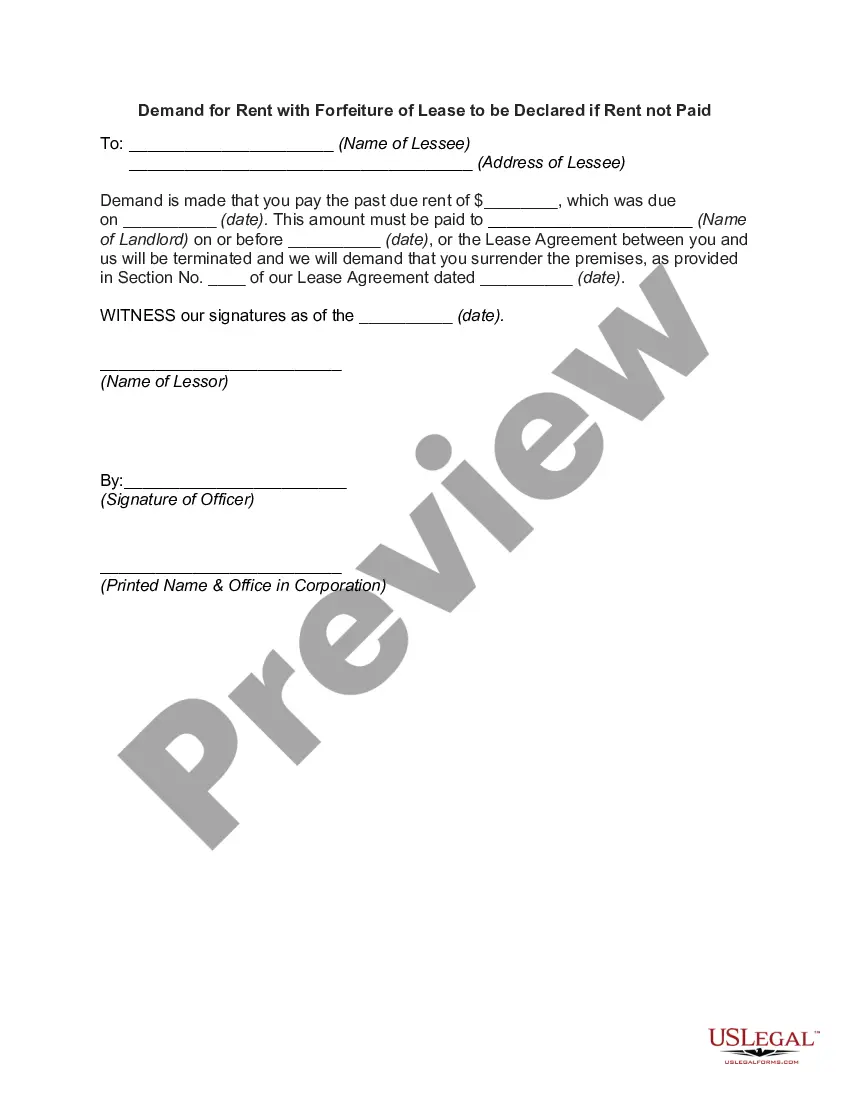
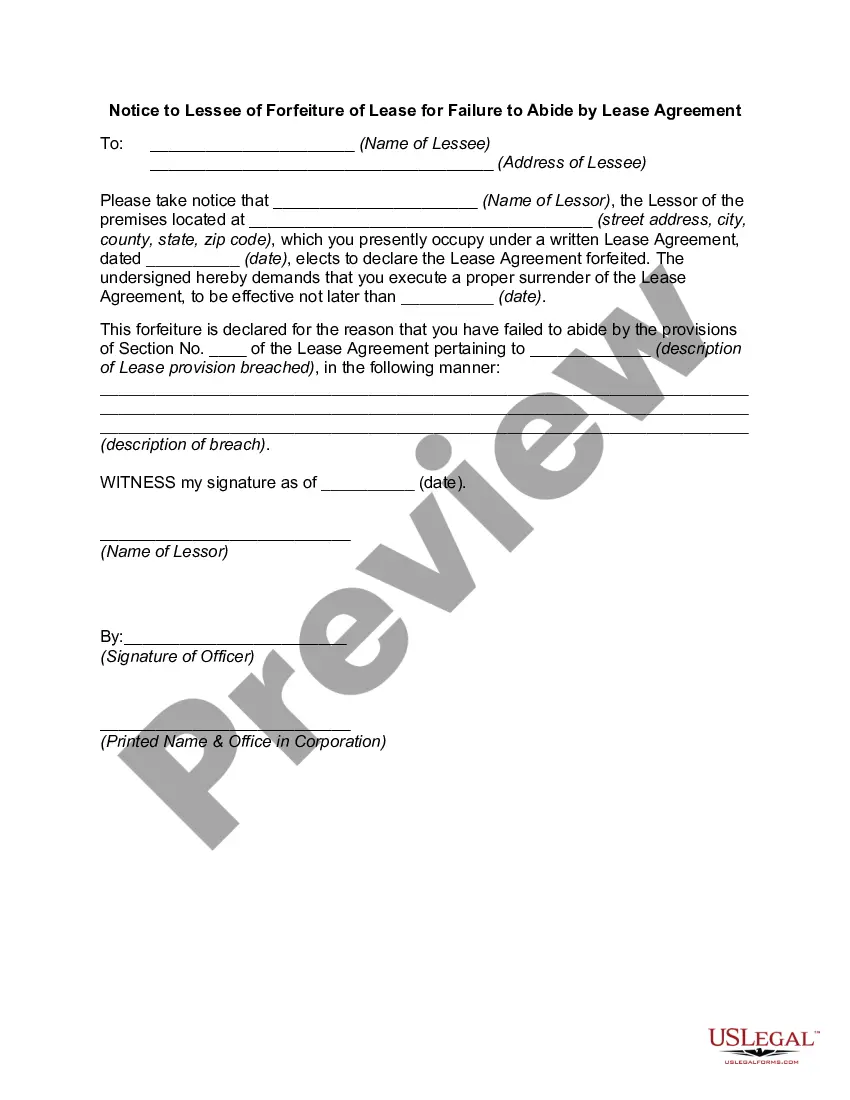
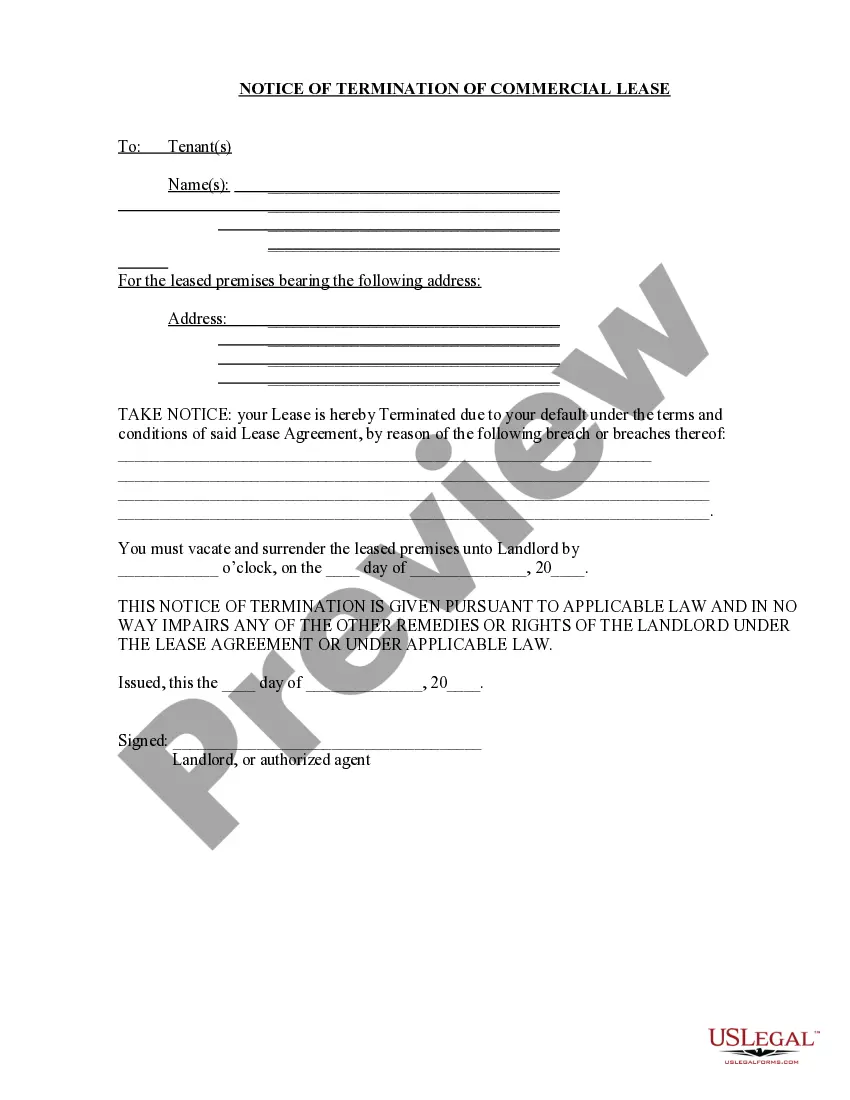
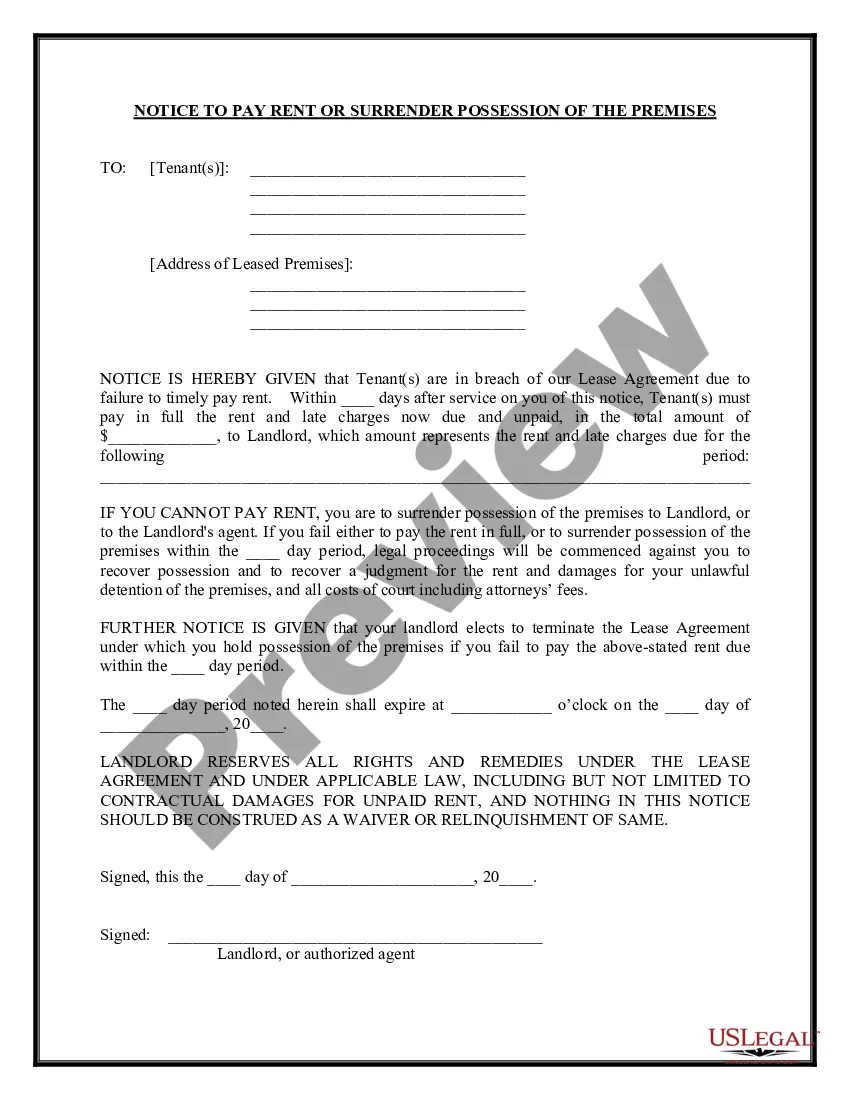
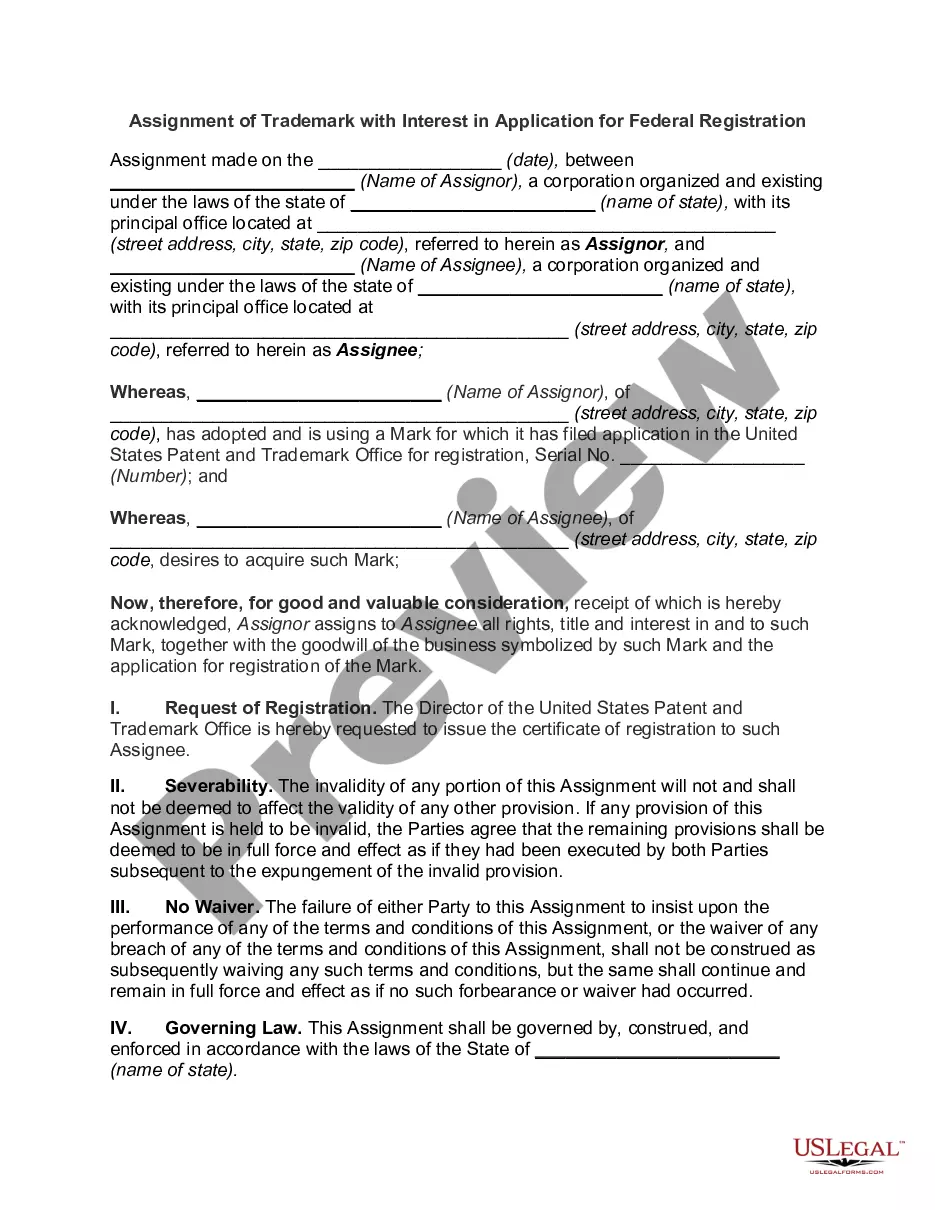
How to fill out Delaware Notice Of Default In Payment Of Rent As Warning Prior To Demand To Pay Or Terminate For Nonresidential Or Commercial Property?
The greater the documentation you need to compile - the more stressed you feel.
You can discover numerous Delaware Notice of Default in Payment of Rent as Warning Prior to Demand to Pay or Terminate for Nonresidential or Commercial Property templates online, yet, you may be uncertain which ones to trust.
Remove the frustration to make acquiring samples simpler with US Legal Forms. Obtain precisely formulated documents that are designed to meet state requirements.
Enter the required information to create your account and settle your order using PayPal or a credit card. Choose a suitable document format and obtain your copy. Locate each template you download in the My documents section. Just visit there to fill in a new copy of the Delaware Notice of Default in Payment of Rent as Warning Prior to Demand to Pay or Terminate for Nonresidential or Commercial Property. Even when working with professionally prepared templates, it’s still crucial to consider consulting your local attorney to verify that your document is correctly completed. Achieve more for less with US Legal Forms!
- If you possess a US Legal Forms membership, sign in to your account, and you will encounter the Download button on the Delaware Notice of Default in Payment of Rent as Warning Prior to Demand to Pay or Terminate for Nonresidential or Commercial Property’s page.
- If you haven’t previously utilized our service, follow the registration process by adhering to these guidelines.
- Confirm that the Delaware Notice of Default in Payment of Rent as Warning Prior to Demand to Pay or Terminate for Nonresidential or Commercial Property is applicable in your residing state.
- Double-check your choice by reviewing the description or utilizing the Preview feature if available for the selected document.
- Click Buy Now to initiate the registration process and select a subscription plan that suits your needs.
Form popularity
FAQ
Delaware does not have a statewide rent control policy, meaning there is no cap on how much a landlord can increase the rent. However, landlords must still adhere to the terms of the lease agreement and provide proper notice of any intended rent increases. Ensuring clear communication about changes to rent can help maintain a positive landlord-tenant relationship.
Section 5514 of the Delaware landlord/tenant code specifies the process for eviction due to nonpayment of rent. It details the steps landlords must take to formally initiate the eviction process after providing proper notice to the tenant. Familiarizing yourself with this section is important to understand your rights and obligations as either a landlord or a tenant.
Section 23 of the Delaware Landlord and Tenant Act addresses the responsibilities of landlords and tenants regarding rent payments. This section outlines the terms for providing a rental demand when payments are overdue. Understanding this section can help both parties avoid disputes and ensure that their legal rights are upheld during landlord-tenant interactions.