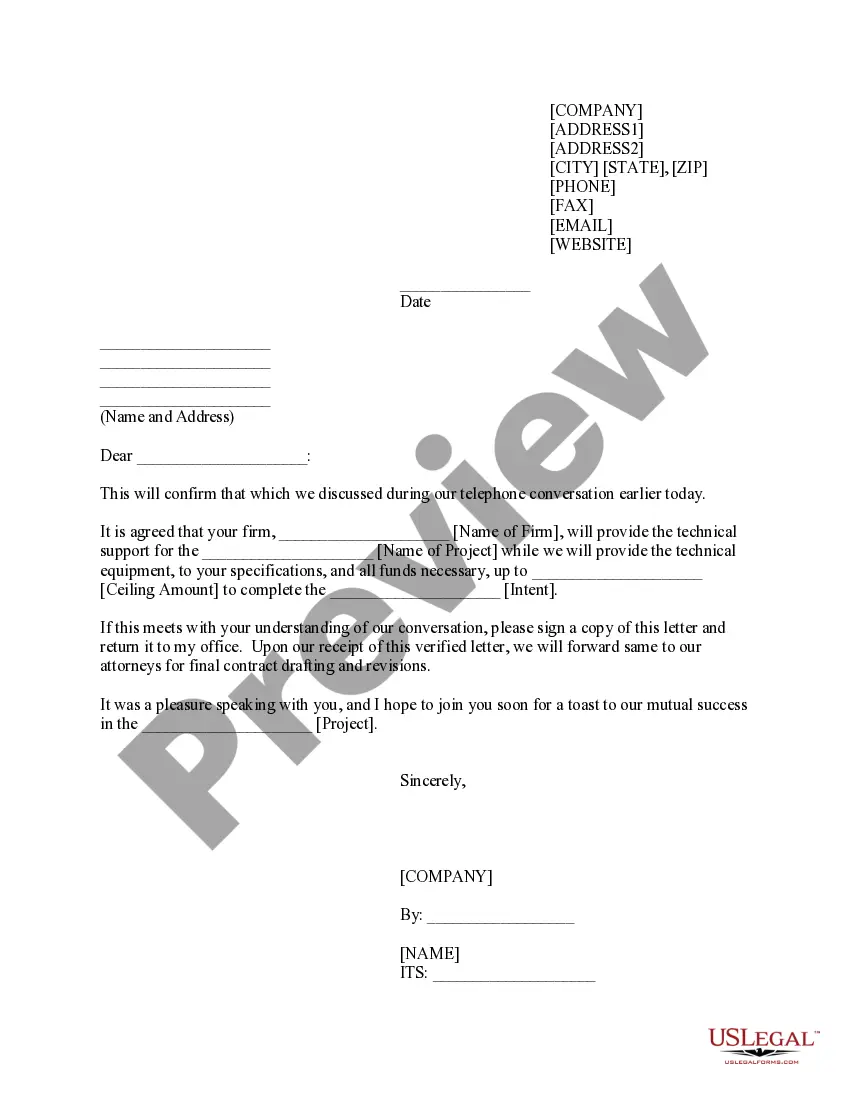
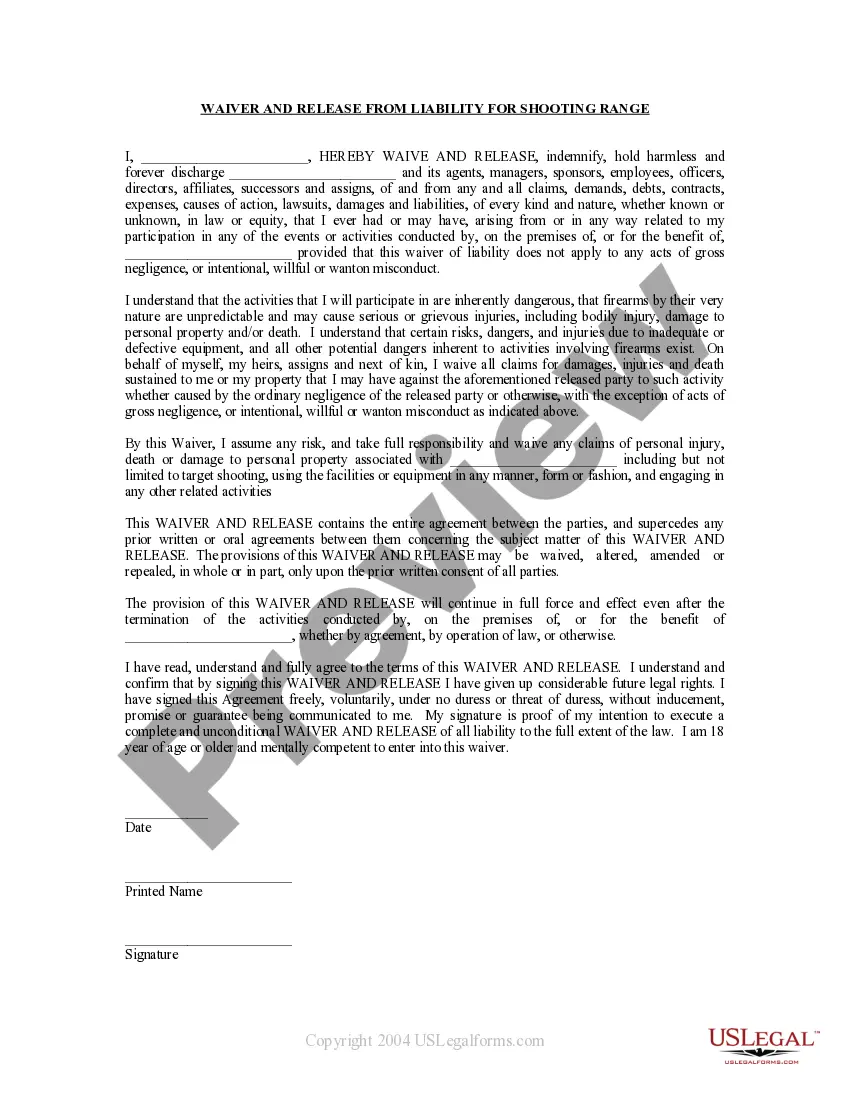
District of Columbia Waiver and Release From Liability For Adult for Shooting Range
Description
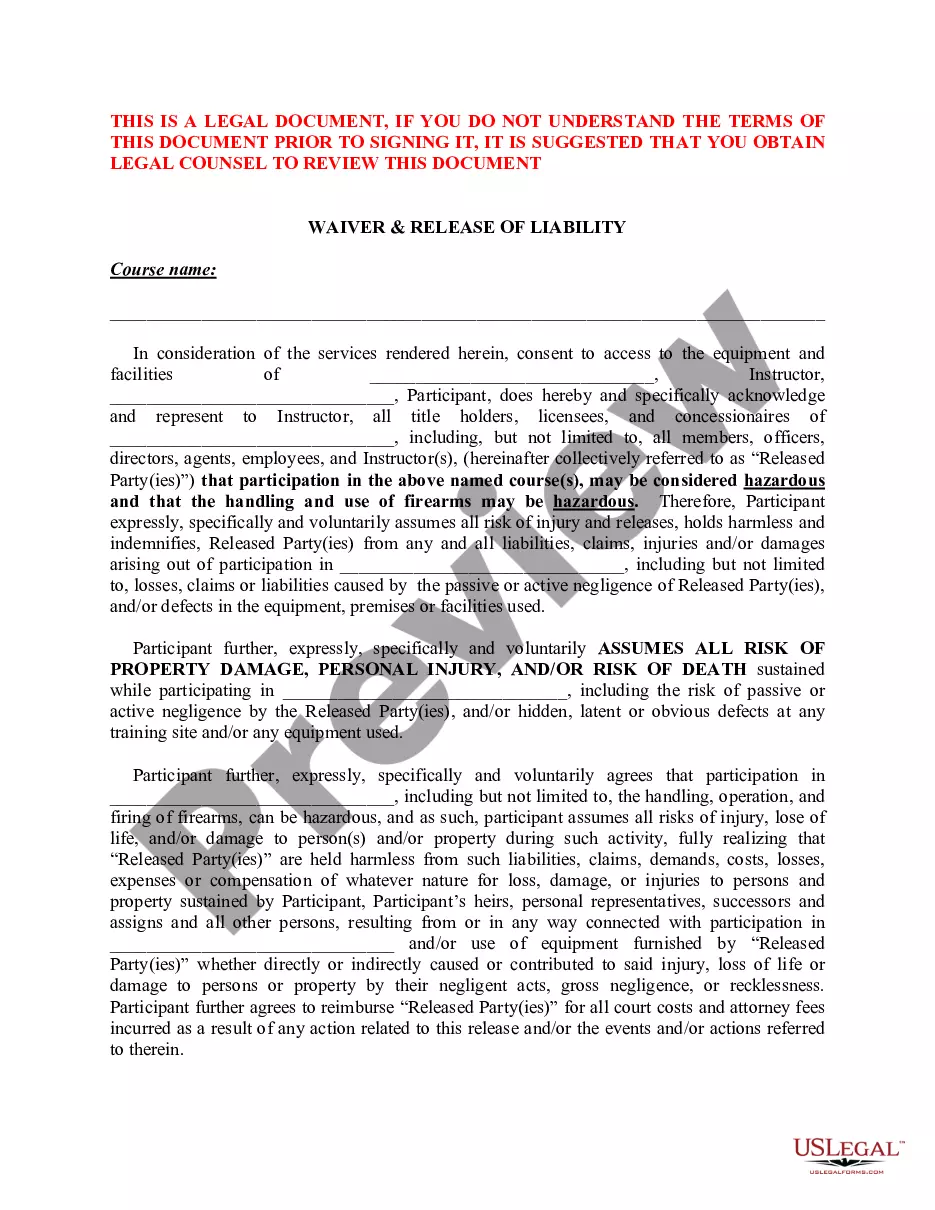
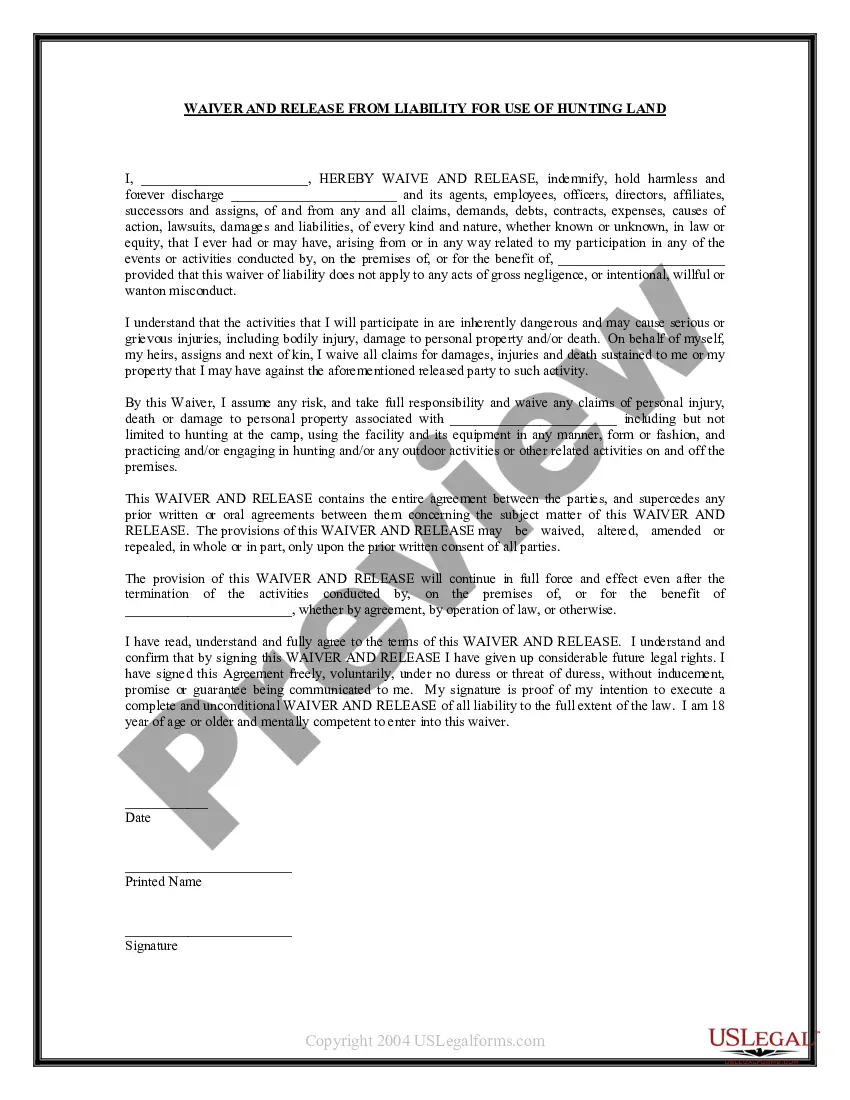
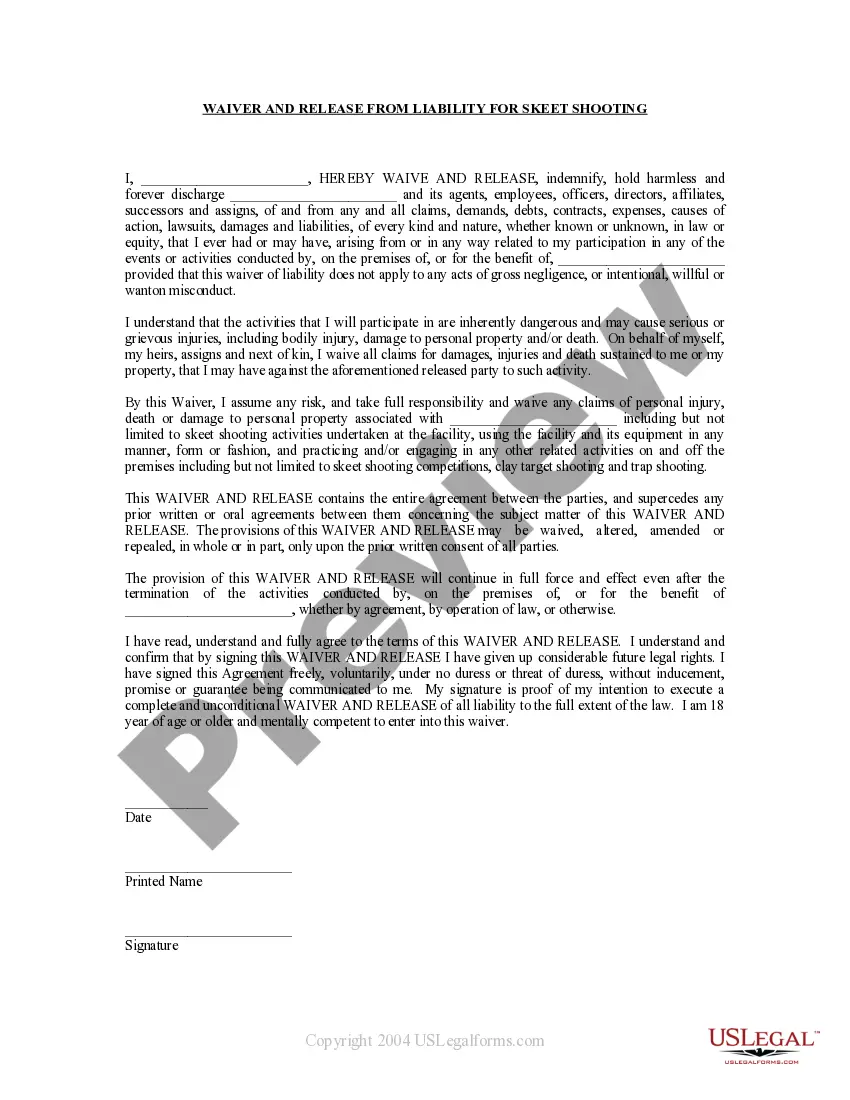
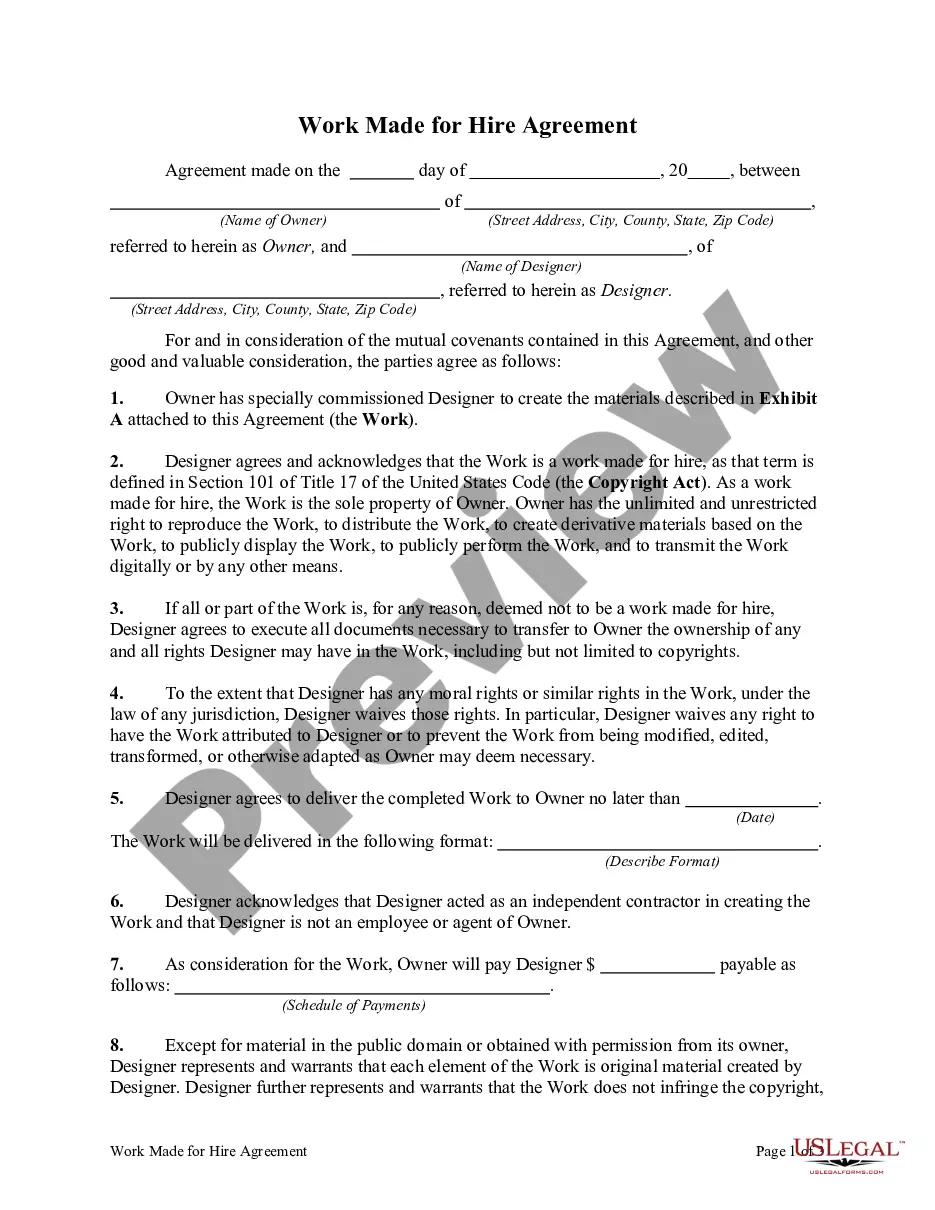

How to fill out Waiver And Release From Liability For Adult For Shooting Range?
You can spend numerous hours online attempting to locate the valid document template that complies with the federal and state requirements you will require.
US Legal Forms provides thousands of valid forms that are reviewed by experts.
You can download or print the District of Columbia Waiver and Release From Liability For Adult for Shooting Range from my service.
Avoid altering or removing any HTML tags. Only synonymize plain text outside of the HTML tags.
- If you already have a US Legal Forms account, you may Log In and click on the Download button.
- After that, you can complete, edit, print, or sign the District of Columbia Waiver and Release From Liability For Adult for Shooting Range.
- Each valid document template you purchase is yours indefinitely.
- To obtain another copy of the purchased form, visit the My documents tab and click on the corresponding button.
- If you are using the US Legal Forms website for the first time, follow the simple instructions below.
- First, ensure you have selected the correct document template for the state/region of your choice.
- Review the form description to confirm you have chosen the correct form.
- If available, use the Review button to preview the document template as well.
- If you wish to find another version of the form, use the Search field to find the template that fits your needs and requirements.
- Once you have found the template you need, click Purchase now to proceed.
- Select the pricing plan you want, enter your details, and create an account on US Legal Forms.
- Complete the purchase. You can use your credit card or PayPal account to pay for the valid document.
- Choose the format of the document and download it to your device.
- Make changes to your document if necessary.
- You can complete, edit, sign, and print the District of Columbia Waiver and Release From Liability For Adult for Shooting Range.
- Download and print thousands of document templates using the US Legal Forms website, which offers the largest selection of valid forms.
- Utilize professional and state-specific templates to address your business or personal needs.
Form popularity
FAQ
In the District of Columbia, there are no specific limits on the number of bullets you can possess for personal use. However, it's important to store your ammunition safely and in accordance with local regulations. If you plan to visit a shooting range, having the District of Columbia Waiver and Release From Liability For Adult for Shooting Range is advisable, as it covers important legal aspects of your shooting activities. Understanding these laws enhances your shooting experience and keeps you compliant.
In the District of Columbia, you can own handguns, rifles, and shotguns, provided they meet specific criteria set by local laws. Certain firearms, such as automatic weapons and large-capacity magazines, are prohibited. If you’re looking to enjoy shooting sports, you should familiarize yourself with these regulations and consider obtaining the District of Columbia Waiver and Release From Liability For Adult for Shooting Range for your protection. This waiver helps clarify your rights and responsibilities as a gun owner.
Yes, in the District of Columbia, you must register your firearms. This process includes submitting an application and providing necessary documentation to local authorities. It's essential to comply with these regulations, especially if you intend to participate in activities covered by the District of Columbia Waiver and Release From Liability For Adult for Shooting Range. Proper registration ensures that you can enjoy your shooting experience without legal complications.
As tempting as it may be, you should never write your own liability waiver. Unless you're a fully qualified lawyer with experience in this area, it's likely that you'll omit critical language that puts your business at risk for lawsuits.
Liability waivers are enforceable in California solely to the extent they shift to the customer the risk of ordinary negligence. Under California law, a liability waiver cannot excuse an injury caused by a defendant's gross negligence, recklessness or intentionally wrongful act.
What is the purpose of a waiver? A waiver is a legal agreement the primary purpose of which is to let you or another party modify or relinquish a right, privilege, or claim. The agreement can be a separate document on its own, such as if you sign a waiver form, or added to a contract as a waiver clause.
The Waiver must be clearly worded and unambiguous in its intent to relieve any and all legal liability, even liability for negligence. The Waiver should be prominent and not hidden in the fine print of a long contract. The Waiver must be signed by the person who it is being used against.
A liability waiver, or release of liability, is a legal document that a company or organization has you sign in order to protect them from being sued in the event that you are injured.
Waivers must be stored by the department supervising the activity for at least three years after the activity ends.
How long do I keep signed waivers? The sponsoring unit is required to retain the waiver for six (6) years after the end of the event or activity for which the waiver was signed.