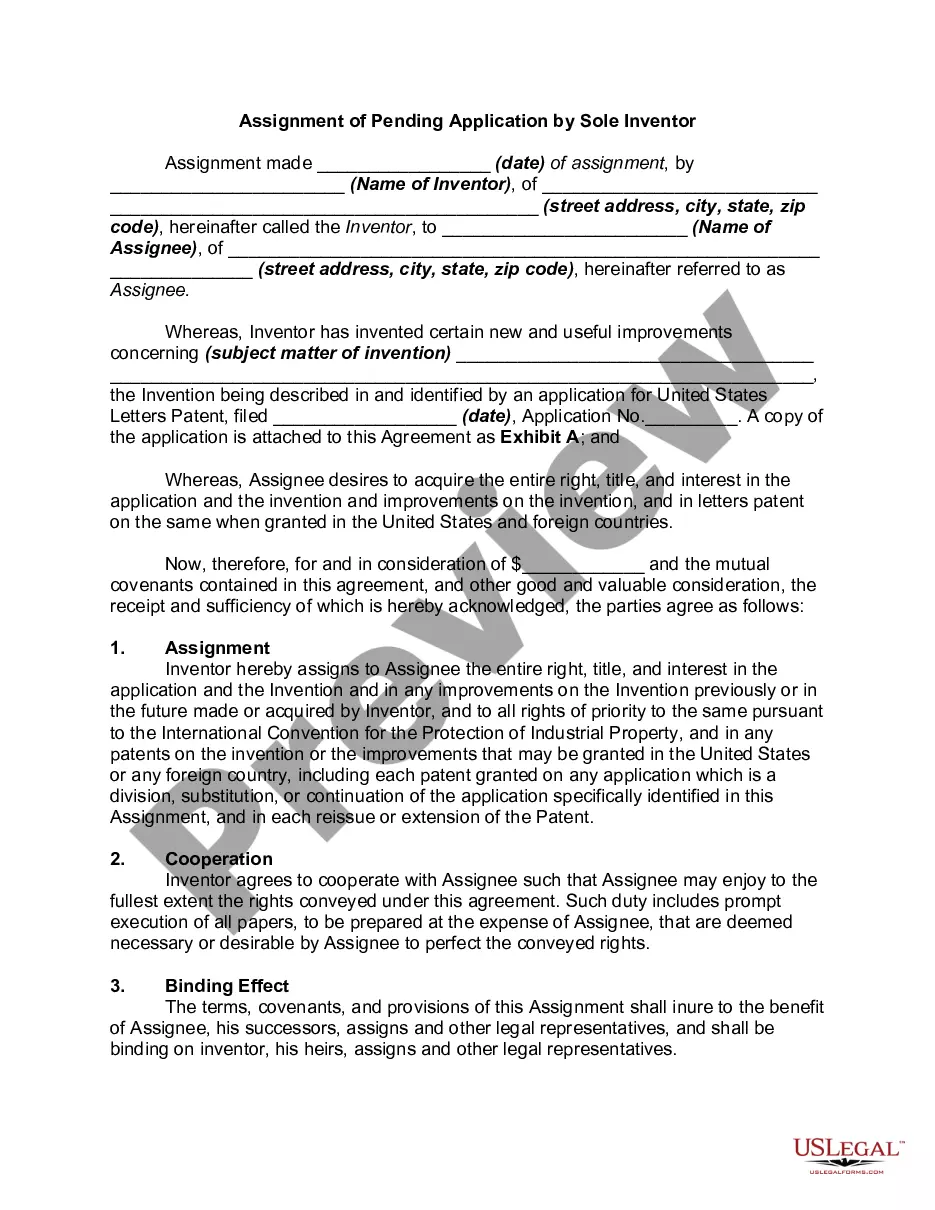
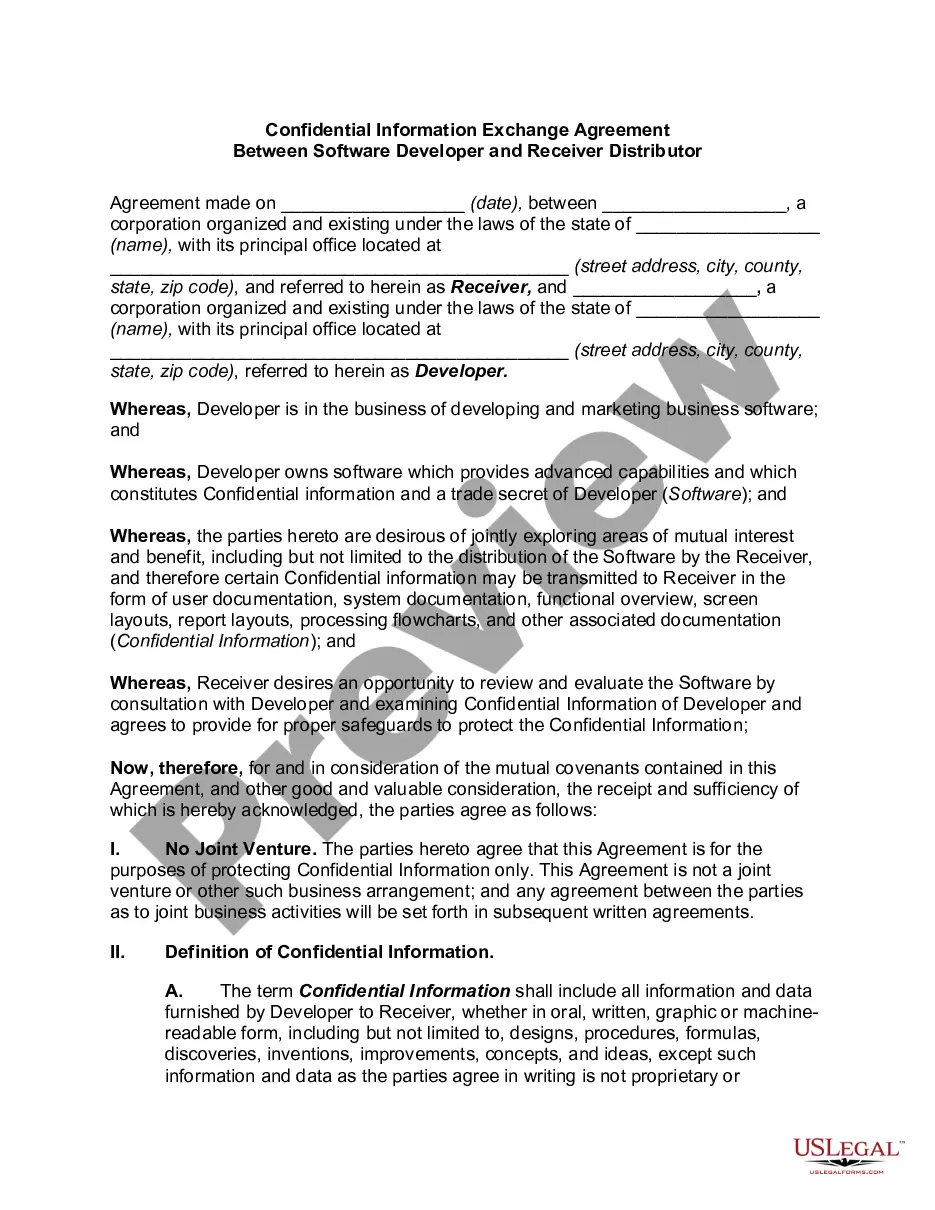
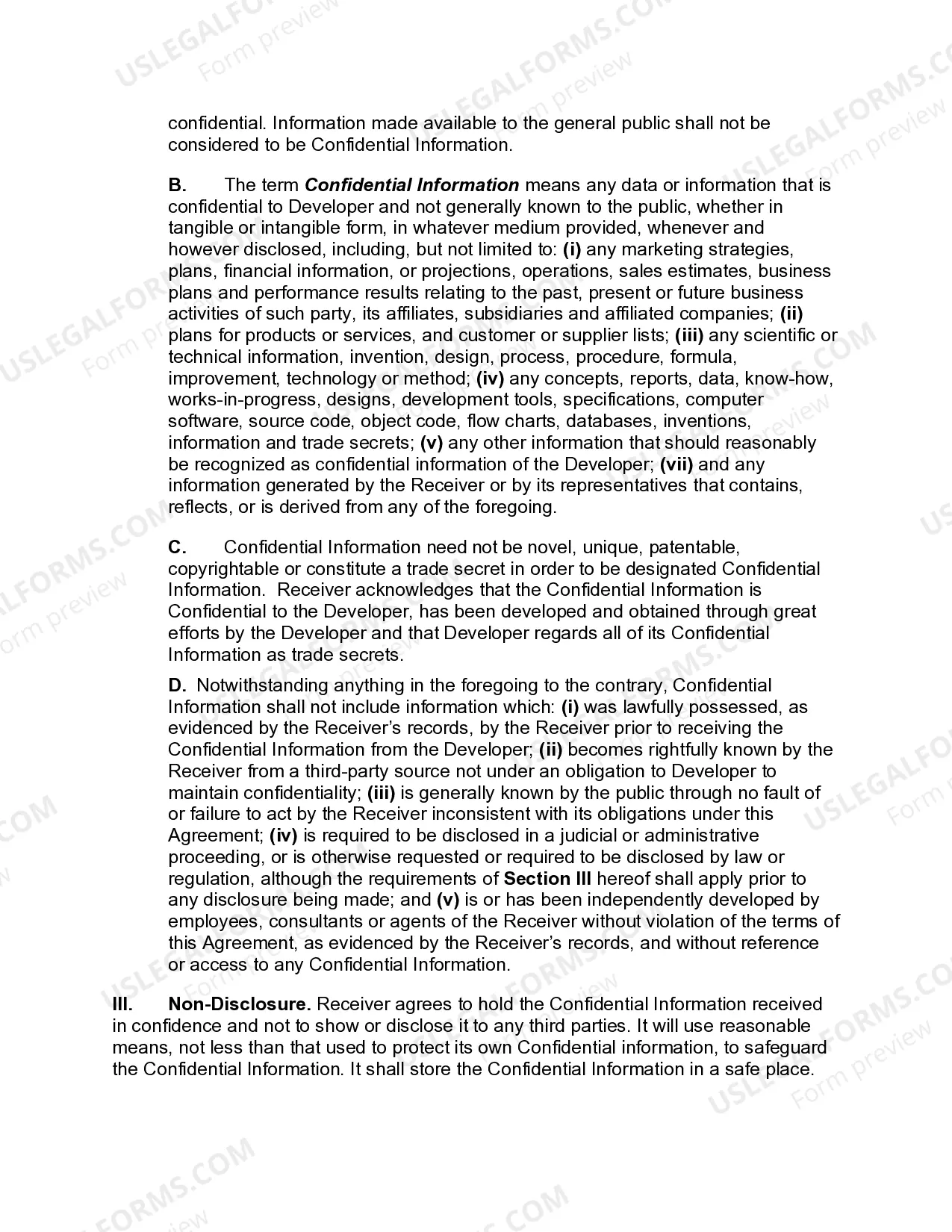
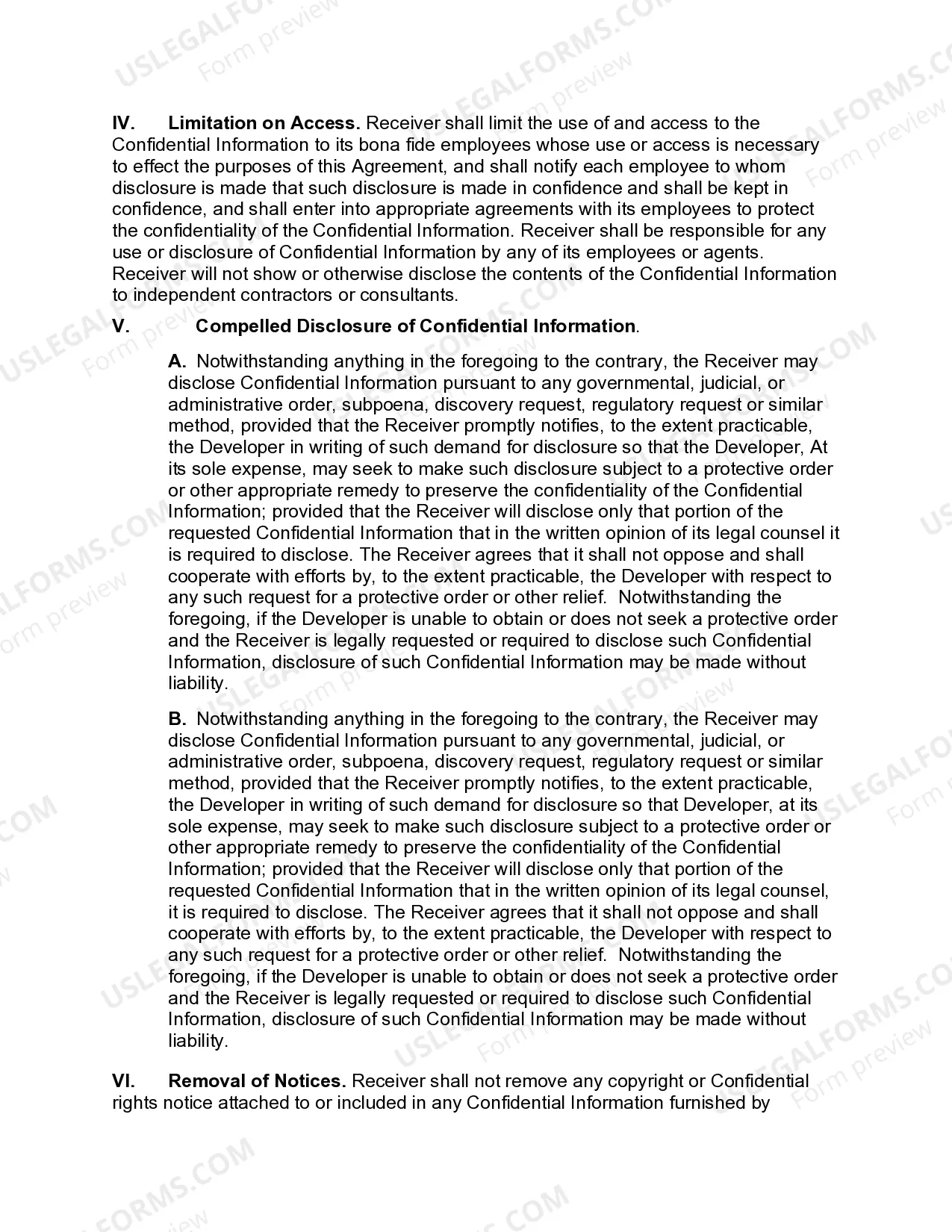
District of Columbia Confidential Information Exchange Agreement Between Software Developer and Receiver Distributor
Description
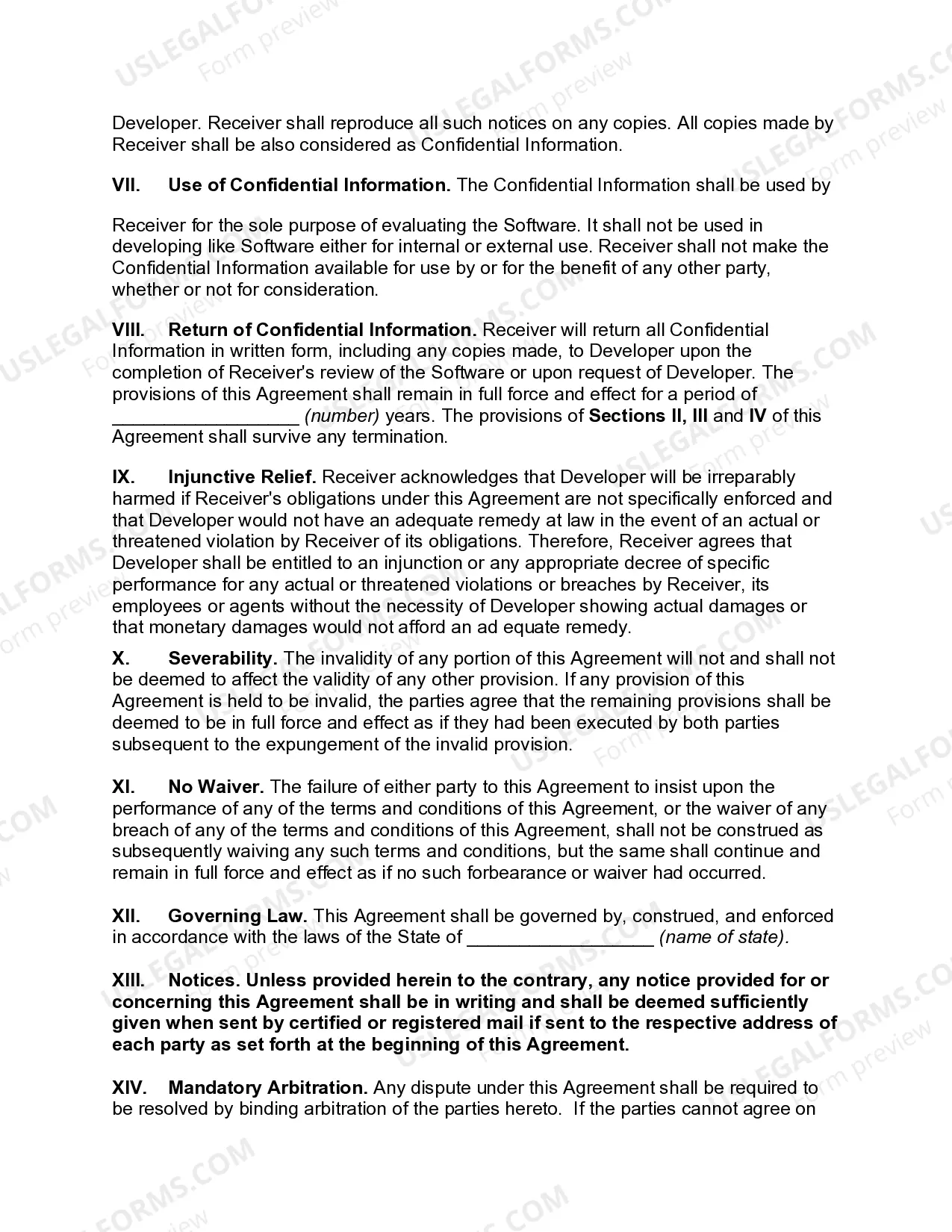
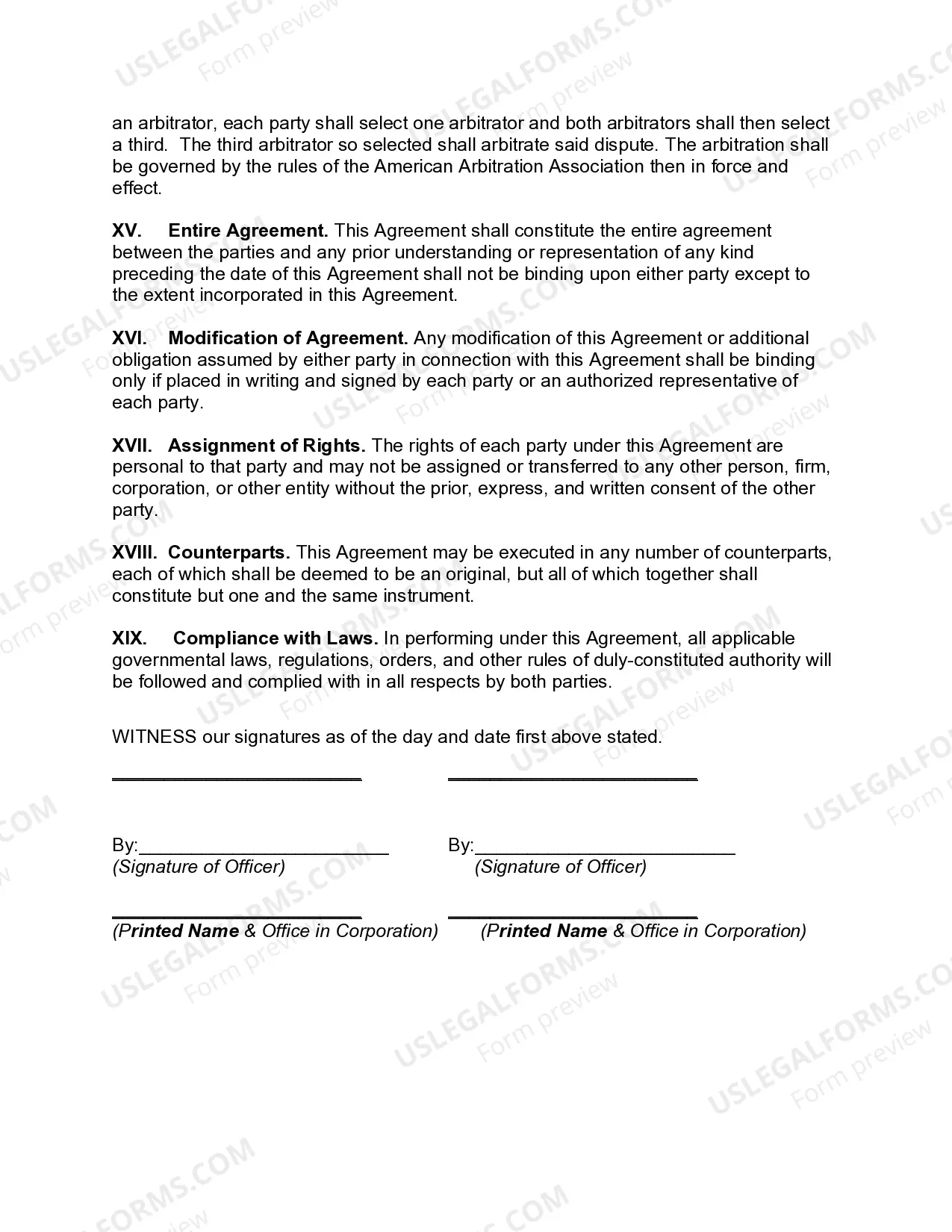
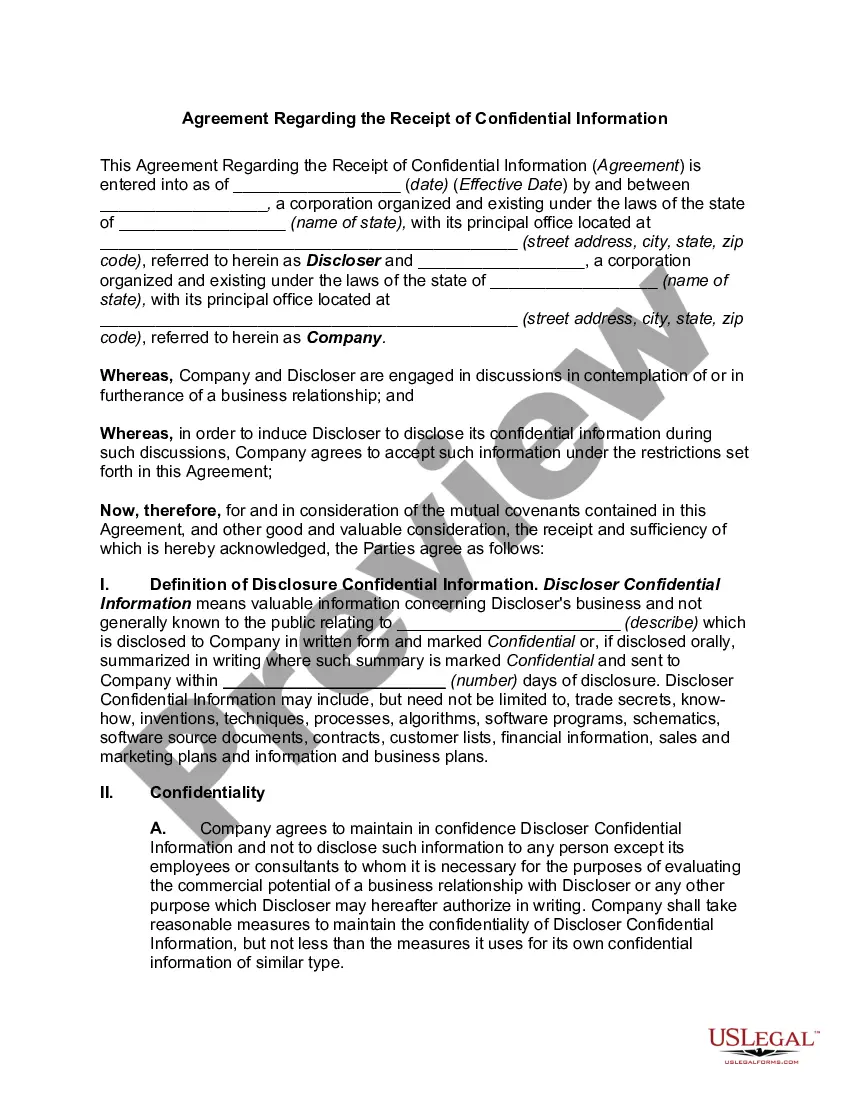
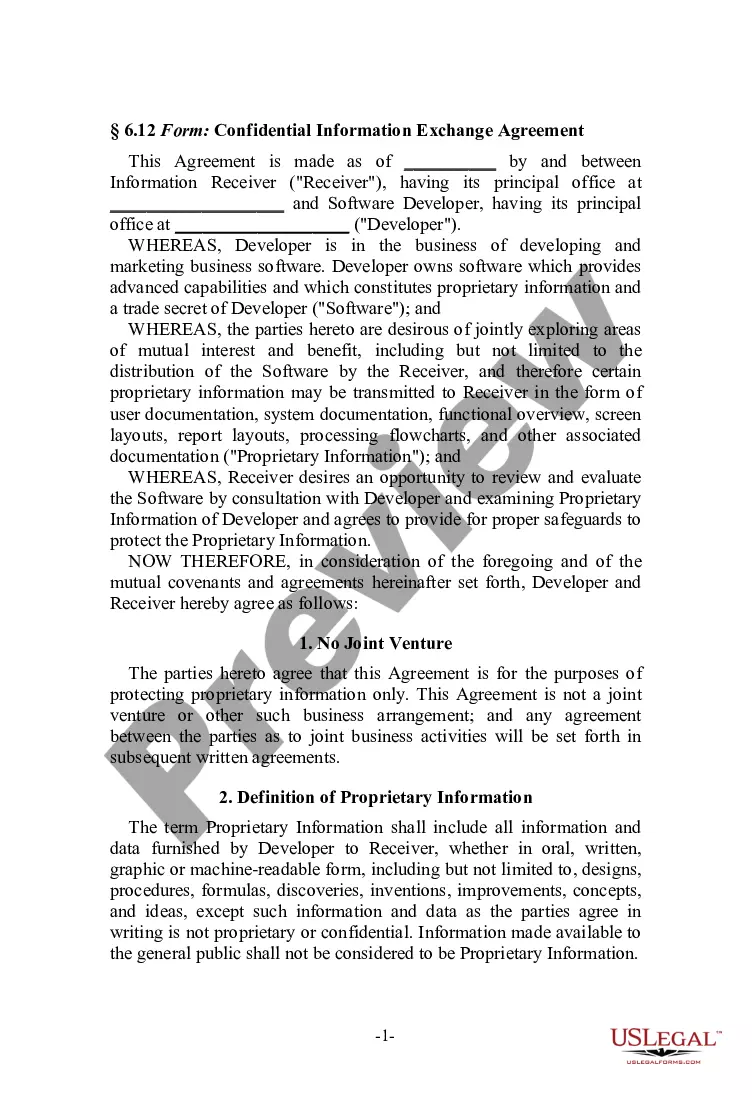
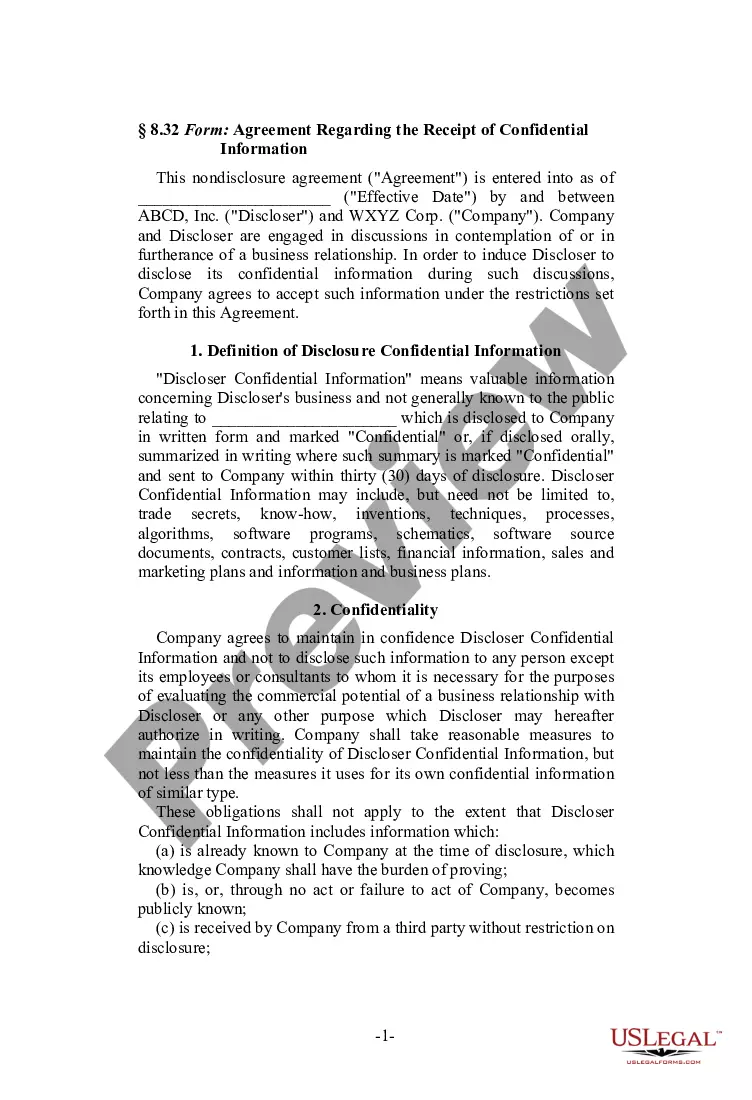
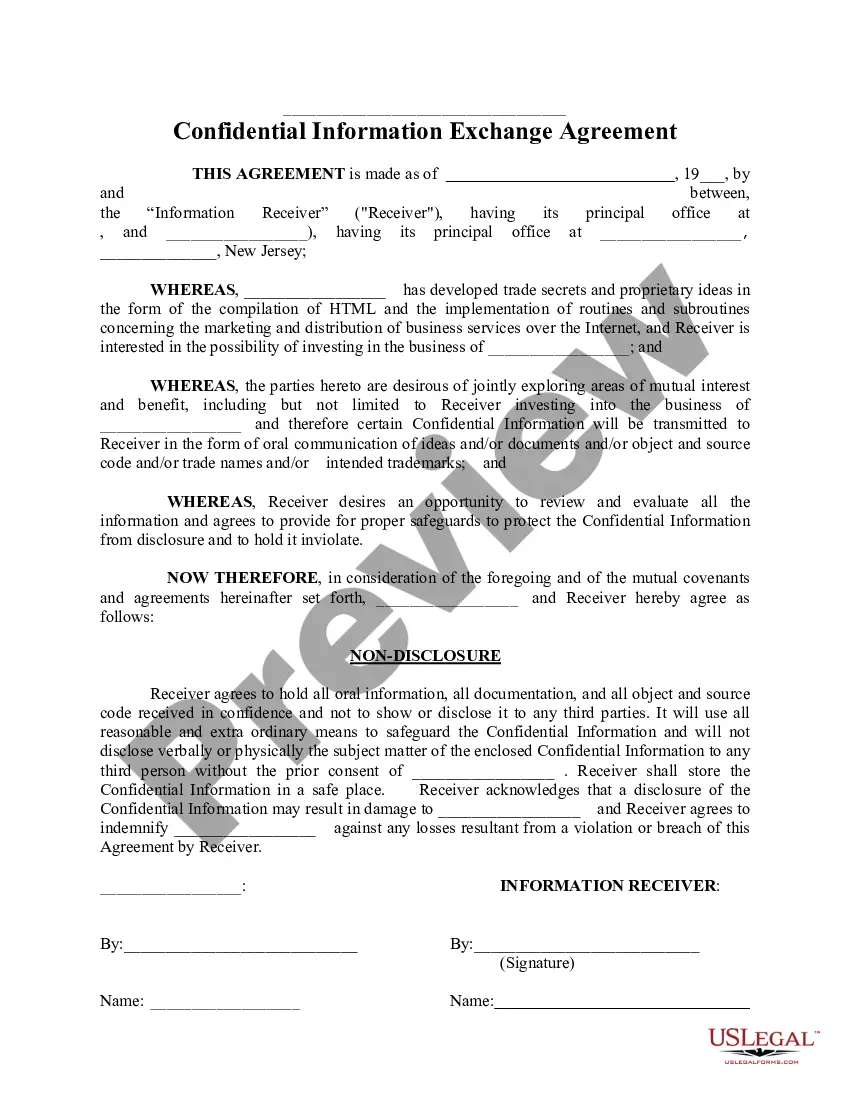
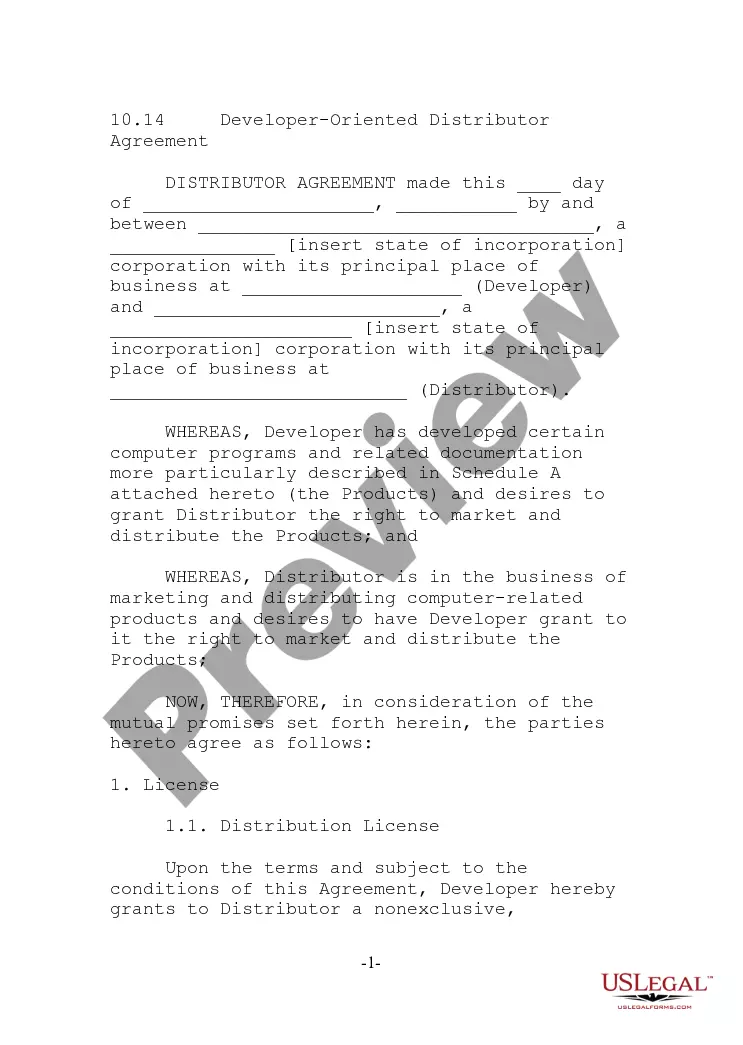
Get your form ready online
Our built-in tools help you complete, sign, share, and store your documents in one place.
Make edits, fill in missing information, and update formatting in US Legal Forms—just like you would in MS Word.
Download a copy, print it, send it by email, or mail it via USPS—whatever works best for your next step.
Sign and collect signatures with our SignNow integration. Send to multiple recipients, set reminders, and more. Go Premium to unlock E-Sign.
If this form requires notarization, complete it online through a secure video call—no need to meet a notary in person or wait for an appointment.
We protect your documents and personal data by following strict security and privacy standards.

Make edits, fill in missing information, and update formatting in US Legal Forms—just like you would in MS Word.

Download a copy, print it, send it by email, or mail it via USPS—whatever works best for your next step.

Sign and collect signatures with our SignNow integration. Send to multiple recipients, set reminders, and more. Go Premium to unlock E-Sign.

If this form requires notarization, complete it online through a secure video call—no need to meet a notary in person or wait for an appointment.

We protect your documents and personal data by following strict security and privacy standards.
Looking for another form?
How to fill out Confidential Information Exchange Agreement Between Software Developer And Receiver Distributor?
You can allocate time online striving to locate the sanctioned document template that meets the federal and state requirements you require.
US Legal Forms offers thousands of legal templates that can be examined by experts.
You can download or print the District of Columbia Confidential Information Exchange Agreement Between Software Developer and Receiver Distributor from the service.
First, ensure that you have selected the correct document template for the region/area of your choice. Review the form details to confirm you have chosen the accurate form. If available, utilize the Preview option to view the document template as well.
- If you possess a US Legal Forms account, you may Log In and then select the Download option.
- Subsequently, you may complete, modify, print, or sign the District of Columbia Confidential Information Exchange Agreement Between Software Developer and Receiver Distributor.
- Every legal document template you purchase is yours permanently.
- To obtain another copy of any acquired form, visit the My documents tab and select the corresponding option.
- If you are using the US Legal Forms website for the first time, follow the simple instructions below.
Form popularity
FAQ
The purpose of a Non-Disclosure Agreement An NDA creates the legal framework to protect ideas and information from being stolen or shared with competitors or third parties. Breaking an NDA agreement triggers a host of legal ramifications, including lawsuits, financial penalties, and even criminal charges.
What is a Non-disclosure Agreement? A non-disclosure agreement or NDA is a written contract between two parties (people or organisations) that prohibits the sharing of confidential information shared between both ends.
Businesses use NDAs in a variety of situations. For example, when a company is looking to sell itself, it may have any prospective buyer sign an NDA to protect any confidential information that the company may disclose during sale negotiations.
Typically, a legal professional writing the NDA will complete these steps:Step 1 - Describe the scope. Which information is considered confidential?Step 2 - Detail party obligations.Step 3 - Note potential exclusions.Step 4 - Set the term.Step 5 - Spell out consequences.
disclosure agreement is a legally binding contract that establishes a confidential relationship. The party or parties signing the agreement agree that sensitive information they may obtain will not be made available to any others. An NDA may also be referred to as a confidentiality agreement.
In the sample agreement, the "Disclosing Party" is the person disclosing secrets, and the "Receiving Party" is the person who receives the confidential information and is obligated to keep it secret.
How to write a confidentiality statement?Use a standard format for contracts.Decide what type of confidentiality statement you should use.Identify the involved parties in the agreement.Define the information to keep confidential.List the information excluded from the agreement.
It is a contract through which the parties agree not to disclose any information covered by the agreement. An NDA creates a confidential relationship between the parties, typically to protect any type of confidential and proprietary information or trade secrets.
Keep your information protected Depending on your needs, you can choose from three types of NDAs: unilateral, bilateral, and unilateral. Unilateral NDAs only require one party to disclose confidential information, while bilateral NDAs require two parties to disclose private information.
For example, your beginning paragraph may say something like: "This Nondisclosure Agreement (the "Agreement") is entered into by and between with its principal offices at ("Disclosing Party") and , located at ("Receiving Party") for the purpose of