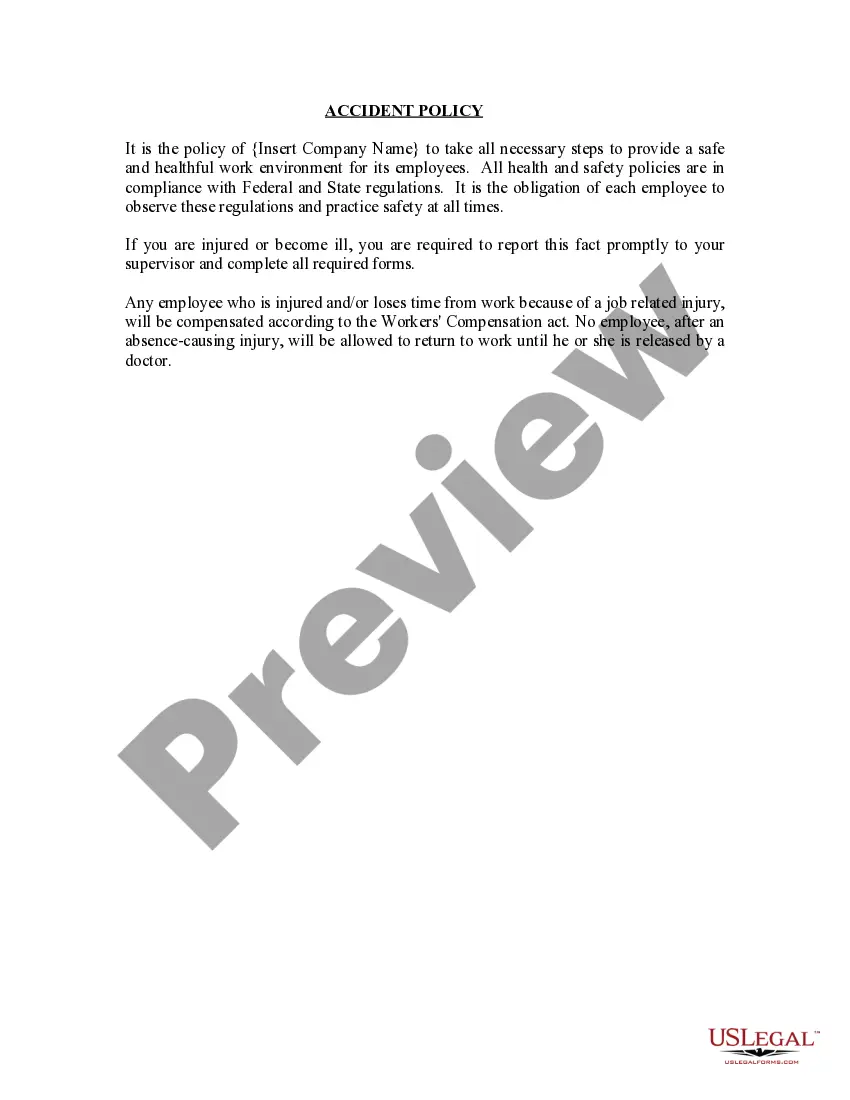
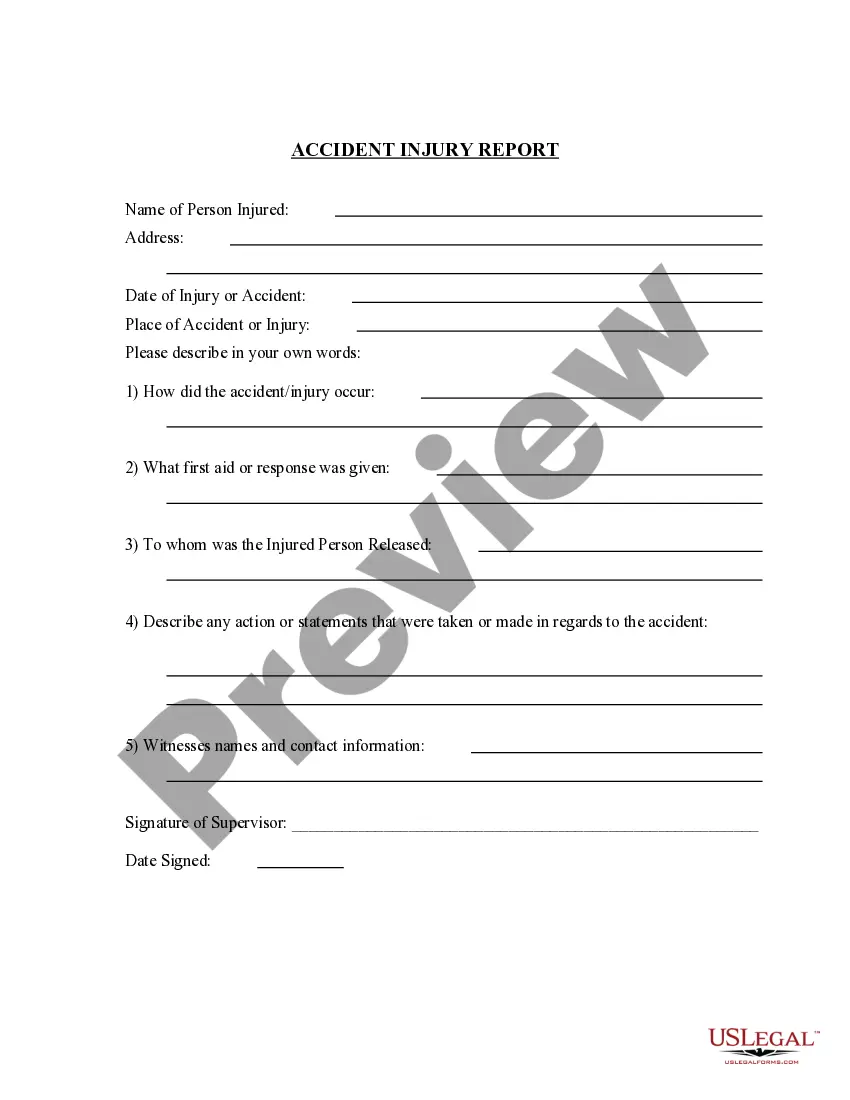
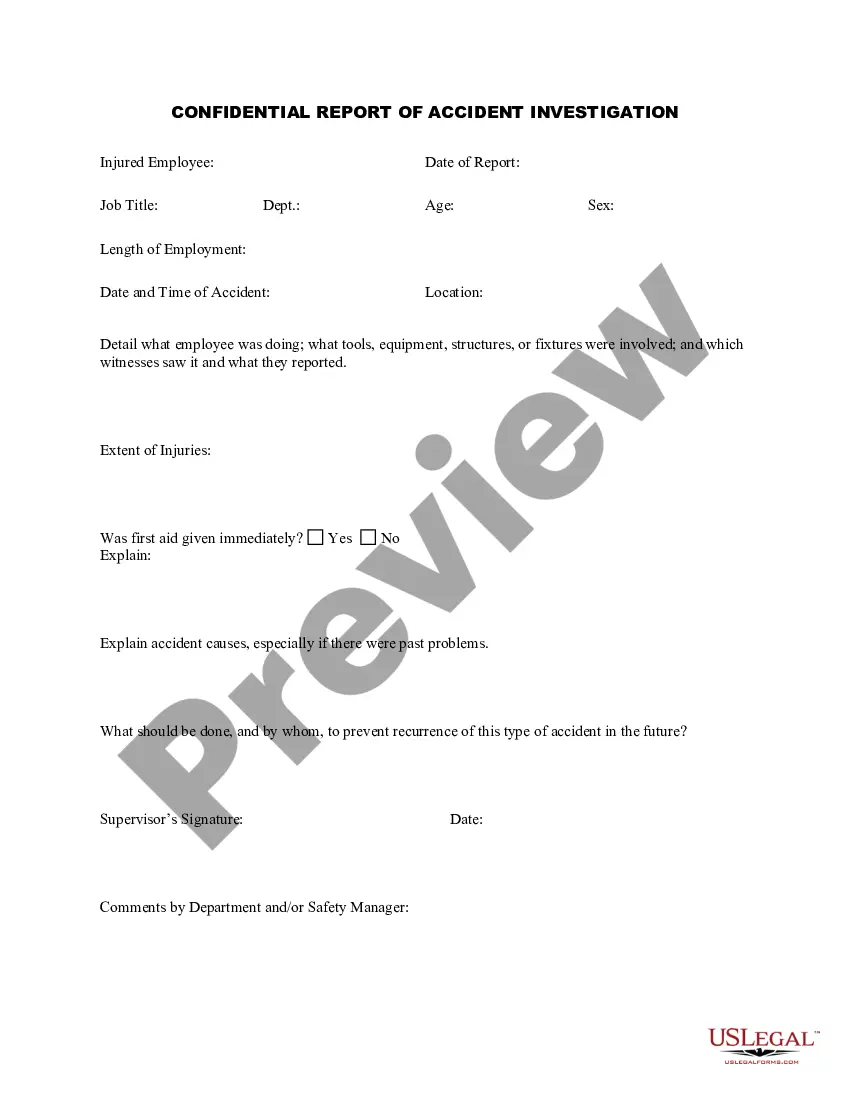
District of Columbia Accident Policy
Description

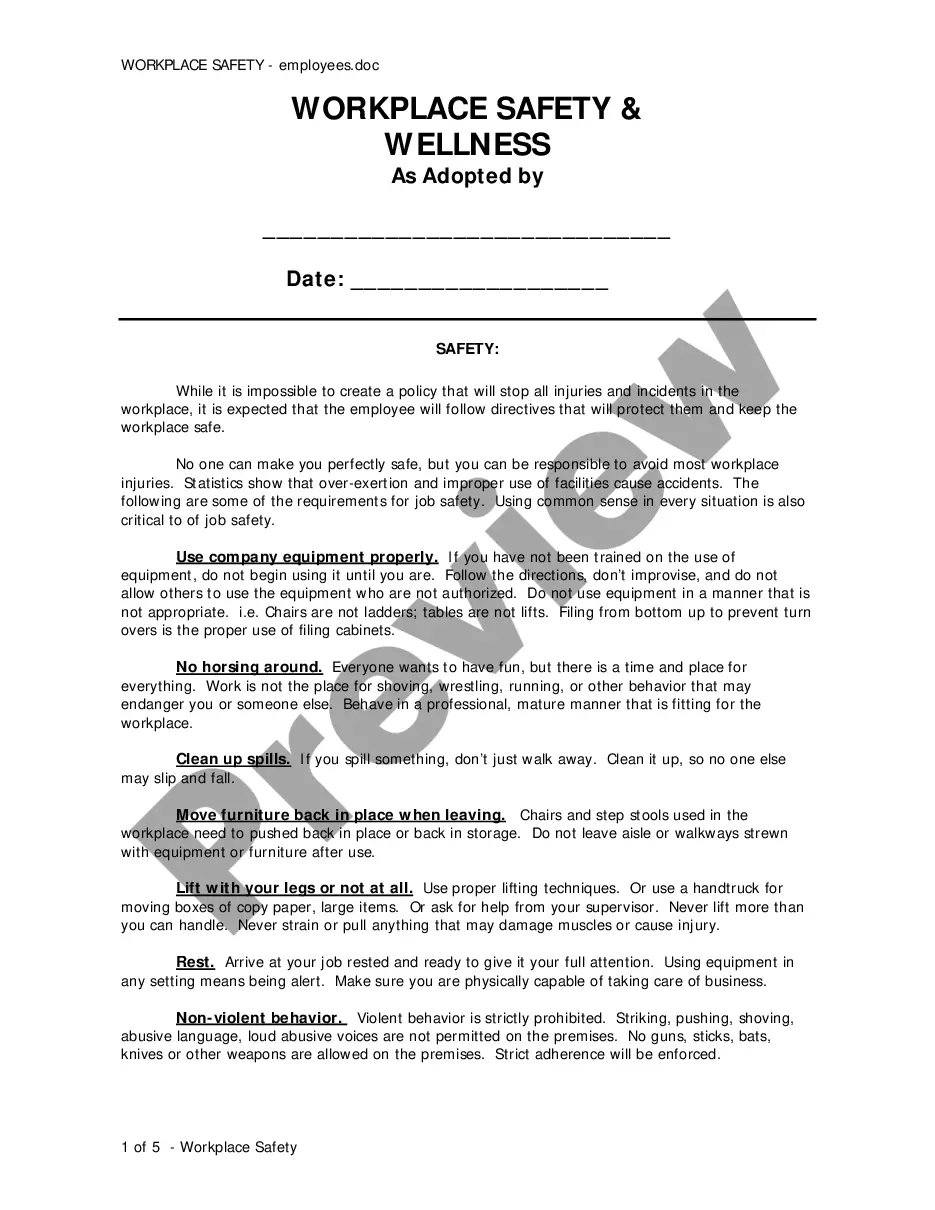
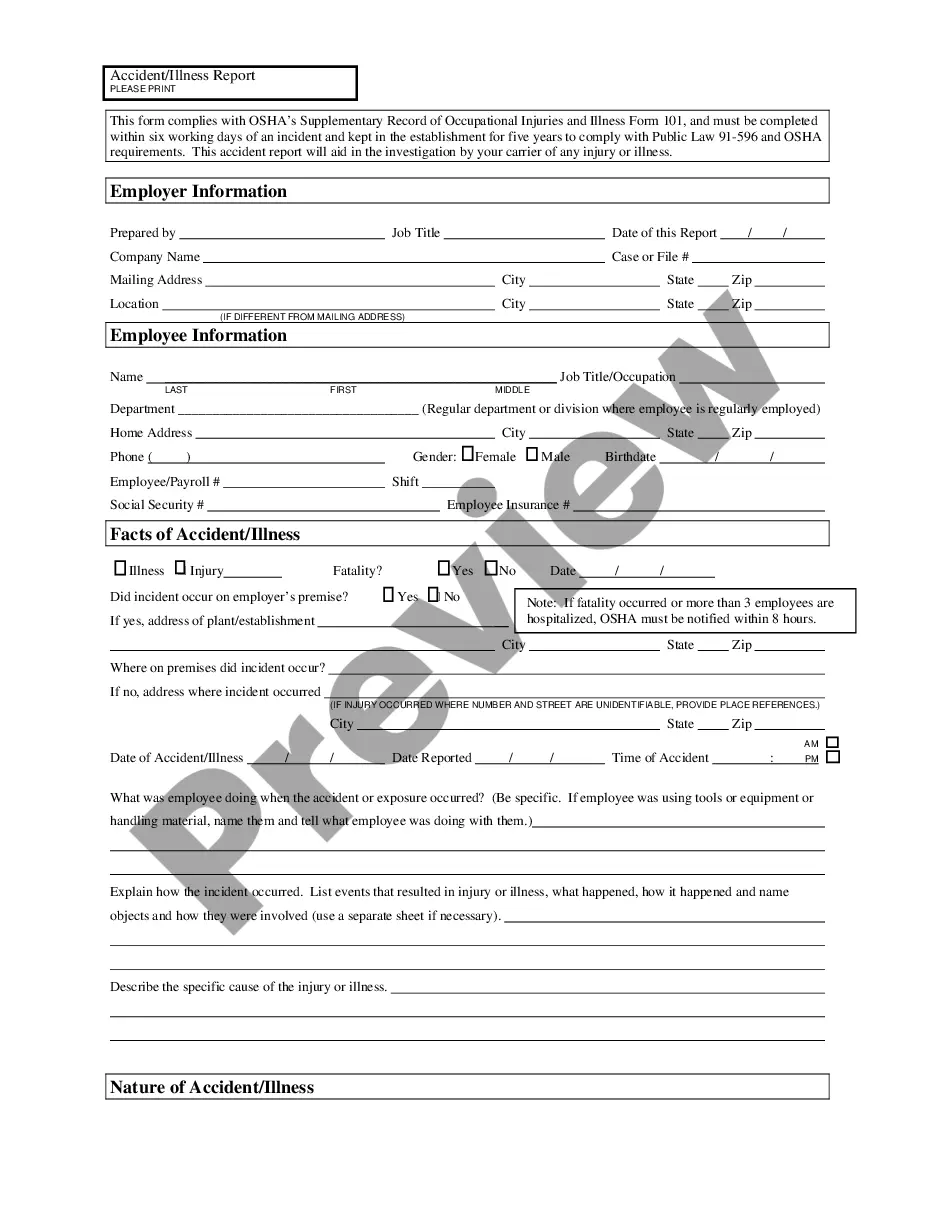
Get your form ready online
Our built-in tools help you complete, sign, share, and store your documents in one place.
Make edits, fill in missing information, and update formatting in US Legal Forms—just like you would in MS Word.
Download a copy, print it, send it by email, or mail it via USPS—whatever works best for your next step.
Sign and collect signatures with our SignNow integration. Send to multiple recipients, set reminders, and more. Go Premium to unlock E-Sign.
If this form requires notarization, complete it online through a secure video call—no need to meet a notary in person or wait for an appointment.
We protect your documents and personal data by following strict security and privacy standards.

Make edits, fill in missing information, and update formatting in US Legal Forms—just like you would in MS Word.

Download a copy, print it, send it by email, or mail it via USPS—whatever works best for your next step.

Sign and collect signatures with our SignNow integration. Send to multiple recipients, set reminders, and more. Go Premium to unlock E-Sign.

If this form requires notarization, complete it online through a secure video call—no need to meet a notary in person or wait for an appointment.

We protect your documents and personal data by following strict security and privacy standards.
Looking for another form?




How to fill out Accident Policy?
It is feasible to spend time online searching for the official document template that satisfies the federal and state specifications you require.
US Legal Forms offers thousands of legal forms that are evaluated by professionals.
You can easily download or print the District of Columbia Accident Policy from their service.
If available, use the Review button to examine the document template as well. If you wish to find another variation of the form, utilize the Search field to locate the template that meets your needs and standards.
- If you already possess a US Legal Forms account, you can Log In and click on the Download button.
- After that, you can complete, modify, print, or sign the District of Columbia Accident Policy.
- Every legal document template you purchase is yours indefinitely.
- To obtain another copy of the purchased form, navigate to the My documents tab and click on the corresponding button.
- If you are using the US Legal Forms website for the first time, follow the straightforward instructions listed below.
- First, ensure you have selected the correct document template for your specific state or city.
- Review the form description to confirm that you have chosen the appropriate document.
Form popularity
FAQ
However, if there are two PIP insurers (let's say the owner's policy and an injured passenger's own policy), can the two PIP insurers subrogate against each other? Yes, they can, according to Bishop v. State Farm, 757 A. 2d 783, 791 n.
Tips Immediately following a Crash:Stay Calm and Assess the Scene.Document the Scene.Move Your Vehicle.Exchange Information.Contact Your Insurer.
10 Things You Need to Do After a Car AccidentSTOP. Never drive away from the scene of an accident, even a minor one.PROTECT THE SCENE.CALL THE POLICE.MAKE AN ACCURATE RECORD.TAKE PICTURES.EXCHANGE INFORMATION.REPORT THE ACCIDENT.SEEK MEDICAL ATTENTION.More items...
No (DC ST §31-2404), PIP coverage is optional in the District of Columbia; however, insurers must offer personal injury protection insurance.
PIP is an optional coverage in Washington D.C. Usually, no-fault states require PIP coverage as a mandatory part of each driver's insurance policy.
Because D.C. follows a no-fault system which in most cases prevents you from making a claim against another driver. No-fault law does not account for fault in the accident when car accident claims are filed.
Yes, uninsured motorist coverage is required in Washington, DC. Drivers in Washington, DC must purchase at least $25,000 in uninsured motorist bodily injury coverage per person (up to $50,000 per accident), as well as $5,000 in uninsured motorist property damage insurance per accident.
Washington, D.C. is a no-fault district. Regardless of who caused the accident, you can use your personal injury protection (PIP) or no-fault insurance to obtain compensation for your medical expenses and lost wages.
File an FIR by contacting the local police. Also obtain a copy of the same for your reference. Collect evidence by clicking pictures of the accident scene. You should also focus on capturing the damage caused and injuries sustained, from different angles.
The law requires drivers to exchange contact and insurance information at the scene of an accident. Call the police. In most cases, it's best to involve the police so there is an official record of the accident. Police are professional investigators, so the information they report could be helpful later.