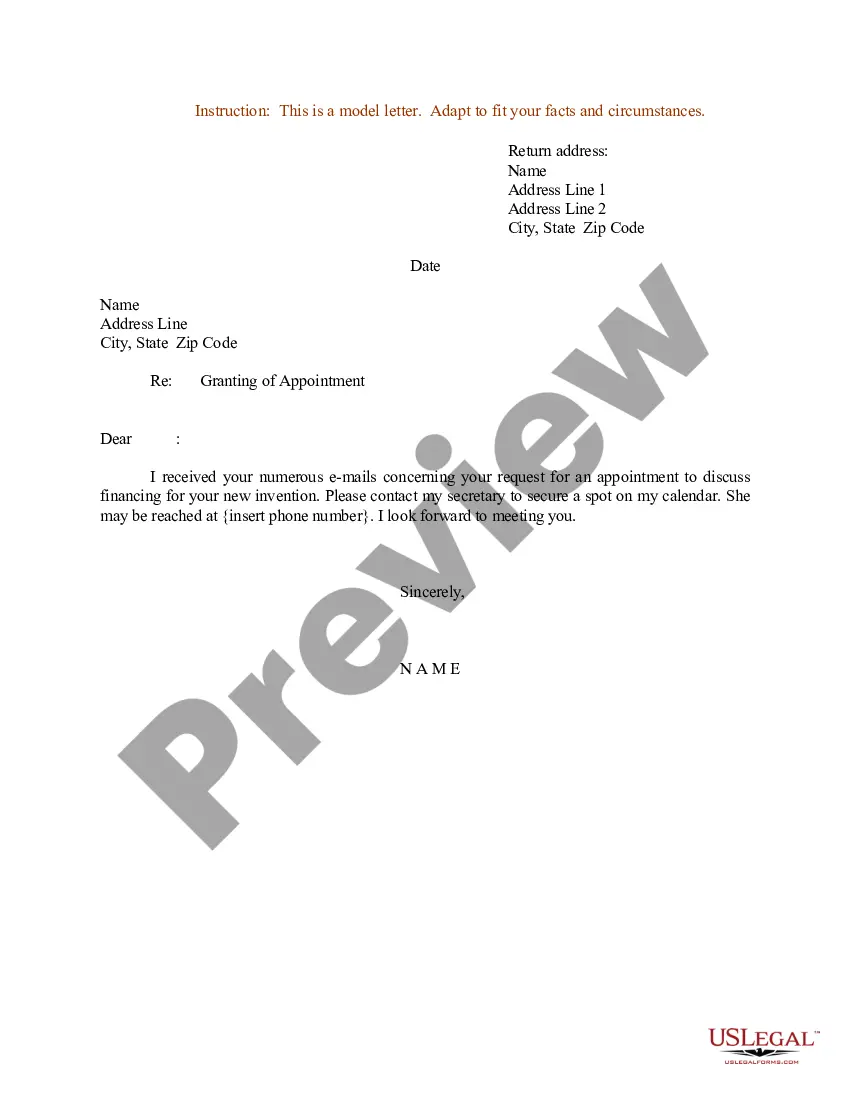
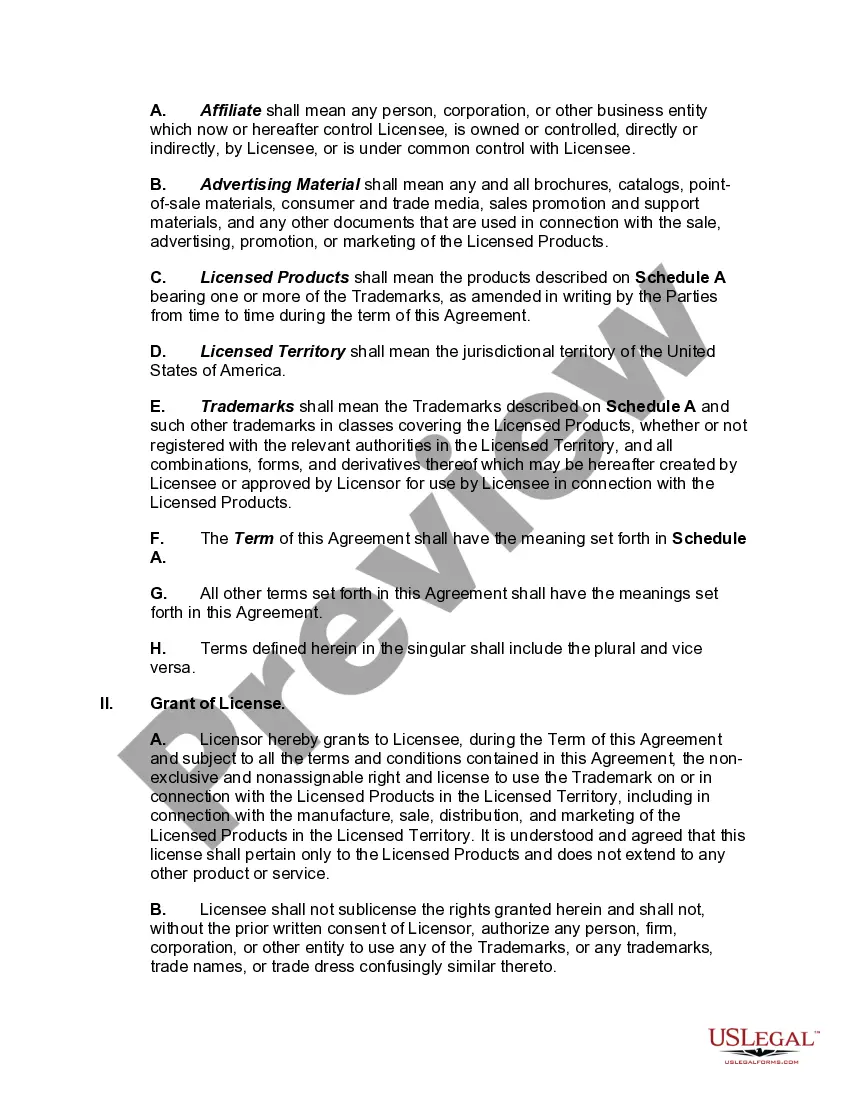
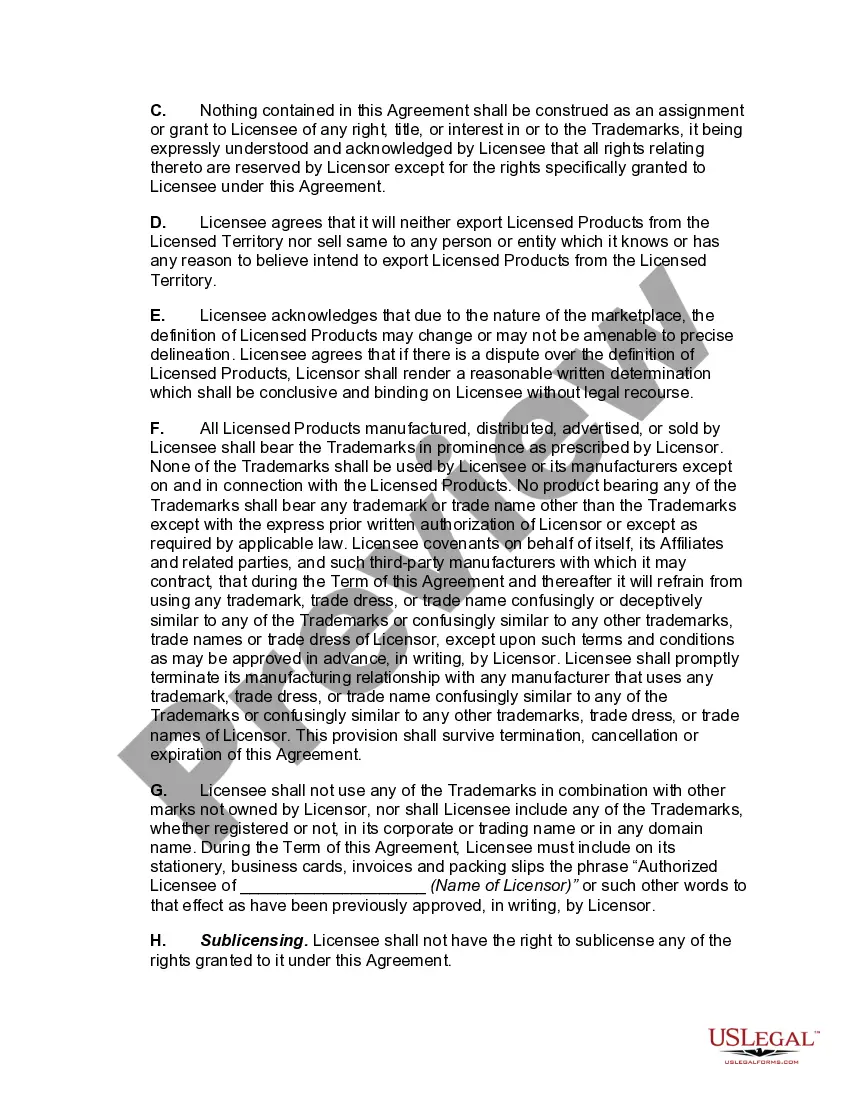
District of Columbia Merchandising License Agreement
Description
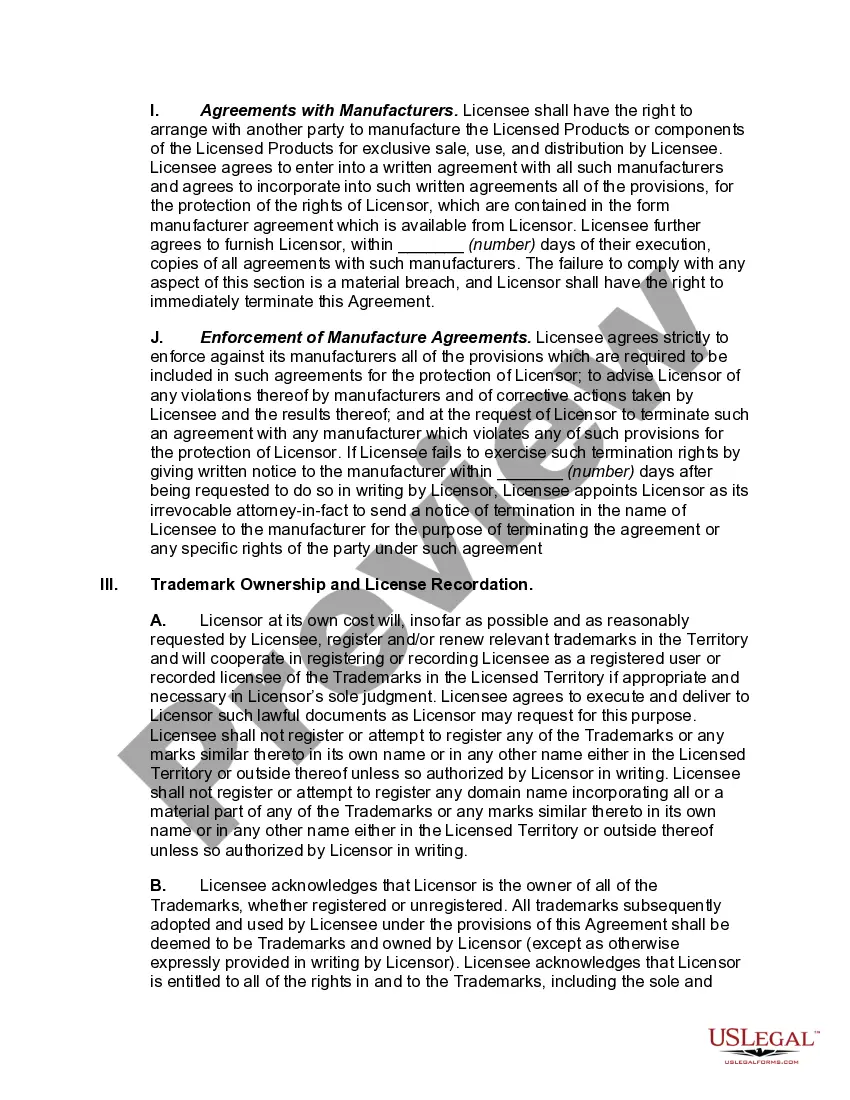
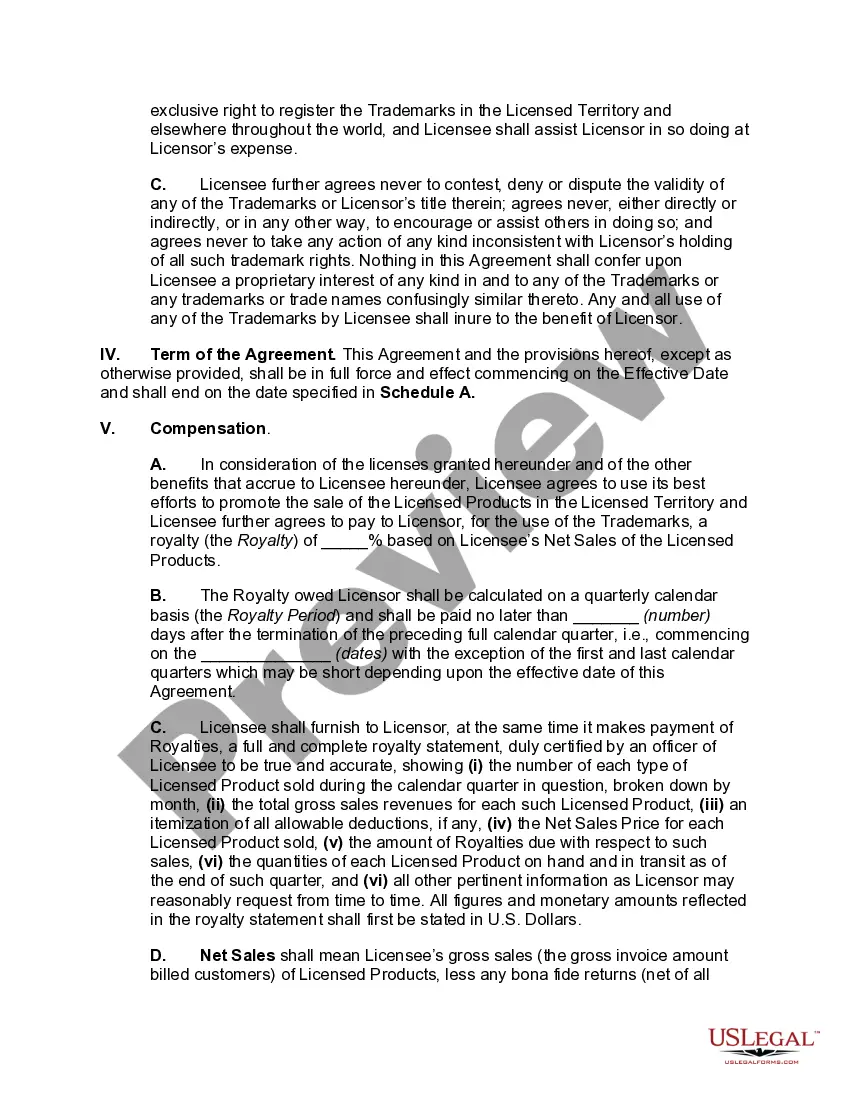
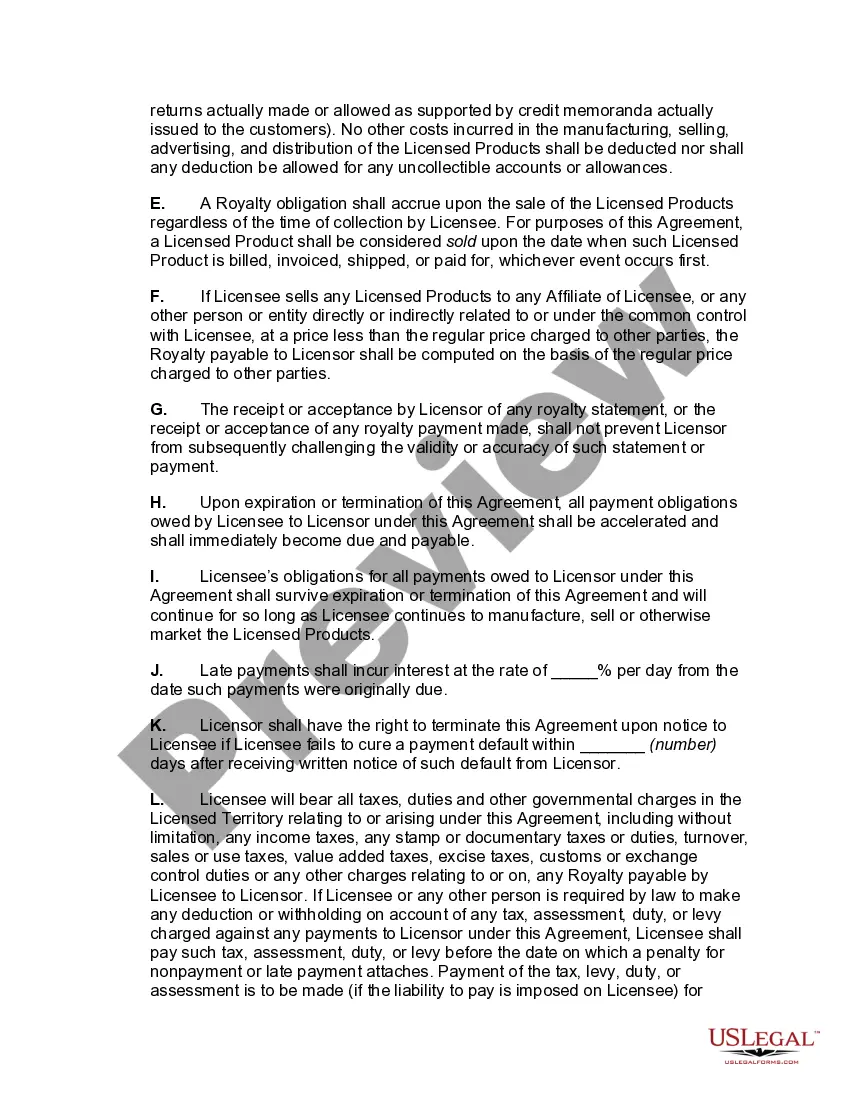
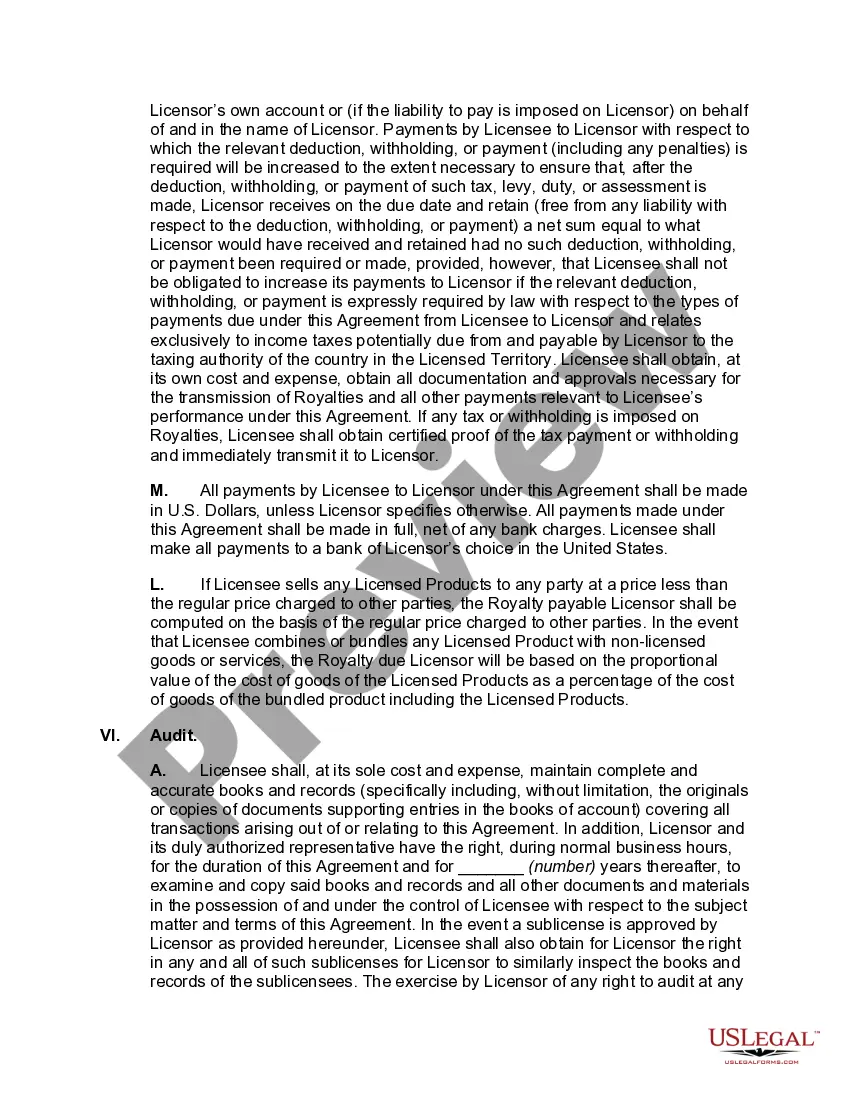

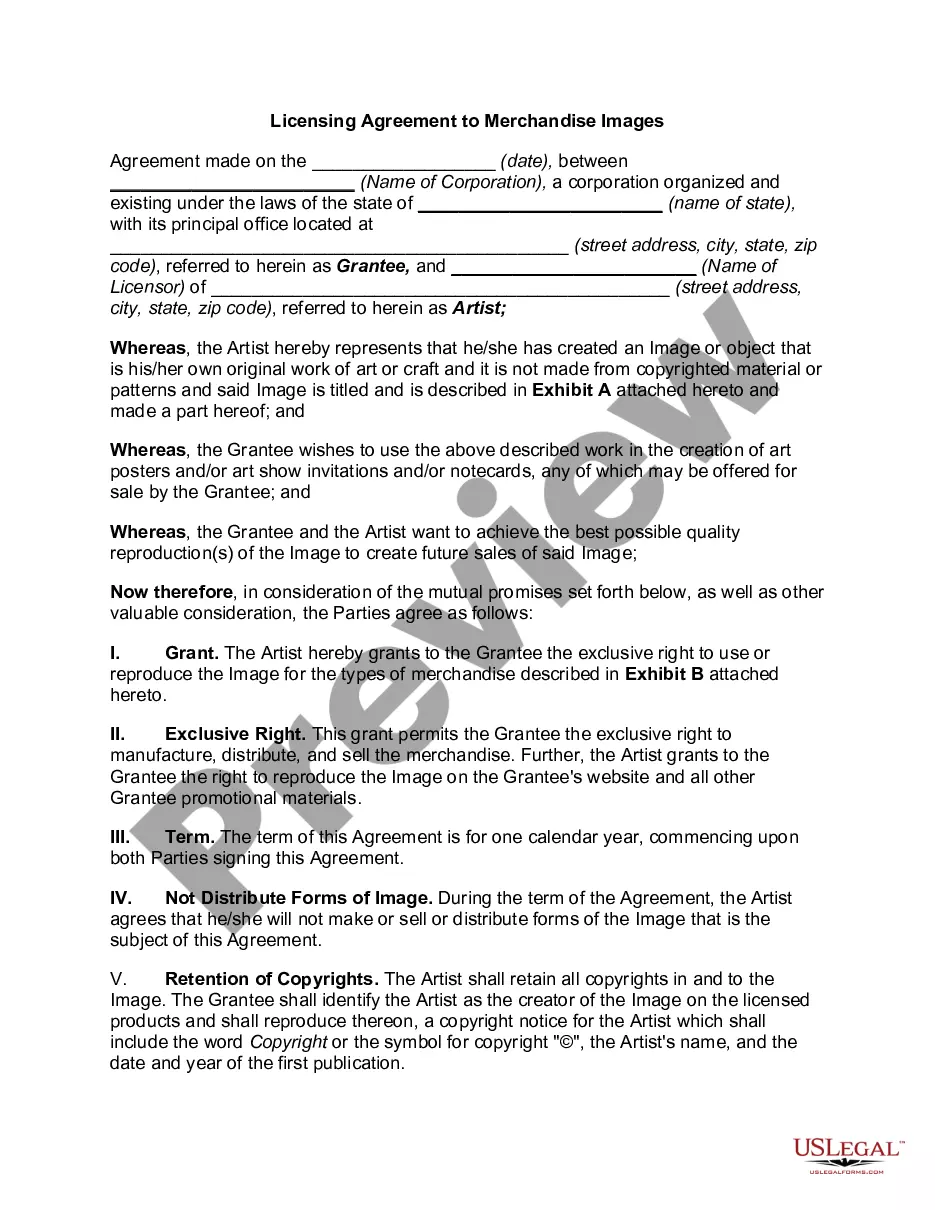
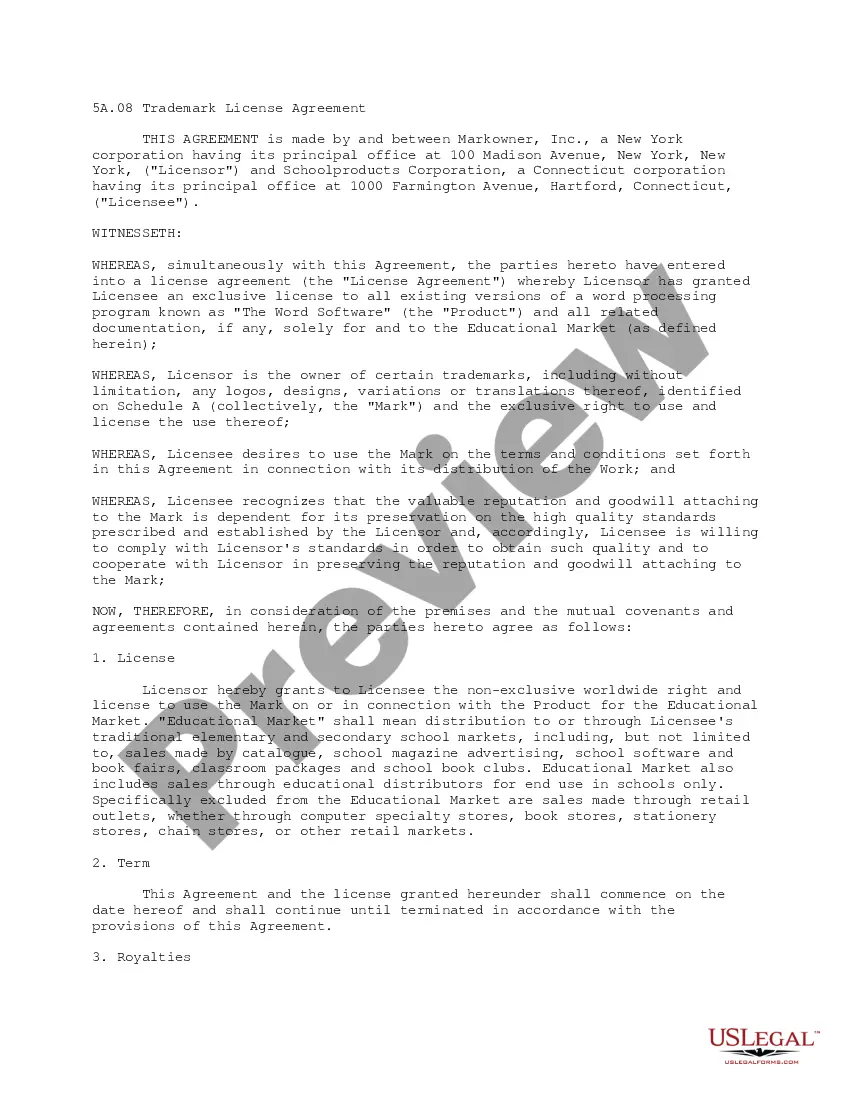
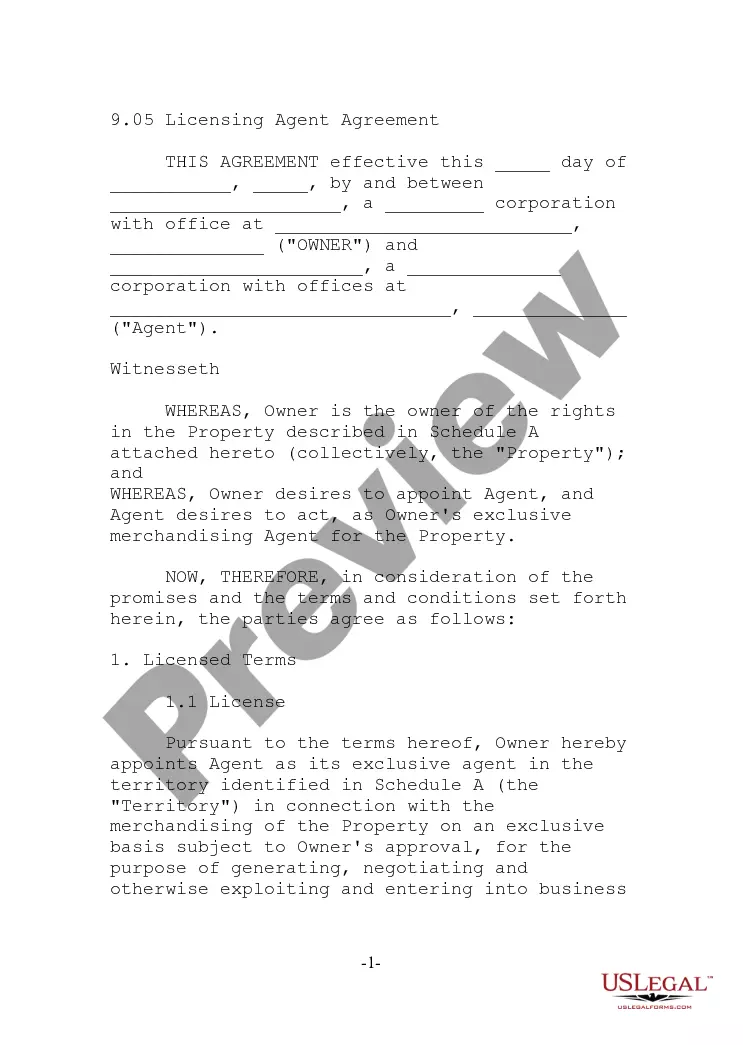
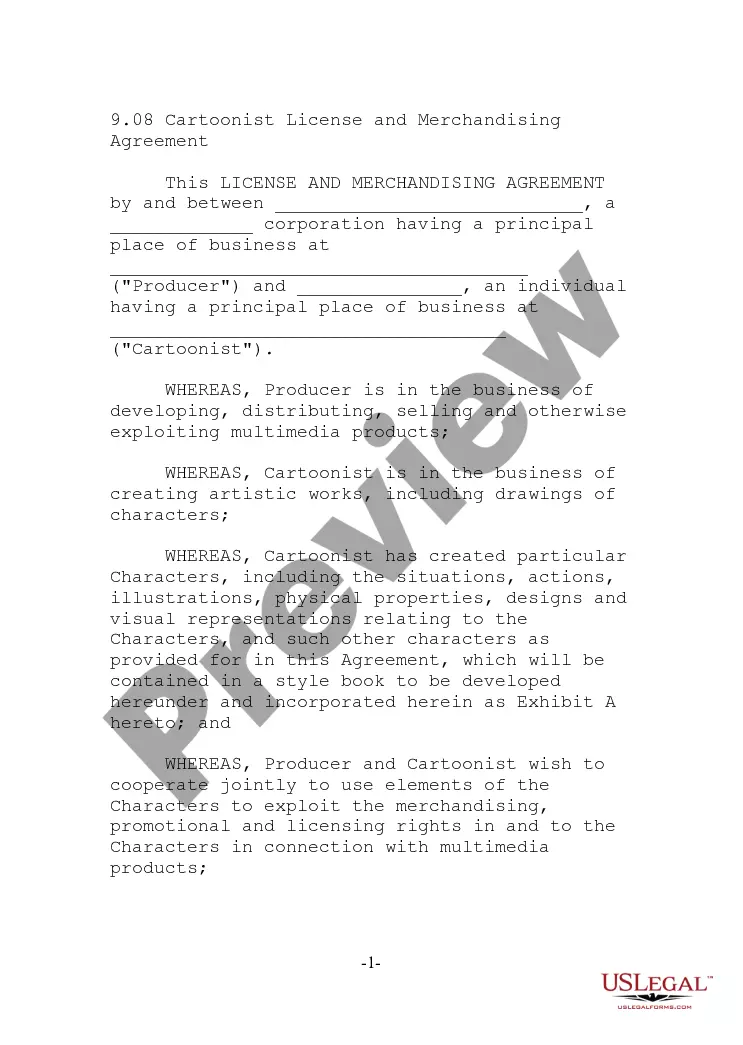
Get your form ready online
Our built-in tools help you complete, sign, share, and store your documents in one place.
Make edits, fill in missing information, and update formatting in US Legal Forms—just like you would in MS Word.
Download a copy, print it, send it by email, or mail it via USPS—whatever works best for your next step.
Sign and collect signatures with our SignNow integration. Send to multiple recipients, set reminders, and more. Go Premium to unlock E-Sign.
If this form requires notarization, complete it online through a secure video call—no need to meet a notary in person or wait for an appointment.
We protect your documents and personal data by following strict security and privacy standards.

Make edits, fill in missing information, and update formatting in US Legal Forms—just like you would in MS Word.

Download a copy, print it, send it by email, or mail it via USPS—whatever works best for your next step.

Sign and collect signatures with our SignNow integration. Send to multiple recipients, set reminders, and more. Go Premium to unlock E-Sign.

If this form requires notarization, complete it online through a secure video call—no need to meet a notary in person or wait for an appointment.

We protect your documents and personal data by following strict security and privacy standards.
Looking for another form?


How to fill out Merchandising License Agreement?
It is feasible to spend time online trying to locate the legal document format that meets the federal and state requirements you need.
US Legal Forms offers a vast array of legal forms that have been vetted by professionals.
You can easily obtain or print the District of Columbia Merchandising License Agreement from their service.
If you wish to find another version of your form, use the Research field to locate the format that fits your needs and specifications.
- If you already possess a US Legal Forms account, you can Log In and select the Download option.
- After that, you can complete, modify, print, or sign the District of Columbia Merchandising License Agreement.
- Each legal document format you download is yours indefinitely.
- To obtain an additional copy of any purchased form, visit the My documents tab and click on the appropriate option.
- If you are using the US Legal Forms website for the first time, follow the simple instructions below.
- First, ensure that you have selected the correct document format for the county/city of your choice.
- Read the form description to confirm that you have chosen the right form.
Form popularity
FAQ
Types of licensing agreement The unique feature of this type of agreement is that even the licensor is excluded to use or exploit the licensed property during the term of the agreement. Copyright, trademark and patent licenses are the best examples of an exclusive license agreement.
Licensing agreements are found in many different industries. An example of a licensing agreement is a contract between the copyright holders of software and another company, allowing the latter to use the computer software for their daily business operations.
Examples of licenses include a company using the design of a popular character, e.g. Mickey Mouse, on their products. Another example would be a clothing manufacturer like Life is Good licensing its designs and brand in a certain country to a local company.
The steps for making a license agreement are as follows:Download a template for a licensing agreement.Choose your role as the licensor or licensee.Define the license(s) in the agreement.Decide whether the license is exclusive or not.Settle the matter of fees and payment schedule.Add a renewal date and rules.More items...?
Practitioners and licensing executives often refer to three basic types of voluntary licenses: non-exclusive, sole, and exclusive. A non-exclusive licence allows the licensor to retain the right to use the licensed property and the right to grant additional licenses to third parties.
A licensing agreement is a contract between two parties (the licensor and licensee) in which the licensor grants the licensee the right to use the brand name, trademark, patented technology, or ability to produce and sell goods owned by the licensor.
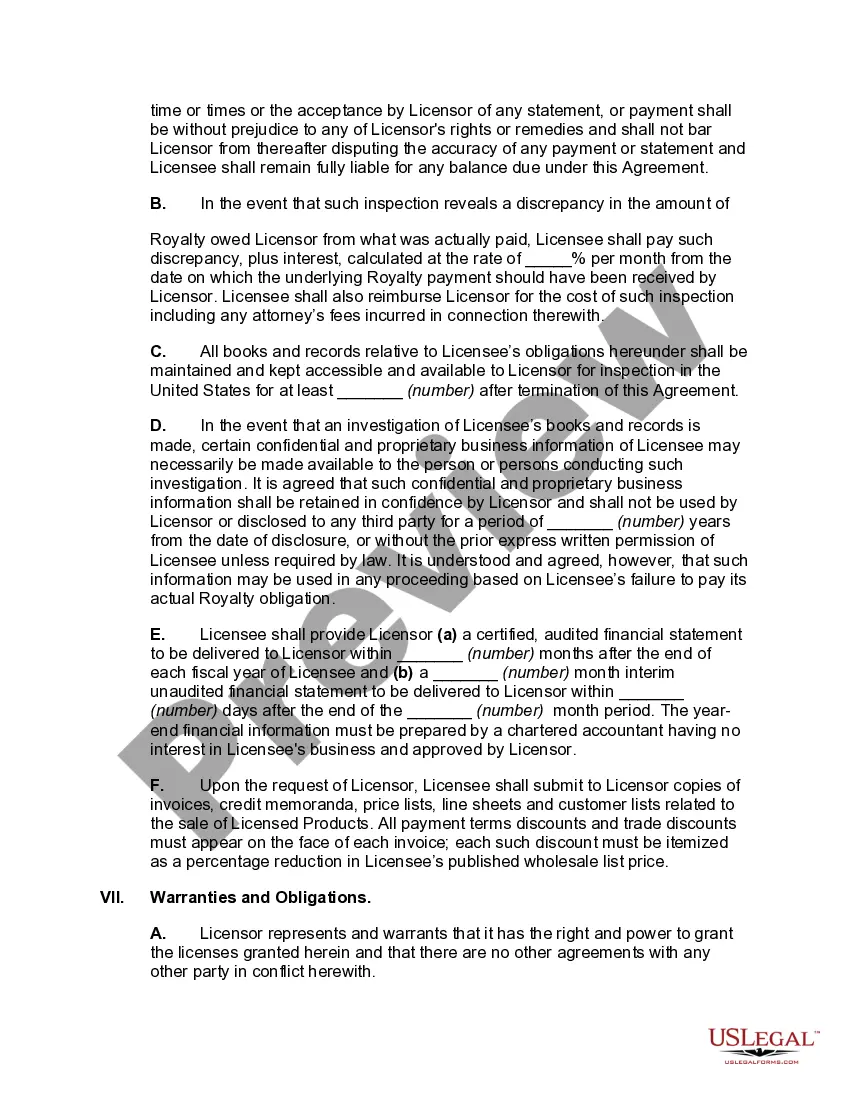
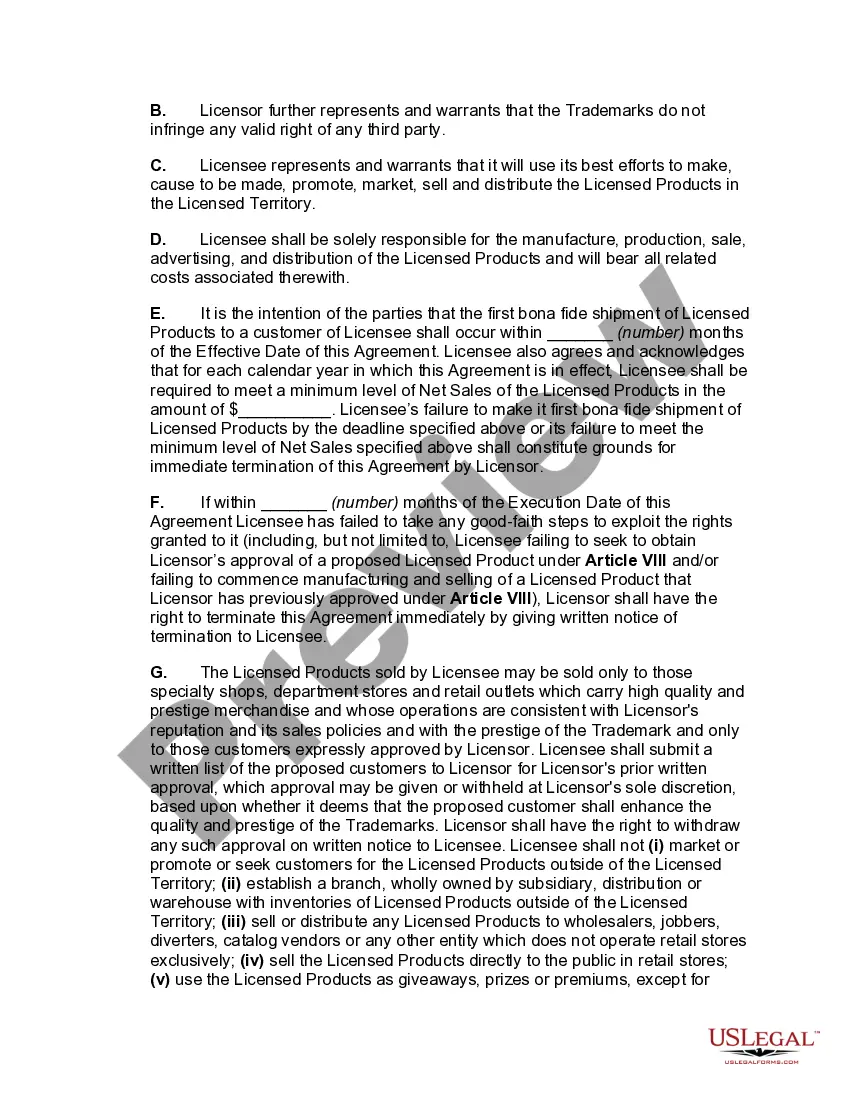
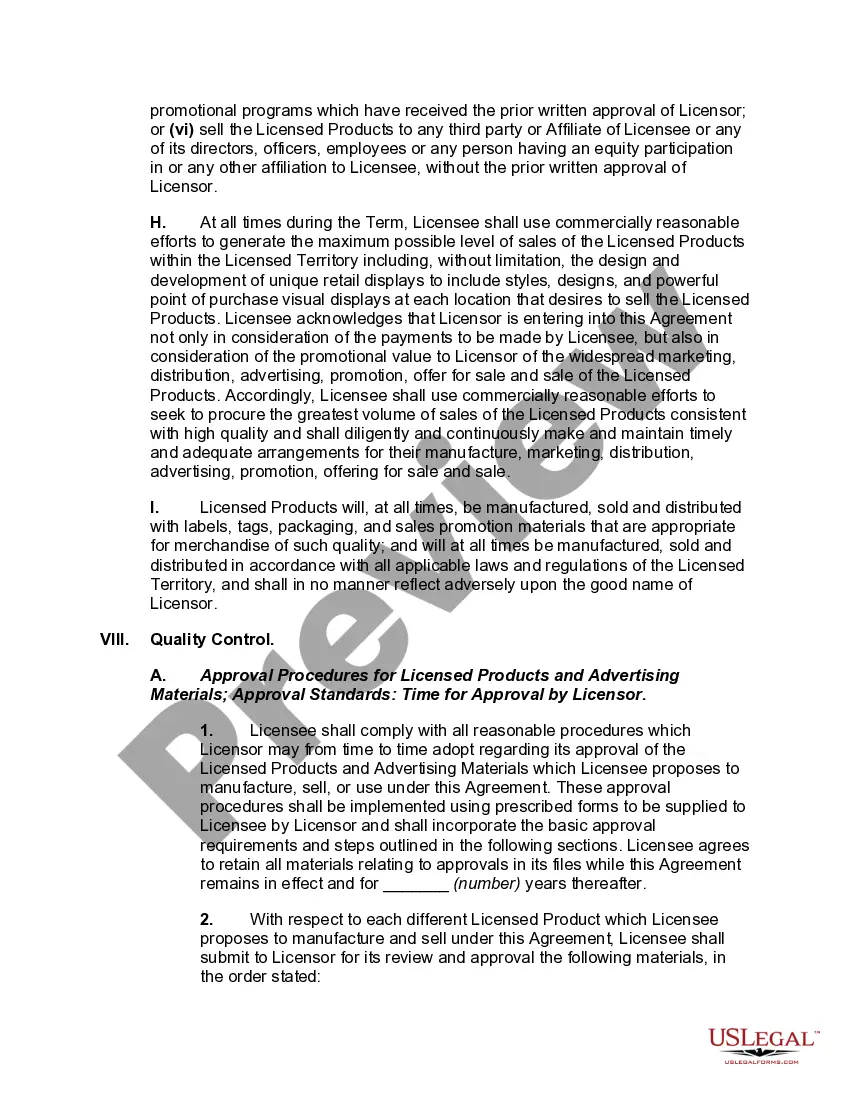
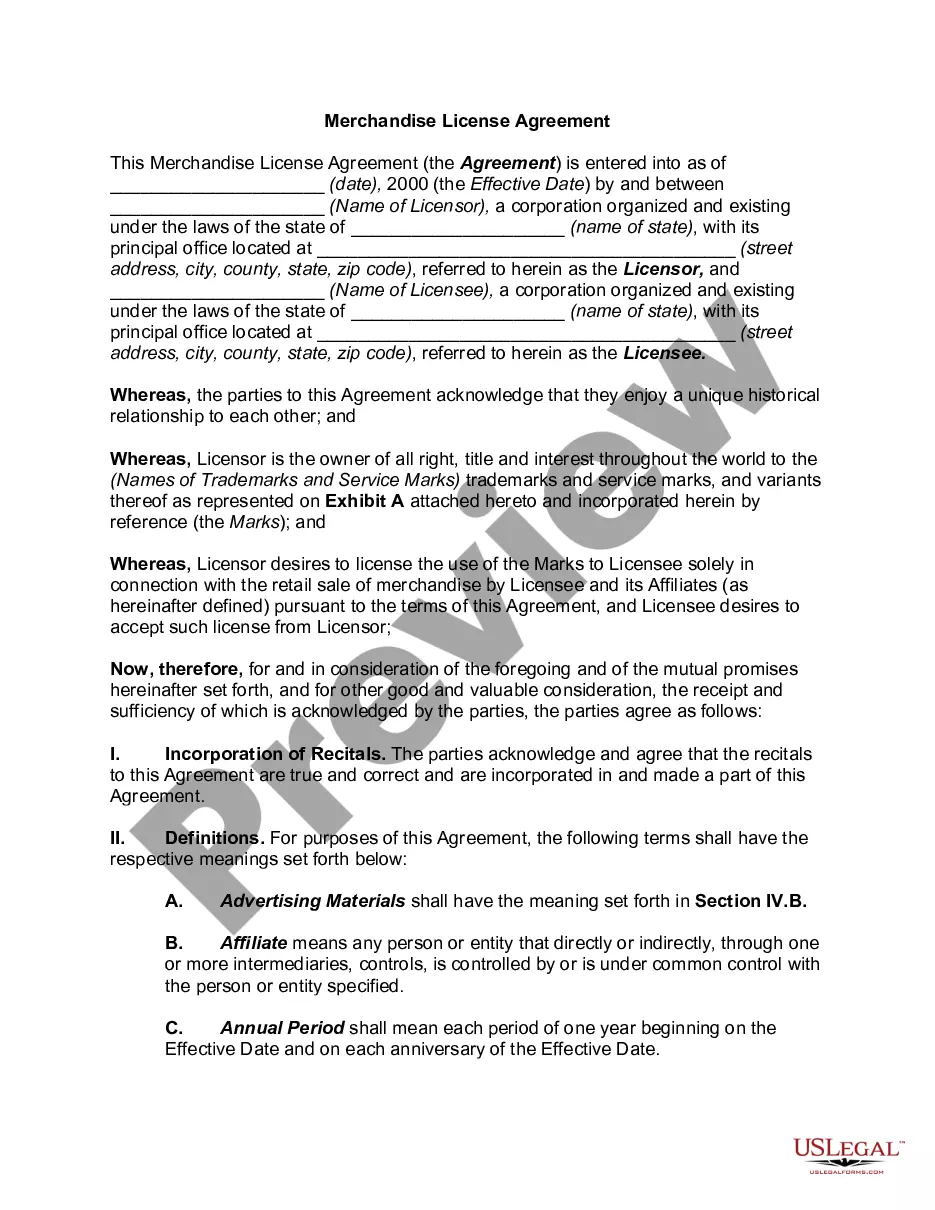
A merchandise license agreement describes the terms through which the owner of intellectual property, notably in the form of a trademark, service mark or copyright, grants a party, called the licensee, the right to use the property for distribution, marketing, and sale.
A licensing agreement allows one party (the licensee) to use and/or earn revenue from the property of the owner (the licensor). Licensing agreements generate revenues, called royalties, earned by a company for allowing its copyrighted or patented material to be used by another company.
Strategic licensing, by which the developer of intellectual property, technology or a product embeds it in the licensee's product for distribution, is typically a win-win for the companies involved.
A merchandising agreement is a legal contract between two parties in which the first party agrees to sell specific goods or services to the second party. In this case, "merchandise" refers not only to physical items but also intangible products such as intellectual property.