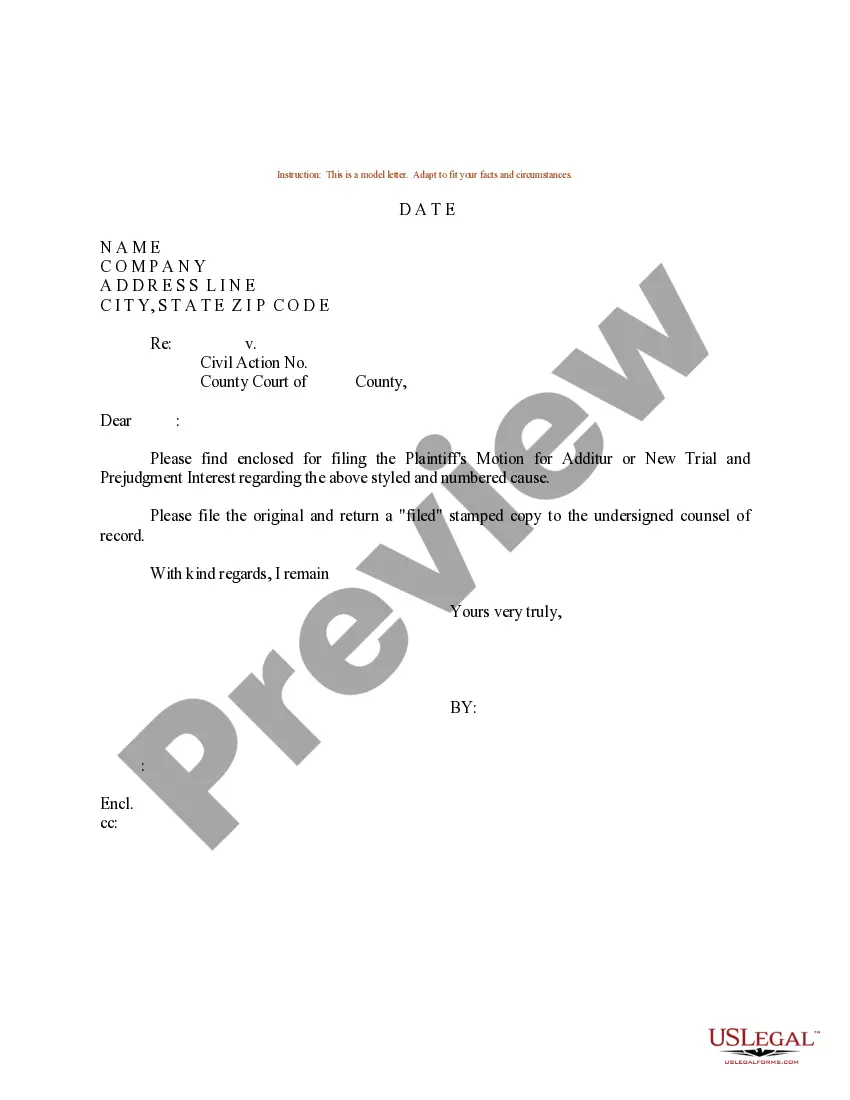
District of Columbia Sample Letter for Motion for Additur or New Trial and Prejudgment Interest
Description



Get your form ready online
Our built-in tools help you complete, sign, share, and store your documents in one place.
Make edits, fill in missing information, and update formatting in US Legal Forms—just like you would in MS Word.
Download a copy, print it, send it by email, or mail it via USPS—whatever works best for your next step.
Sign and collect signatures with our SignNow integration. Send to multiple recipients, set reminders, and more. Go Premium to unlock E-Sign.
If this form requires notarization, complete it online through a secure video call—no need to meet a notary in person or wait for an appointment.
We protect your documents and personal data by following strict security and privacy standards.

Make edits, fill in missing information, and update formatting in US Legal Forms—just like you would in MS Word.

Download a copy, print it, send it by email, or mail it via USPS—whatever works best for your next step.

Sign and collect signatures with our SignNow integration. Send to multiple recipients, set reminders, and more. Go Premium to unlock E-Sign.

If this form requires notarization, complete it online through a secure video call—no need to meet a notary in person or wait for an appointment.

We protect your documents and personal data by following strict security and privacy standards.
Looking for another form?
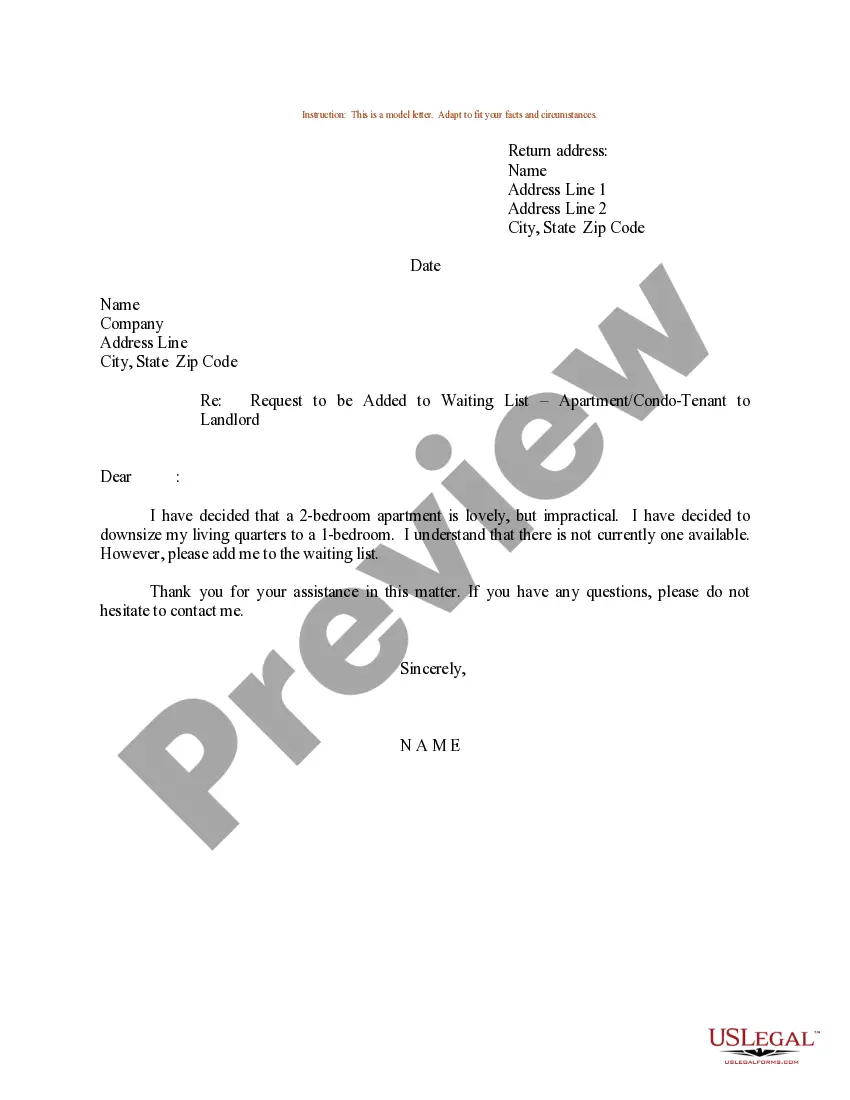
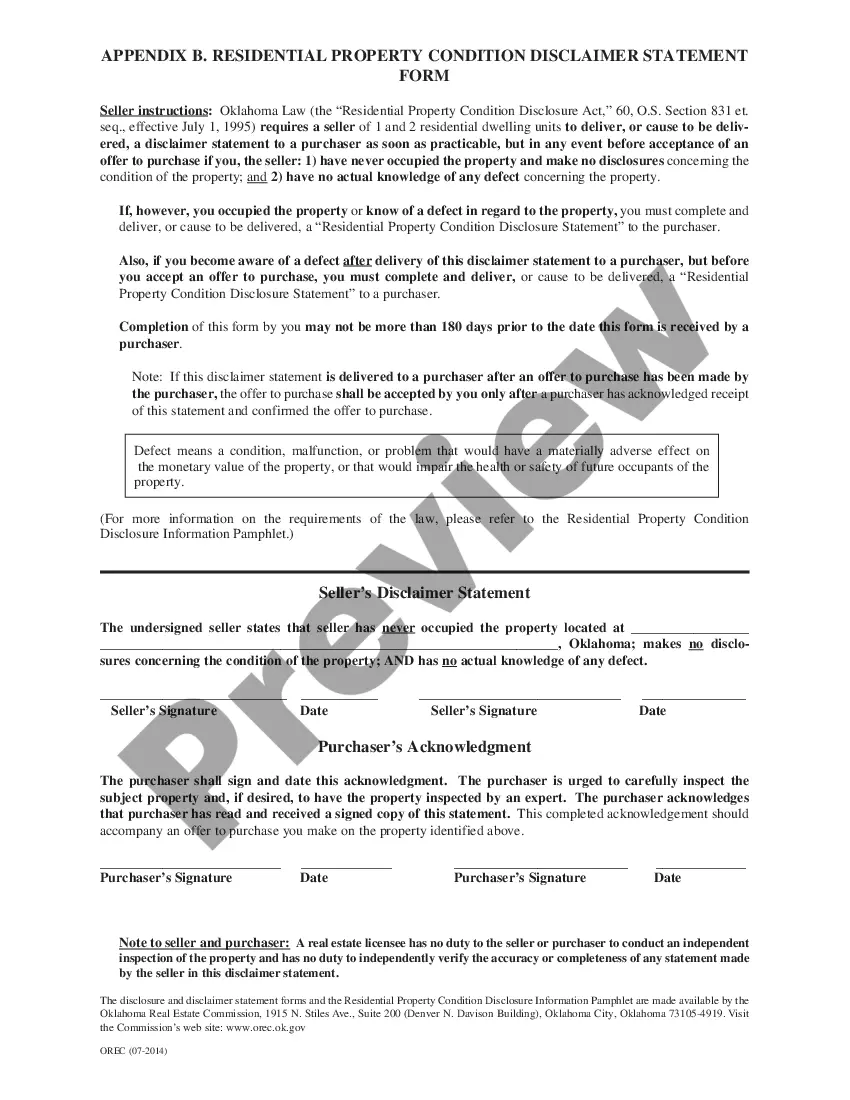
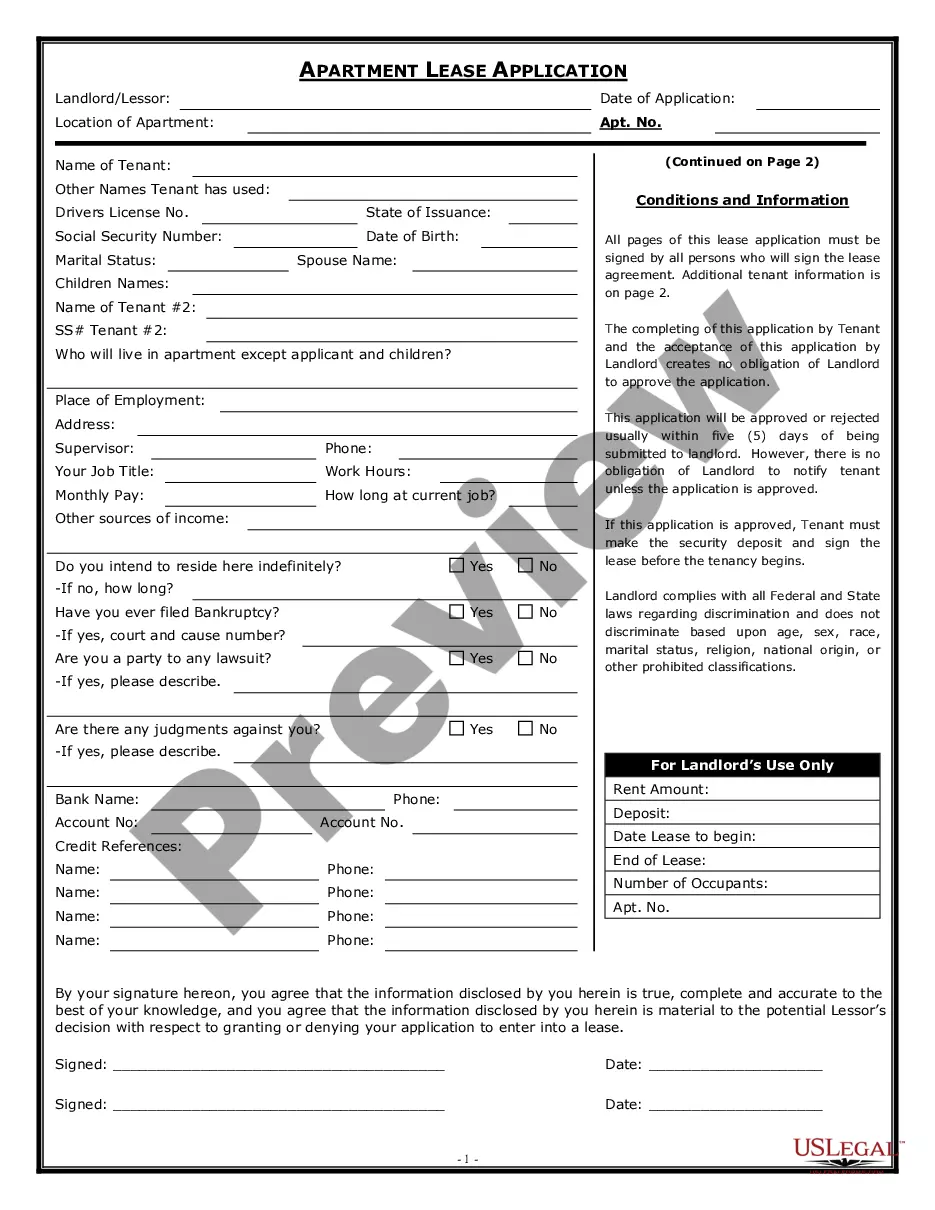
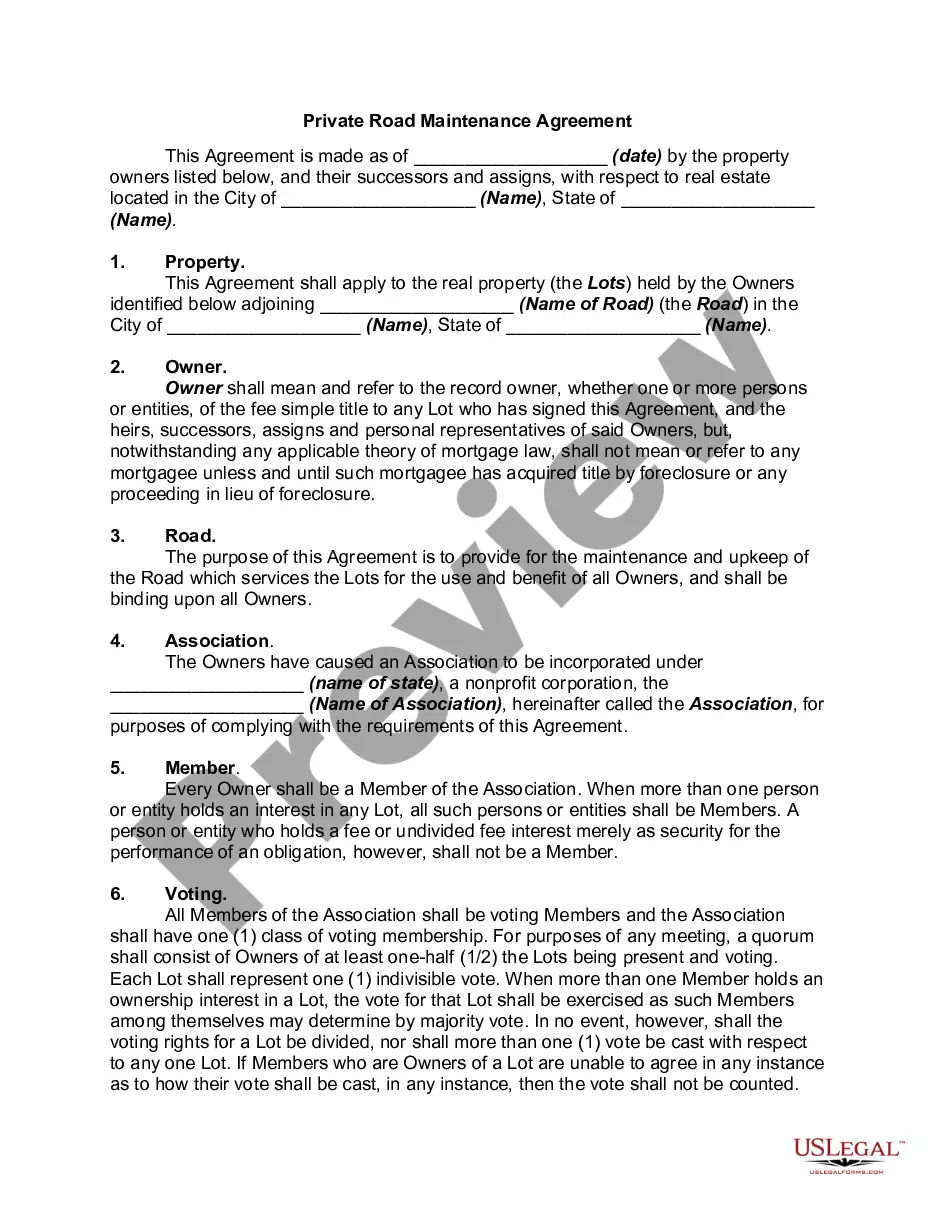
How to fill out Sample Letter For Motion For Additur Or New Trial And Prejudgment Interest?
If you wish to comprehensive, obtain, or print out lawful papers themes, use US Legal Forms, the biggest assortment of lawful forms, which can be found online. Use the site`s simple and handy lookup to get the documents you will need. Different themes for enterprise and personal reasons are sorted by groups and suggests, or key phrases. Use US Legal Forms to get the District of Columbia Sample Letter for Motion for Additur or New Trial and Prejudgment Interest with a few click throughs.
If you are currently a US Legal Forms client, log in to your account and click the Download key to get the District of Columbia Sample Letter for Motion for Additur or New Trial and Prejudgment Interest. You may also entry forms you formerly acquired within the My Forms tab of your account.
If you are using US Legal Forms initially, follow the instructions under:
- Step 1. Be sure you have selected the form for the proper city/country.
- Step 2. Use the Preview option to look over the form`s articles. Do not neglect to read through the information.
- Step 3. If you are not happy using the kind, use the Look for discipline towards the top of the display screen to discover other versions of the lawful kind design.
- Step 4. Once you have discovered the form you will need, click on the Purchase now key. Opt for the pricing strategy you favor and add your credentials to sign up for an account.
- Step 5. Method the transaction. You can utilize your credit card or PayPal account to complete the transaction.
- Step 6. Select the formatting of the lawful kind and obtain it on your own product.
- Step 7. Comprehensive, edit and print out or indication the District of Columbia Sample Letter for Motion for Additur or New Trial and Prejudgment Interest.
Each lawful papers design you buy is your own property forever. You possess acces to each kind you acquired inside your acccount. Go through the My Forms portion and decide on a kind to print out or obtain once again.
Compete and obtain, and print out the District of Columbia Sample Letter for Motion for Additur or New Trial and Prejudgment Interest with US Legal Forms. There are thousands of professional and status-particular forms you can use to your enterprise or personal requirements.
Form popularity
FAQ
§ 15?109. Interest on judgment for damages in contract or tort. In an action to recover damages for breach of contract the judgment shall allow interest on the amount for which it is rendered from the date of the judgment only.
(2)(a) Prejudgment interest charged or collected on medical debt, as defined in RCW 19.16. 100, must not exceed nine percent. (b) For any medical debt for which prejudgment interest has accrued or may be accruing as of July 28, 2019, no prejudgment interest in excess of nine percent shall accrue thereafter.
Following are the various grounds on which a party may rely in seeking a new trial: 1) The case where the Verdict is Against the Weight of the Evidence: ... 2) The case where the Verdict is Inadequate or Excessive: ... 3) The case where a Party Newly Discovers Evidence:
The grounds for granting a motion for a new trial include a significant error of law, verdict going against the weight of evidence, irregularity in the court proceeding, jury misconduct, newly discovered material evidence, and improper damages.
In such situations, the judgment interest rate is 4%. The new interest rate is for post-judgments only. The pre-judgment interest rate is 6% in the absence of an expressed contract specifying otherwise, pursuant to DC Code §28-3302 (a). Click here to see previous judgment interest rates.
This new pre- and post-judgment interest rate of 8.25% becomes effective August 1, 2023, and has real financial consequences for defendants and soon-to-be judgment-debtors in cases where a money judgment is not based on a contract which provides for interest (i.e., most lawsuits).
The interest that a creditor, usually a plaintiff in the case, is entitled to collect, derived from the amount of a judgment, which compensates the creditor for an injury which occurred before the judgment.
The amount of interest Civil Code section 3289 provides guidance and specifies that prejudgment interest on a tort claim is set at seven percent (7 percent) per annum, in simple interest. (Michelson v. Hamada (1994) 29 Cal. App.