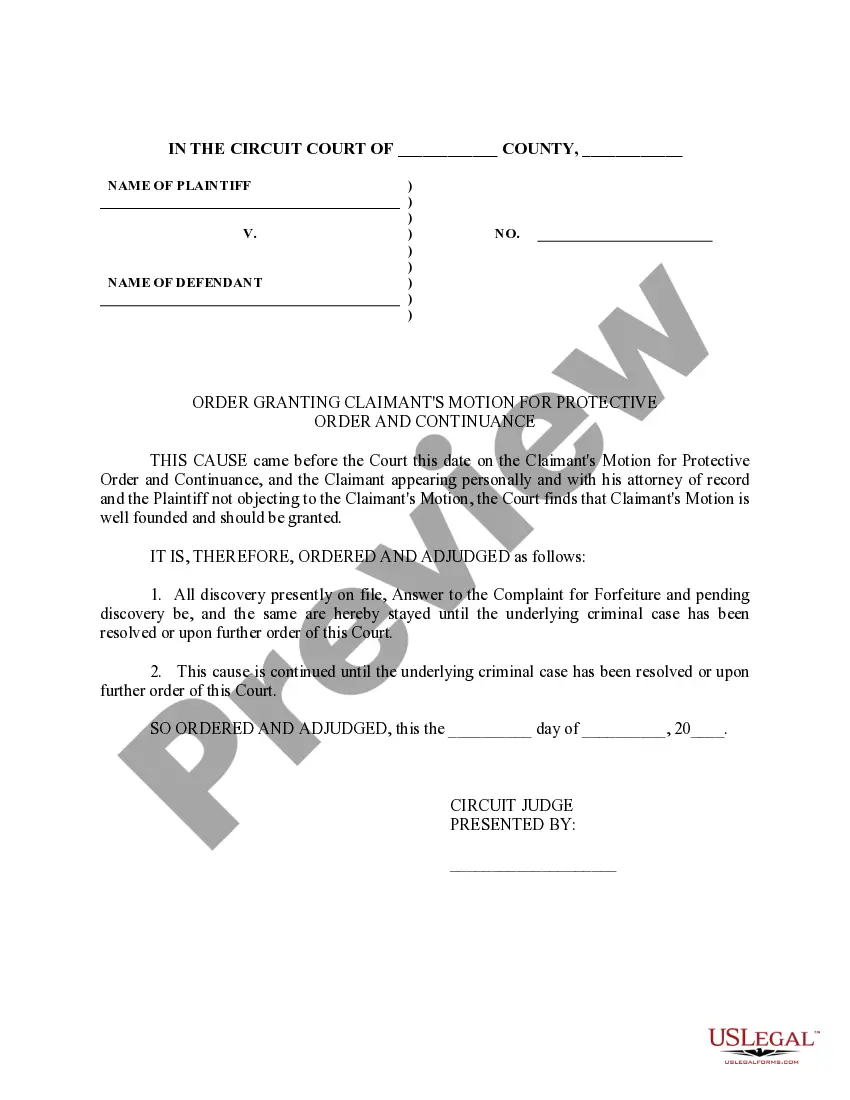
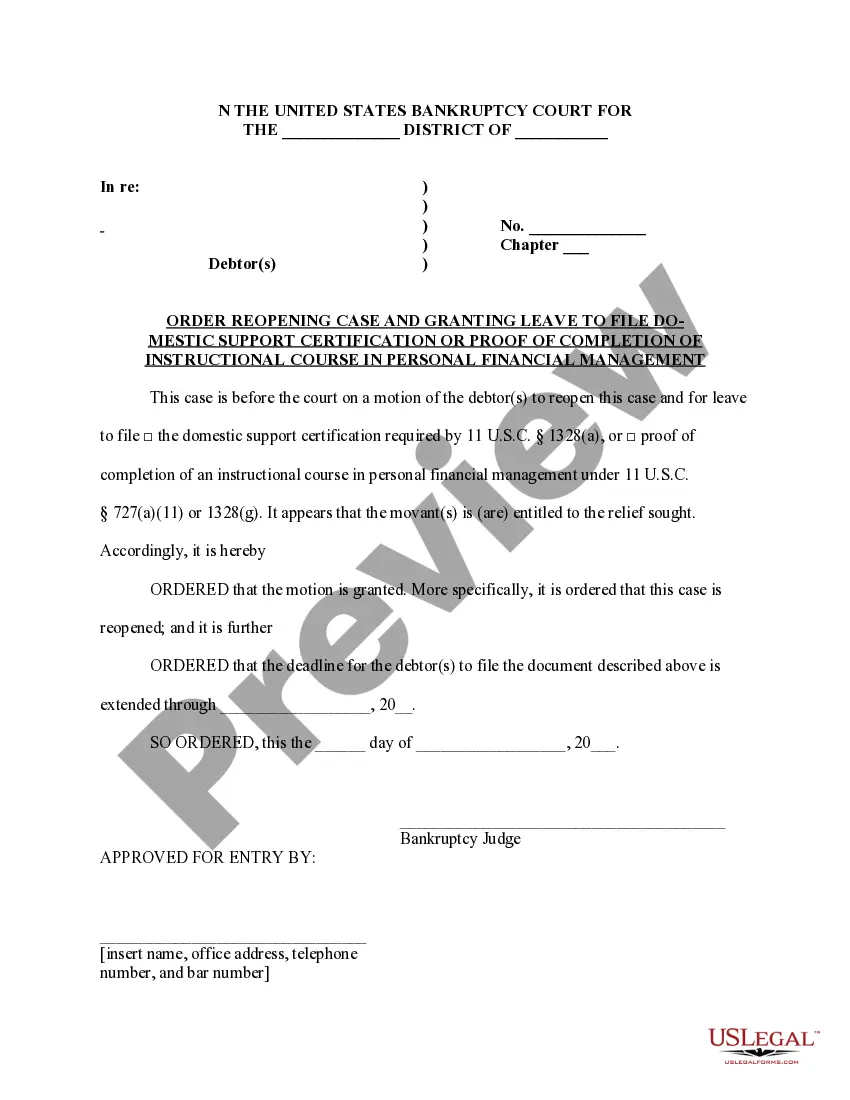
District of Columbia Order Granting Protective Order
Description
Get your form ready online
Our built-in tools help you complete, sign, share, and store your documents in one place.
Make edits, fill in missing information, and update formatting in US Legal Forms—just like you would in MS Word.
Download a copy, print it, send it by email, or mail it via USPS—whatever works best for your next step.
Sign and collect signatures with our SignNow integration. Send to multiple recipients, set reminders, and more. Go Premium to unlock E-Sign.
If this form requires notarization, complete it online through a secure video call—no need to meet a notary in person or wait for an appointment.
We protect your documents and personal data by following strict security and privacy standards.

Make edits, fill in missing information, and update formatting in US Legal Forms—just like you would in MS Word.

Download a copy, print it, send it by email, or mail it via USPS—whatever works best for your next step.

Sign and collect signatures with our SignNow integration. Send to multiple recipients, set reminders, and more. Go Premium to unlock E-Sign.

If this form requires notarization, complete it online through a secure video call—no need to meet a notary in person or wait for an appointment.

We protect your documents and personal data by following strict security and privacy standards.
Looking for another form?


How to fill out Order Granting Protective Order?
US Legal Forms - one of the most prominent collections of legal documents in the USA - offers a variety of legal form templates that you can obtain or create.
By utilizing the website, you will access thousands of forms for business and personal purposes, categorized by types, states, or keywords. You can retrieve the latest editions of forms such as the District of Columbia Order Granting Protective Order within minutes.
If you already possess a membership, Log In and acquire the District of Columbia Order Granting Protective Order from the US Legal Forms collection. The Acquire button will be visible on every template you view. You have access to all previously downloaded forms in the My documents section of your account.
Process the transaction. Use your credit card or PayPal account to complete the transaction.
Choose the format and download the form to your device. Make changes. Fill in, edit, print and sign the downloaded District of Columbia Order Granting Protective Order. Every template you add to your account does not expire and is yours indefinitely. Therefore, if you wish to download or print another copy, simply navigate to the My documents section and click on the form you need. Access the District of Columbia Order Granting Protective Order with US Legal Forms, the most extensive collection of legal document templates. Utilize thousands of professional and state-specific templates that meet your business or personal requirements.
- Ensure you have selected the correct form for your city/state.
- Click the Review button to evaluate the form's content.
- Examine the form description to confirm you have chosen the appropriate form.
- If the form doesn't meet your requirements, use the Search field at the top of the screen to find the one that does.
- If you are satisfied with the form, confirm your choice by clicking the Get now button.
- Then, select the pricing plan you prefer and provide your credentials to register for an account.
Form popularity
FAQ
A civil protection order does not go in a criminal record. There is no public record of a civil protection order that could damage someone's job, etc.
A person charged with a No Contact Order violation in Washington State is exposed to a gross misdemeanor. A conviction can carry a maximum penalty of 364 days in jail, loss of gun rights, and a $5000 fine.
You can file an opposition to the application or a motion asking the court to dissolve or modify the order, or you can appeal from the court's grant of an extended protection order.
The judge can punish you with up to 180 days in jail, fine you up to $1,000.00, or both if you are found to be in contempt. Alternatively, the judge can refer the motion to the prosecutor's office for potential prosecution of a violation of a civil protection order charge.
The judge can punish you with up to 180 days in jail, fine you up to $1,000.00, or both if you are found to be in contempt. Alternatively, the judge can refer the motion to the prosecutor's office for potential prosecution of a violation of a civil protection order charge.
A Civil Protection Order (CPO) is a court order in which a judge can require a person to follow certain requirements, including but not limited to, staying away from, not contacting, or committing any offense against the person requesting the CPO.
A civil protection order does not go in a criminal record. There is no public record of a civil protection order that could damage someone's job, etc. It's simply a civil order by the court that they have to stay away from another person, so it's typically most important that they prioritize.