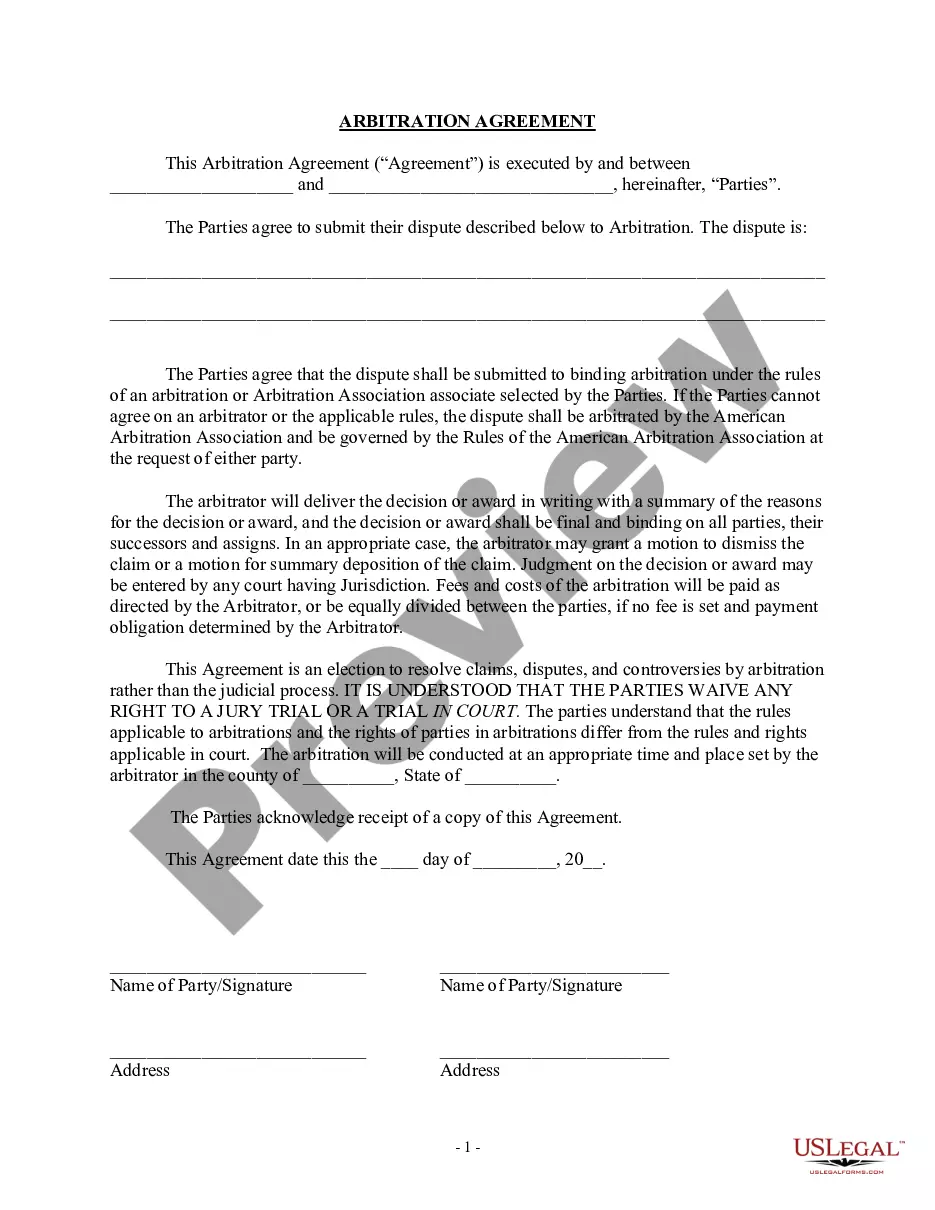
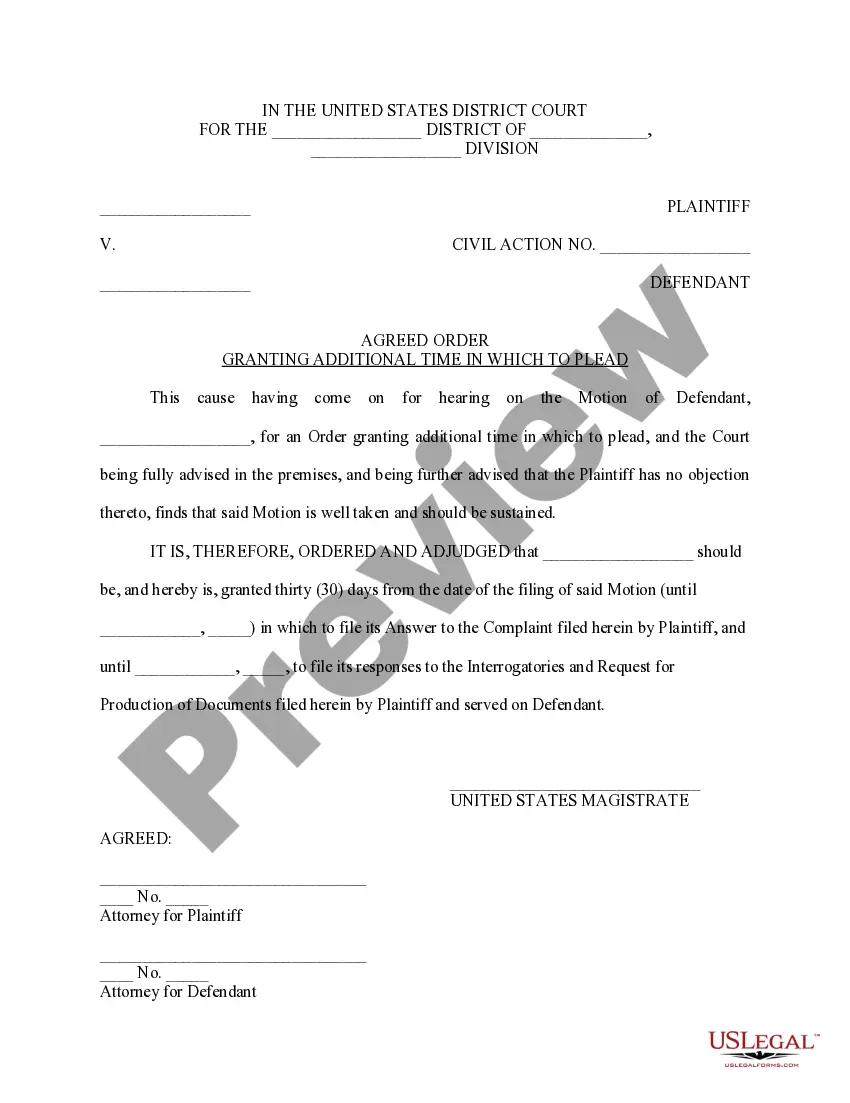
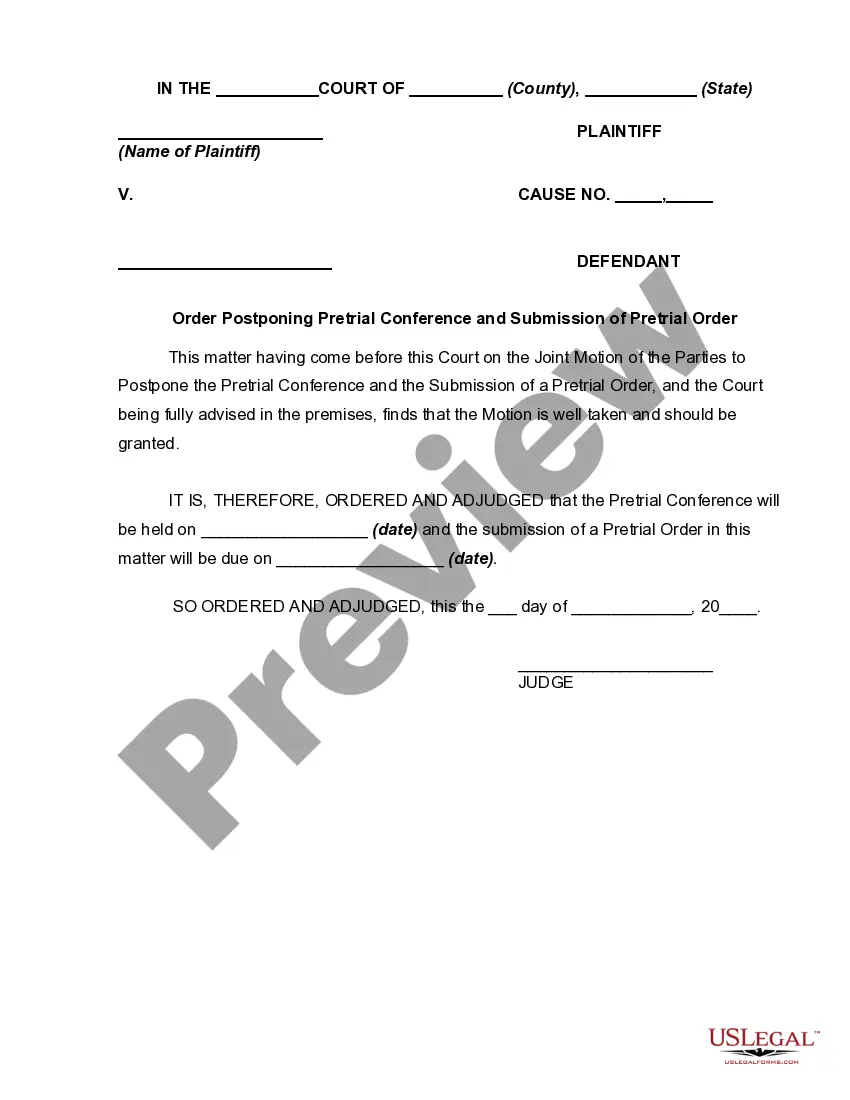
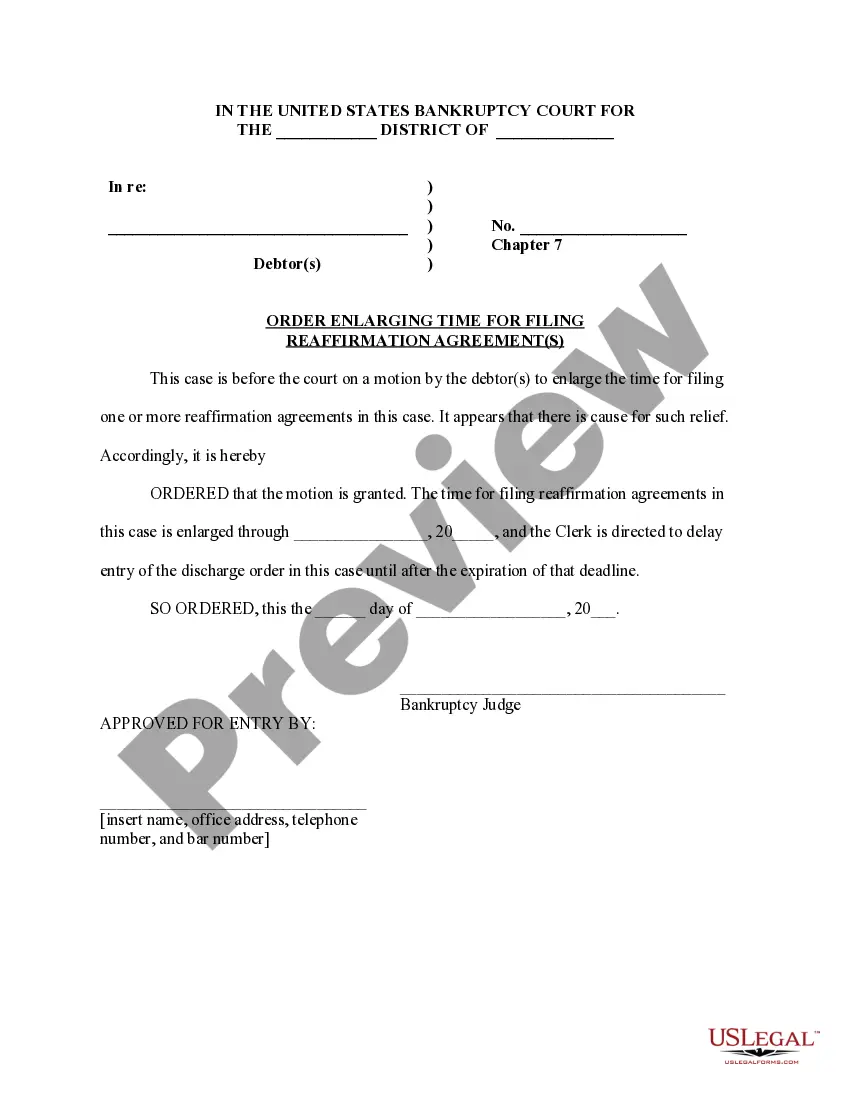
District of Columbia Agreed Order Granting Additional Time to Plead and Respond to Interrogatories and Requests for Production
Description
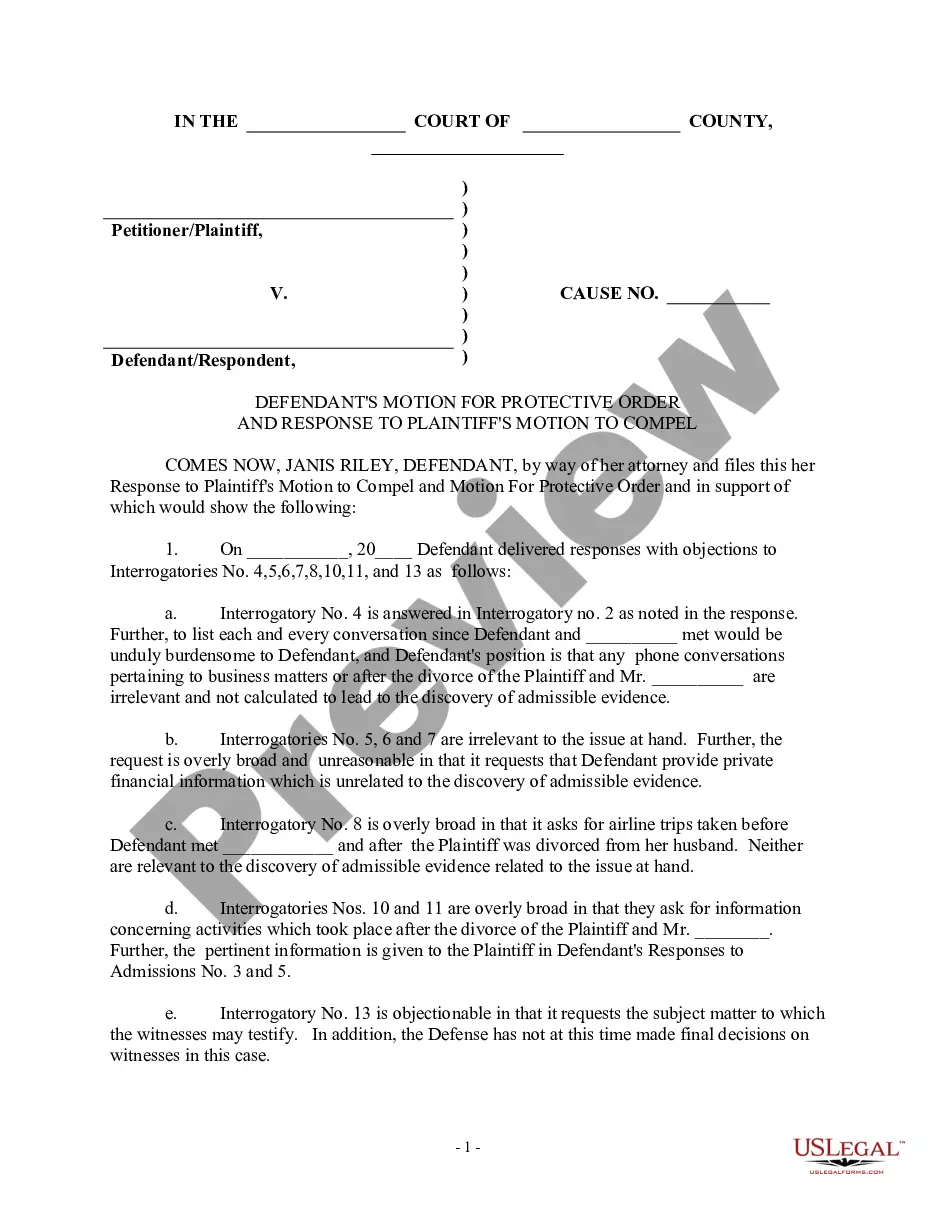
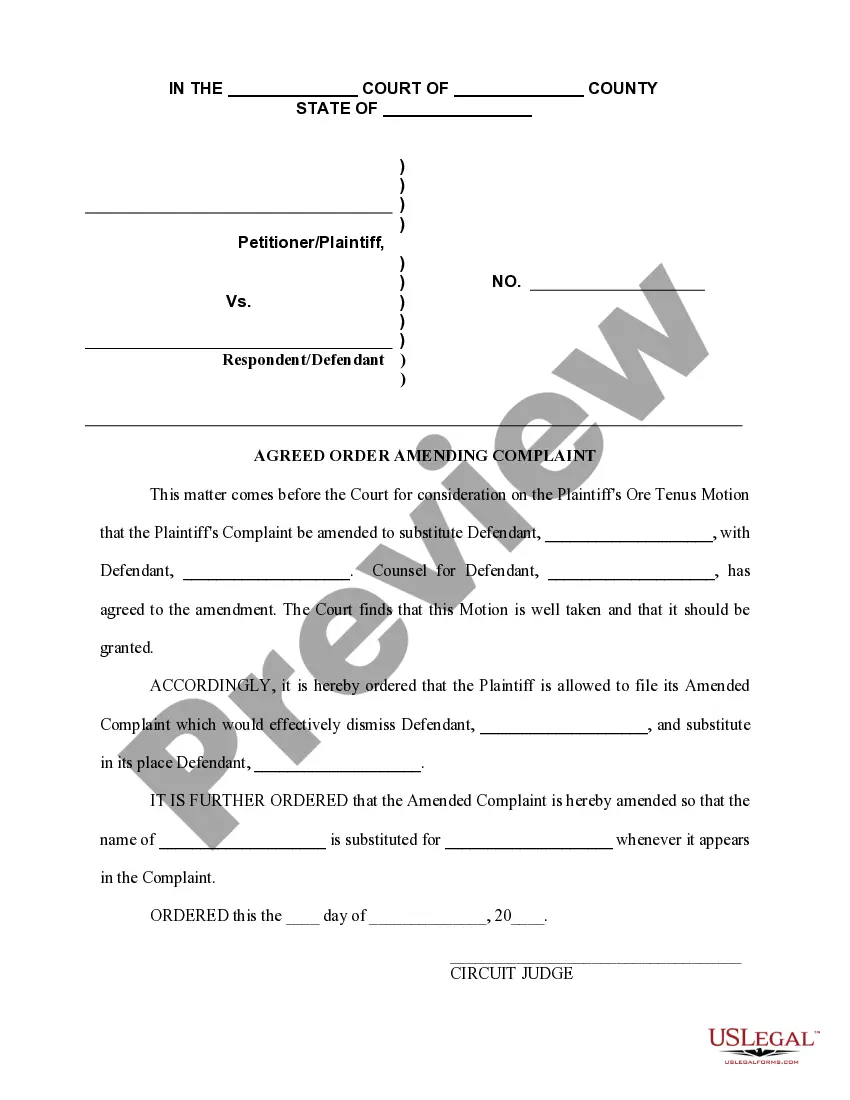
Get your form ready online
Our built-in tools help you complete, sign, share, and store your documents in one place.
Make edits, fill in missing information, and update formatting in US Legal Forms—just like you would in MS Word.
Download a copy, print it, send it by email, or mail it via USPS—whatever works best for your next step.
Sign and collect signatures with our SignNow integration. Send to multiple recipients, set reminders, and more. Go Premium to unlock E-Sign.
If this form requires notarization, complete it online through a secure video call—no need to meet a notary in person or wait for an appointment.
We protect your documents and personal data by following strict security and privacy standards.

Make edits, fill in missing information, and update formatting in US Legal Forms—just like you would in MS Word.

Download a copy, print it, send it by email, or mail it via USPS—whatever works best for your next step.

Sign and collect signatures with our SignNow integration. Send to multiple recipients, set reminders, and more. Go Premium to unlock E-Sign.

If this form requires notarization, complete it online through a secure video call—no need to meet a notary in person or wait for an appointment.

We protect your documents and personal data by following strict security and privacy standards.
Looking for another form?

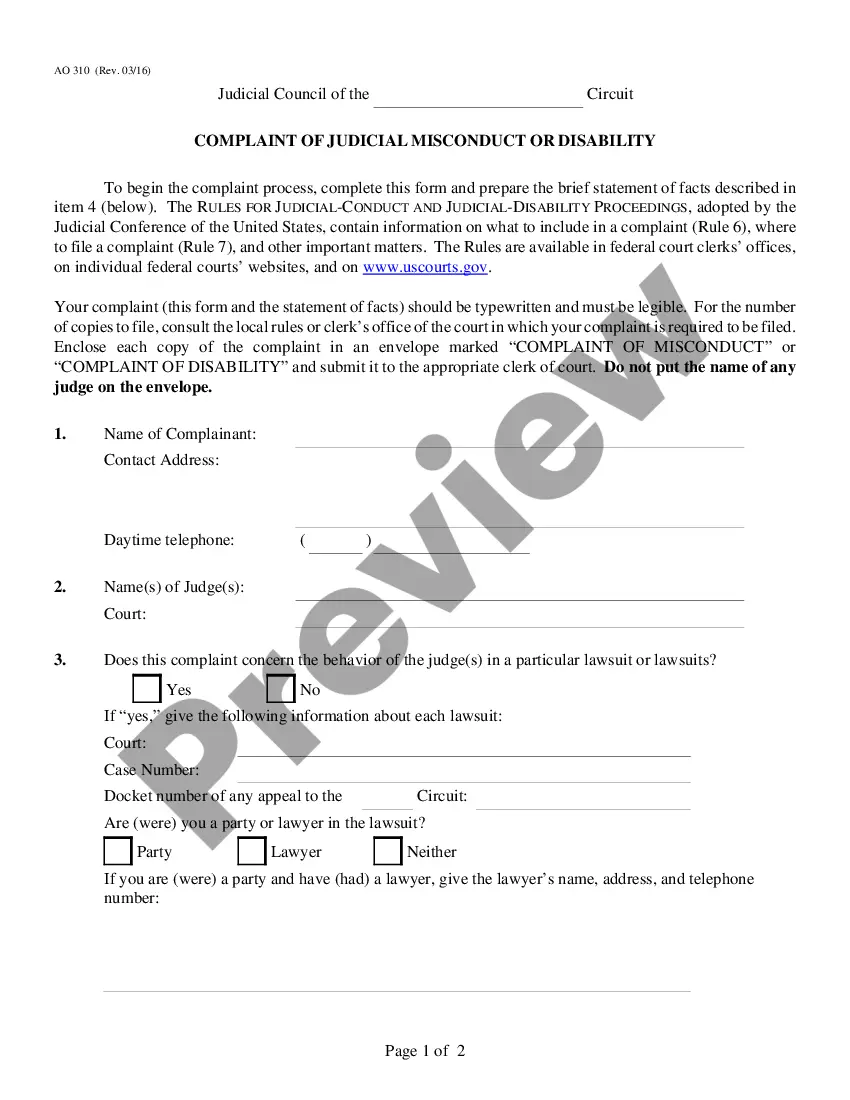

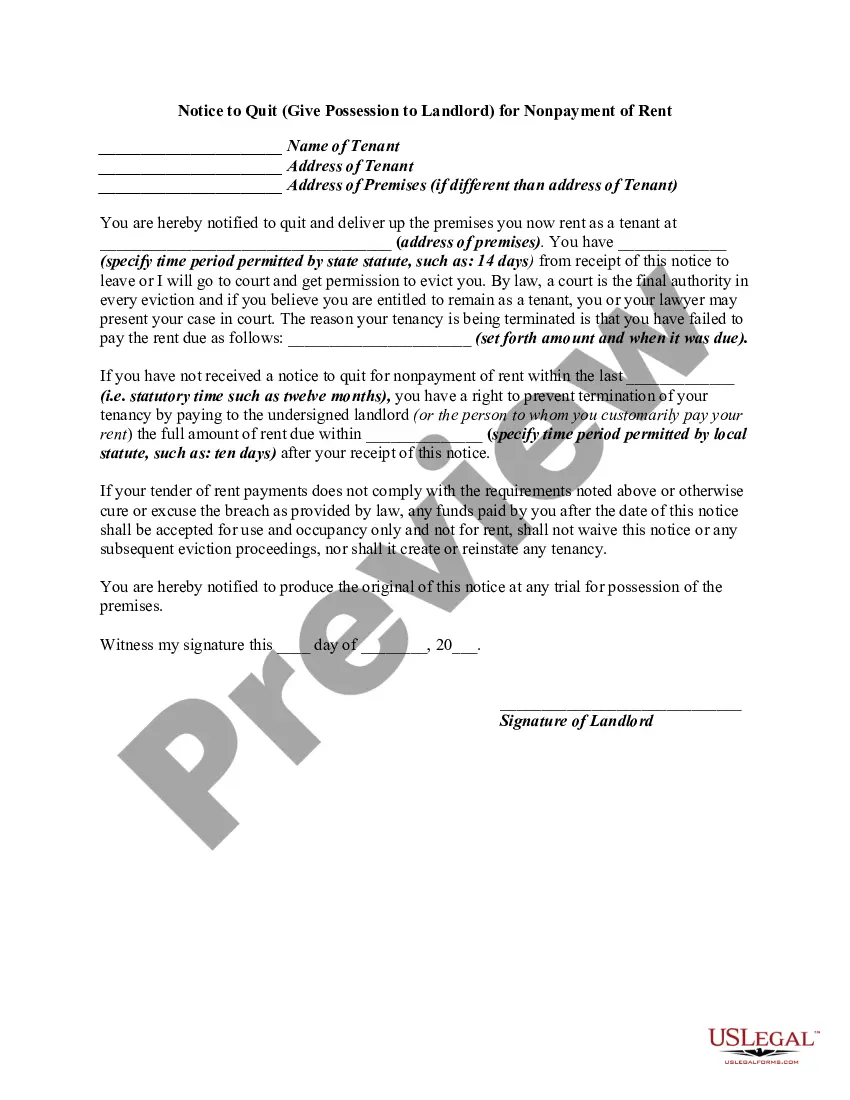

How to fill out Agreed Order Granting Additional Time To Plead And Respond To Interrogatories And Requests For Production?
If you desire to be thorough, acquire, or generate valid document templates, utilize US Legal Forms, the largest assortment of legal forms, which can be accessed online.
Utilize the site's simple and convenient search feature to locate the documents you need. Various templates for business and personal purposes are organized by categories and states, or keywords.
Use US Legal Forms to find the District of Columbia Agreed Order Granting Additional Time to Plead and Respond to Interrogatories and Requests for Production with just a few clicks.
Step 5. Complete the transaction. You can use your credit card or PayPal account to finalize the purchase.
Step 6. Select the format of the legal form and download it onto your device. Step 7. Complete, modify, and print or sign the District of Columbia Agreed Order Granting Additional Time to Plead and Respond to Interrogatories and Requests for Production. Every legal document template you obtain is yours indefinitely. You will have access to all forms you downloaded within your account. Check the My documents section and choose a form to print or download again. Stay competitive and obtain, and print the District of Columbia Agreed Order Granting Additional Time to Plead and Respond to Interrogatories and Requests for Production with US Legal Forms. There are numerous professional and state-specific forms you can use for your business or personal needs.
- If you are already a US Legal Forms customer, Log In to your account and click the Acquire button to obtain the District of Columbia Agreed Order Granting Additional Time to Plead and Respond to Interrogatories and Requests for Production.
- You can also access forms you previously submitted electronically in the My documents section of your account.
- If you are using US Legal Forms for the first time, follow the steps below.
- Step 1. Ensure you have selected the form for the correct city/state.
- Step 2. Use the Preview option to review the form's content. Be sure to read the description.
- Step 3. If you are not satisfied with the form, utilize the Search field at the top of the screen to find other versions of the legal form template.
- Step 4. Once you have located the form you need, click the Purchase now button. Choose the pricing plan you prefer and enter your information to register for an account.
Form popularity
FAQ
In the District of Columbia, you typically have 30 days to respond to interrogatories after receiving them. However, this period can be extended through a District of Columbia Agreed Order Granting Additional Time to Plead and Respond to Interrogatories and Requests for Production. It's important to be aware of your deadlines, as failing to respond in time may result in negative consequences for your case. If you need assistance navigating these timelines, consider using services like uslegalforms, which can provide you with the necessary documents and guidance.
You have 30 days to respond to Form Interrogatories.
Rule 33(a), Federal Rules of Civil Procedure, restricts to 25 (including all discrete subparts) the number of interrogatories a party may serve on any other party. Leave of court, which is not routinely given absent stipulation, is required to serve more than 25 interrogatories cumulatively.
Each interrogatory must, to the extent it is not objected to, be answered separately and fully in writing under oath. Answers and objections to interrogatories must identify and quote each interrogatory in full immediately preceding the answer or objection.
The party to whom the interrogatories are directed must serve the answers and any objections within 30 days after the service of the interrogatories, except that a defendant may serve answers or objections within 45 days after service of the process and initial pleading on that defendant.
Has anyone ever heard of the 33% rule? It basically states that 33% of your time should be spent with mentors (people that challenge you), 33% with your peers (those on the same level as you), and 33% with people that you can mentor and guide.
The plaintiff may mail you a package of questions about your case. These are called Interrogatories. You must answer the questions within 45 days. The plaintiff is hoping your answers will help them win the case.
Rule 33 of the Federal Rules of Civil Procedure limits the number of interrogatories a party may propound to twenty-five. Parties must obtain leave of court before serving more than twenty- five interrogatories.
If your case is an unlimited civil case (over $25,000) you may ask up to 35 special interrogatories, but may ask more with a declaration explaining the need for additional requests and a statement that the request is not done for an improper purpose.
(A) In General. A party must disclose to the other parties the identity of any witness it may use at trial to present expert testimony.