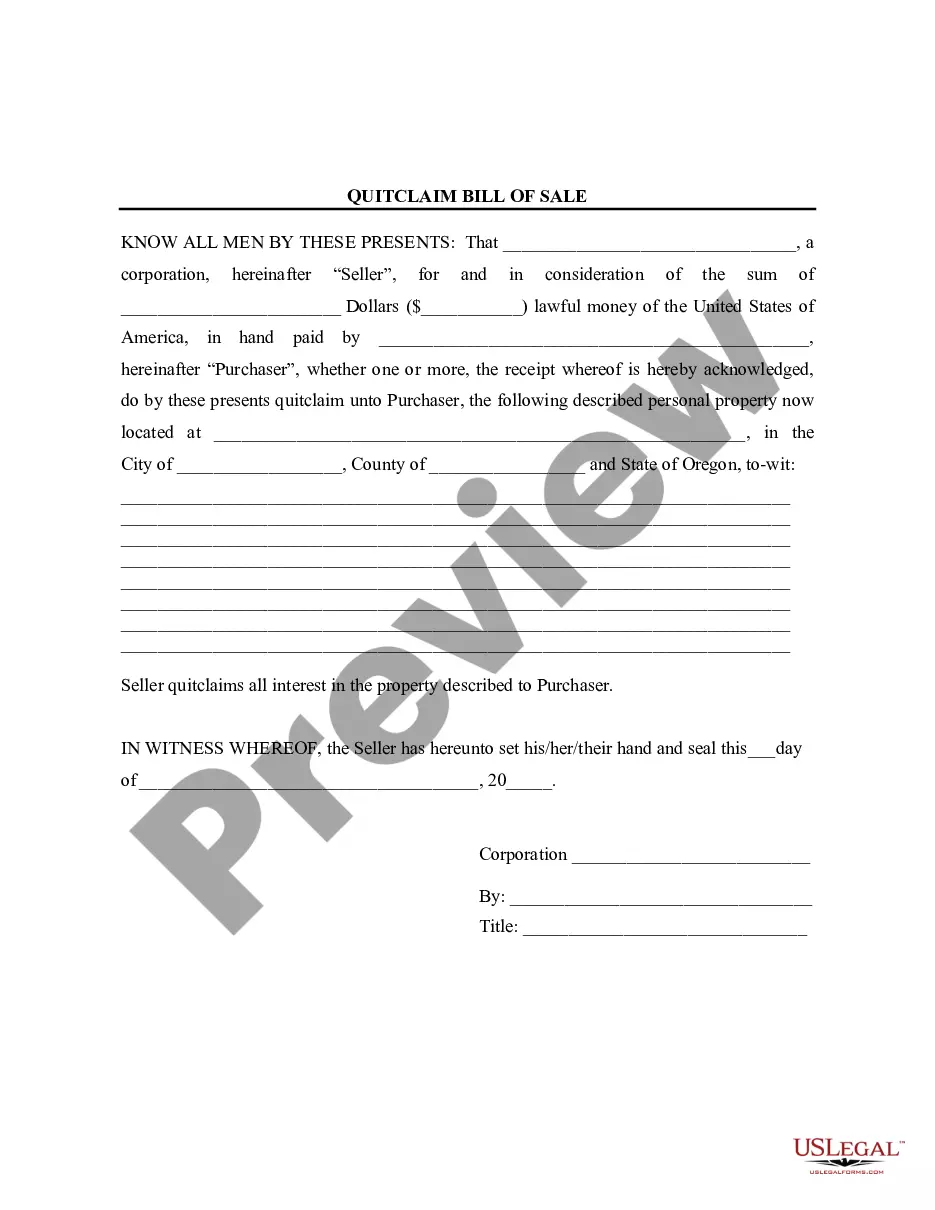
Connecticut Codicil to Will Form for Amending Your Will - Will Changes or Amendments
What is this form?
The Codicil to Will Form allows an individual to make amendments to their existing will without the need to draft an entirely new document. This form ensures that the original will remains valid except where modifications are specified in the codicil. It serves to clarify changes, additions, or revocations to be made and follows Connecticut's legal requirements for execution and attestation.
Key components of this form
- Identification of the individual making the codicil (testator/testatrix).
- Reference to the original will, including its date.
- Provisions to amend or supplement the original will.
- Articles to designate beneficiaries or revoke prior bequests.
- Witness and notary sections for legal validation.



Common use cases
This form is commonly used when someone wishes to make changes to their will, such as adding new beneficiaries, changing the distribution of assets, or updating the executor of the estate without rewriting the entire will. This is particularly useful in situations where life events have occurred, such as marriage, divorce, or the birth of a child.
Who this form is for
- Individuals who have an existing will and need to make changes.
- Those who want to update beneficiaries or asset distribution.
- People seeking a simple solution to amend their will without the costs associated with drafting a new one.
Instructions for completing this form
- Write down your full name and the primary county of your residence.
- Specify the date of your original will for reference.
- Clearly outline each amendment you wish to make, such as adding or removing beneficiaries.
- Have at least two witnesses who are present during the signing of the codicil.
- Complete the notarization process to strengthen the legal validity of the document, if required.
Does this form need to be notarized?
This document requires notarization to meet legal standards. US Legal Forms provides secure online notarization powered by Notarize, allowing you to complete the process through a verified video call, available 24/7.
Get your form ready online
Our built-in tools help you complete, sign, share, and store your documents in one place.
Make edits, fill in missing information, and update formatting in US Legal Forms—just like you would in MS Word.
Download a copy, print it, send it by email, or mail it via USPS—whatever works best for your next step.
Sign and collect signatures with our SignNow integration. Send to multiple recipients, set reminders, and more. Go Premium to unlock E-Sign.
If this form requires notarization, complete it online through a secure video call—no need to meet a notary in person or wait for an appointment.
We protect your documents and personal data by following strict security and privacy standards.

Make edits, fill in missing information, and update formatting in US Legal Forms—just like you would in MS Word.

Download a copy, print it, send it by email, or mail it via USPS—whatever works best for your next step.

Sign and collect signatures with our SignNow integration. Send to multiple recipients, set reminders, and more. Go Premium to unlock E-Sign.

If this form requires notarization, complete it online through a secure video call—no need to meet a notary in person or wait for an appointment.

We protect your documents and personal data by following strict security and privacy standards.
Avoid these common issues
- Failing to properly date the codicil, which can create confusion regarding the intent of amendments.
- Not having the document signed by the required number of witnesses.
- Neglecting to include adequate details about the changes being made.
Benefits of completing this form online
- Convenient access for immediate download and completion.
- Editability allows for easy customization based on individual circumstances.
- Reliable templates drafted by licensed attorneys ensuring compliance with legal standards.
Looking for another form?
Form popularity
FAQ
Filling out a codicil form is straightforward. Begin by reading the instructions thoroughly, then fill in your personal information and the specific changes you wish to make to your existing will. The Connecticut Codicil to Will Form for Amending Your Will - Will Changes or Amendments is designed to guide you through this process, ensuring that every detail is covered for a legally sound amendment.
An example of a codicil to a will includes specific details about what changes are being made to your existing will. You can create a statement that specifies which provisions are being altered, added, or revoked. For convenience, the Connecticut Codicil to Will Form for Amending Your Will - Will Changes or Amendments can serve as a useful reference, providing a clear template for drafting your own codicil.
Writing a codicil to an existing will involves clearly stating your intentions regarding any changes you wish to make. Start by including the date, your name, and a statement indicating that this document is a codicil to your existing will. Utilize the Connecticut Codicil to Will Form for Amending Your Will - Will Changes or Amendments, as it provides a structured format that can simplify the process and ensure compliance with state laws.
In Connecticut, a codicil to a will does not necessarily need to be notarized, but it is a good idea to have it witnessed. This ensures that the document is legally valid and minimizes the risk of disputes. If you are using the Connecticut Codicil to Will Form for Amending Your Will - Will Changes or Amendments, make sure to follow the guidelines closely to ensure that your intentions are clear and respected.
In Connecticut, a codicil to a will requires at least two witnesses to validate the document. When you use a Connecticut Codicil to Will Form for Amending Your Will - Will Changes or Amendments, make sure to have these witnesses present during the signing. This step is crucial to ensure that your amendments are legally accepted. Always check that your witnesses are not beneficiaries to avoid potential conflicts.
You do not need a lawyer to create a codicil, but consulting one can provide guidance and ensure legal compliance. If you choose to use a Connecticut Codicil to Will Form for Amending Your Will - Will Changes or Amendments, the process can be straightforward and accessible. However, having a lawyer review your changes can help prevent future issues. It is wise to seek legal advice if your estate or amendments are complex.
A codicil to a will does not necessarily need to be handwritten, but it must meet specific legal requirements to ensure its validity. When using a Connecticut Codicil to Will Form for Amending Your Will - Will Changes or Amendments, you can create a formal document that outlines your changes. This method ensures clarity and reduces the chances of disputes. Always make sure to follow Connecticut laws regarding codicils for a legally binding amendment.
One potential disadvantage of a codicil is that it can complicate your estate planning if it leads to multiple amendments over time. If not properly executed or if there are too many changes, it can create confusion regarding your intentions. Using the Connecticut Codicil to Will Form for Amending Your Will - Will Changes or Amendments can help mitigate these risks by keeping your amendments organized and clear.
While you do not legally need a lawyer to create a codicil, consulting one can be beneficial to ensure accuracy and compliance with state laws. A legal professional can help you understand the implications of your changes. The Connecticut Codicil to Will Form for Amending Your Will - Will Changes or Amendments simplifies the process but having a lawyer review it could provide peace of mind.
A codicil is a specific type of amendment to a will, designed to make changes without rewriting the entire document. An amendment can refer to any change, which may involve creating a new will altogether. The Connecticut Codicil to Will Form for Amending Your Will - Will Changes or Amendments focuses specifically on making clear and concise modifications using a codicil.