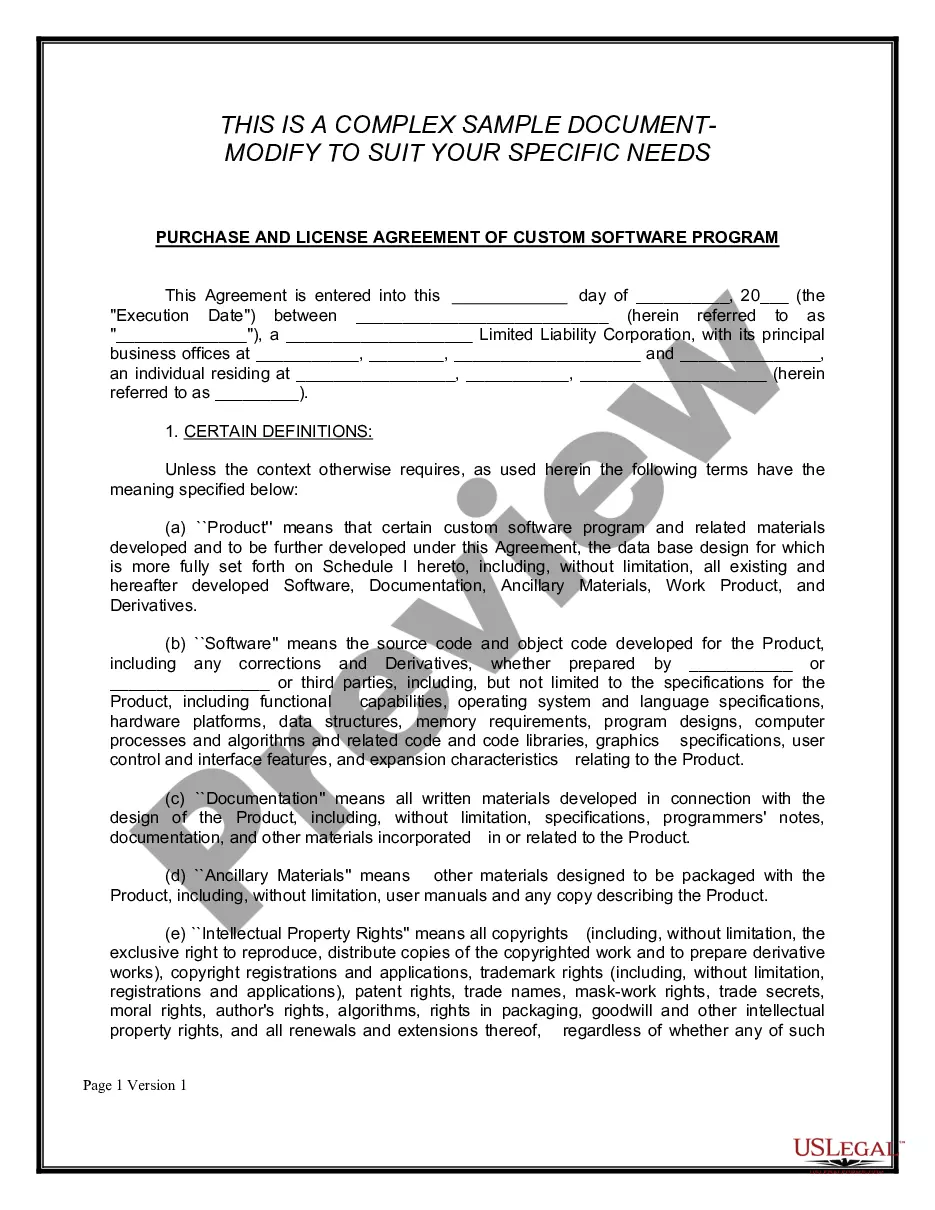
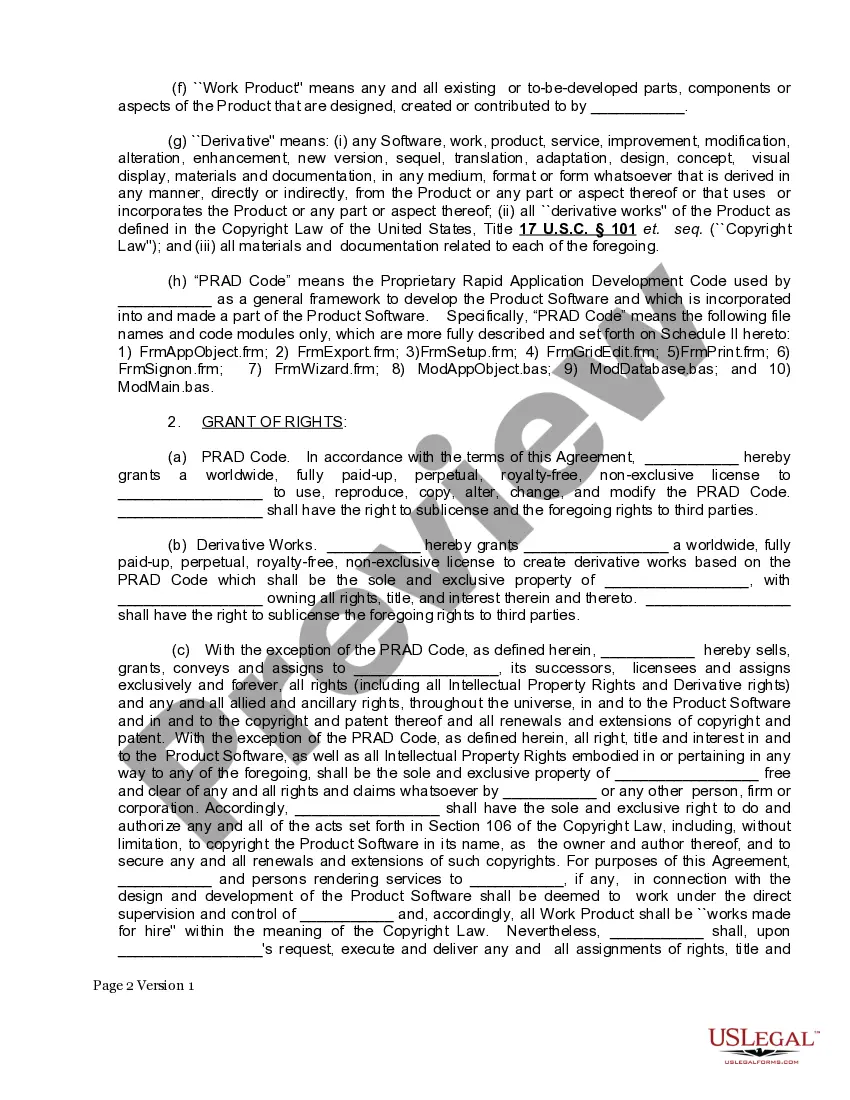
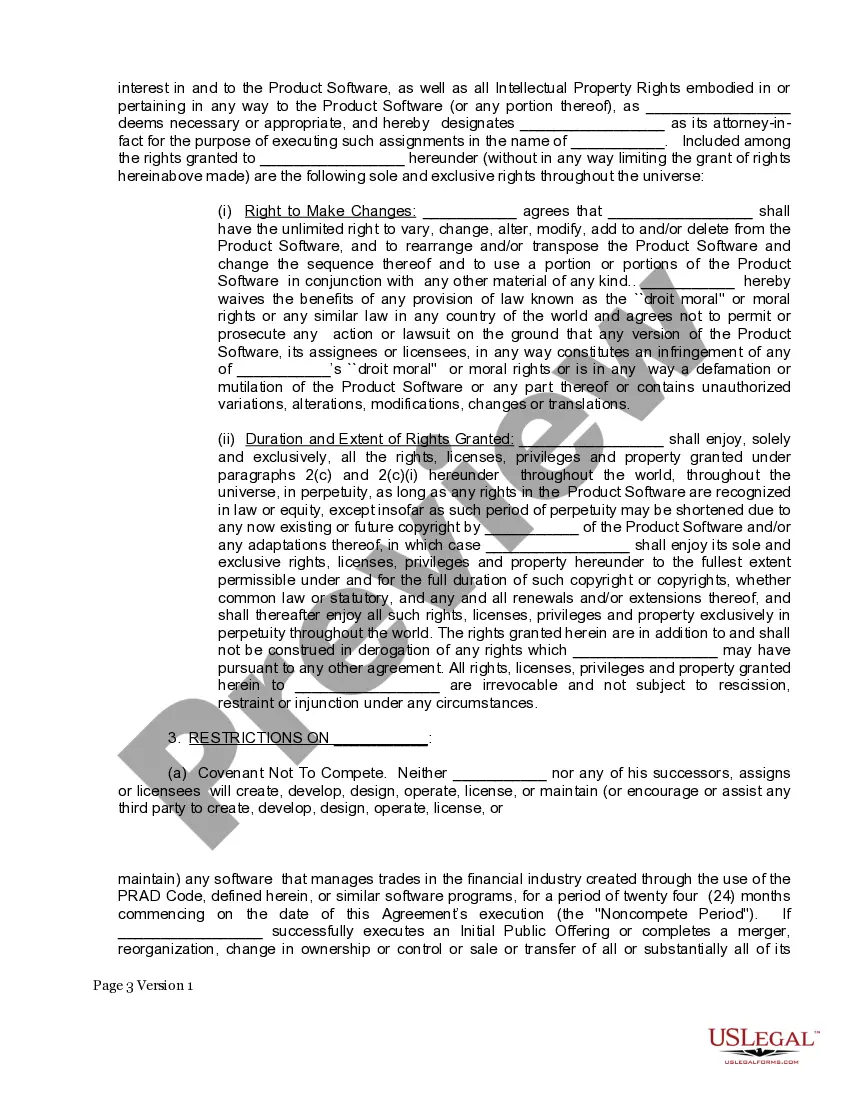
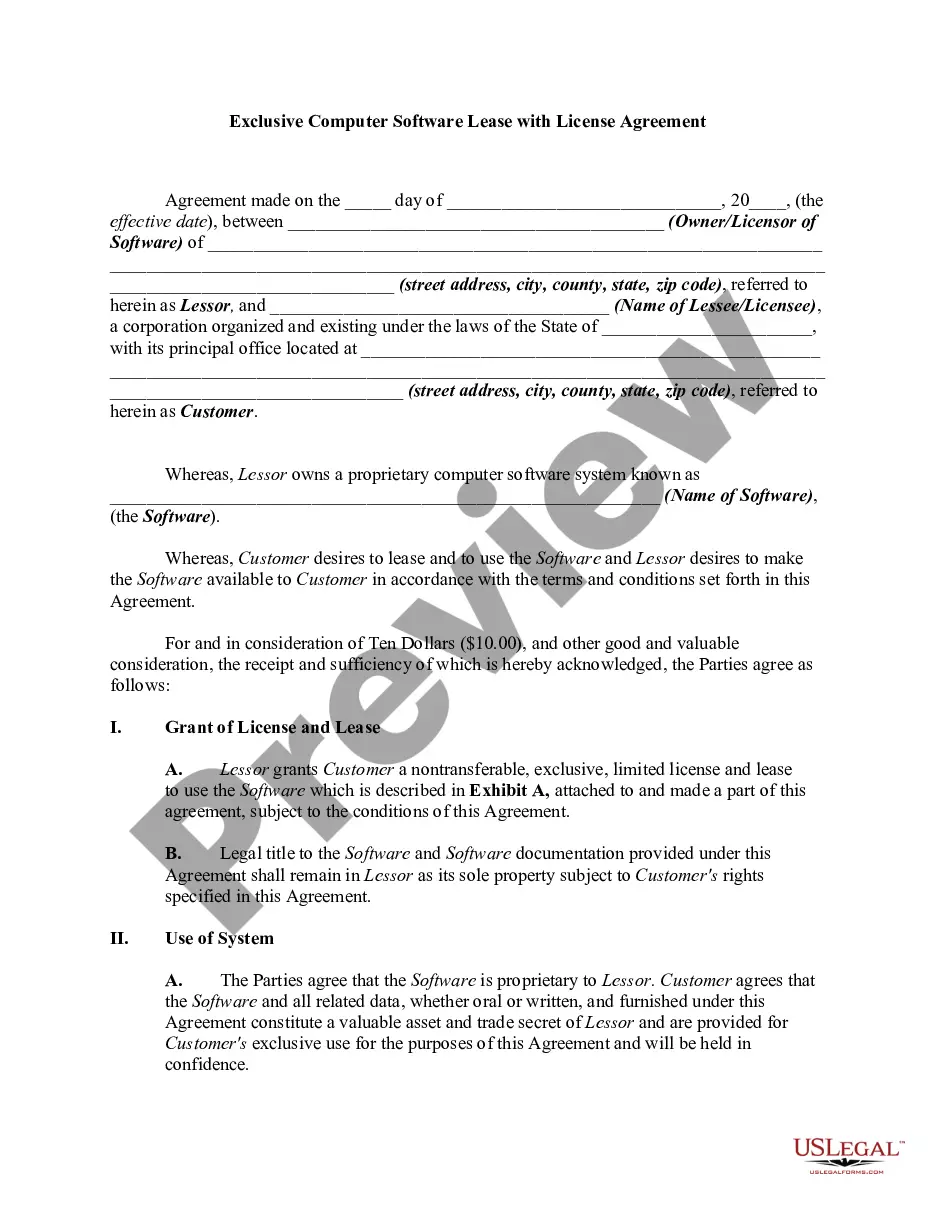
This form is a Purchase and License Agreement of a Custom Software Program. The agreement provides that neither party will be liable for damages or have the right to terminate the agreement for any delay or default in performing the agreement if the delay is beyond the control of the breaching party. The agreement may be executed in counterparts and either party may execute the agreement by signing a counterpart.
Connecticut Purchase and License Agreement of Custom Software Program
Instant download
Description
Free preview
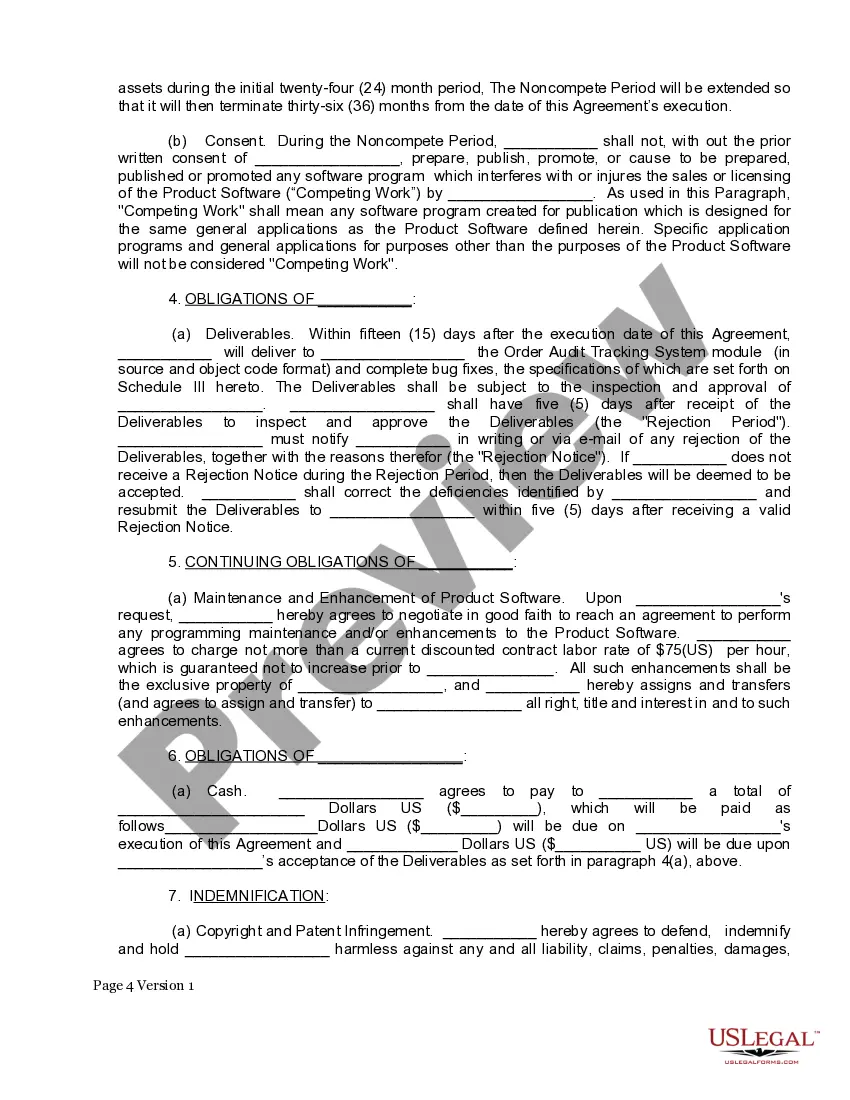
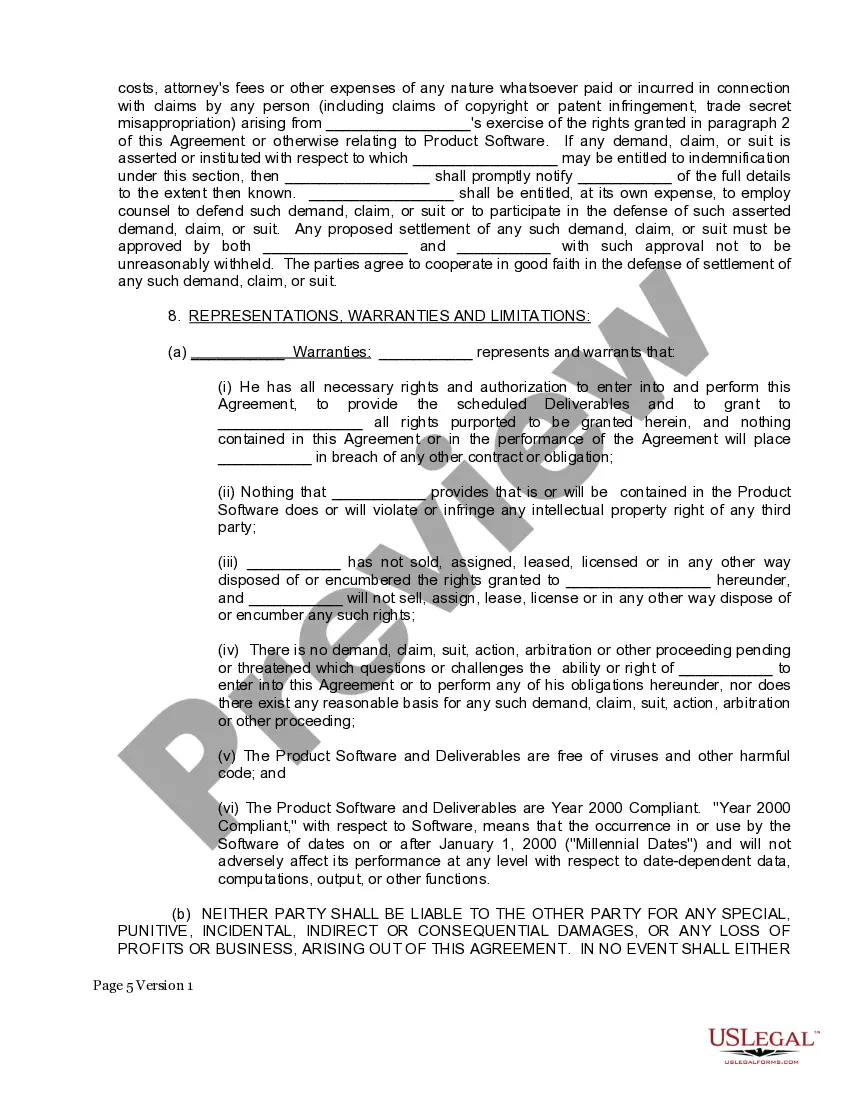
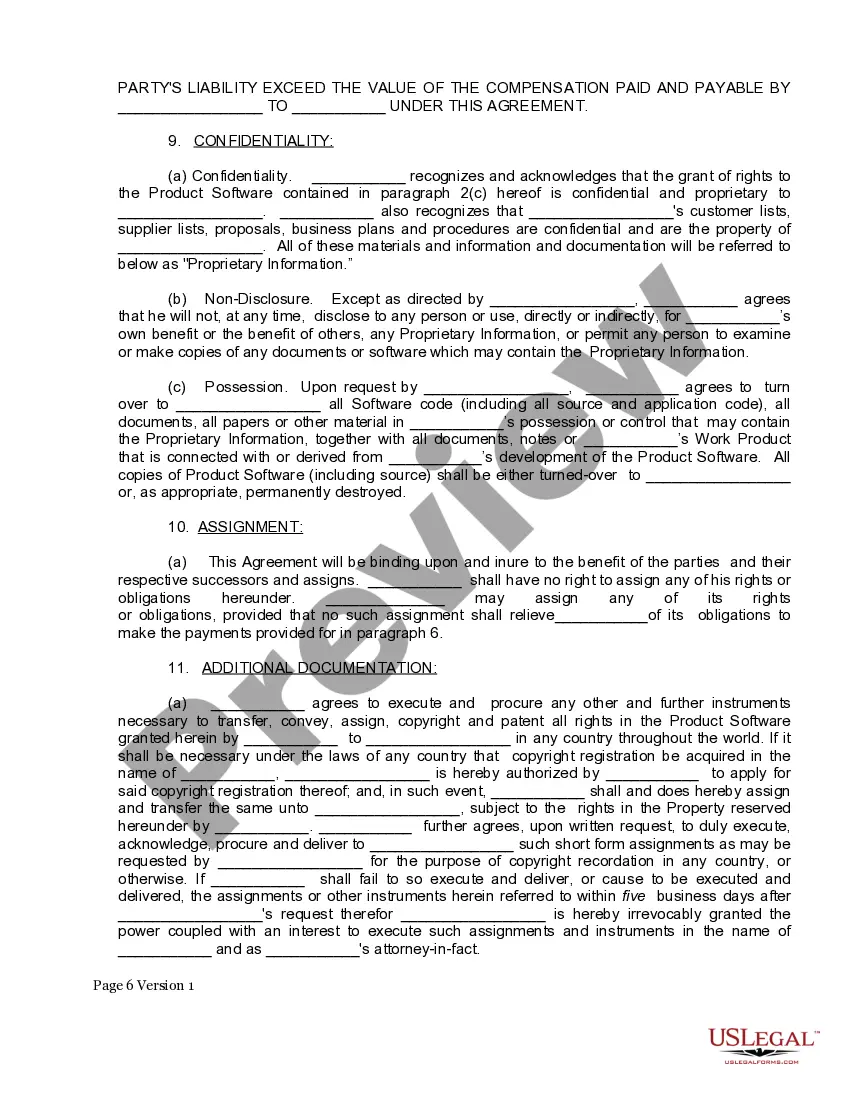
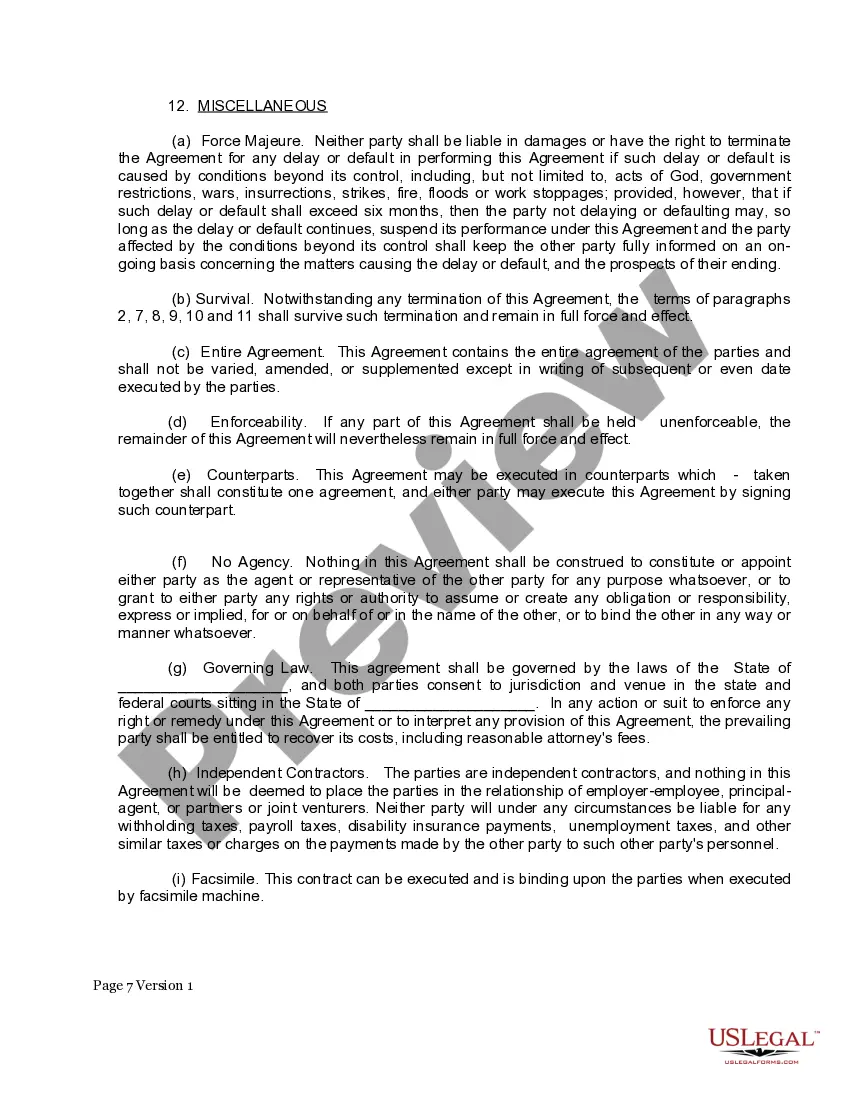

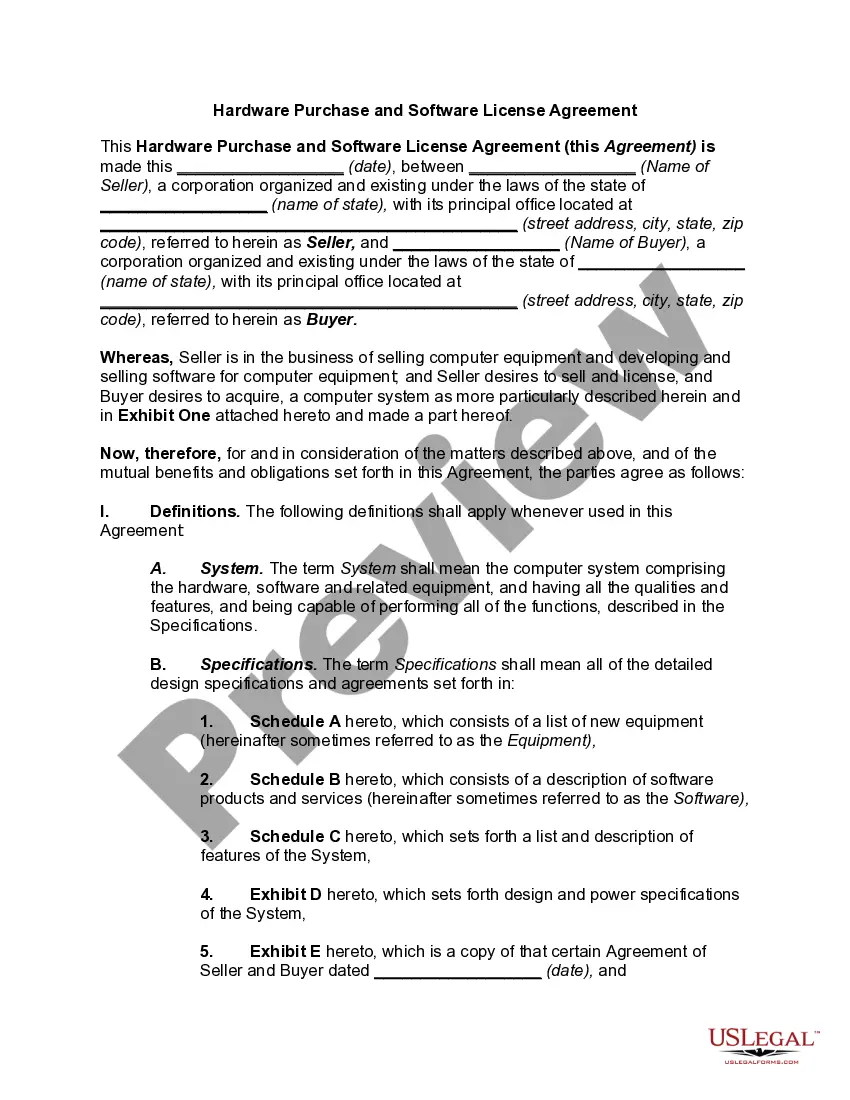
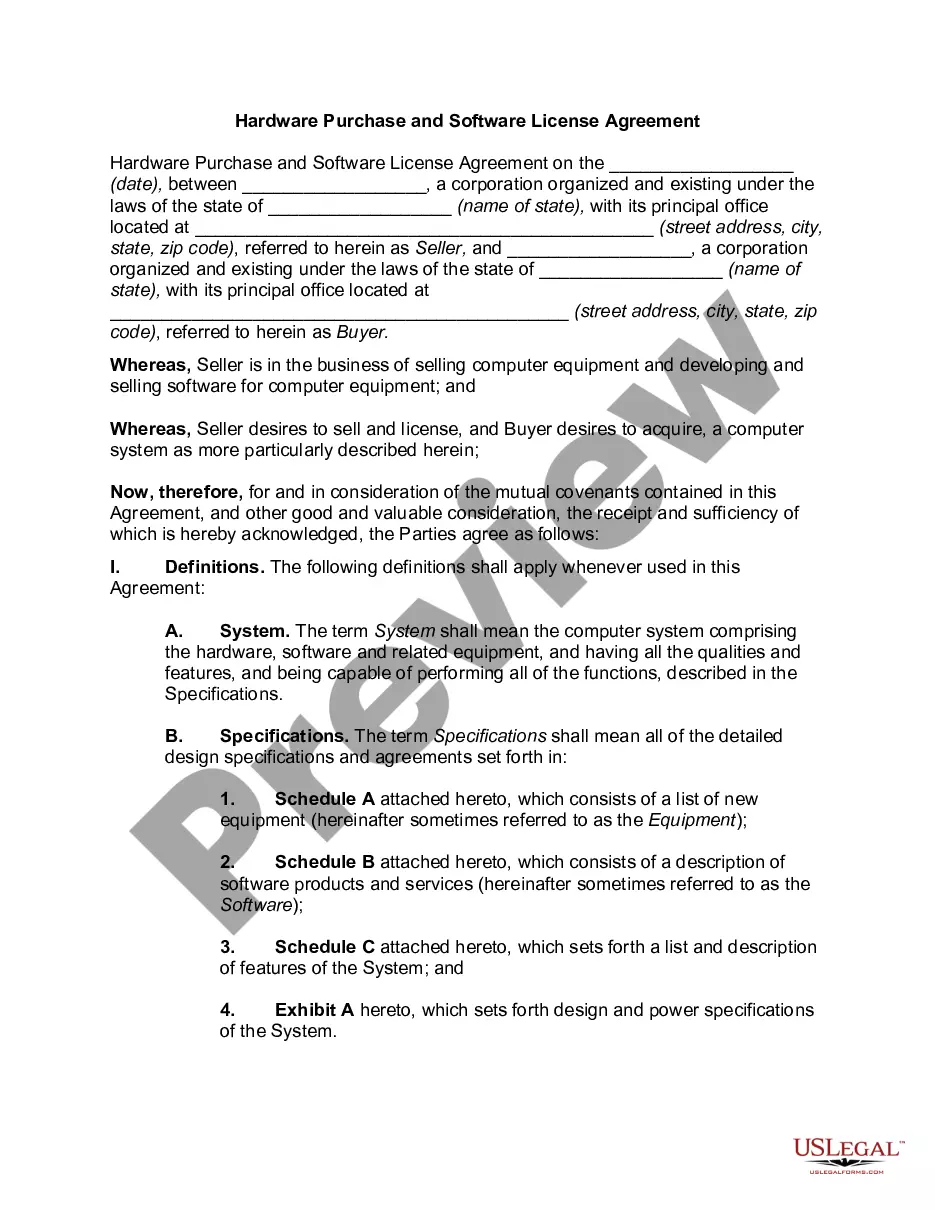
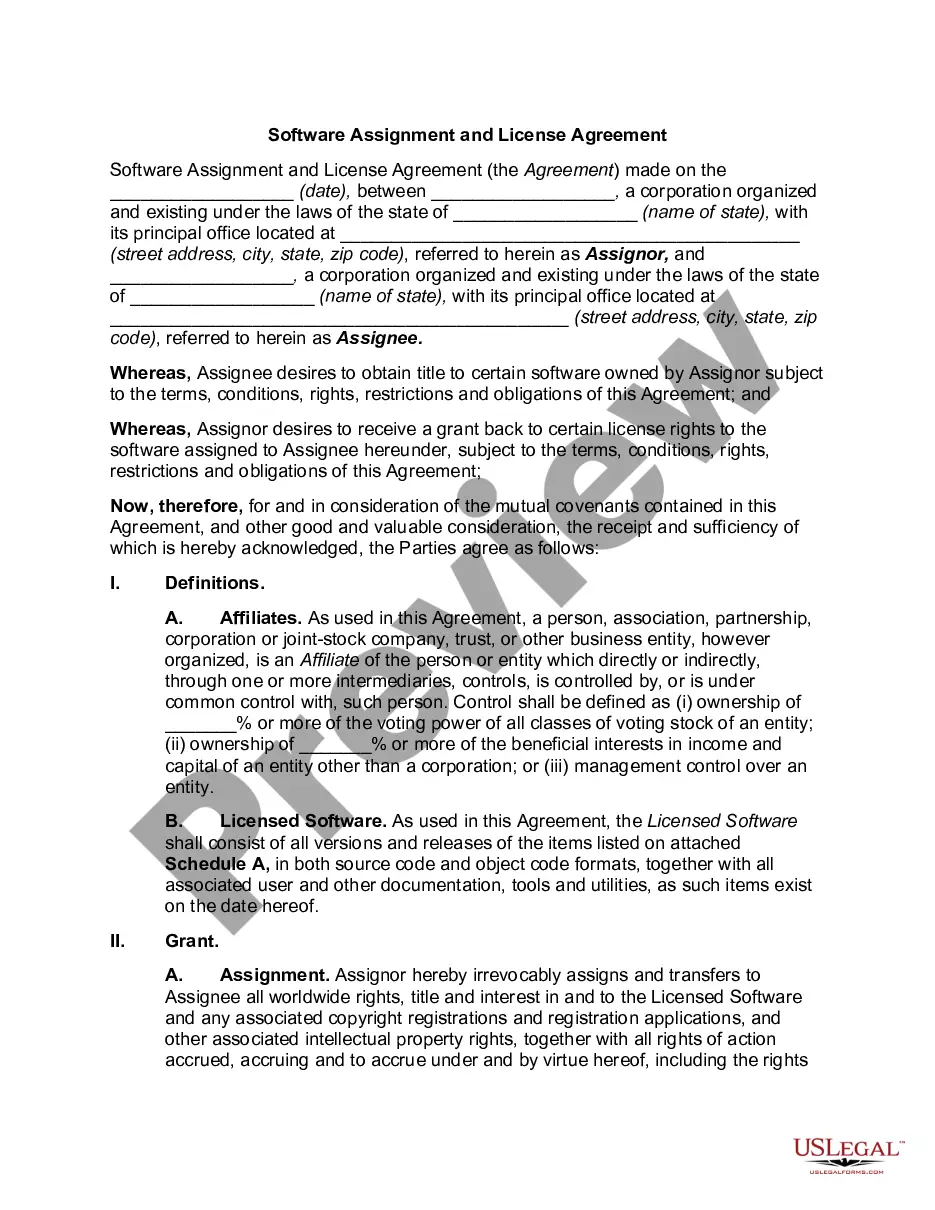
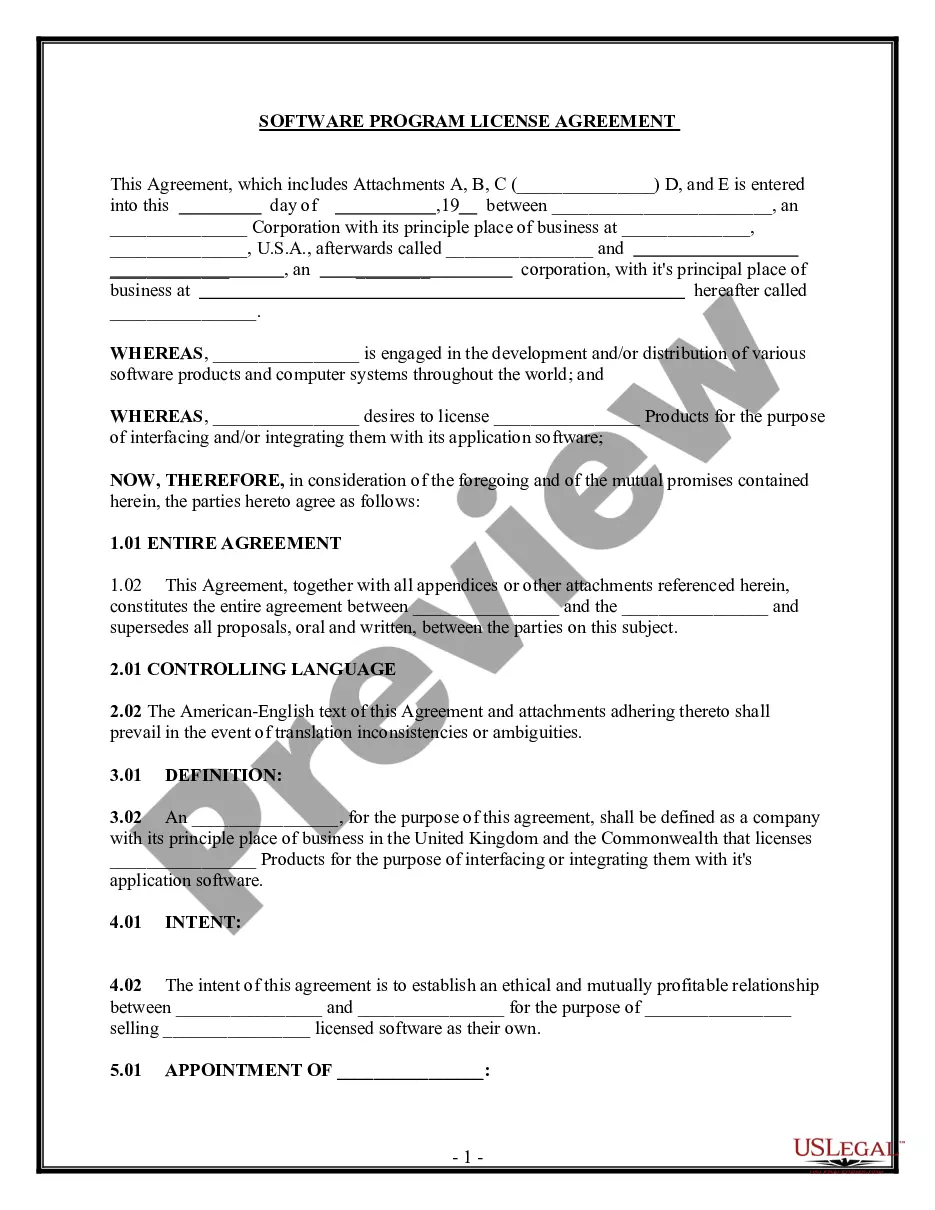

How to fill out Purchase And License Agreement Of Custom Software Program?
If you wish to complete, acquire, or create authorized document templates, utilize US Legal Forms, the largest selection of legal forms available online.
Take advantage of the site's straightforward and user-friendly search to find the documents you need.
An assortment of templates for both business and personal purposes are categorized by type and state, or by keywords.
Step 4. Once you have found the form you need, select the Get now button. Choose your preferred pricing plan and enter your details to register for an account.
Step 5. Complete the transaction. You can use your credit card or PayPal account to finalize the transaction.
- Employ US Legal Forms to obtain the Connecticut Purchase and License Agreement for Custom Software Program with just a few clicks.
- If you are already a US Legal Forms customer, Log Into your account and click the Download button to access the Connecticut Purchase and License Agreement for Custom Software Program.
- You can also access forms you have previously downloaded from the My documents section of your account.
- If you are using US Legal Forms for the first time, follow the steps below.
- Step 1. Ensure you have chosen the form for the correct area/state.
- Step 2. Use the Preview option to review the form's details. Don't forget to read the description.
- Step 3. If you are not satisfied with the form, use the Search field at the top of the screen to find other forms in the legal document format.
Form popularity
FAQ
The use of a proprietary software license is to ensure that the software creator retains control over their intellectual property while allowing you to use the software under agreed conditions. This license helps clarify what you can and cannot do with the software, protecting both the user and the creator. With a Connecticut Purchase and License Agreement of Custom Software Program, you can confidently utilize the software, knowing the rules of engagement are clearly defined.
A proprietary license grants you specific rights to use, modify, and distribute the software under defined conditions. Typically, it limits your ability to share the software publicly or to make unauthorized changes. The Connecticut Purchase and License Agreement of Custom Software Program will detail these rights, helping you navigate your usage while complying with legal requirements.
When you purchase proprietary software, a software license allows you to use the software according to the terms specified in the agreement. This typically includes installing the software on a limited number of devices and using it for designated purposes. The Connecticut Purchase and License Agreement of Custom Software Program clearly outlines these rights, ensuring you understand how to effectively use the software while respecting the creator's rights.
Yes, a software license agreement is a legally binding contract between the software provider and the user. It establishes the terms of use, responsibilities, and rights associated with the software. When you enter into a Connecticut Purchase and License Agreement of Custom Software Program, you are agreeing to adhere to the stipulations laid out within that contract.
The three main types of software contracts include licensing agreements, maintenance agreements, and service level agreements. Licensing agreements cover rights to use software, while maintenance agreements ensure the software remains functional and updated. Service level agreements define the expected performance and support from the software provider, making the Connecticut Purchase and License Agreement of Custom Software Program a crucial document for users.
A EULA, or End User License Agreement, is a type of software license agreement specifically designed for the end user. While both documents outline how the software can be used, a EULA often includes more detailed terms regarding user restrictions. The Connecticut Purchase and License Agreement of Custom Software Program may serve as a broader framework that encompasses various licensing terms, including those found in a EULA.
A software license grants you specific rights to use a software program according to the terms set by the creator. With a Connecticut Purchase and License Agreement of Custom Software Program, you typically gain rights to install, run, and utilize the software for your business needs. Additionally, it may outline any restrictions or obligations you must follow, ensuring both parties understand their roles.
In Connecticut, a buyer representation agreement is not legally required, but it is highly recommended for clarity and protection during software transactions. This agreement can help establish a formal relationship between the buyer and the representative, ensuring that the buyer's interests are prioritized. When engaging in a Connecticut Purchase and License Agreement of Custom Software Program, having such an agreement can facilitate smoother negotiations and provide legal backing if disputes arise. For more guidance, consider using uslegalforms to access templates and resources tailored to your needs.
A license agreement of software outlines the terms under which a user can access and use a software program. In the context of a Connecticut Purchase and License Agreement of Custom Software Program, this document specifies the rights and restrictions concerning the software. It establishes how the software can be used, any limitations on distribution, and the responsibilities of both the creator and the user. Understanding this agreement is crucial for both parties to ensure compliance and prevent legal issues.
Yes, software licenses are generally taxable in Connecticut. This includes licenses for both custom and pre-written software. If you are drafting a Connecticut Purchase and License Agreement of Custom Software Program, be mindful of the sales tax associated with software licenses, as it can impact your overall investment.