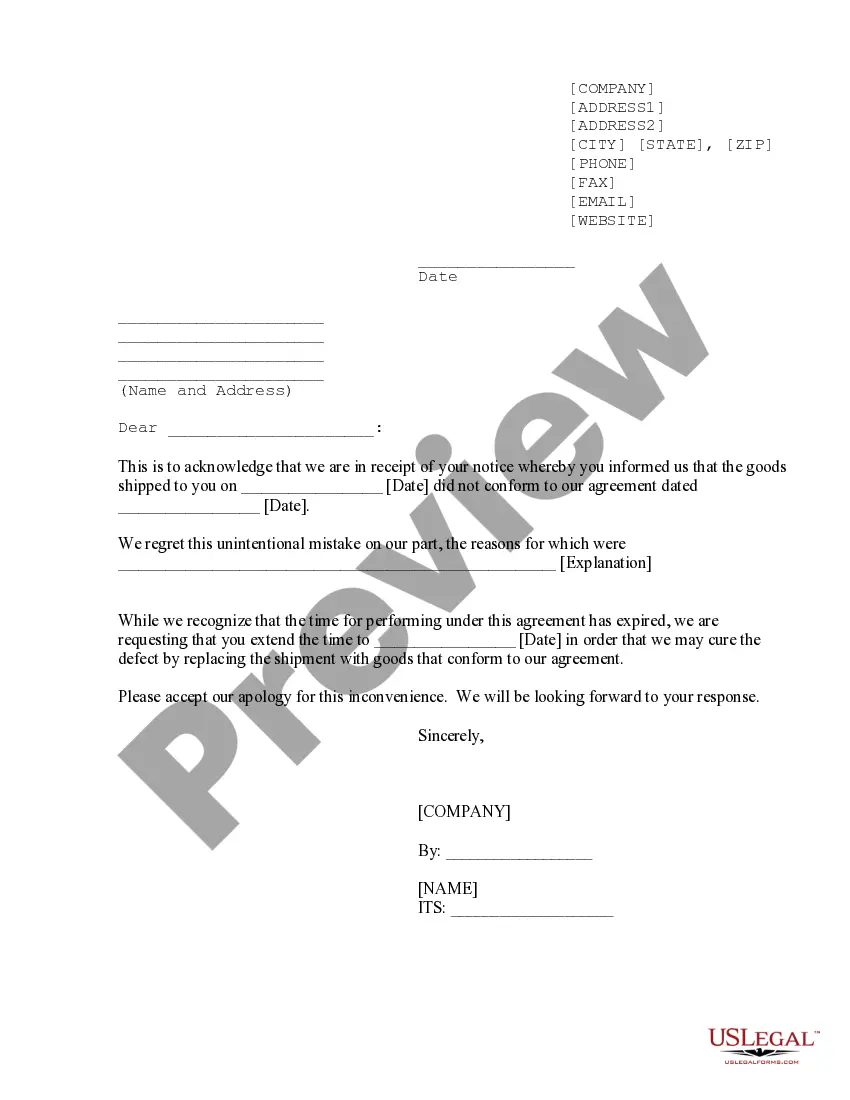
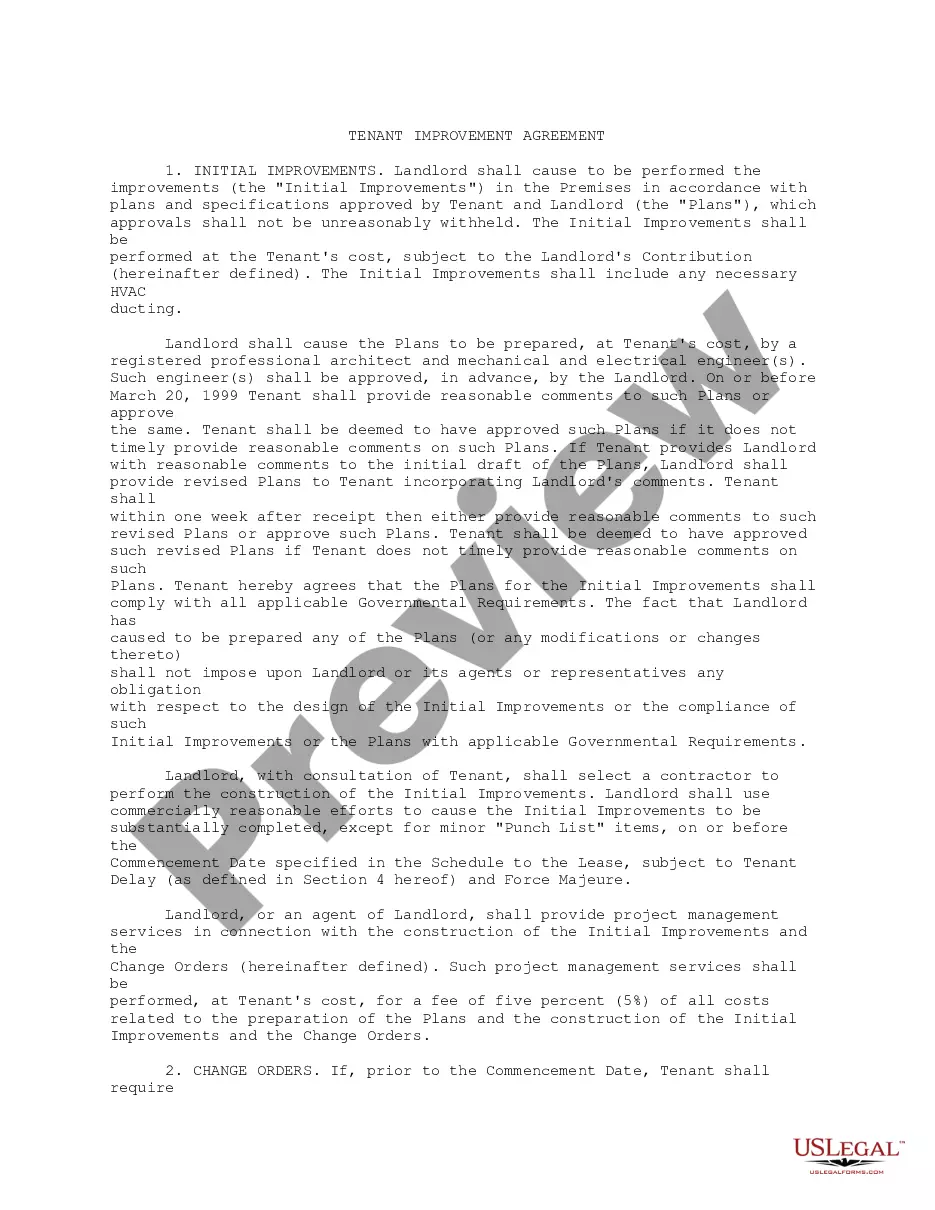
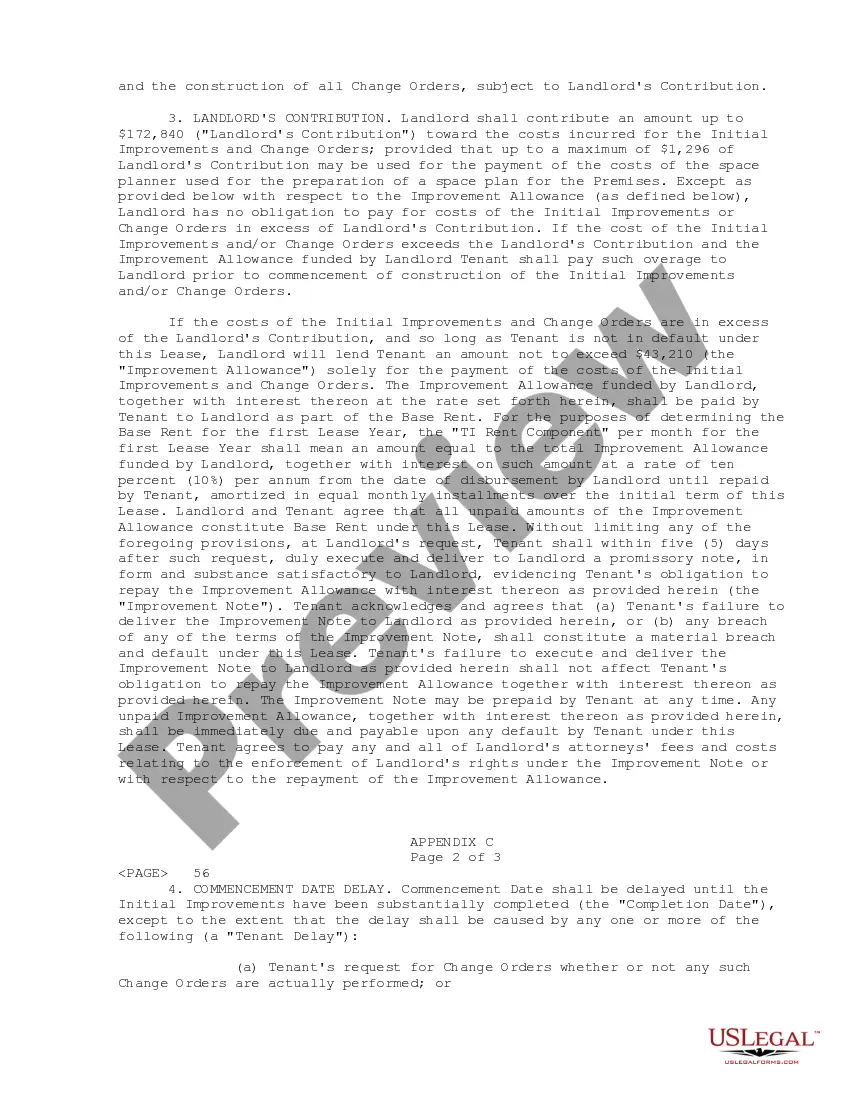
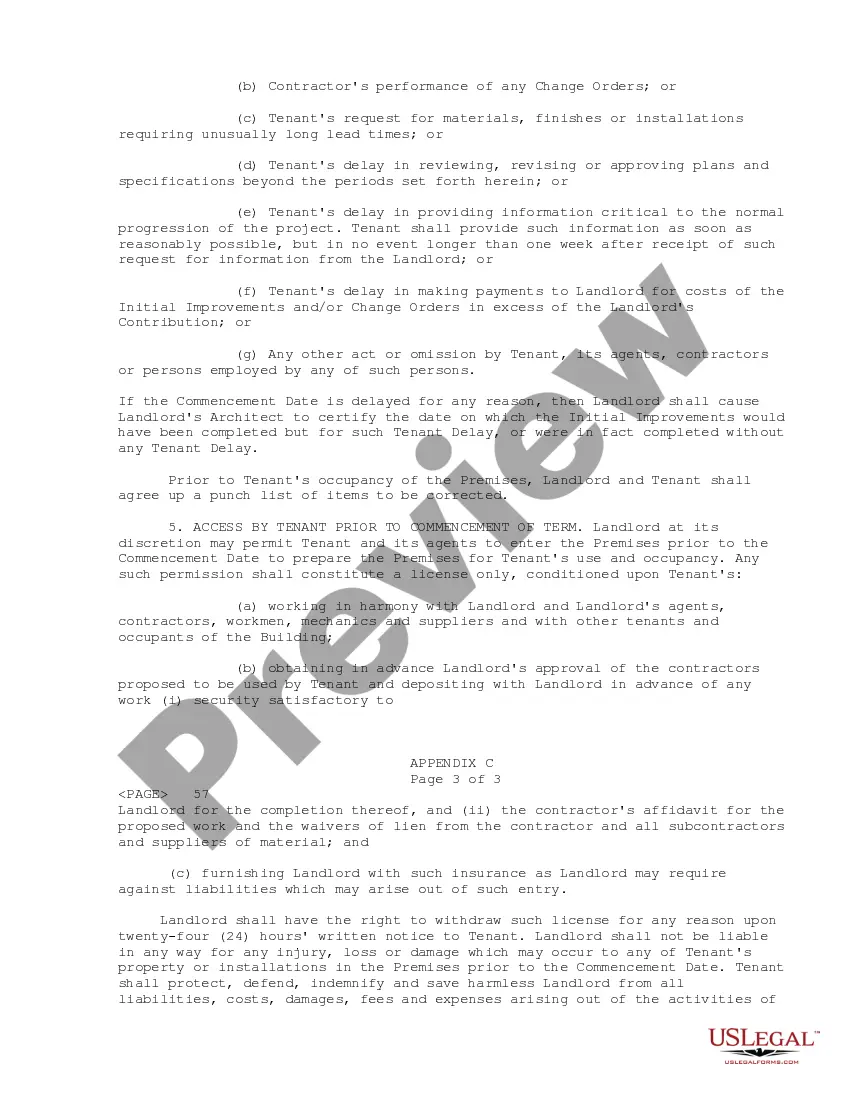
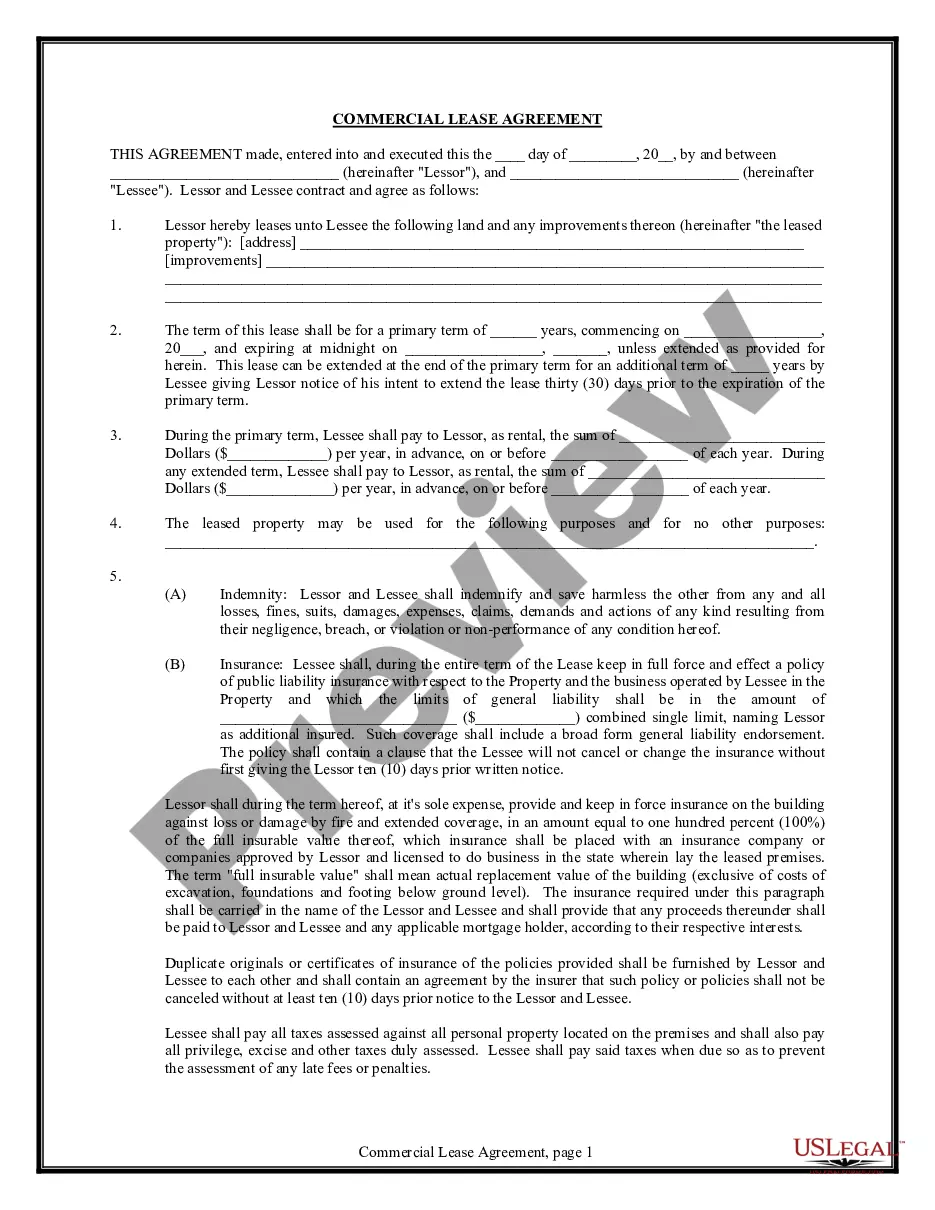
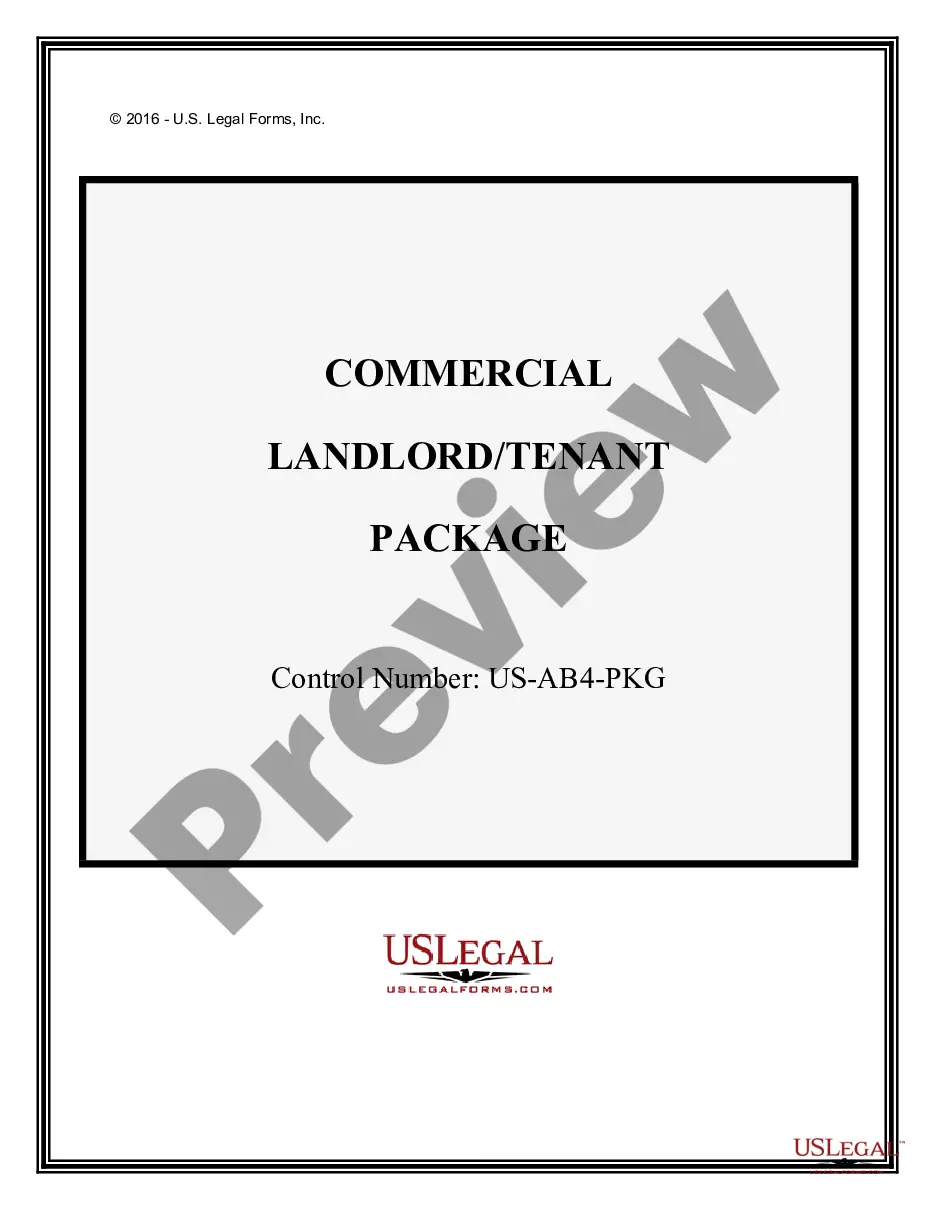
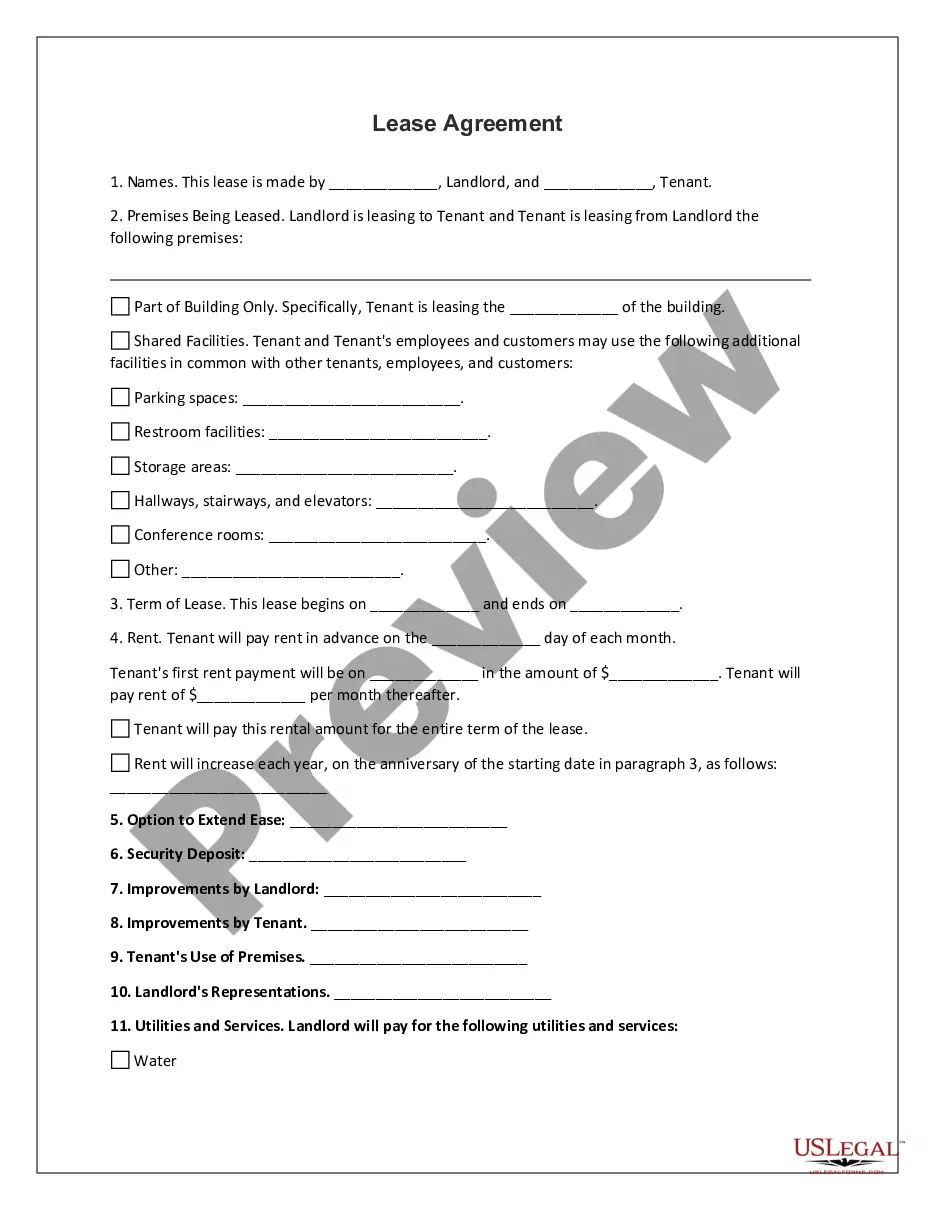
Connecticut Tenant Improvement Lease
Description
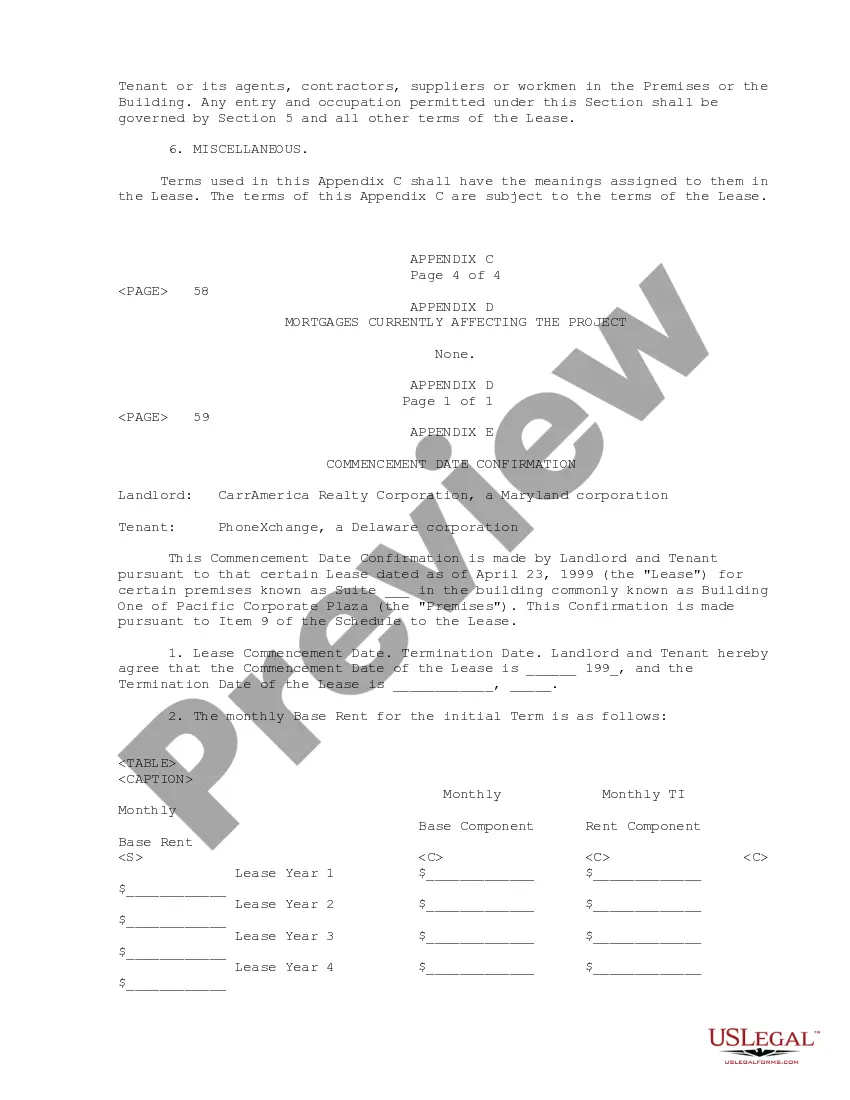
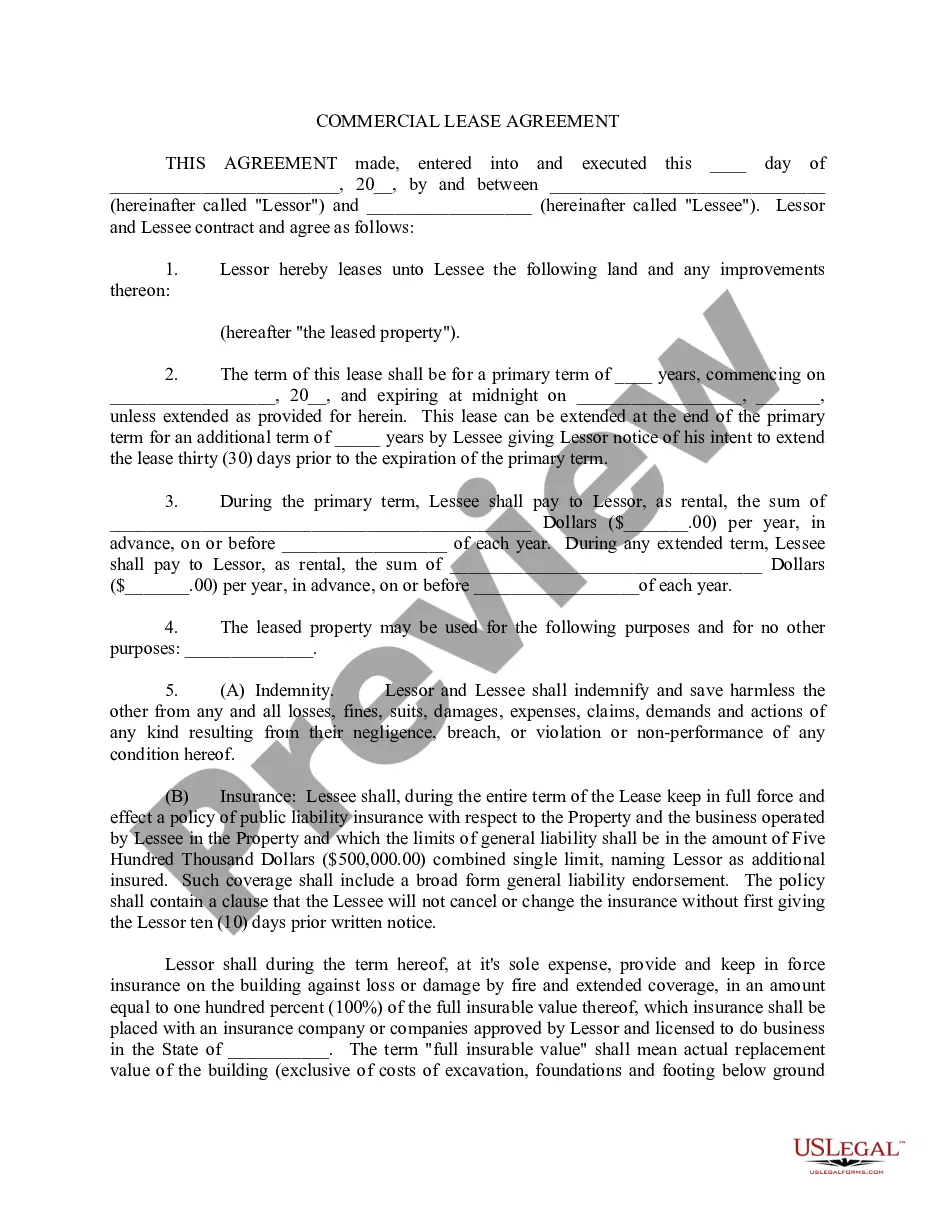
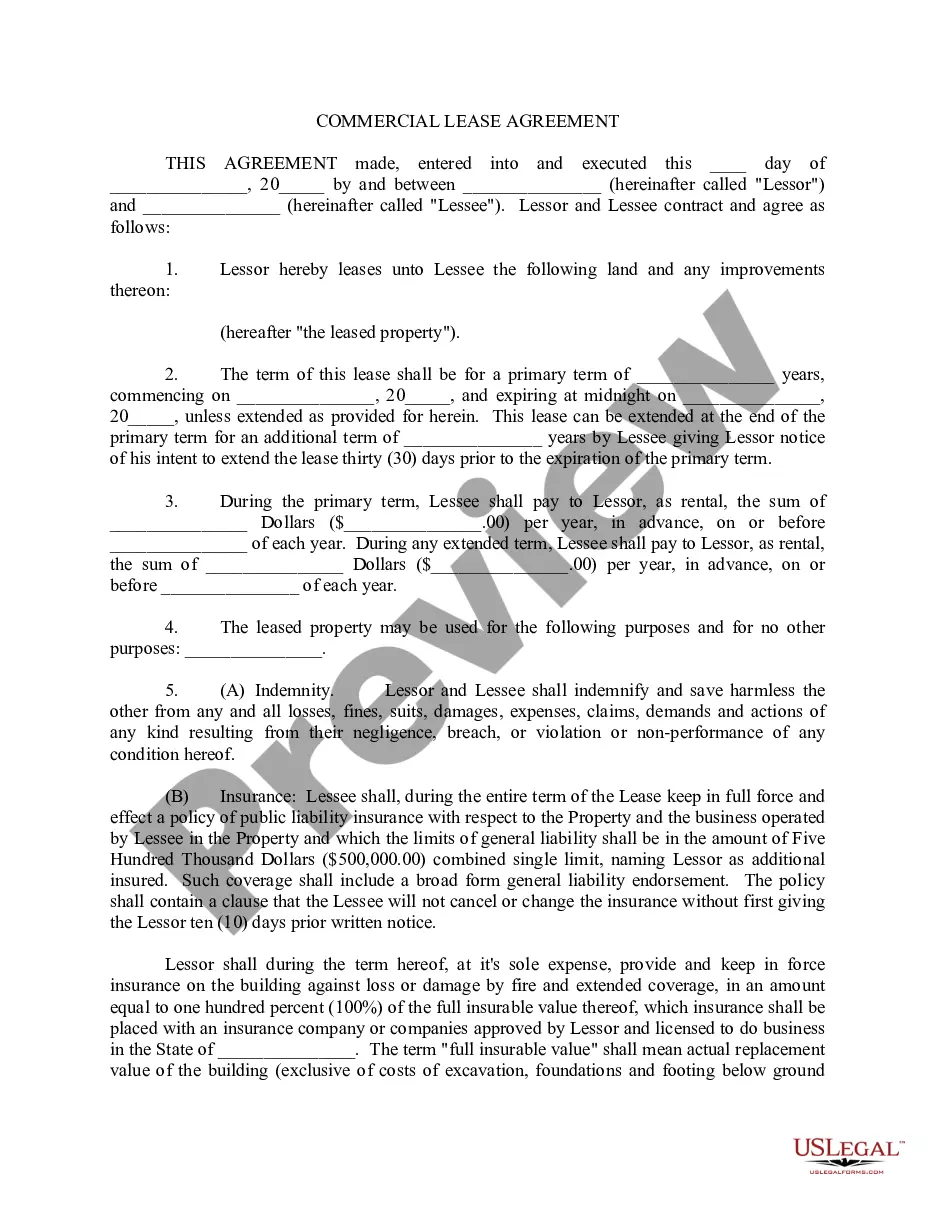
Get your form ready online
Our built-in tools help you complete, sign, share, and store your documents in one place.
Make edits, fill in missing information, and update formatting in US Legal Forms—just like you would in MS Word.
Download a copy, print it, send it by email, or mail it via USPS—whatever works best for your next step.
Sign and collect signatures with our SignNow integration. Send to multiple recipients, set reminders, and more. Go Premium to unlock E-Sign.
If this form requires notarization, complete it online through a secure video call—no need to meet a notary in person or wait for an appointment.
We protect your documents and personal data by following strict security and privacy standards.

Make edits, fill in missing information, and update formatting in US Legal Forms—just like you would in MS Word.

Download a copy, print it, send it by email, or mail it via USPS—whatever works best for your next step.

Sign and collect signatures with our SignNow integration. Send to multiple recipients, set reminders, and more. Go Premium to unlock E-Sign.

If this form requires notarization, complete it online through a secure video call—no need to meet a notary in person or wait for an appointment.

We protect your documents and personal data by following strict security and privacy standards.
Looking for another form?
How to fill out Tenant Improvement Lease?
You may devote several hours on-line looking for the lawful document template that fits the state and federal specifications you will need. US Legal Forms provides a large number of lawful varieties that happen to be analyzed by pros. You can easily acquire or produce the Connecticut Tenant Improvement Lease from your support.
If you currently have a US Legal Forms bank account, it is possible to log in and then click the Down load button. After that, it is possible to full, modify, produce, or indicator the Connecticut Tenant Improvement Lease. Each lawful document template you get is the one you have permanently. To have another backup for any bought develop, check out the My Forms tab and then click the related button.
If you work with the US Legal Forms site the very first time, stick to the straightforward instructions under:
- First, ensure that you have selected the proper document template for your state/metropolis of your choice. See the develop outline to ensure you have selected the proper develop. If available, use the Preview button to check throughout the document template also.
- If you would like discover another version of the develop, use the Lookup field to find the template that suits you and specifications.
- After you have located the template you desire, click Buy now to proceed.
- Choose the pricing prepare you desire, enter your references, and register for a free account on US Legal Forms.
- Total the financial transaction. You should use your bank card or PayPal bank account to pay for the lawful develop.
- Choose the structure of the document and acquire it to the system.
- Make alterations to the document if needed. You may full, modify and indicator and produce Connecticut Tenant Improvement Lease.
Down load and produce a large number of document templates utilizing the US Legal Forms Internet site, which provides the most important collection of lawful varieties. Use specialist and state-distinct templates to take on your small business or specific demands.
Form popularity
FAQ
Limits on Rent Increases Landlords cannot raise rent more than 10% total or 5% plus the percentage change in the cost of living ? whichever is lower ? over a 12-month period. If the tenants of a unit move out and new tenants move in, the landlord may establish the initial rent to charge.
What are some examples of TI's? Every business has specific needs and TI's enable them to customize a lease space to meet specific needs. Some examples of TI's include adding walled offices, a break room or kitchen, an additional bathroom, conference rooms, drop ceilings and painting.
Approximately two dozen cities and towns have them, including New Haven, Hartford, Stamford, Norwalk, Bridgeport, Glastonbury, Enfield, and West Hartford.
Connecticut saw the third largest decrease in rent price growth in the country in the last few months, behind New Hampshire and Louisiana, ing to the study. The median rent in Connecticut is $2,000, with a year-over-year cost increase of 1.19%.
No, Connecticut does not have statewide rent control laws limiting the amount that landlords may ask for rent. State law prohibits local governments from establishing their own rent control laws except to establish a fair rent commission that handles complaints and prevents landlords from charging excessive rents.
No, Connecticut does not have statewide rent control laws limiting the amount that landlords may ask for rent. State law prohibits local governments from establishing their own rent control laws except to establish a fair rent commission that handles complaints and prevents landlords from charging excessive rents.
A tenant improvement allowance, or TIA, is a sum of money provided by a landlord to pay all or some of a tenant's build-out costs for a commercial space. These agreements are typically negotiated as part of the lease negotiations, greatly minimizing a tenant's out-of-pocket expenses.
The TIA accounting standards process typically involves the following steps: Record the TIA as a Liability. The landlord pays the TIA amount to the tenant. ... Capitalize the Improvements. The tenant then uses the TIA funds to make improvements to the office space. ... Amortize the TIA. ... Record Depreciation Expense.