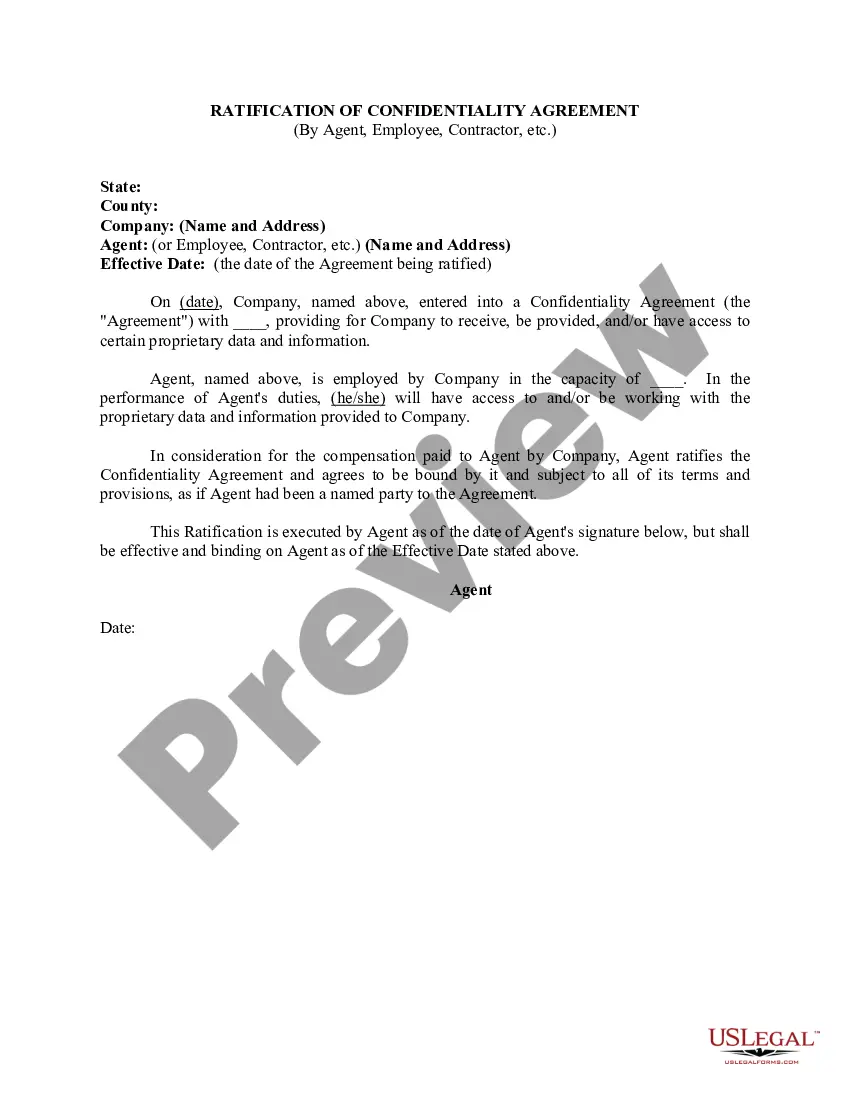
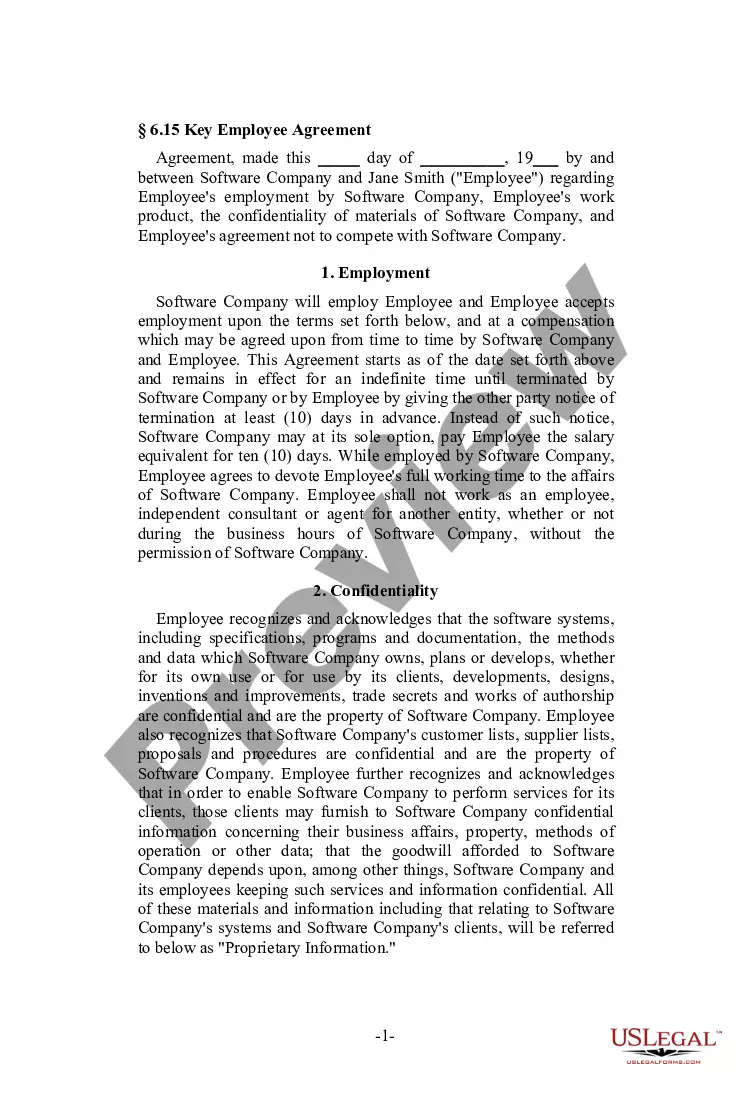
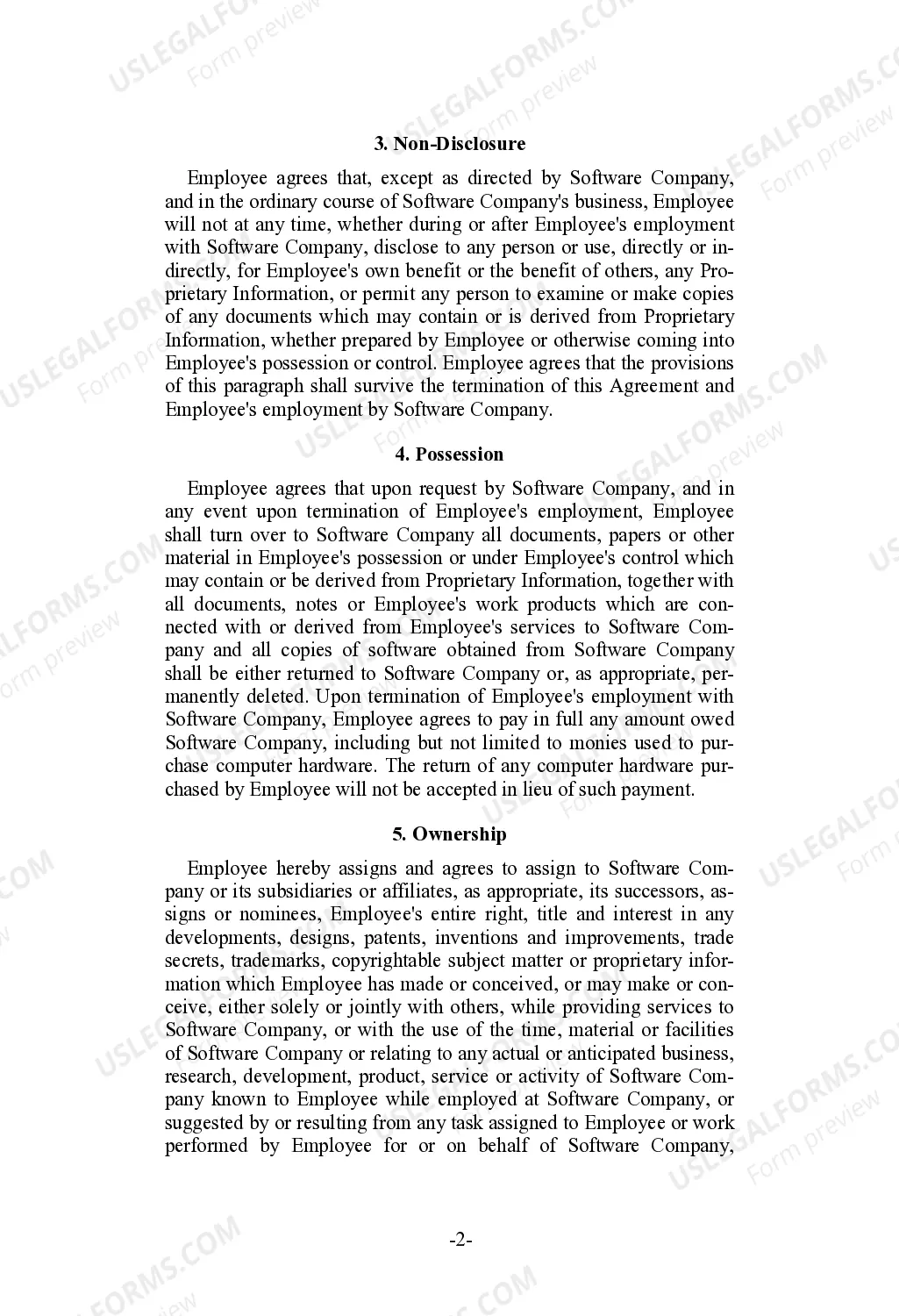
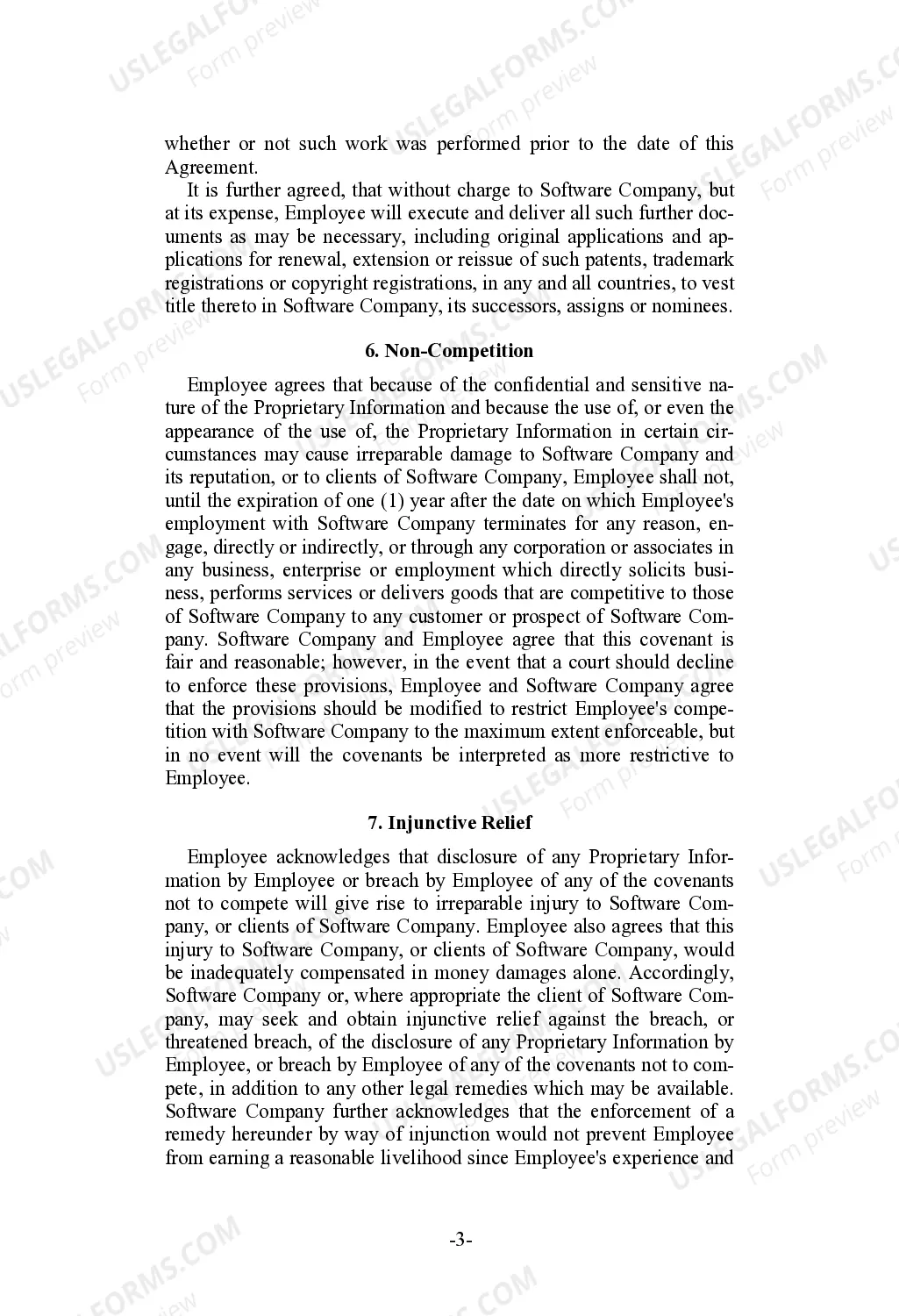
Connecticut Key Employee Agreement
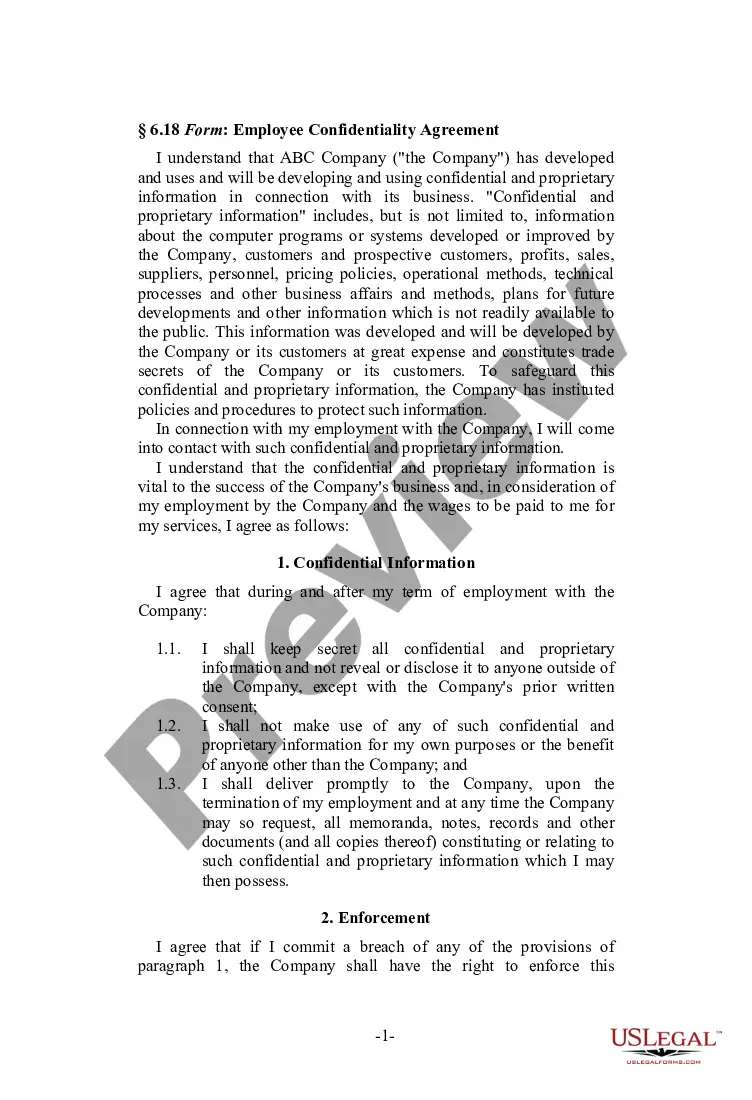
Description
Get your form ready online
Our built-in tools help you complete, sign, share, and store your documents in one place.
Make edits, fill in missing information, and update formatting in US Legal Forms—just like you would in MS Word.
Download a copy, print it, send it by email, or mail it via USPS—whatever works best for your next step.
Sign and collect signatures with our SignNow integration. Send to multiple recipients, set reminders, and more. Go Premium to unlock E-Sign.
If this form requires notarization, complete it online through a secure video call—no need to meet a notary in person or wait for an appointment.
We protect your documents and personal data by following strict security and privacy standards.

Make edits, fill in missing information, and update formatting in US Legal Forms—just like you would in MS Word.

Download a copy, print it, send it by email, or mail it via USPS—whatever works best for your next step.

Sign and collect signatures with our SignNow integration. Send to multiple recipients, set reminders, and more. Go Premium to unlock E-Sign.

If this form requires notarization, complete it online through a secure video call—no need to meet a notary in person or wait for an appointment.

We protect your documents and personal data by following strict security and privacy standards.
Looking for another form?



How to fill out Key Employee Agreement?
It is possible to commit hours online trying to find the lawful file design which fits the federal and state needs you need. US Legal Forms offers a large number of lawful varieties that are evaluated by professionals. It is simple to down load or print out the Connecticut Key Employee Agreement from our assistance.
If you already possess a US Legal Forms accounts, you are able to log in and click the Acquire switch. Afterward, you are able to full, change, print out, or signal the Connecticut Key Employee Agreement. Every single lawful file design you purchase is your own forever. To acquire an additional version of any acquired kind, check out the My Forms tab and click the corresponding switch.
If you use the US Legal Forms website initially, adhere to the straightforward recommendations beneath:
- Initially, make certain you have chosen the right file design for that region/town of your choice. Browse the kind information to make sure you have chosen the proper kind. If offered, take advantage of the Preview switch to check throughout the file design as well.
- If you would like find an additional version in the kind, take advantage of the Research discipline to obtain the design that meets your requirements and needs.
- Once you have identified the design you want, click on Get now to carry on.
- Choose the costs prepare you want, enter your qualifications, and sign up for a merchant account on US Legal Forms.
- Comprehensive the financial transaction. You may use your credit card or PayPal accounts to purchase the lawful kind.
- Choose the structure in the file and down load it for your gadget.
- Make adjustments for your file if needed. It is possible to full, change and signal and print out Connecticut Key Employee Agreement.
Acquire and print out a large number of file templates making use of the US Legal Forms website, that provides the biggest assortment of lawful varieties. Use expert and state-specific templates to deal with your company or specific demands.
Form popularity
FAQ
No state or federal law generally defines part-time employment, although for unemployment compensation purposes state law defines it as ?any job normally requiring less than 35 hours of service each week? (CGS ? 31-236(b)).
How to Define Part-Time vs Full Time Employees. Short answer: Full-time employment is usually considered between 30-40 hours a week, while part-time employment is usually less than 30 hours a week.
You must begin withholding at the highest marginal rate of 6.99%, from each employee who claimed exempt status from Connecticut income tax withholding in the prior year and who did not provide a new Form CT-W4 on or before February 15 of the current year. See Employees Claiming Exemption on Page 10.
In the United States, the IRS classifies any employee who works an average of 32 to 40 hours per week or 130 hours per month as full-time. This maximum amount began in 1938 when Congress passed the Fair Labor Standards Act, which required employers to pay overtime to all employees who worked more than 44 hours a week.
Regulations established by the Fair Labor Standards Act define a working week as any seven consecutive working days and a total of 40 hours for this period. Anything over 40 hours counts as overtime and must be compensated at a higher hourly rate.
Under Connecticut law, employees who work seven-and-a-half or more consecutive hours must be given a break of at least 30 consecutive minutes for a meal. The break must be given at some point after the first two hours of work and before the last two hours.
Similarly, Connecticut businesses aren't under any obligation to offer severance packages. This is because severance pay isn't a right in Connecticut. Since Connecticut is an employment-at-will state, business owners can fire employees without reason or notice.
No state or federal law generally defines part-time employment, although for unemployment compensation purposes state law defines it as ?any job normally requiring less than 35 hours of service each week? (CGS ? 31-236(b)).