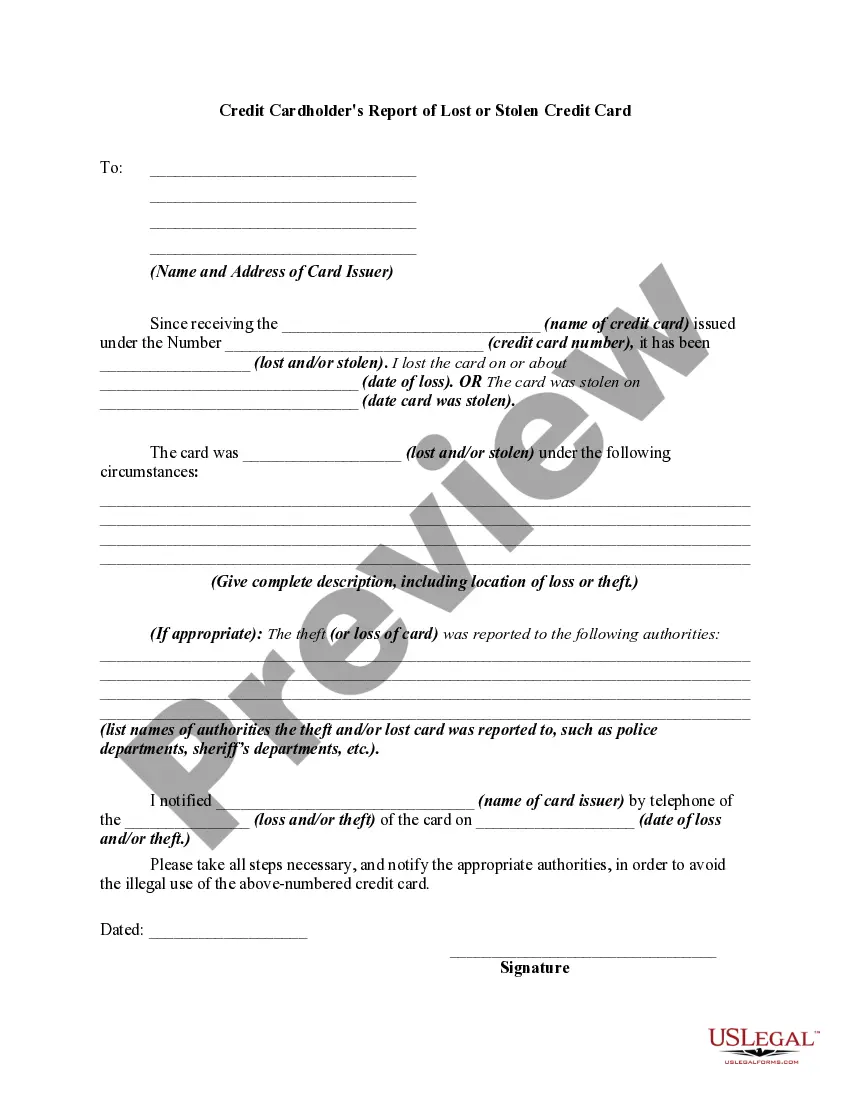
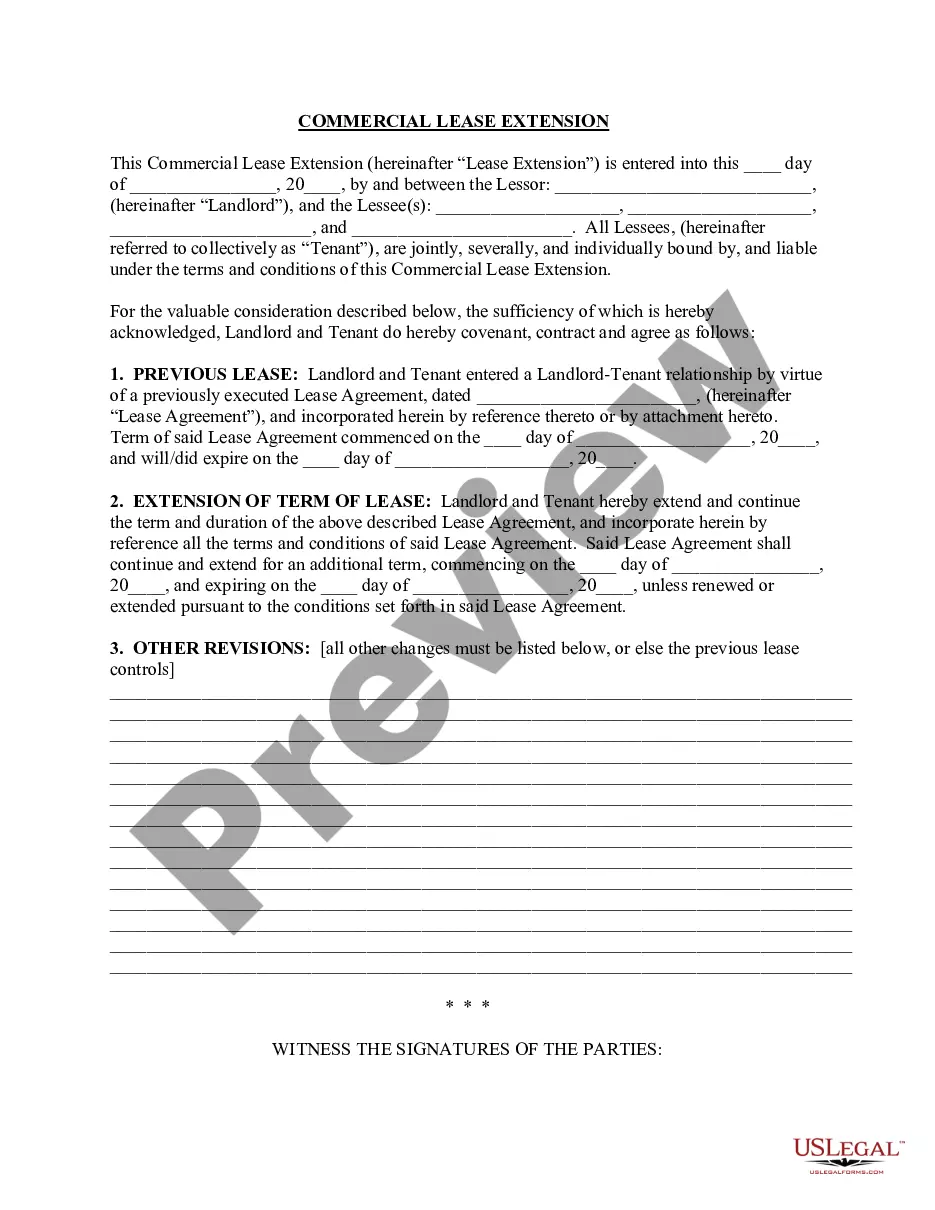
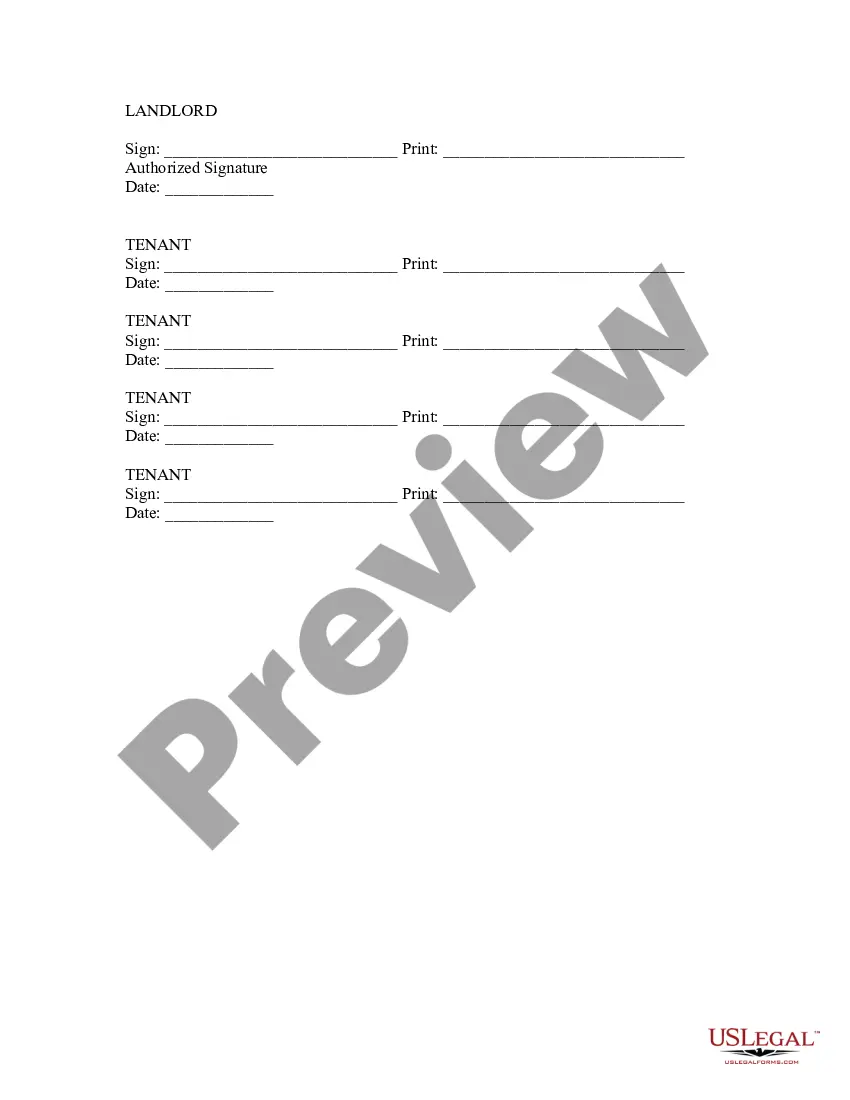
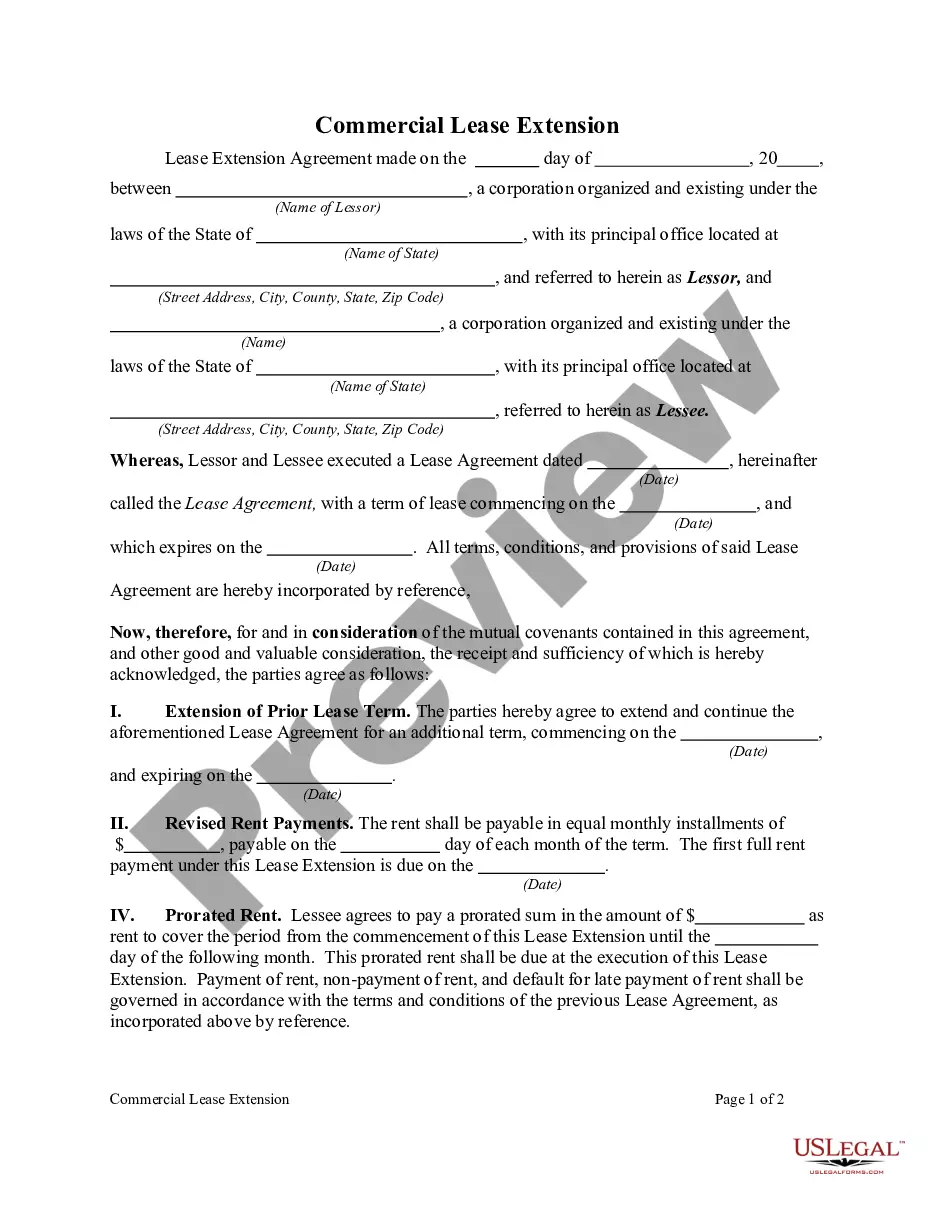
Connecticut Commercial Lease Extension
Description
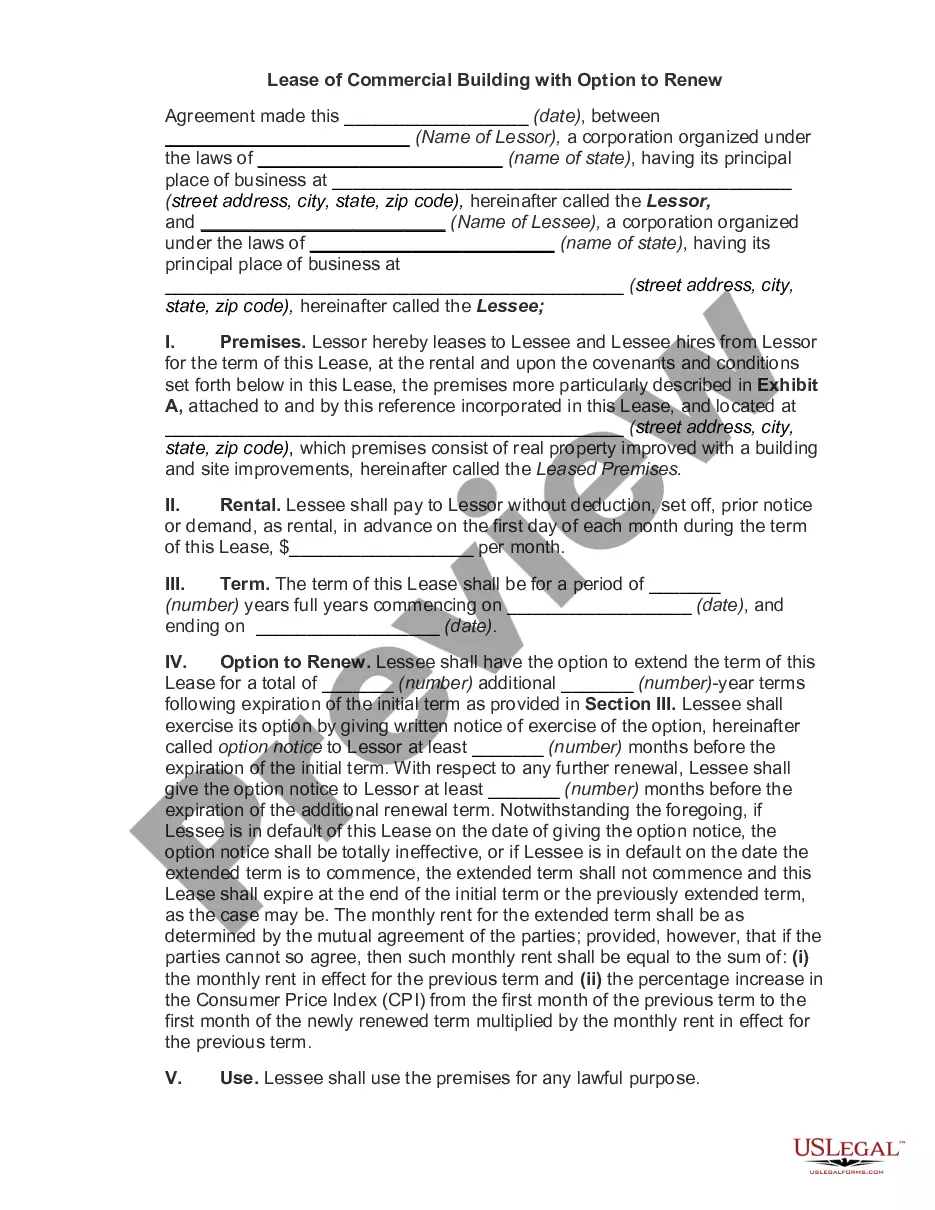
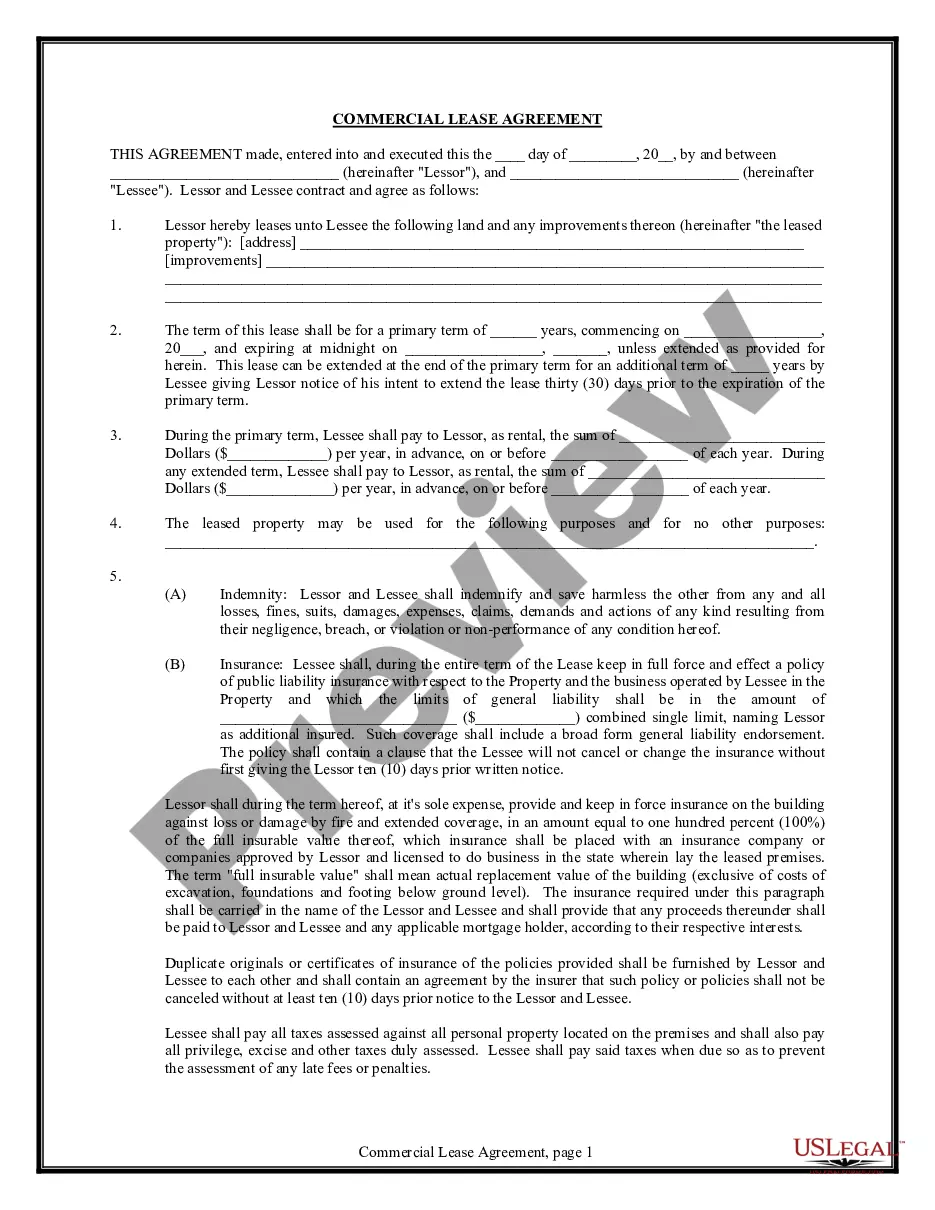
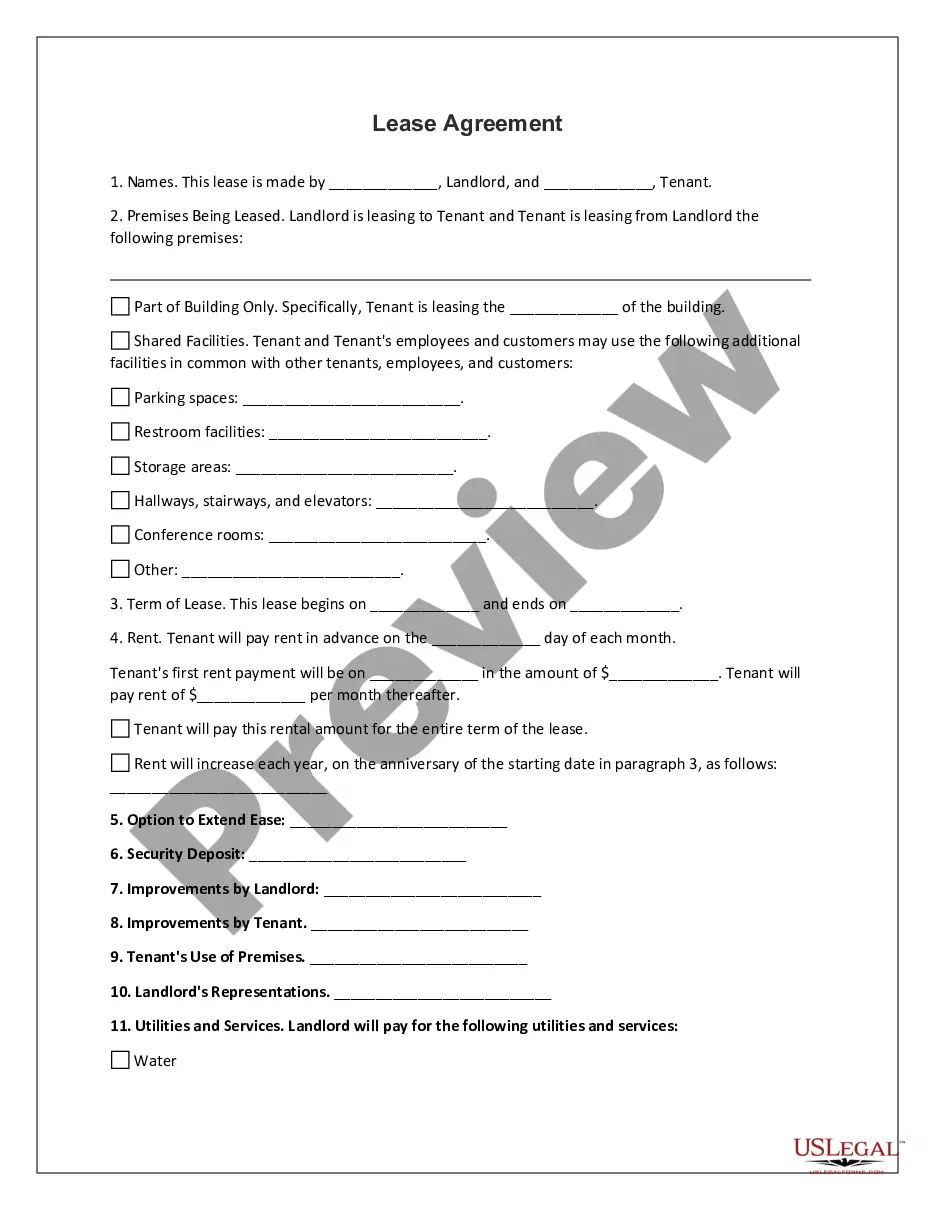
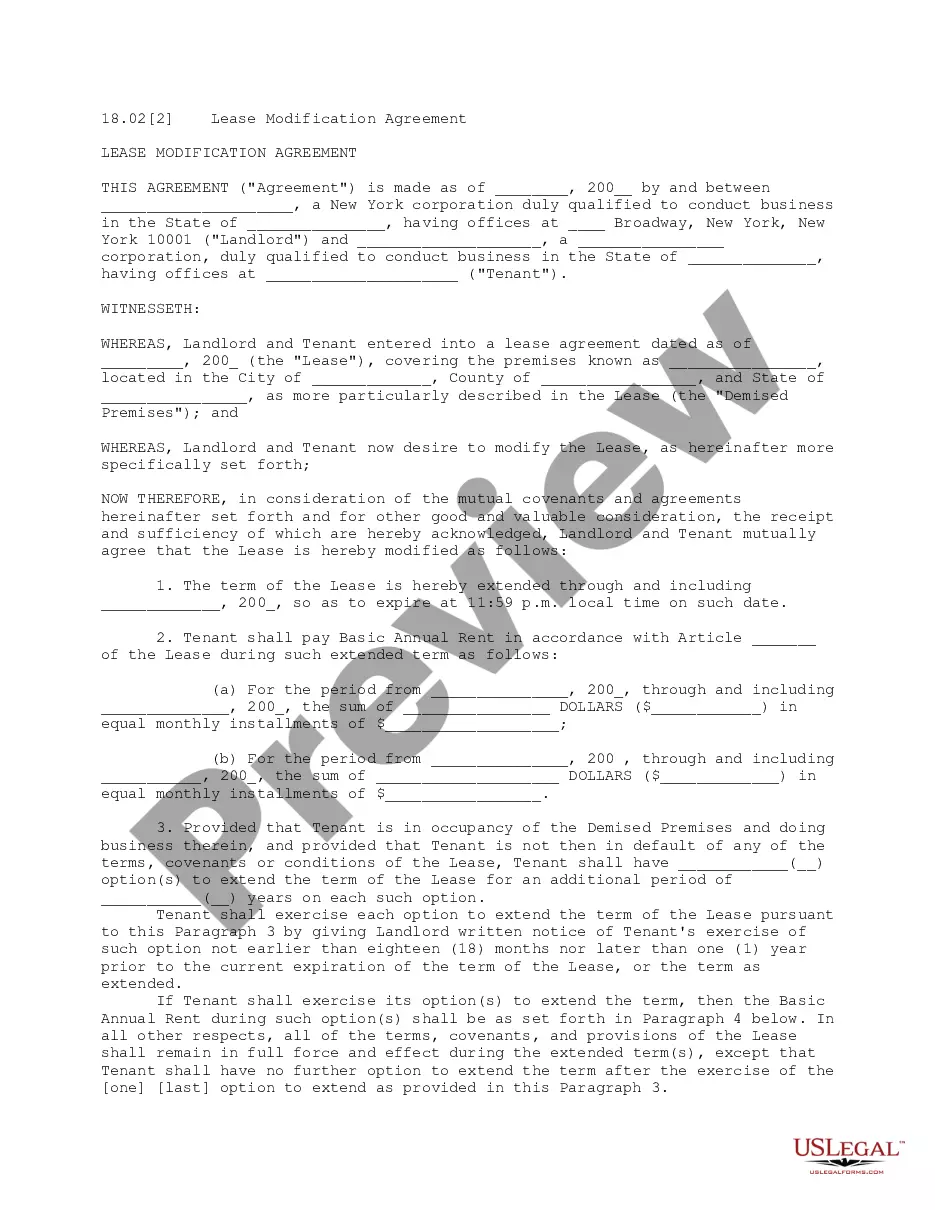
Get your form ready online
Our built-in tools help you complete, sign, share, and store your documents in one place.
Make edits, fill in missing information, and update formatting in US Legal Forms—just like you would in MS Word.
Download a copy, print it, send it by email, or mail it via USPS—whatever works best for your next step.
Sign and collect signatures with our SignNow integration. Send to multiple recipients, set reminders, and more. Go Premium to unlock E-Sign.
If this form requires notarization, complete it online through a secure video call—no need to meet a notary in person or wait for an appointment.
We protect your documents and personal data by following strict security and privacy standards.

Make edits, fill in missing information, and update formatting in US Legal Forms—just like you would in MS Word.

Download a copy, print it, send it by email, or mail it via USPS—whatever works best for your next step.

Sign and collect signatures with our SignNow integration. Send to multiple recipients, set reminders, and more. Go Premium to unlock E-Sign.

If this form requires notarization, complete it online through a secure video call—no need to meet a notary in person or wait for an appointment.

We protect your documents and personal data by following strict security and privacy standards.
Looking for another form?


How to fill out Commercial Lease Extension?
US Legal Forms - one of the largest collections of authentic forms in the United States - provides a broad selection of legitimate document templates that you can download or print.
By using the site, you can access thousands of forms for business and personal purposes, organized by categories, states, or keywords. You can find the latest versions of forms such as the Connecticut Commercial Lease Extension in moments.
If you already possess a subscription, Log In and obtain the Connecticut Commercial Lease Extension from the US Legal Forms library. The Download button will appear on every form you view. You can access all previously saved forms in the My documents section of your account.
Complete the purchase. Use your credit card or PayPal account to finalize the transaction.
Select the format and download the form to your device. Make adjustments. Fill out, modify, print, and sign the saved Connecticut Commercial Lease Extension. Each design you save in your account has no expiration date and is yours indefinitely. Therefore, if you wish to download or print another copy, simply go to the My documents section and click on the form you need. Access the Connecticut Commercial Lease Extension with US Legal Forms, the most extensive collection of legitimate document templates. Utilize thousands of professional and state-specific templates that meet your business or personal needs and requirements.
- If you are using US Legal Forms for the first time, here are simple steps to get started.
- Ensure you have selected the correct form for your city/county. Click the Preview button to examine the form's content.
- Review the description of the form to confirm it is the right one for your needs.
- If the form does not meet your needs, use the Search field at the top of the screen to find one that does.
- Once satisfied with the form, confirm your choice by clicking the Buy now button.
- Then, choose your preferred pricing plan and provide your details to register for an account.
Form popularity
FAQ
Commercial tenants usually remain in a property when a lease has expired because they are still negotiating the terms of a new, renewed lease with the landlord or they have an informal agreement to stay on.
Renew or extend a fixed-term tenancy In this case, if the tenant wants to renew they must tell the landlord in writing. They must do this at least 28 days before the end of the fixed term. The tenancy is then renewed for the same length of time as the original fixed term.
Commercial tenants usually remain in a property when a lease has expired because they are still negotiating the terms of a new, renewed lease with the landlord or they have an informal agreement to stay on.
The option to extend or terminate a tenancy agreement usually comes up at the end of a fixed-term (usually 6 or 12 months) or when everyone involved agrees. Until that point, tenants are responsible for paying the rent even if they pack their bags and move out.
These tenancies usually begin as fixed term tenancies where the duration is defined from the outset, typically anywhere between 6 months to three years (but can be up to seven years) as mutually agreed between the landlord and tenant.
As already mentioned, business tenants will generally have the right to continue their tenancy agreement when it expires, but under certain extreme cases landlords do have the power to refuse to renew a lease.
Currently, leaseholders of houses can only extend their lease once, by a 50-year period, while leaseholders of flats can extend leases as often as they wish for a 90-year period.
A lease extension is an acquisition of a term of years in property so, generally speaking, Stamp Duty Land Tax (SDLT) will be payable on all lease extensions where the premium exceeds the minimum threshold of £125,000.
Can the contractual term of a commercial lease be extended? Yes. Subject to satisfying certain criteria, business tenants have a statutory right under the Landlord and Tenant Act 1954 to extend the contractual term of their lease. At the end of the lease, the tenant can ask the landlord for a new lease.
If you decide to try to negotiate a lease extension, there are no rules and your landlord could refuse to extend your lease, or set whatever terms they like.