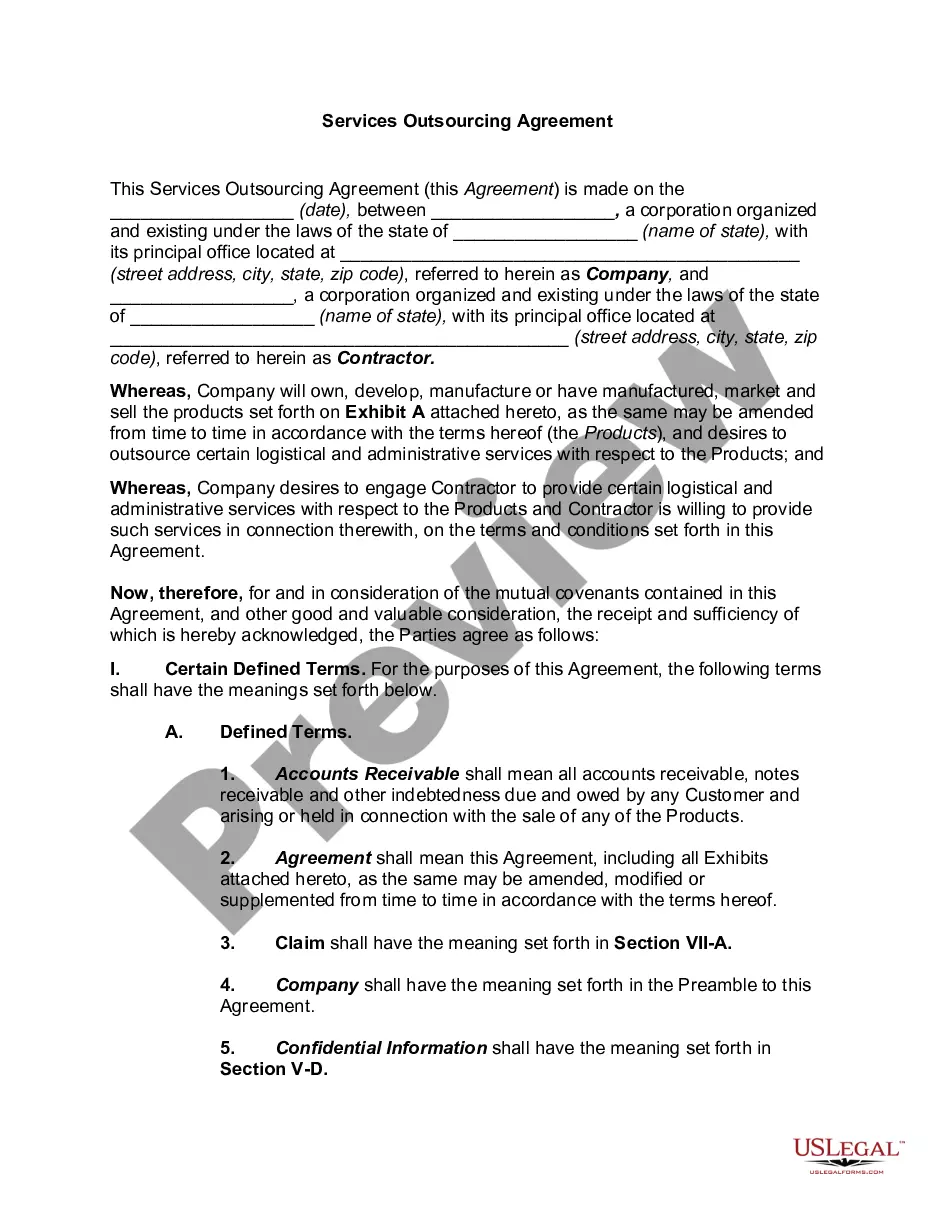
Connecticut Confidentiality and Noncompetition Agreement between Executive and Corporate Employer for Real Estate Development Business
Description
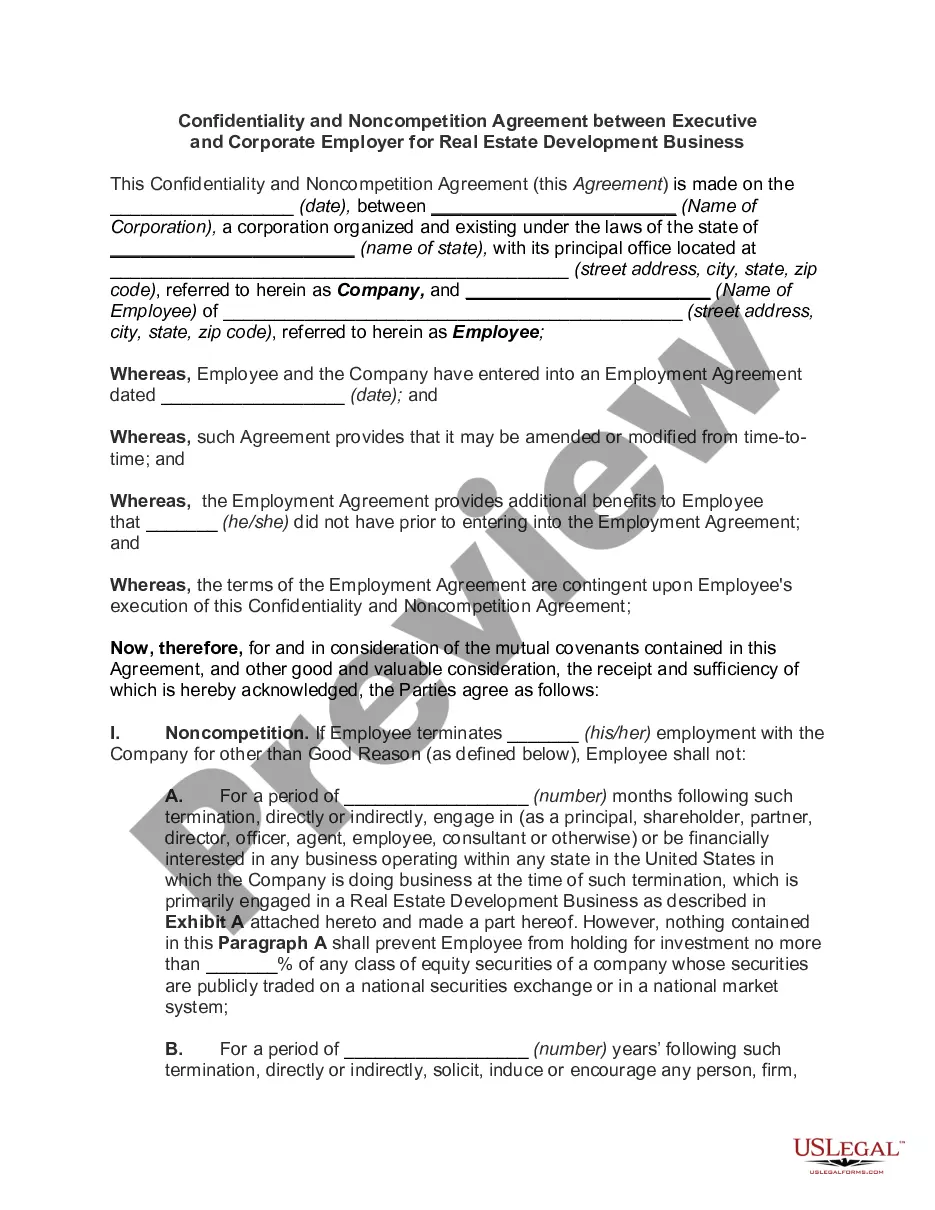
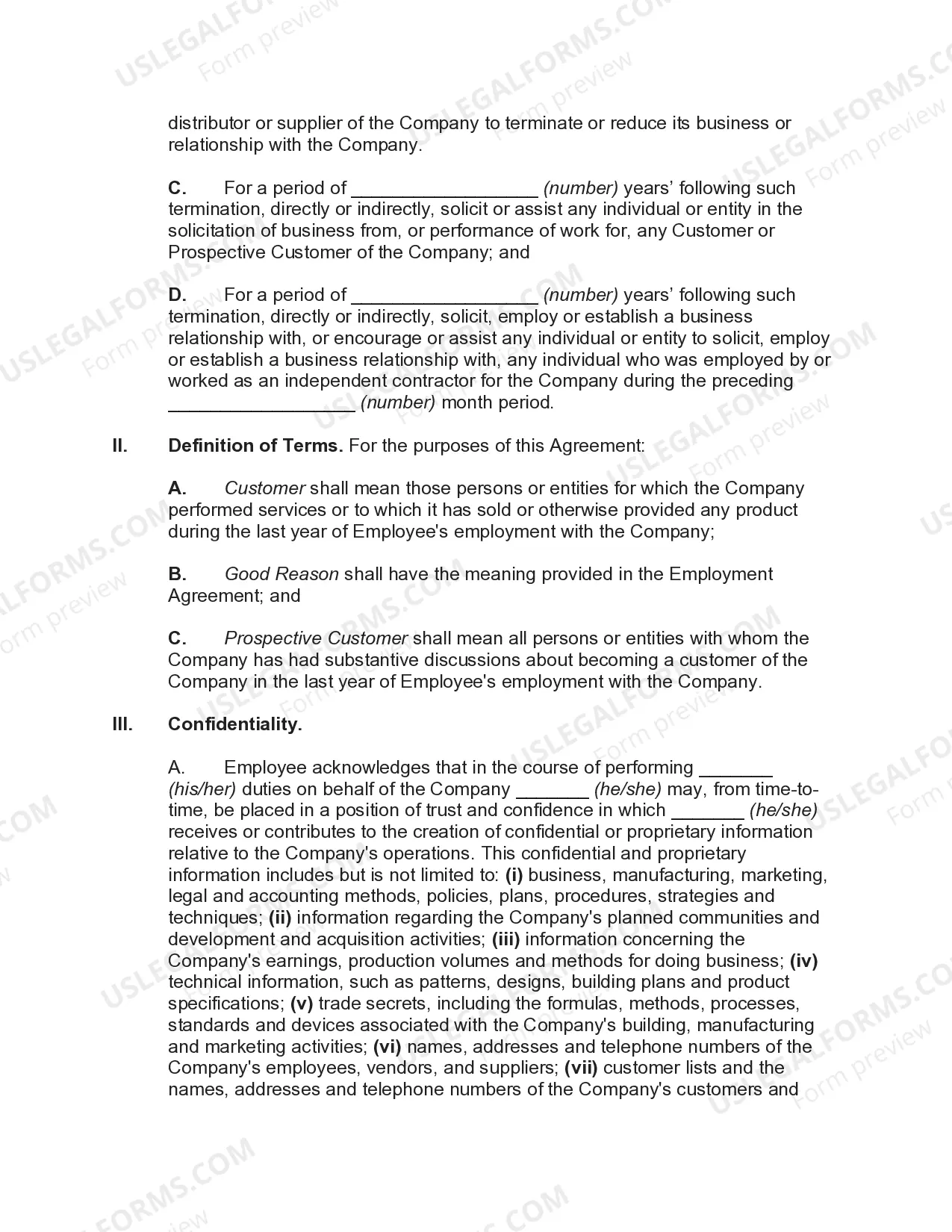
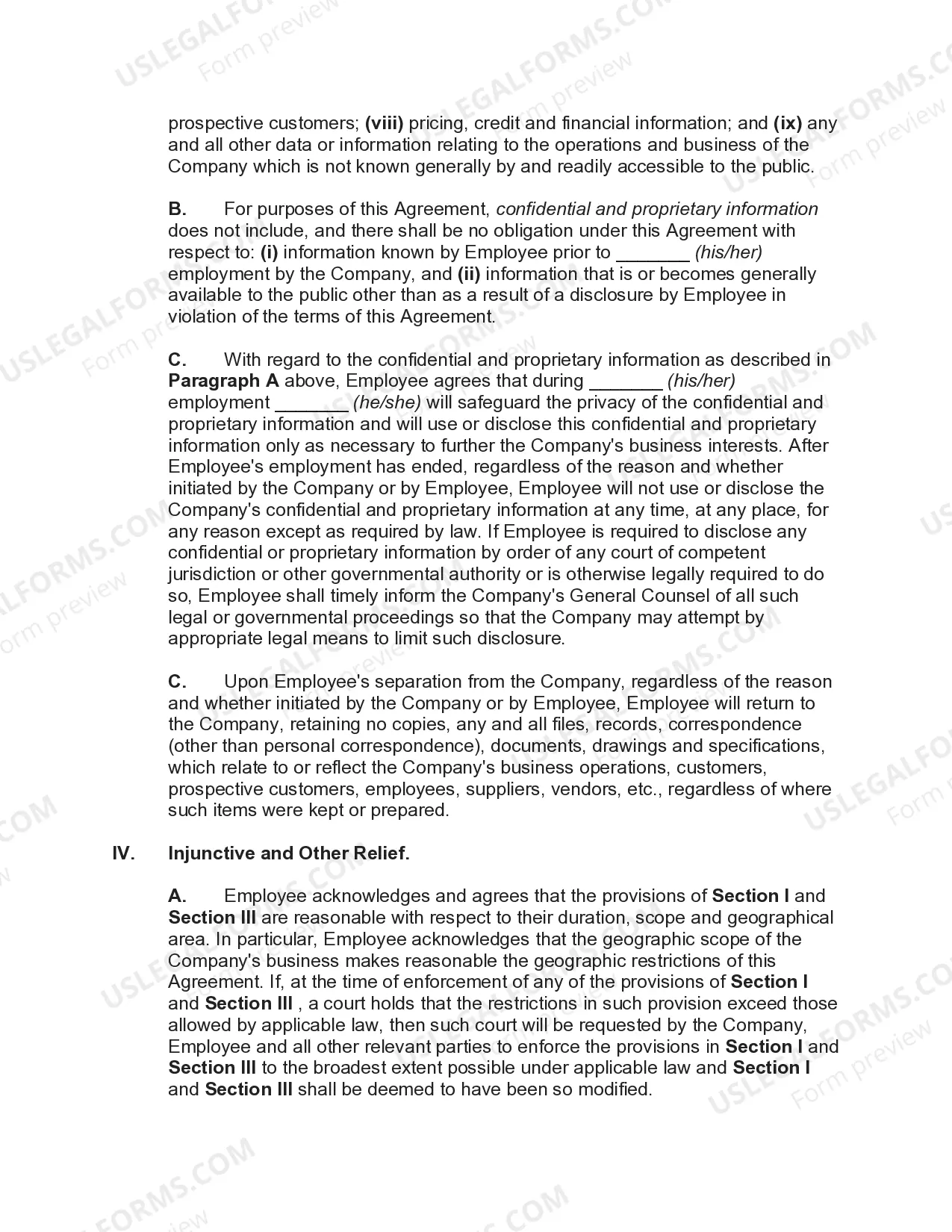
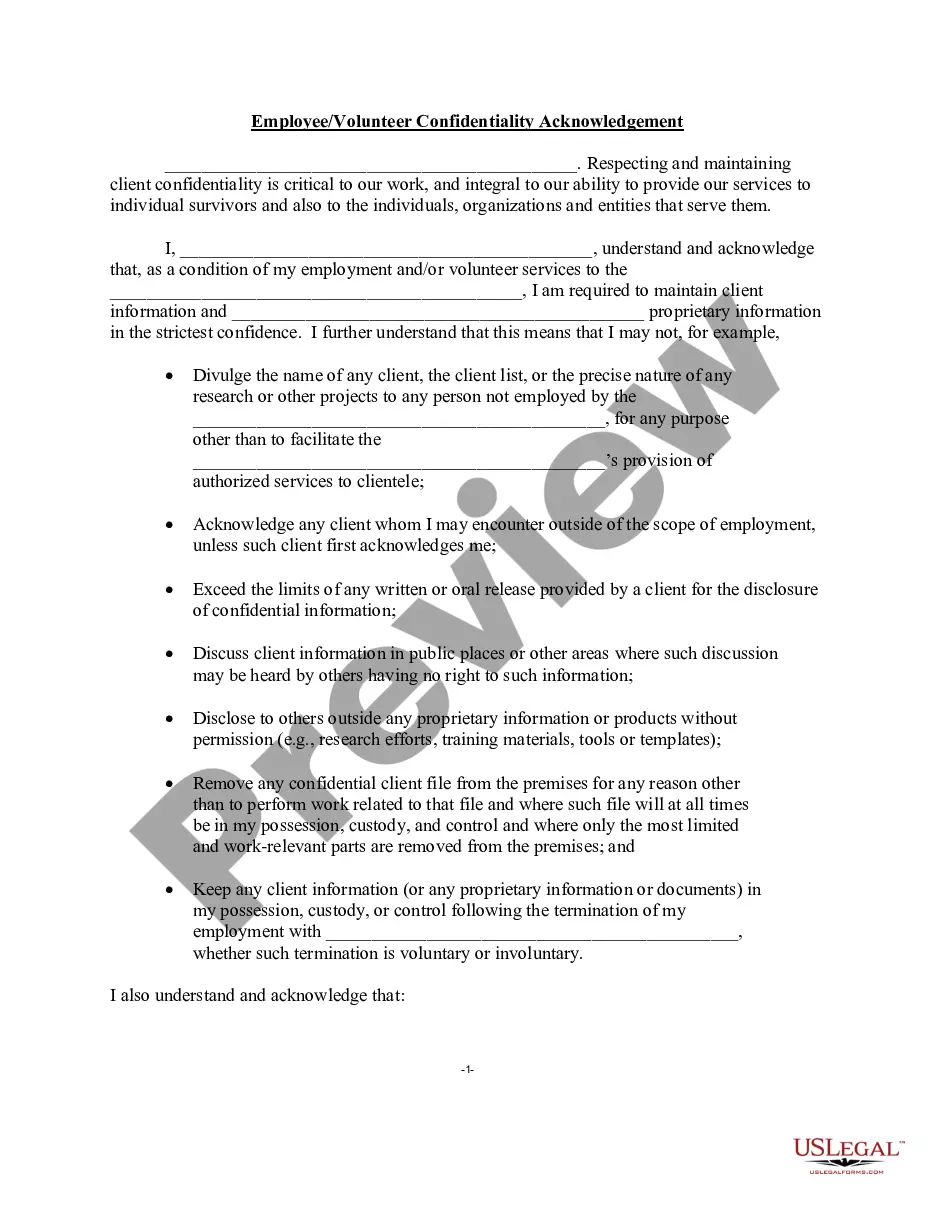
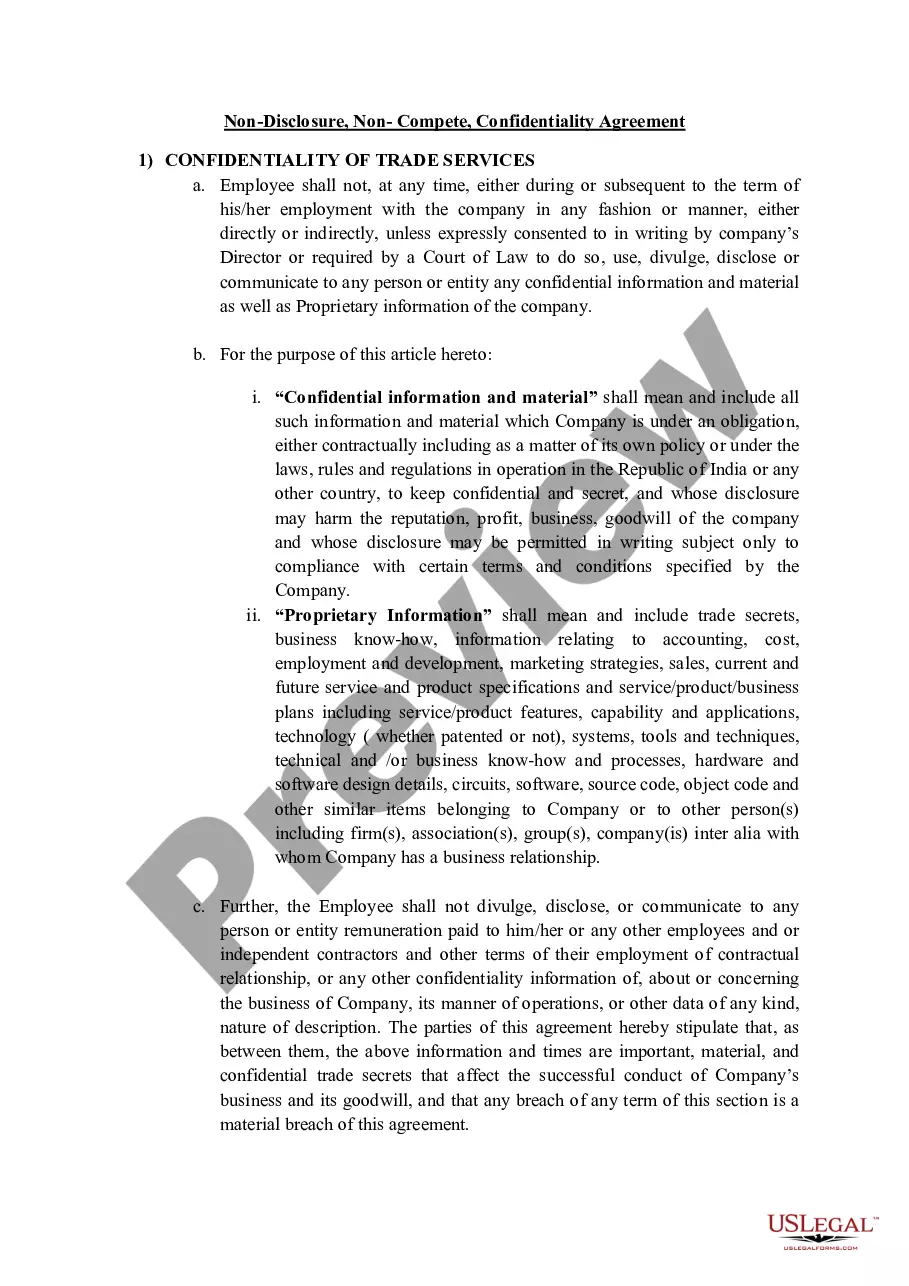
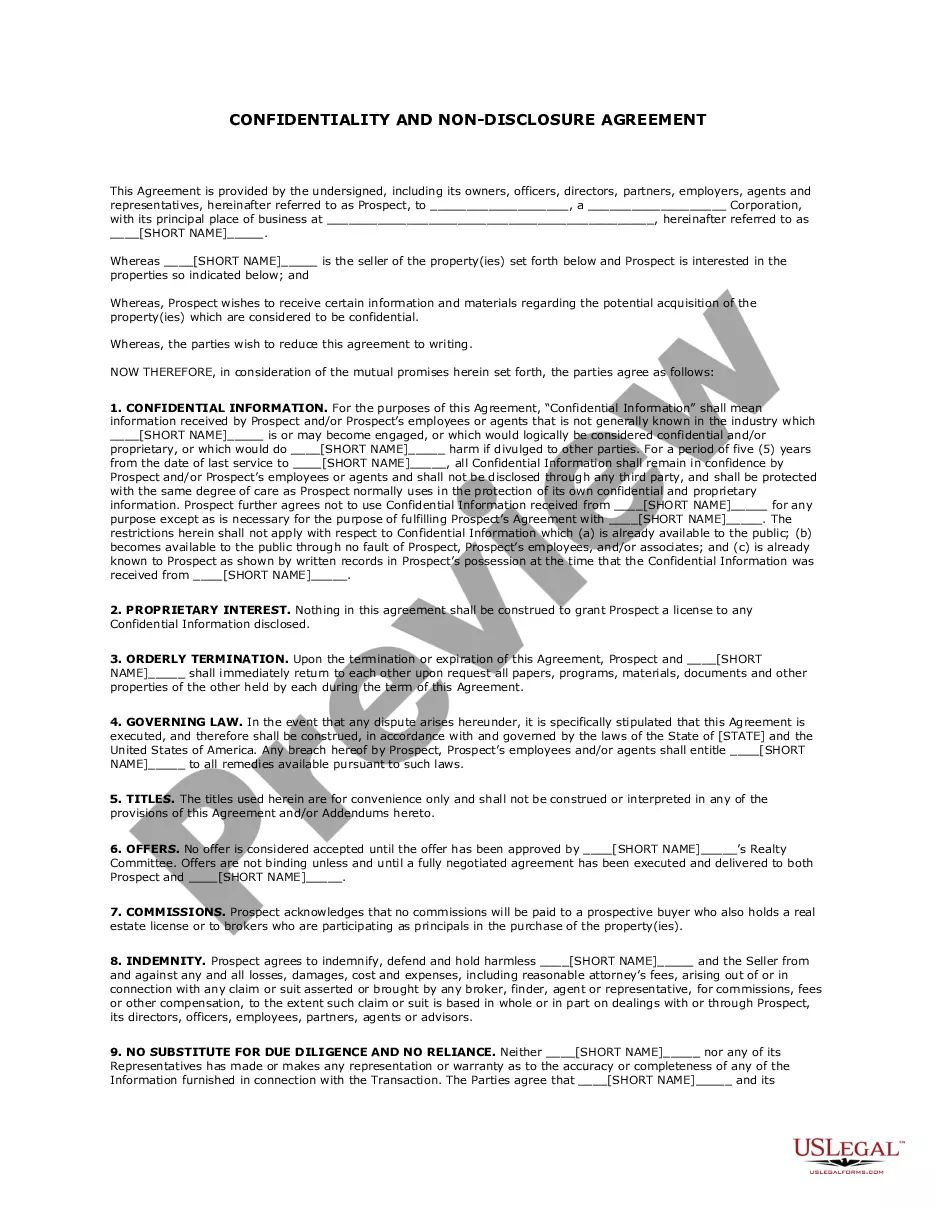


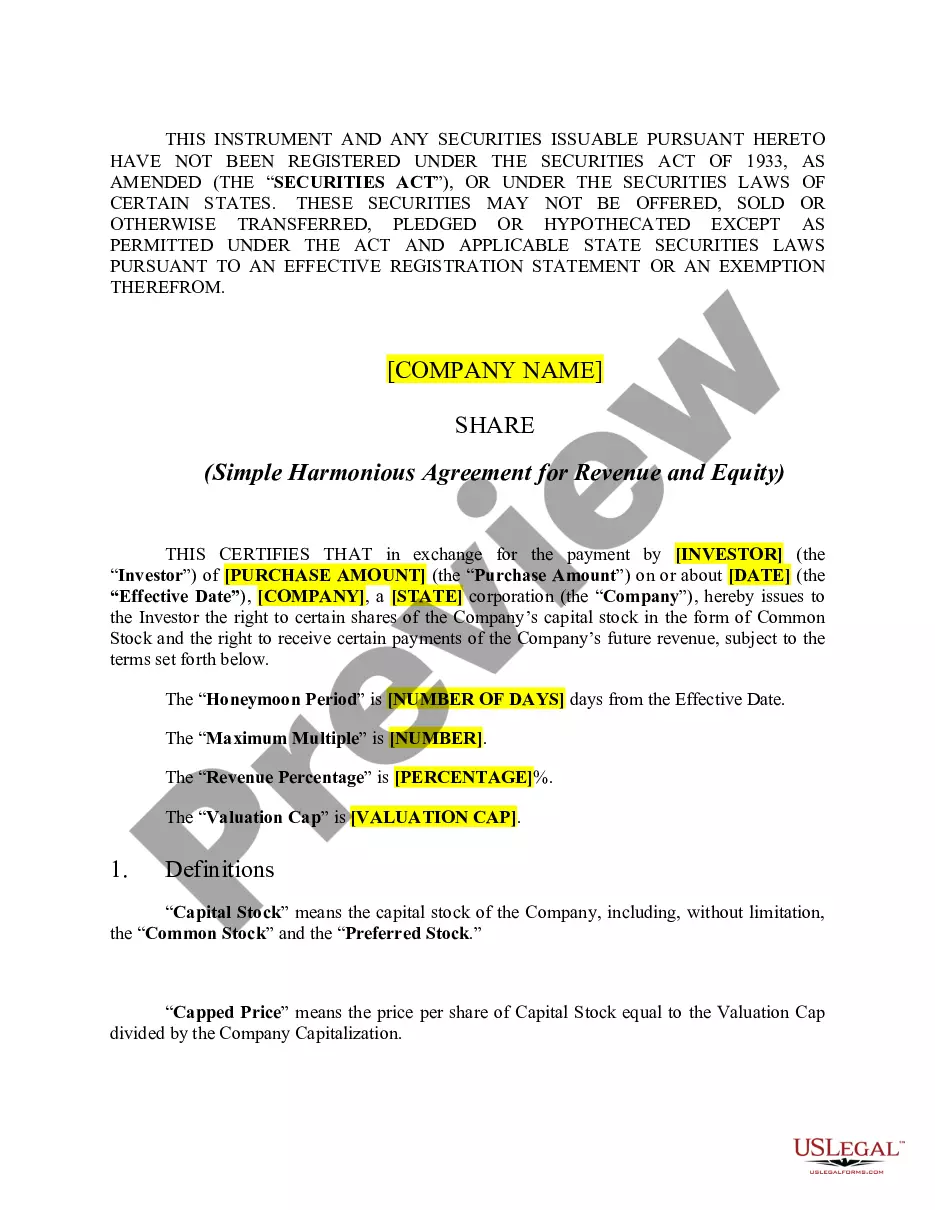


How to fill out Confidentiality And Noncompetition Agreement Between Executive And Corporate Employer For Real Estate Development Business?
If you need to obtain, procure, or create legal document templates, utilize US Legal Forms, the largest collection of legal forms, available online.
Employ the site’s easy-to-use and convenient search to locate the documents you require.
A selection of templates for business and personal purposes is categorized by types and states, or keywords.
Step 4. Once you have found the form you need, click the Purchase now button. Choose the payment plan you prefer and enter your details to register for an account.
Step 5. Complete the payment process. You can use your credit card or PayPal account to perform the transaction.
- Use US Legal Forms to locate the Connecticut Confidentiality and Noncompetition Agreement between Executive and Corporate Employer for Real Estate Development Business with just a few clicks.
- If you are already a US Legal Forms user, Log In to your account and click on the Acquire option to retrieve the Connecticut Confidentiality and Noncompetition Agreement between Executive and Corporate Employer for Real Estate Development Business.
- You can also access forms you previously downloaded in the My documents section of your account.
- If you are using US Legal Forms for the first time, follow the steps below.
- Step 1. Ensure you have selected the form for the correct city/state.
- Step 2. Utilize the Preview feature to review the form’s details. Remember to check the description.
- Step 3. If you are not satisfied with the form, make use of the Search box at the top of the screen to find other versions of your legal form template.
Form popularity
FAQ
Providing restrictive covenants are not void for restraint of trade and required to protect legitimate business interests, they will be viewed as legally binding.
Escaping Nonsolicitation AgreementsDon't sign.Build your book independently.Carve out pre-existing relationships.Require for cause termination as the trigger.Provide for a payoff.Turn clients into friends.Don't treat clients as trade secrets.Invest in your own business.
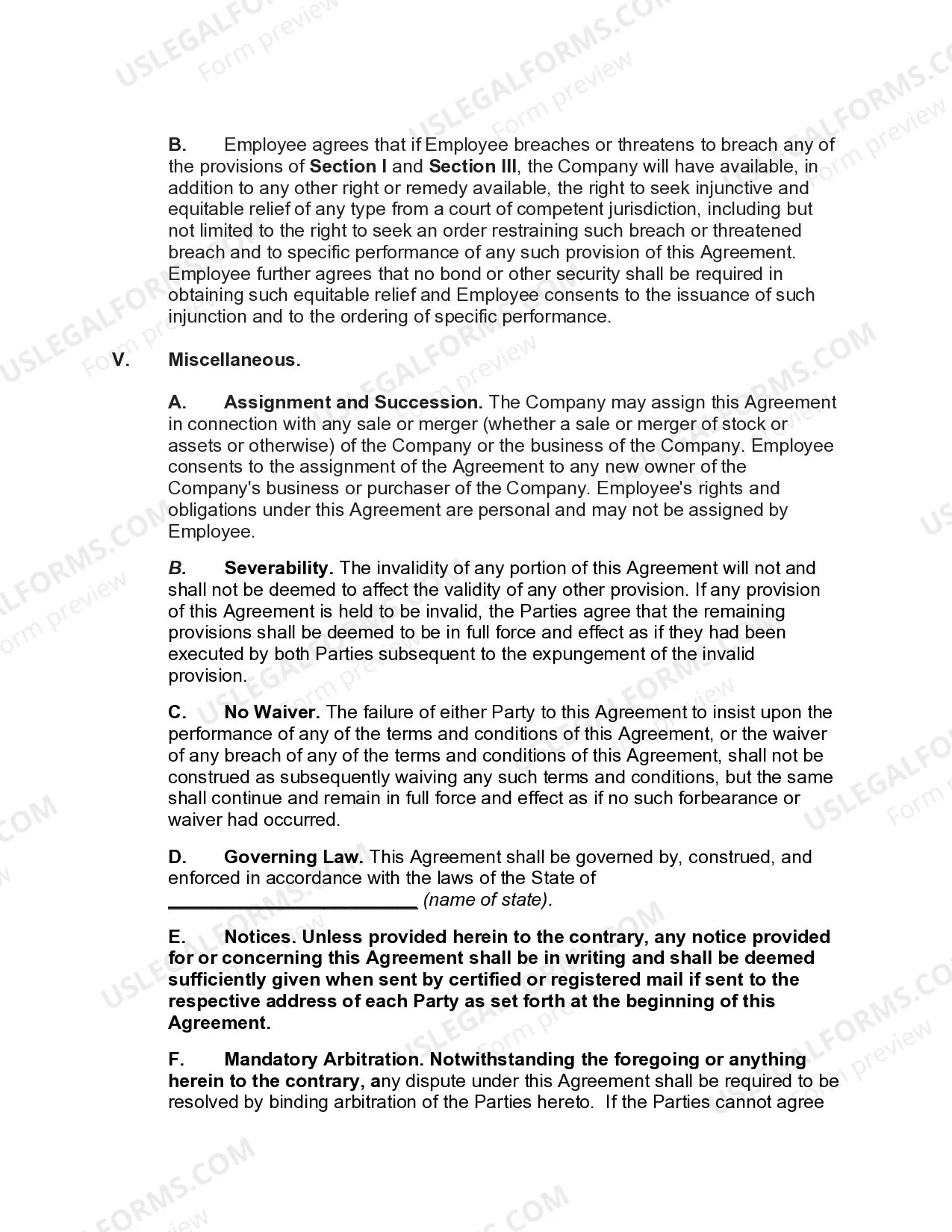
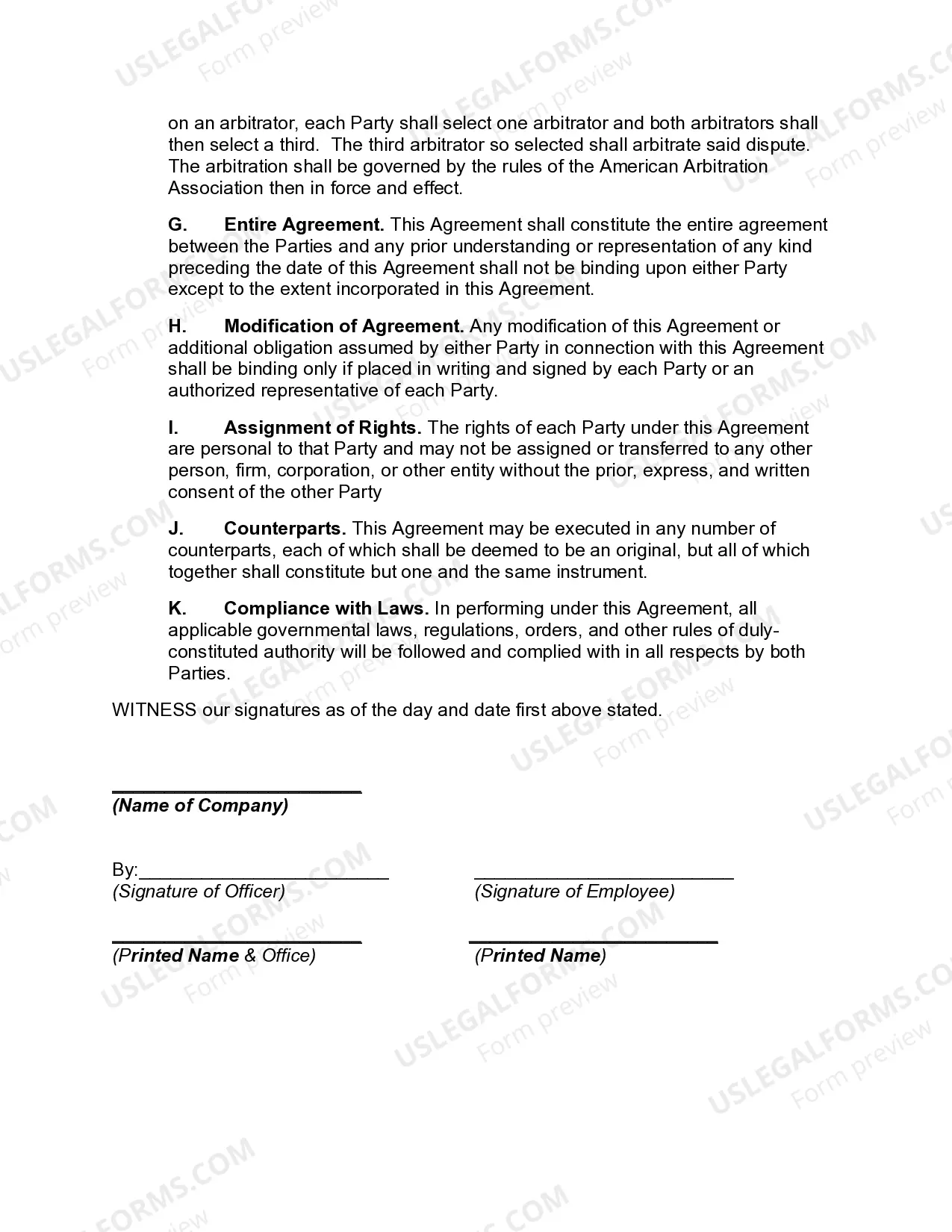
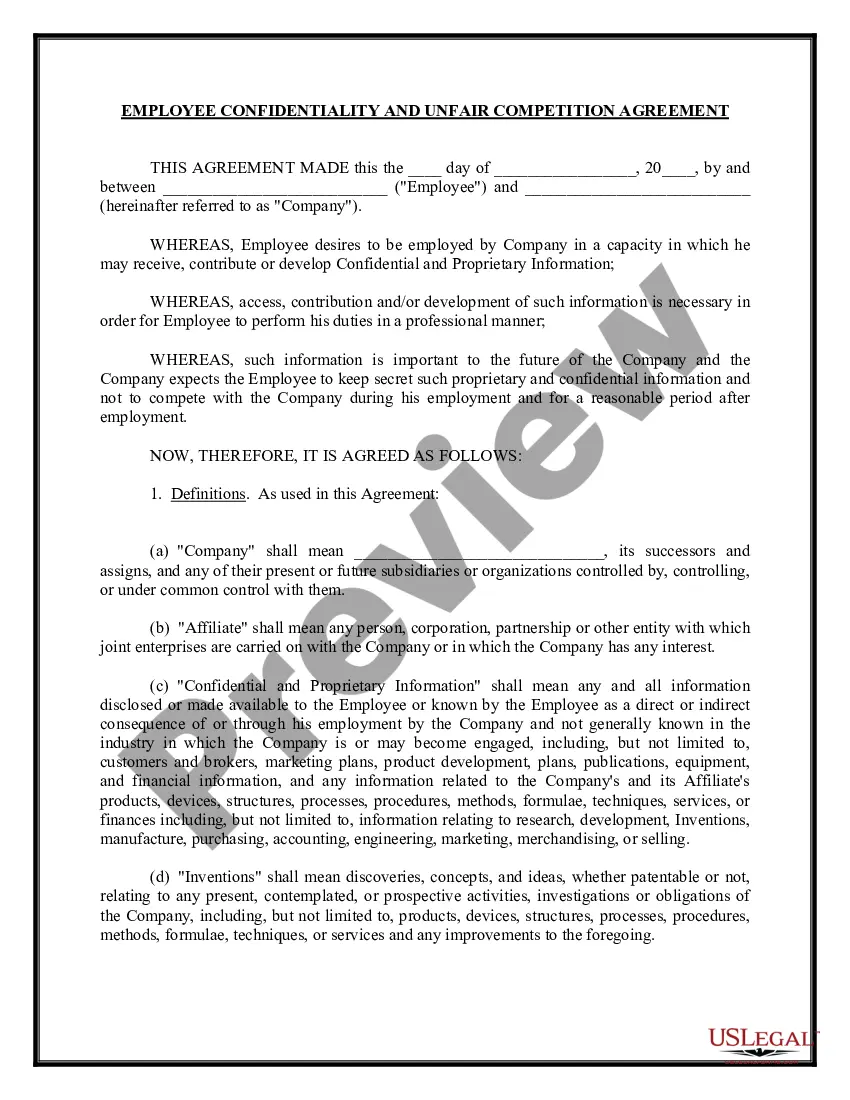
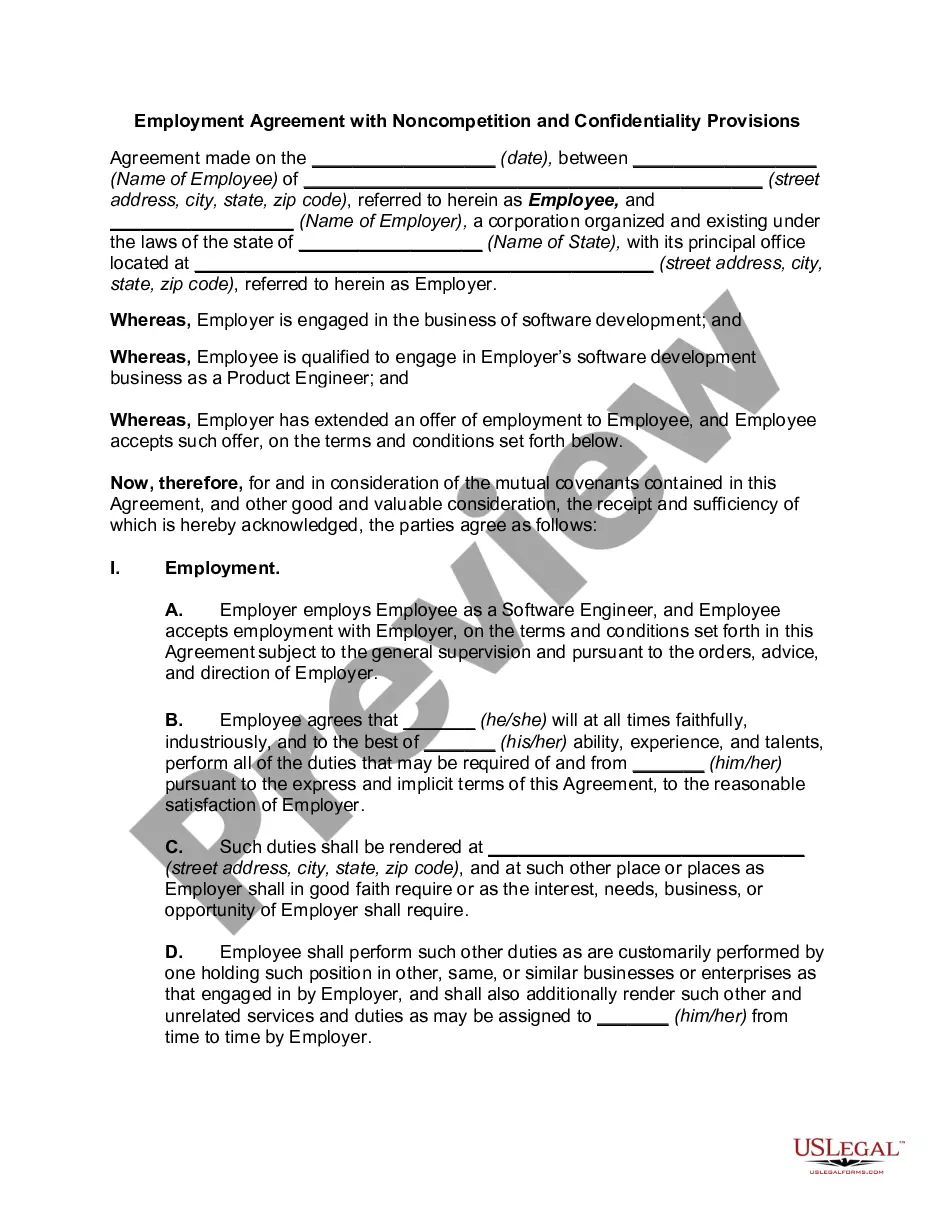
An agreement for employees not to work for a competitor, not form a competing business, and to maintain confidentiality during employment. This agreement may or may not be enforceable depending on state law.
Duration: Post-termination restrictive covenants that exceed 6 months are unlikely to be enforceable unless the employee is in a very senior, executive or key business role (see further under Question 6).
The short answer to whether non-solicitation agreements are enforceable in California is maybe. As a general rule, an employee is bound by a reasonable contract that prohibits an employee from soliciting former clients or employees of the employer.
Employers benefit from non-compete agreements because they keep a former employee from sharing industry experience, knowledge, trade secrets, client lists, potential clients, strategic plans, and other information that is confidential and proprietary to the employer with competitors.
Non-solicitation clauses that are clear, carefully drafted, and suitably retrained in temporal and spatial terms, are often enforceable. An appropriate clause will serve the purpose of protecting the employer without unduly compromising a person's ability to work in their industry.
In Connecticut, non-compete provisions in physician employment agreements, also known as restrictive covenants, have long been considered reasonable restrictions on competition and enforceable.
Connecticut has no statute or regulation that governs non-competes generally. Most non-compete agreements in Connecticut are governed by case law.