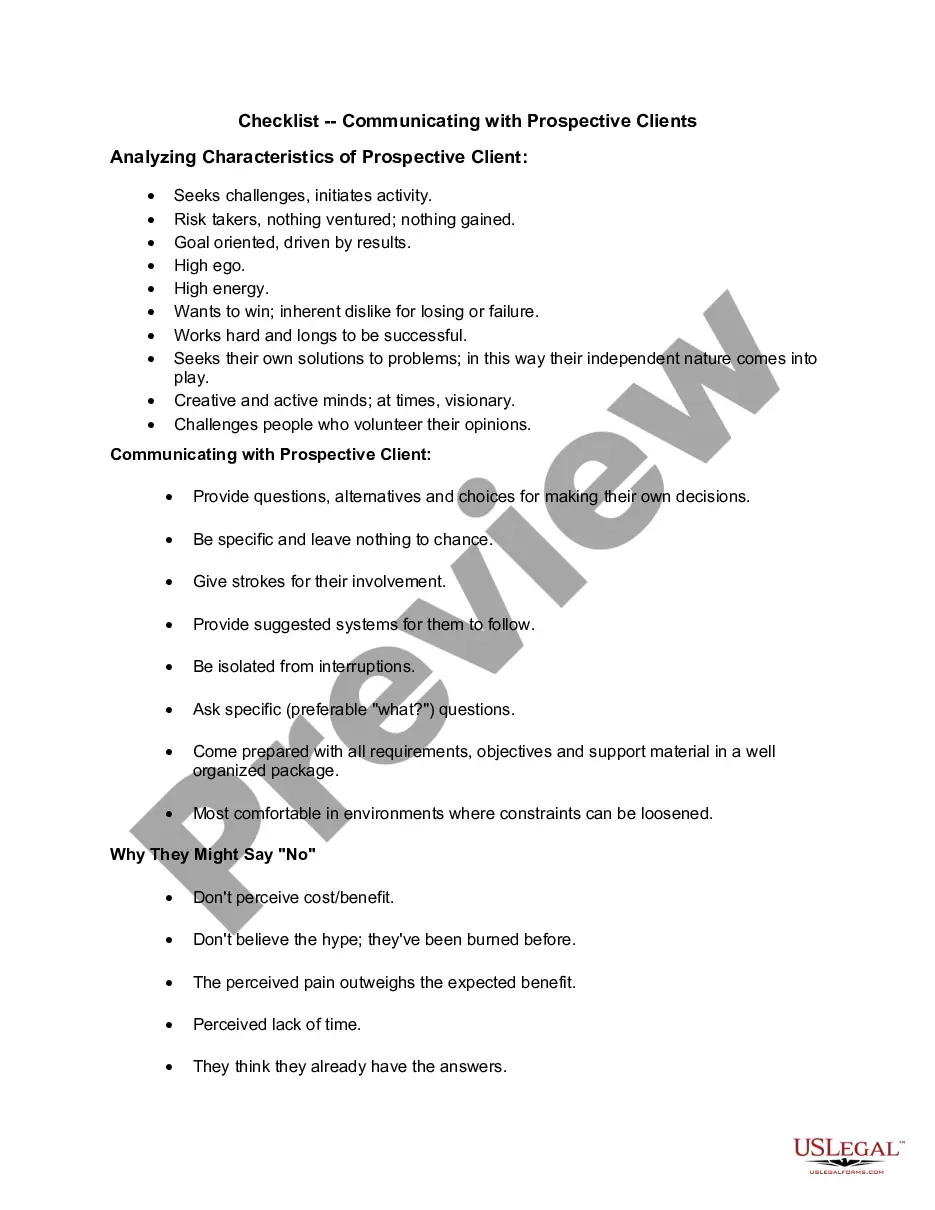
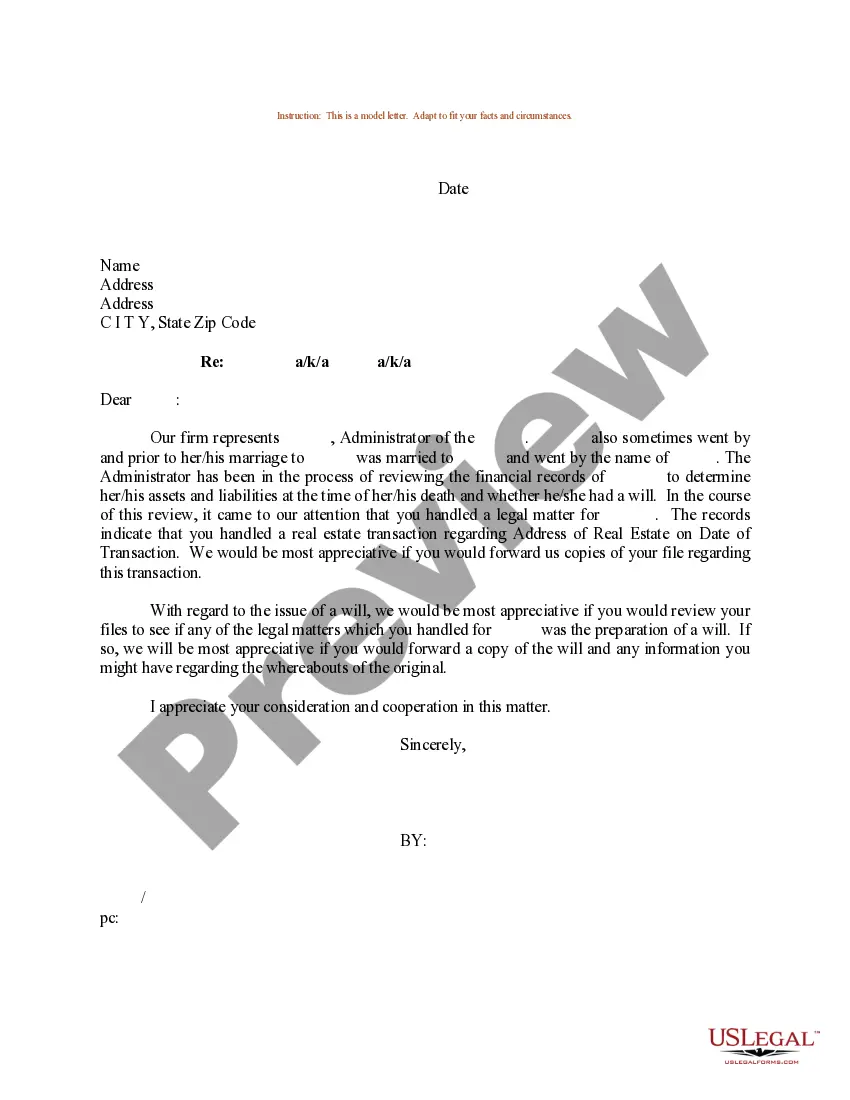
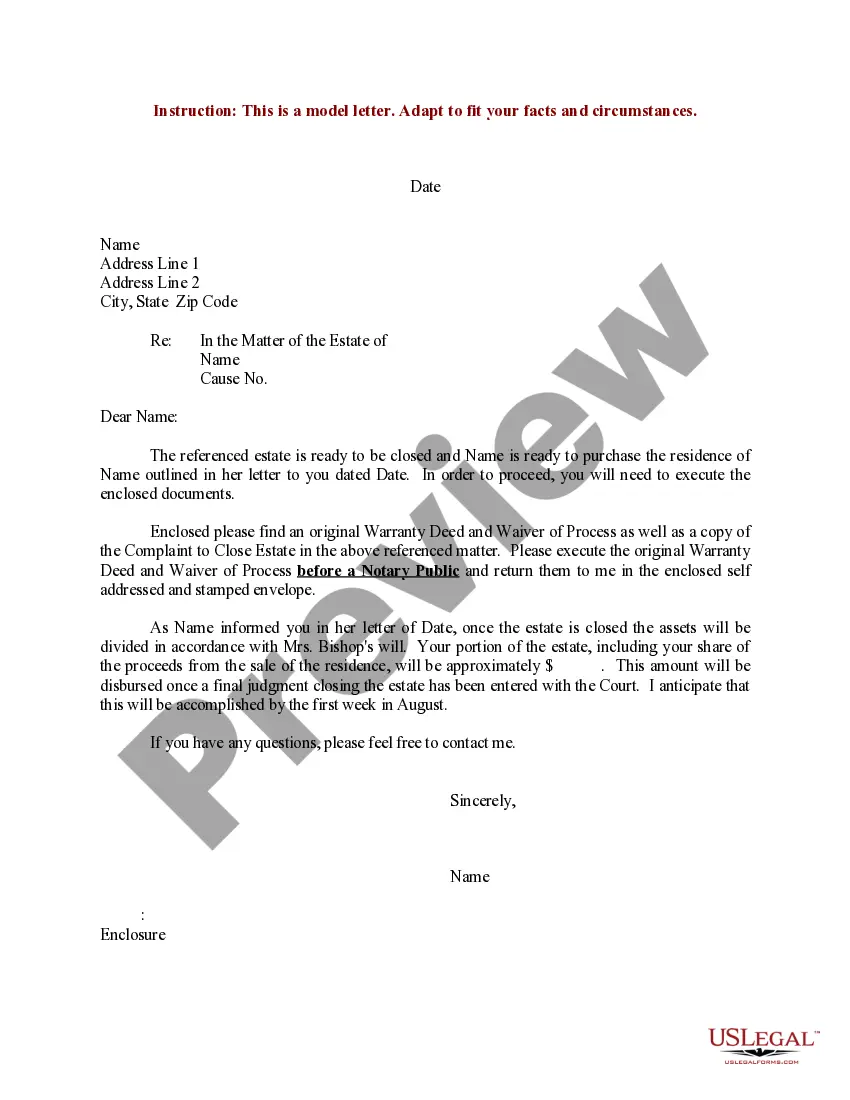
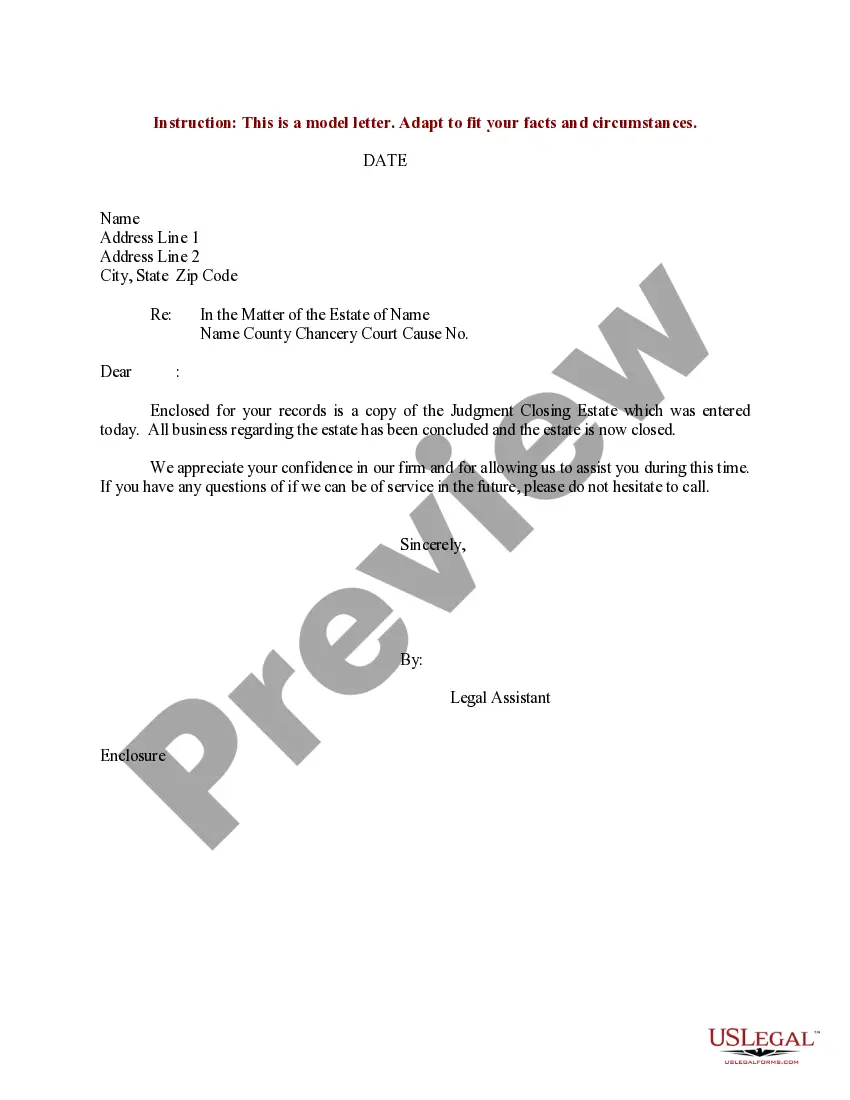
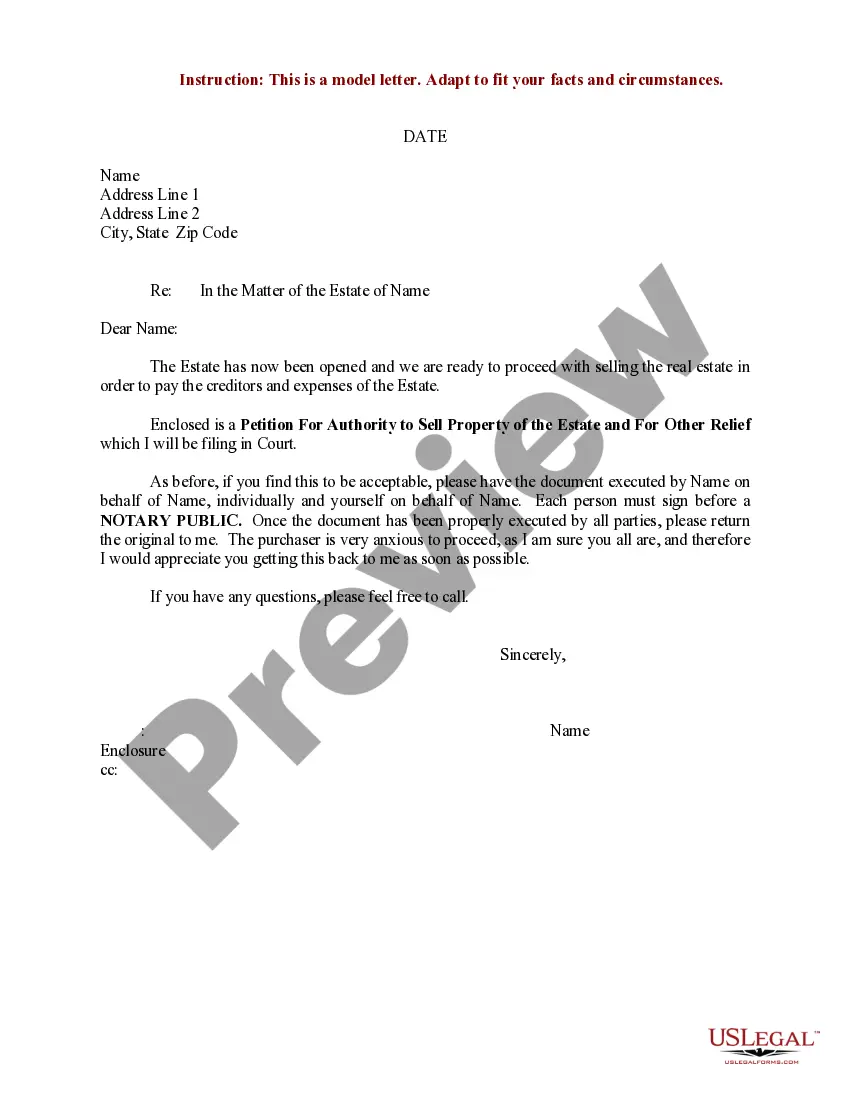
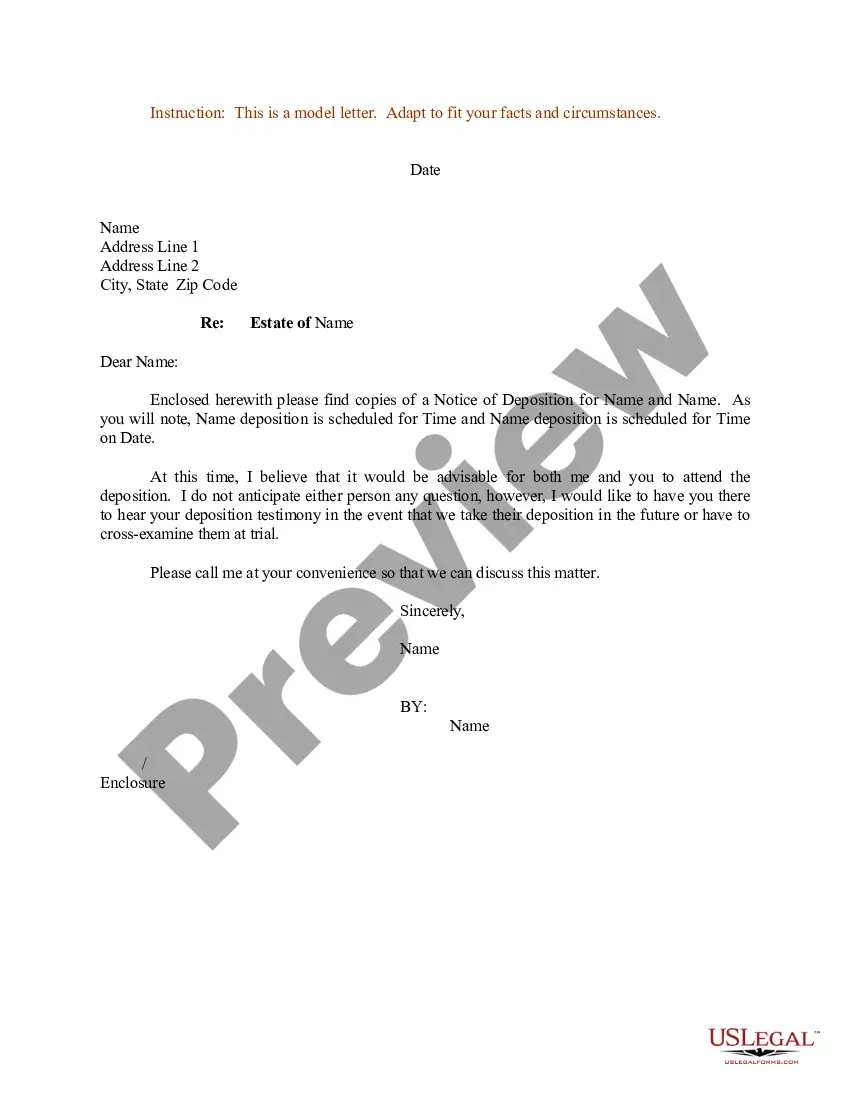
Connecticut Sample Letter for Decedent's Real Estate Transaction
Description

Get your form ready online
Our built-in tools help you complete, sign, share, and store your documents in one place.
Make edits, fill in missing information, and update formatting in US Legal Forms—just like you would in MS Word.
Download a copy, print it, send it by email, or mail it via USPS—whatever works best for your next step.
Sign and collect signatures with our SignNow integration. Send to multiple recipients, set reminders, and more. Go Premium to unlock E-Sign.
If this form requires notarization, complete it online through a secure video call—no need to meet a notary in person or wait for an appointment.
We protect your documents and personal data by following strict security and privacy standards.

Make edits, fill in missing information, and update formatting in US Legal Forms—just like you would in MS Word.

Download a copy, print it, send it by email, or mail it via USPS—whatever works best for your next step.

Sign and collect signatures with our SignNow integration. Send to multiple recipients, set reminders, and more. Go Premium to unlock E-Sign.

If this form requires notarization, complete it online through a secure video call—no need to meet a notary in person or wait for an appointment.

We protect your documents and personal data by following strict security and privacy standards.
Looking for another form?

How to fill out Sample Letter For Decedent's Real Estate Transaction?
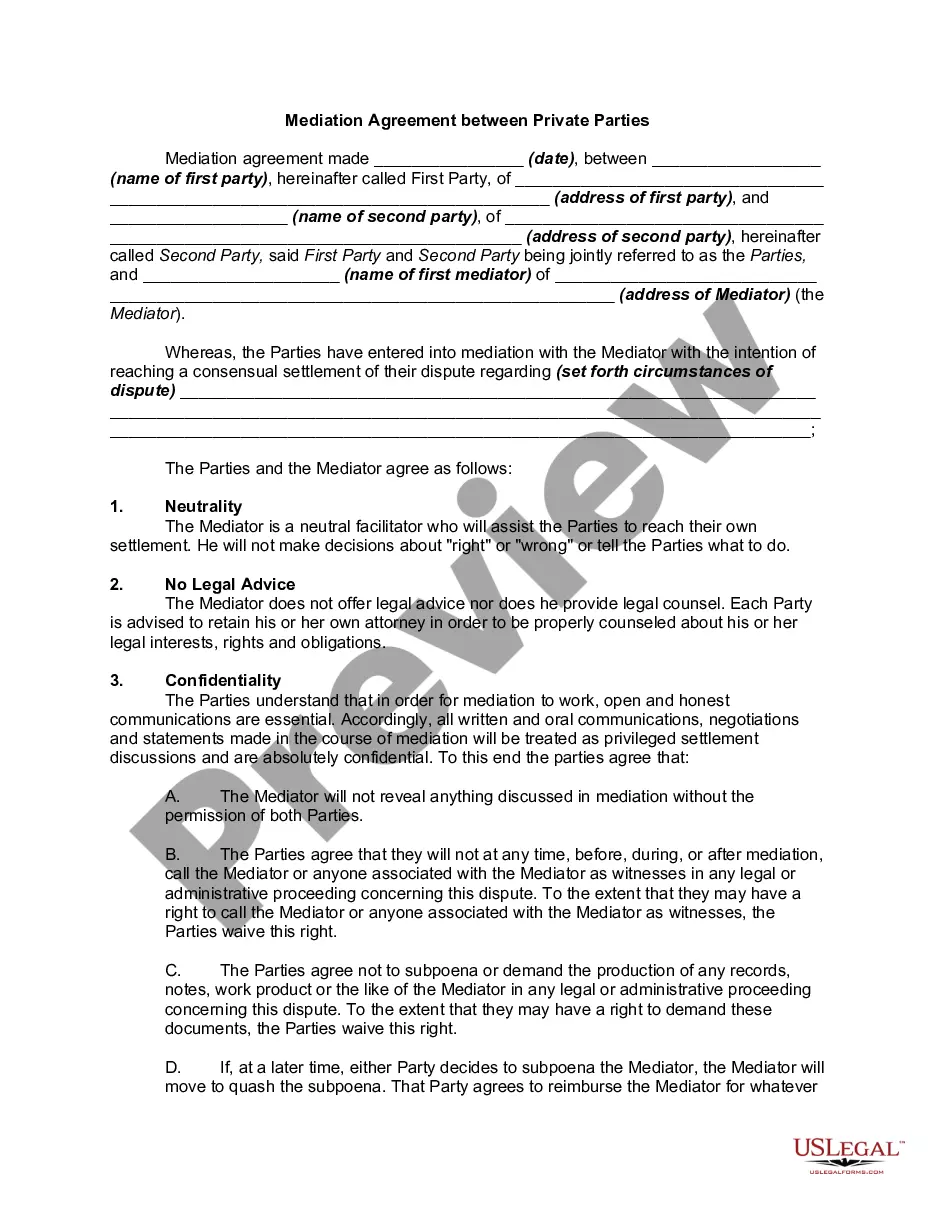
It is possible to commit hours on the web attempting to find the legitimate papers web template that suits the federal and state demands you will need. US Legal Forms supplies thousands of legitimate varieties that are analyzed by pros. You can actually acquire or print out the Connecticut Sample Letter for Decedent's Real Estate Transaction from the assistance.
If you currently have a US Legal Forms profile, you can log in and click on the Acquire key. Afterward, you can complete, revise, print out, or indication the Connecticut Sample Letter for Decedent's Real Estate Transaction. Every single legitimate papers web template you acquire is yours for a long time. To acquire another copy of any obtained develop, visit the My Forms tab and click on the corresponding key.
Should you use the US Legal Forms site initially, follow the easy guidelines below:
- First, make sure that you have chosen the proper papers web template for your state/area of your liking. See the develop description to ensure you have chosen the correct develop. If offered, make use of the Review key to check from the papers web template at the same time.
- If you want to locate another version of your develop, make use of the Search field to get the web template that meets your requirements and demands.
- When you have identified the web template you want, simply click Acquire now to carry on.
- Find the costs prepare you want, type your credentials, and register for an account on US Legal Forms.
- Total the deal. You may use your Visa or Mastercard or PayPal profile to cover the legitimate develop.
- Find the structure of your papers and acquire it to your device.
- Make modifications to your papers if required. It is possible to complete, revise and indication and print out Connecticut Sample Letter for Decedent's Real Estate Transaction.
Acquire and print out thousands of papers themes while using US Legal Forms site, which offers the largest collection of legitimate varieties. Use professional and status-specific themes to handle your organization or person needs.
Form popularity
FAQ
Spouse and children -- spouse takes 1/2 the estate. If the children are also the spouse's, the spouse also takes $100,000. If they are not, spouse only takes 1/2. Whatever remains is divided equally among the children in the same generation.
Full "probate" is ONLY required by law if the person who dies, with or without a will, (1) owned real estate (not just a life use) that does not pass by the deed to the "surviving" joint owner, OR (2) owned $40,000 or more of other assets that also don't pass by beneficiary or joint ownership to another person.
A Connecticut small estate affidavit allows assets from estates worth less than a set amount of money to pass to the heirs or successors of the decedent without having to go through the traditional probate process.
For instance, in Connecticut, if the decedent's solely-owned assets include no real property and are valued at less than $40,000 ? which is the state's ?small estates limit? ? then the estate can be settled without full probate, under a much shorter and more simplified process.
Once you're appointed as executor of an estate, you can take the next steps to get a letter of testamentary. To do that, you'll need to file a request with a probate court and provide certain documents, including: A copy of the will if the deceased person had one. A copy of the death certificate.
The answer is YES. If the total assets left by a decedent in his or her name alone do not exceed $40,000 and do not include real estate, a simpler small estate procedure can be used. The decedent may own assets exceeding $40,000 if they are in joint name(survivorship) and still qualify for this small estates.
Connecticut Estate Tax Return (for Nontaxable Estates) For estates of decedents dying during calendar year 2022 (Read instructions before completing this form.)
If the decedent's solely-owned assets include no real property and are valued at less than $40,000 ? which meets Connecticut's ?small estates limit? ? then the assets and property of the estate can be settled without full probate, under a much shorter and easier process.