Connecticut Merchandise License Agreement
Description



How to fill out Merchandise License Agreement?
Have you ever found yourself in a circumstance where you need to possess documents for various organizations or particular purposes almost every day.
There are many legal document templates accessible online, but finding forms you can trust is not simple.
US Legal Forms provides thousands of template forms, such as the Connecticut Merchandise License Agreement, which are designed to meet state and federal standards.
Once you find the right form, click Get now.
Select the pricing option you prefer, fill in the required information to create your account, and complete the order using your PayPal or credit card.
- If you are already familiar with the US Legal Forms website and have an account, just sign in.
- After that, you can download the Connecticut Merchandise License Agreement template.
- If you do not have an account and wish to start using US Legal Forms, follow these actions.
- Choose the form you need and verify it is for your specific city/state.
- Use the Review button to examine the document.
- Read the overview to ensure you have selected the correct form.
- If the form isn’t what you’re looking for, utilize the Search area to find the form that fulfills your needs and specifications.
Form popularity
FAQ
An MSA is a specific type of agreement that sets the terms for the delivery of services between parties, whereas a general agreement can cover a range of topics or commitments. MSAs foster long-term collaboration in service contexts, making it essential to understand its particular functions when negotiating contracts, unlike a typical agreement that may serve various purposes.
An MSA outlines the terms for future services and ongoing business relations, while a license agreement grants permissions to use a specific intellectual property. If you are seeking to establish permissions related to merchandise, a Connecticut Merchandise License Agreement may be more relevant than an MSA, which is typically focused on service provision.
A license agreement focuses on granting rights to use intellectual property, such as trademarks or patents, while a service agreement involves providing a specific service in exchange for compensation. In essence, a Connecticut Merchandise License Agreement centers on the legal rights associated with merchandise, while a service agreement is about fulfilling a defined task or service.
The two main types of licensing agreements are exclusive and non-exclusive agreements. An exclusive license grants one party sole rights to use the licensed property, while a non-exclusive license allows multiple parties to access the same rights. Understanding these distinctions can help you choose the best option for your Connecticut Merchandise License Agreement.
A licensing agreement, such as a Connecticut Merchandise License Agreement, allows the licensee to use certain intellectual property, sell merchandise, and often set product quality standards. This arrangement can enhance brand visibility and generate additional revenue. Furthermore, it provides a legal framework protecting both parties' interests.
The new logo comes out of a marketing partnership between the school's athletic department and Nike, which designed it at no cost to the school. It is part of a larger effort to replace disparate logos used by different Husky teams. The school says athletes and coaches had input into the design.
A licensing agreement allows one party (the licensee) to use and/or earn revenue from the property of the owner (the licensor). Licensing agreements generate revenues, called royalties, earned by a company for allowing its copyrighted or patented material to be used by another company.
Gotham the typeface selected for the 'University of Connecticut' type in the primary wordmark, and established custom wordmarks for UConn Health, Schools, Colleges, and regional campuses. Usage of the Gotham font family is permitted on institutional communications, but is not mandated.
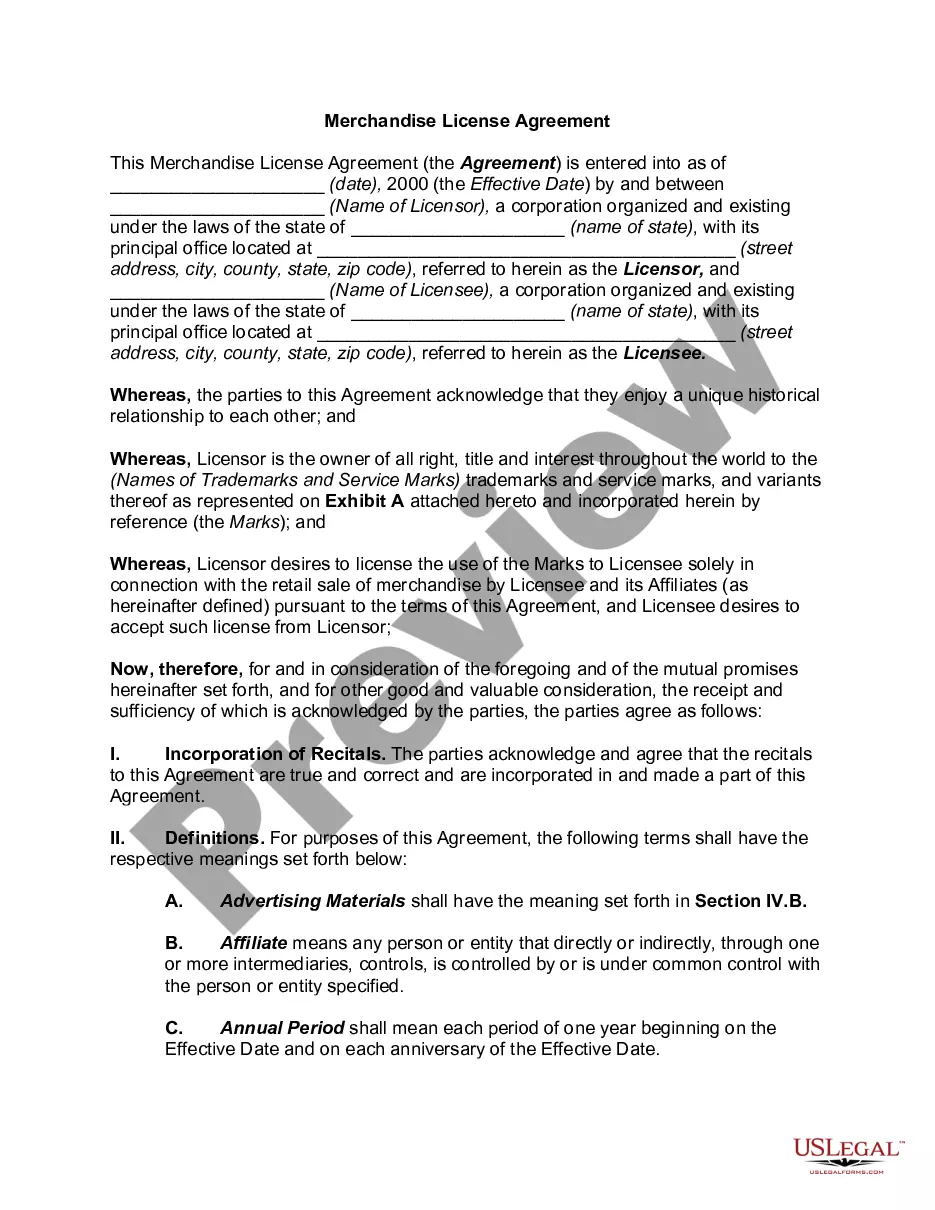
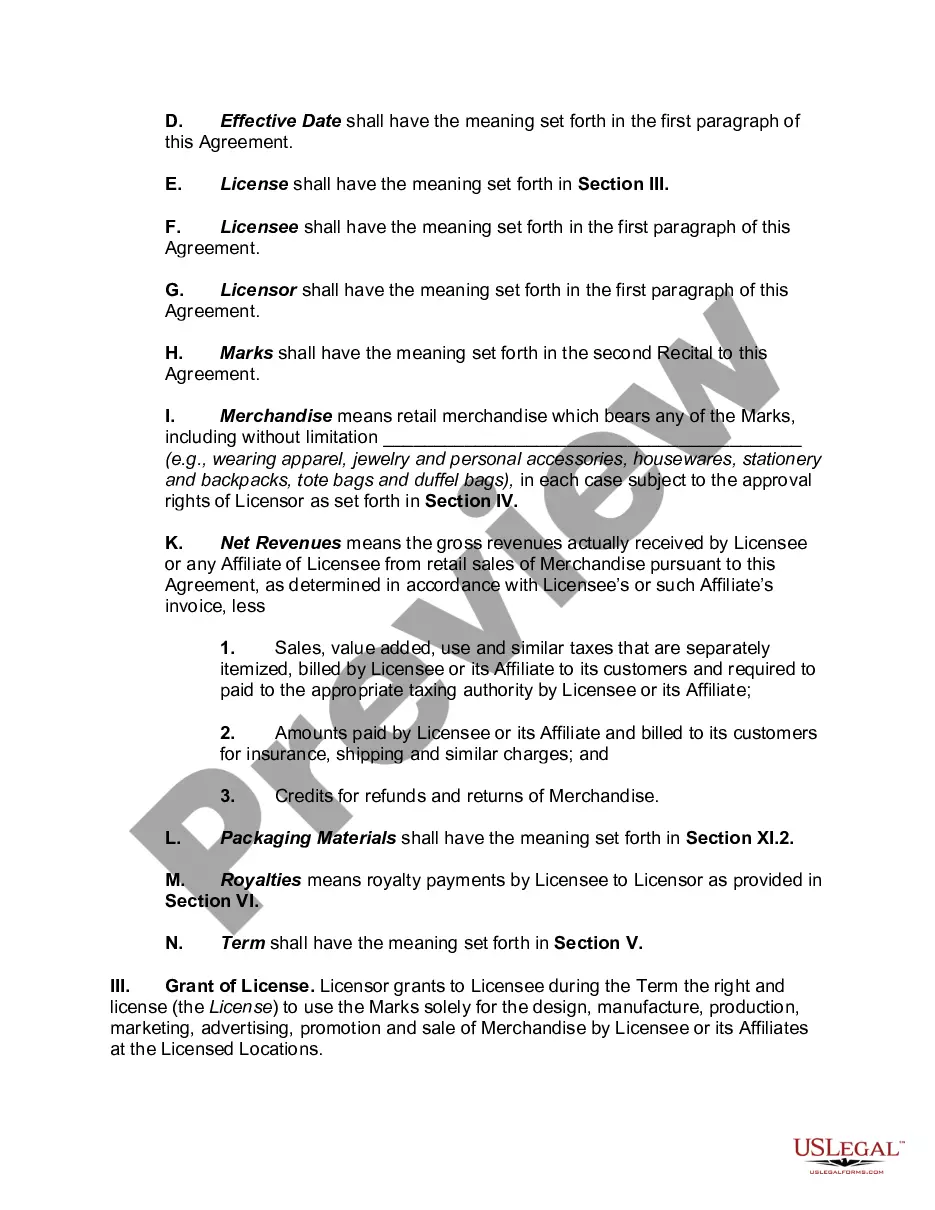
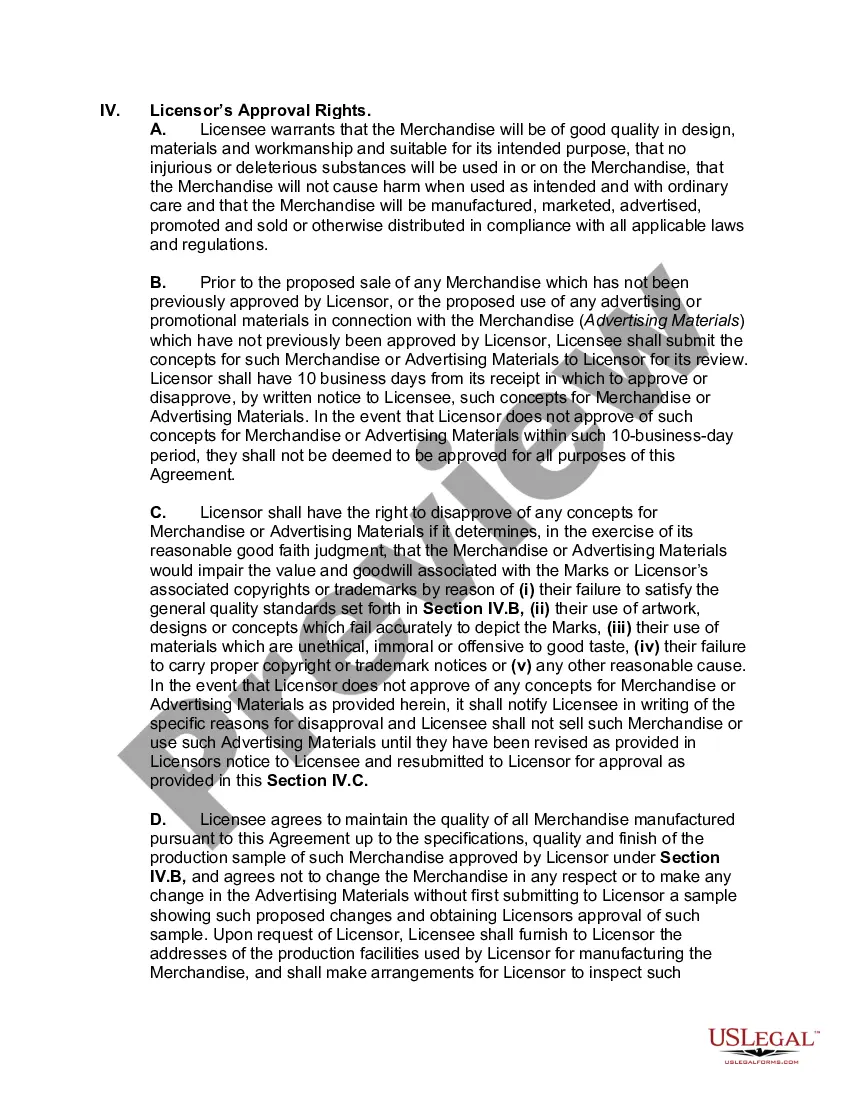
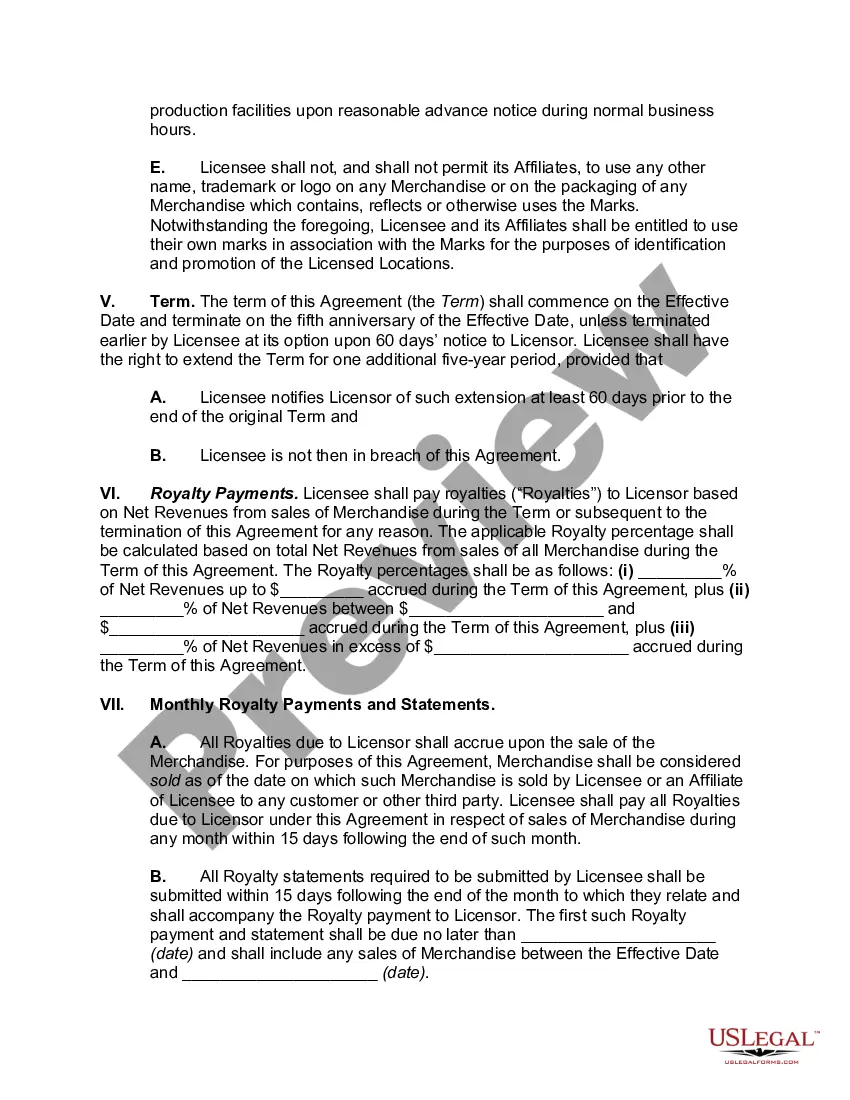
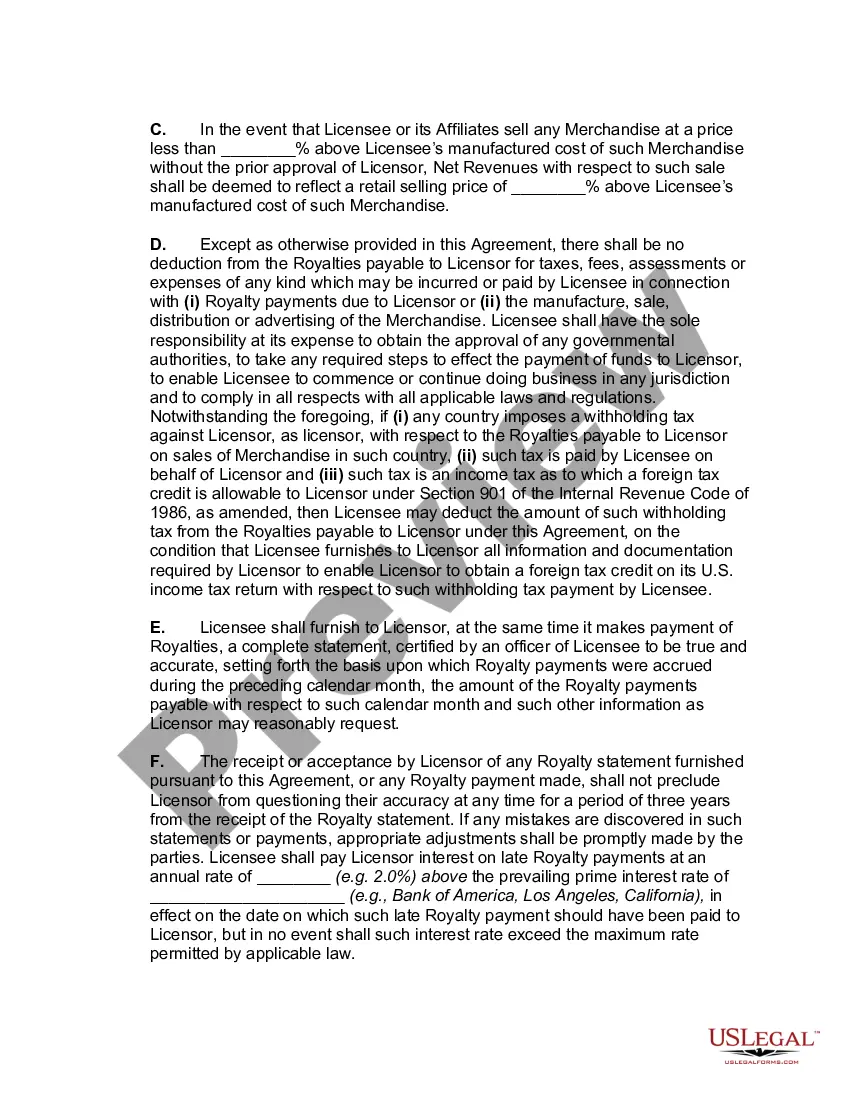
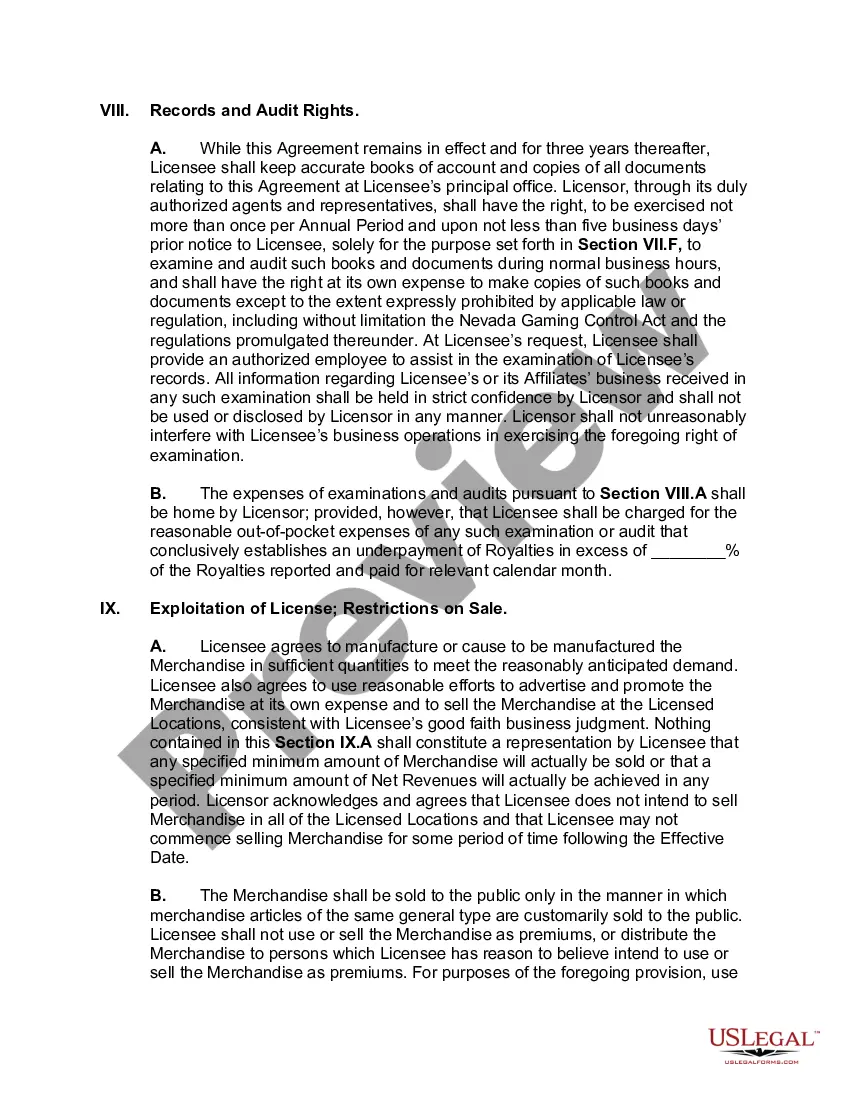
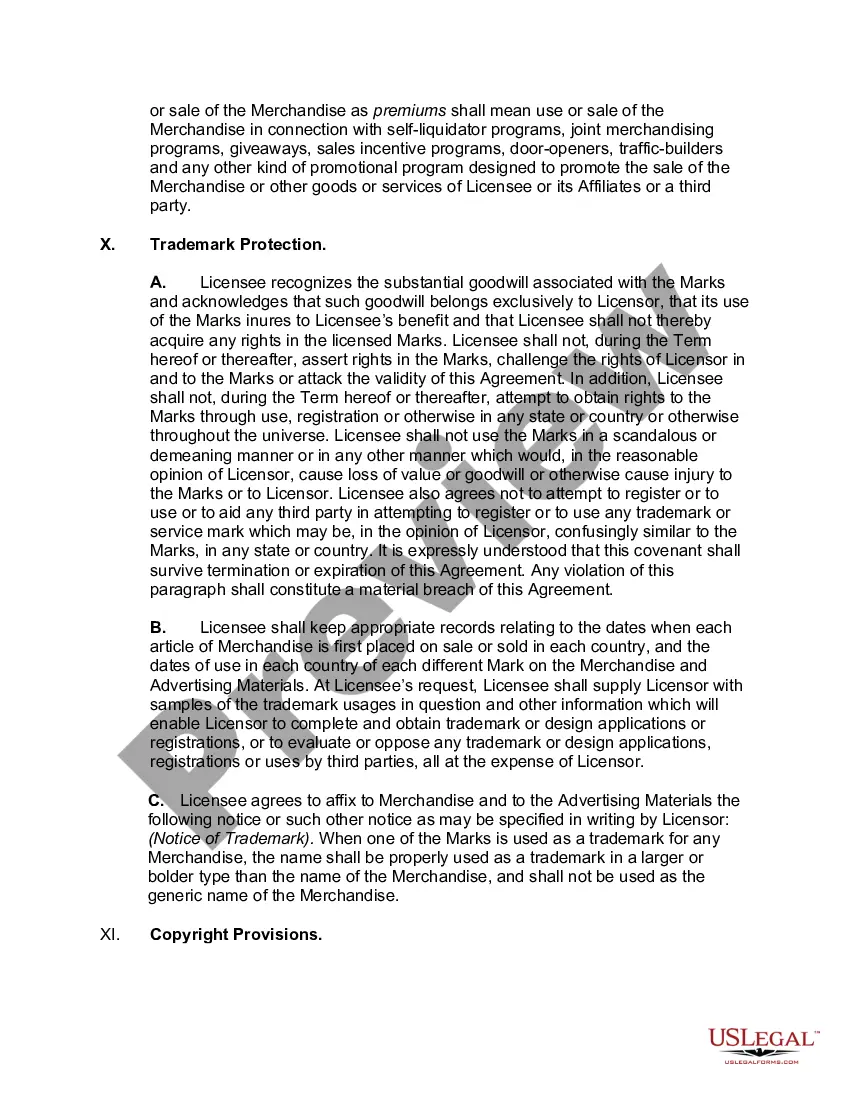
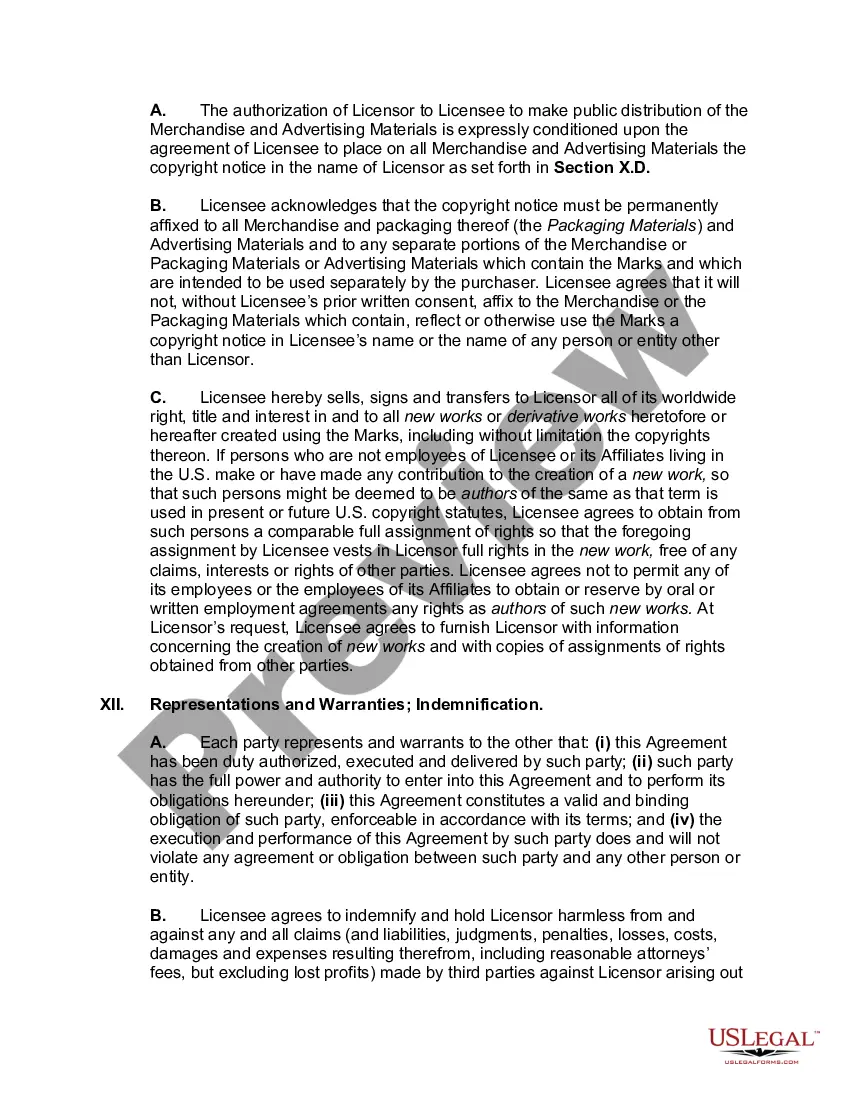
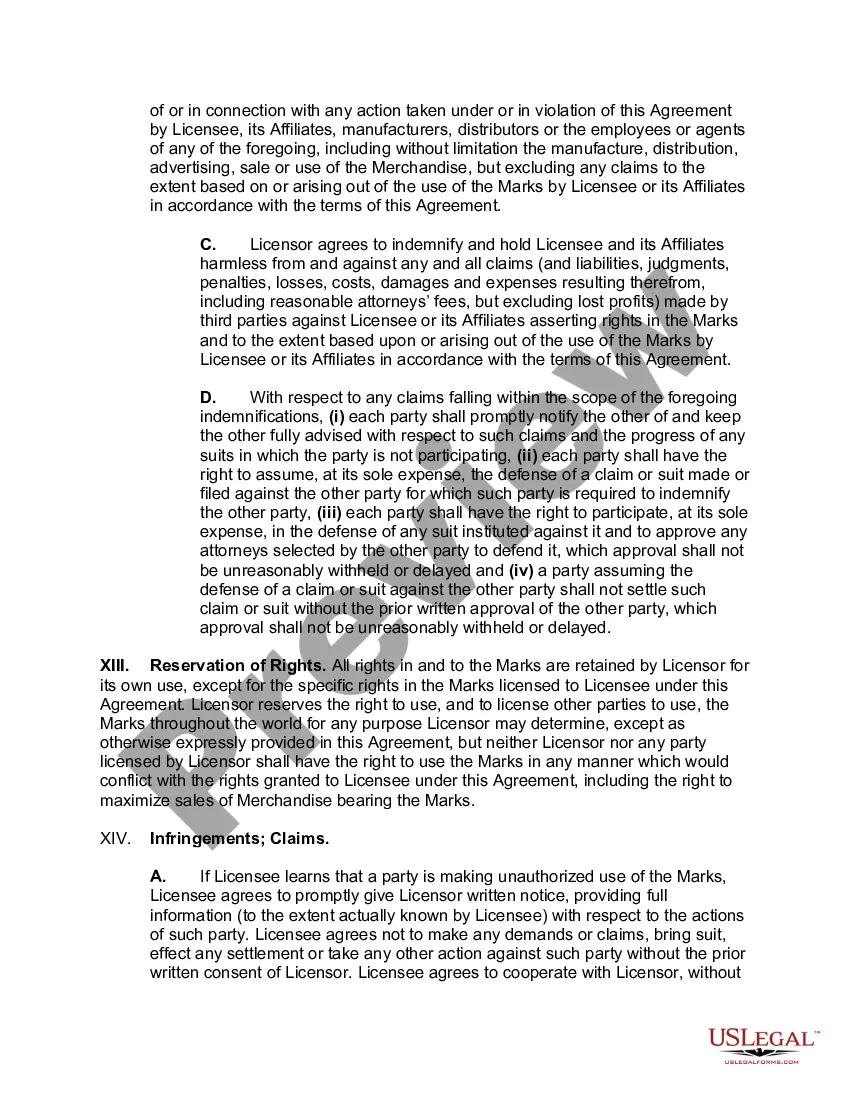
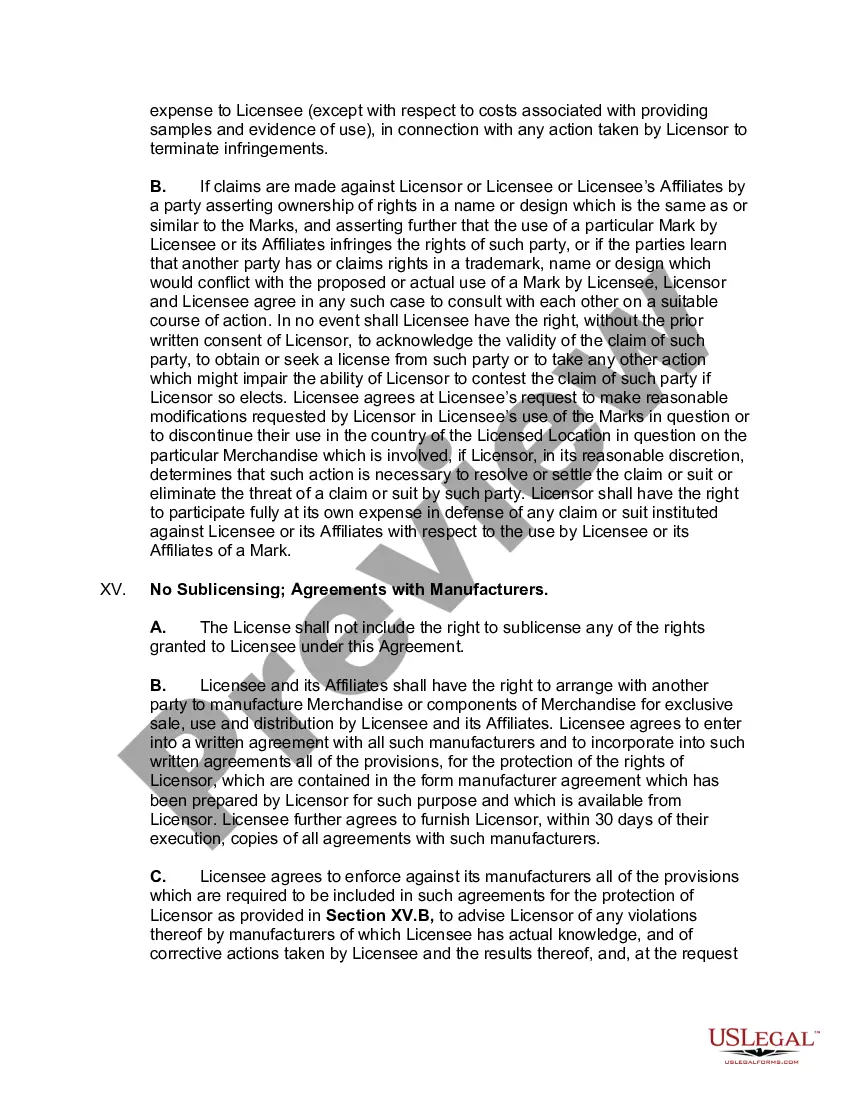
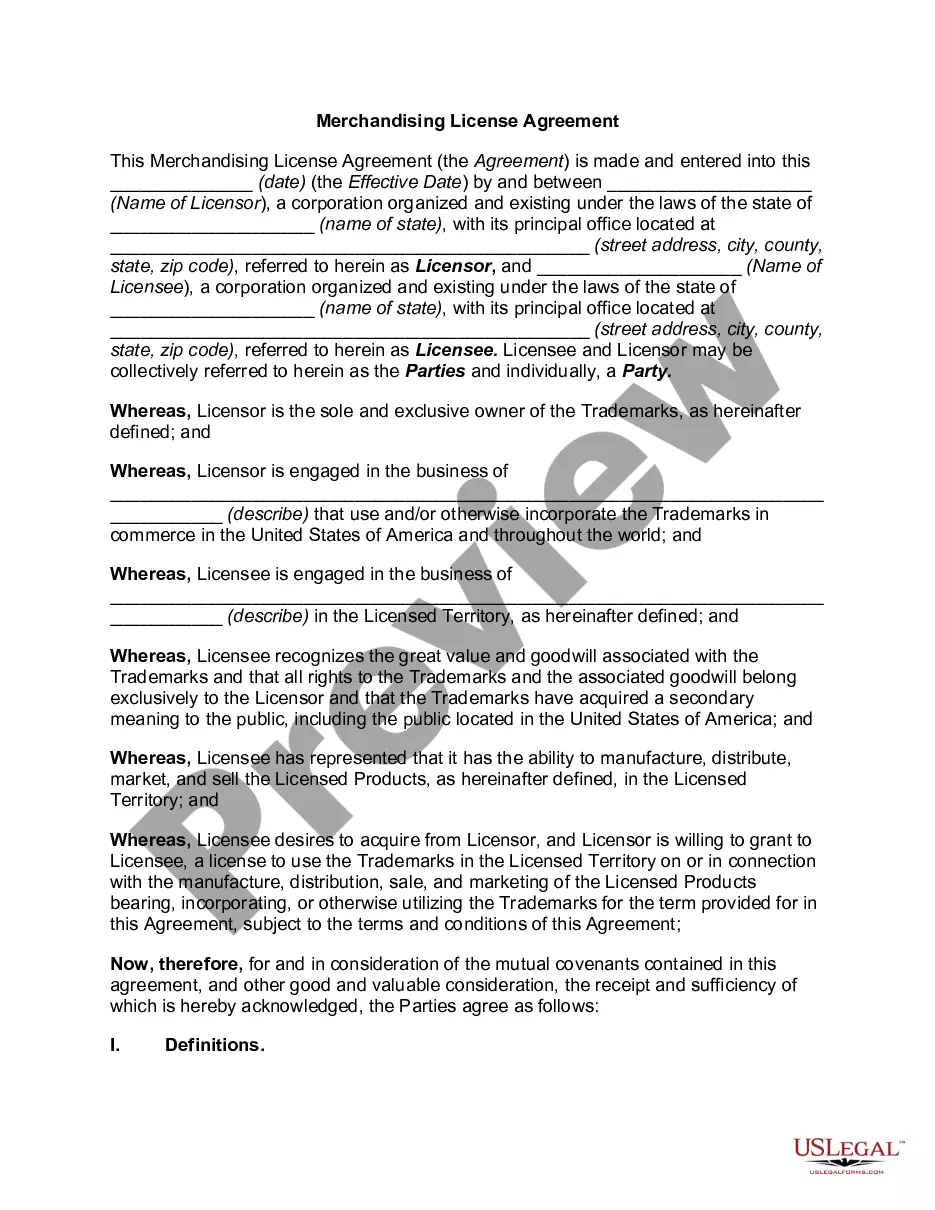
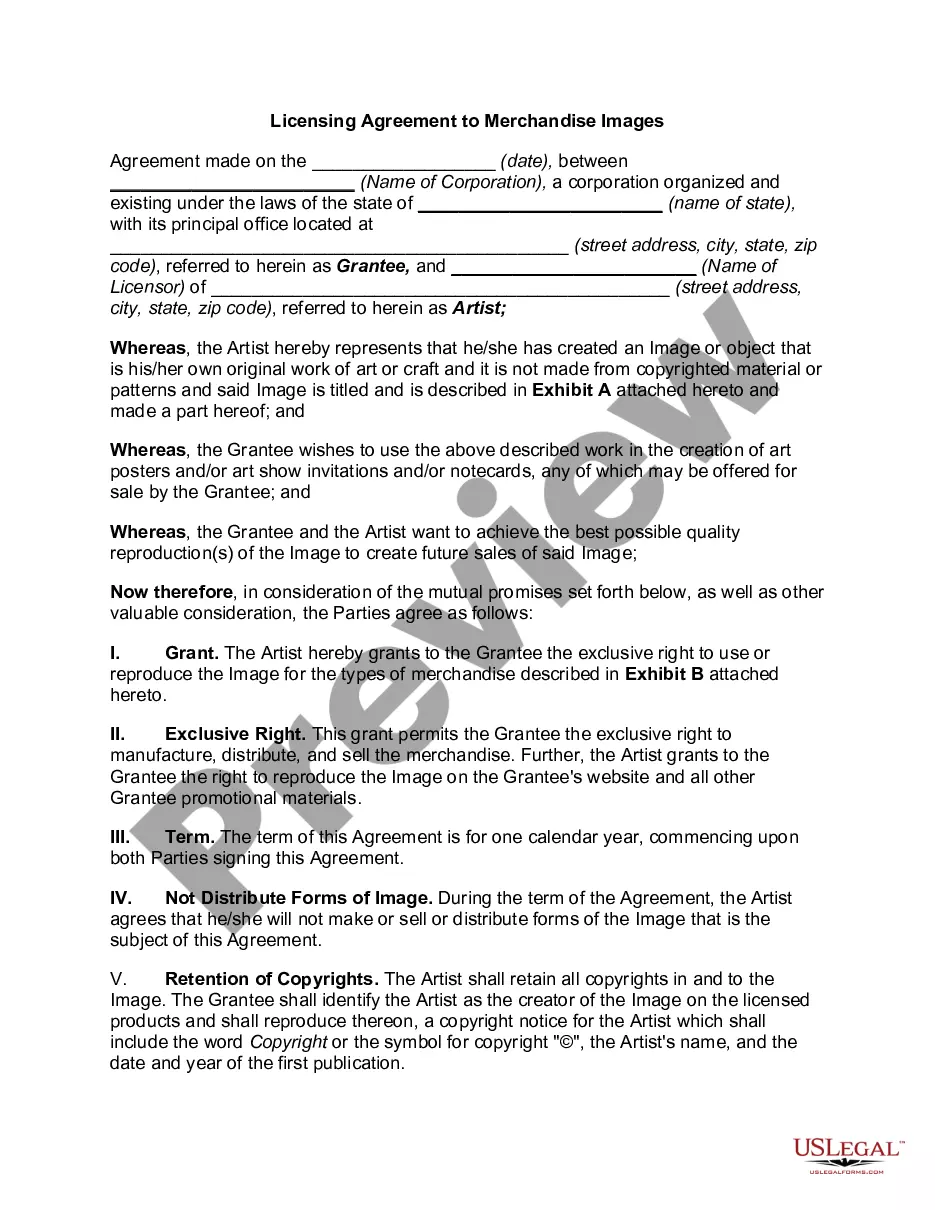
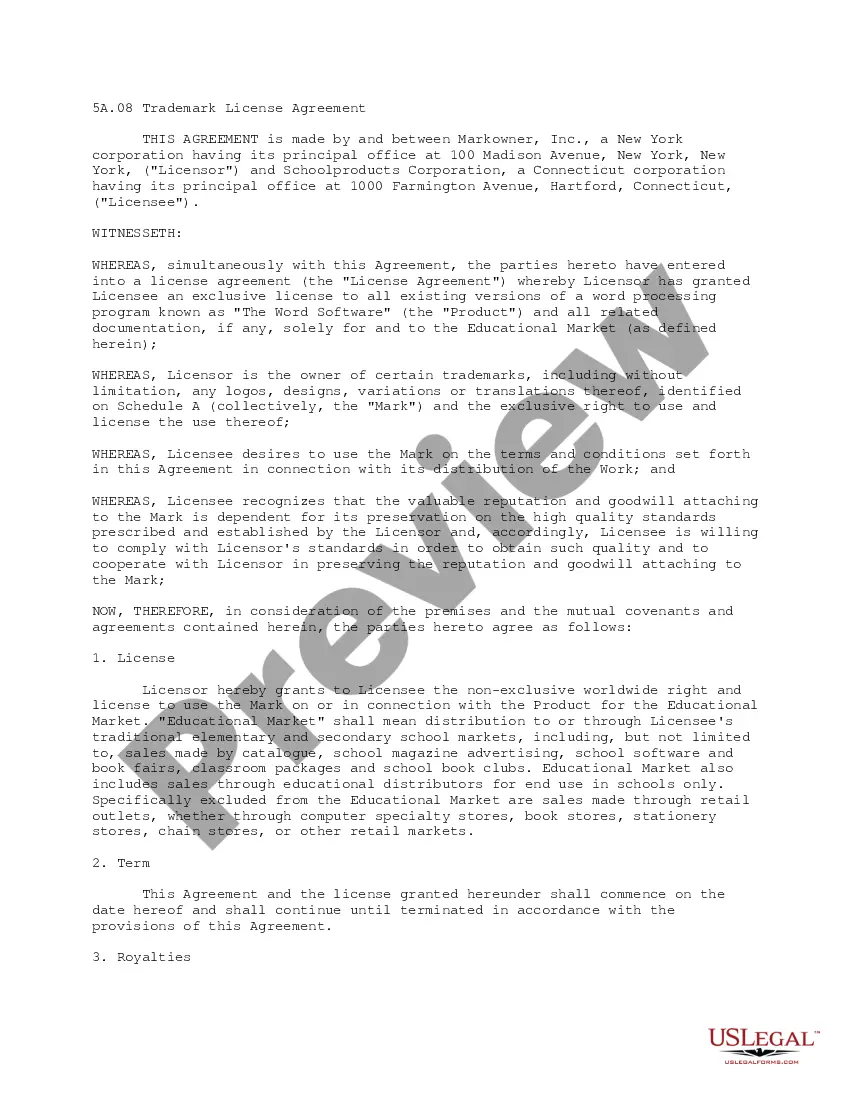
A merchandise license agreement describes the terms through which the owner of intellectual property, notably in the form of a trademark, service mark or copyright, grants a party, called the licensee, the right to use the property for distribution, marketing, and sale.
A licensing agreement is a legal contract between two parties, known as the licensor and the licensee. In a typical licensing agreement, the licensor grants the licensee the right to produce and sell goods, apply a brand name or trademark, or use patented technology owned by the licensor.