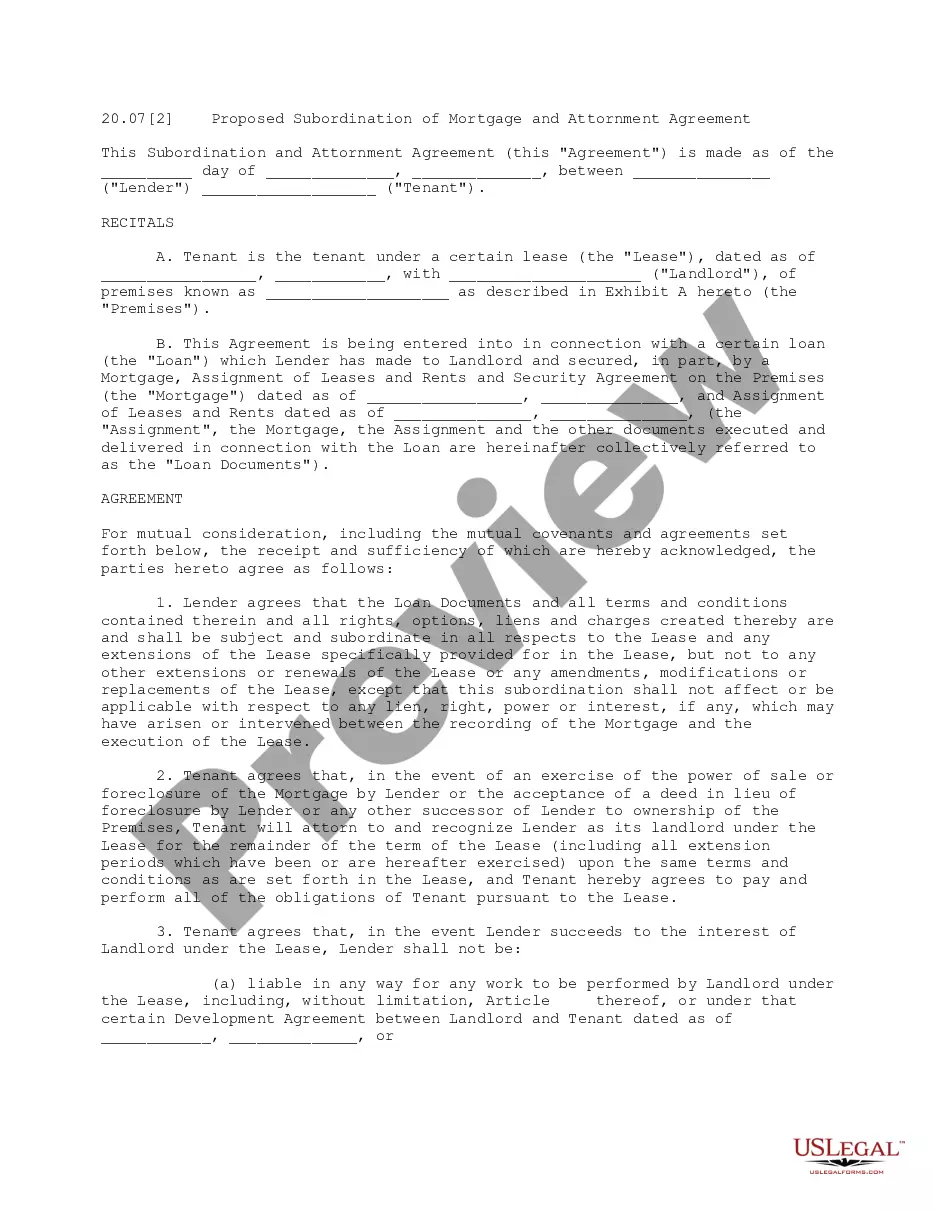
Connecticut Application and Agreement for Clubhouse of Condominium Association
Description
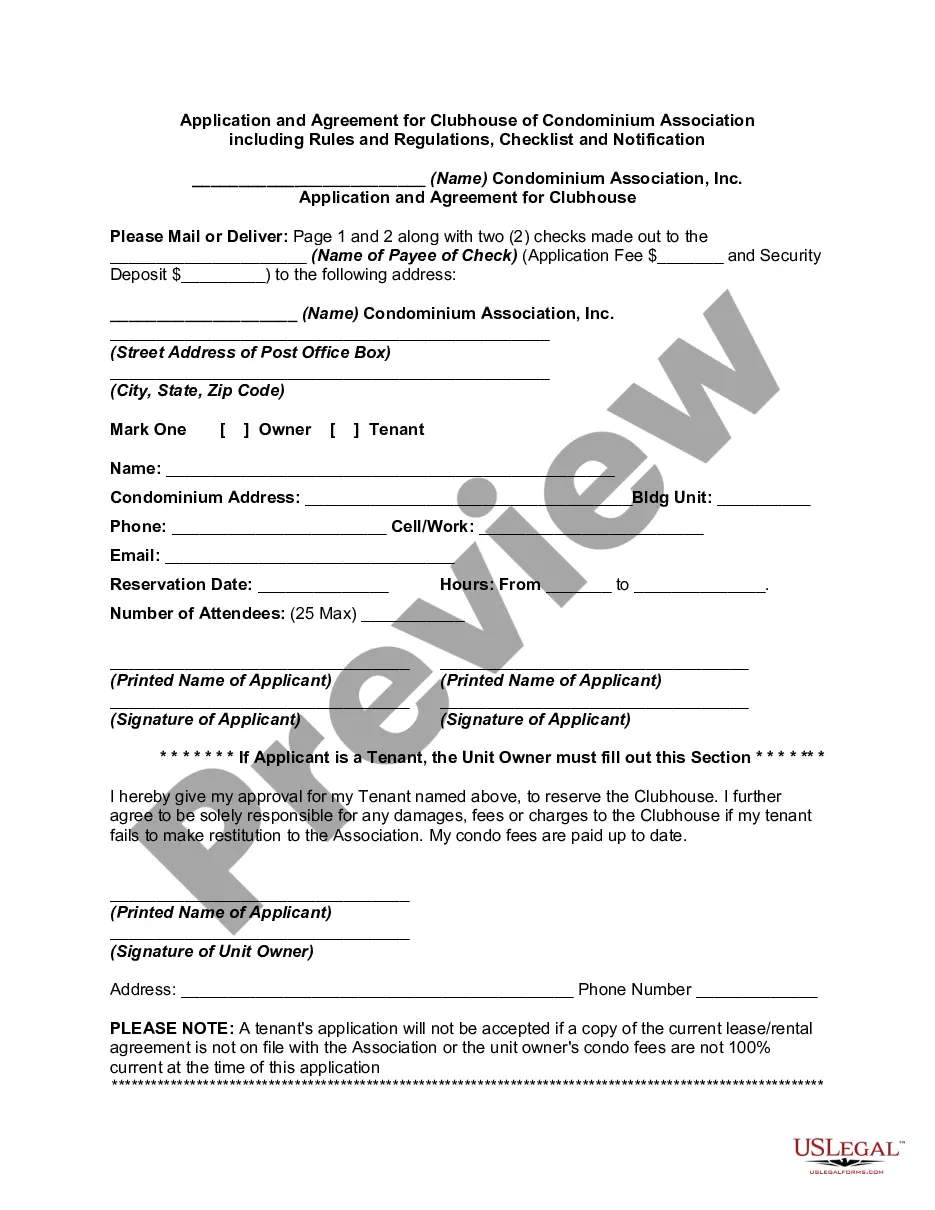
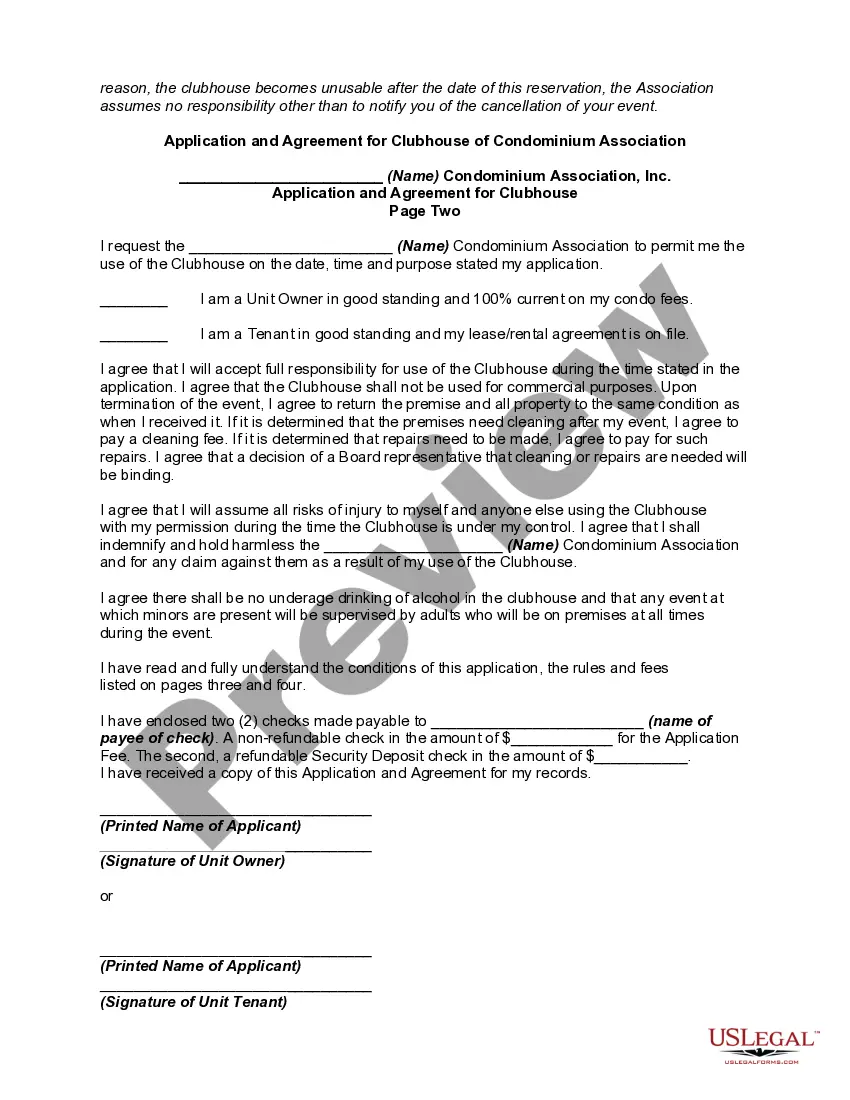
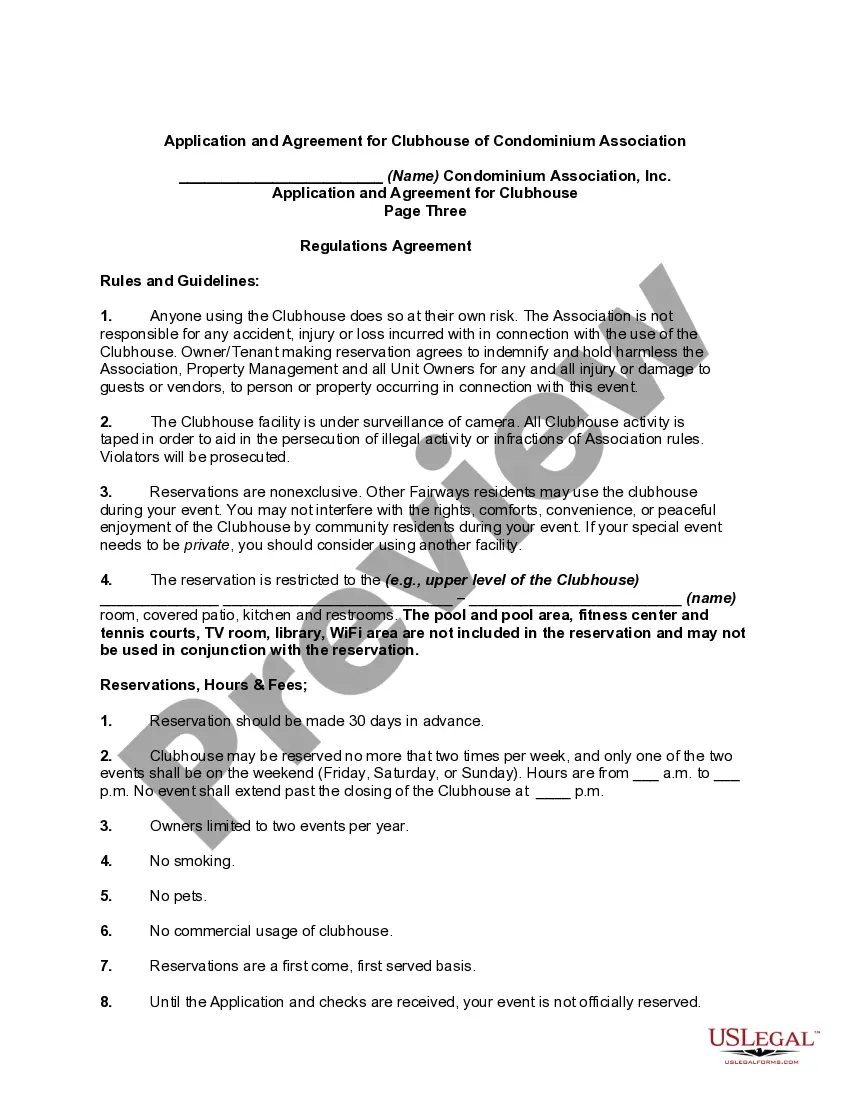
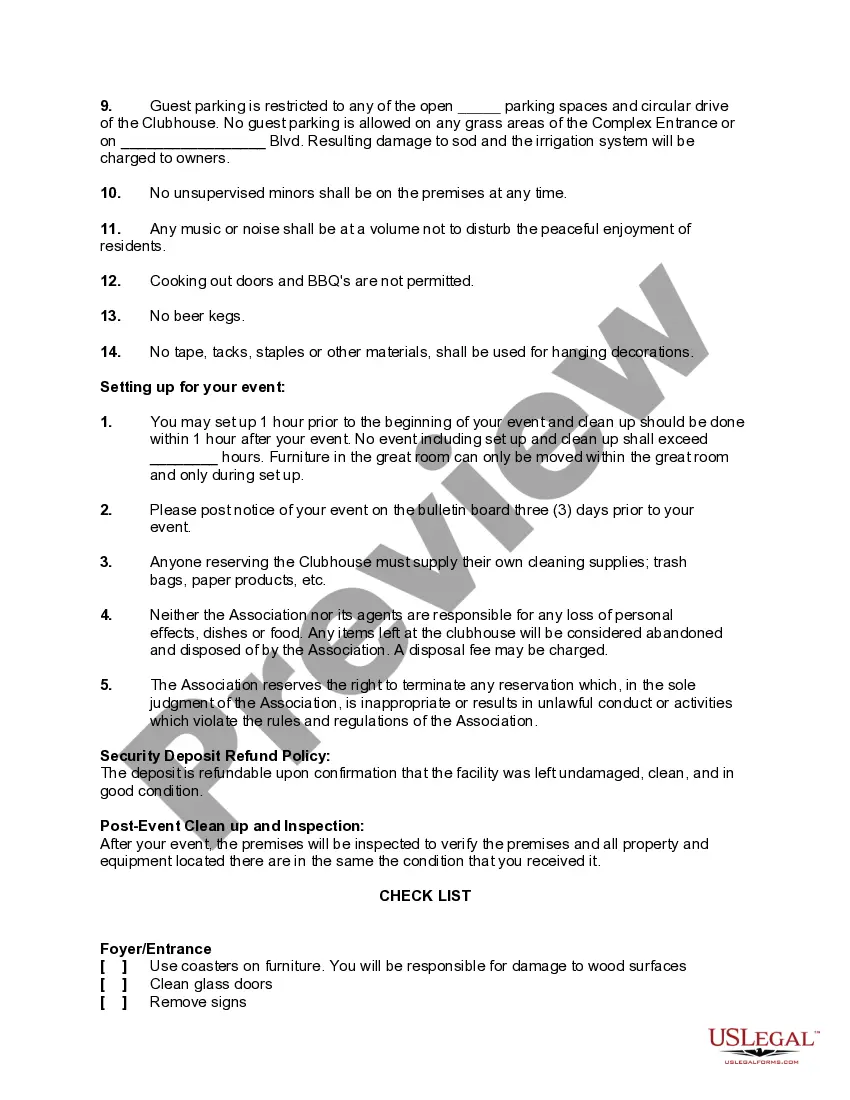
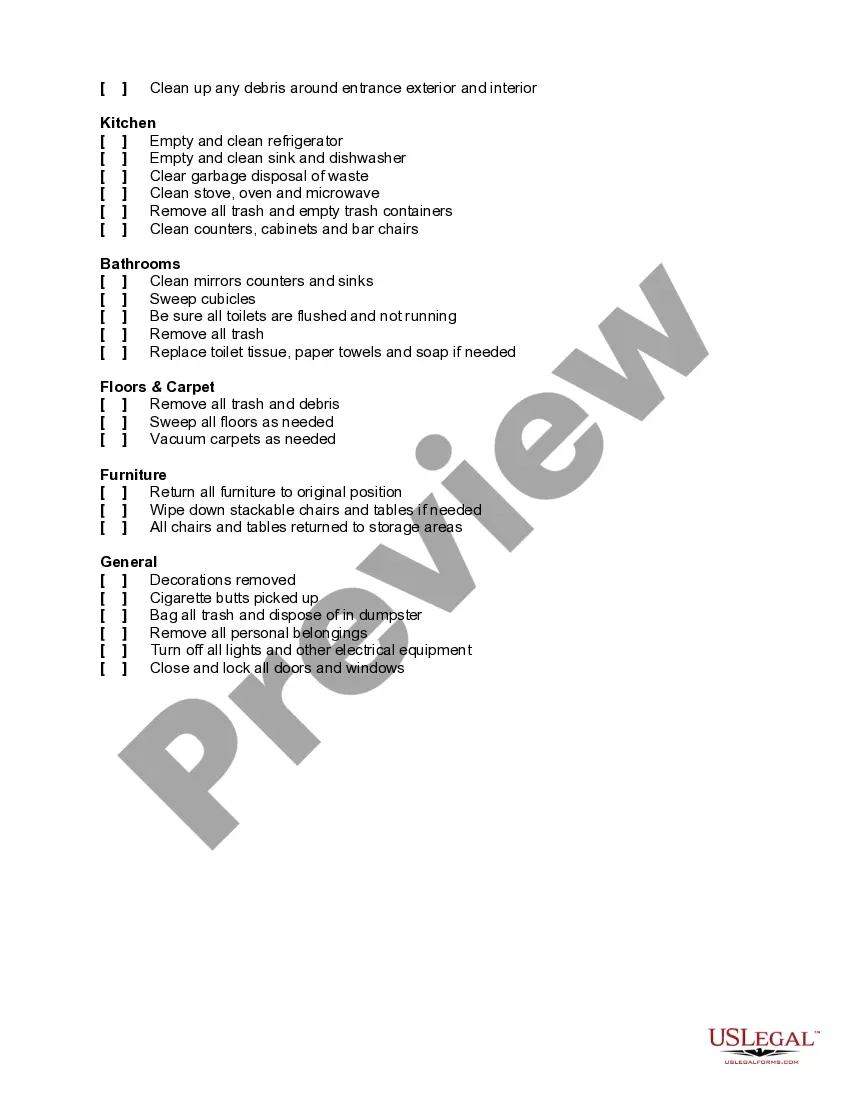
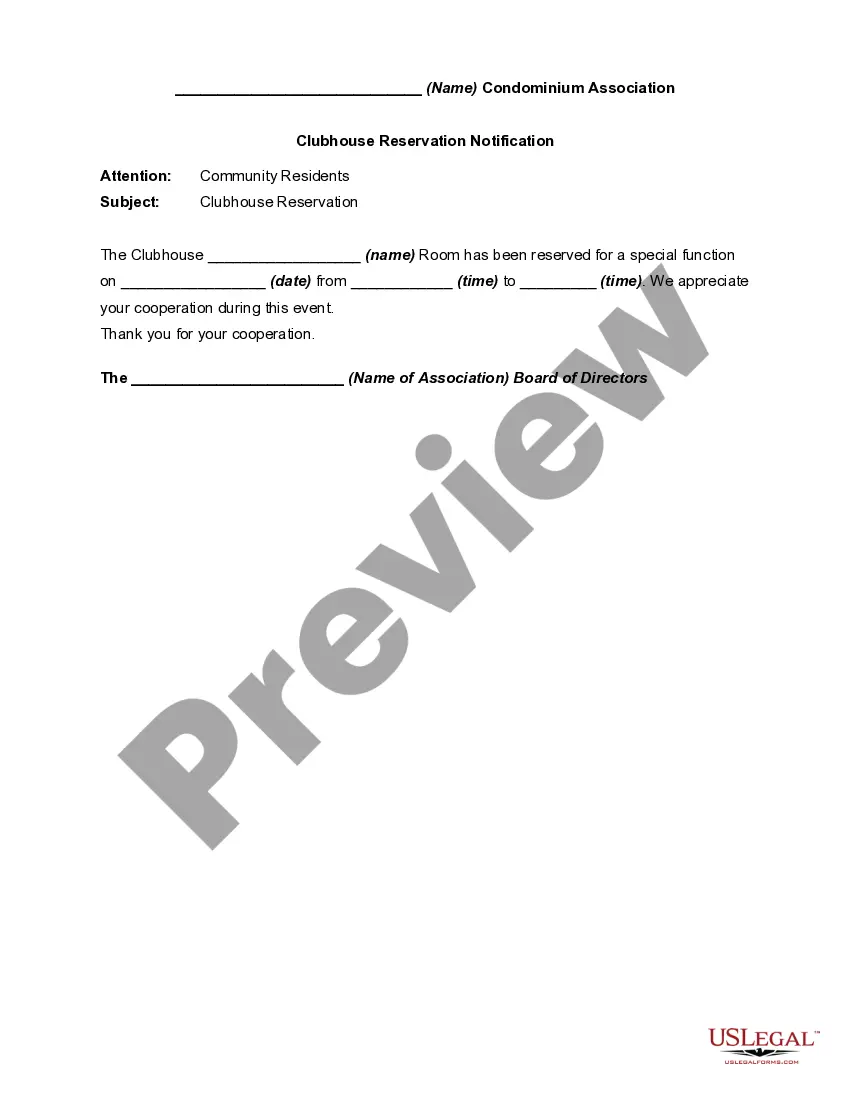
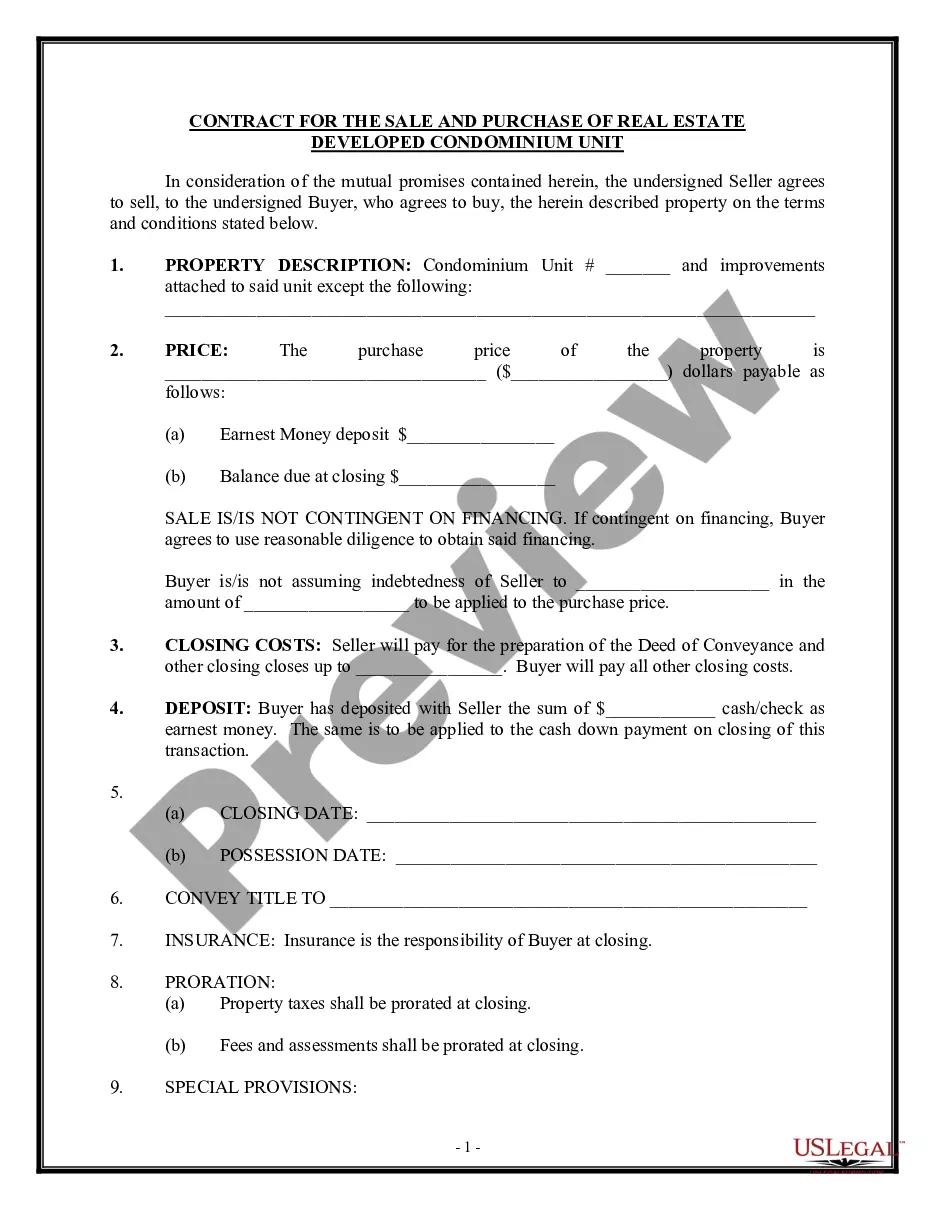
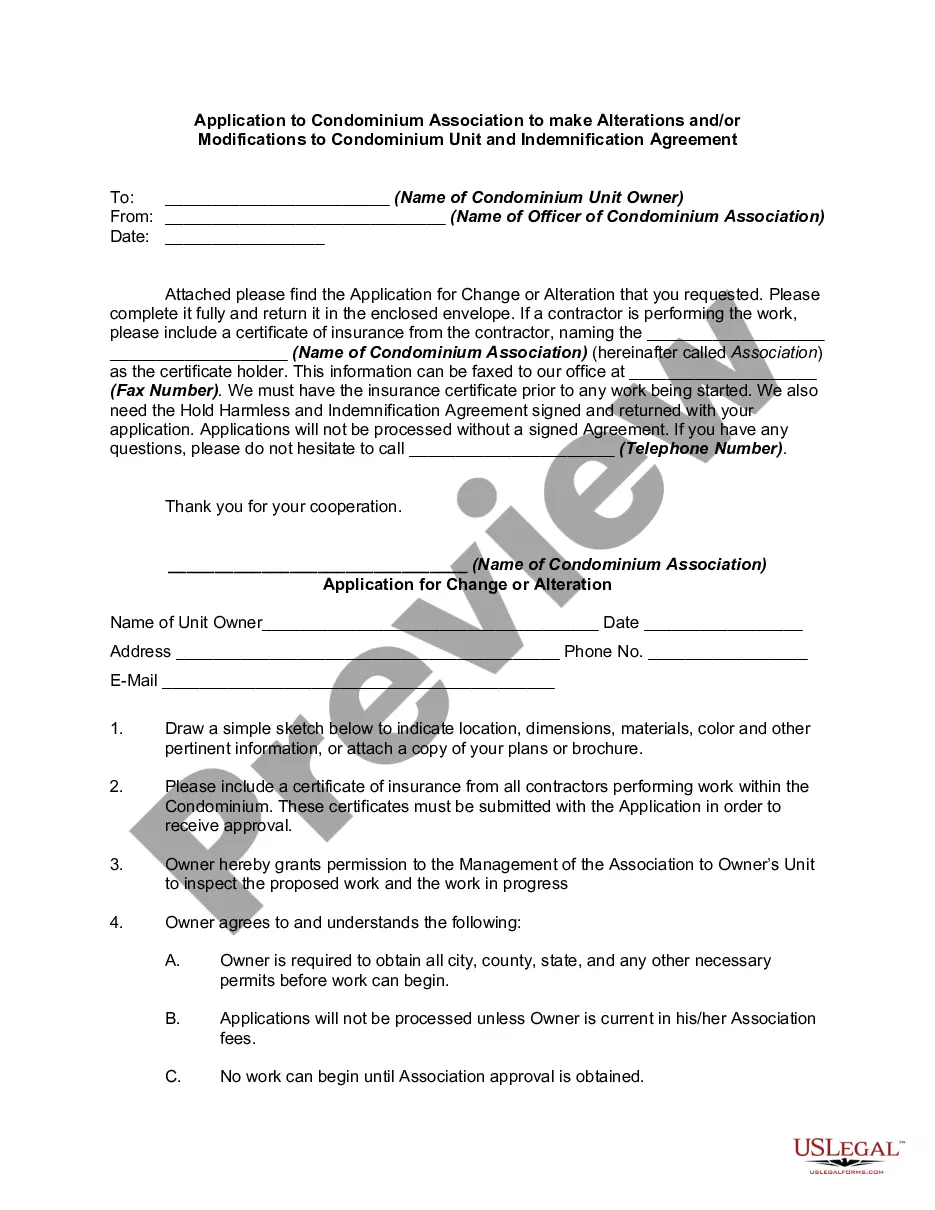
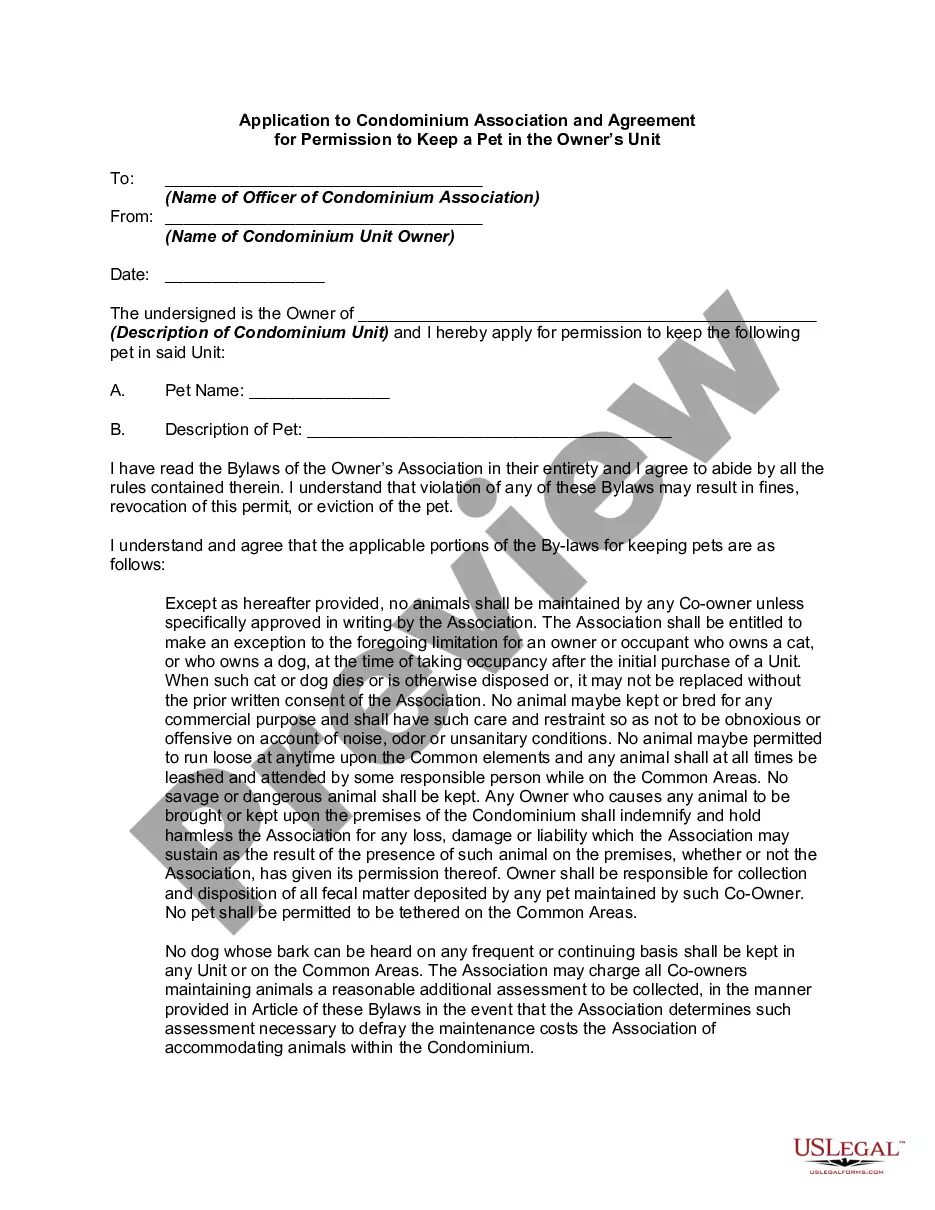
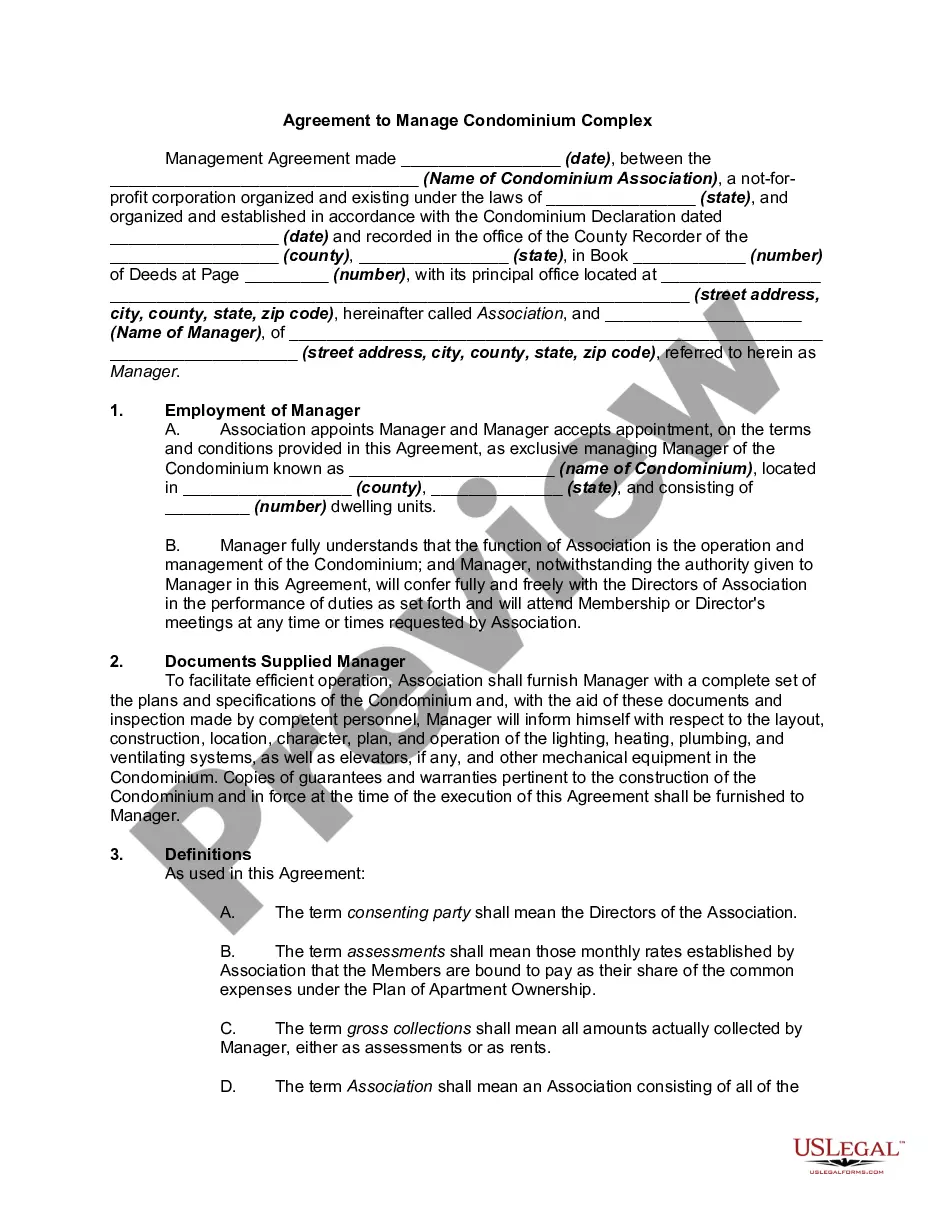
How to fill out Application And Agreement For Clubhouse Of Condominium Association?
If you require to download, print, or obtain valid document templates, utilize US Legal Forms, the most extensive selection of authentic forms available online.
Capitalize on the site's simple and user-friendly search feature to find the documents you need. Various templates for business and personal purposes are organized by types and categories, or keywords.
Employ US Legal Forms to acquire the Connecticut Application and Agreement for Clubhouse of Condominium Association with just a few clicks.
Every legitimate document template you acquire is yours permanently. You have access to all forms you saved in your account. Navigate to the My documents section and select a form to print or download again.
Compete, download, and print the Connecticut Application and Agreement for Clubhouse of Condominium Association with US Legal Forms. There are millions of professional and state-specific forms available for your business or personal needs.
- Step 1. Confirm that you have chosen the form for the correct city/region.
- Step 2. Use the Review function to examine the content of the form. Make sure to read the description.
- Step 3. If you are not satisfied with the form, utilize the Search field at the top of the screen to find alternative versions of the legitimate form template.
- Step 4. Once you have found the form you need, click the Purchase now button. Select your preferred pricing plan and input your details to register for an account.
- Step 5. Process the payment. You can use your Visa or Mastercard or PayPal account to complete the transaction.
- Step 6. Choose the format of the legitimate form and download it to your device.
- Step 7. Complete, modify, print, or sign the Connecticut Application and Agreement for Clubhouse of Condominium Association.
Form popularity
FAQ
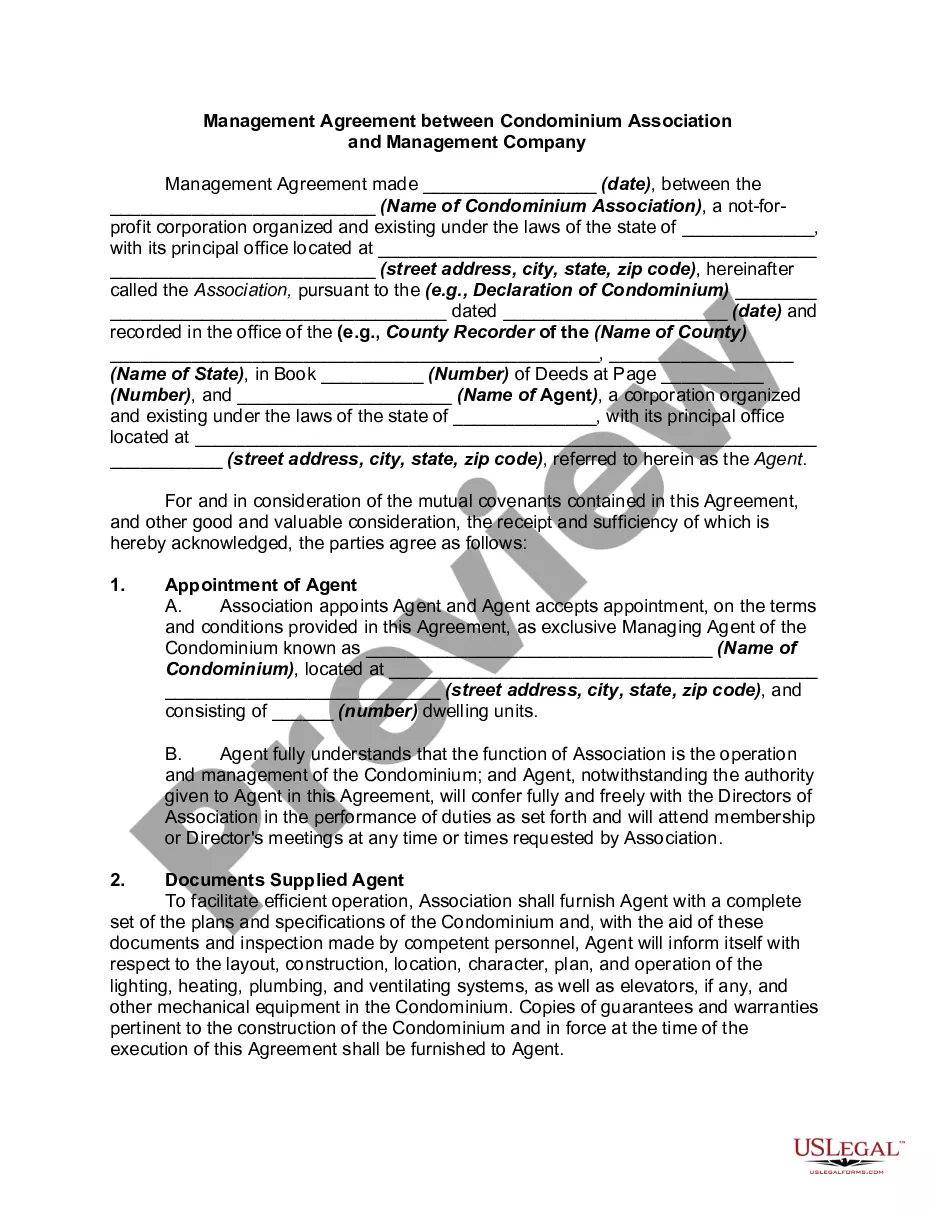
A condominium association agreement is a legal document that outlines the governing rules for a condominium community. This agreement typically includes details about the responsibilities of the association, individual unit owners, and the use of common areas, like clubhouses. If you're looking to create or manage a condominium community, the Connecticut Application and Agreement for Clubhouse of Condominium Association is essential for ensuring compliance and clarity. Additionally, you can trust platforms like uslegalforms to simplify the process of drafting and filing these important documents.
Suing a condo association is a serious step that requires preparation. Start by gathering all relevant documents, including the Connecticut Application and Agreement for Clubhouse of Condominium Association, which serves as an important reference. Before proceeding, consider discussing your situation with a legal professional who specializes in real estate law. This can help clarify your position and outline the best course of action.
Forcing a Homeowners Association (HOA) to complete needed repairs typically starts with reviewing your association's bylaws. These documents often specify the maintenance duties the HOA must uphold. If they neglect these responsibilities, you can send a formal request outlining the required repairs. Utilizing the Connecticut Application and Agreement for Clubhouse of Condominium Association can support your claim and emphasize the importance of adherence to community standards.
To file a complaint against a condo association in Connecticut, you should first review your community's governing documents. These typically outline the procedures for addressing grievances. If issues persist, consider documenting your concerns and reaching out to the Connecticut Department of Consumer Protection for guidance. Additionally, using the Connecticut Application and Agreement for Clubhouse of Condominium Association can help clarify your rights and responsibilities in the process.
A condo association agreement is a legal document that outlines the rules, responsibilities, and regulations governing a condominium community. This agreement typically includes provisions regarding maintenance, shared facilities, and individual unit responsibilities. It is vital to carefully review the Connecticut Application and Agreement for Clubhouse of Condominium Association to ensure all residents understand their rights and obligations within the community.
Yes, you can sue your condo association for negligence in Connecticut if you believe the association failed in its duty to maintain the property or protect residents. It’s essential to gather evidence of the negligence and understand what damages you may be entitled to. The Connecticut Application and Agreement for Clubhouse of Condominium Association sets various expectations for management duties that can be referenced in your case.
Homeowners associations in Connecticut are regulated by the Connecticut Department of Consumer Protection and must comply with state statutes. These regulations ensure that associations operate fairly and transparently. Additionally, understanding the guidelines related to the Connecticut Application and Agreement for Clubhouse of Condominium Association can help both homeowners and associations meet their legal obligations.
To file a complaint against a condo association in Connecticut, first document your concerns clearly and gather any relevant evidence. Next, you should submit your complaint to the board of directors of the association. If unresolved, you can file a complaint with the Connecticut Department of Consumer Protection, which can assist you in navigating disputes related to the Connecticut Application and Agreement for Clubhouse of Condominium Association.
A condominium association typically governs the condominium properties and is composed of unit owners. This group, often elected, makes decisions on property management, budgets, and rule enforcement. The association's duties include adhering to the Connecticut Application and Agreement for Clubhouse of Condominium Association, ensuring that all homeowners have a voice in the management of their shared community.
To form a condominium association, gather interested parties, create a governing document, and establish bylaws that outline the association's purpose and structure. You must also file certain paperwork with the state of Connecticut, often including the Connecticut Application and Agreement for Clubhouse of Condominium Association. Additionally, consulting with a legal professional can streamline the formation process and ensure compliance with local regulations.