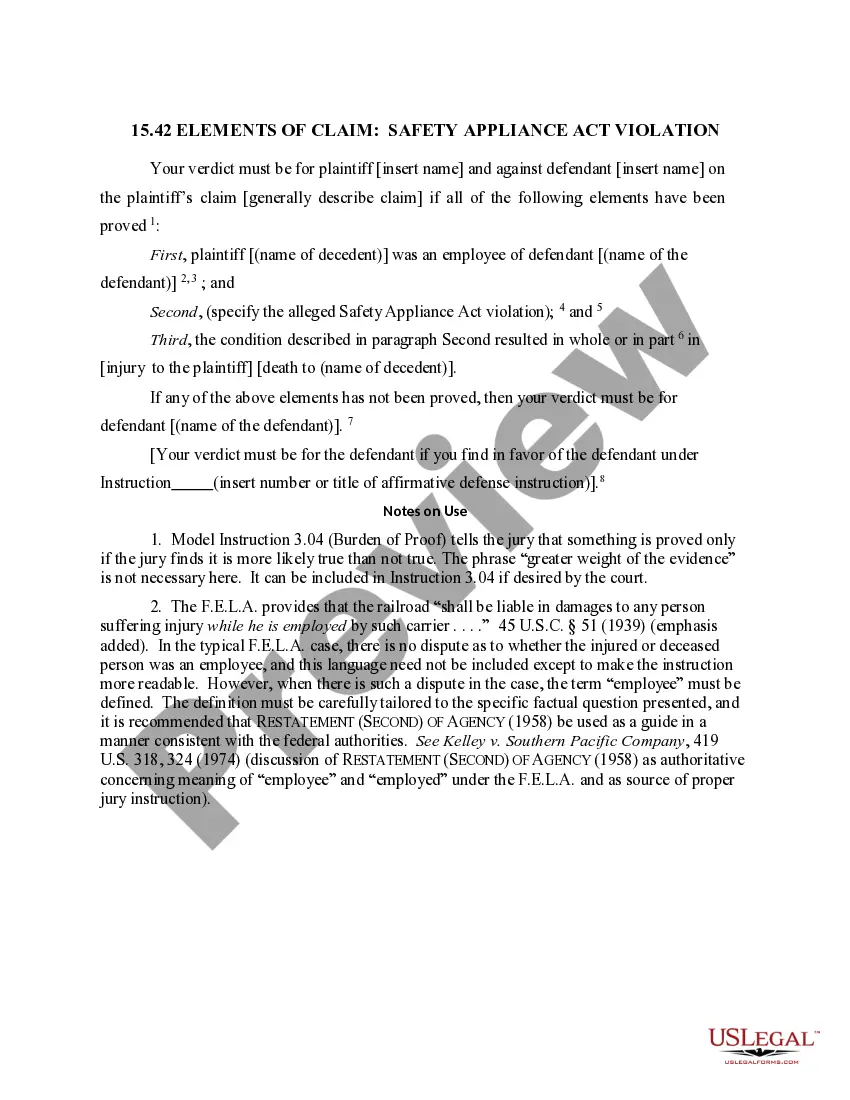
Connecticut Assertion of Right to Be Present
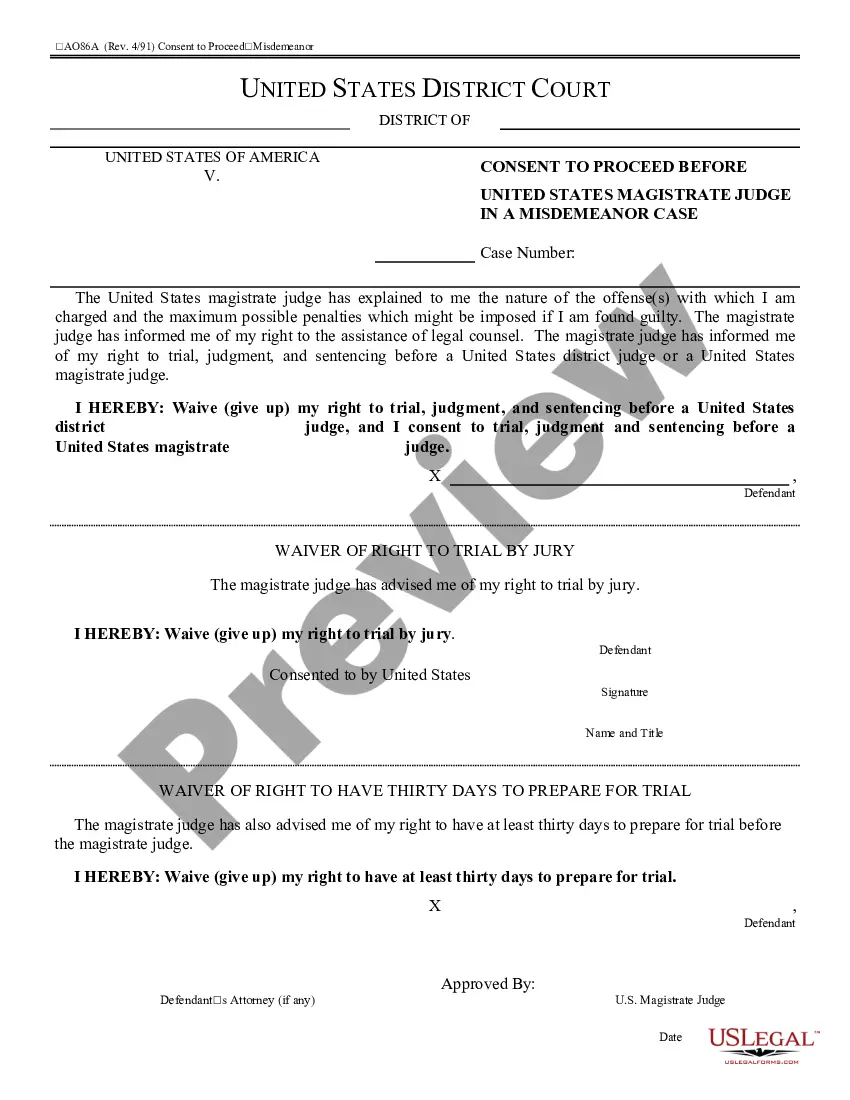
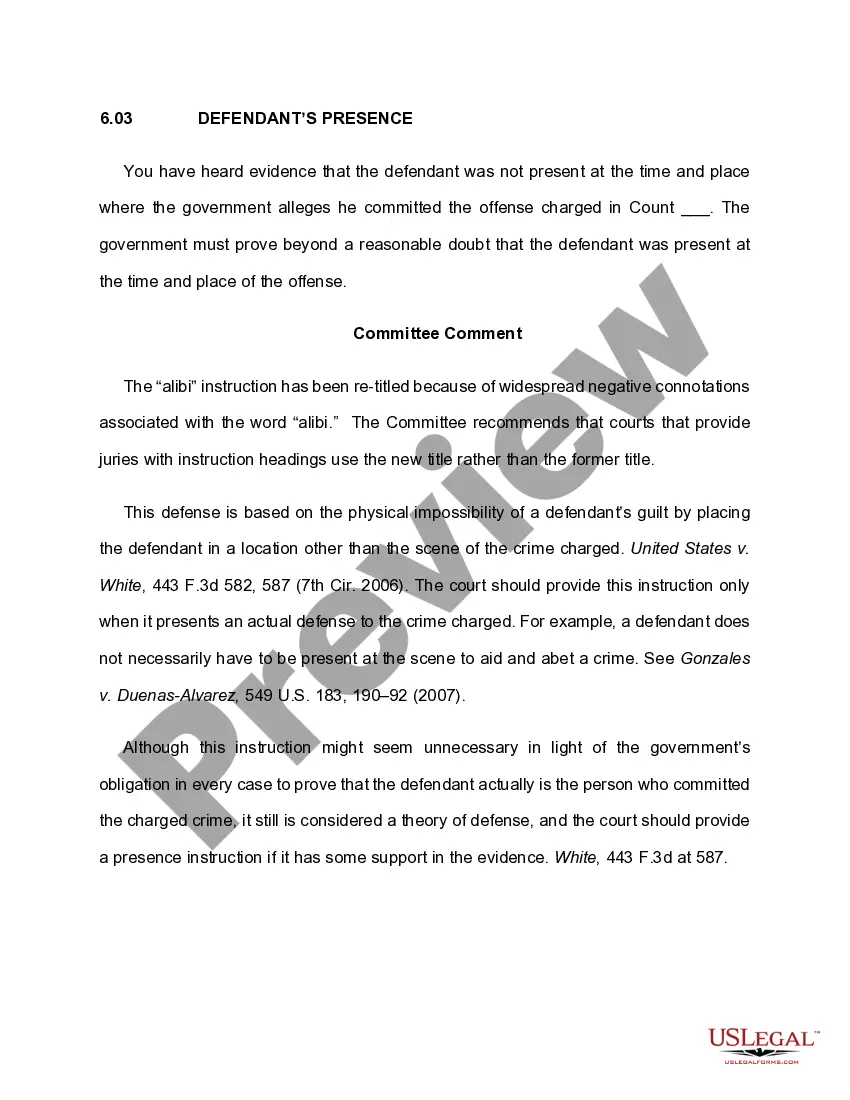
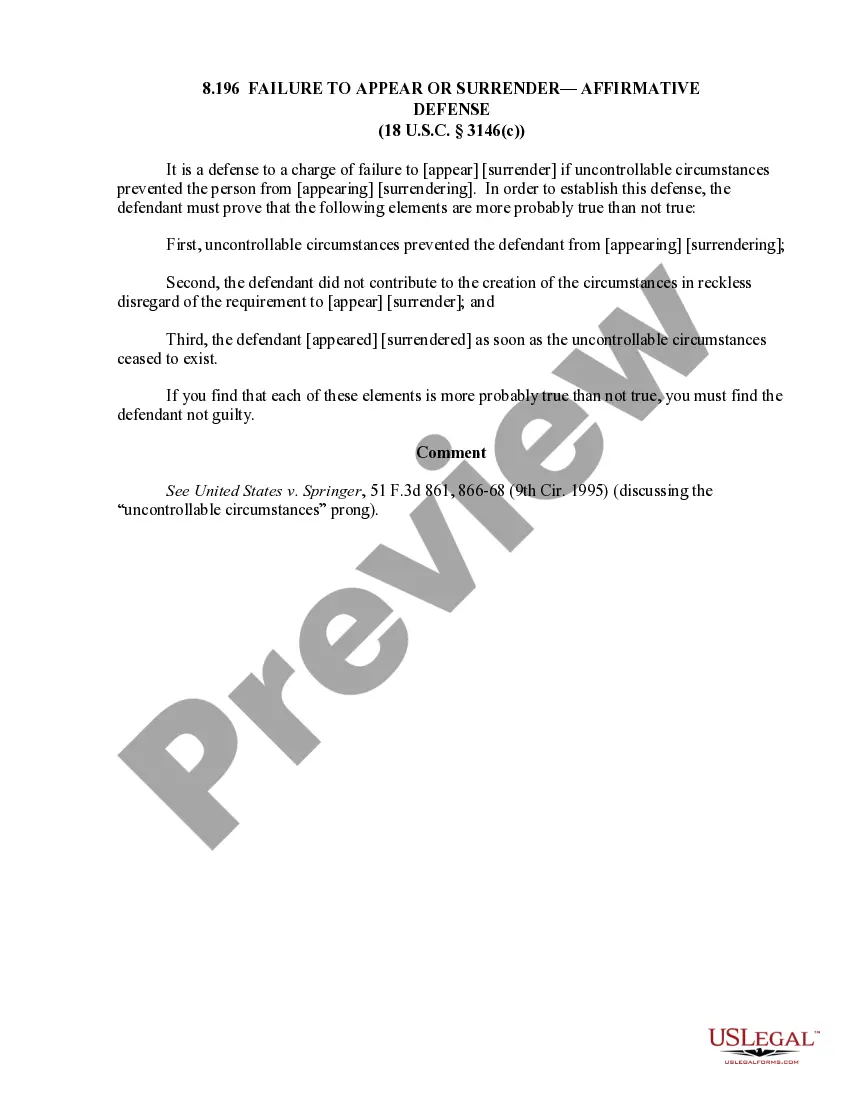
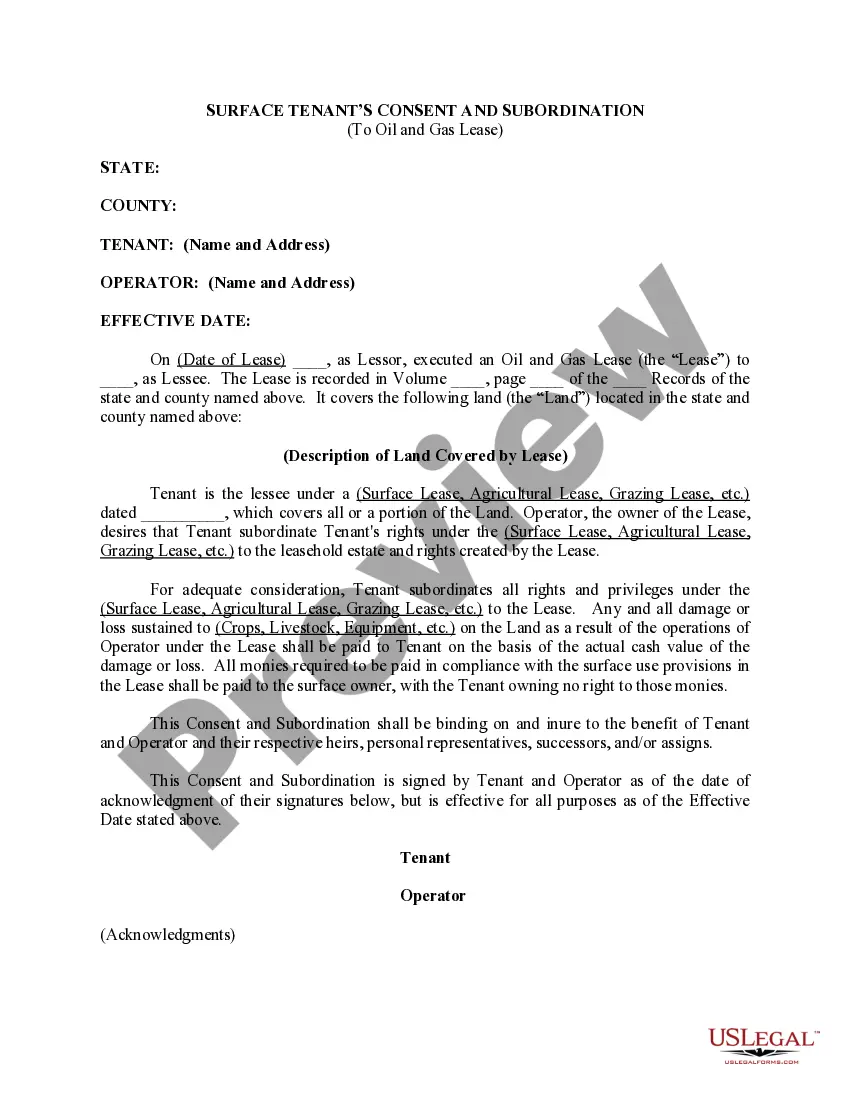
Description
Get your form ready online
Our built-in tools help you complete, sign, share, and store your documents in one place.
Make edits, fill in missing information, and update formatting in US Legal Forms—just like you would in MS Word.
Download a copy, print it, send it by email, or mail it via USPS—whatever works best for your next step.
Sign and collect signatures with our SignNow integration. Send to multiple recipients, set reminders, and more. Go Premium to unlock E-Sign.
If this form requires notarization, complete it online through a secure video call—no need to meet a notary in person or wait for an appointment.
We protect your documents and personal data by following strict security and privacy standards.

Make edits, fill in missing information, and update formatting in US Legal Forms—just like you would in MS Word.

Download a copy, print it, send it by email, or mail it via USPS—whatever works best for your next step.

Sign and collect signatures with our SignNow integration. Send to multiple recipients, set reminders, and more. Go Premium to unlock E-Sign.

If this form requires notarization, complete it online through a secure video call—no need to meet a notary in person or wait for an appointment.

We protect your documents and personal data by following strict security and privacy standards.
Looking for another form?





How to fill out Assertion Of Right To Be Present?
US Legal Forms - one of the most prominent collections of legal documents in the United States - provides a variety of legal document templates that you can download or print. By using the website, you can find thousands of forms for business and personal purposes, organized by categories, states, or keywords. You can access the latest versions of forms such as the Connecticut Declaration of Right to Be Present within moments.
If you already have a monthly membership, Log In and download the Connecticut Declaration of Right to Be Present from the US Legal Forms library. The Download button will appear on every form you view. You can access all previously acquired forms in the My documents section of your account.
If you are using US Legal Forms for the first time, here are straightforward steps to get started: Ensure you have selected the correct form for your city/county. Click the Review button to examine the form's content. Read the form description to confirm that you have chosen the right form. If the form does not meet your requirements, utilize the Search field at the top of the screen to find one that does. Once you are satisfied with the form, confirm your choice by clicking the Purchase now button. Then, select the pricing plan you prefer and enter your information to register for an account. Process the payment. Use your Visa or Mastercard or PayPal account to complete the transaction. Select the format and download the form to your device. Make modifications. Complete, edit, print, and sign the downloaded Connecticut Declaration of Right to Be Present. Every template you add to your account has no expiration date and belongs to you permanently. Therefore, if you wish to download or print another copy, simply go to the My documents section and click on the form you need.
- Access the Connecticut Declaration of Right to Be Present with US Legal Forms, the most extensive collection of legal document templates.
- Utilize a wide range of professional and state-specific templates that meet your business or personal needs and requirements.
Form popularity
FAQ
Rule 4.2 of the Rules of Professional Conduct provides that ?[i]n representing a client, a lawyer shall not communicate about the subject of the representation with a party the lawyer knows to be represented by another lawyer in the matter, unless the lawyer has the consent of the other lawyer or is authorized by law ...
Rule 8.4(7) defines ?professional misconduct? by a Connecticut attorney as including speech that the lawyer knows or reasonably should know ?is harassment or discrimination on the basis of? any of 15 listed characteristics?among them race, sex, religion, disability, sexual orientation, and gender identity.
Rule 7.1. A lawyer shall not make a false or misleading communication about the lawyer or the lawyer's services.
Rule 1.10 - Imputation of Conflicts of Interest: General Rule (a) While lawyers are associated in a firm, none of them shall knowingly represent a client when any one of them practicing alone would be prohibited from doing so by Rules 1.7, 1.8(c), or 1.9, unless the prohibition is based on a personal interest of the ...
Regulatory Scheme: Connecticut Rule of Professional Conduct 7.4A permits attorneys to state or imply that they are certified specialists where certification is granted "by a board or other entity which is approved by the Rules Committee of the Superior Court." [Rule 7.4A].
Rule 1.7 - Conflict of Interest: General Rule (a) Except as provided in paragraph (b), a lawyer shall not represent a client if the representation involves a concurrent conflict of interest.