Connecticut Demand for Notice of Aggravating and for Disclosure of Evidence Supporting Mitigating Circumstances
Description
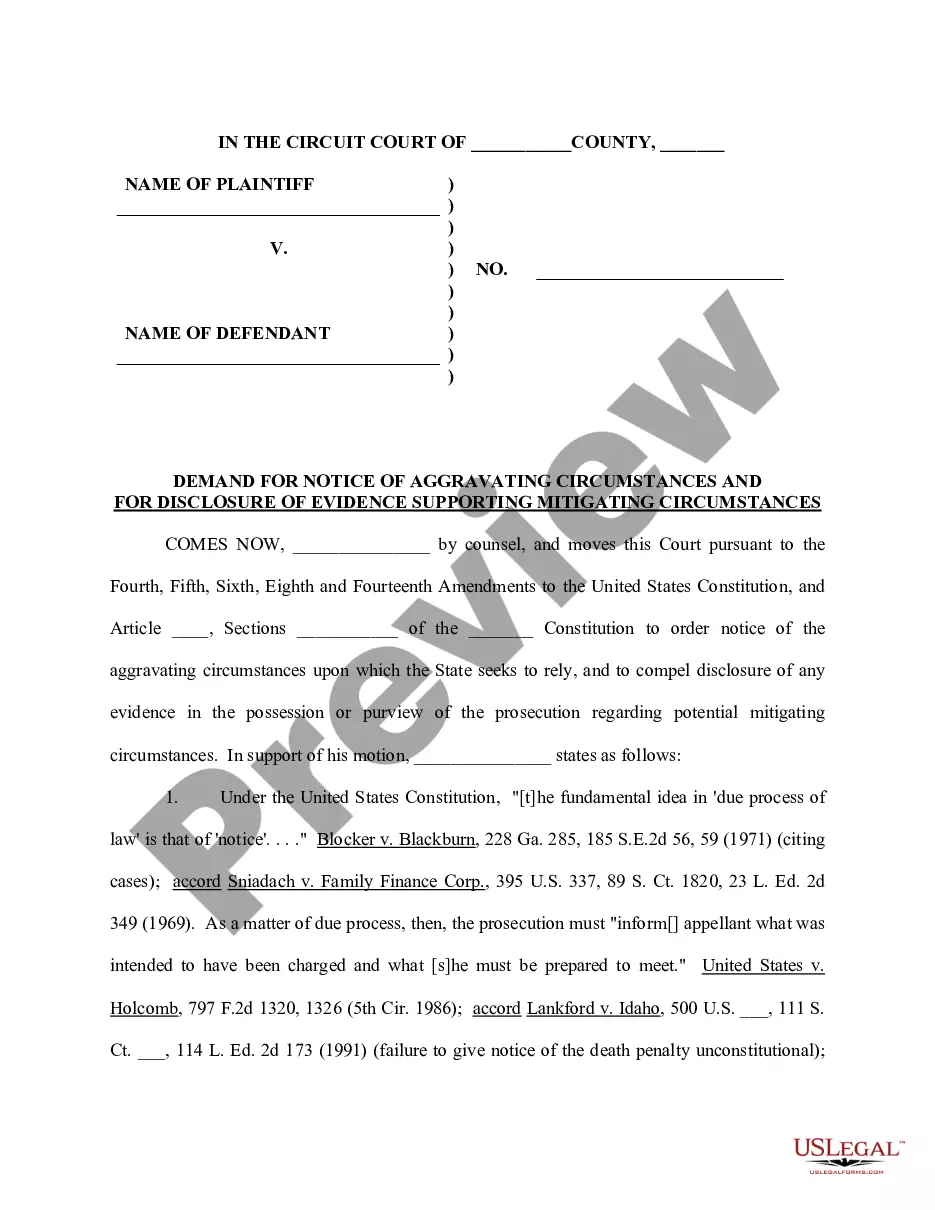
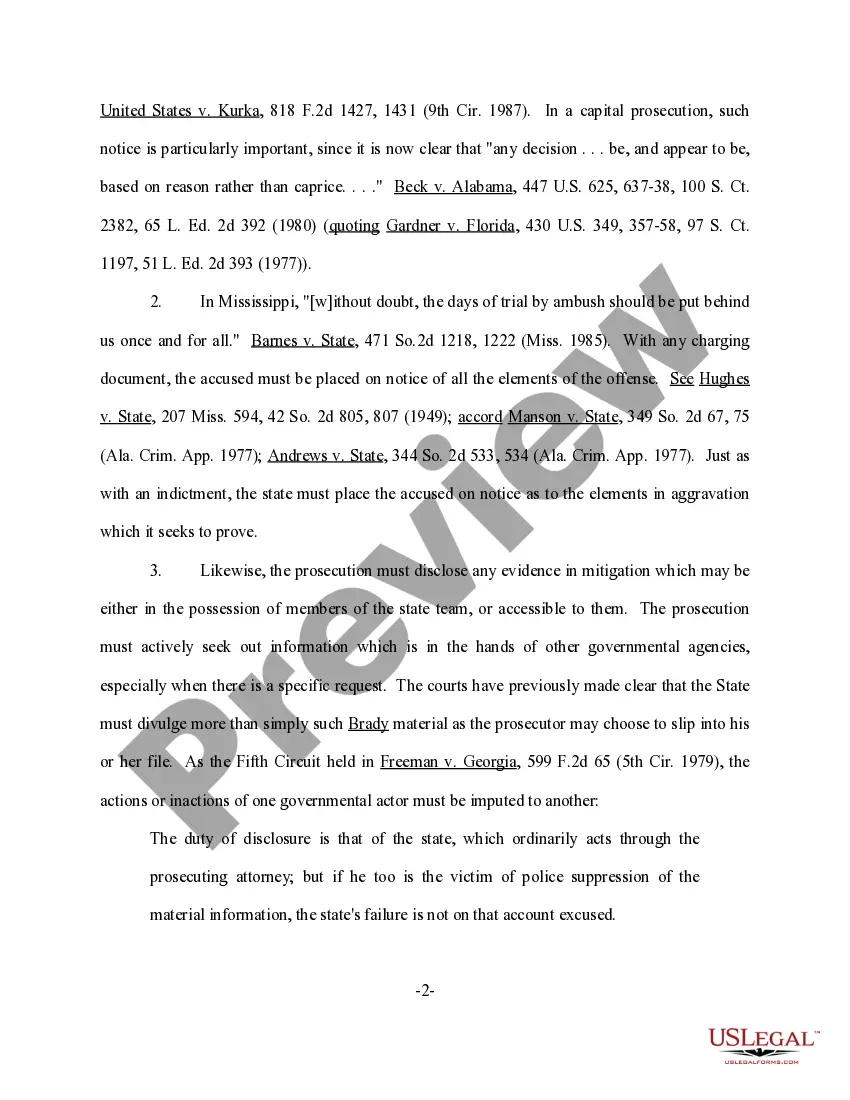
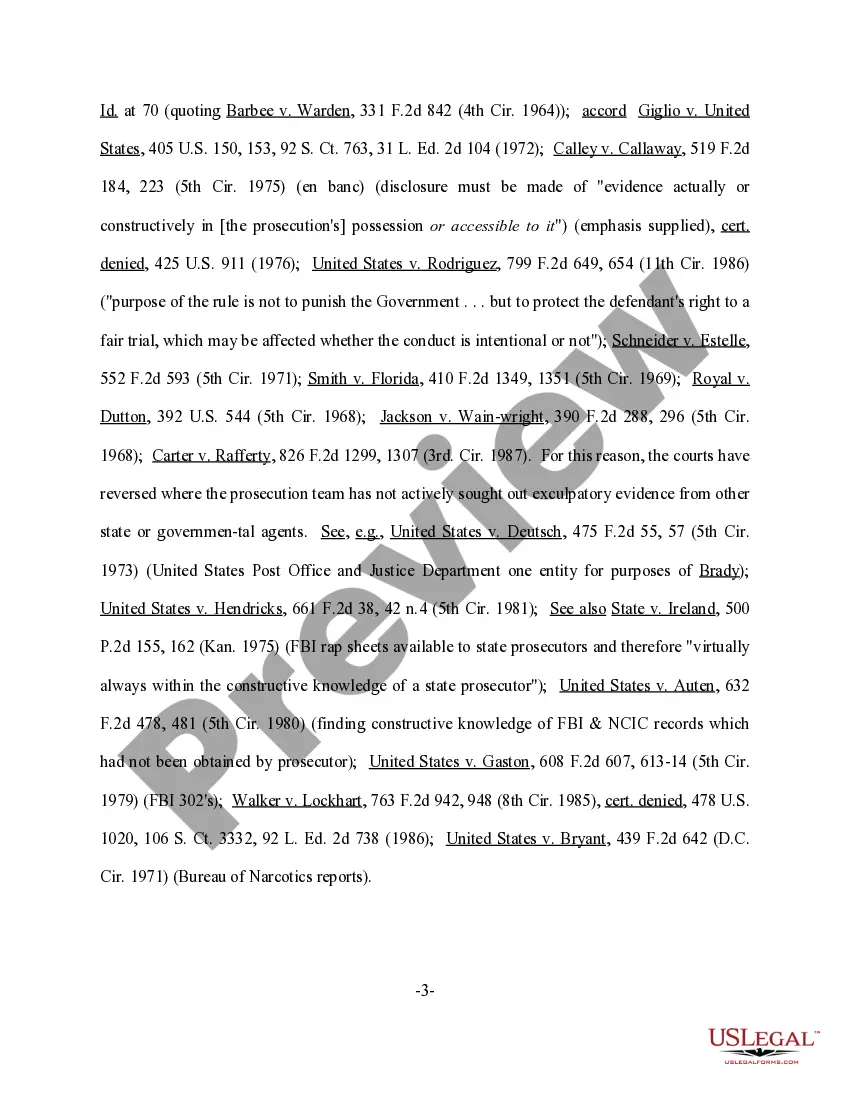
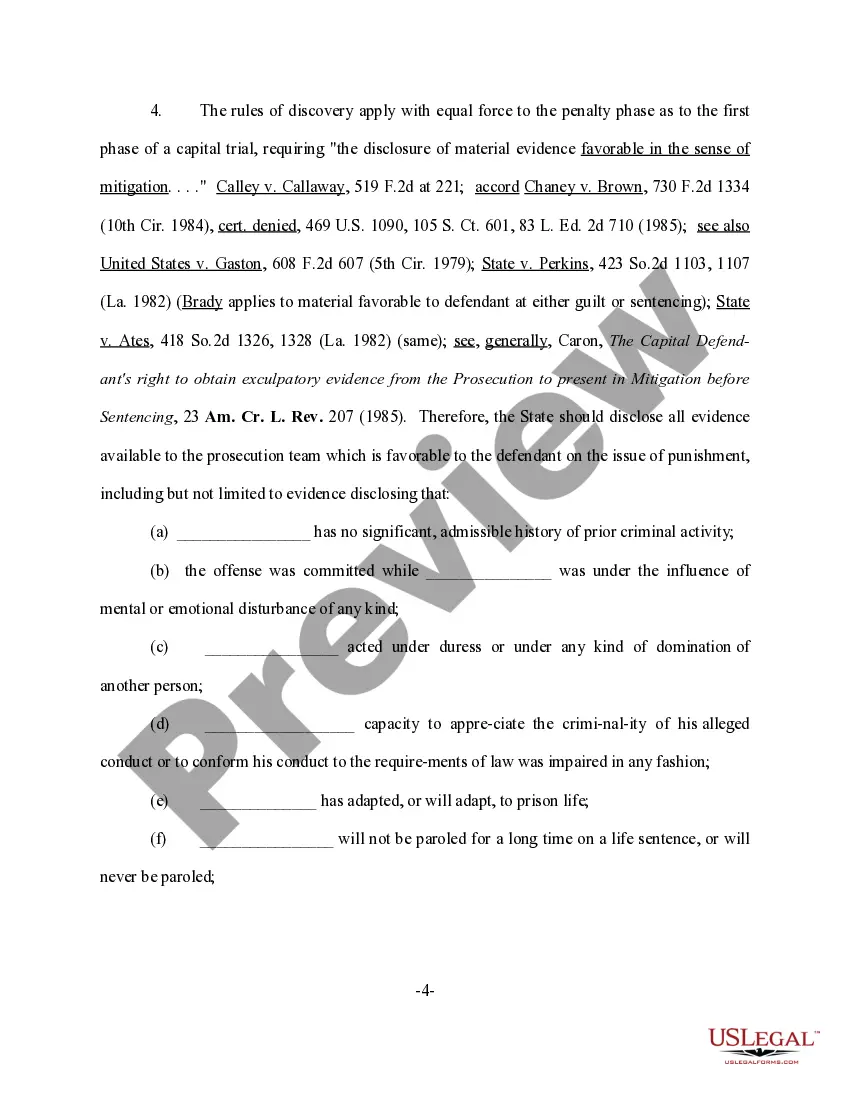
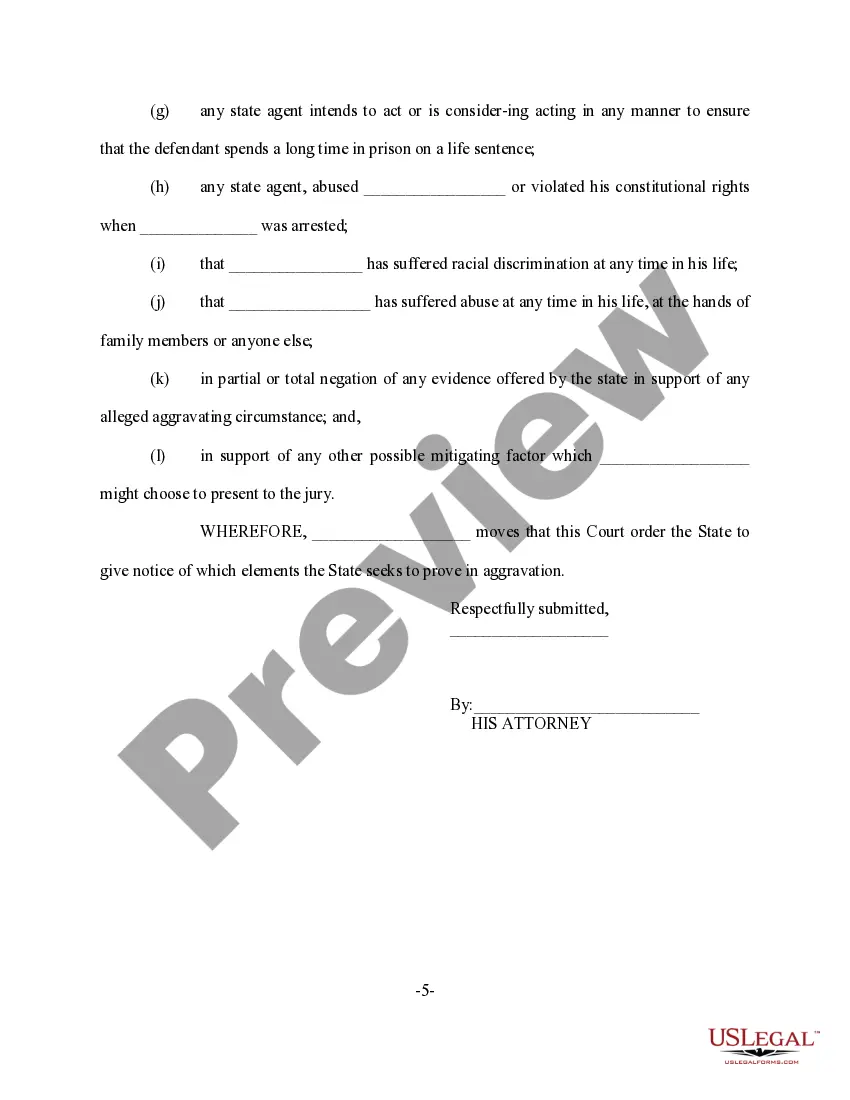

How to fill out Demand For Notice Of Aggravating And For Disclosure Of Evidence Supporting Mitigating Circumstances?
If you require extensive, obtain, or print legal document templates, utilize US Legal Forms, the largest repository of legal forms available online.
Employ the site’s straightforward and user-friendly search to find the documents you need.
A variety of templates for business and personal purposes are categorized by types and states, or keywords. Use US Legal Forms to find the Connecticut Demand for Notice of Aggravating and for Disclosure of Evidence Supporting Mitigating Circumstances with just a few clicks.
Every legal document template you purchase is yours forever. You will have access to every form you downloaded in your account. Go to the My documents section and select a form to print or download again.
Be proactive and download, and print the Connecticut Demand for Notice of Aggravating and for Disclosure of Evidence Supporting Mitigating Circumstances with US Legal Forms. There are millions of professional and state-specific forms available for your business or personal needs.
- If you are already a US Legal Forms user, Log In to your account and click on the Download button to obtain the Connecticut Demand for Notice of Aggravating and for Disclosure of Evidence Supporting Mitigating Circumstances.
- You can also access forms you previously downloaded in the My documents section of your account.
- If you are using US Legal Forms for the first time, follow the steps below.
- Step 1. Make sure you have selected the form for the correct city/state.
- Step 2. Use the Preview option to review the form’s content. Remember to check the description.
- Step 3. If you are not satisfied with the form, use the Search box at the top of the screen to find alternative versions of the legal form template.
- Step 4. Once you have located the form you require, click the Buy now button. Choose the payment plan you prefer and provide your details to register for an account.
- Step 5. Complete the payment process. You can use your credit card or PayPal account to finalize the transaction.
- Step 6. Select the format of your legal form and download it to your device.
- Step 7. Fill out, edit, and print or sign the Connecticut Demand for Notice of Aggravating and for Disclosure of Evidence Supporting Mitigating Circumstances.
Form popularity
FAQ
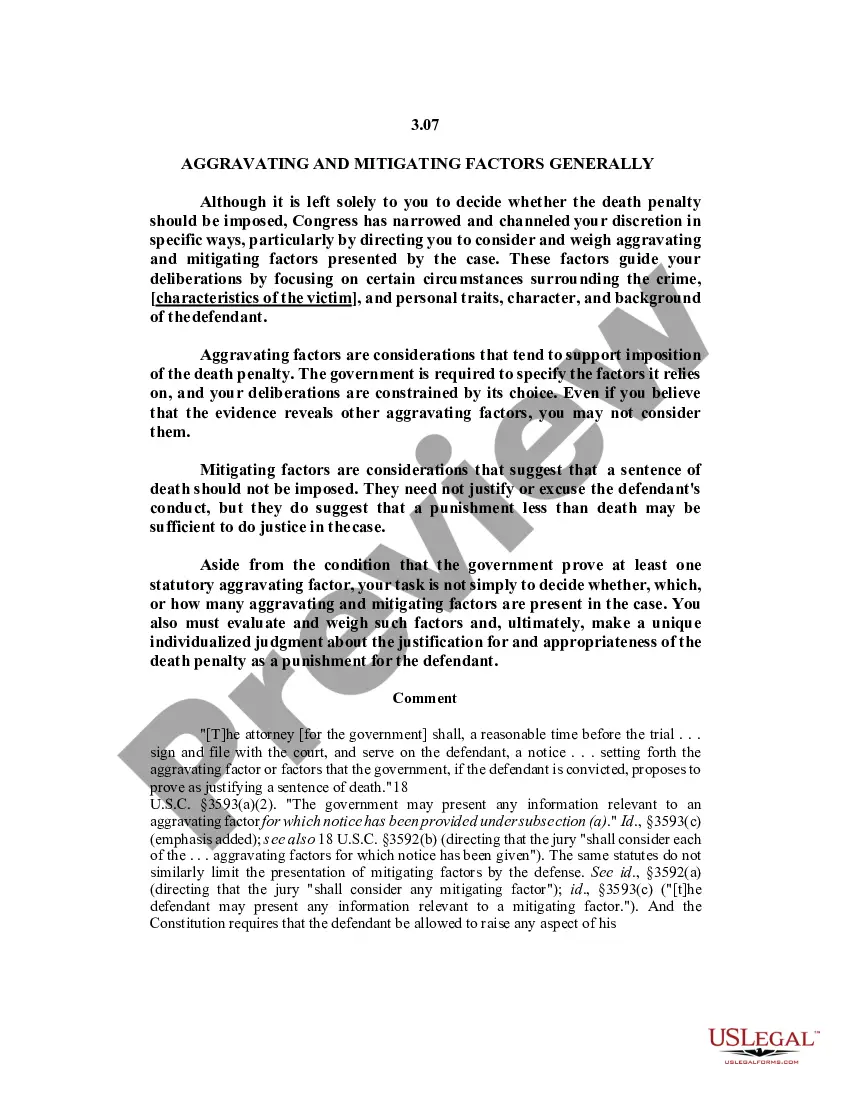
Simply put, aggravating factors can increase the severity of a punishment, while mitigating factors can reduce it. Predictably, prosecutors often try to highlight aggravating factors to procure a more severe sentence when trying your case. For example, repeat offenses will usually carry harsher penalties.
An aggravating factor refers to circumstances surrounding a crime or tort that are sufficient to raise its severity and punishment to the aggravated version of the offense. Aggravating factors are typically laid out by statute and vary depending on the jurisdiction and specific underlying offense.
A mitigating circumstance is a factor that lessens the severity of an act or the actor's culpability for the action. Mitigating circumstances can be found in both criminal and civil cases and may be used to justify a reduction in the severity of the punishment or damages.
18 U.S. Code § 3592 - Mitigating and aggravating factors to be considered in determining whether a sentence of death is justified.
Mitigating factors are extenuating circumstances that might lead to a reduced sentence. Aggravating factors are circumstances that increase the defendant's culpability and could lead to an enhanced or maximum sentence.
Some examples include a lack of remorse, a leadership role in the crime, or history of criminal behavior. If a case's mitigating circumstances outweigh the aggravating circumstances, the judge is likely to be less aggressive in their ruling.