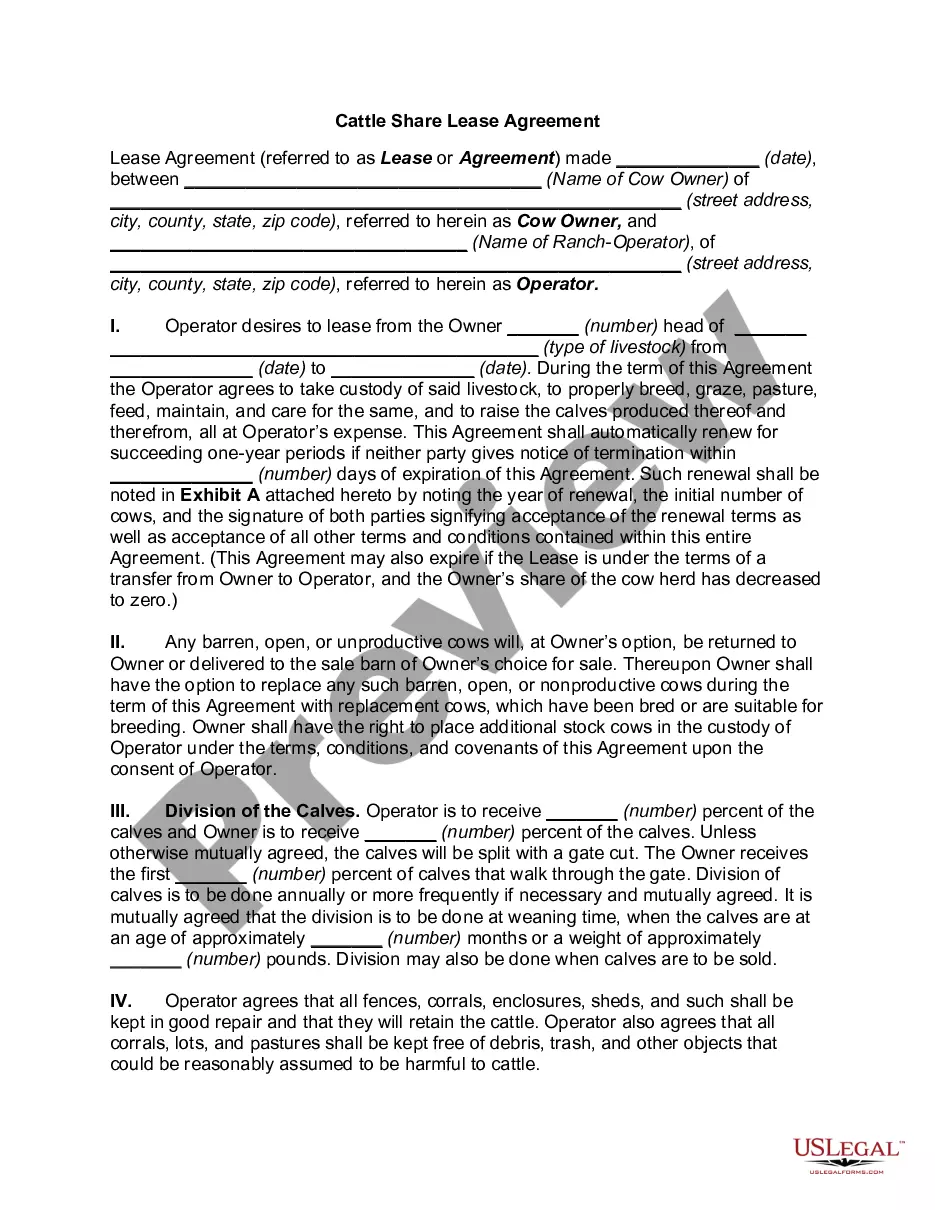
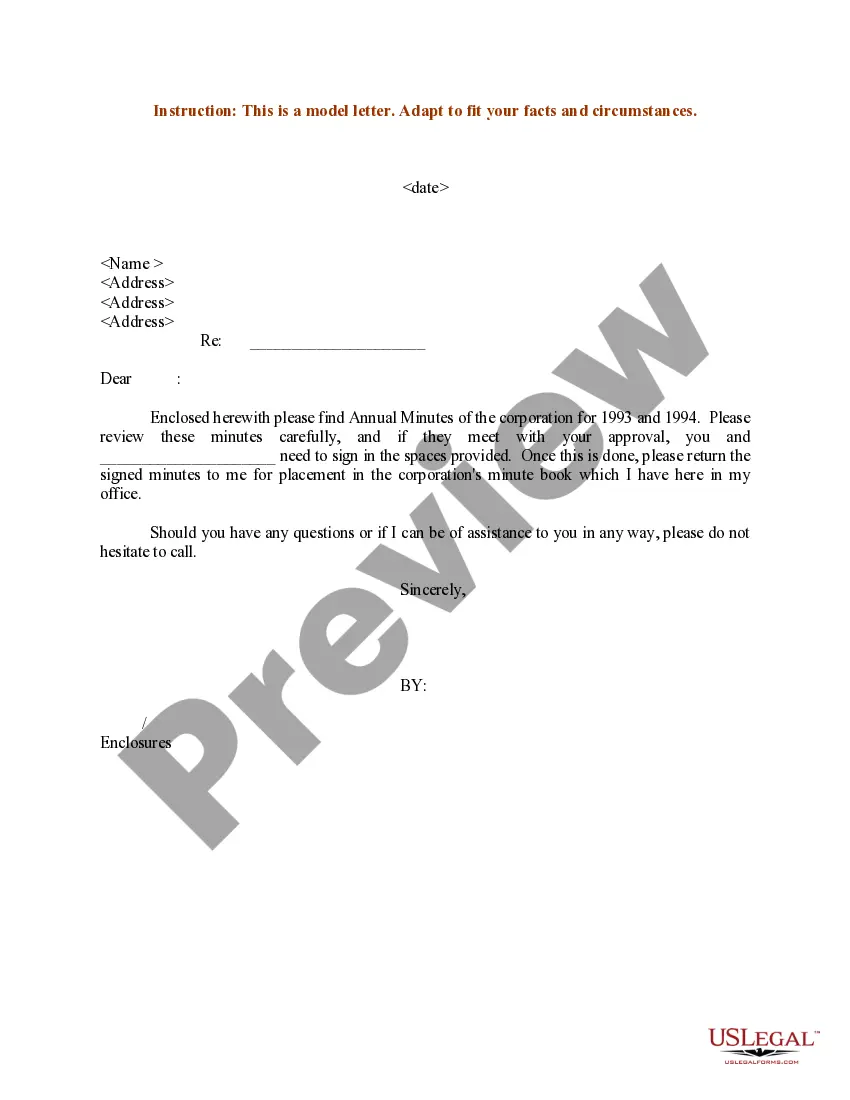
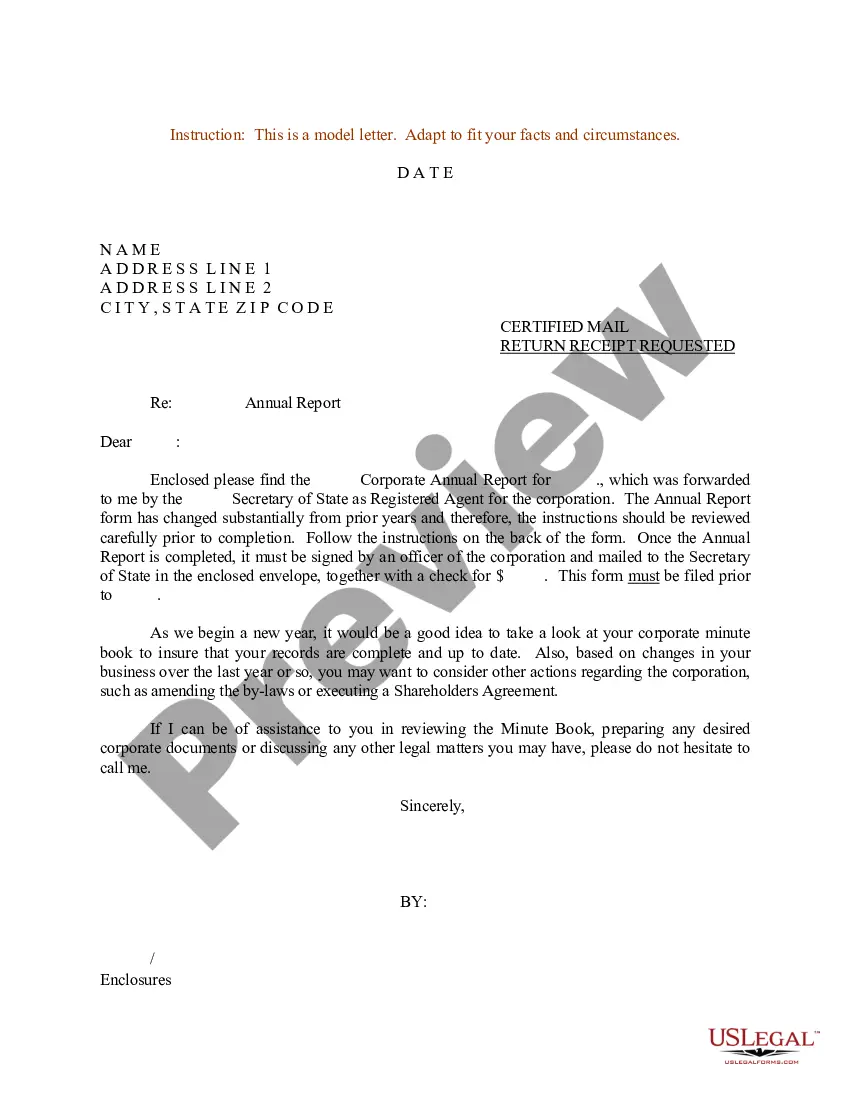
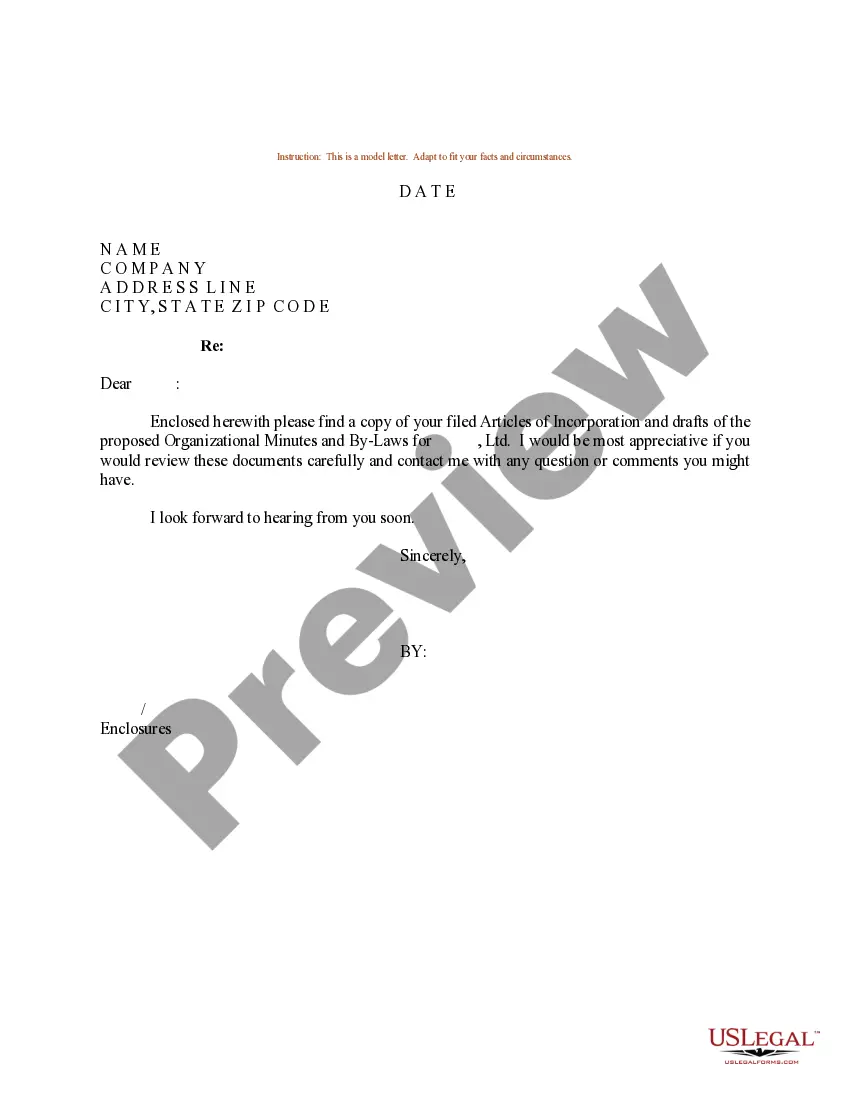
Connecticut Sample Letter for Annual Minutes of Corporation
Description
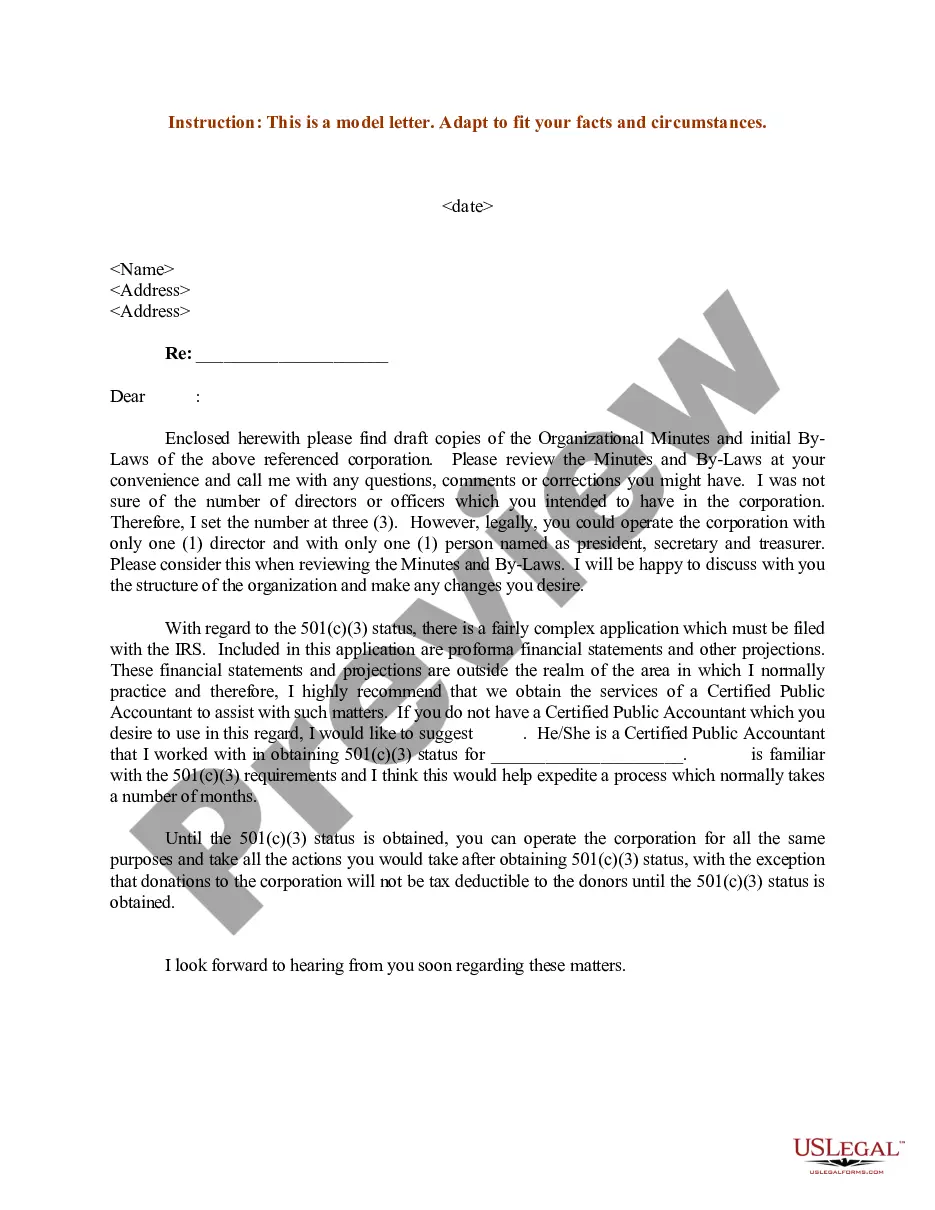
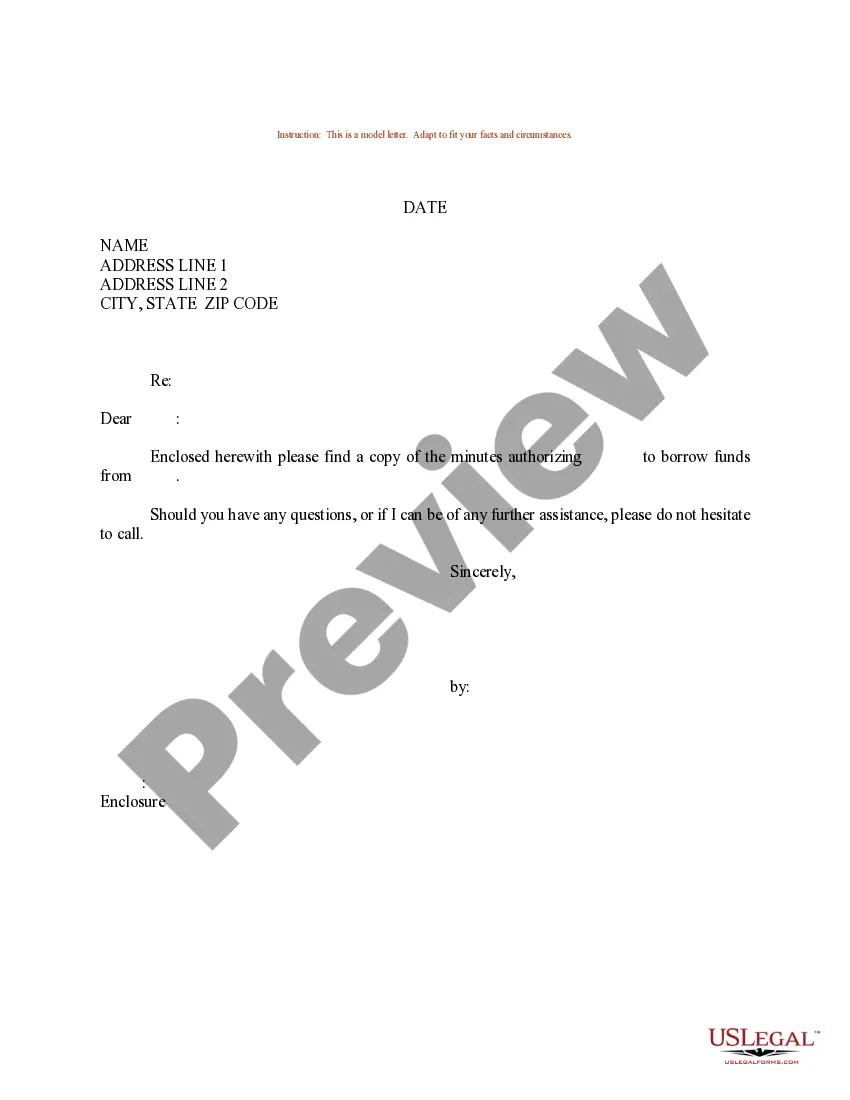
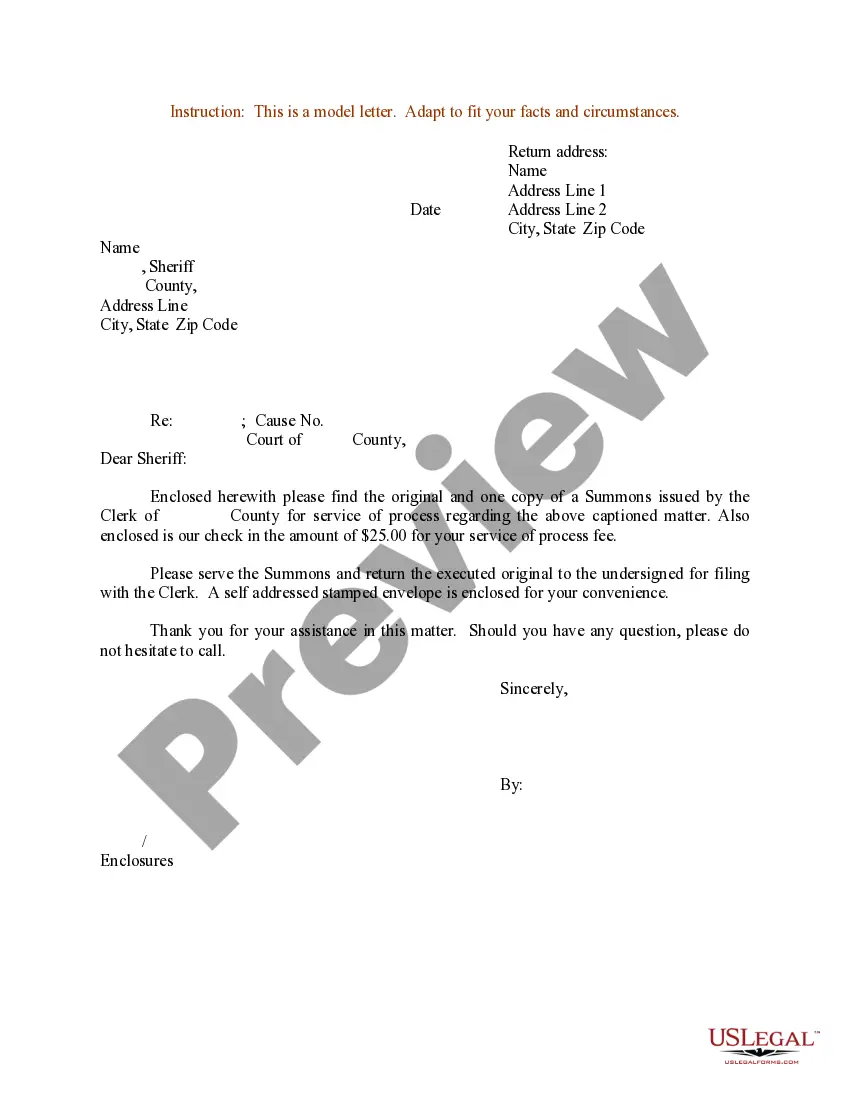

How to fill out Sample Letter For Annual Minutes Of Corporation?
If you require to complete, acquire, or create legal document templates, utilize US Legal Forms, the largest assortment of legal forms available online.
Take advantage of the site's straightforward and user-friendly search to find the documents you need. A range of templates for business and personal purposes are organized by categories and states, or keywords.
Use US Legal Forms to locate the Connecticut Sample Letter for Annual Minutes of Corporation in just a few clicks.
Every legal document template you purchase is yours permanently. You have access to every form you saved in your account. Click the My documents section and select a form to print or download again.
Stay competitive and download, and print the Connecticut Sample Letter for Annual Minutes of Corporation with US Legal Forms. There are numerous professional and state-specific forms you can utilize for your business or personal needs.
- When you are already a US Legal Forms user, Log In to your account and click the Download button to obtain the Connecticut Sample Letter for Annual Minutes of Corporation.
- You can also access forms you previously saved in the My documents tab of your account.
- If you are using US Legal Forms for the first time, follow the instructions below.
- Step 1. Ensure you have selected the form for the correct city/state.
- Step 2. Use the Preview option to review the form's details. Remember to read through the summary.
- Step 3. If you are not satisfied with the form, use the Search field at the top of the screen to find other versions of the legal form format.
- Step 4. Once you have found the form you need, click on the Buy Now button. Select your preferred pricing plan and enter your details to create an account.
- Step 5. Process the transaction. You can use your credit card or PayPal account to complete the transaction.
- Step 6. Choose the format of the legal form and download it to your device.
- Step 7. Complete, edit, and print or sign the Connecticut Sample Letter for Annual Minutes of Corporation.
Form popularity
FAQ
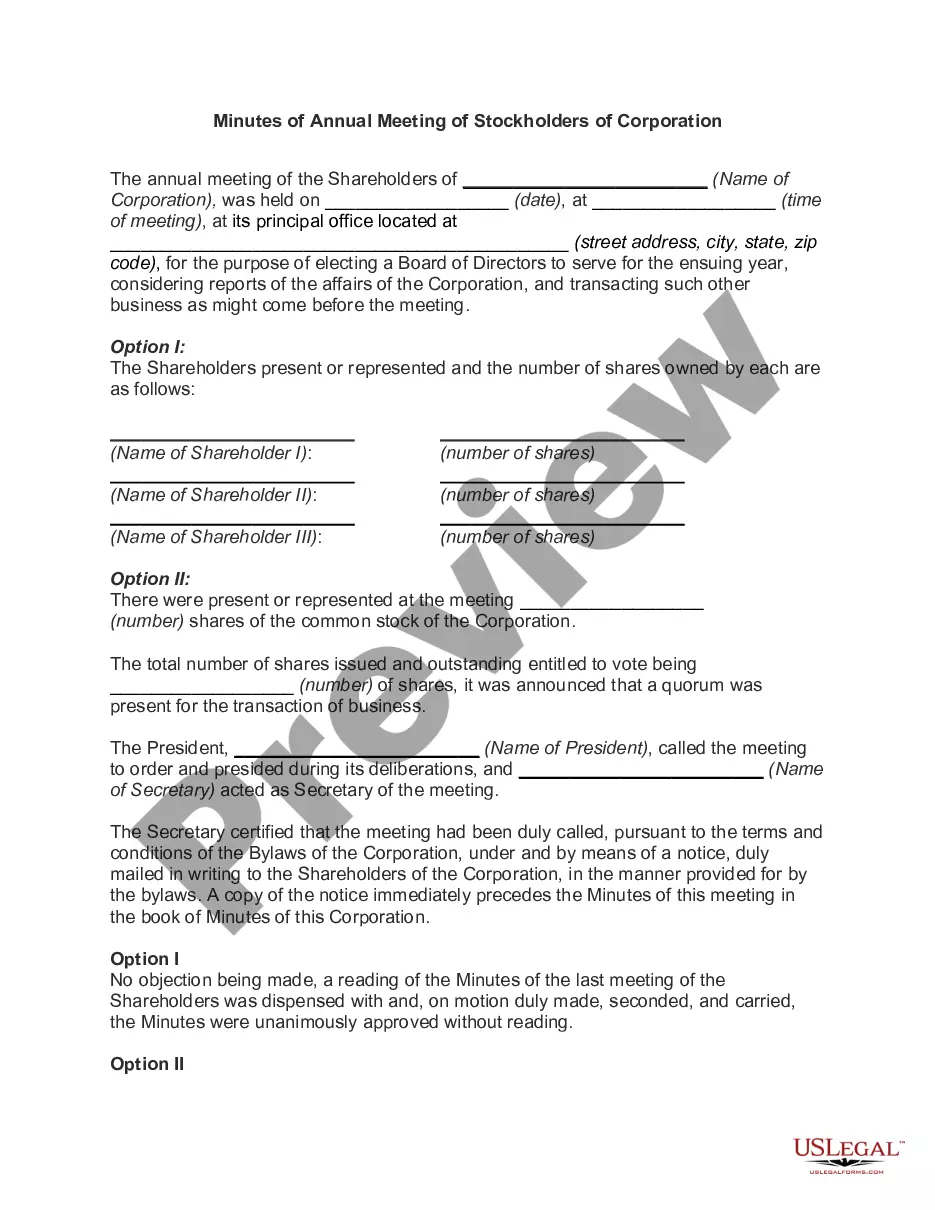
Filling out corporate minutes involves documenting the essential details of the meeting, such as the agenda items discussed and any motions made. Be sure to include the names of those who spoke and the outcomes of votes. A Connecticut Sample Letter for Annual Minutes of Corporation serves as a helpful template, guiding you through the process of recording your meeting accurately.
The proper format for meeting minutes typically includes a header with the meeting's date, time, and location. Following this, the names of attendees should be listed, along with a summary of discussions and decisions made during the meeting. Utilizing a Connecticut Sample Letter for Annual Minutes of Corporation can assist you in adhering to this format, ensuring your minutes are organized and professional.
Yes, in Connecticut, corporations are generally required to keep minutes of their meetings, but they do not need to be filed with the state. However, maintaining accurate minutes is crucial for legal compliance and for ensuring transparency within the company. A Connecticut Sample Letter for Annual Minutes of Corporation can guide you in creating these important documents to keep your records in order.
To write the minutes of an annual general meeting, begin by noting the date, time, and location of the meeting. Next, list the attendees and any absentees. Document the key discussions, decisions made, and any votes taken. Using a Connecticut Sample Letter for Annual Minutes of Corporation can help ensure you capture all essential information clearly and effectively.
For the best format for corporate meeting minutes, include the date and time, name of meeting participants, purpose of the meeting, meeting notes, and action items. Download our free Meeting Minutes Template for an example of how the best boards write their minutes.
As for content, in general, your S corporation's meeting minutes should contain the following information: date and place of the meeting. who was present and who was absent from the meeting. details about the matters discussed at the meeting. results of votes taken, if any.
Most states require S corporations and C corporations to keep meeting minutes for every shareholder or board of directors meeting. LLCs are typically not required to keep meeting minutes or hold annual shareholder meetings, but there are practical reasons for doing both, including safeguarding liability protections.
Annual minutes consists of a record of critical business decisions that stakeholders of the corporation made at the annual meetings. Annual minutes should also list the date and location of the meeting, attendees from the company, as well as a summary of the corporation's actions during the last fiscal year.
They document important decisions such as the appointment of officers of the company or the election of board members, real estate purchases, the adoption of a pension plan, the sale of stock, and many other activities.