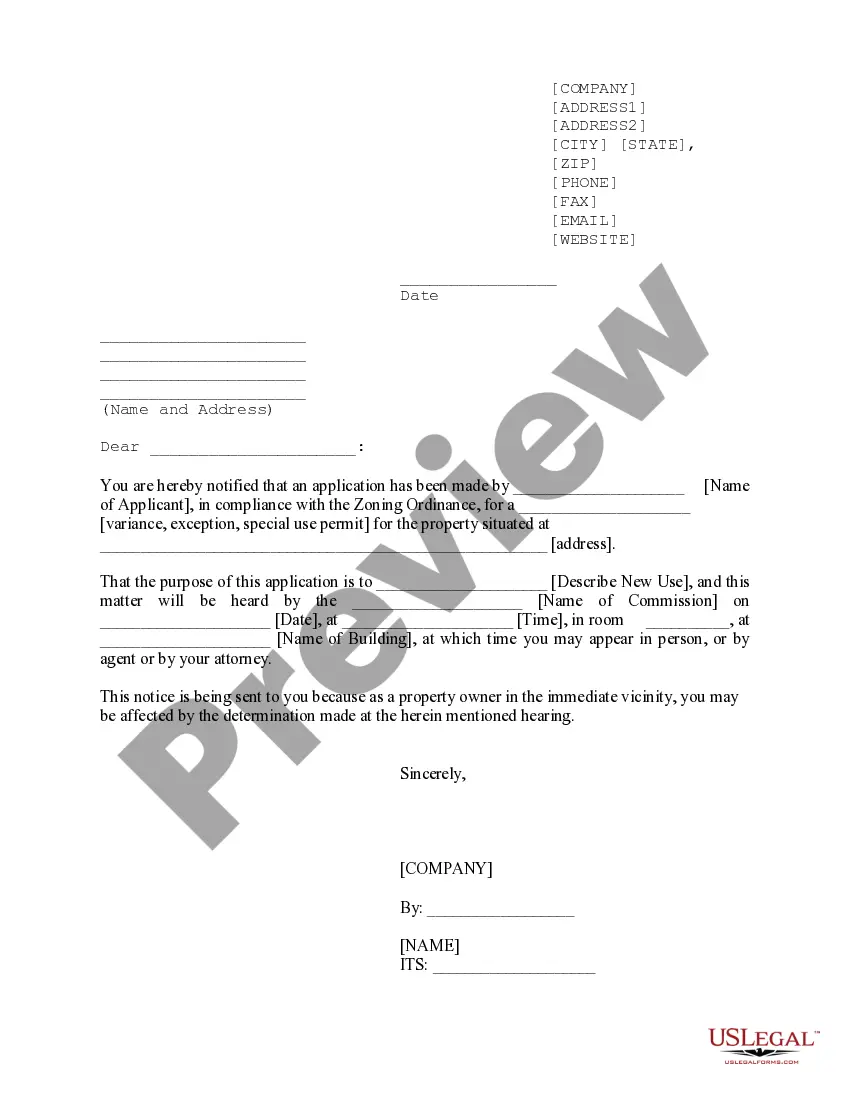
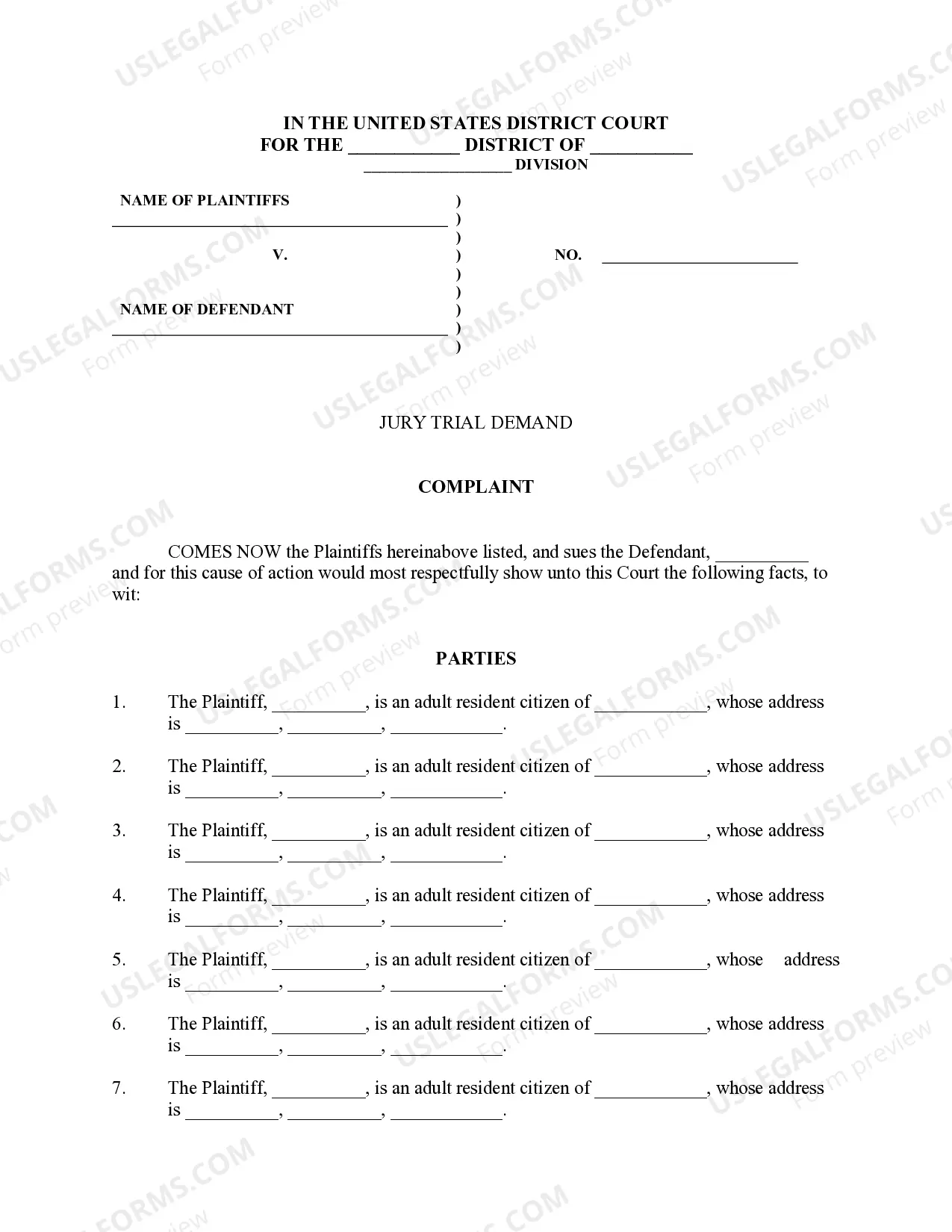
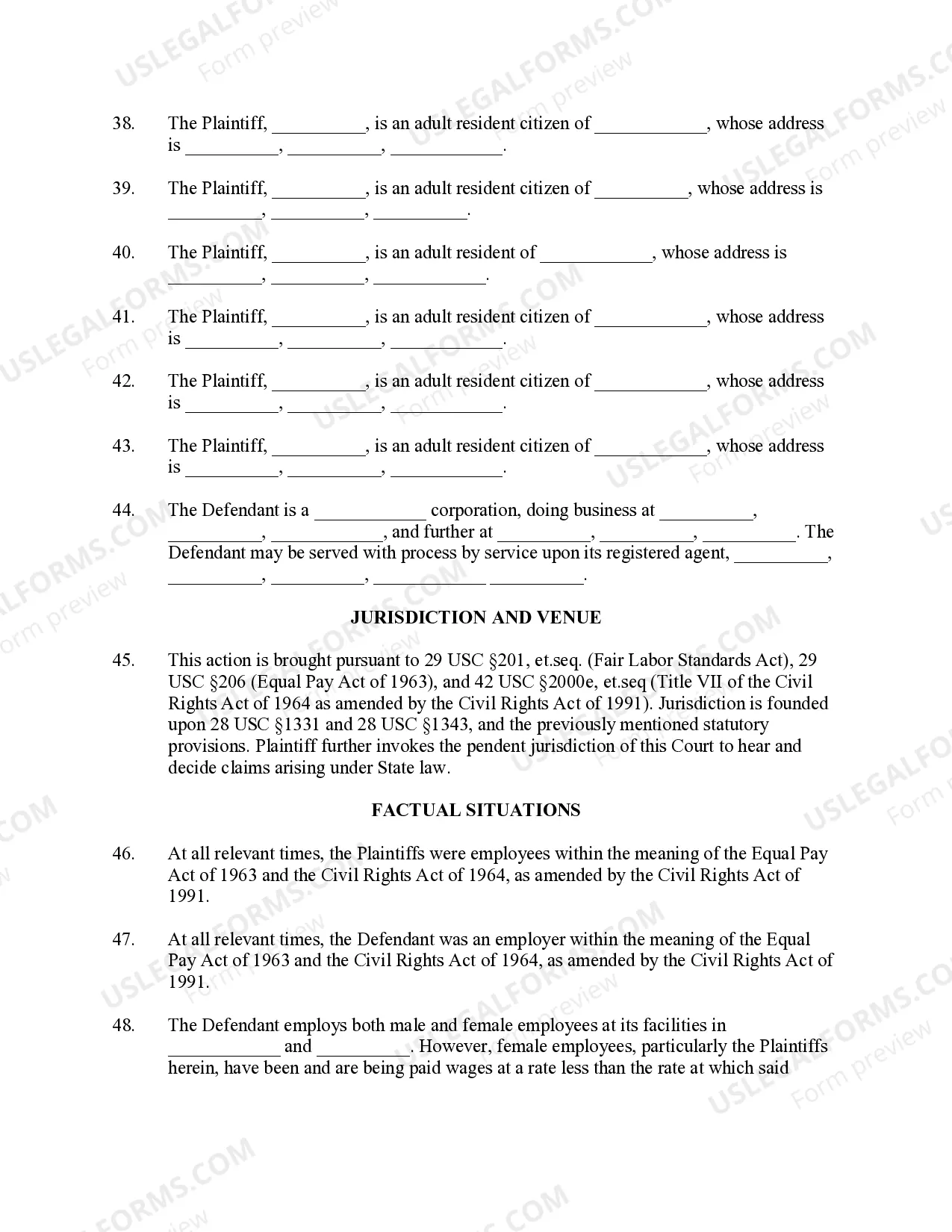
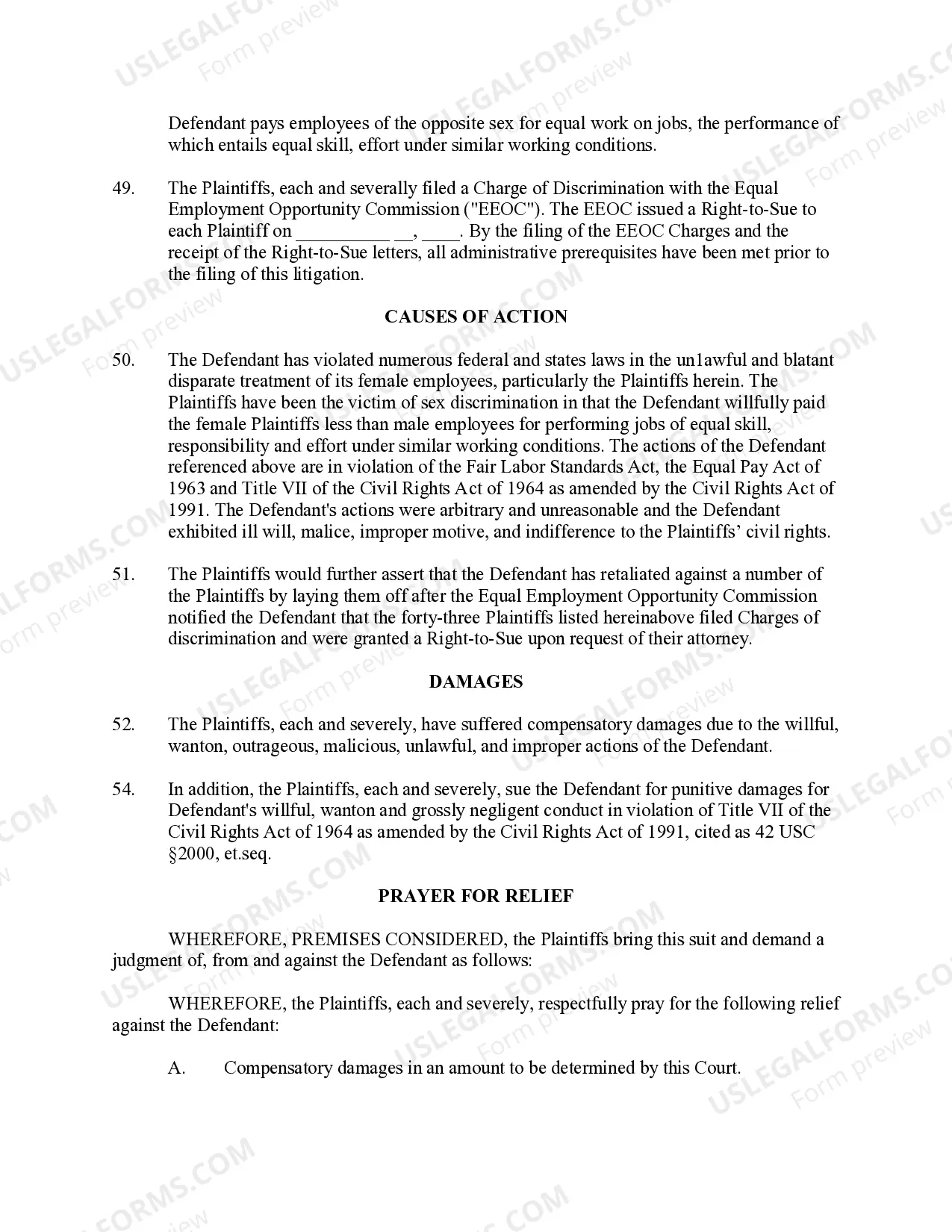
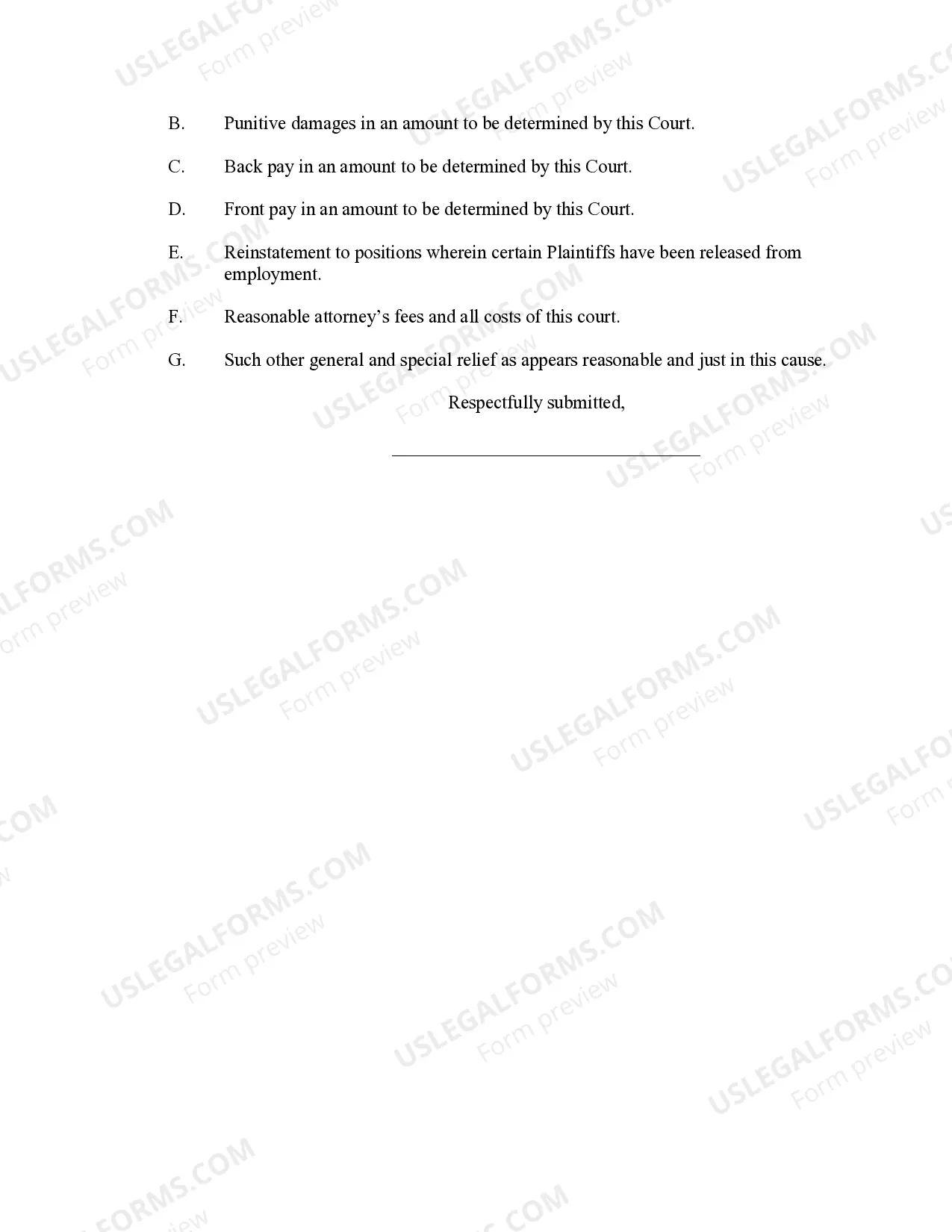
This is a Complaint pleading for use in litigation of the title matter. Adapt this form to comply with your facts and circumstances, and with your specific state law. Not recommended for use by non-attorneys.
Connecticut Complaint regarding FLSA Equal Pay Act Title VII Civil Rights Act - Jury Trial Demand
Instant download
Description
Free preview




Get your form ready online
Our built-in tools help you complete, sign, share, and store your documents in one place.
Built-in online Word editor
Make edits, fill in missing information, and update formatting in US Legal Forms—just like you would in MS Word.
Export easily
Download a copy, print it, send it by email, or mail it via USPS—whatever works best for your next step.
E-sign your document
Sign and collect signatures with our SignNow integration. Send to multiple recipients, set reminders, and more. Go Premium to unlock E-Sign.
Notarize online 24/7
If this form requires notarization, complete it online through a secure video call—no need to meet a notary in person or wait for an appointment.
Store your document securely
We protect your documents and personal data by following strict security and privacy standards.

Make edits, fill in missing information, and update formatting in US Legal Forms—just like you would in MS Word.

Download a copy, print it, send it by email, or mail it via USPS—whatever works best for your next step.

Sign and collect signatures with our SignNow integration. Send to multiple recipients, set reminders, and more. Go Premium to unlock E-Sign.

If this form requires notarization, complete it online through a secure video call—no need to meet a notary in person or wait for an appointment.

We protect your documents and personal data by following strict security and privacy standards.
Looking for another form?
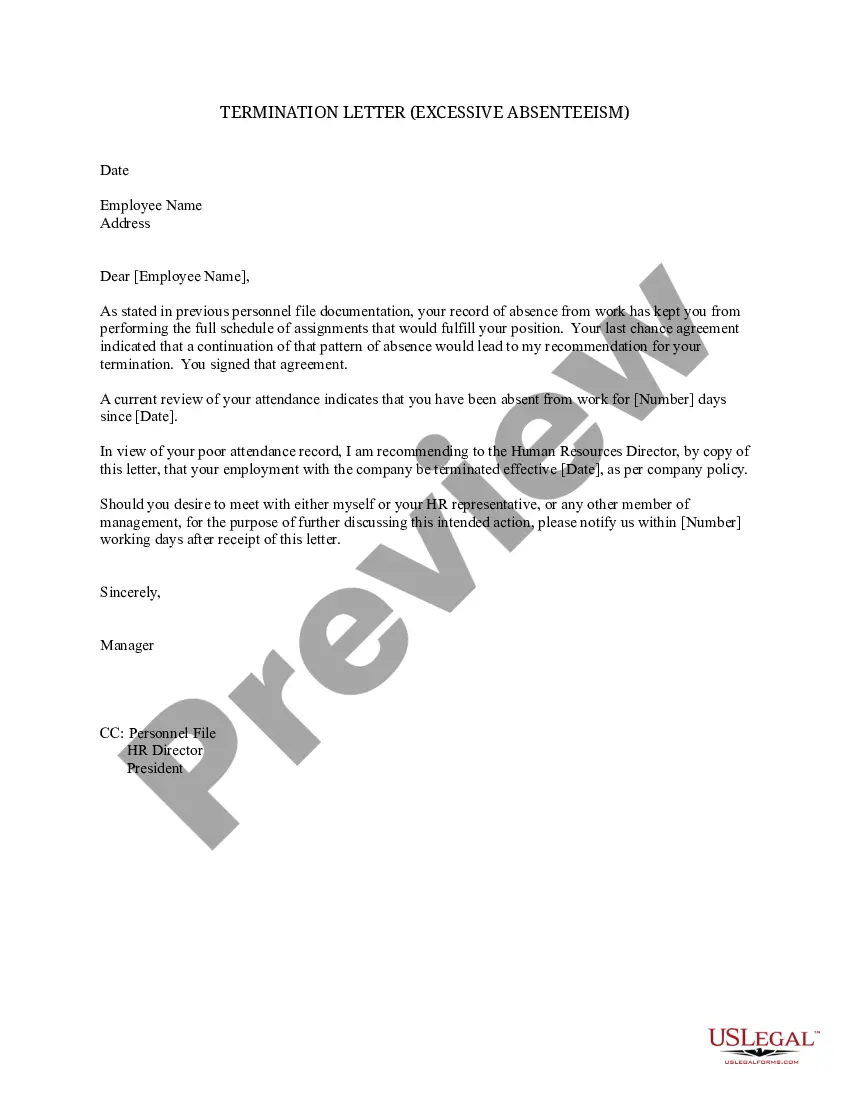

How to fill out Complaint Regarding FLSA Equal Pay Act Title VII Civil Rights Act - Jury Trial Demand?
Have you ever found yourself in a circumstance where you need documents for either business or personal reasons almost every day.
There are numerous legal document templates available online, but locating ones you can trust is challenging.
US Legal Forms offers a vast array of template forms, such as the Connecticut Complaint regarding FLSA Equal Pay Act Title VII Civil Rights Act - Jury Trial Demand, designed to comply with federal and state requirements.
Choose the pricing plan you prefer, complete the necessary details to create your account, and pay for the transaction using your PayPal or credit card.
Select a convenient file format and download your copy. Access all the document templates you have acquired in the My documents section. You can obtain an additional copy of the Connecticut Complaint regarding FLSA Equal Pay Act Title VII Civil Rights Act - Jury Trial Demand at any time, if needed. Just click on the required form to download or print the document template. Utilize US Legal Forms, one of the most extensive collections of legal forms, to save time and reduce errors. The service provides professionally crafted legal document templates that you can use for various purposes. Create an account on US Legal Forms and begin simplifying your life.
- If you are already acquainted with the US Legal Forms website and possess an account, simply Log In.
- Afterward, you can download the Connecticut Complaint regarding FLSA Equal Pay Act Title VII Civil Rights Act - Jury Trial Demand template.
- If you do not have an account and wish to start using US Legal Forms, follow these instructions.
- Locate the form you need and ensure it is for the correct region/county.
- Utilize the Review feature to evaluate the document.
- Examine the information to confirm that you have selected the correct form.
- If the form does not meet your needs, use the Search field to find the document that matches your requirements.
- Once you find the appropriate form, click Buy now.
Form popularity
FAQ
To file a complaint with the Equal Employment Opportunity Commission (EEOC) in Connecticut, start by reviewing the specific grounds of discrimination that apply to your situation. You will need to complete the EEOC's intake form and submit your Connecticut Complaint regarding FLSA Equal Pay Act Title VII Civil Rights Act - Jury Trial Demand within the designated time frame. Platforms like uslegalforms can help you navigate this process effectively, ensuring your complaint is accurately presented.
Filing a complaint with the Connecticut Department of Labor involves collecting documentation related to your issue, such as employment records and wage statements. You can submit your Connecticut Complaint regarding FLSA Equal Pay Act Title VII Civil Rights Act - Jury Trial Demand by completing the appropriate forms available on their website. Using uslegalforms can streamline this process, ensuring you include all necessary details for your case.
To file a complaint regarding the Fair Labor Standards Act (FLSA), you should first gather all relevant information about your employment situation, including pay stubs and any communication with your employer. Next, visit the U.S. Department of Labor's website to find the specific forms and guidelines for submitting your Connecticut Complaint regarding FLSA Equal Pay Act Title VII Civil Rights Act - Jury Trial Demand. Consider using platforms like uslegalforms to ensure your complaint is properly documented and filed.
An example of a violation of the Equal Pay Act is when a male manager receives a higher salary than a female manager with the same job title or duties.
Establishing a prima facie case of discrimination A prima facie case of employment discrimination may be shown by proving the following: The worker is a member of a protected class. The worker had all of the qualifications for the job. The employer rejected the worker despite his or her qualifications.
Once the individual establishes a prima facie case of discrimination ? by showing that she was in the protected age group; that she was otherwise qualified for the position; and that a younger person was hired to fill the position ? a legal presumption arises that the employer unlawfully discriminated against that ...
To establish a prima facie case under the Equal Pay Act, a plaintiff must show that (1) an employer pays different wages to employees of the opposite sex, (2) for equal work requiring equal skill, effort, and responsibility, (3) performed under similar working conditions.
To establish a prima facie case under the Equal Pay Act, a plaintiff must show that (1) an employer pays different wages to employees of the opposite sex, (2) for equal work requiring equal skill, effort, and responsibility, (3) performed under similar working conditions.