Connecticut Motion to Preserve Evidence
About this form
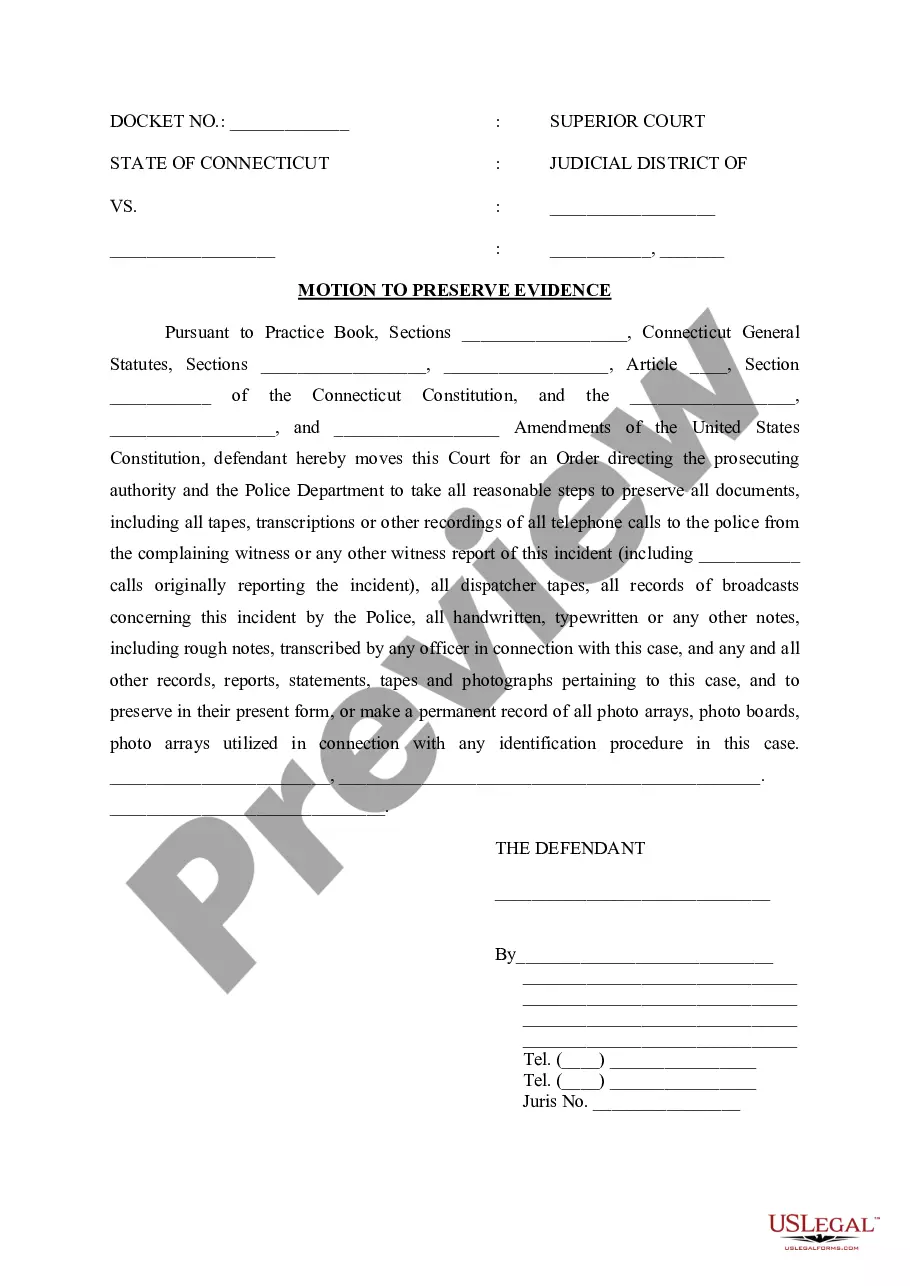
The Motion to Preserve Evidence is a legal document that requests the court to mandate the prosecution to keep all relevant evidence intact. This form is essential for defense teams to ensure that evidence is available for review by their investigators or experts. Unlike other motions that may pertain to different aspects of legal proceedings, this specific motion focuses solely on the preservation of evidence that could be critical for a fair defense.
Form components explained
- Docket number: Identifies the specific court case.
- Parties involved: Names of the defendant and the prosecution.
- Legal citations: References to applicable statutes and constitutional provisions.
- Evidence preservation request: Detailed list of evidence to be preserved, including recordings and notes.
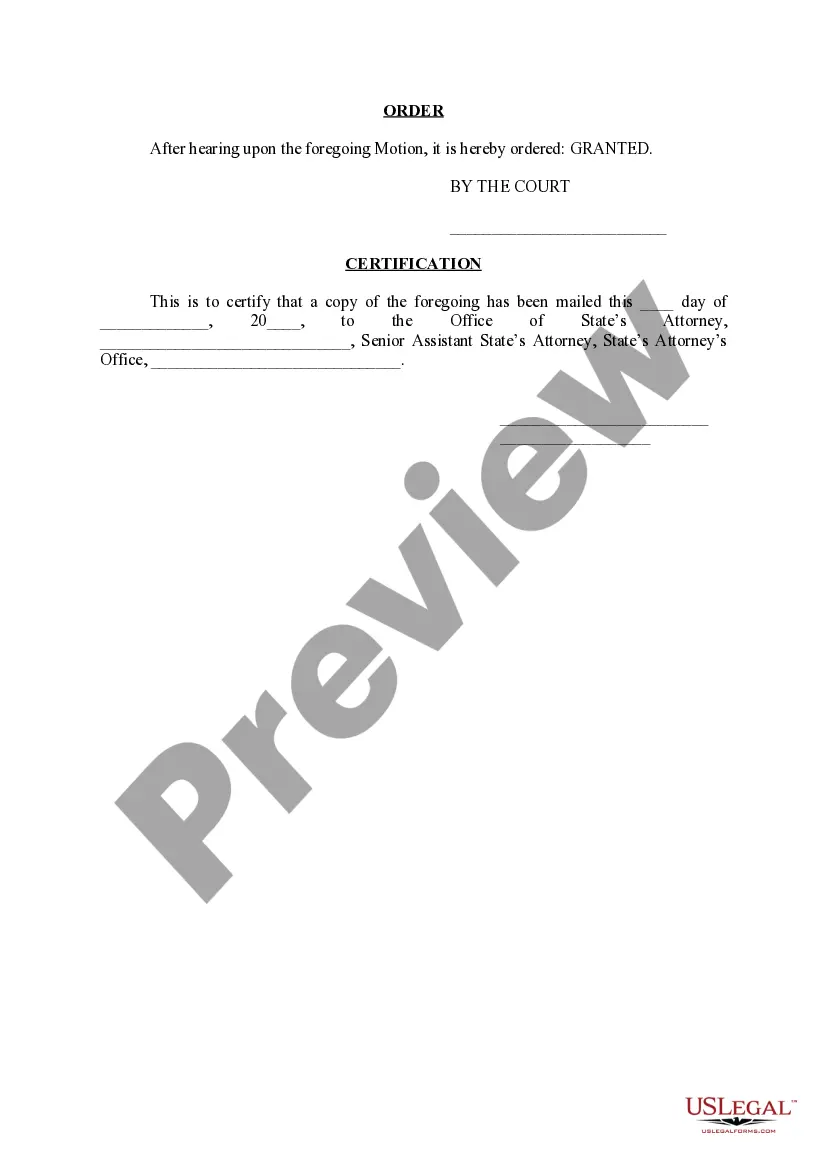
- Certification section: Proof of notification to the prosecution concerning the motion.
When to use this document
You should use the Motion to Preserve Evidence when you believe that crucial evidence related to your case may be at risk of destruction or alteration. This form is particularly relevant in criminal cases where witnesses have provided statements or evidence that need to be examined in detail by the defense team. Filing this motion can be vital before trial proceedings to safeguard your legal rights.
Who this form is for
- Defendants in criminal cases who seek to preserve evidence.
- Defense attorneys representing clients in criminal matters.
- Individuals or parties involved in matters where evidence preservation is crucial for a fair trial.
How to complete this form
- Identify the docket number assigned to your court case.
- Fill in the names of the involved parties: the defendant and the prosecution.
- List all relevant statutes and constitutional articles that apply to your request.
- Clearly specify the types of evidence to be preserved, including recordings, notes, and any other documents.
- Provide your contact information and ensure you certify notification to the prosecution regarding this motion.
Does this document require notarization?
This form does not typically require notarization unless specified by local law. It's advisable to check state-specific requirements to ensure compliance.
Get your form ready online
Our built-in tools help you complete, sign, share, and store your documents in one place.
Make edits, fill in missing information, and update formatting in US Legal Forms—just like you would in MS Word.
Download a copy, print it, send it by email, or mail it via USPS—whatever works best for your next step.
Sign and collect signatures with our SignNow integration. Send to multiple recipients, set reminders, and more. Go Premium to unlock E-Sign.
If this form requires notarization, complete it online through a secure video call—no need to meet a notary in person or wait for an appointment.
We protect your documents and personal data by following strict security and privacy standards.

Make edits, fill in missing information, and update formatting in US Legal Forms—just like you would in MS Word.

Download a copy, print it, send it by email, or mail it via USPS—whatever works best for your next step.

Sign and collect signatures with our SignNow integration. Send to multiple recipients, set reminders, and more. Go Premium to unlock E-Sign.

If this form requires notarization, complete it online through a secure video call—no need to meet a notary in person or wait for an appointment.

We protect your documents and personal data by following strict security and privacy standards.
Avoid these common issues
- Failing to include all relevant evidence that needs to be preserved.
- Neglecting to cite the correct legal statutes or constitutional provisions.
- Not providing sufficient contact information for the defendant or attorney.
Benefits of using this form online
- Convenience: Download the form from anywhere and at any time.
- Editability: Tailor the form according to your specific case needs.
- Reliability: Ensure you have the latest version of the form, drafted by licensed attorneys.
Looking for another form?
Form popularity
FAQ
Rule 4.2 in Connecticut governs the communication between a lawyer and a person who is represented by another lawyer. This rule emphasizes the importance of respecting the rights and privileges of individuals, ensuring that all communications through legal processes are conducted appropriately. Understanding this rule is essential when navigating legal actions, such as motions, including a Connecticut Motion to Preserve Evidence, to ensure compliance with legal standards.
A motion to include evidence is a formal request presented to the court to admit specific evidence into a case. This type of motion typically accompanies motions to preserve evidence, as it highlights why inclusion is necessary for a fair trial. By submitting a motion to include evidence, you can strengthen your arguments and ensure that the court considers all relevant material. When filing a Connecticut Motion to Preserve Evidence, this motion becomes crucial in the overall strategy.
To file a motion for evidence, start by outlining the specific pieces of evidence you wish to preserve and their relevance to your case. Next, prepare your motion to include the necessary details and supporting arguments. After drafting, submit your motion to the court and serve it to all other parties involved. Utilizing a platform like uslegalforms can simplify this process, guiding you through the required documents for a Connecticut Motion to Preserve Evidence.
The process of filing a motion involves several key steps. First, you need to draft your motion, ensuring that it clearly states your request and the reasons behind it. Next, file the motion with the appropriate court, paying any required fees. Finally, serve a copy of the motion to the opposing party, ensuring they have a chance to respond, especially in cases regarding a Connecticut Motion to Preserve Evidence.
The duty to preserve evidence encompasses the responsibility to keep relevant materials safe from alteration or destruction. This obligation applies to parties in a legal matter and requires proactive measures for safeguarding evidence. The Connecticut Motion to Preserve Evidence serves as a reminder that neglecting this duty can lead to significant drawbacks in litigation. Utilizing platforms like UsLegalForms can help you navigate these responsibilities effectively and ensure compliance.
Connecticut Code of Evidence Section 7-2 outlines the legal standards for evidence related to the preservation of relevant materials. This code emphasizes the requirement for parties to adequately preserve and maintain evidence that may influence a case's outcome. Understanding Connecticut Motion to Preserve Evidence within this legal framework is vital for anyone involved in litigation. Compliance with these guidelines can enhance your chances of success in court.
In legal contexts, individuals and organizations have a legal obligation to preserve evidence that could be relevant to any ongoing or anticipated litigation. Failure to do so can result in serious consequences, such as sanctions or adverse judgments. The Connecticut Motion to Preserve Evidence underscores the necessity for parties to be vigilant about documenting and securing evidence in order to avoid pitfalls in legal cases. By adhering to this obligation, you can help ensure a fair process.
Preservation of evidence refers to the legal duty of parties to maintain and protect materials that might be relevant to a case. This process is crucial in ensuring that crucial information remains intact for future legal proceedings. In the context of a Connecticut Motion to Preserve Evidence, this duty emphasizes the importance of securing evidence to support one's claims and defenses. By prioritizing evidence preservation, individuals can strengthen their position within the legal system.
The three grounds for a motion for reconsideration often include new evidence that could not have been presented earlier, a change in the law, or demonstrating that the court overlooked key facts in its initial ruling. These grounds allow parties to revisit critical decisions. If your case involves a Connecticut Motion to Preserve Evidence, understanding these grounds can help in navigating your legal strategy effectively.
To file a Motion for evidence, you typically need to draft your motion, outlining the reasons and specifics of your request. This document should be submitted to the appropriate court along with any supporting materials. Utilizing a platform like USLegalForms can simplify the process, offering templates designed for motions such as a Connecticut Motion to Preserve Evidence.