Connecticut Amendment to Postnuptial Property Agreement
About this form
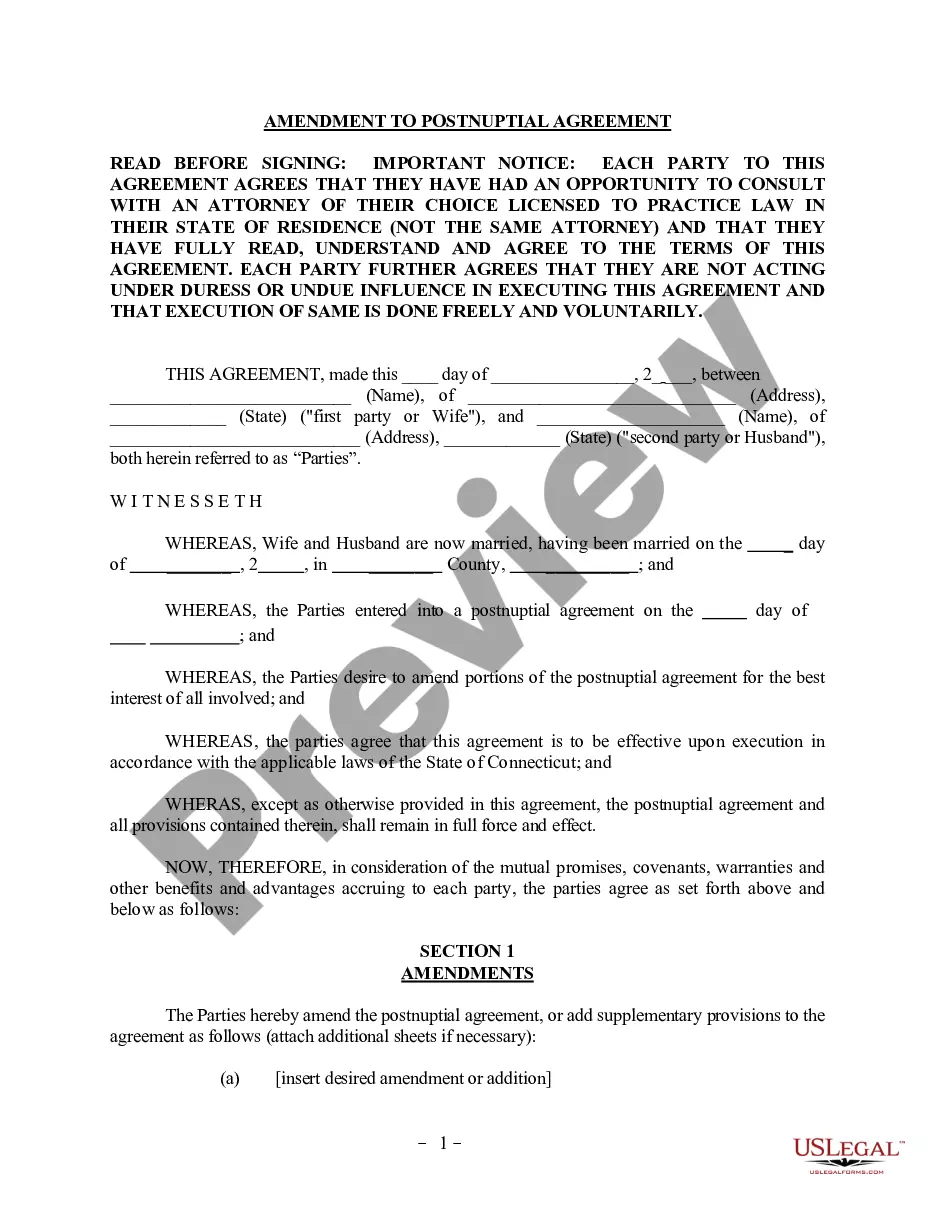
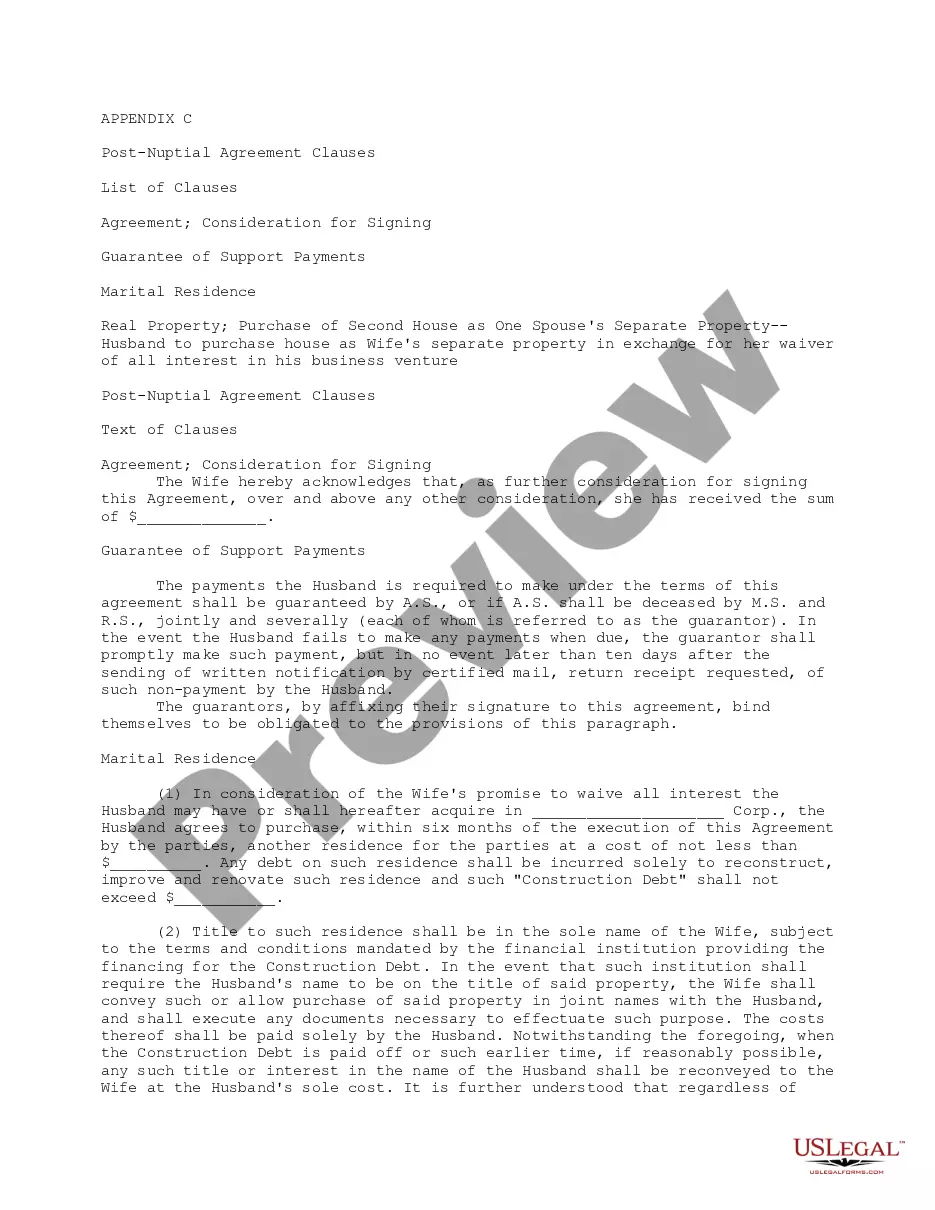
The Amendment to Postnuptial Property Agreement allows parties to modify an existing postnuptial agreement. This form is essential for individuals wishing to update terms or add provisions while ensuring both parties remain legally bound to the original agreement's conditions. Unlike a new postnuptial agreement, this amendment keeps the existing framework intact, providing a streamlined approach to adjust specific terms as needed.
What’s included in this form
- Identification of the parties involved and a statement of the effective date.
- Specific amendments or additions to the existing postnuptial agreement.
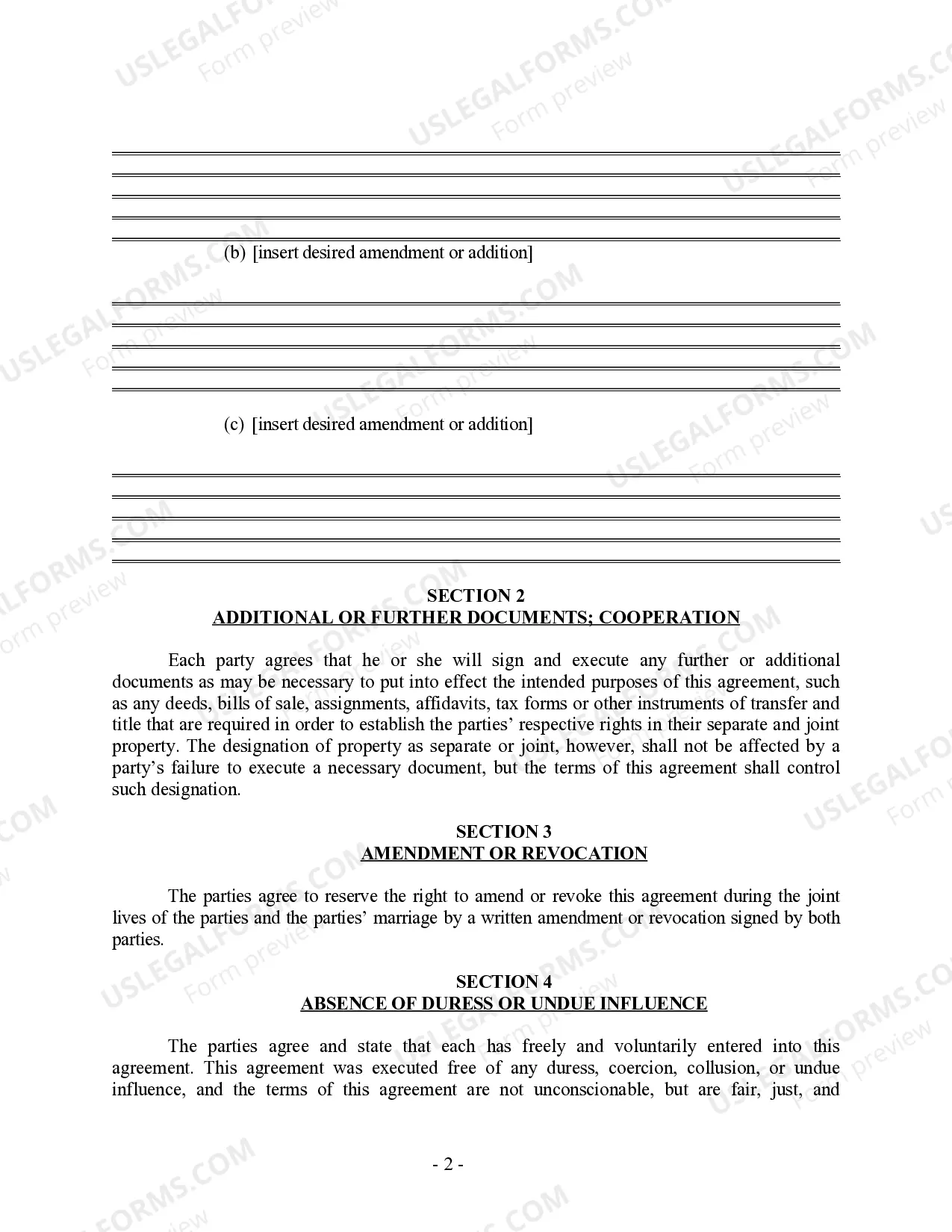
- Provisions for the cooperation of parties in executing additional documents, if necessary.
- Clauses regarding the rights to amend or revoke the agreement.
- Statements ensuring the parties entered the agreement without duress and are fully informed.
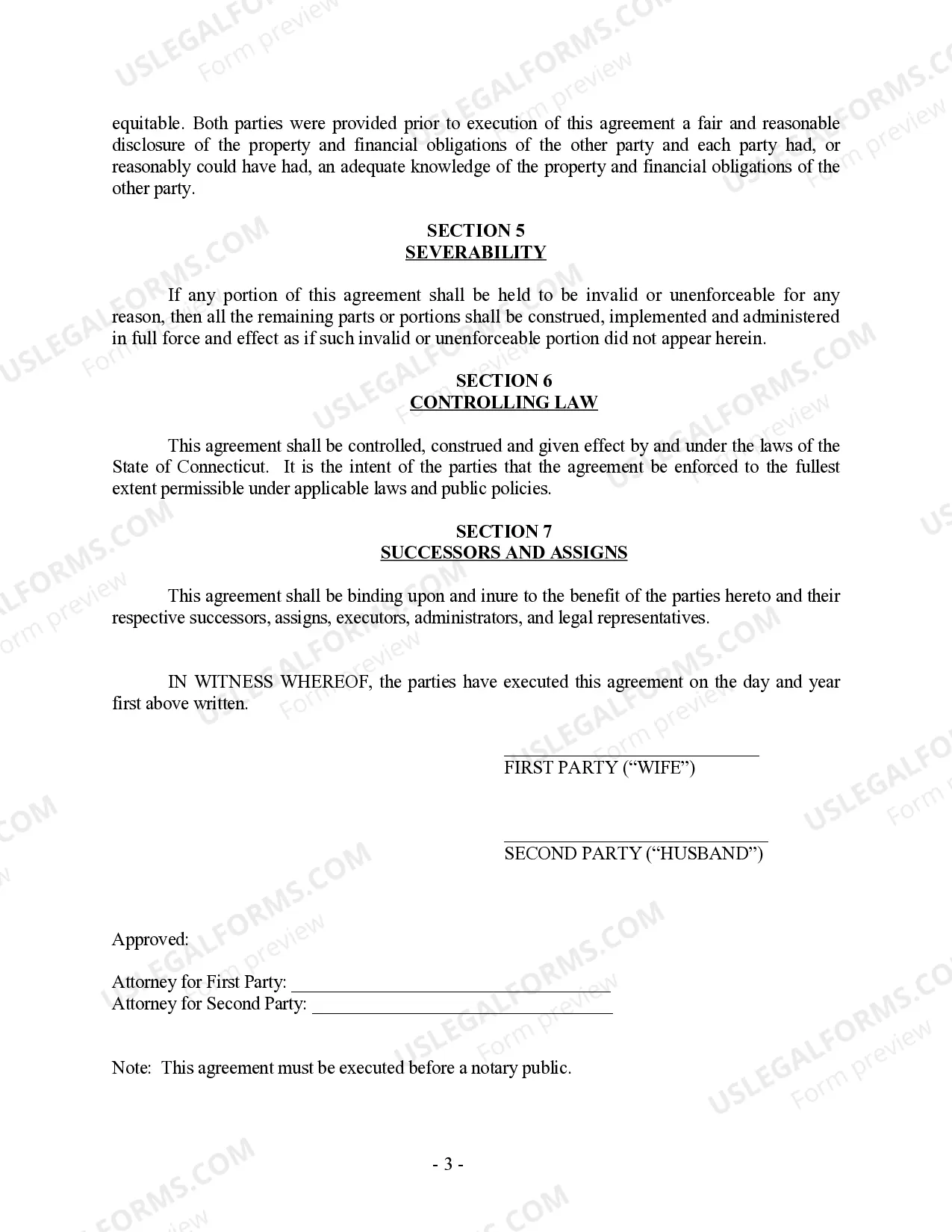
- Severability clause, explaining that if one part is invalid, the rest remains in effect.
- Binds successors and assigns to the agreement.
When this form is needed
This form is useful in several scenarios, such as when a couple wants to change the distribution of their assets, clarify the status of joint or separate property, or incorporate additional financial obligations. If significant life changes occur, such as having children or changes in income, amending the postnuptial agreement ensures that both parties' interests are adequately protected.
Intended users of this form
- Married couples who wish to update their existing postnuptial property agreement.
- Individuals looking to clarify asset distribution or add provisions based on new financial situations.
- Parties who have consulted with independent legal counsel and wish to collectively manage their property rights.
Instructions for completing this form
- Identify the parties involved, including their full names and the effective date of the amendment.
- Clearly state the amendments or additions to the original postnuptial agreement.
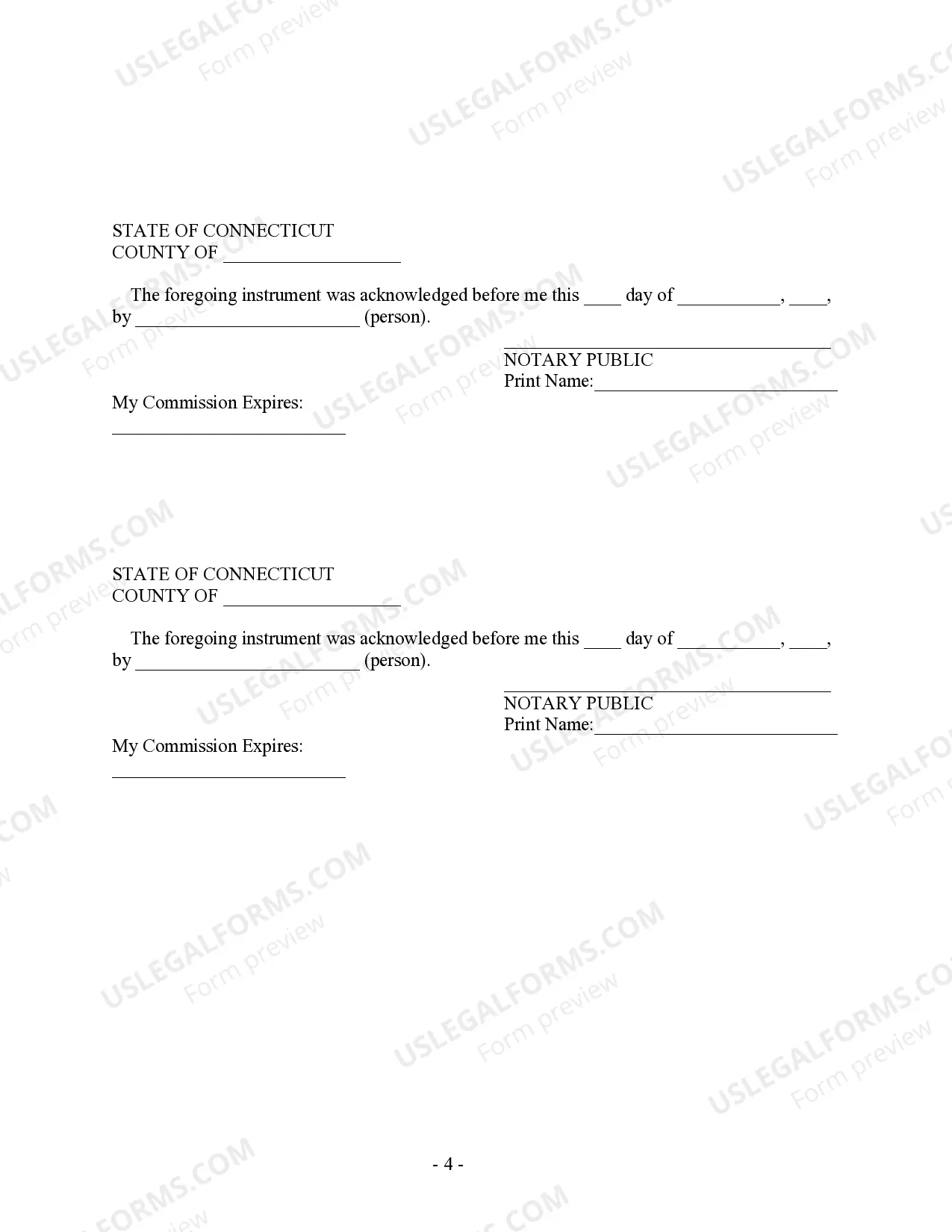
- Each party should sign the document in the presence of a notary public.
- Ensure both parties have had the opportunity to consult with separate legal counsel before signing.
- Keep a copy of the signed and notarized agreement for personal records.
Notarization requirements for this form
This document requires notarization to meet legal standards. US Legal Forms provides secure online notarization powered by Notarize, allowing you to complete the process through a verified video call, available 24/7.
Get your form ready online
Our built-in tools help you complete, sign, share, and store your documents in one place.
Make edits, fill in missing information, and update formatting in US Legal Forms—just like you would in MS Word.
Download a copy, print it, send it by email, or mail it via USPS—whatever works best for your next step.
Sign and collect signatures with our SignNow integration. Send to multiple recipients, set reminders, and more. Go Premium to unlock E-Sign.
If this form requires notarization, complete it online through a secure video call—no need to meet a notary in person or wait for an appointment.
We protect your documents and personal data by following strict security and privacy standards.

Make edits, fill in missing information, and update formatting in US Legal Forms—just like you would in MS Word.

Download a copy, print it, send it by email, or mail it via USPS—whatever works best for your next step.

Sign and collect signatures with our SignNow integration. Send to multiple recipients, set reminders, and more. Go Premium to unlock E-Sign.

If this form requires notarization, complete it online through a secure video call—no need to meet a notary in person or wait for an appointment.

We protect your documents and personal data by following strict security and privacy standards.
Common mistakes
- Failing to have the amendment notarized, which can render it invalid.
- Not clearly specifying the amendments, leading to ambiguity in interpretation.
- Rushing to sign without consulting independent legal advice.
Benefits of completing this form online
- Convenience of accessing and completing the form at any time.
- Editability to customize the document according to individual needs.
- Reliable templates drafted by licensed attorneys, ensuring legal compliance.
Looking for another form?
Form popularity
FAQ
Yes, a postnuptial agreement can be overturned under certain conditions. If it is found to be unfairly beneficial to one party or was created under duress, a court may invalidate it. You must also consider any legal amendments applicable, such as the Connecticut Amendment to Postnuptial Property Agreement, which outlines specific requirements for enforceability. For tailored assistance and to ensure your rights are protected, consider using USLegalForms as a reliable resource.
Several factors can void a postnuptial agreement, including lack of full disclosure of assets or coercion during its signing. If the agreement is deemed unconscionable or significantly unfair at the time of enforcement, a court may also void it. To ensure validity, consider enlisting the help of professionals when crafting your Connecticut Amendment to Postnuptial Property Agreement through platforms like uslegalforms.
Yes, post-nuptial agreements are binding in Connecticut, provided they follow the legal requirements. The agreement must be entered into voluntarily, not under duress, and both parties should have independent legal representation if possible. Utilizing a Connecticut Amendment to Postnuptial Property Agreement can help you create a solid foundation for your financial future.
Certain topics should be avoided in postnuptial agreements, such as child custody or child support arrangements, as these are determined by a court's best interests. Additionally, provisions requiring spousal support in an unreasonable manner may not be enforceable. When drafting a Connecticut Amendment to Postnuptial Property Agreement, focusing on property distribution, debt management, and financial responsibilities is wise.
Yes, post-nuptial agreements generally hold up in court if they meet certain legal requirements. In Connecticut, the agreement should be fair, entered voluntarily, and both parties should fully disclose their financial situations. A well-drafted Connecticut Amendment to Postnuptial Property Agreement can safeguard your interests and improve the chances of enforcement in legal proceedings.
Yes, a postnuptial agreement can be changed, but both parties must agree to the modifications. To make the changes legally binding, it is advisable to document them in writing and have them signed by both spouses. The Connecticut Amendment to Postnuptial Property Agreement allows couples to alter their initial terms, ensuring the agreement remains relevant as circumstances evolve.
A postnuptial agreement can be invalidated if it lacks essential elements, such as proper consent or if one party was under duress. Additionally, if the agreement is found to be excessively unfair, a court may reject it. In Connecticut, understanding the amendment to postnuptial property agreements can clarify the grounds for invalidation. For legal support in navigating these complexities, US Legal Forms offers resources that can help you assess and challenge such agreements effectively.
To enforce a postnuptial agreement, it must meet certain requirements under state law. Generally, you must demonstrate that both parties agreed to the terms voluntarily and that the contract is fair and reasonable. In Connecticut, the amendment to the postnuptial property agreement should clearly outline the rights and obligations of each spouse. For further assistance, consider using US Legal Forms, which provides templates and guidance tailored to Connecticut law.