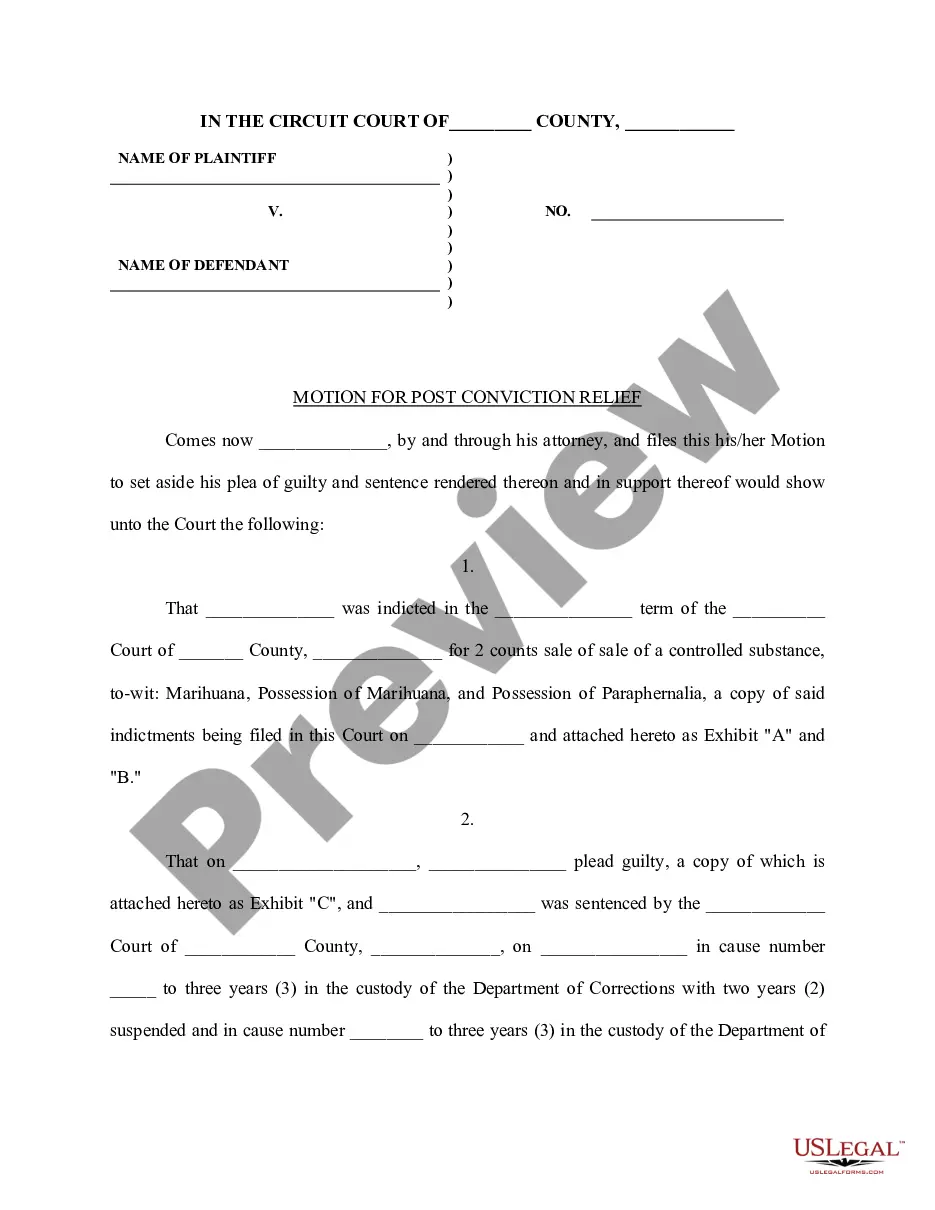
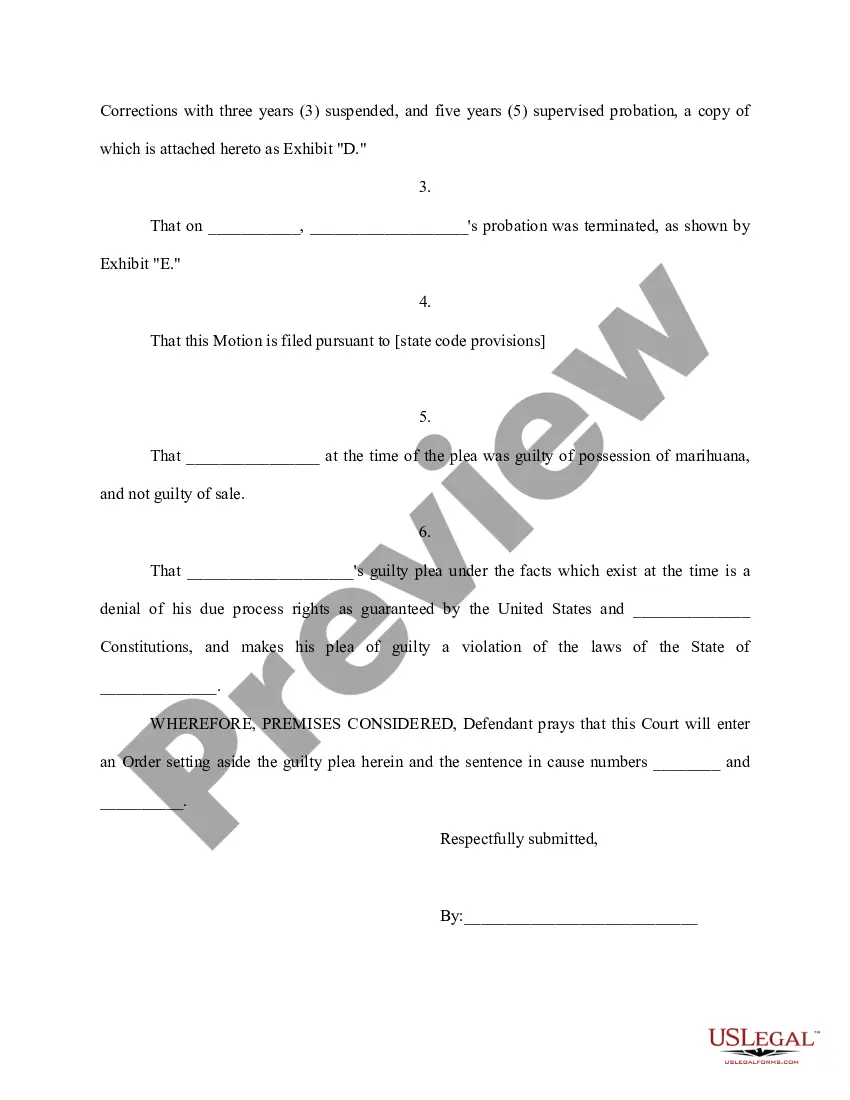
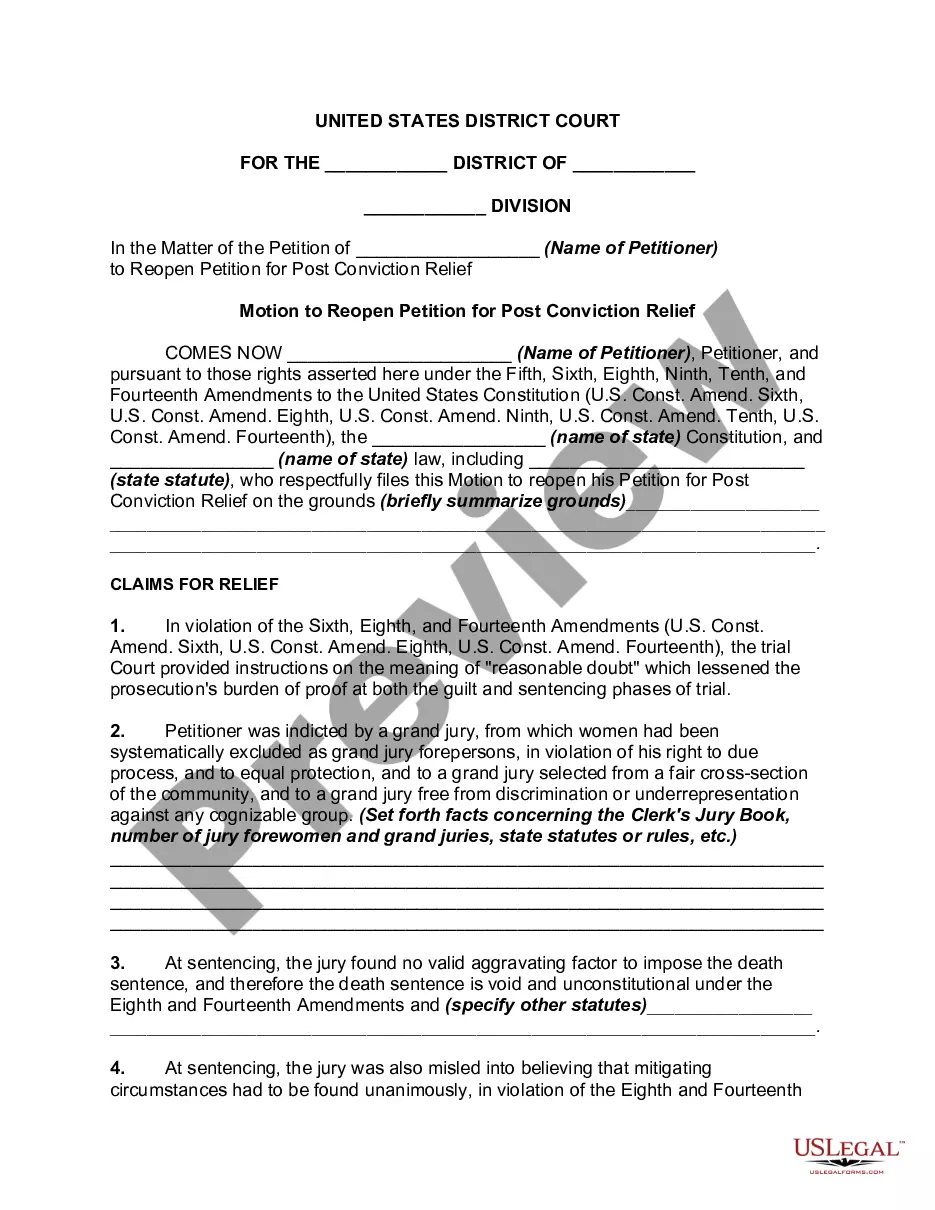
Colorado Motion For Post-Conviction Relief
Description
Get your form ready online
Our built-in tools help you complete, sign, share, and store your documents in one place.
Make edits, fill in missing information, and update formatting in US Legal Forms—just like you would in MS Word.
Download a copy, print it, send it by email, or mail it via USPS—whatever works best for your next step.
Sign and collect signatures with our SignNow integration. Send to multiple recipients, set reminders, and more. Go Premium to unlock E-Sign.
If this form requires notarization, complete it online through a secure video call—no need to meet a notary in person or wait for an appointment.
We protect your documents and personal data by following strict security and privacy standards.

Make edits, fill in missing information, and update formatting in US Legal Forms—just like you would in MS Word.

Download a copy, print it, send it by email, or mail it via USPS—whatever works best for your next step.

Sign and collect signatures with our SignNow integration. Send to multiple recipients, set reminders, and more. Go Premium to unlock E-Sign.

If this form requires notarization, complete it online through a secure video call—no need to meet a notary in person or wait for an appointment.

We protect your documents and personal data by following strict security and privacy standards.
Looking for another form?

How to fill out Motion For Post-Conviction Relief?
Are you presently in a situation where you need documentation for potential business or personal purposes nearly every time.
There are numerous authentic document templates available online, but finding ones you can trust isn't straightforward.
US Legal Forms provides thousands of form templates, including the Colorado Motion For Post-Conviction Relief, which can be filled out to meet state and federal regulations.
Utilize US Legal Forms, one of the most extensive collections of legitimate forms, to save time and avoid errors.
The service offers professionally crafted legal document templates that can be used for various purposes. Create your account on US Legal Forms and start making your life a bit easier.
- If you are already acquainted with the US Legal Forms site and possess an account, simply sign in.
- Next, you may download the Colorado Motion For Post-Conviction Relief template.
- If you do not have an account and wish to begin using US Legal Forms, follow these instructions.
- Obtain the form you need and ensure it is for your correct area/county.
- Use the Preview button to examine the document.
- Check the summary to confirm you have selected the correct form.
- If the form isn't what you need, utilize the Search field to find the document that meets your requirements.
- Once you find the appropriate form, click Get now.
- Select the pricing plan you prefer, fill out the required information to create your account, and complete your order using your PayPal or Visa or Mastercard.
- Choose a convenient file format and download your copy.
- Locate all the document templates you have purchased in the My documents menu. You can download an additional copy of the Colorado Motion For Post-Conviction Relief at any time, if necessary. Click on the desired form to download or print the document template.
Form popularity
FAQ
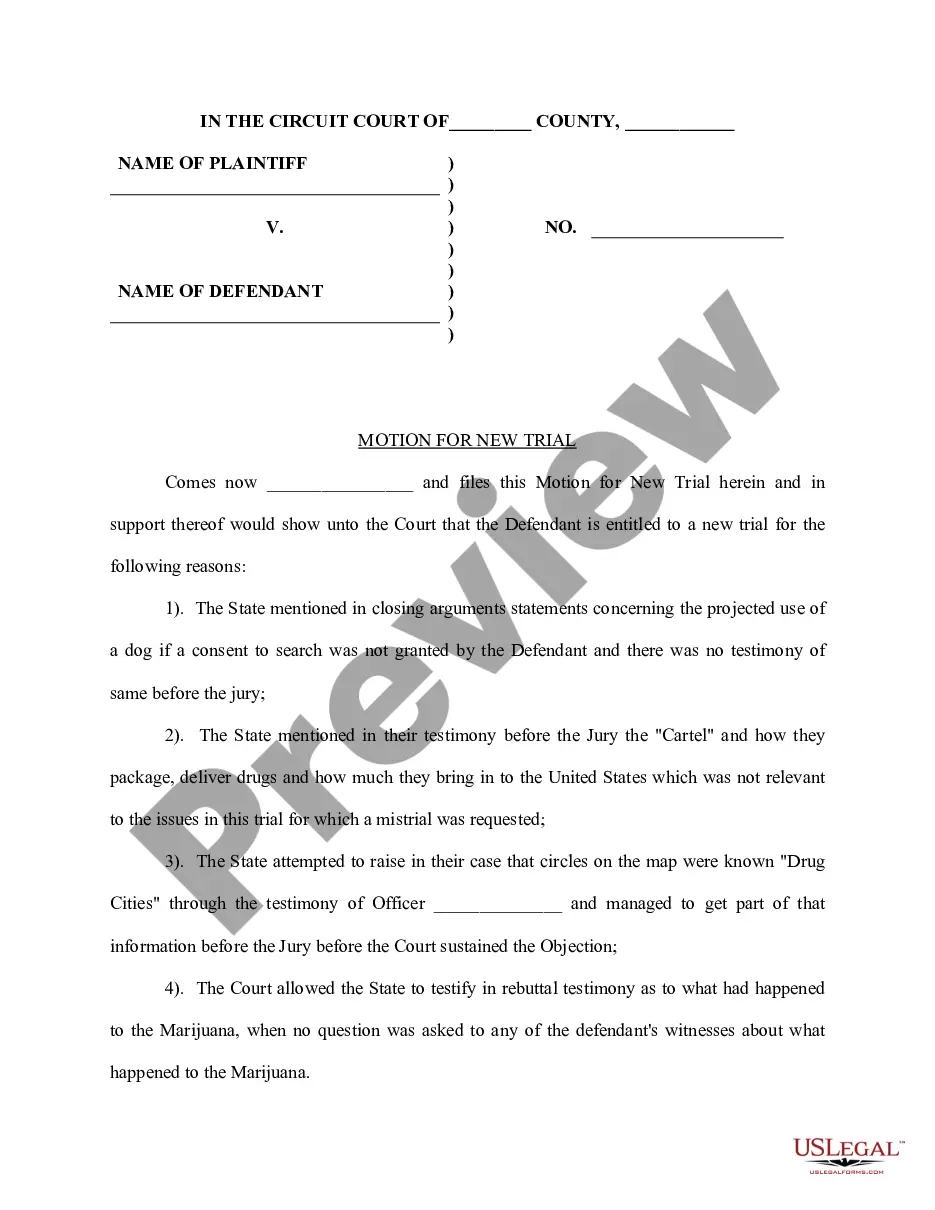
The most common types of post-conviction relief motions are: Motion for New Trial. Motion to Vacate Judgment. Motion to Set Aside Judgment.
Rule 35 - Determination of Appeal (a) Disposition of Appeal. The appellate court may, in whole or in part, dismiss an appeal; affirm, vacate, modify, reverse, or set aside a lower court judgment; and remand any portion of the case to the lower court for further proceedings.
Rule 35(b) of the Colorado Rules of Criminal Procedure allows a criminal defendant who has been convicted and sentenced to ask the sentencing judge to reconsider the sentence that the judge imposed on the defendant.
Under current Rule 35(b), if the government believes that a sentenced defendant has provided substantial assistance in investigating or prosecuting another person, it may move the court to reduce the original sentence; ordinarily, the motion must be filed within one year of sentencing.
Under Colorado Rule 35(b), a motion for reconsideration is when defendants who have been convicted of and sentenced for a crime ask the court to lessen the sentence. (The motion is often called a ?Rule 35b motion? or just a ?35b motion?).
Rule 35(c) Proceedings. Section 18-1-410, C.R.S. and Rule 35(c) of the Colorado Rules of Criminal Procedure allow defendants to raise certain claims in the trial court even after they have been convicted and exhausted all of their direct appeal rights.
This rule requires that either the party's physical or mental condition be "in controversy" and that the movant show "good cause" before the court may order that a party submit to a physical or mental examination.