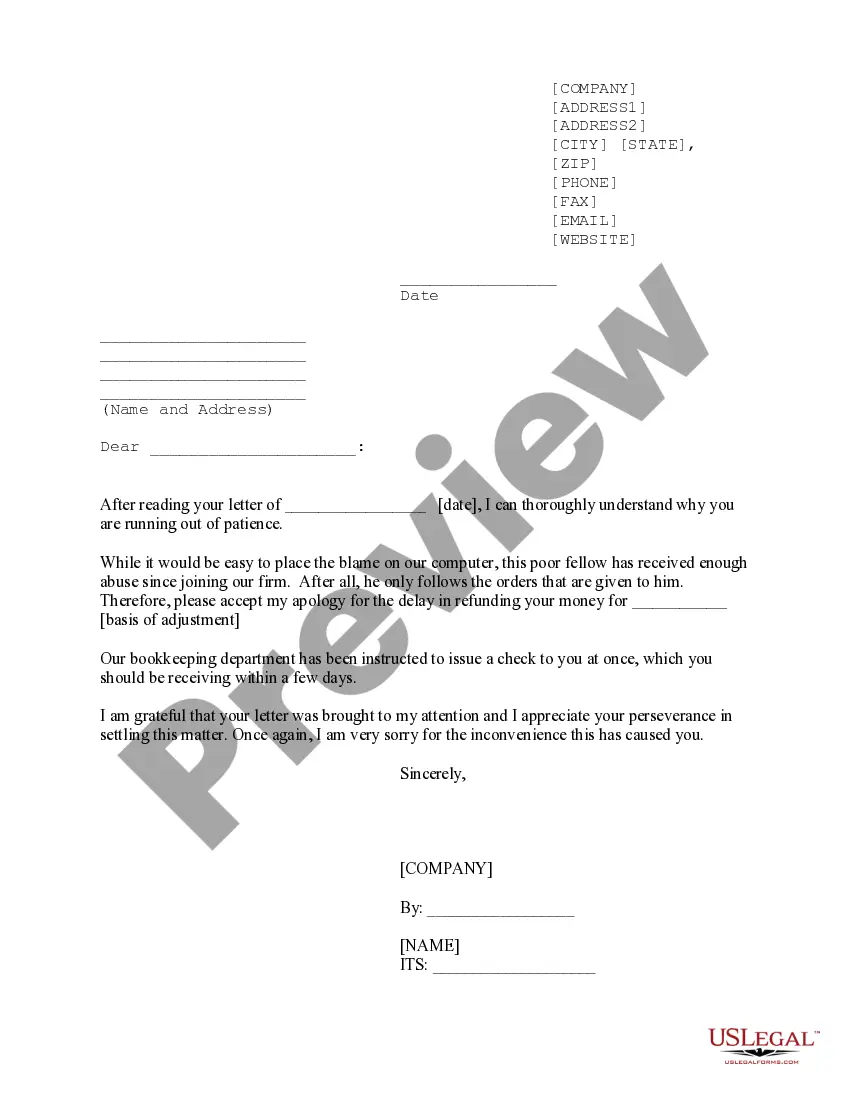
This is a Complaint pleading for use in litigation of the title matter. Adapt this form to comply with your facts and circumstances, and with your specific state law. Not recommended for use by non-attorneys.
Colorado Complaint For False Arrest and Imprisonment - 4th and 14th Amendment, US Constitution - Jury Trial Demand
Category:
State:
Multi-State
Control #:
US-000280
Format:
Word;
Rich Text
Instant download
Description
Free preview






Get your form ready online
Our built-in tools help you complete, sign, share, and store your documents in one place.
Built-in online Word editor
Make edits, fill in missing information, and update formatting in US Legal Forms—just like you would in MS Word.
Export easily
Download a copy, print it, send it by email, or mail it via USPS—whatever works best for your next step.
E-sign your document
Sign and collect signatures with our SignNow integration. Send to multiple recipients, set reminders, and more. Go Premium to unlock E-Sign.
Notarize online 24/7
If this form requires notarization, complete it online through a secure video call—no need to meet a notary in person or wait for an appointment.
Store your document securely
We protect your documents and personal data by following strict security and privacy standards.

Make edits, fill in missing information, and update formatting in US Legal Forms—just like you would in MS Word.

Download a copy, print it, send it by email, or mail it via USPS—whatever works best for your next step.

Sign and collect signatures with our SignNow integration. Send to multiple recipients, set reminders, and more. Go Premium to unlock E-Sign.

If this form requires notarization, complete it online through a secure video call—no need to meet a notary in person or wait for an appointment.

We protect your documents and personal data by following strict security and privacy standards.
Looking for another form?


How to fill out Complaint For False Arrest And Imprisonment - 4th And 14th Amendment, US Constitution - Jury Trial Demand?
You can spend multiple hours online trying to locate the legal document template that satisfies the state and federal requirements you need.
US Legal Forms provides a vast array of legal forms that have been reviewed by professionals.
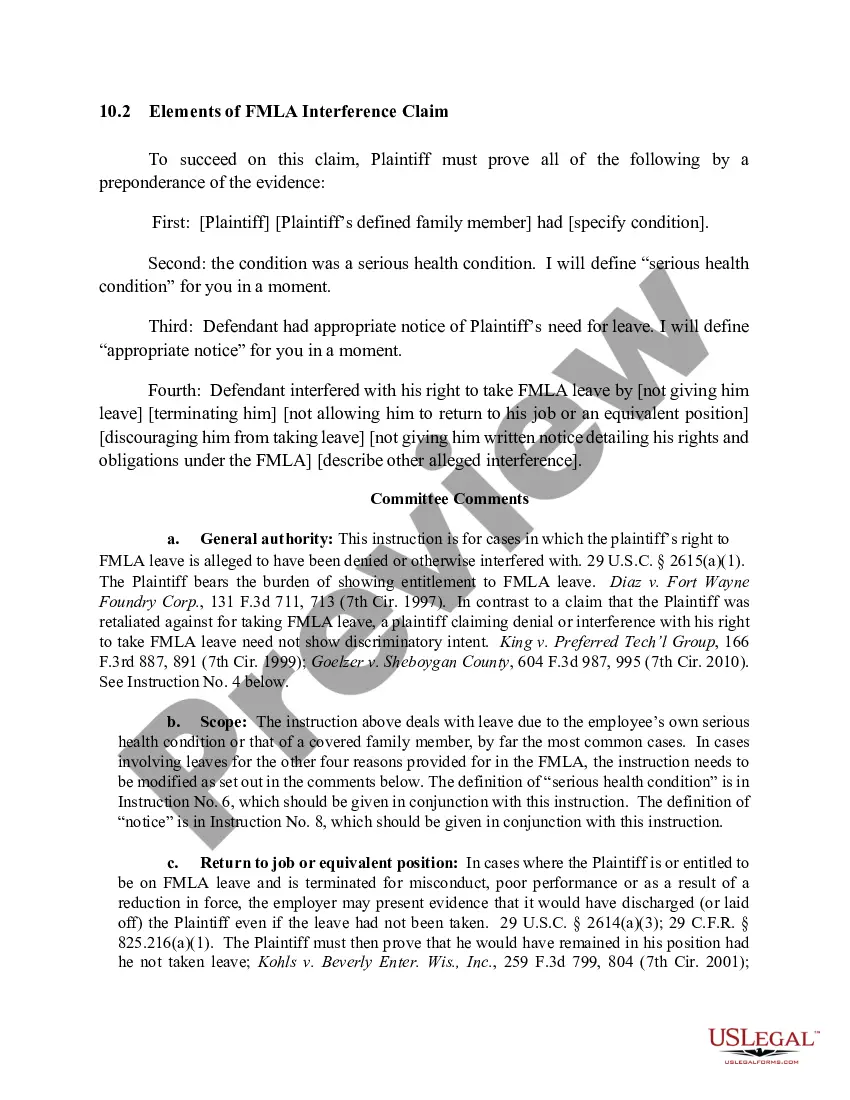
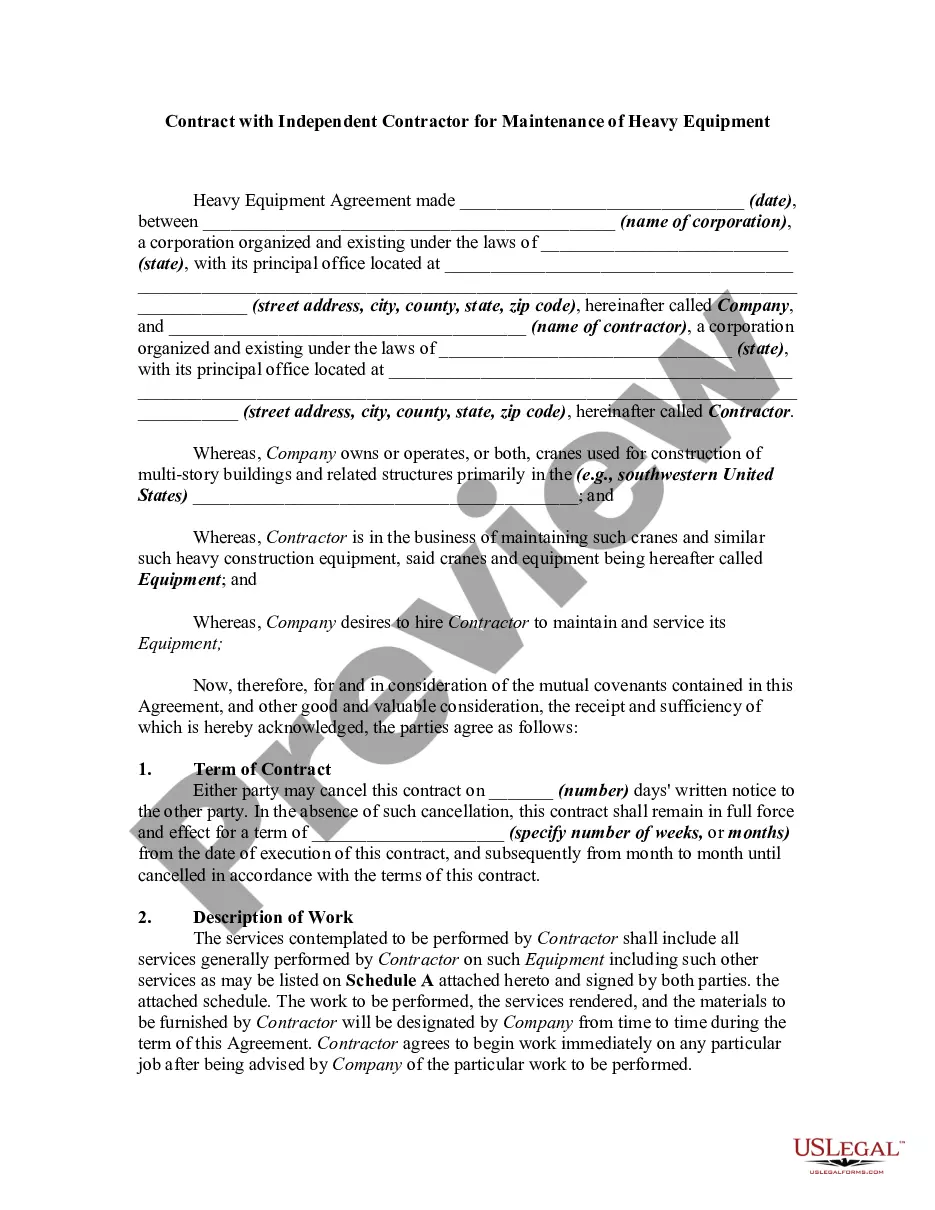
You can download or print the Colorado Complaint For False Arrest and Imprisonment - 4th and 14th Amendment, US Constitution - Jury Trial Demand from our service.
If available, use the Preview option to review the document template as well. If you wish to find another version of your form, utilize the Search field to locate the template that meets your requirements and specifications.
- If you already possess a US Legal Forms account, you may Log In and click on the Obtain button.
- After that, you can complete, modify, print, or sign the Colorado Complaint For False Arrest and Imprisonment - 4th and 14th Amendment, US Constitution - Jury Trial Demand.
- Every legal document template you purchase is yours for an extended period.
- To obtain another copy of the purchased form, go to the My documents tab and select the corresponding option.
- If you are using the US Legal Forms website for the first time, follow the simple instructions below.
- First, make sure you have chosen the correct document template for your region/area of choice.
- Read the form description to confirm that you have selected the appropriate document.
Form popularity
FAQ
The three essential elements of false imprisonment include the unlawful confinement of a person, the knowledge of the confinement by the person causing it, and the lack of consent from the confined individual. Understanding these elements is vital, especially when filing a Colorado Complaint For False Arrest and Imprisonment - 4th and 14th Amendment, US Constitution - Jury Trial Demand. By exploring these elements, you can better prepare your case and seek the compensation you deserve.
In Colorado, you can take legal action against someone who makes false accusations, which may constitute defamation or false reporting. However, pressing charges involves several factors, including the nature of the accusations and the evidence available. To explore your options effectively, consider filing a Colorado Complaint For False Arrest and Imprisonment - 4th and 14th Amendment, US Constitution - Jury Trial Demand, as it can provide a pathway to rectify the situation.
Yes, false arrest can be considered a violation of constitutional rights, particularly under the 4th and 14th Amendments of the US Constitution. These amendments protect individuals from unlawful search and seizure, as well as ensure due process. If you believe you have experienced false arrest, pursuing a Colorado Complaint For False Arrest and Imprisonment - 4th and 14th Amendment, US Constitution - Jury Trial Demand is a crucial step towards seeking justice.
In Colorado, the law regarding false imprisonment is outlined under Colorado Revised Statute 18-3-303. This statute defines false imprisonment as the unlawful confinement of a person without their consent. It is essential to understand how these laws relate to a Colorado Complaint For False Arrest and Imprisonment - 4th and 14th Amendment, US Constitution - Jury Trial Demand, as it can help you navigate your legal options effectively.
False imprisonment is a class 2 misdemeanor; except that false imprisonment is a class 5 felony if: The person uses force or threat of force to confine or detain the other person; and. The person confines or detains the other person for twelve hours or longer.
False Imprisonment is usually charged as a class 2 misdemeanor, which is punishable by up to one year in jail. However, when force or threat of force is used and the victim is held longer than 12 hours, it is considered a class 5 felony in Jefferson County with a possible sentence of 3 years in prison.
Colorado's False Imprisonment Law, 18-3-303, C.R.S., provides: (1) Any person who knowingly confines or detains another without the other's consent and without proper legal authority commits false imprisonment. This section shall not apply to a peace officer acting in good faith within the scope of his or her duties.
Class 4: Class 4 felonies are punishable by fines of $2,000 to $500,000 and 2 to 6 years in prison. Examples of Class 4 felonies are sexual assault, manslaughter, vehicular homicide, and identity theft. Class 5: Class 5 felonies are punishable by fines of $1,000 to $100,000 and one to three years in prison.
Overview. A person commits false imprisonment when they engage in the act of restraint on another person which confines that person in a restricted area. False imprisonment is an act punishable under criminal law as well as under tort law. Under tort law, it is classified as an intentional tort.
Felonies are the most serious criminal violations of Colorado state laws (Colorado Revised Statutes), and include robbery, murder, rape, and possession of illegal drugs for sale.