Colorado Amendment of Residential Lease
Understanding this form
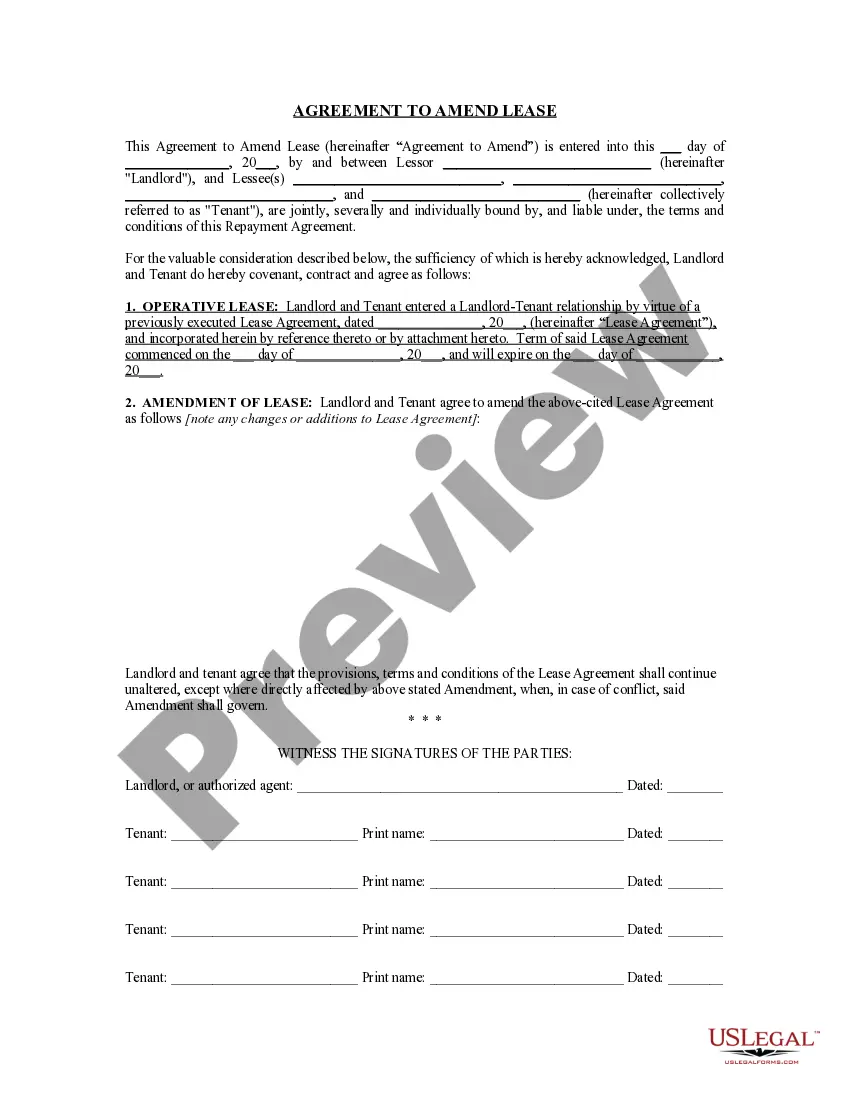
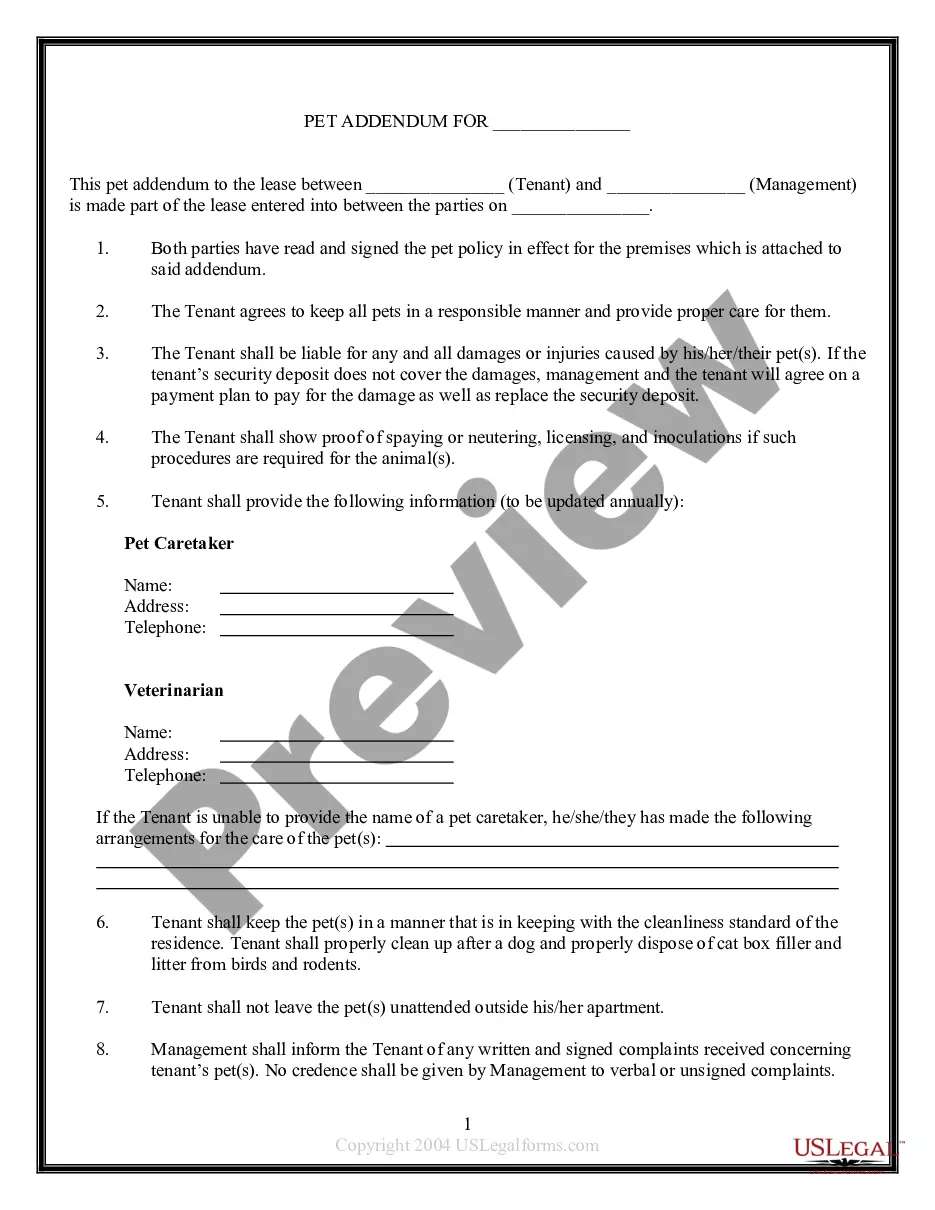
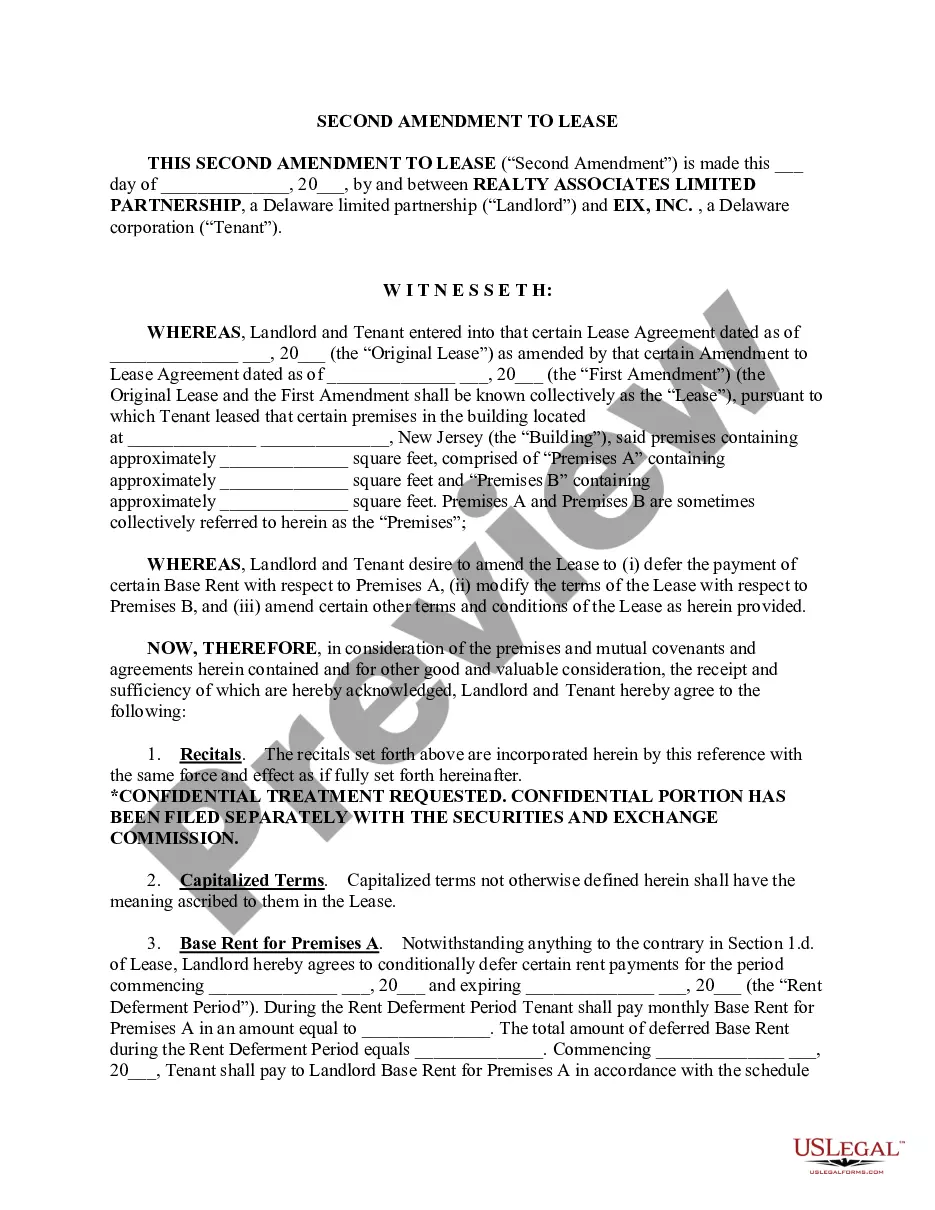
The Amendment of Residential Lease is a legal document used to modify an existing lease agreement between a landlord and tenant. This form allows for changes in the lease's terms while ensuring compliance with state laws. It helps to avoid misunderstandings and disagreements regarding alterations, making it an essential tool for both landlords and tenants during the duration of their rental relationship.
Main sections of this form
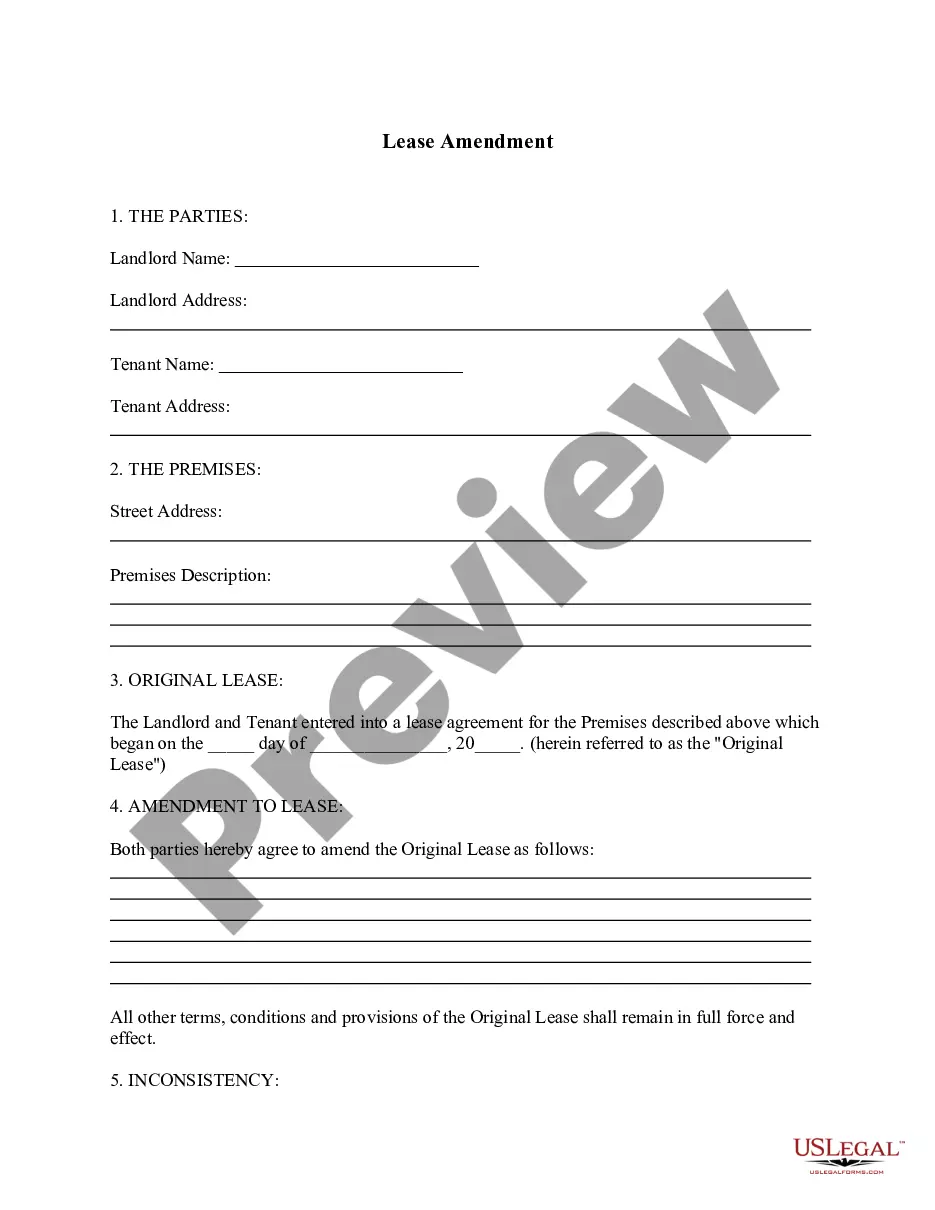
- Identification of parties involved: Names and addresses of the landlord and tenants.
- Reference to the original lease agreement: Details regarding the prior lease governing the rental.
- Changes to terms: Specification of the amendments being made to the lease, including rent adjustments or extended lease duration.
- Signatures: Spaces for both landlord and tenants to sign, indicating acceptance of the amendments.
- Effective date: The date on which the amendments take effect.
When to use this document
Use the Amendment of Residential Lease when you need to change any terms of your current lease agreement. Common scenarios include increasing the rent, extending the lease term, or modifying rules regarding property maintenance. This form is vital when both parties agree to the changes and wish to document them legally to prevent future conflicts.
Who should use this form
- Landlords looking to adjust rental terms or conditions.
- Tenants seeking to negotiate changes in their rental agreement.
- Property managers who handle lease modifications on behalf of landlords.
- Anyone involved in a rental arrangement who wants to ensure that any modifications are legally documented and enforceable.
How to prepare this document
- Identify the parties: Fill in the names of the landlord and all tenants involved.
- Reference the original lease: Enter the effective date of the previous lease agreement.
- Specify the changes: Clearly outline the amendments being made to the lease terms.
- Enter the effective date: Record the date when these amendments will take effect.
- Gather signatures: Ensure all parties sign and date the document to validate the agreement.
Does this form need to be notarized?
Notarization is generally not required for this form. However, certain states or situations might demand it. You can complete notarization online through US Legal Forms, powered by Notarize, using a verified video call available anytime.
Get your form ready online
Our built-in tools help you complete, sign, share, and store your documents in one place.
Make edits, fill in missing information, and update formatting in US Legal Forms—just like you would in MS Word.
Download a copy, print it, send it by email, or mail it via USPS—whatever works best for your next step.
Sign and collect signatures with our SignNow integration. Send to multiple recipients, set reminders, and more. Go Premium to unlock E-Sign.
If this form requires notarization, complete it online through a secure video call—no need to meet a notary in person or wait for an appointment.
We protect your documents and personal data by following strict security and privacy standards.

Make edits, fill in missing information, and update formatting in US Legal Forms—just like you would in MS Word.

Download a copy, print it, send it by email, or mail it via USPS—whatever works best for your next step.

Sign and collect signatures with our SignNow integration. Send to multiple recipients, set reminders, and more. Go Premium to unlock E-Sign.

If this form requires notarization, complete it online through a secure video call—no need to meet a notary in person or wait for an appointment.

We protect your documents and personal data by following strict security and privacy standards.
Mistakes to watch out for
- Failing to get all signatures: Ensure every tenant and the landlord sign the document.
- Not including the effective date of changes: This can lead to confusion over when the amendments apply.
- Overlooking state-specific laws: Always check that the agreement complies with local regulations.
- Insufficient detail in amendments: Clearly state any changes to avoid ambiguity.
Why use this form online
- Convenience: Download and complete the form from the comfort of your home.
- Editability: Easily customize the form to fit your specific lease amendment needs.
- Reliability: Access professionally prepared forms that meet legal standards.
Legal use & context
- Amendments are legally binding once signed by all parties involved.
- Failure to properly document amendments may lead to disputes regarding lease terms.
- Ensure that any modifications comply with state laws governing residential leases.
Main things to remember
- The Amendment of Residential Lease enables legal modifications to an existing lease agreement.
- Proper completion of the form can prevent future disputes between landlords and tenants.
- Both parties should read and understand the changes before signing.
Looking for another form?
Form popularity
FAQ
Making changes to a lease after signing is allowed if both parties consent to the modifications. It is crucial to document any agreed-upon changes to establish clarity and protect your interests. The Colorado Amendment of Residential Lease can guide you in formalizing any alterations. Make sure all changes are signed by both you and your landlord.
As a renter in Colorado, you have several rights, including the right to a habitable living environment and protection against retaliatory eviction. Understanding your rights can significantly enhance your renting experience. The Colorado Amendment of Residential Lease can provide additional context on specific protections and responsibilities. Familiarize yourself with state laws to ensure your rights are upheld.
You can make changes to your lease after signing, but both you and your landlord must agree to those amendments. It is essential to document any modifications to protect your interests. The Colorado Amendment of Residential Lease serves as a helpful resource for drafting amendments that abide by state law. Always formalize changes in writing.
In Colorado, if a landlord chooses not to renew a lease, they must provide written notice. Generally, the notice period is 60 days for leases longer than one month. However, this timeframe can vary based on specific lease terms. Utilizing the Colorado Amendment of Residential Lease may clarify your rights regarding notice. Understanding this will help you plan accordingly.
Renegotiating a lease after signing is possible but requires mutual consent from both parties. The Colorado Amendment of Residential Lease can spell out the process for making adjustments. Keep communication open with your landlord and document any changes. If needed, consult platforms like US Legal Forms for templates and advice.
Yes, you may have the ability to change your mind after signing a lease before you move in, but this often depends on the lease terms. If the lease contains a termination clause, you may be able to withdraw without penalty. Consider using the Colorado Amendment of Residential Lease if negotiation is required. Always review your lease and consult an expert if needed.
In Colorado, once you sign a lease, you typically enter a binding contract. You cannot back out unless the lease includes a specific clause allowing it or you reach an agreement with your landlord. The Colorado Amendment of Residential Lease can help define your rights in this situation. It's advisable to consult legal resources to understand your options.
Yes, there are ways to get out of a lease in Colorado, often starting with the negotiation of a lease amendment. The Colorado Amendment of Residential Lease can be a valuable tool for modifying terms, including breaking the lease. Tenants may also explore options like subletting, lease assignments, or seeking legal advice to understand their rights. Utilizing platforms like uslegalforms can simplify the process, providing necessary templates and guidance.
An amendment to remove a tenant from a lease involves a legal adjustment to the existing rental agreement. This process typically requires consent from all parties involved, including the landlord and remaining tenants. With the Colorado Amendment of Residential Lease, a landlord can officially remove a tenant's name, clarifying responsibilities and obligations. This amendment helps ensure that the lease is accurate and reflects the current living situation.
In most cases, a lease amendment, including a Colorado Amendment of Residential Lease, does not need to be notarized unless local laws or the lease agreement specifies otherwise. While notarization can provide additional legal validation, it's typically not a requirement. Always check your lease terms and consult with legal resources for confirmation.