Colorado Seller's Disclosure of Forfeiture Rights for Contract for Deed
Understanding this form
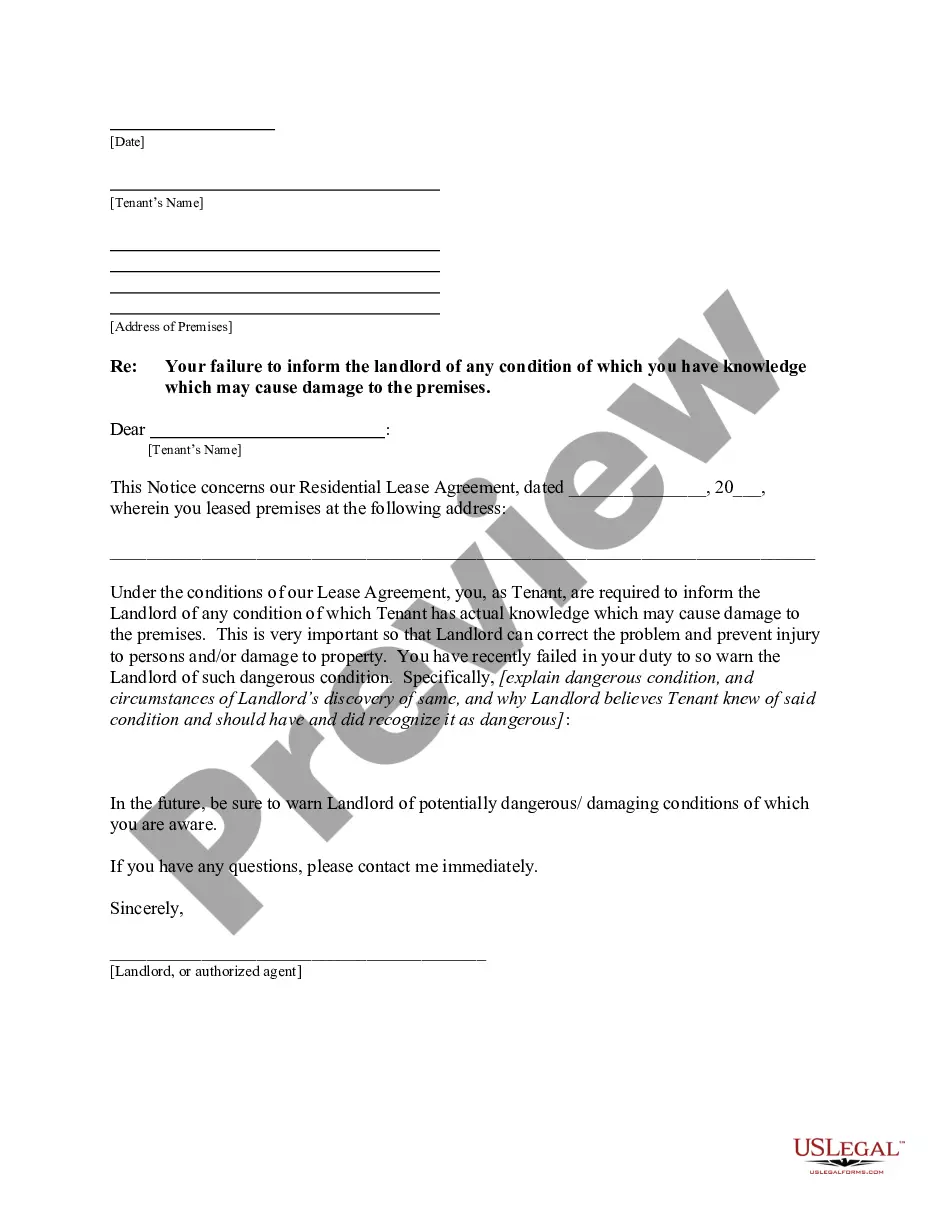
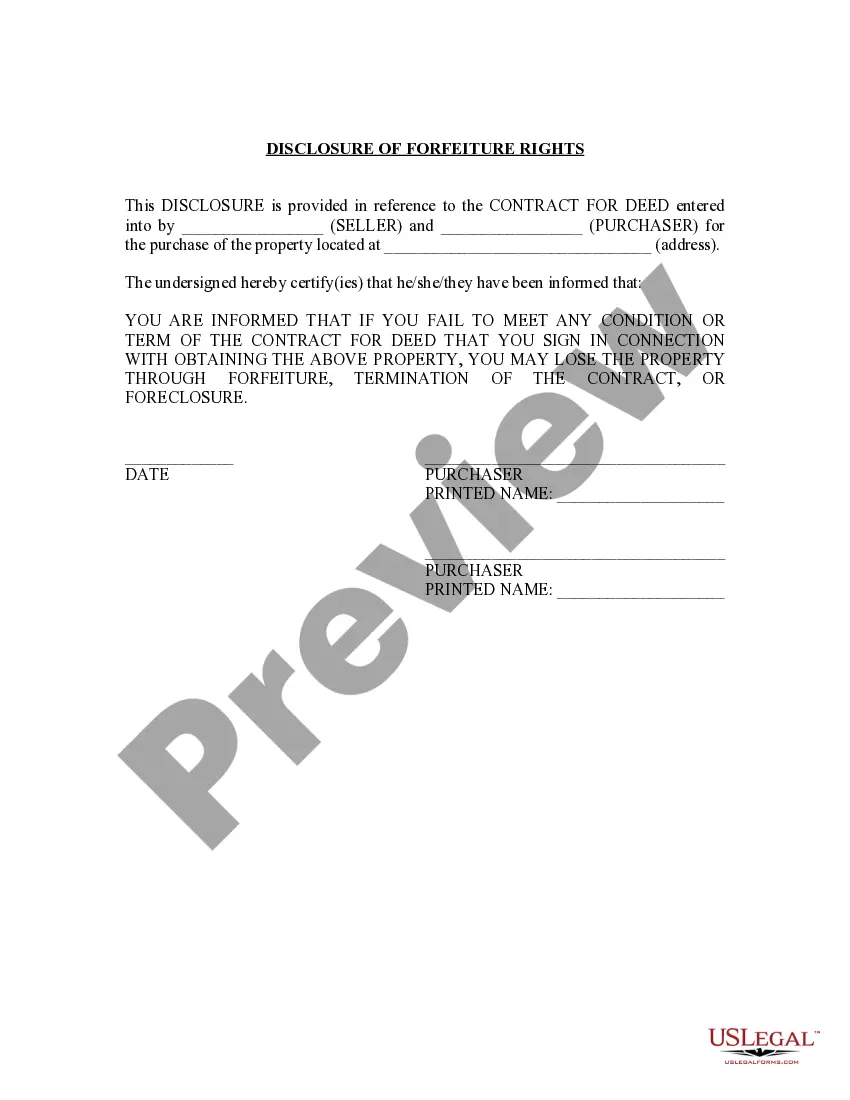
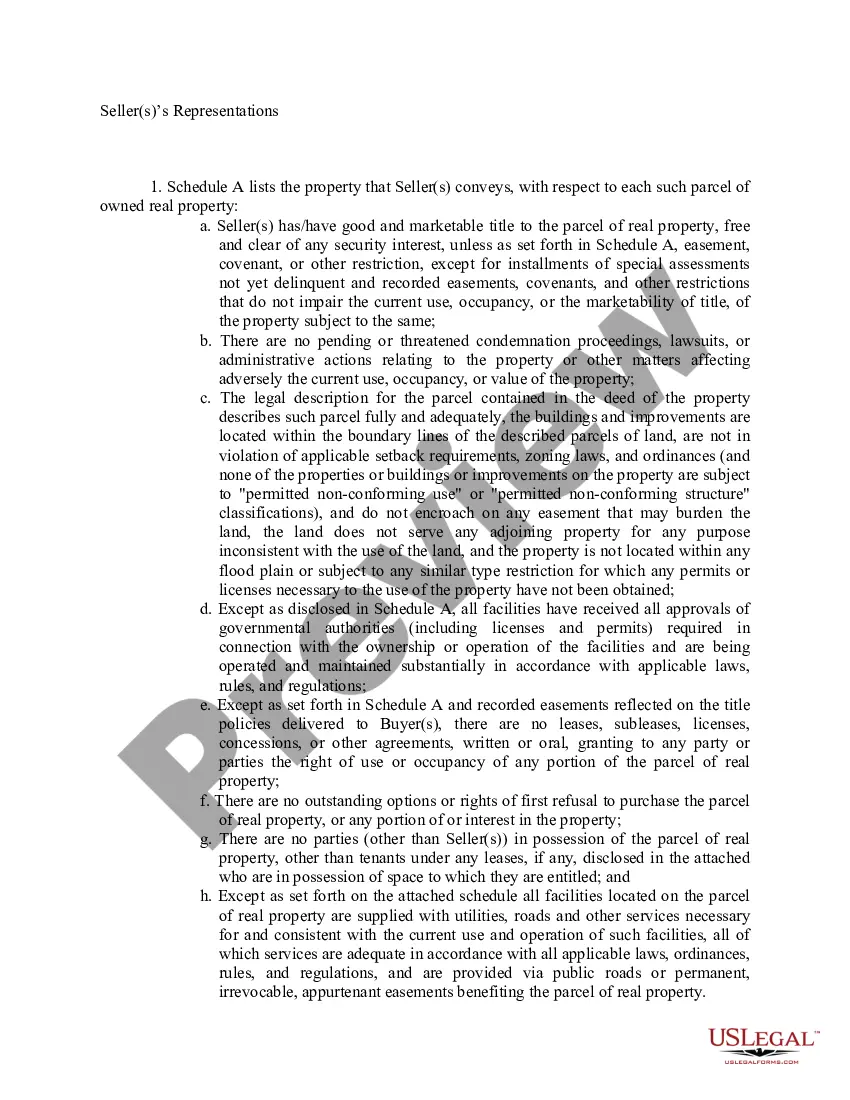
The Seller's Disclosure of Forfeiture Rights for Contract for Deed is a legal document provided by the seller to the purchaser at the time of signing a contract for deed. This form helps the purchaser understand their rights and responsibilities, specifically regarding the risk of forfeiture if they fail to meet contract terms. While not always required by law, it serves an important purpose by clarifying potential consequences for the purchaser, making it easier for sellers to demonstrate compliance in case of disputes. This form is essential for ensuring a transparent agreement between parties involved in a real estate transaction.
Form components explained
- Certification of understanding regarding forfeiture rights.
- Warning of potential consequences for failing to meet contract conditions.
- Identification of the parties involved in the contract.
- Signature lines for both the seller and purchaser.
When to use this form
This form is used during the process of closing a real estate deal under a contract for deed. It is particularly important in situations where the purchaser may need clarity on the ramifications of failing to uphold the contract terms. If the buyer has concerns about their obligations and the potential for losing their investment, this disclosure can be an effective tool to ensure they are fully informed.
Who should use this form
This form is intended for:
- Sellers of real estate who are offering property under a contract for deed.
- Purchasers entering into a contract for deed and looking to understand their rights.
- Real estate agents or attorneys facilitating the transaction.
How to prepare this document
- Identify the parties involved by entering the seller's and purchaser's names.
- Clearly specify the property being sold under the contract for deed.
- Certify that you have informed the purchaser about forfeiture risks and potential consequences.
- Both parties should review and sign the document to validate their understanding.
Does this document require notarization?
This document requires notarization to meet legal standards. US Legal Forms provides secure online notarization powered by Notarize, allowing you to complete the process through a verified video call, available 24/7.
Get your form ready online
Our built-in tools help you complete, sign, share, and store your documents in one place.
Make edits, fill in missing information, and update formatting in US Legal Forms—just like you would in MS Word.
Download a copy, print it, send it by email, or mail it via USPS—whatever works best for your next step.
Sign and collect signatures with our SignNow integration. Send to multiple recipients, set reminders, and more. Go Premium to unlock E-Sign.
If this form requires notarization, complete it online through a secure video call—no need to meet a notary in person or wait for an appointment.
We protect your documents and personal data by following strict security and privacy standards.
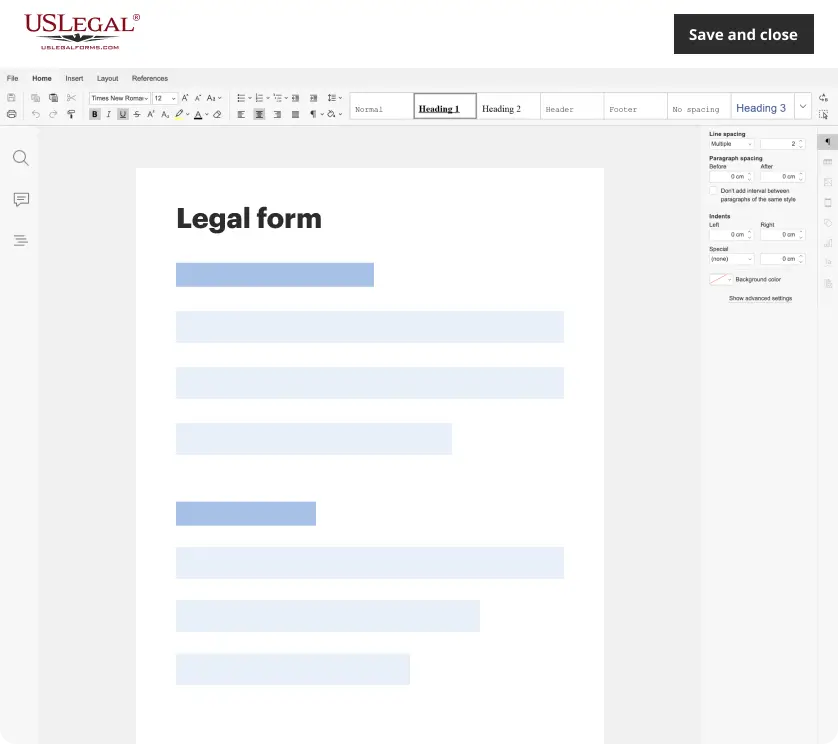
Make edits, fill in missing information, and update formatting in US Legal Forms—just like you would in MS Word.
Download a copy, print it, send it by email, or mail it via USPS—whatever works best for your next step.
Sign and collect signatures with our SignNow integration. Send to multiple recipients, set reminders, and more. Go Premium to unlock E-Sign.

If this form requires notarization, complete it online through a secure video call—no need to meet a notary in person or wait for an appointment.
We protect your documents and personal data by following strict security and privacy standards.
Typical mistakes to avoid
- Failing to fully explain the terms of the contract for deed to the purchaser.
- Not obtaining proper signatures from both parties.
- Leaving out vital information about the property or the agreement.
Why use this form online
- Convenient access to legally vetted templates, available for instant download.
- Editability allows customization to meet specific transaction needs.
- Time-saving, eliminating the need for in-person meetings with legal professionals.
Quick recap
- This form informs purchasers about their forfeiture rights regarding a contract for deed.
- It is essential for protecting the seller's interests and clarifying the purchaser's obligations.
- Always ensure that this form is completed accurately to avoid legal issues later.
Looking for another form?
Form popularity
FAQ
Contrary to normal expectations, the Deed DOES NOT have to be recorded to be effective or to show delivery, and because of that, the Deed DOES NOT have to be signed in front of a Notary Public. However, if you plan to record it, then it does have to be notarized as that is a County Recorder requirement.
In the first instance, if your deed is not recorded, there is nothing in the public record to stop the seller from conveying the property to another person.The second situation could happen if your seller fails to pay his or her debts and the seller's creditors file liens or judgments against your property.
If a seller defaults, he must return all deposits, plus added reasonable expenses, to the buyer. The other party may also seek to compel the erring party to complete the deal under specific performance. From a buyer's point of view, it is advisable to get the sale agreement registered.
This means that if you default and can?t make your payments, you lose the property and all of the money you have already paid into it (often including repairs and improvements). Unlike a traditional mortgage, a defaulting buyer in a contact for deed may only have 30-60 days to cure the default or move out.
A disadvantage to the seller is that a contract for deed is frequently characterized by a low down payment and the purchase price is paid in installments instead of one lump sum.The legal fees and time frame for this process will be more extensive than a standard Power of Sale foreclosure.
Failure to record a deed effectively makes it impossible for the public to know about the transfer of a property. That means the legal owner of the property appears to be someone other than the buyer, a situation that can generate serious ramifications.
The buyer should record the contract for deed with the county recorder where the land is located and does so normally within four months after the contract is signed, though the time may vary depending on state law.