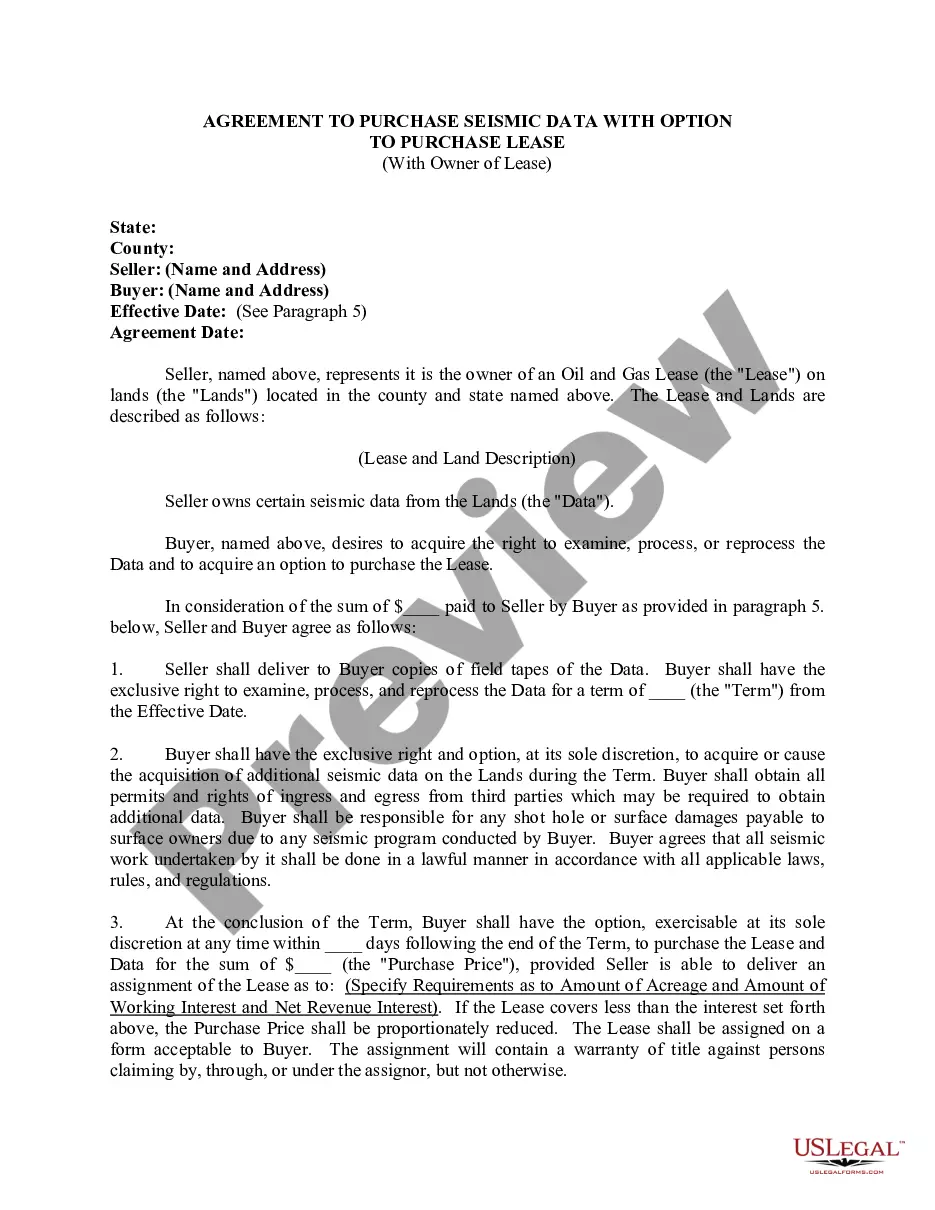
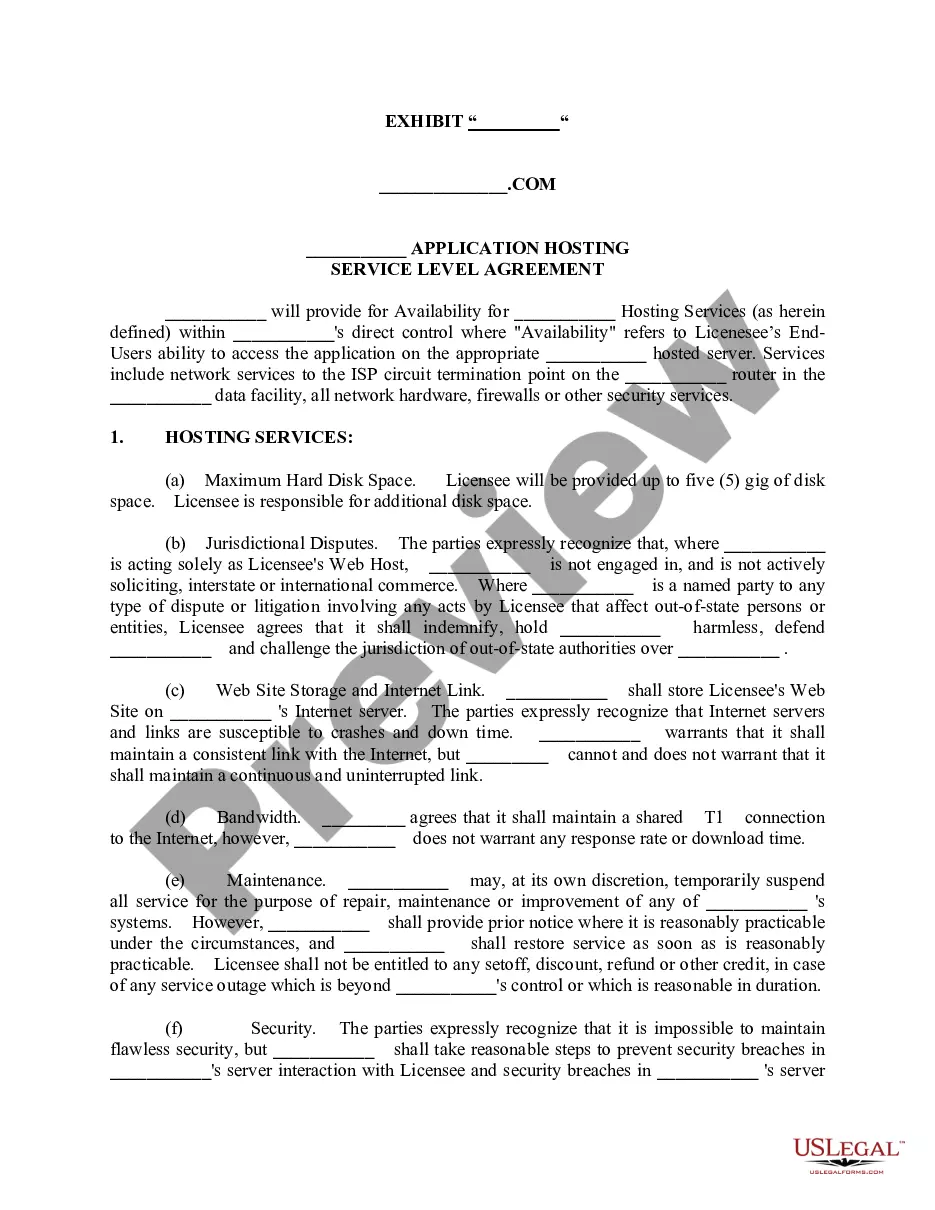
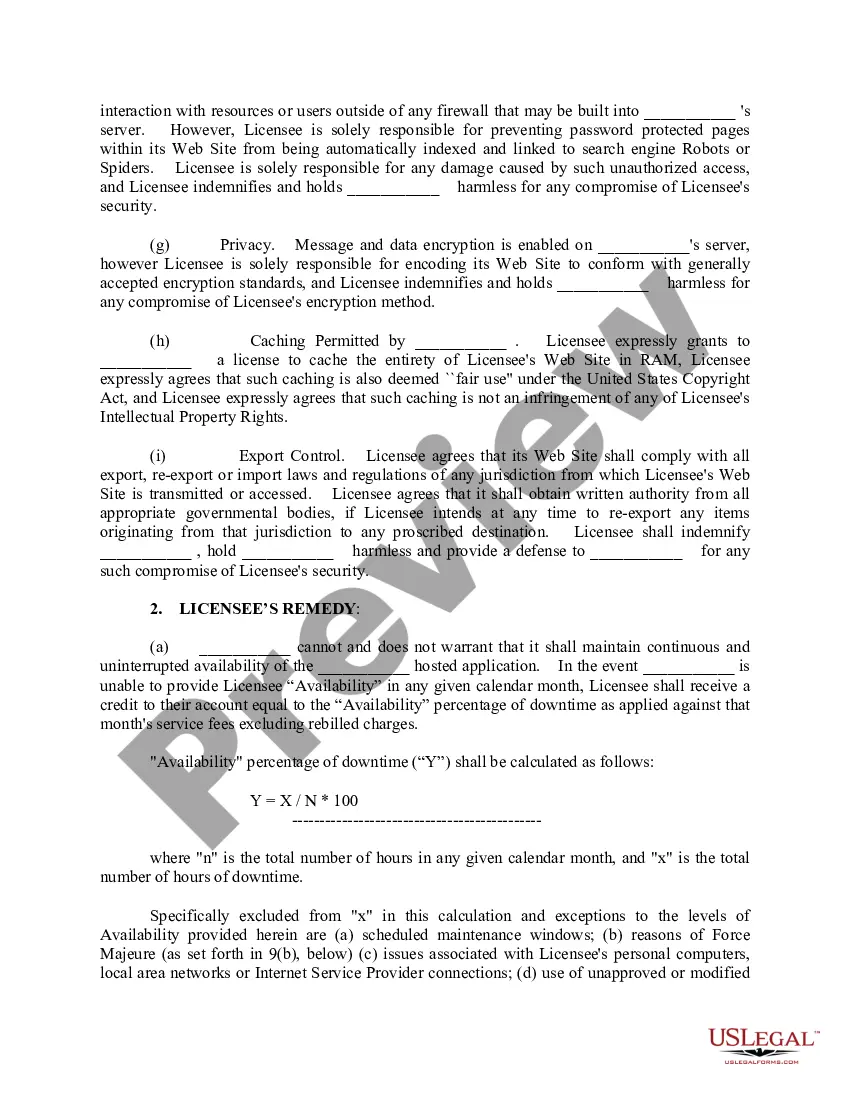
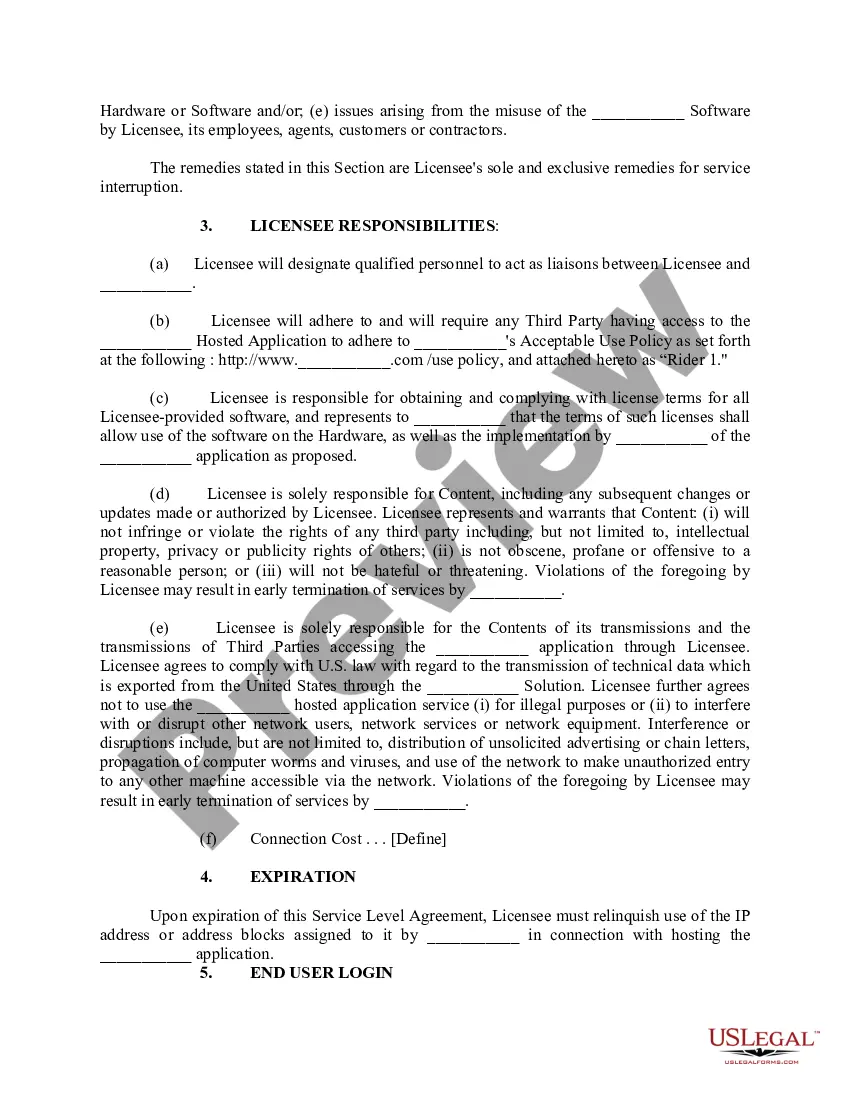
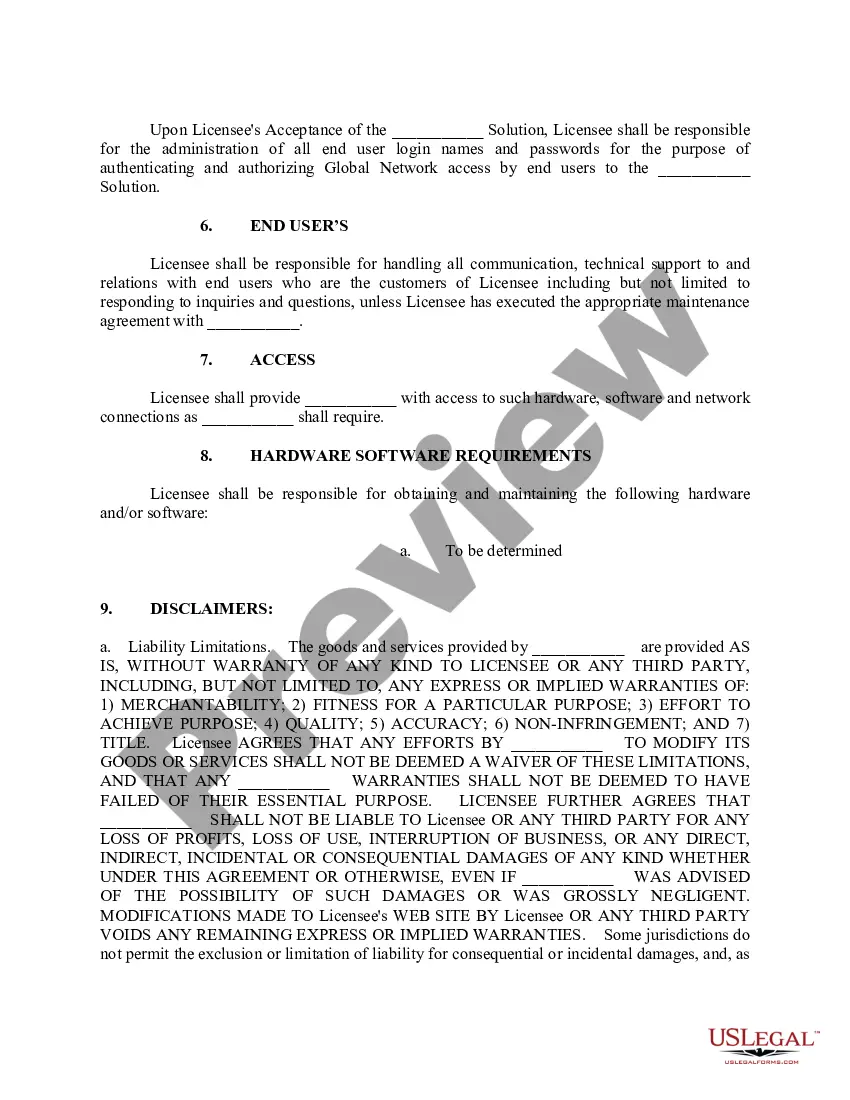
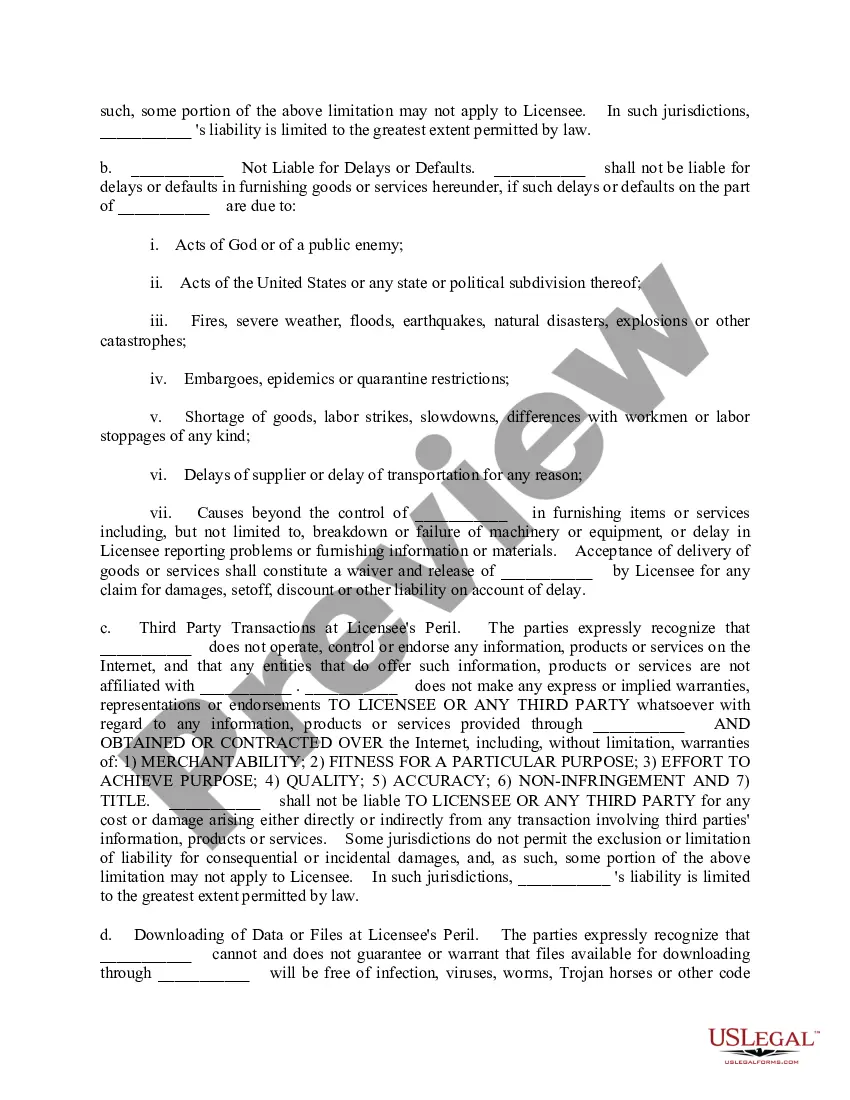
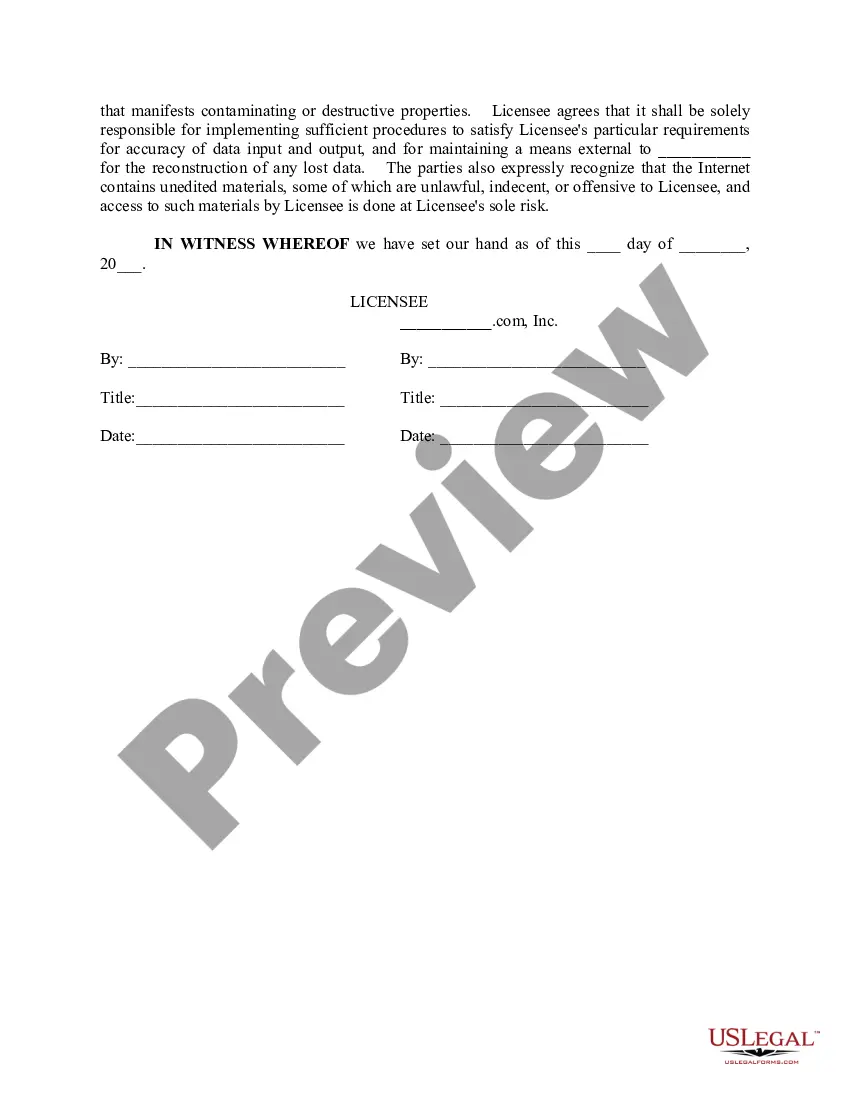
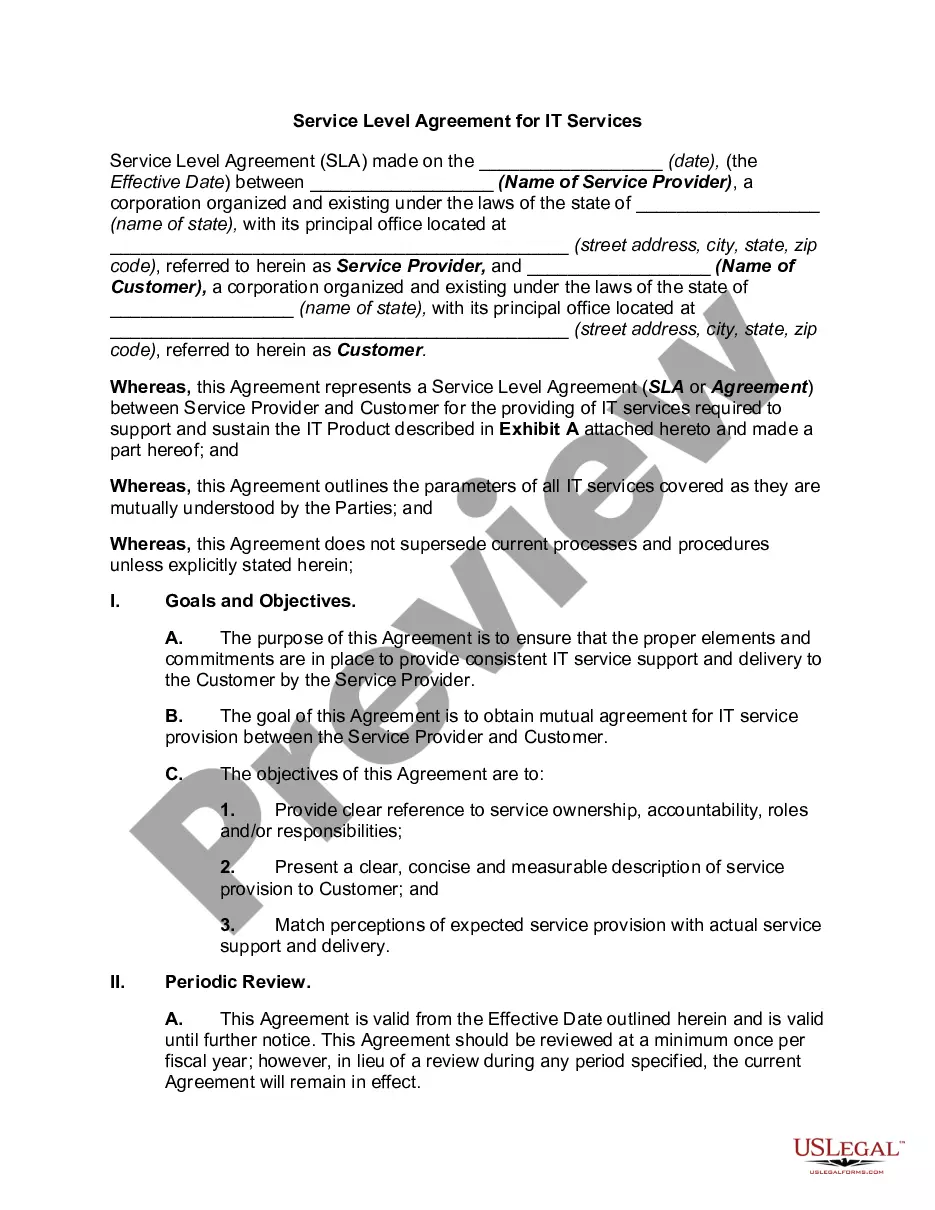
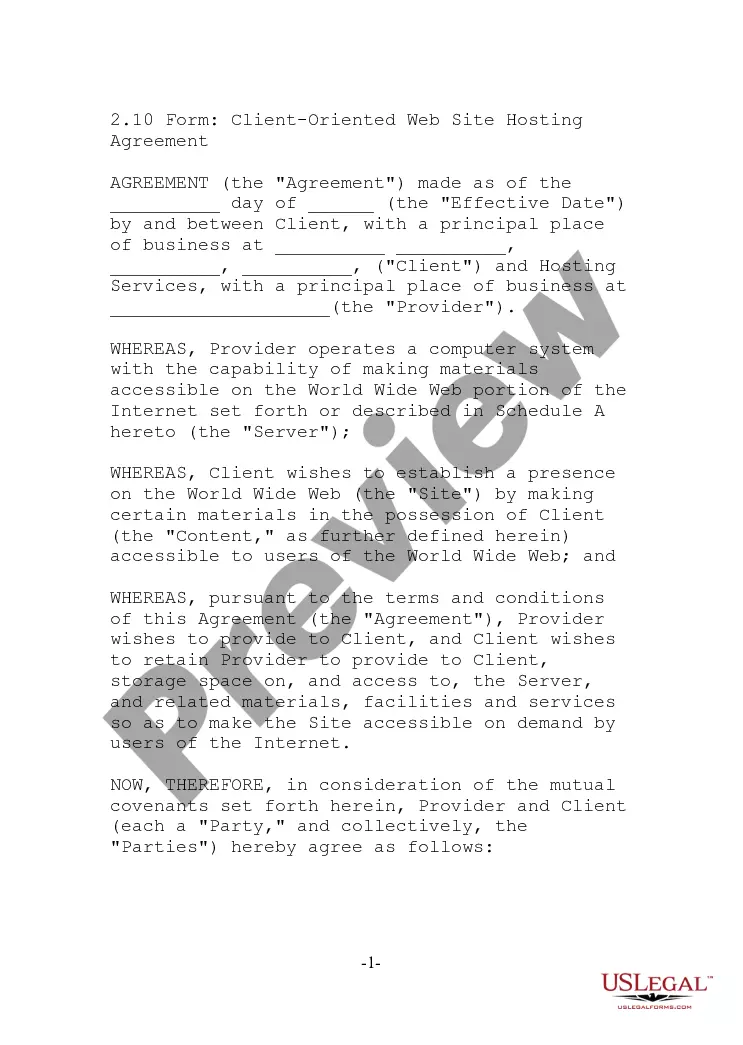
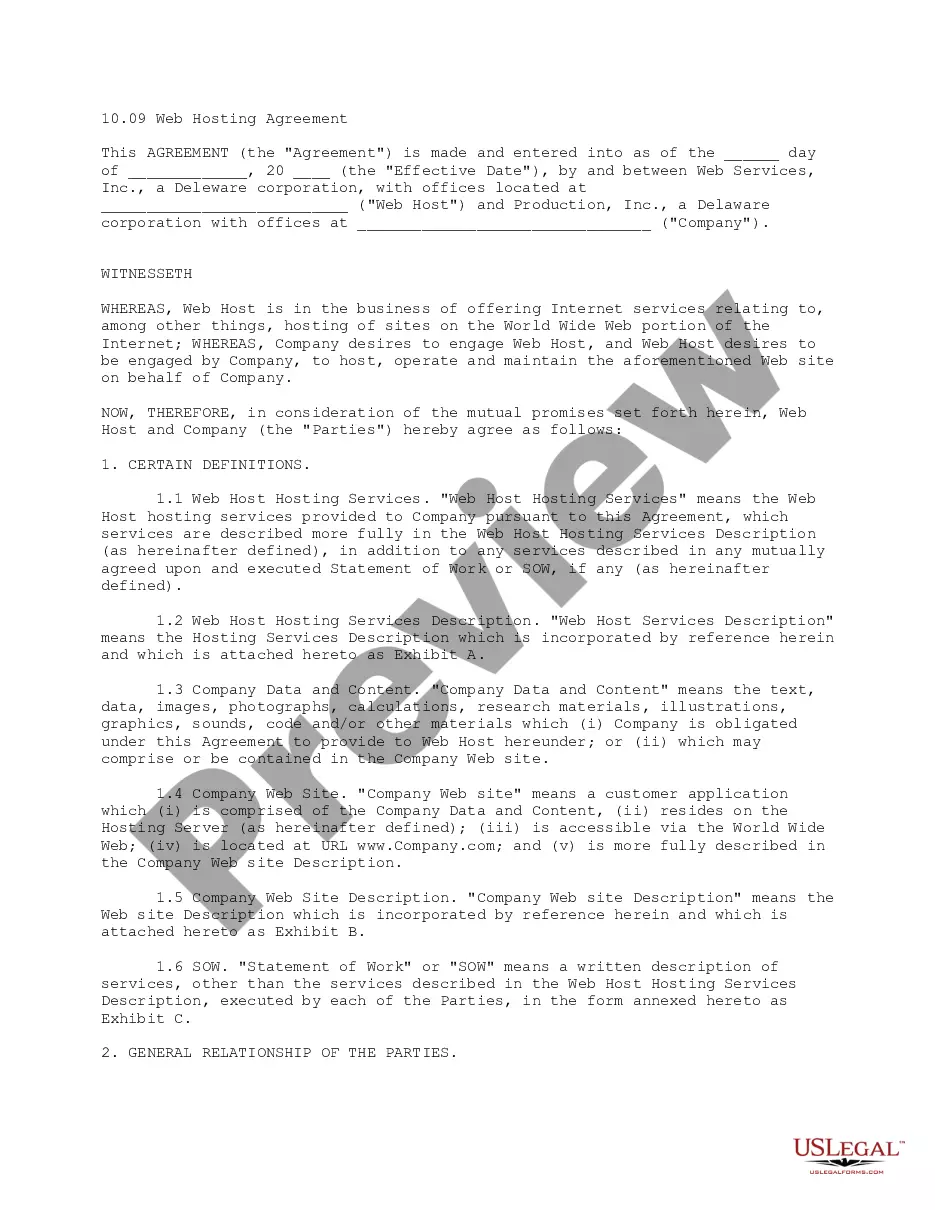
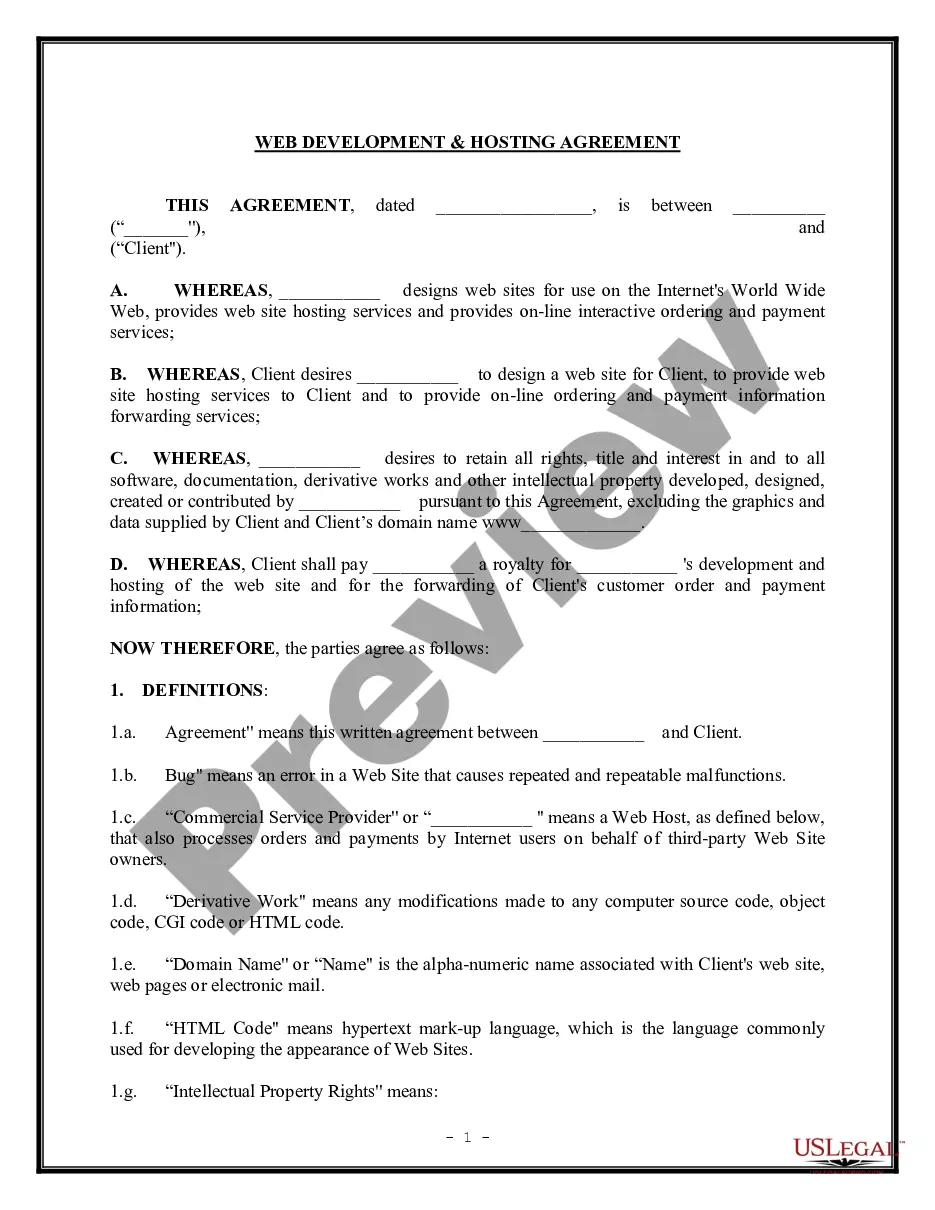
This form is an Application for Hosting a Service Level Agreement. The licensee agrees to provide the end-user with access to such hardware, software, and network connections that may be required. The document also provides that the licensee is given up to five gig of disk space and the licensee will be responsible for additional disk space. The parties expressly recognize that the Internet contains unedited materials, some of which are unlawful, indecent, or offensive to the licensee, and access to such materials by the licensee is done at the licensee's sole risk.
California Application Hosting Service Level Agreement
Category:
State:
Multi-State
Control #:
US-KWP-0070
Format:
Word;
Rich Text
Instant download
Description
Free preview
Get your form ready online
Our built-in tools help you complete, sign, share, and store your documents in one place.
Built-in online Word editor
Make edits, fill in missing information, and update formatting in US Legal Forms—just like you would in MS Word.
Export easily
Download a copy, print it, send it by email, or mail it via USPS—whatever works best for your next step.
E-sign your document
Sign and collect signatures with our SignNow integration. Send to multiple recipients, set reminders, and more. Go Premium to unlock E-Sign.
Notarize online 24/7
If this form requires notarization, complete it online through a secure video call—no need to meet a notary in person or wait for an appointment.
Store your document securely
We protect your documents and personal data by following strict security and privacy standards.

Make edits, fill in missing information, and update formatting in US Legal Forms—just like you would in MS Word.

Download a copy, print it, send it by email, or mail it via USPS—whatever works best for your next step.

Sign and collect signatures with our SignNow integration. Send to multiple recipients, set reminders, and more. Go Premium to unlock E-Sign.

If this form requires notarization, complete it online through a secure video call—no need to meet a notary in person or wait for an appointment.

We protect your documents and personal data by following strict security and privacy standards.
Looking for another form?





How to fill out Application Hosting Service Level Agreement?
Selecting the appropriate legal document template can be quite a challenge. Naturally, there are numerous templates accessible online, but how can you locate the legal form you require? Utilize the US Legal Forms website. The service offers thousands of templates, including the California Application Hosting Service Level Agreement, that can be utilized for both business and personal purposes. All the forms are reviewed by experts and comply with federal and state regulations.
If you are already registered, Log In to your account and click on the Download button to obtain the California Application Hosting Service Level Agreement. Use your account to search through the legal forms you have previously purchased. Visit the My documents section of your account to get another copy of the document you require.
If you are a new user of US Legal Forms, here are simple instructions for you to follow: First, ensure you have selected the correct form for your city/state. You can preview the document using the Preview option and read the form description to confirm it is suitable for you. If the form does not meet your requirements, use the Search field to find the correct form. Once you are confident that the form is appropriate, click on the Buy now button to obtain the form. Choose the pricing plan you prefer and enter the necessary information. Create your account and complete the transaction using your PayPal account or Visa or Mastercard. Select the file format and download the legal document template to your device. Complete, modify, print, and sign the received California Application Hosting Service Level Agreement.
In summary, using US Legal Forms can significantly simplify the process of finding and acquiring the legal documents you need.
- US Legal Forms is the largest collection of legal forms that you will discover various document templates.
- Utilize the service to download professionally crafted documents that adhere to state regulations.
- Ensure compliance with all legal requirements.
- Streamline your document preparation process.
- Access a wide range of templates for different needs.
- Get expert-reviewed forms for peace of mind.
Form popularity
FAQ
To create a California Application Hosting Service Level Agreement, begin by outlining the services provided and the expectations for performance. Include specific metrics, such as uptime percentages and support response times. It's important to review the draft with all stakeholders and make necessary adjustments. Consider utilizing UsLegalForms for templates that can simplify your creation process.
Typically, a service level agreement is prepared by the service provider in collaboration with the client. In the case of a California Application Hosting Service Level Agreement, both parties should contribute to ensure all expectations are clearly defined. Legal counsel may also be involved to verify that the agreement complies with applicable laws. UsLegalForms offers resources to help streamline this process.
An example of a California Application Hosting Service Level Agreement could include uptime guarantees, such as promising 99.9% server availability. It may also outline the support services provided, including response times for technical issues. Additionally, the agreement can specify penalties for failing to meet those standards. Using UsLegalForms can help you create a tailored example that suits your specific needs.
To set up a California Application Hosting Service Level Agreement, start by identifying the key services you wish to include. Next, clearly define the expectations for both parties, including performance metrics and response times. It's essential to review legal requirements and ensure compliance with California regulations. Finally, use a reliable platform like UsLegalForms to draft and finalize your agreement.
The three main types of SLAs include service-based SLAs, customer-based SLAs, and multi-level SLAs. A service-based SLA applies to all customers using the same service, a customer-based SLA is tailored to a specific customer, while a multi-level SLA combines both service and customer-based elements. In the context of a California Application Hosting Service Level Agreement, understanding these types can help you choose the right agreement that aligns with your needs. This knowledge enables you to negotiate terms that best suit your business objectives.
The SLA of an application defines the level of service that users can expect, including aspects like uptime, performance, and support response times. Within a California Application Hosting Service Level Agreement, this SLA serves as a benchmark for measuring the application's reliability and effectiveness. By clearly outlining these parameters, you can ensure that your application meets your business needs and user expectations. This clarity fosters a strong relationship between you and your hosting provider.
Yes, SLAs, including those in a California Application Hosting Service Level Agreement, are typically legally binding contracts. They outline the responsibilities and expectations between the service provider and the client, providing a framework for accountability. If either party fails to meet the agreed-upon terms, they may face legal repercussions. This binding nature helps ensure that both parties are committed to fulfilling their obligations.
An application SLA is a specific agreement detailing the level of service you can expect from your application hosting provider. In the context of a California Application Hosting Service Level Agreement, it outlines metrics like uptime, response times, and support availability. This agreement helps set clear expectations for both parties, ensuring that you receive the performance and reliability needed for your applications. Understanding your application SLA empowers you to hold your provider accountable.
A 24 hour SLA within a California Application Hosting Service Level Agreement signifies that the service provider commits to addressing and resolving issues within a 24-hour timeframe. This means if you encounter a problem, you can expect a response and a plan for resolution within a day. Such commitments offer clients peace of mind, knowing their applications will receive timely support. It’s a crucial aspect of ensuring reliability and trust in your hosting service.
In the context of a California Application Hosting Service Level Agreement, SLAs often categorize service levels into tiers, commonly referred to as P1, P2, P3, and P4. P1 represents the highest priority, usually involving critical issues that require immediate attention, while P4 indicates lower priority issues that can wait longer for resolution. Each tier defines response and resolution times, ensuring clients understand the urgency of different situations. By using these classifications, clients can manage their expectations effectively.