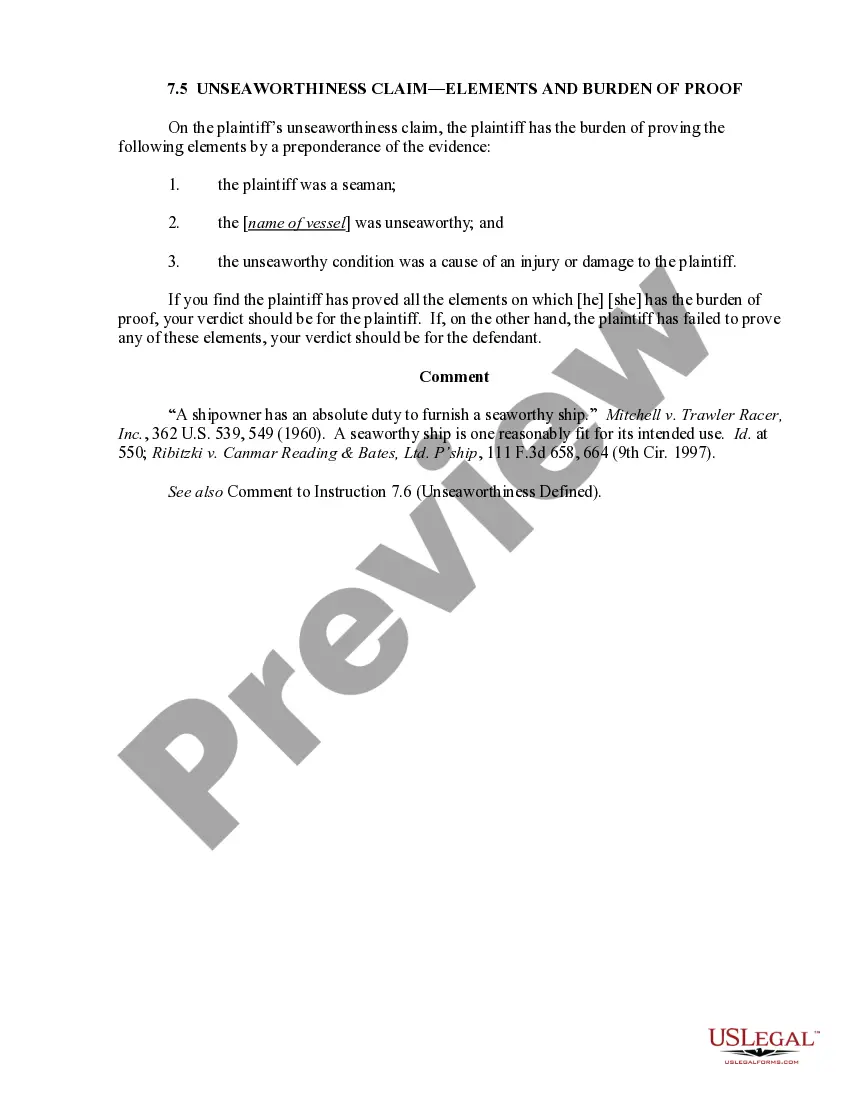
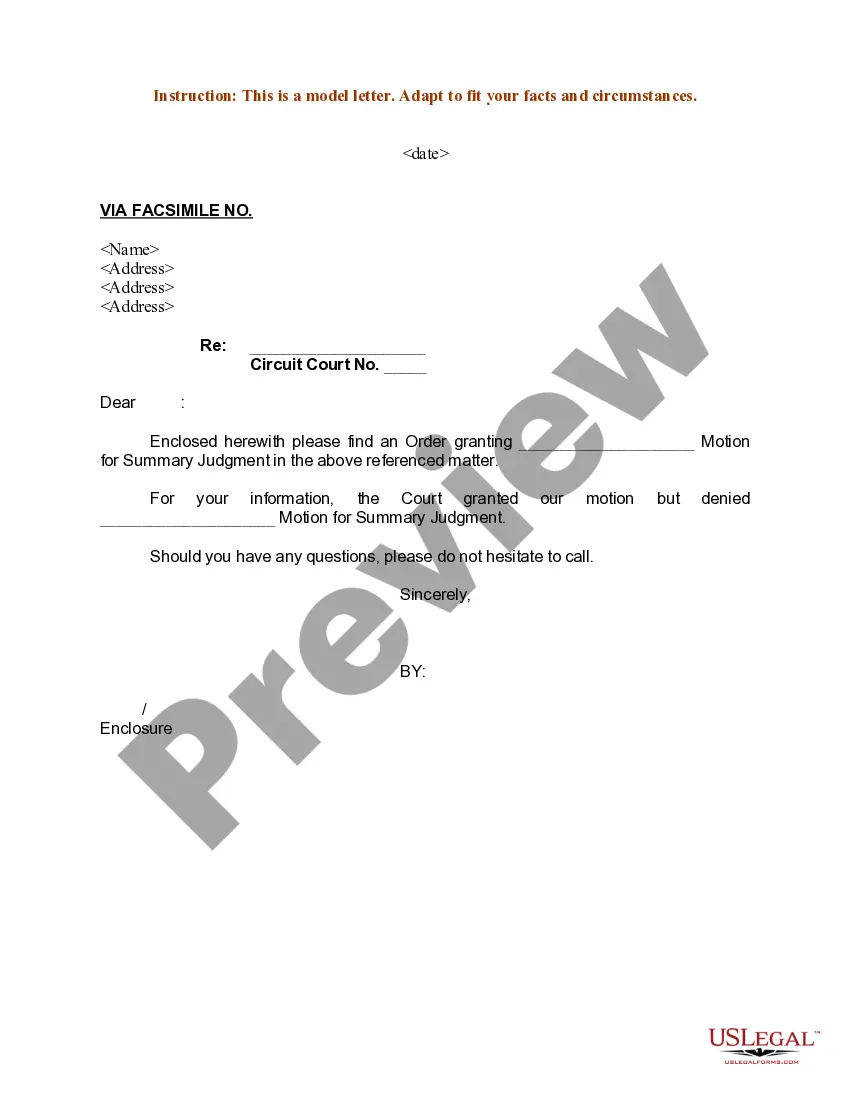
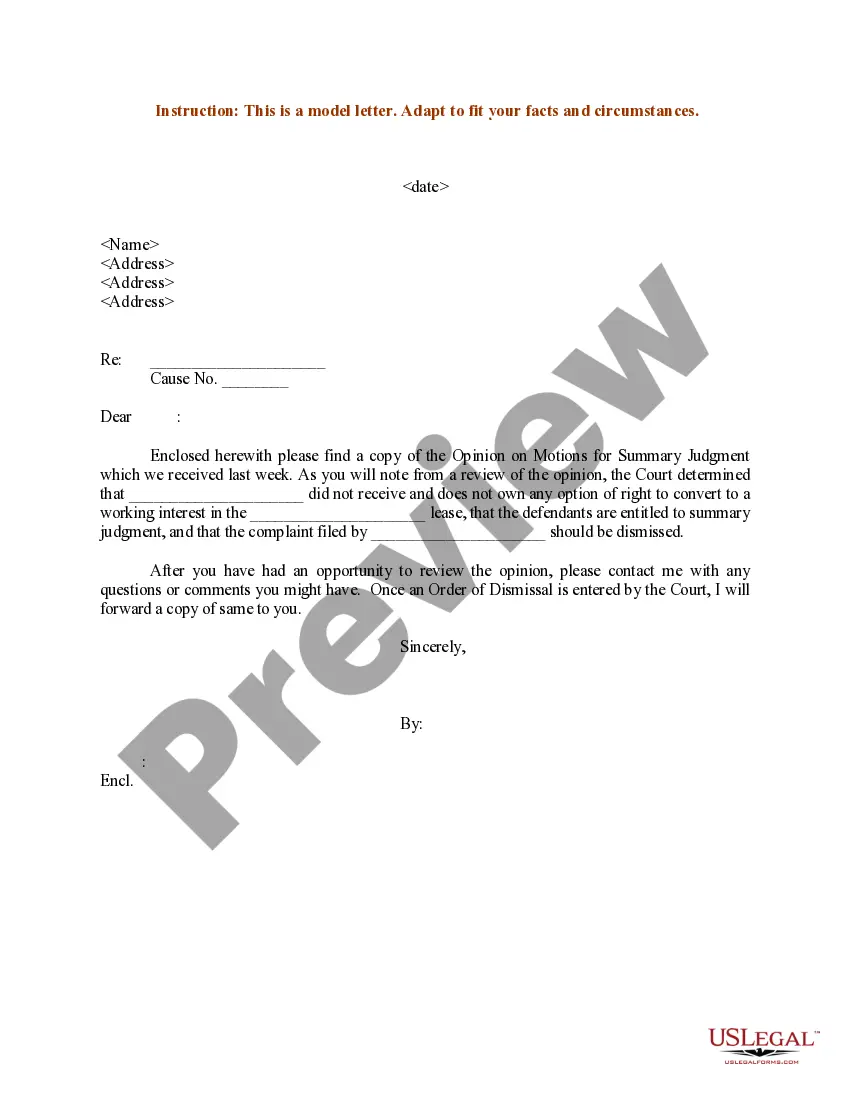
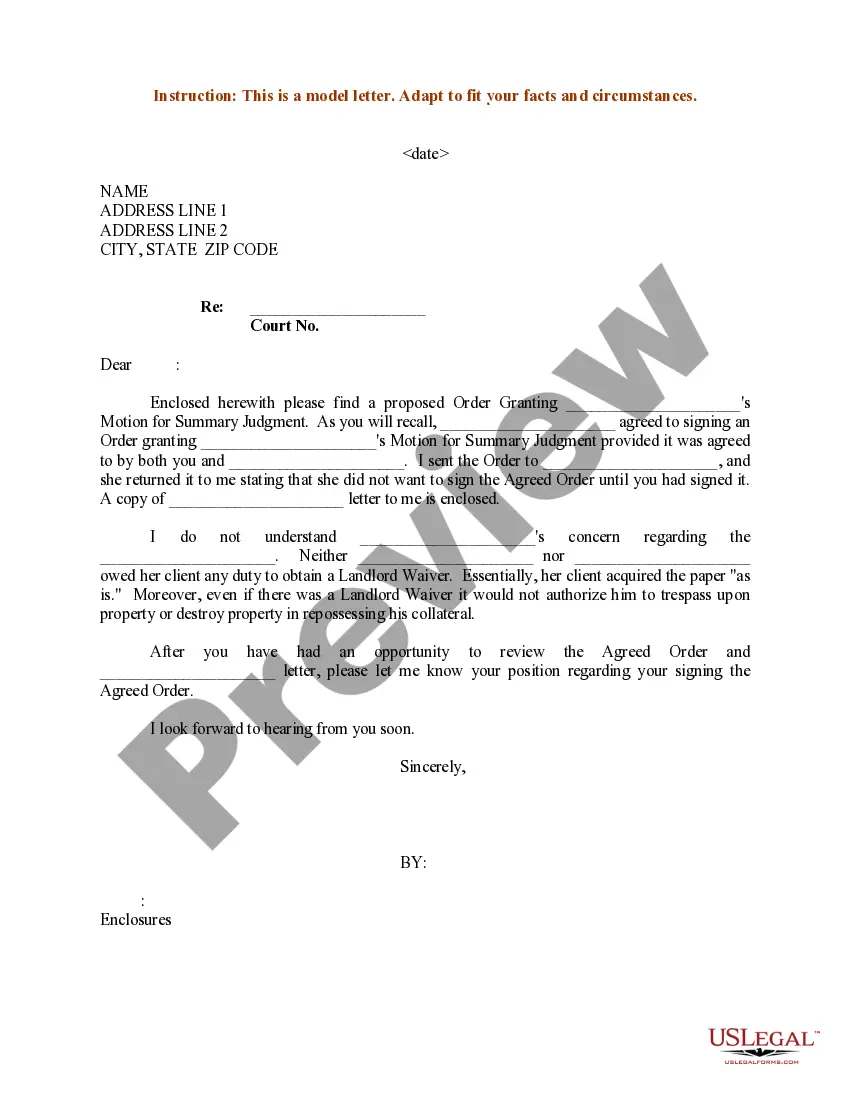
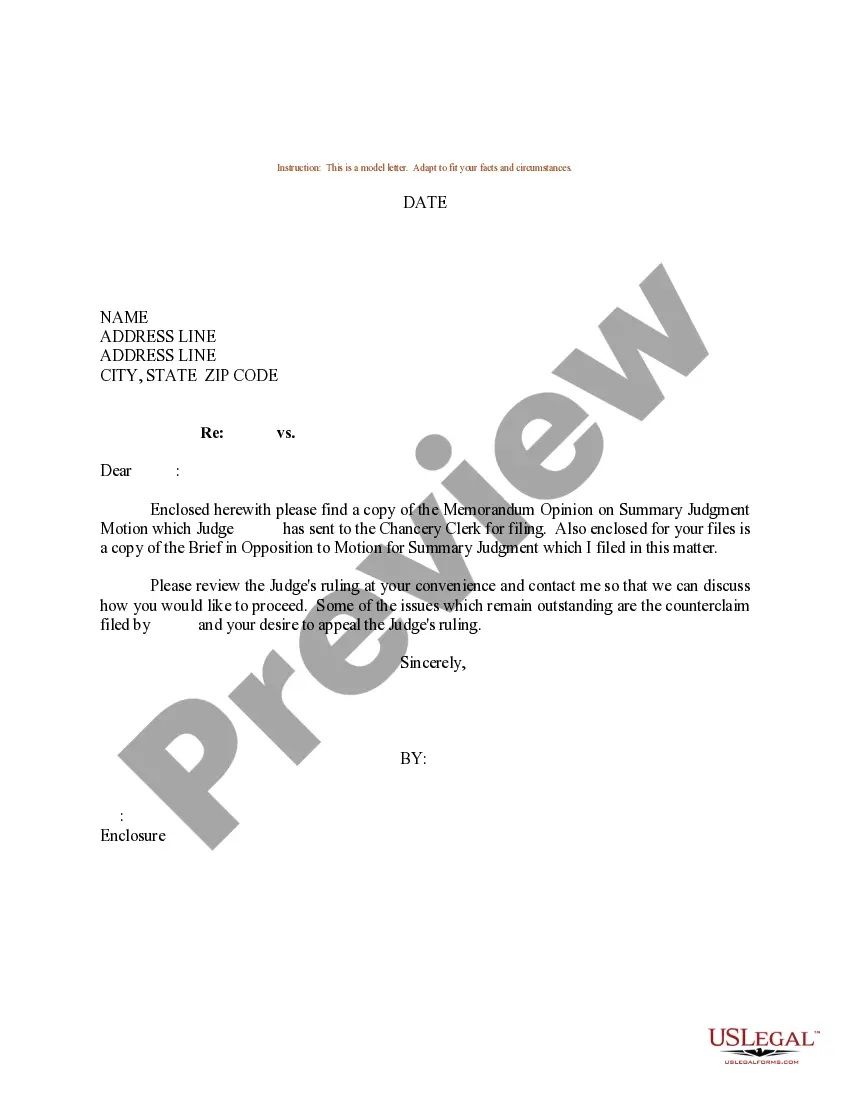
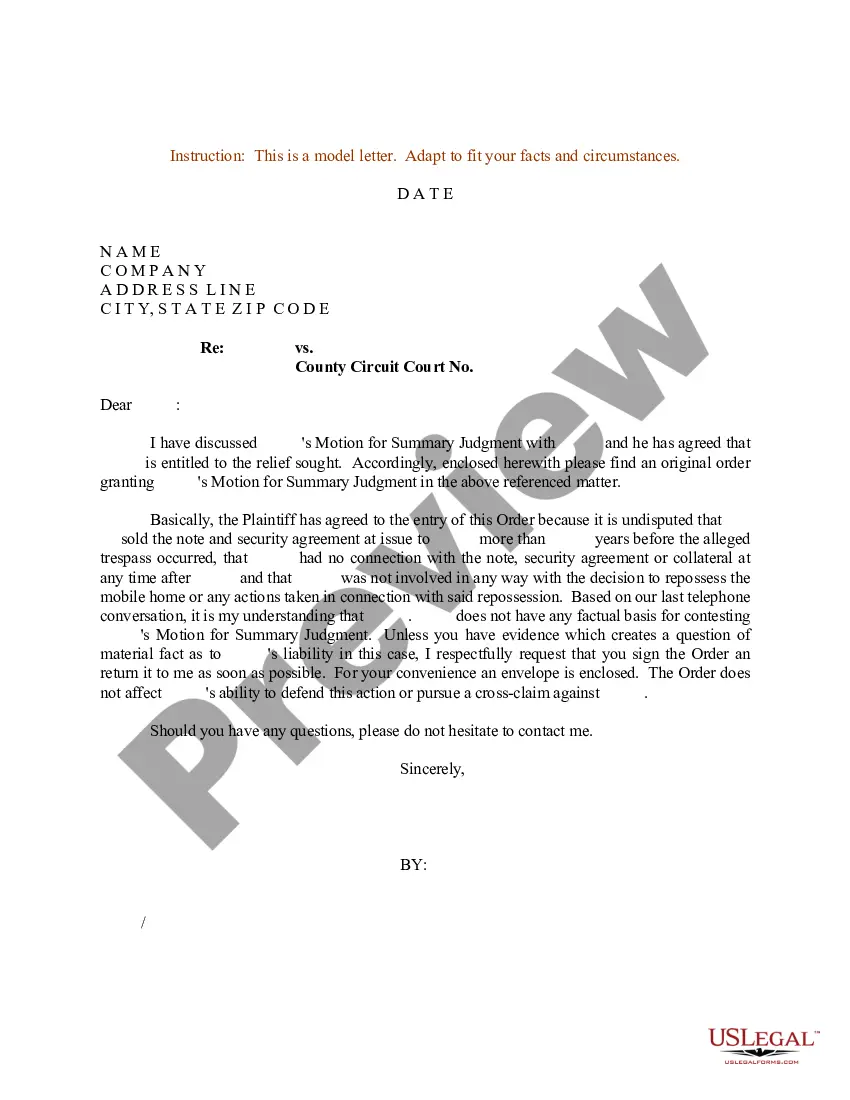
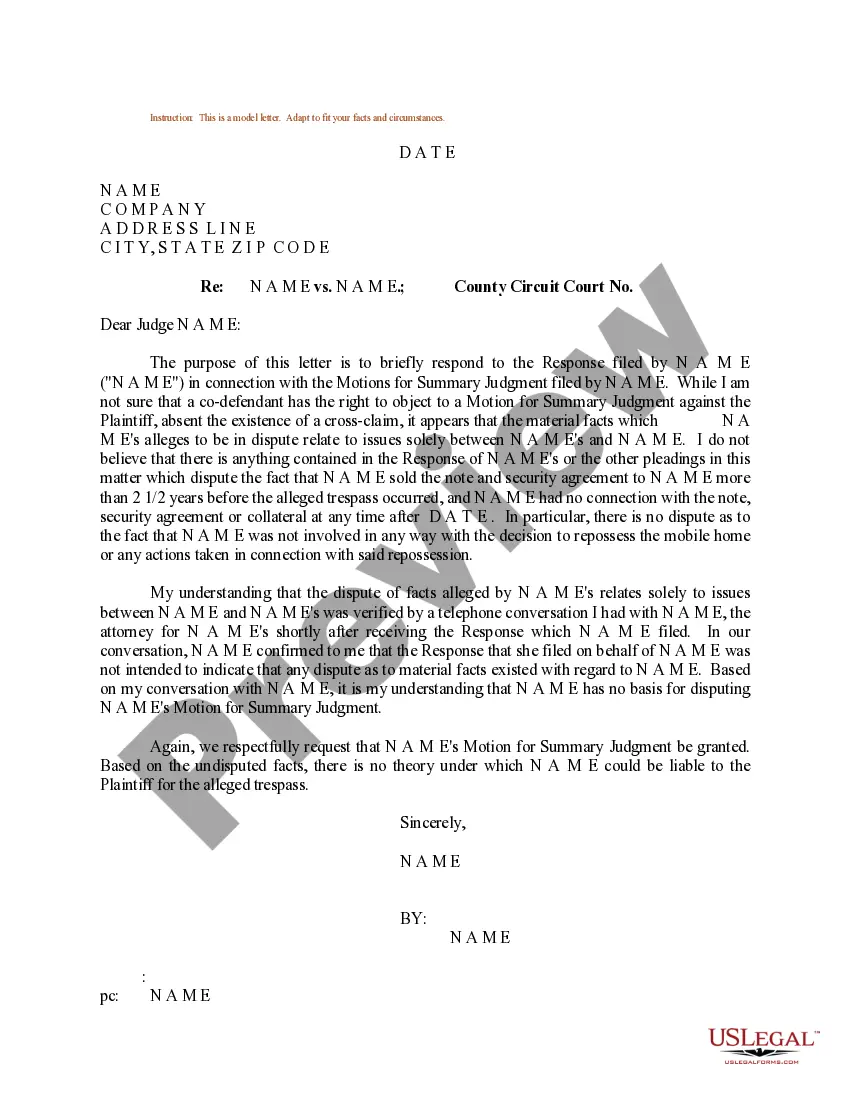
California Sample Letter for Order Granting Motion for Summary Judgment
Description
Get your form ready online
Our built-in tools help you complete, sign, share, and store your documents in one place.
Make edits, fill in missing information, and update formatting in US Legal Forms—just like you would in MS Word.
Download a copy, print it, send it by email, or mail it via USPS—whatever works best for your next step.
Sign and collect signatures with our SignNow integration. Send to multiple recipients, set reminders, and more. Go Premium to unlock E-Sign.
If this form requires notarization, complete it online through a secure video call—no need to meet a notary in person or wait for an appointment.
We protect your documents and personal data by following strict security and privacy standards.

Make edits, fill in missing information, and update formatting in US Legal Forms—just like you would in MS Word.

Download a copy, print it, send it by email, or mail it via USPS—whatever works best for your next step.

Sign and collect signatures with our SignNow integration. Send to multiple recipients, set reminders, and more. Go Premium to unlock E-Sign.

If this form requires notarization, complete it online through a secure video call—no need to meet a notary in person or wait for an appointment.

We protect your documents and personal data by following strict security and privacy standards.
Looking for another form?






How to fill out Sample Letter For Order Granting Motion For Summary Judgment?
Are you presently in the location where you require documents for potential business or personal use almost every time.
There are many authentic document templates accessible online, but finding ones you can rely on is not easy.
US Legal Forms offers thousands of form templates, such as the California Sample Letter for Order Granting Motion for Summary Judgment, which are crafted to comply with federal and state requirements.
Access all the document templates you have purchased in the My documents section. You can obtain an additional copy of the California Sample Letter for Order Granting Motion for Summary Judgment at any time, if needed. Just click on the desired form to download or print the document template.
Utilize US Legal Forms, the most extensive collection of legal forms, to save time and avoid errors. The service provides professionally crafted legal document templates that you can use for a variety of purposes. Create an account on US Legal Forms and start making your life easier.
- If you are currently familiar with the US Legal Forms website and have an account, simply Log In.
- Then, you can download the California Sample Letter for Order Granting Motion for Summary Judgment template.
- If you do not have an account and wish to start using US Legal Forms, follow these steps.
- Find the form you need and ensure it is for the correct city/county.
- Use the Preview option to review the form.
- Check the details to make sure you have selected the right form.
- If the form is not what you're looking for, use the Search area to find the form that meets your needs and requirements.
- If you find the correct form, click Acquire now.
- Choose the pricing plan you want, complete the necessary information to create your account, and purchase the transaction using your PayPal or Visa or Mastercard.
- Select a convenient file format and download your copy.
Form popularity
FAQ
Under Rule 56, in order to succeed in a motion for summary judgment, a movant must show 1) that there is no genuine dispute as to any material fact, and 2) that the movant is entitled to judgment as a matter of law.
In responding to a motion for summary judgment, the non-moving party is required to do one of two things. They must either: Show that there is a disputed fact: This usually is done by showing evidence. Accept that there are no disputed facts: Instead, they may dispute the movant's recitation of the law.
Notice of a summary judgment motion, as well as the papers in support of the motion, must be filed with the court and served on all parties at least 75 calendar days before the scheduled hearing date of the motion. All papers opposing a motion must be served and filed not less than 14 days before the hearing date.
As a result, statutes that govern motions for summary adjudication, such as California's, state that "[a] motion for summary judgment shall be granted only if it completely disposes of a cause of action, an affirmative defense, a claim for damages, or an issue of duty."
1.510(c)(1)(A). The rule states the moving party ?must serve the motion for summary judgment at least 40 days before the time fixed for the hearing.? Fla. R. Civ.
Requirement. A party moving for summary judgment or summary adjudication must serve and file evidence, such as affidavits, declarations, admissions, answers to interrogatories, depositions, and matters of which judicial notice shall or may be taken (Cal. Civ. Proc.
The chance of success in these cases is less than 10% [1]. Another study found that summary judgment is mostly granted in Title VII cases, for example, cases involving equal pay or employment discrimination [2]. When it comes to federal cases, summary judgments are filed in 17% of total cases.
The court shall grant summary judgment if the movant shows that there is no genuine dispute as to any material fact and the movant is entitled to judgment as a matter of law. The court should state on the record the reasons for granting or denying the motion.