California Tax Free Exchange Package
About this form package
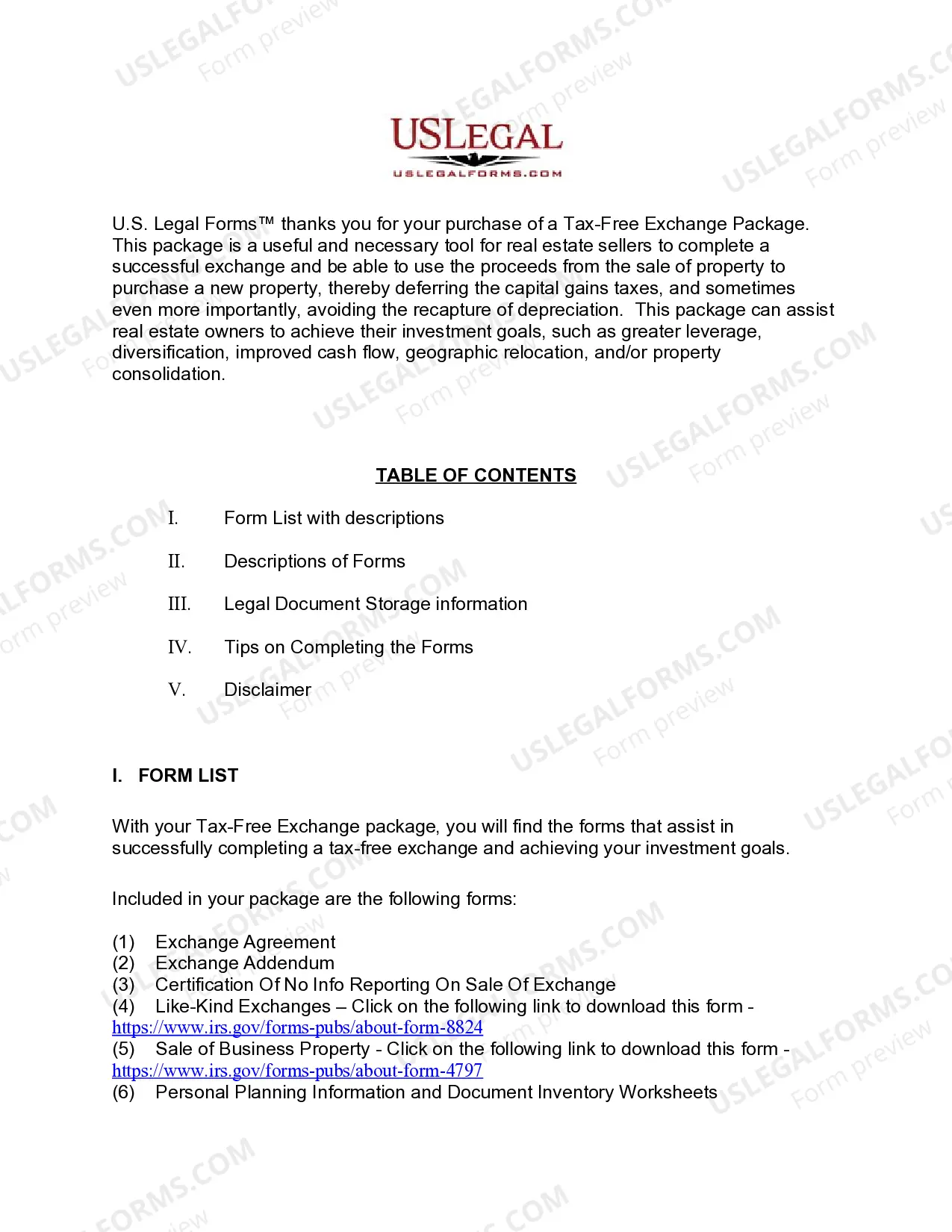
The California Tax-Free Exchange Package is designed to help individuals and businesses complete a tax-free exchange of like-kind properties smoothly. This package includes essential forms specifically drafted by licensed attorneys, which simplify the tax exchange process while ensuring compliance with California laws. Unlike other legal form packages, this bundle focuses on the nuances of Section 1031 exchanges, ensuring optimal tax benefits for property transactions.
What’s included in this form package
Situations where these forms applies
This package should be used when:
- You intend to exchange one investment property for another without paying immediate taxes on the gain.
- You are planning to buy or sell real estate and wish to take advantage of tax deferment opportunities under Section 1031.
- You want to document the exchange formally to meet IRS requirements and protect your investment interests.
Who needs this form package
- Real estate investors looking to defer tax liabilities through like-kind exchanges.
- Property owners who are trading properties for investment purposes.
- Individuals or businesses involved in the sale of business-related real estate.
- Anyone seeking clear, legally sound documentation for their tax-free exchanges.
How to prepare this document
- Review included forms and identify which ones are relevant to your exchange.
- Gather necessary information about the properties involved in the exchange.
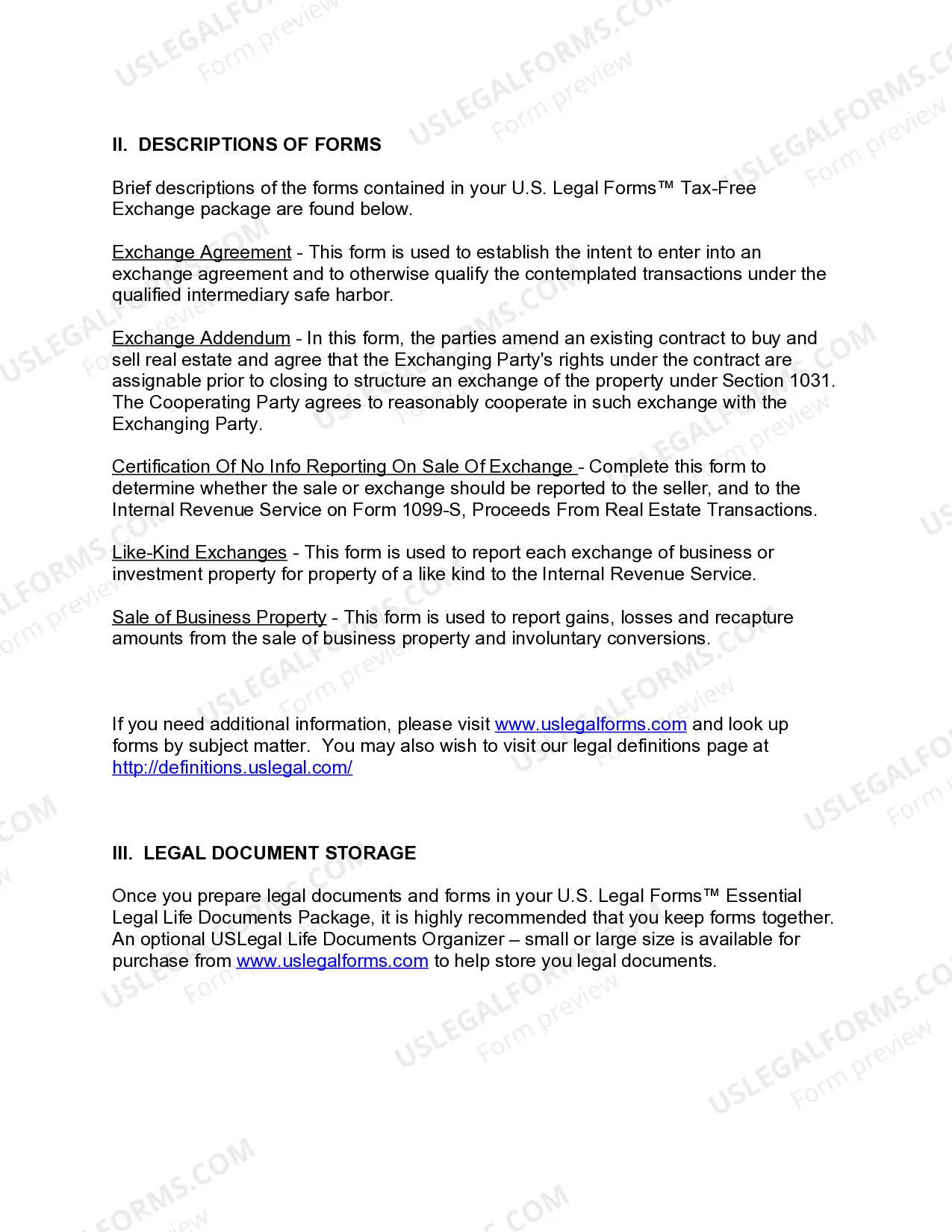
- Complete the Exchange Agreement to establish your intent to engage in a tax-free exchange.
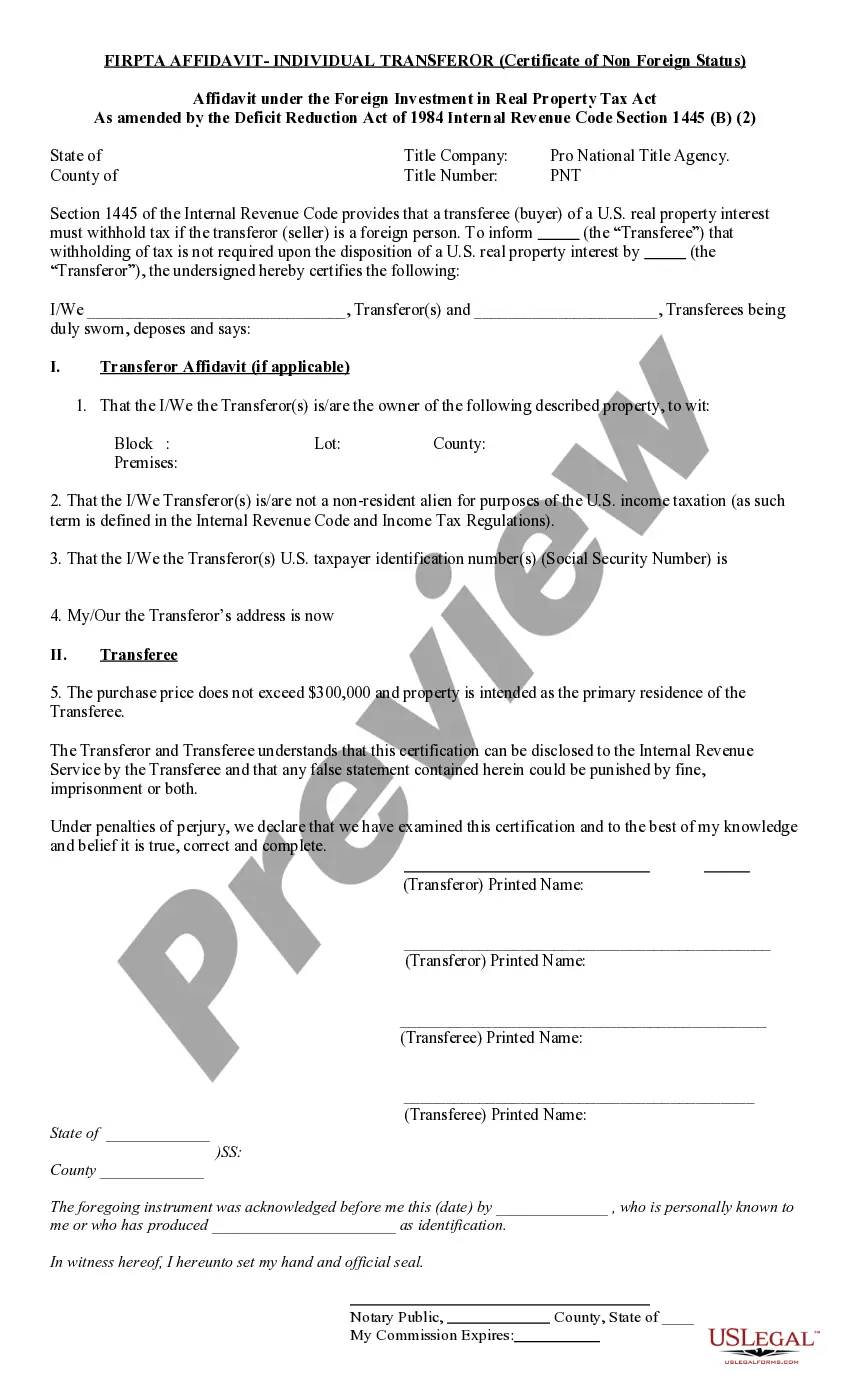
- Fill out the Certification of No Info Reporting On Sale Of Exchange, as applicable, based on your situation.
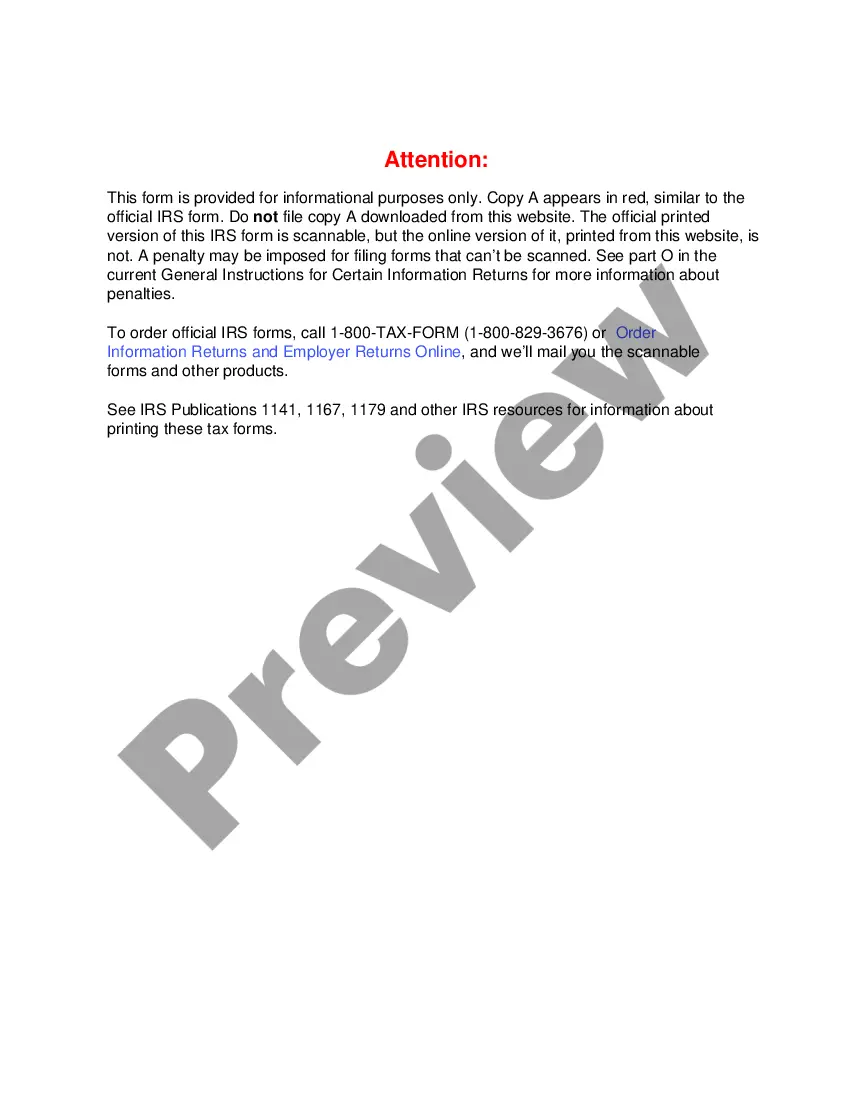
- Submit the Like-Kind Exchanges form to the IRS as part of your tax filing process.
- Keep all completed forms and supporting documents in a secure location for future reference.
Do forms in this package need to be notarized?
Notarization is generally not required for forms in this package. However, specific circumstances or local laws may require it. You can complete notarization remotely through US Legal Forms, powered by Notarize, with 24/7 availability.
Get your form ready online
Our built-in tools help you complete, sign, share, and store your documents in one place.
Make edits, fill in missing information, and update formatting in US Legal Forms—just like you would in MS Word.
Download a copy, print it, send it by email, or mail it via USPS—whatever works best for your next step.
Sign and collect signatures with our SignNow integration. Send to multiple recipients, set reminders, and more. Go Premium to unlock E-Sign.
If this form requires notarization, complete it online through a secure video call—no need to meet a notary in person or wait for an appointment.
We protect your documents and personal data by following strict security and privacy standards.

Make edits, fill in missing information, and update formatting in US Legal Forms—just like you would in MS Word.

Download a copy, print it, send it by email, or mail it via USPS—whatever works best for your next step.

Sign and collect signatures with our SignNow integration. Send to multiple recipients, set reminders, and more. Go Premium to unlock E-Sign.

If this form requires notarization, complete it online through a secure video call—no need to meet a notary in person or wait for an appointment.

We protect your documents and personal data by following strict security and privacy standards.
Typical mistakes to avoid
- Failing to identify properties that qualify as like-kind for the exchange.
- Not completing the forms accurately, leading to potential IRS penalties or issues.
- Missing deadlines for identifying replacement properties during the exchange process.
- Overlooking the requirement for cooperation from other parties involved in the transaction.
Advantages of online completion
- Convenience of downloading and completing forms from the comfort of your home or office.
- Editable forms that allow users to input information electronically for accuracy.
- Reliable legal documentation created by licensed attorneys to ensure compliance with regulations.
Looking for another form?
Form popularity
FAQ
Avoiding the 1031 exchange California Clawback involves understanding the rules surrounding the replacement property. You should ensure that you adhere to the holding period requirements. Additionally, maintaining accurate records can help defend against any potential claims from the IRS.
IRS Form 8824, the tax form filed with the IRS to report a 1031 exchange transaction, provides that exchange expenses are to be deducted from the contract price in the determination of realized gain.Examples of these expenses include qualified intermediary (QI) fees, escrow closing costs and broker commissions.
To receive the full benefit of a 1031 exchange, your replacement property should be of equal or greater value. You must identify a replacement property for the assets sold within 45 days and then conclude the exchange within 180 days. There are three rules that can be applied to define identification.
Trade up in real estate value with one or more replacement properties. Reinvest all of your 1031 exchange proceeds from the relinquished property into the replacement property.
Your 1031 exchange must be reported by completing Form 8824 and filing it along with your federal income tax return. If you completed more than one exchange, a different form must be completed for each exchange.
With your return open in TurboTax, search for like kind (2 words, no dash) and then click the "Jump to" link at the top of your search results. This will take you to Any Other Property Sales? Check the second-to-last box from the bottom for like-kind and section 1031 exchanges and click Continue.
As the name implies, a 1031 Exchange contemplates an exchange of like-kind property instead of a traditional sale.If the transaction qualifies, any realized gain is deferred until the replacement property is sold at a later date.
First, enter the data for the 1031 Exchange. This is done under FEDERAL TAXES... Wages & Income... Now, enter the data for the new rental property. This is done under FEDERAL TAXES... Now, enter the data for the old rental property. This is done under FEDERAL TAXES...
To enforce it, California has a special reporting requirement on taxpayers who do Section 1031 exchanges and acquire out-of-state replacement property. California requires you to file an annual information return (Form 3840) every year until the deferred gain from the Section 1031 exchange is ultimately recognized.