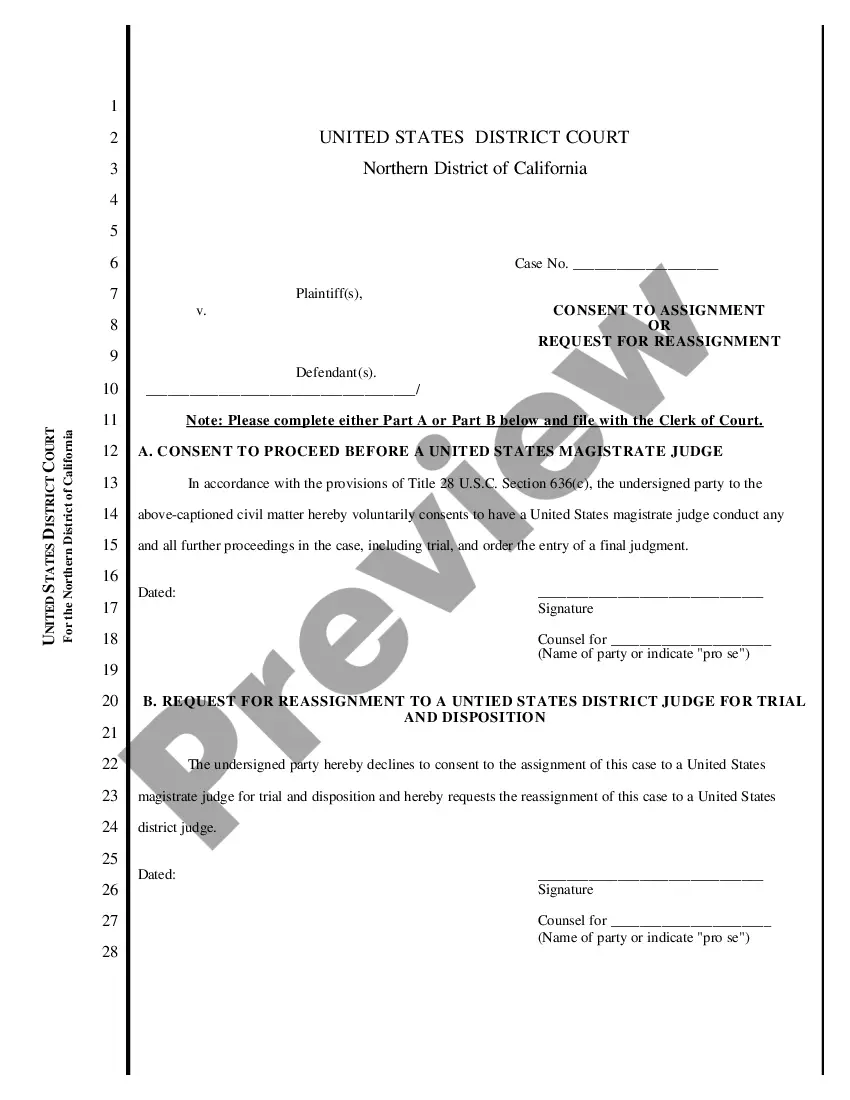
California Consent to Assignment of Request for Reassignment
About this form
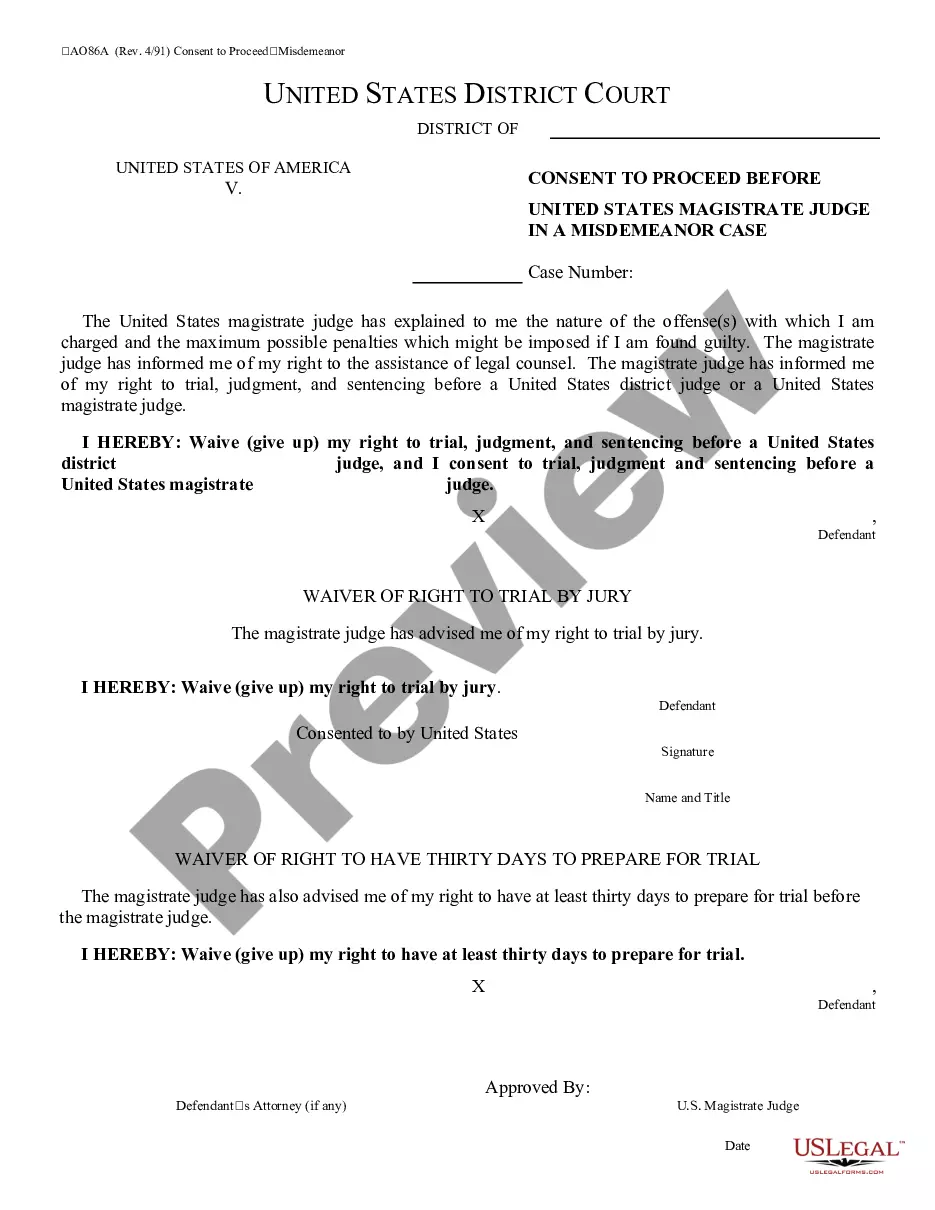
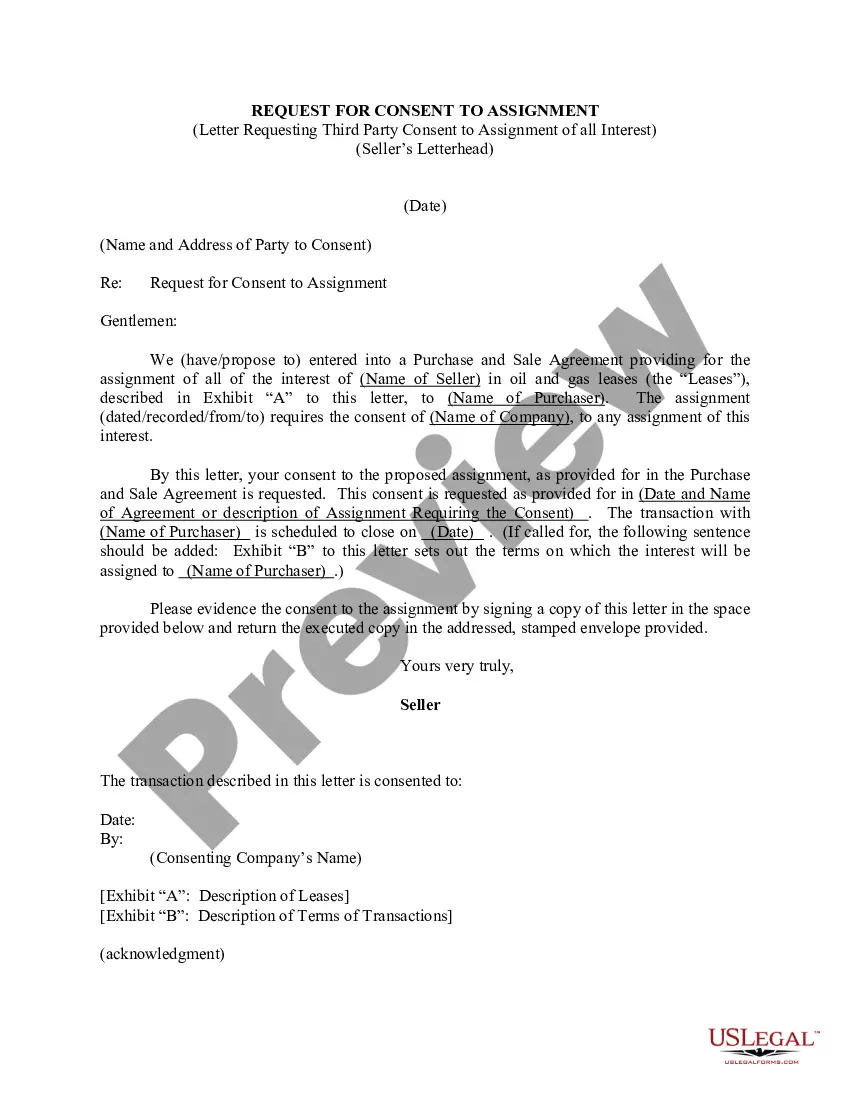
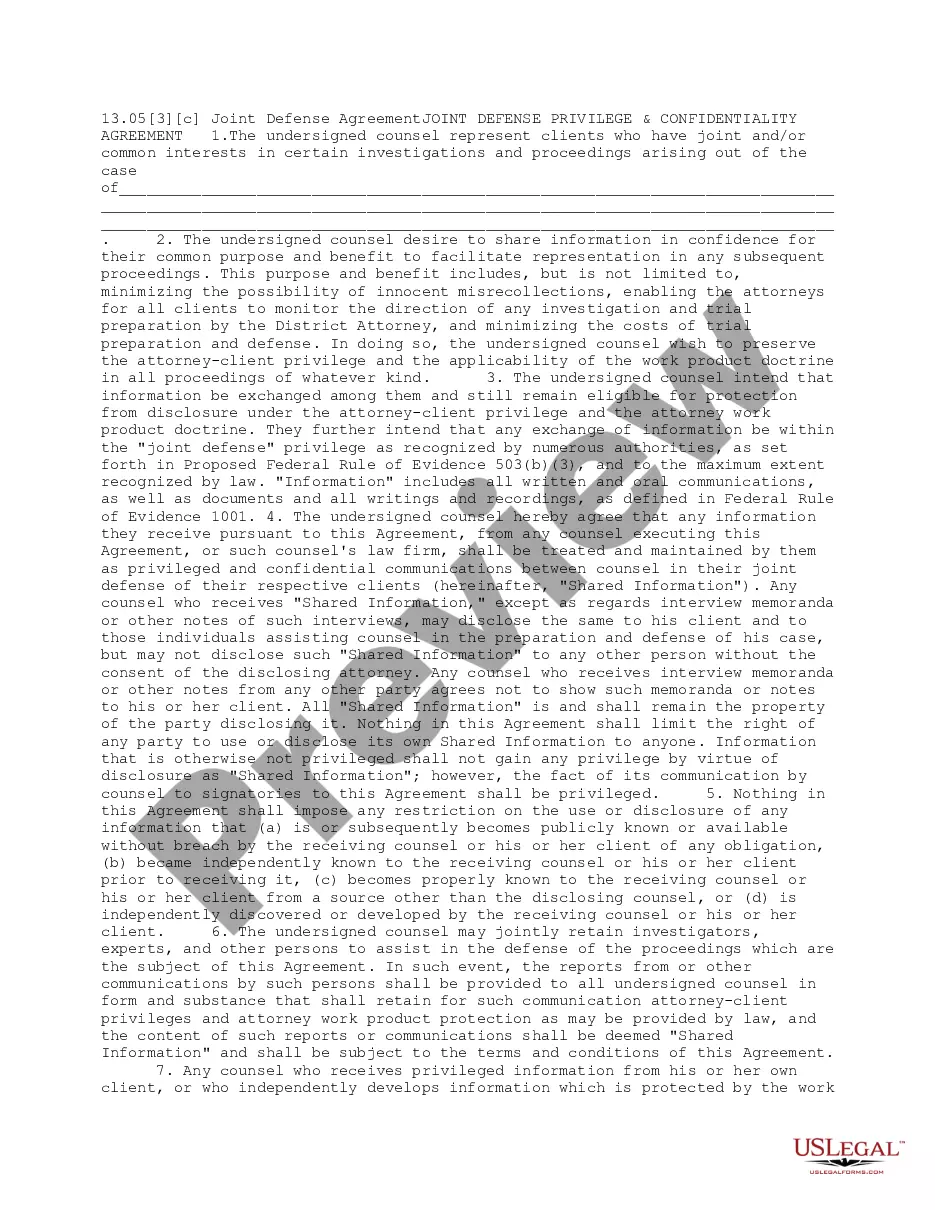
The Consent to Assignment of Request for Reassignment is a legal document used to grant permission for a party to proceed with either consenting to a United States magistrate judge or requesting reassignment to a United States district judge for further proceedings. This form is essential for parties involved in civil matters to express their preference for how their case will be handled in court.
Key parts of this document
- Case information: Identifies the parties involved and the case number.
- Consent section: Allows a party to agree to have a magistrate judge oversee the case.
- Request section: Enables a party to decline the magistrate judge option and request a district judge.
- Signature lines: Requires signatures from the parties involved, along with dates.
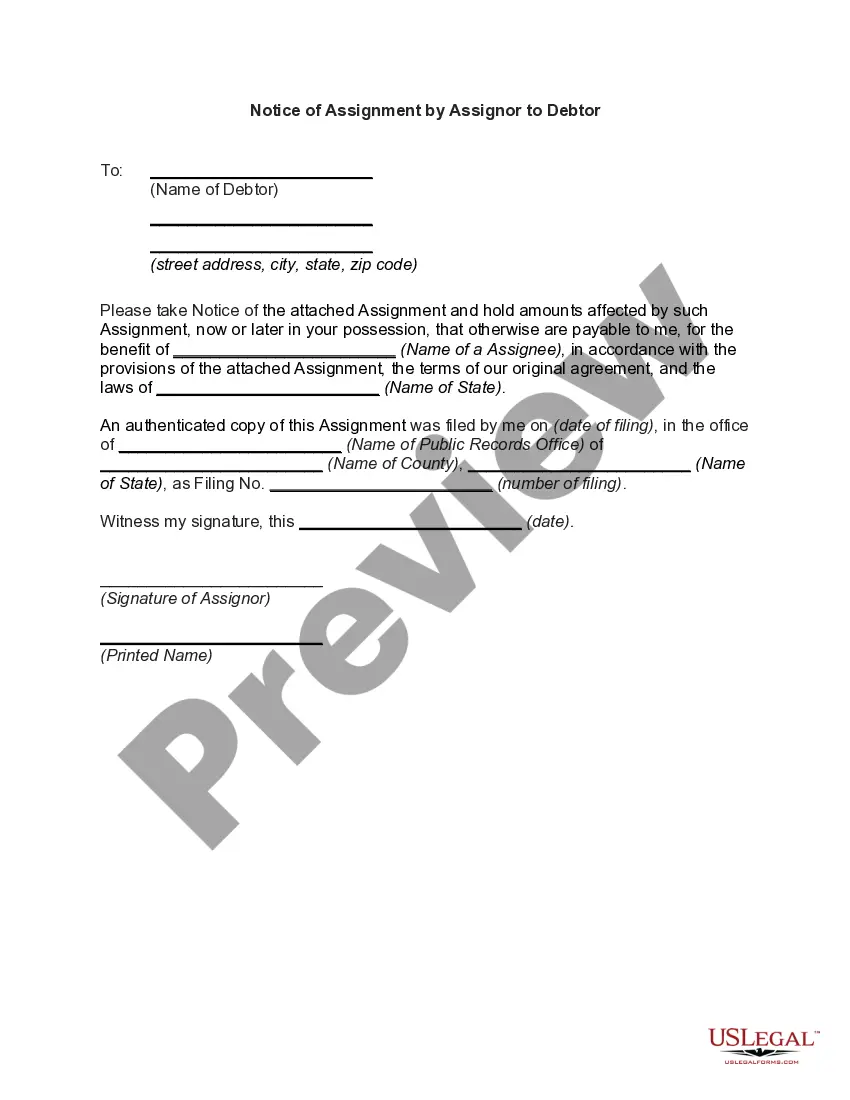
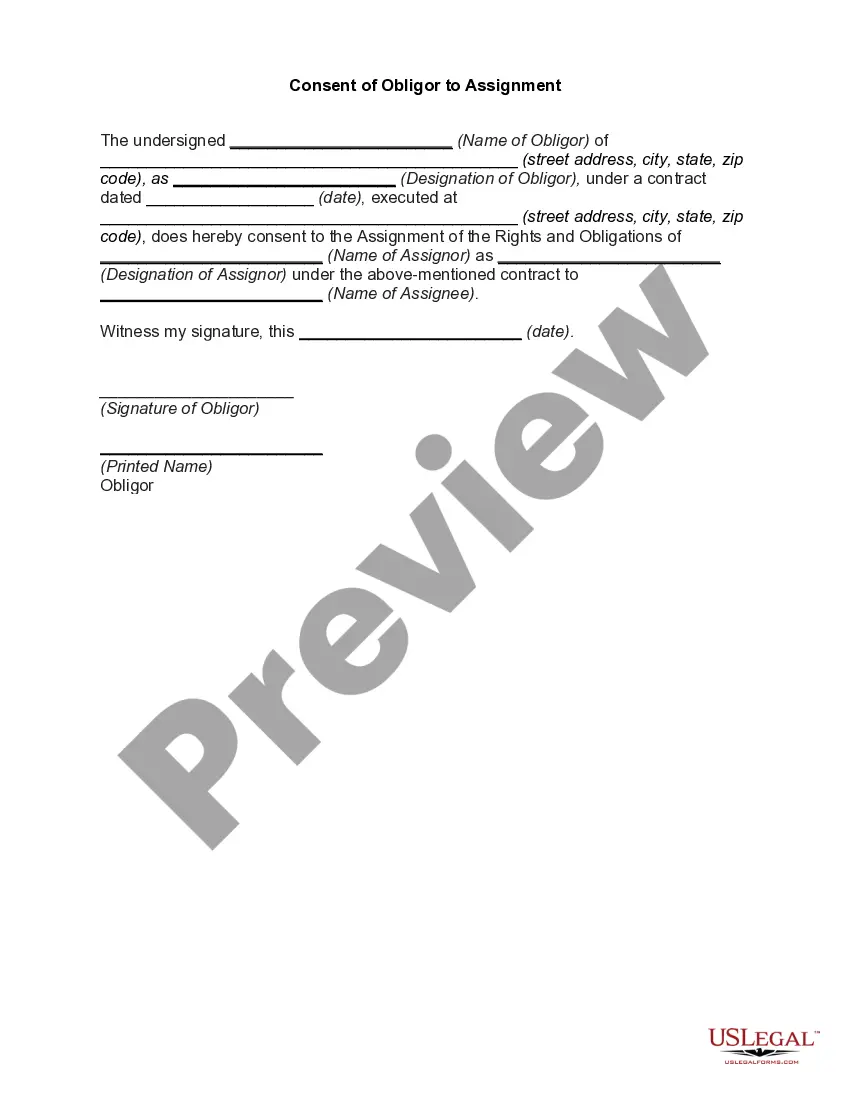
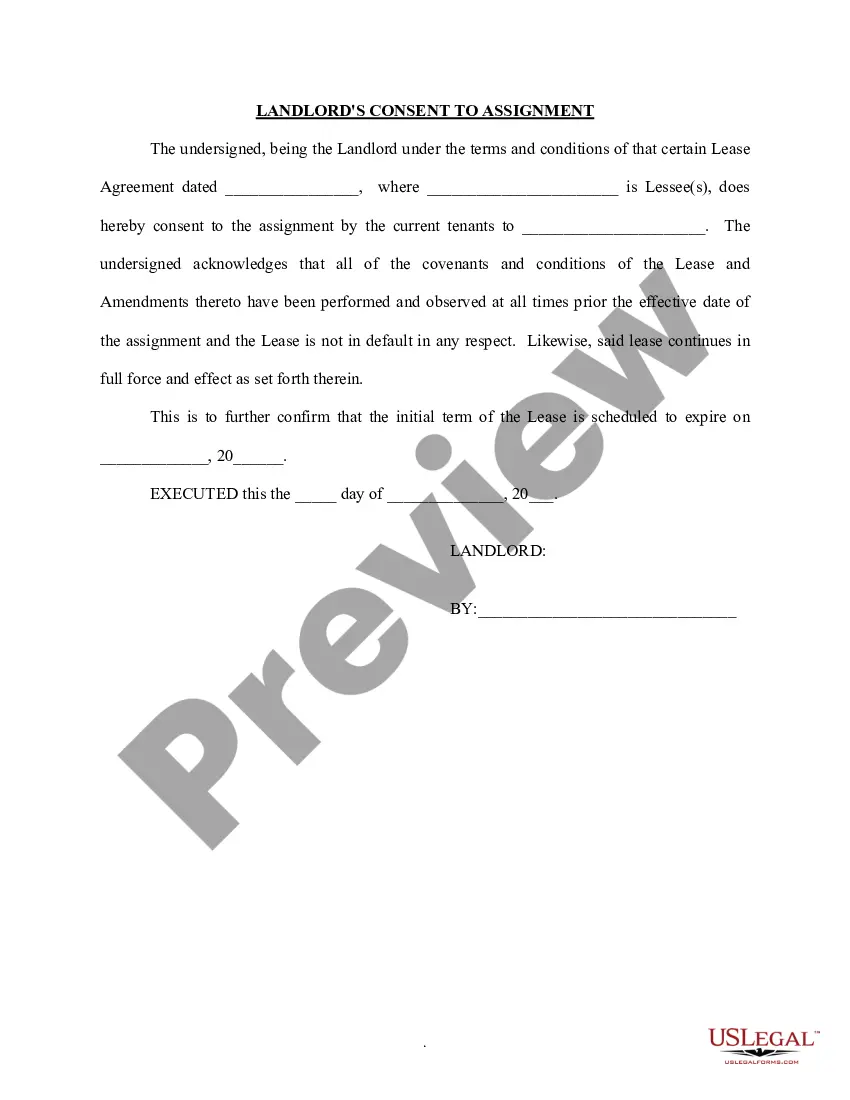
Common use cases
This form should be used in civil cases where a party must decide whether they consent to a magistrate judge handling their case or prefer it to be assigned to a district judge. It is particularly relevant as part of pre-trial procedures in federal court proceedings in the Northern District of California.
Who this form is for
- Parties in civil litigation who need to express their preference for the trial judge.
- Attorneys representing clients in cases pending in the United States District Court for the Northern District of California.
- Individuals representing themselves (pro se litigants) in federal court proceedings.
Completing this form step by step
- Identify the parties involved in the case, including the plaintiff and defendant.
- Fill in the case number at the top of the form.
- Select either Part A or Part B, depending on whether you wish to consent to the magistrate judge or request reassignment.
- Enter the date of the signature in the designated area.
- Obtain signatures from the counsel for each party or indicate if filing as pro se.
Does this document require notarization?
This form does not typically require notarization unless specified by local law. Ensure to verify any specific requirements of your local jurisdiction before submission.
Get your form ready online
Our built-in tools help you complete, sign, share, and store your documents in one place.
Make edits, fill in missing information, and update formatting in US Legal Forms—just like you would in MS Word.
Download a copy, print it, send it by email, or mail it via USPS—whatever works best for your next step.
Sign and collect signatures with our SignNow integration. Send to multiple recipients, set reminders, and more. Go Premium to unlock E-Sign.
If this form requires notarization, complete it online through a secure video call—no need to meet a notary in person or wait for an appointment.
We protect your documents and personal data by following strict security and privacy standards.

Make edits, fill in missing information, and update formatting in US Legal Forms—just like you would in MS Word.

Download a copy, print it, send it by email, or mail it via USPS—whatever works best for your next step.

Sign and collect signatures with our SignNow integration. Send to multiple recipients, set reminders, and more. Go Premium to unlock E-Sign.

If this form requires notarization, complete it online through a secure video call—no need to meet a notary in person or wait for an appointment.

We protect your documents and personal data by following strict security and privacy standards.
Mistakes to watch out for
- Not completing all required sections of the form.
- Failing to sign the form before filing it with the court.
- Submitting the form without the correct case number.
Benefits of using this form online
- Convenient access to professionally prepared legal forms available for immediate download.
- Adaptable language to fit specific circumstances, saving time and ensuring accuracy.
- Easy to complete with guidance, minimizing errors in the legal process.
Legal use & context
- This form is legally binding once completed and submitted to the court.
- Understanding consent versus reassignment is crucial for proper case management.
Quick recap
- The Consent to Assignment of Request for Reassignment is essential for organizing the trial setting in federal civil cases.
- Accurate completion of the form ensures compliance with court procedures.
- Parties must pay close attention to their preferences regarding the judge managing their case.
Looking for another form?


Form popularity
FAQ
The consent to assignment agreement is a document that provides formal permission for one party to assign their rights and obligations to another. This agreement ensures that all parties involved are aware of and agree to the assignment terms, which helps maintain smooth contractual relationships. Using the California Consent to Assignment of Request for Reassignment ensures that you are following the necessary legal procedures and protecting your rights.
Assigning a contract without proper consent can lead to significant legal complications and potential disputes. The original party may face consequences, such as nullification of the assignment or legal action from the non-consenting party. Therefore, referencing the California Consent to Assignment of Request for Reassignment can help prevent these issues and safeguard your interests.
An assignment agreement serves to legally transfer rights and obligations from one party to another within a contract. This document outlines the terms under which the original party can assign their interests and ensures that the new party is bound by the same conditions. Utilizing a California Consent to Assignment of Request for Reassignment helps ensure compliance with state laws and protects all parties.
The consent to assignment of lease refers to the approval that a landlord must provide before a tenant can transfer their lease rights to another party. This consent is crucial because it allows the landlord to evaluate the suitability of the new tenant. Understanding the California Consent to Assignment of Request for Reassignment helps both landlords and tenants navigate this process smoothly.
A consent clause in an agreement is a provision that requires one party to obtain permission from the other before taking specific actions, such as assigning rights or obligations. This clause ensures that both parties maintain control over their contractual relationships. In the context of the California Consent to Assignment of Request for Reassignment, this clause protects the interests of all parties involved.
An example of written consent could be a letter or a formal agreement signed by a landlord allowing a tenant to assign their lease to another individual. This document should specify the parties involved, details of the assignment, and any conditions that apply. Utilizing the California Consent to Assignment of Request for Reassignment from US Legal Forms can streamline this process, ensuring all legal requirements are met.
Written consent typically refers to a document that clearly states the agreement of all relevant parties regarding a specific issue, such as an assignment. This document must be signed and dated to be considered valid and enforceable. When seeking a California Consent to Assignment of Request for Reassignment, ensure that the consent is documented properly to safeguard everyone involved.
A consent to assignment of a lease is a legal provision allowing a tenant to transfer their lease rights to another individual or entity. This procedure often requires the landlord's approval to ensure that the new tenant meets all necessary qualifications. Securing a California Consent to Assignment of Request for Reassignment protects the interests of all parties and helps and ensures compliance with lease terms.
A written consent to assign is a formal document that authorizes a transfer of rights from one party to another in a clear and legally binding manner. This document typically outlines the terms of the assignment and ensures that the process is transparent. Obtaining a California Consent to Assignment of Request for Reassignment is crucial to avoid disputes and to maintain the integrity of contractual agreements.
A consent to assignment is an agreement that allows one party to transfer their rights and obligations under a contract to another party. In the context of contract law, it often involves the original party seeking permission from the other involved parties. The California Consent to Assignment of Request for Reassignment is an essential step to ensure that all parties are aware of and agree to the changes.