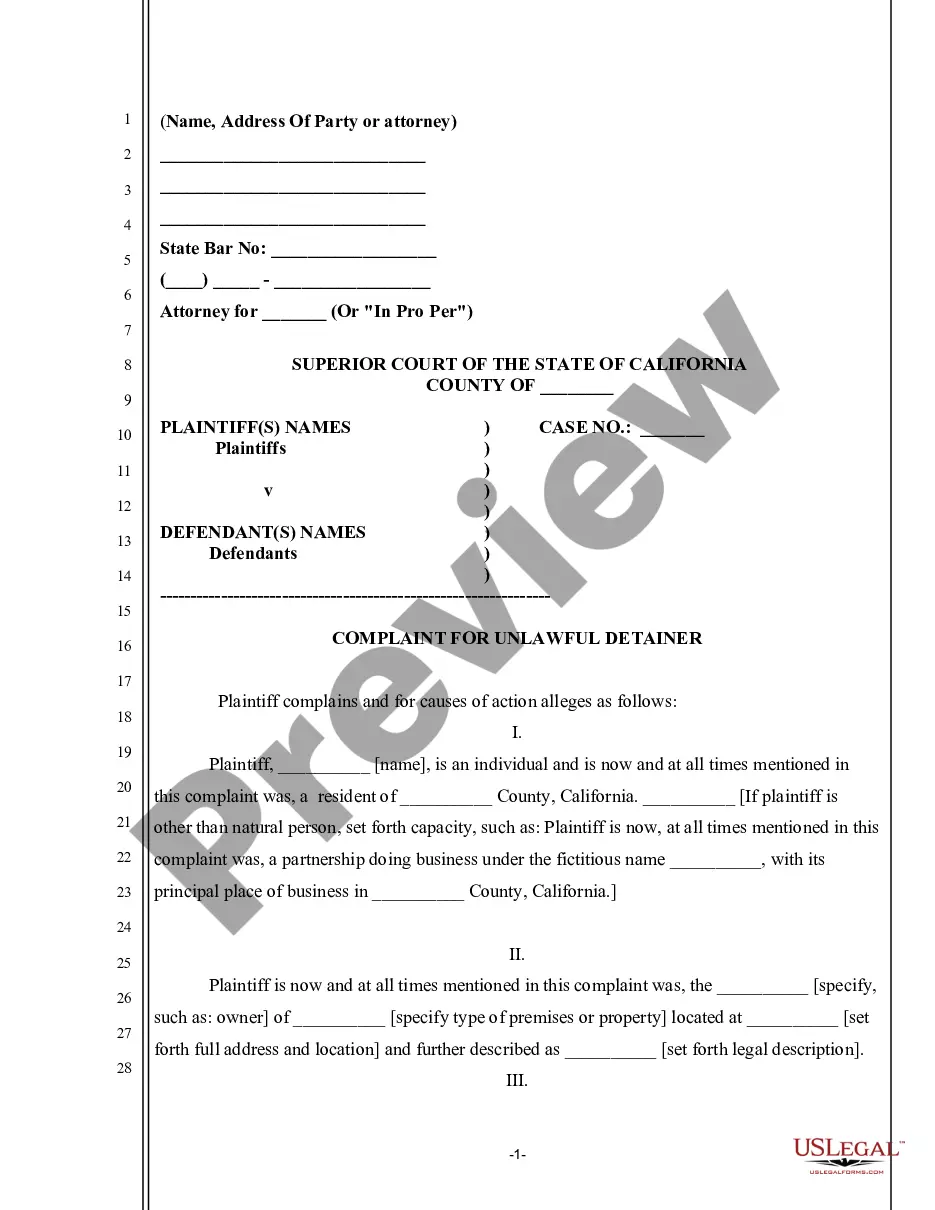
California Landlord Complaint for Unlawful Detainer against Holdover Tenant - residential
Understanding this form
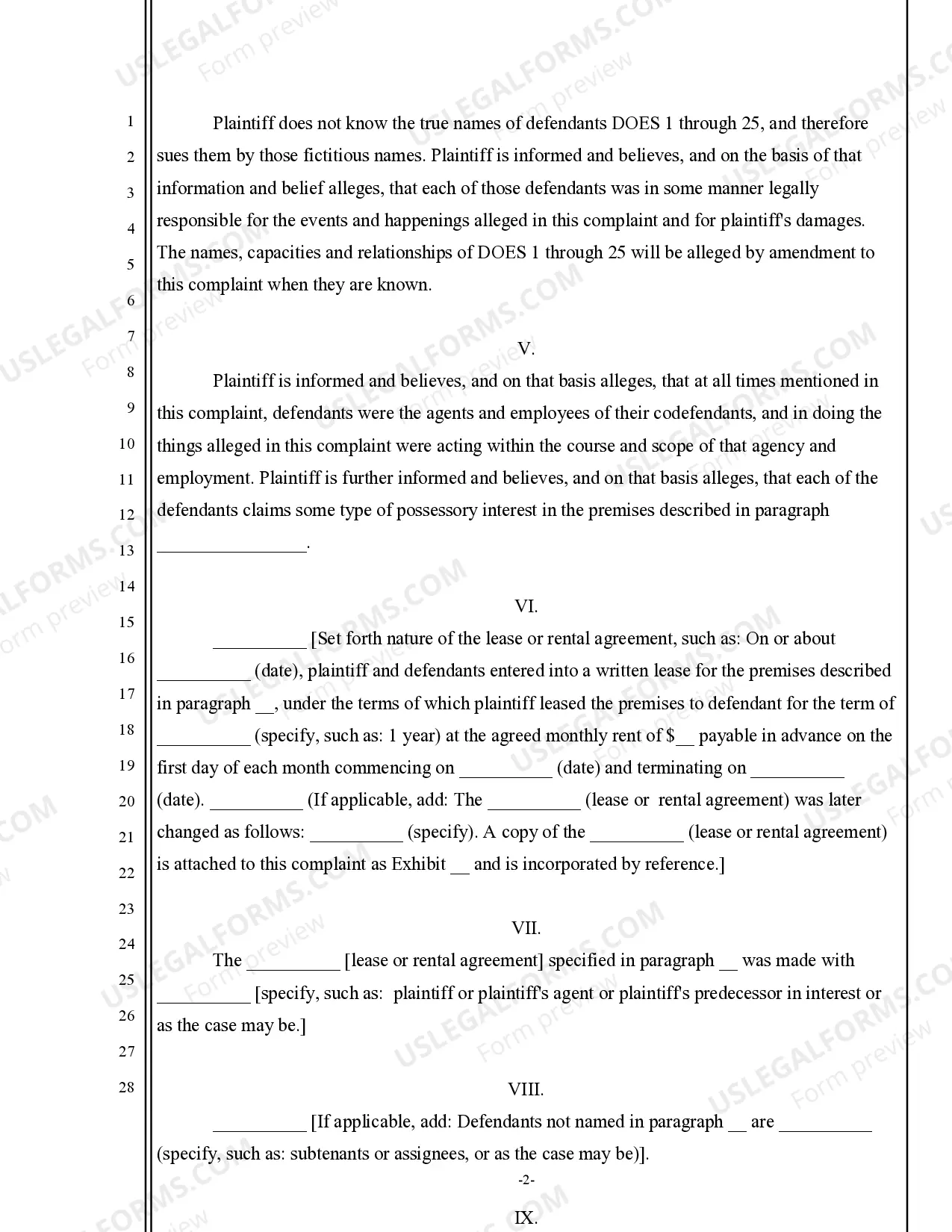
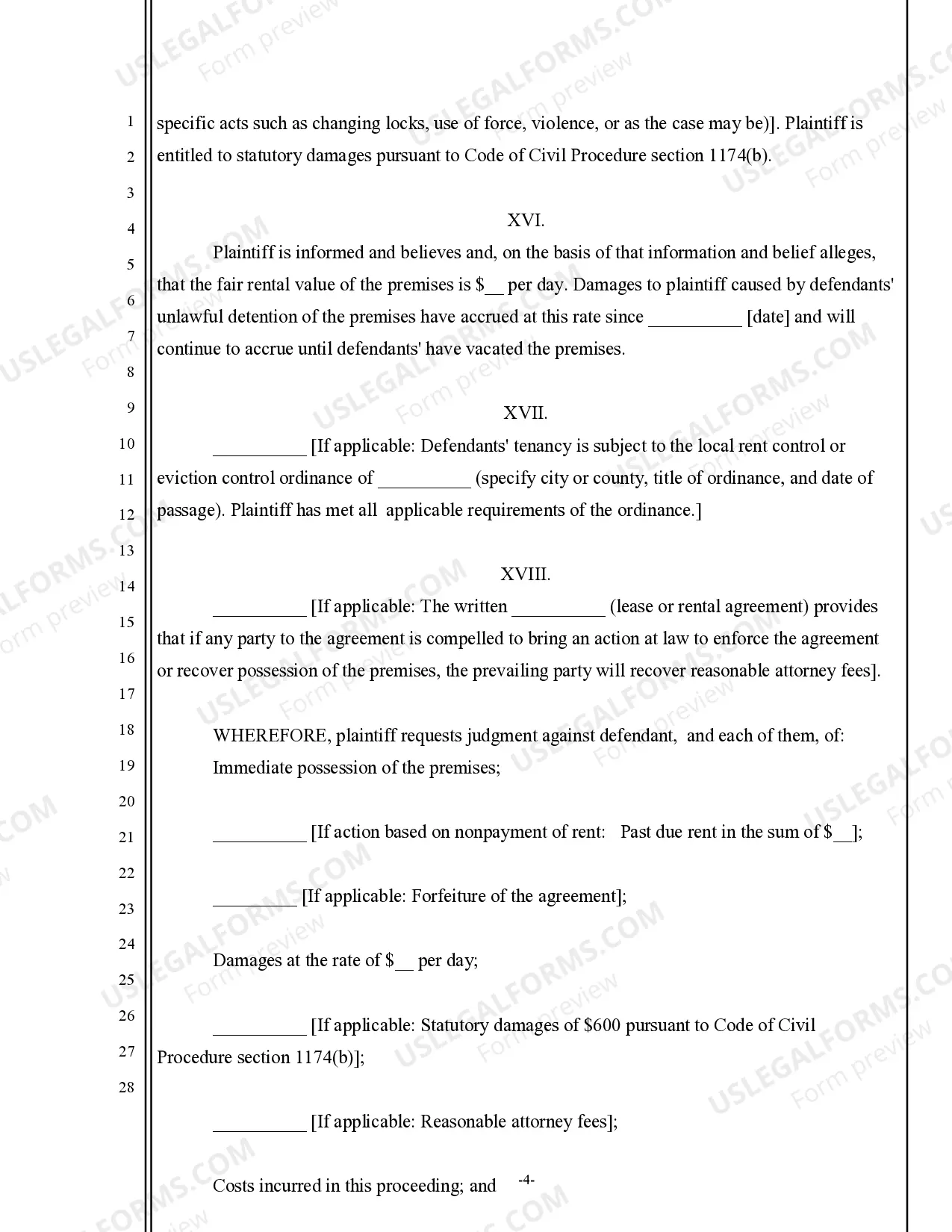
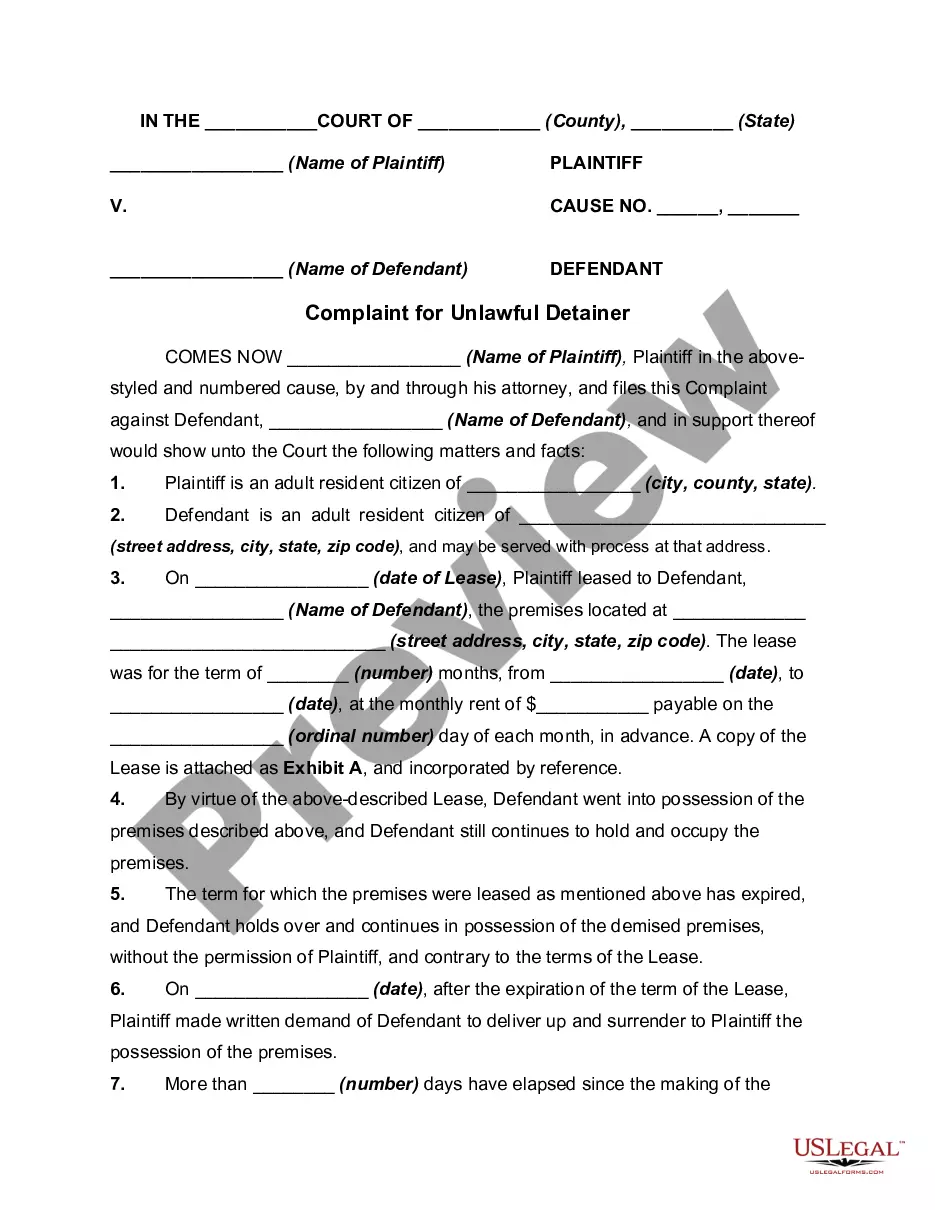
The Landlord Complaint for Unlawful Detainer against Holdover Tenant is a legal document used by landlords to initiate eviction proceedings against tenants who remain in rental property without permission after their lease has ended. This complaint asserts that the tenant has not fulfilled their rental obligations as per the lease agreement, allowing the landlord to seek a court judgment for possession of the property. Unlike other eviction forms, this specific complaint focuses on tenants who have overstayed their rental period despite proper notification to vacate the premises.
Key components of this form
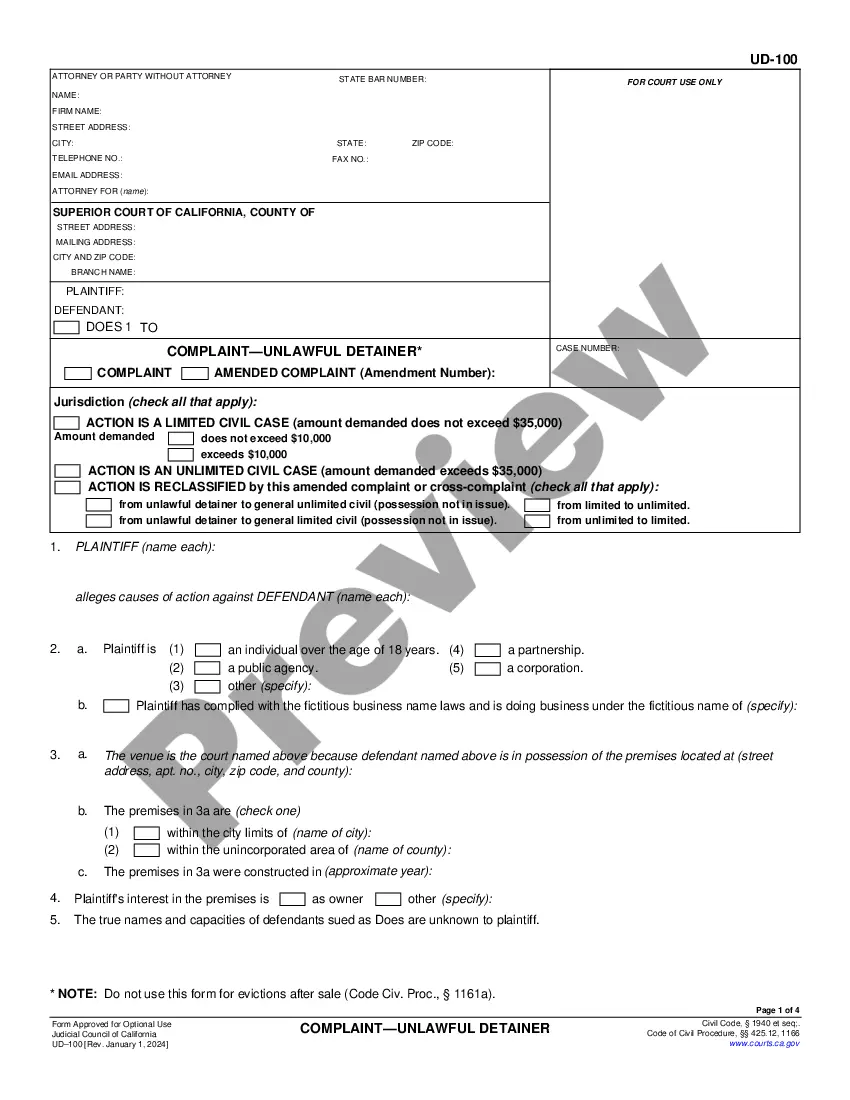
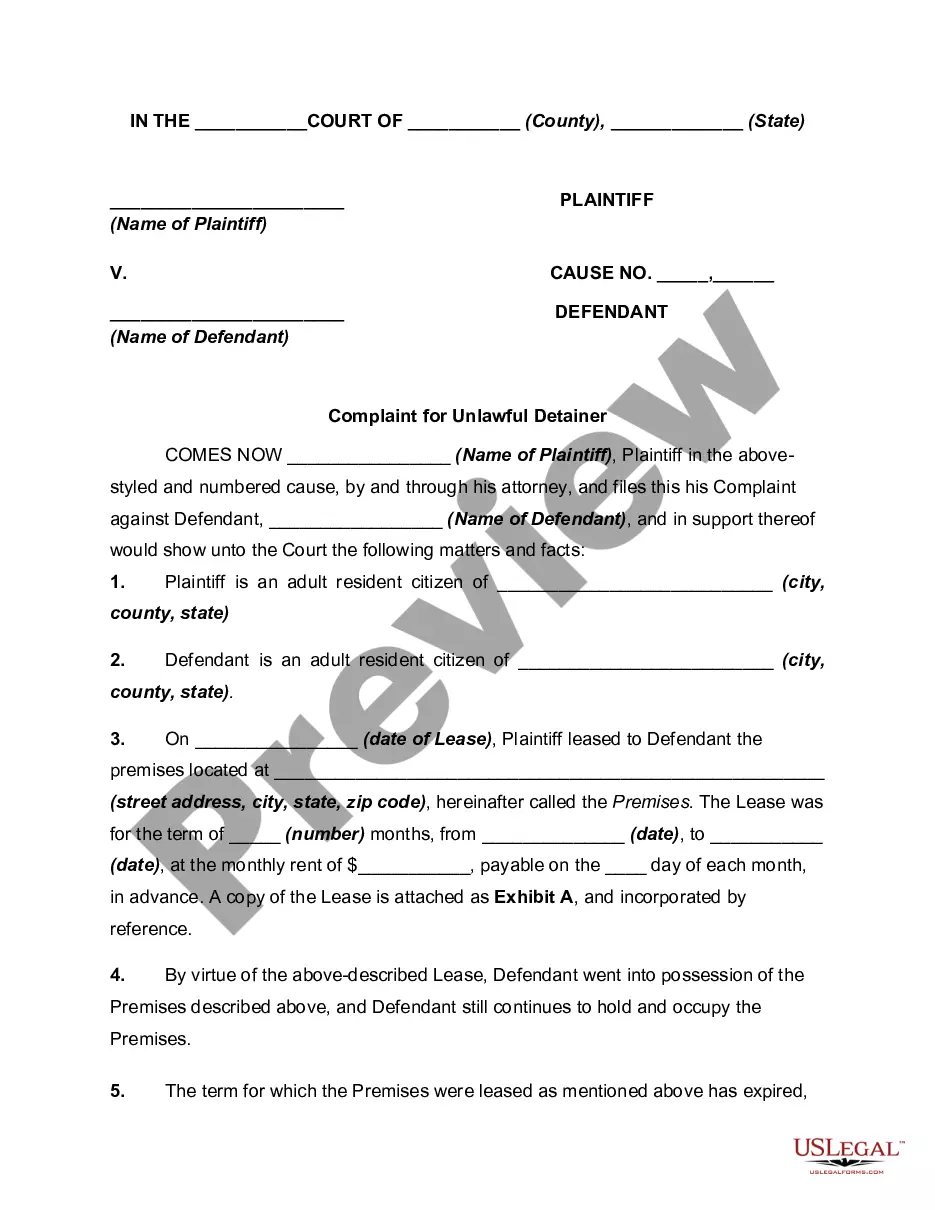
- Identification of the plaintiff (landlord) and defendants (tenants).
- Details regarding the rental agreement and terms.
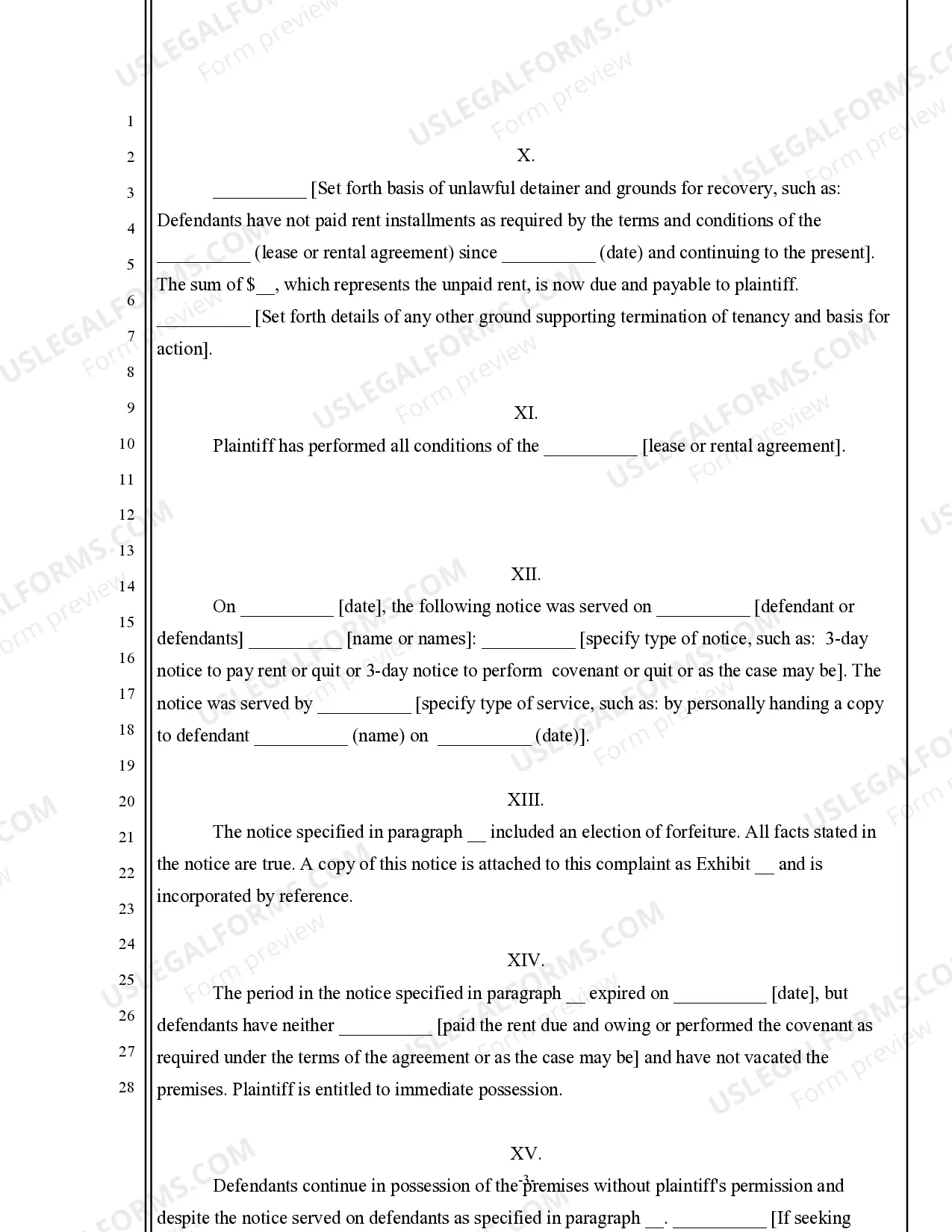
- Grounds for unlawful detainer, including unpaid rent.
- Notice served to the defendants and its conditions.
- Request for immediate possession and any damages.
When to use this form
This form should be used when a landlord seeks to evict a tenant who has failed to pay rent and continues to occupy the rental property past the lease expiration. It is essential when the landlord has followed legal procedures, including providing the tenant with a proper notice to vacate or pay rent, but the tenant has not complied. This form is crucial to initiate the legal process for regaining possession of the property and potentially recovering overdue rental payments.
Intended users of this form
This form is intended for:
- Landlords who are experiencing issues with tenants who have not vacated rental property after their lease has ended.
- Property managers acting on behalf of landlords.
- Individuals looking to file a complaint for an unlawful detainer in residential rental situations.
How to complete this form
- Identify the plaintiff and defendants by entering their names and addresses.
- Detail the rental agreement, including the property description and terms of the lease.
- Specify the grounds for the unlawful detainer, particularly focusing on unpaid rent.
- Include information about the notice served to the defendants and ensure it is signed and dated.
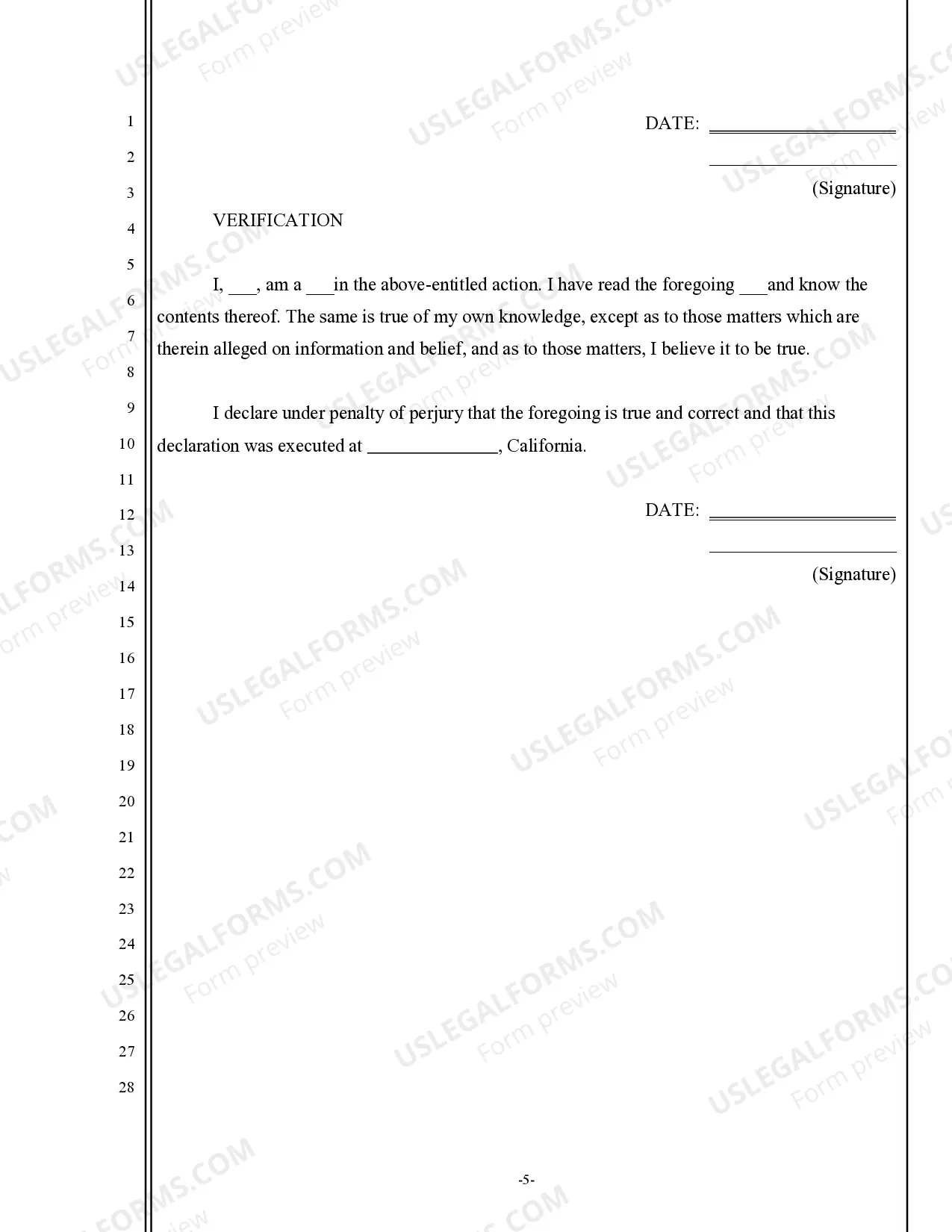
- Sign and date the form, and include a verification statement.
Is notarization required?
This form does not typically require notarization unless specified by local law. Ensure to review your jurisdiction's requirements to confirm whether notarization is necessary for the submission of the complaint.
Get your form ready online
Our built-in tools help you complete, sign, share, and store your documents in one place.
Make edits, fill in missing information, and update formatting in US Legal Forms—just like you would in MS Word.
Download a copy, print it, send it by email, or mail it via USPS—whatever works best for your next step.
Sign and collect signatures with our SignNow integration. Send to multiple recipients, set reminders, and more. Go Premium to unlock E-Sign.
If this form requires notarization, complete it online through a secure video call—no need to meet a notary in person or wait for an appointment.
We protect your documents and personal data by following strict security and privacy standards.

Make edits, fill in missing information, and update formatting in US Legal Forms—just like you would in MS Word.

Download a copy, print it, send it by email, or mail it via USPS—whatever works best for your next step.

Sign and collect signatures with our SignNow integration. Send to multiple recipients, set reminders, and more. Go Premium to unlock E-Sign.

If this form requires notarization, complete it online through a secure video call—no need to meet a notary in person or wait for an appointment.

We protect your documents and personal data by following strict security and privacy standards.
Typical mistakes to avoid
- Failing to serve the correct notice to the tenant before filing the complaint.
- Not including all necessary details of the rental agreement, such as payment history.
- Improperly formatting or missing signatures on the complaint.
- Ignoring local laws or regulations related to eviction processes.
Why complete this form online
- Convenient access to legally compliant forms that can be completed quickly.
- Edit and customize the form as needed for specific tenant situations.
- Ensures accuracy with templates drafted by licensed attorneys.
- Saves time by eliminating the need for in-person visits to legal offices.
- This form initiates eviction proceedings and must comply with local court rules.
- Ensure that all claims are valid and properly documented to support your case.
- Be aware of anti-discrimination laws to prevent legal complications during the eviction process.
Quick recap
- The Landlord Complaint for Unlawful Detainer is used for evicting tenants who do not pay rent.
- Complete the form with accurate property and tenant information.
- Follow state-specific rules for serving notices and filing the complaint.
Looking for another form?
Form popularity
FAQ
Yes, in California, you can evict a tenant after the lease expires. Once the lease ends, if the tenant does not vacate the property, you can file a California Landlord Complaint for Unlawful Detainer against a holdover tenant to initiate the eviction process. This legal action protects your rights as a landlord and ensures due process is followed.
Evicting a holdover tenant in California generally takes about 30 to 60 days, depending on the specifics of your case. After serving the appropriate notice, you can proceed with filing a California Landlord Complaint for Unlawful Detainer against your holdover tenant. Each case varies, so staying informed about the process can help.
Currently, eviction timelines in California can vary due to court backlogs and local regulations. On average, the full process takes several weeks to months. Filing a California Landlord Complaint for Unlawful Detainer against a holdover tenant helps clarify your case and may expedite the legal proceedings.
The holdover tenant law in California addresses situations where a tenant remains in the rental property after the lease term has ended. If a landlord files a California Landlord Complaint for Unlawful Detainer against a holdover tenant, it allows them to reclaim the property legally. The law requires landlords to follow specific procedures to initiate the eviction process.
In California, the process for eviction can vary, but typically, if you file a California Landlord Complaint for Unlawful Detainer against a holdover tenant, the fastest eviction can occur in about 30 days. This time frame includes serving the tenant notice and waiting for a court date. However, preparation is essential to ensure compliance with all legal requirements.
Defending against an unlawful detainer in California involves preparing your case and presenting a solid defense in court. Common defenses might include demonstrating that the landlord did not provide proper notice or that the eviction is retaliatory. Focus on gathering supporting evidence, and consider utilizing UsLegalForms to streamline your defense process involving a California Landlord Complaint for Unlawful Detainer against Holdover Tenant - residential.
To dismiss an unlawful detainer in California, you must file a motion with the court detailing your reasons for the dismissal. This may involve proving that the landlord did not follow legal procedures. Successful dismissal often relies on strong evidence and compliance with court rules. UsLegalForms can help you prepare the necessary forms and navigate this process related to a California Landlord Complaint for Unlawful Detainer against Holdover Tenant - residential.
A motion to quash an unlawful detainer is a legal request to dismiss the eviction action based on specific reasons. This motion can address issues such as improper service or jurisdiction problems. It's a vital step if you believe the lawsuit is flawed and can effectively halt the process. For guidance in filing this motion, UsLegalForms offers tools and resources to assist with a California Landlord Complaint for Unlawful Detainer against Holdover Tenant - residential.
To fight an unlawful detainer in California, you should respond promptly to the complaint and present your defense in court. Gather evidence that supports your case, such as lease agreements and payment records. Additionally, consider using resources like UsLegalForms to find forms and instructions relevant to your situation with a California Landlord Complaint for Unlawful Detainer against Holdover Tenant - residential.
Yes, you can appeal an unlawful detainer judgment in California. However, this process involves strict timelines and specific procedures that must be followed. If you decide to appeal, ensure you have valid grounds for the appeal, such as errors in the court's decision. Always consider consulting with a legal professional for guidance on an appeal related to a California Landlord Complaint for Unlawful Detainer against Holdover Tenant - residential.