California Letter from Landlord to Tenant Returning security deposit less deductions
What this document covers
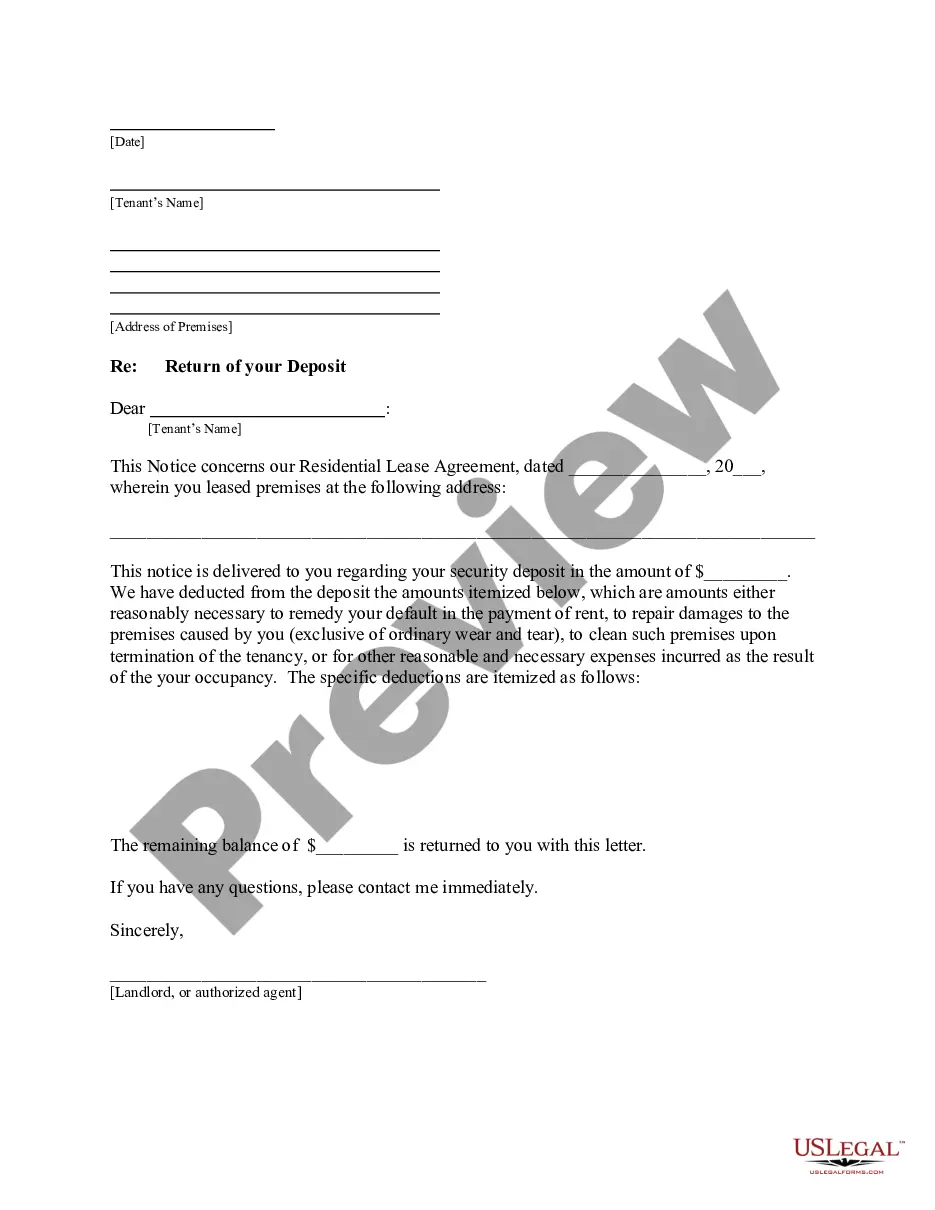
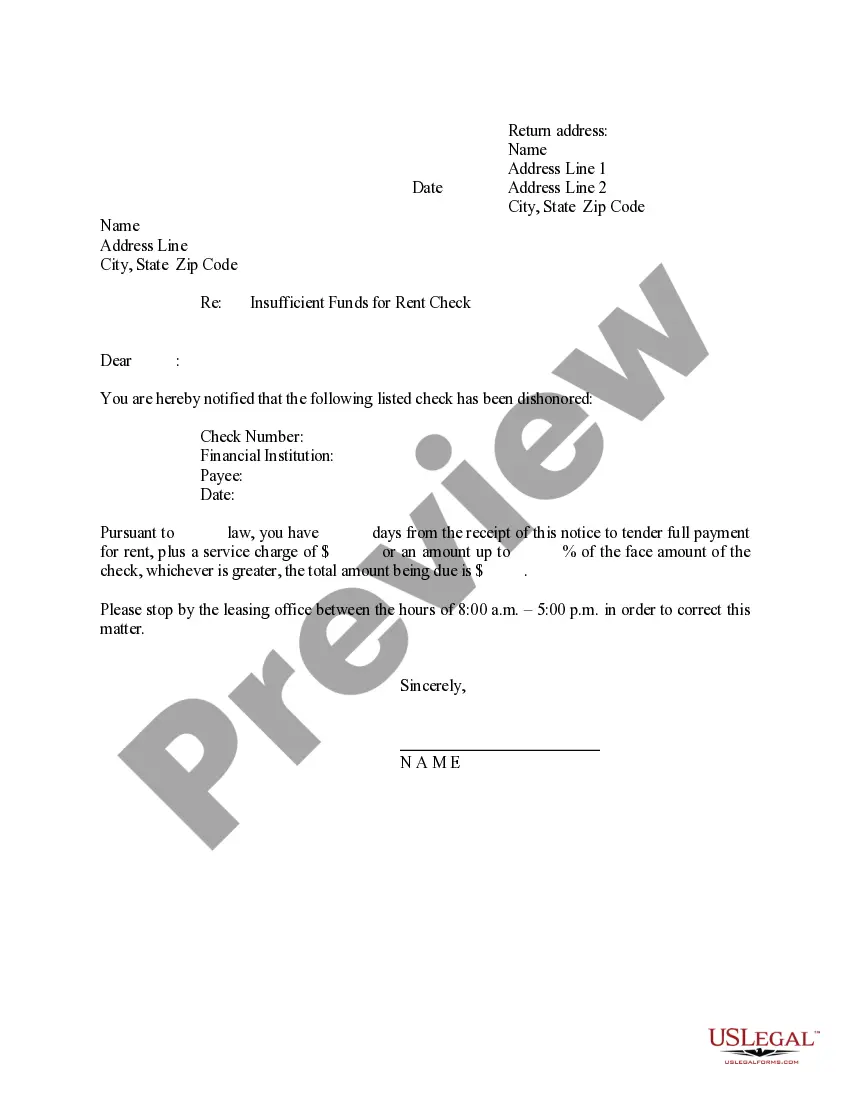
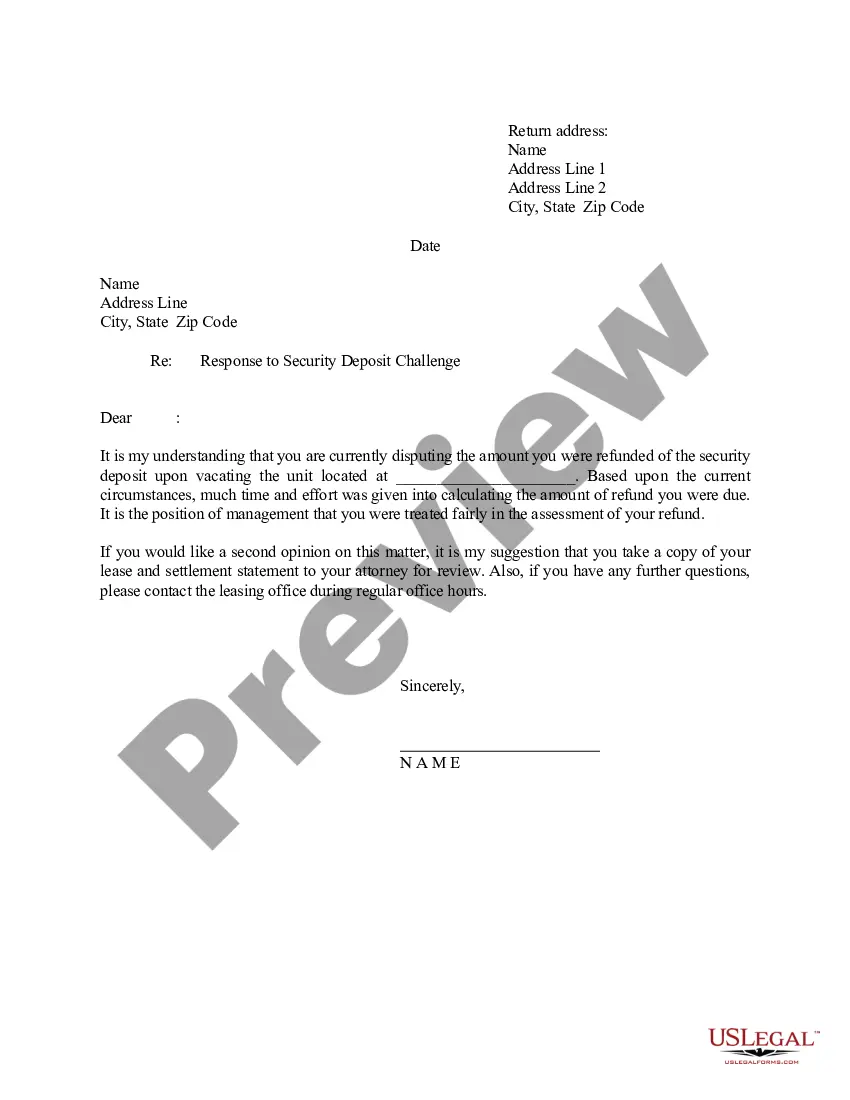
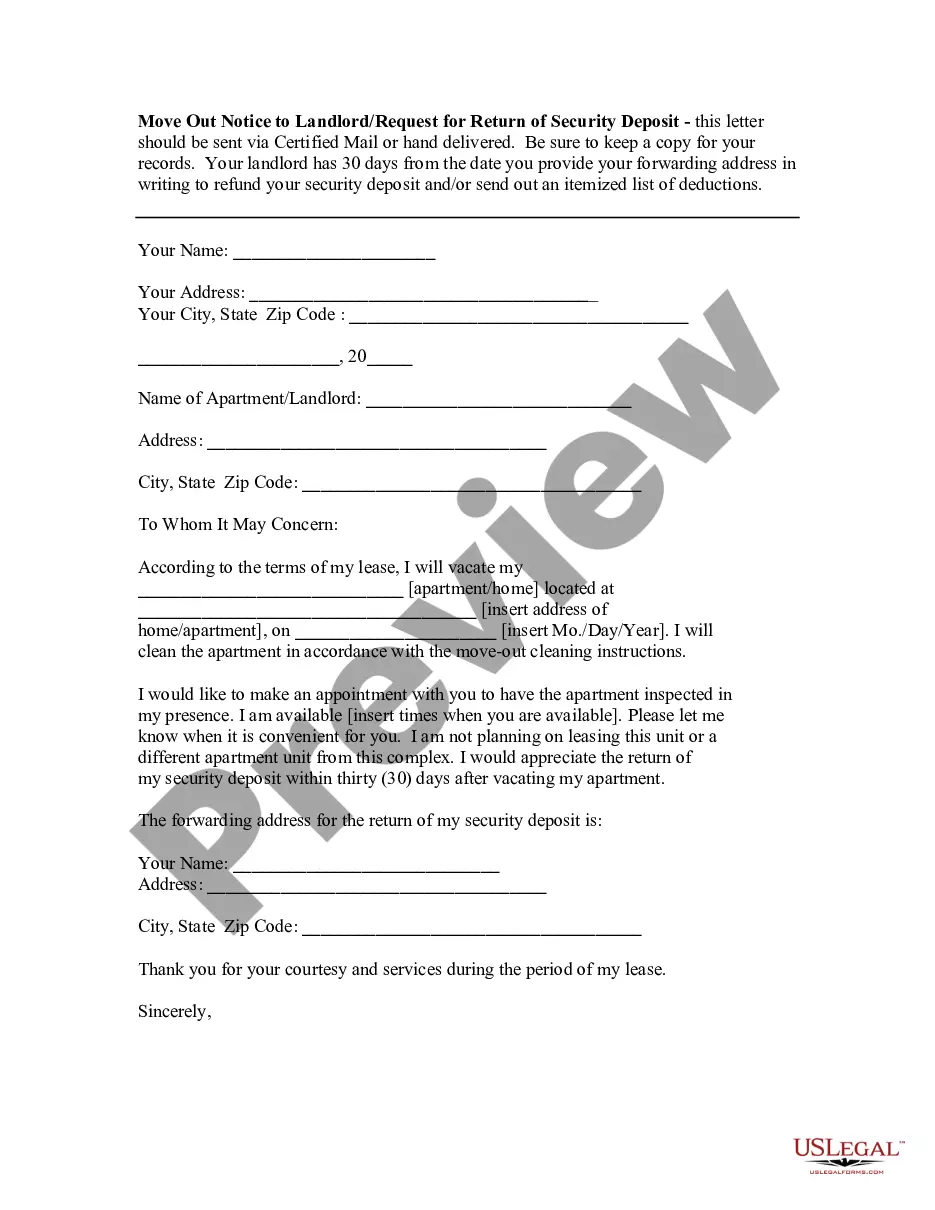
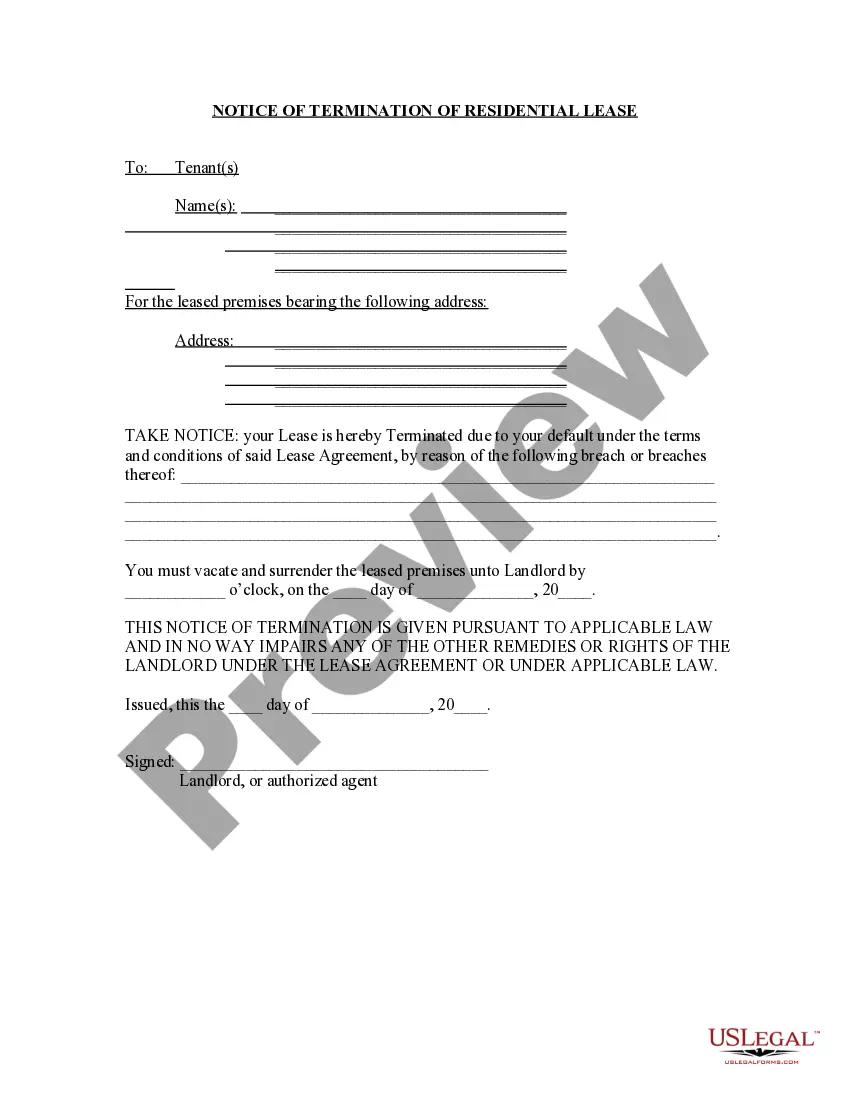
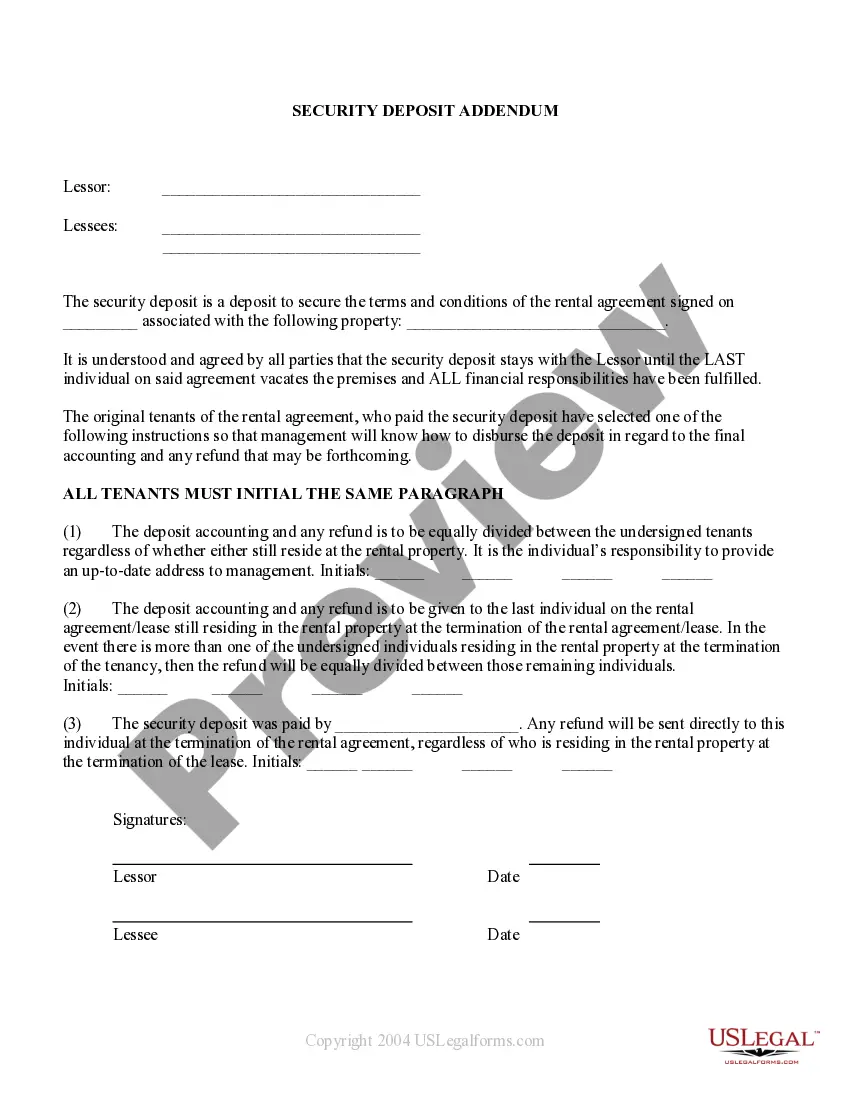
This form is a letter from a landlord to a tenant regarding the return of a security deposit, less any deductions. It serves to inform the tenant of specific amounts deducted due to unpaid rent, property damage (beyond normal wear and tear), cleaning, or other necessary expenses incurred during the tenant's occupancy. Understanding this letter is crucial for both landlords and tenants to ensure compliance with legal obligations and to clarify financial matters related to security deposits.
Key components of this form
- Date of the residential lease agreement
- Address of the leased premises
- Total amount of the security deposit
- Itemized list of deductions made from the deposit
- Reason for each deduction
When to use this document
This form should be used when a tenant ends their lease and vacates the rental property. It is essential for landlords to provide this notice to clarify how the security deposit will be handled. Scenarios include instances where deductions are made for cleaning, repairs, or unpaid rent following the tenant's departure.
Who needs this form
This form is suitable for:
- Landlords who need to communicate the status of the security deposit to their tenant.
- Property managers managing multiple rental properties.
- Tenants who wish to understand and verify the deductions made from their security deposit upon moving out.
How to complete this form
- Identify the date of the residential lease agreement.
- Enter the address of the property involved.
- Specify the total amount of the security deposit that was collected.
- Itemize each deduction, clearly stating the reason for each amount taken from the deposit.
- Distribute the completed letter to the tenant promptly, as required by law.
Does this form need to be notarized?
This form does not typically require notarization to be legally valid. However, some jurisdictions or document types may still require it. US Legal Forms provides secure online notarization powered by Notarize, available 24/7 for added convenience.
Get your form ready online
Our built-in tools help you complete, sign, share, and store your documents in one place.
Make edits, fill in missing information, and update formatting in US Legal Forms—just like you would in MS Word.
Download a copy, print it, send it by email, or mail it via USPS—whatever works best for your next step.
Sign and collect signatures with our SignNow integration. Send to multiple recipients, set reminders, and more. Go Premium to unlock E-Sign.
If this form requires notarization, complete it online through a secure video call—no need to meet a notary in person or wait for an appointment.
We protect your documents and personal data by following strict security and privacy standards.

Make edits, fill in missing information, and update formatting in US Legal Forms—just like you would in MS Word.

Download a copy, print it, send it by email, or mail it via USPS—whatever works best for your next step.

Sign and collect signatures with our SignNow integration. Send to multiple recipients, set reminders, and more. Go Premium to unlock E-Sign.

If this form requires notarization, complete it online through a secure video call—no need to meet a notary in person or wait for an appointment.

We protect your documents and personal data by following strict security and privacy standards.
Typical mistakes to avoid
- Failing to provide an itemized list of deductions.
- Not including the date of the lease agreement.
- Missing the deadline for returning the security deposit.
- Not clearly stating the reasons for each deduction.
Why use this form online
- Convenient access to a legally vetted document.
- Edit and customize the form based on specific circumstances.
- Instant availability for download and use.
Legal use & context
- The letter must comply with state law regarding security deposit deductions.
- Provide transparency to tenants about financial responsibilities and deductions.
- Protect landlords from potential disputes by clearly documenting actions taken with the security deposit.
Quick recap
- This form is essential for landlords to communicate deductions from a security deposit.
- Be sure to adhere to state-specific regulations regarding the return of security deposits.
- Complete the form carefully to avoid common mistakes and protect against legal issues.
Looking for another form?
Form popularity
FAQ
The California Letter From Landlord To Tenant Returning Security Deposit Less Deductions is a California-specific template used by landlords to inform a tenant that the security deposit will be returned with deductions after a lease ends. It requires the lease date, the leased premises address, the total security deposit, and an itemized list of deductions with the reasons for each deduction.
This form guides landlords on how to compose a security deposit return letter to a tenant by including key elements: the date of the lease, the address of the leased premises, the total security deposit, and an itemized list of deductions with an accompanying reason for each deduction. It helps ensure clear, documented communication when a tenant moves out.
Deductions may cover unpaid rent, damages beyond normal wear and tear, cleaning costs, and other necessary expenses incurred during occupancy. The form requires an itemized list of each deduction with the corresponding reason, helping the tenant understand exactly what was charged and why.
The form itself does not specify receipt requirements. It focuses on documenting an itemized list of deductions and the reasons for each charge. For California-specific receipt requirements or documentation standards, consult a licensed attorney to ensure compliance.
This form is a tool to document the return of the security deposit with an itemized list of deductions, reflecting a landlord’s notice to the tenant about the deposit and its disposition. It does not itself state California statutes; for exact legal requirements, consult a licensed attorney.
It is tailored to California, requiring elements like the lease date, address of the leased premises, total security deposit, and an itemized list of deductions with reasons. This structure supports CA-specific disclosure and accountability, whereas a generic letter may omit these fields or fail to clearly tie charges to specific deductions.