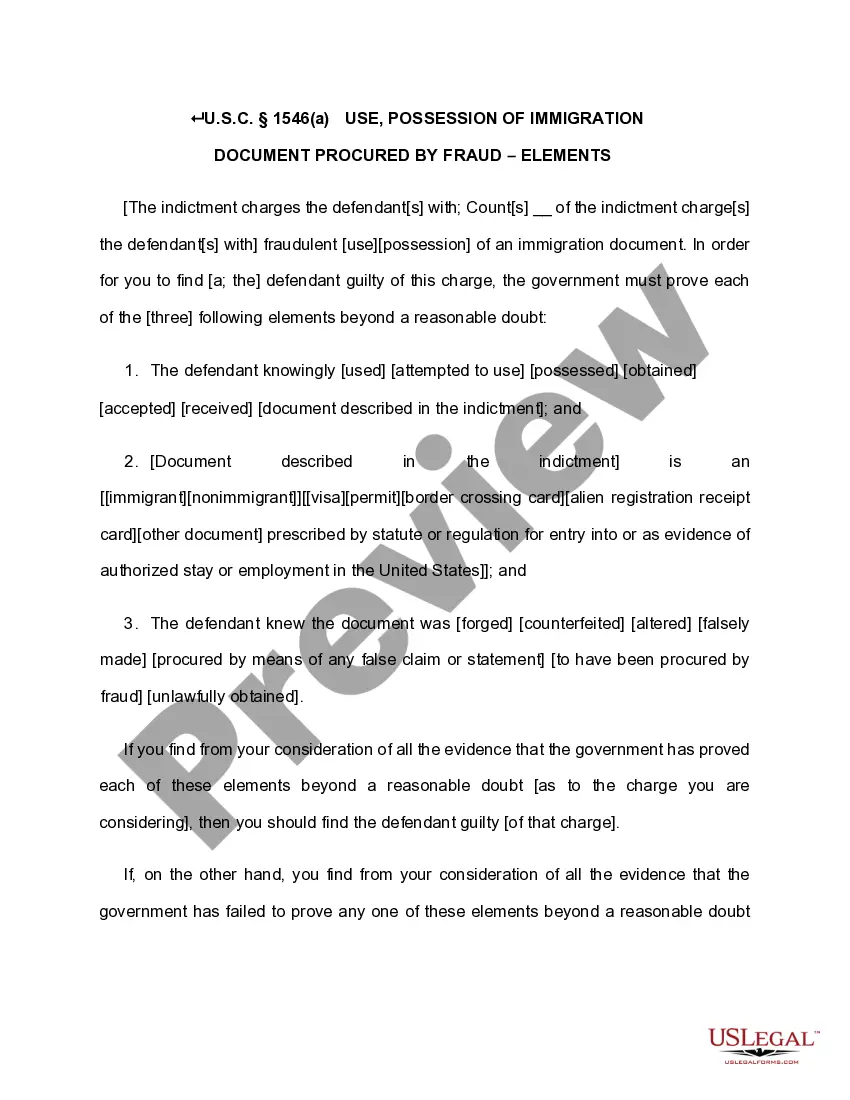
Arizona License Agreement (For Natural Gas Pipeline)
Description
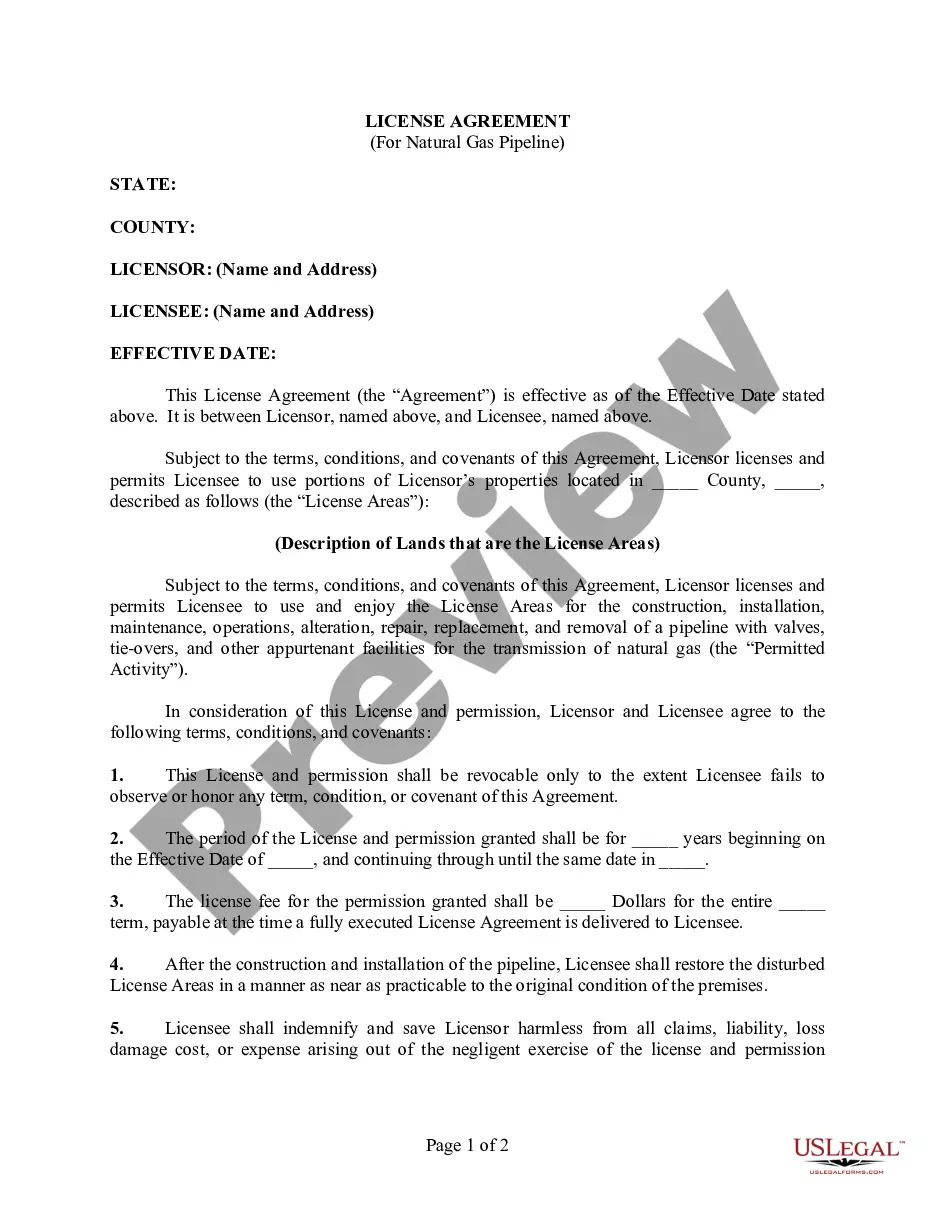
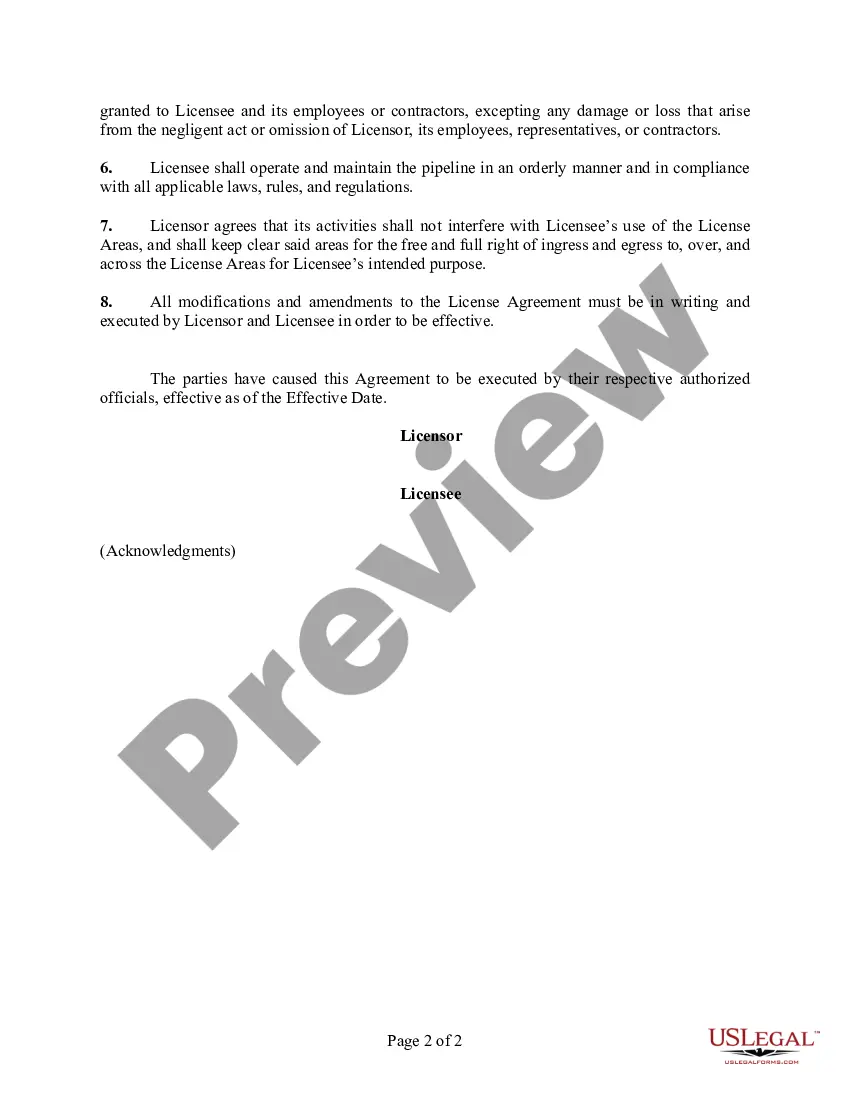
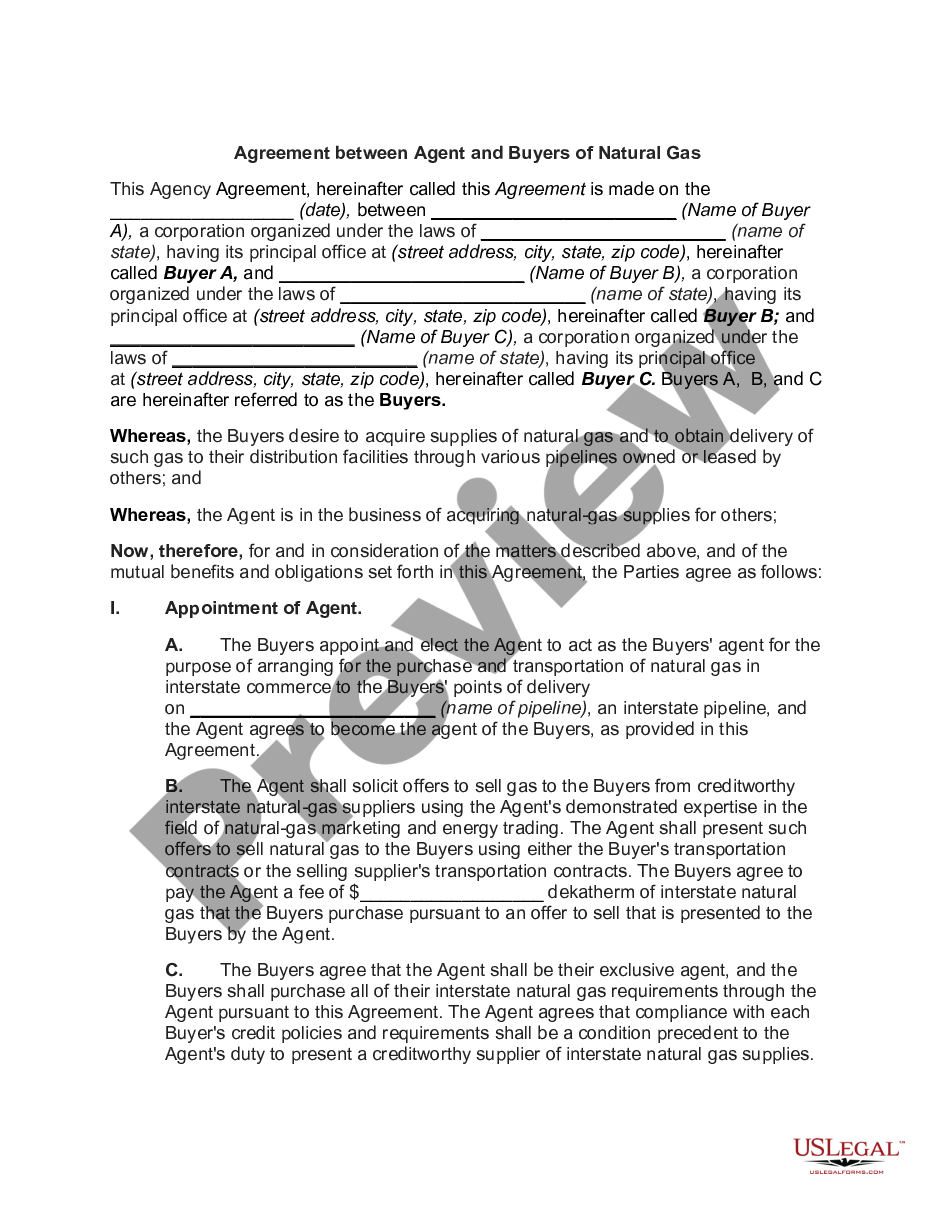
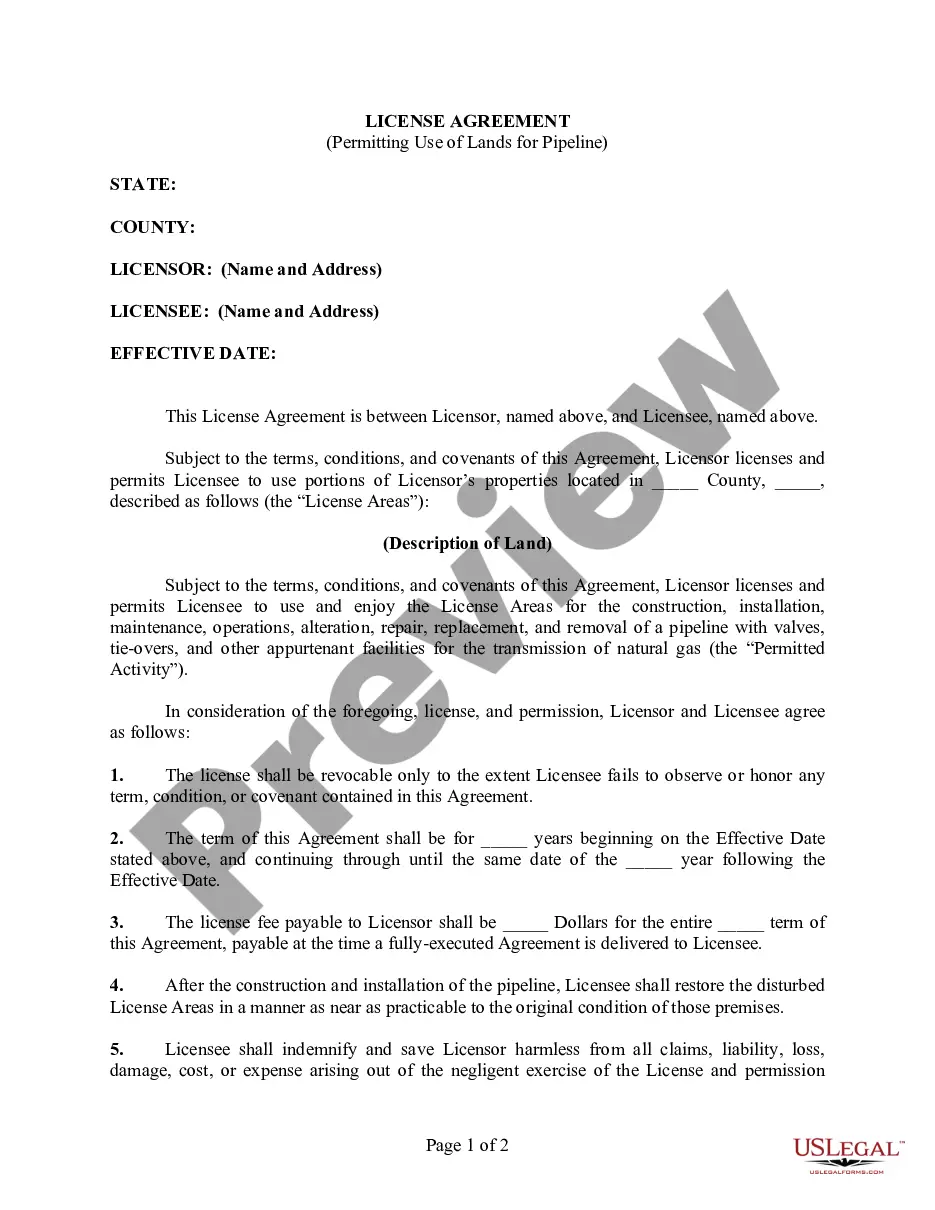
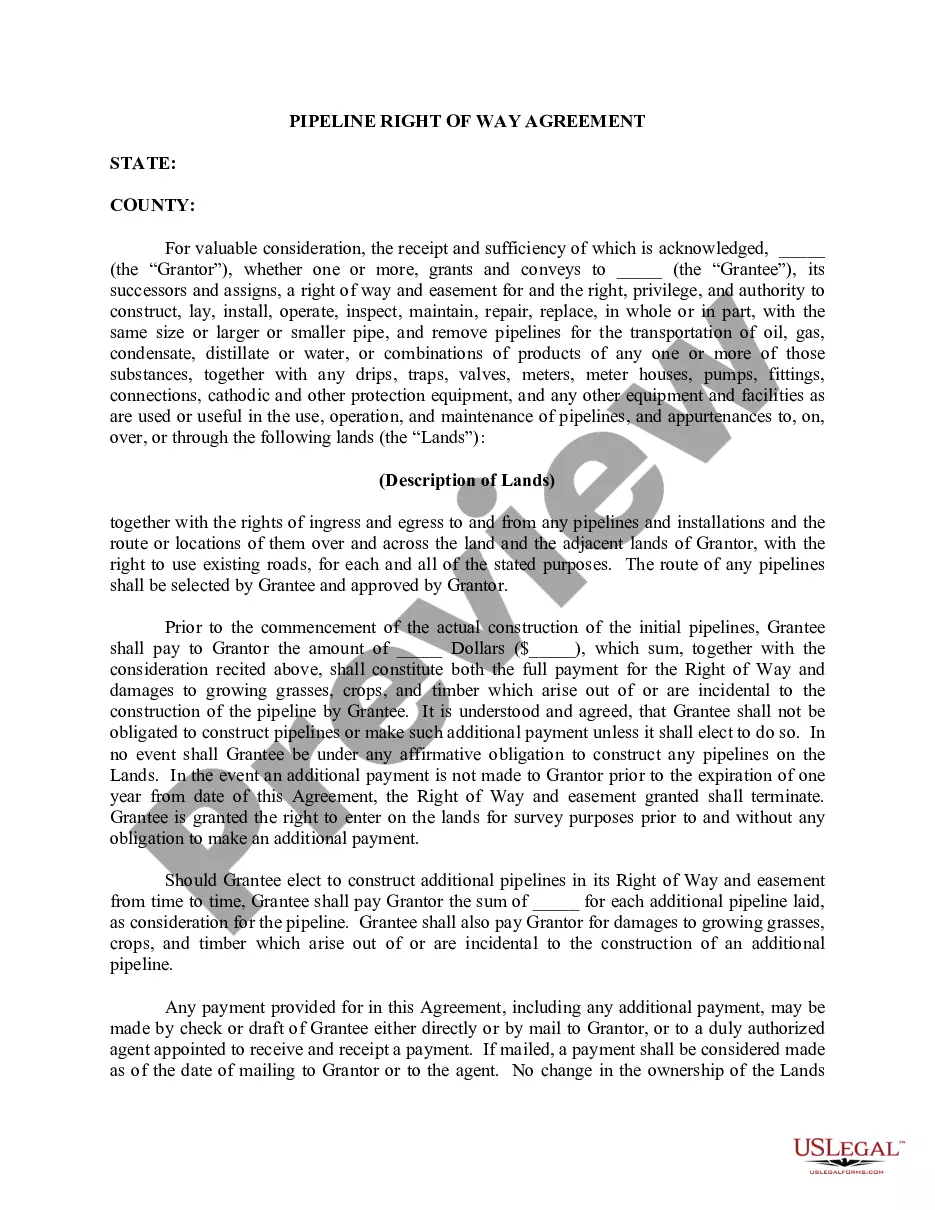
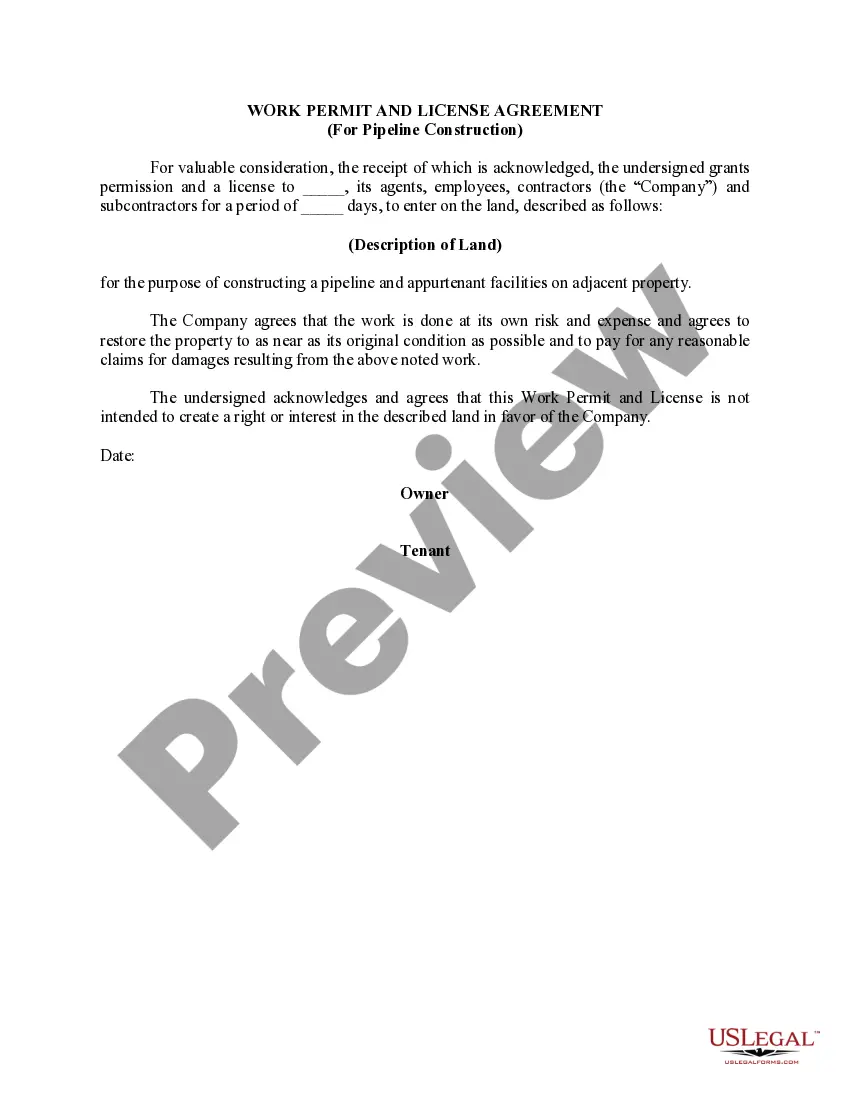
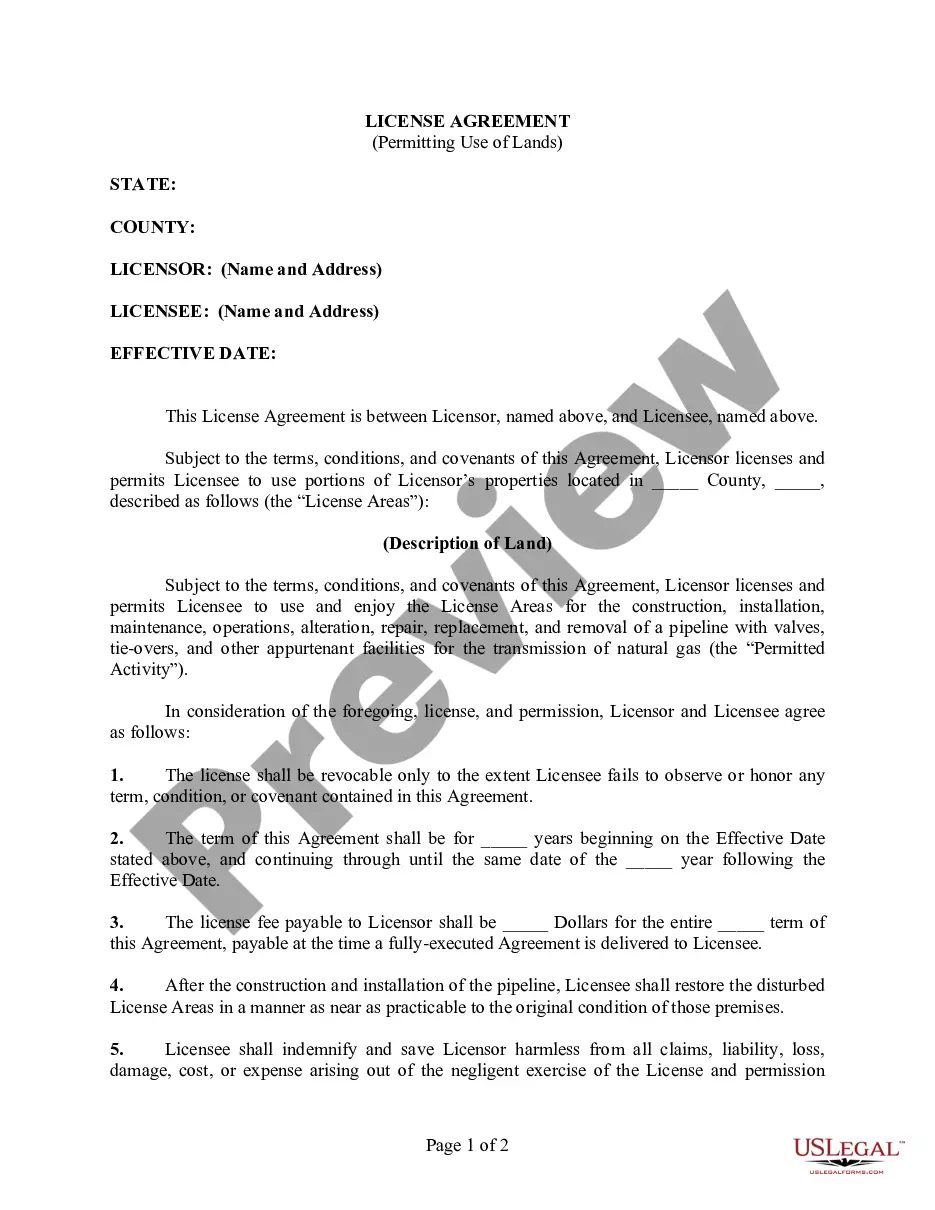

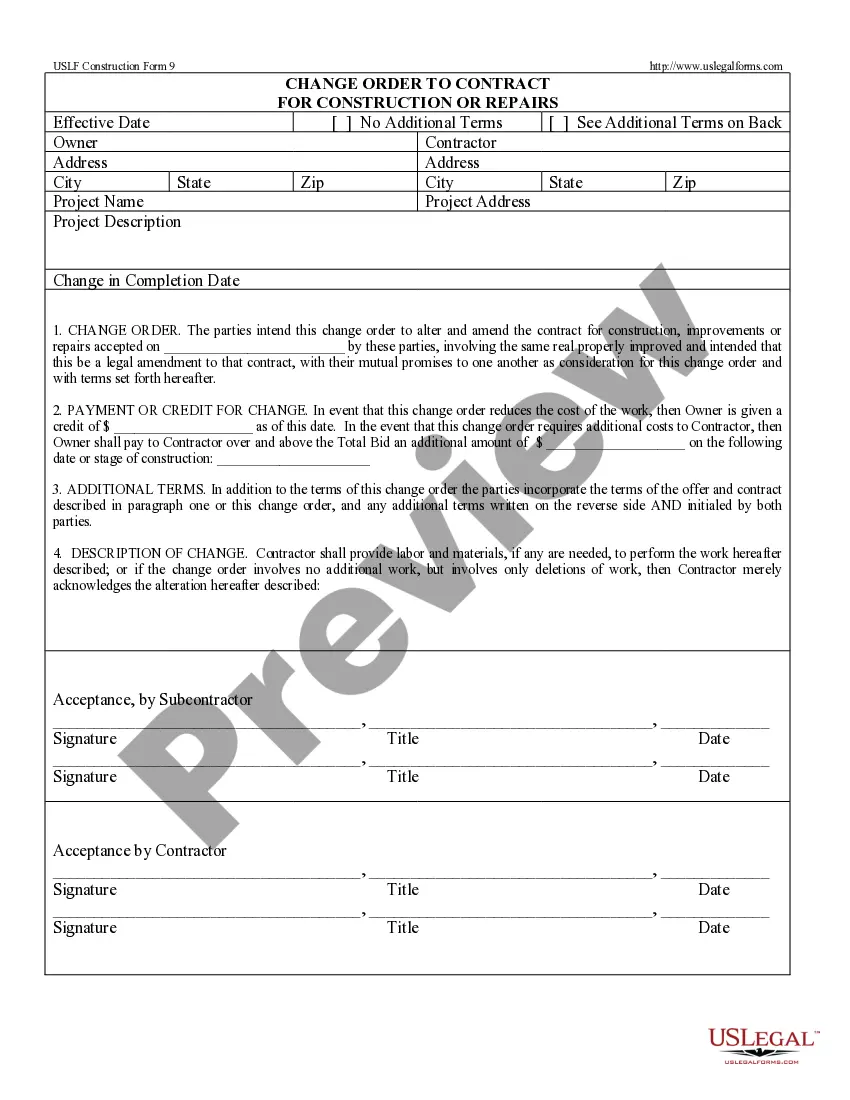
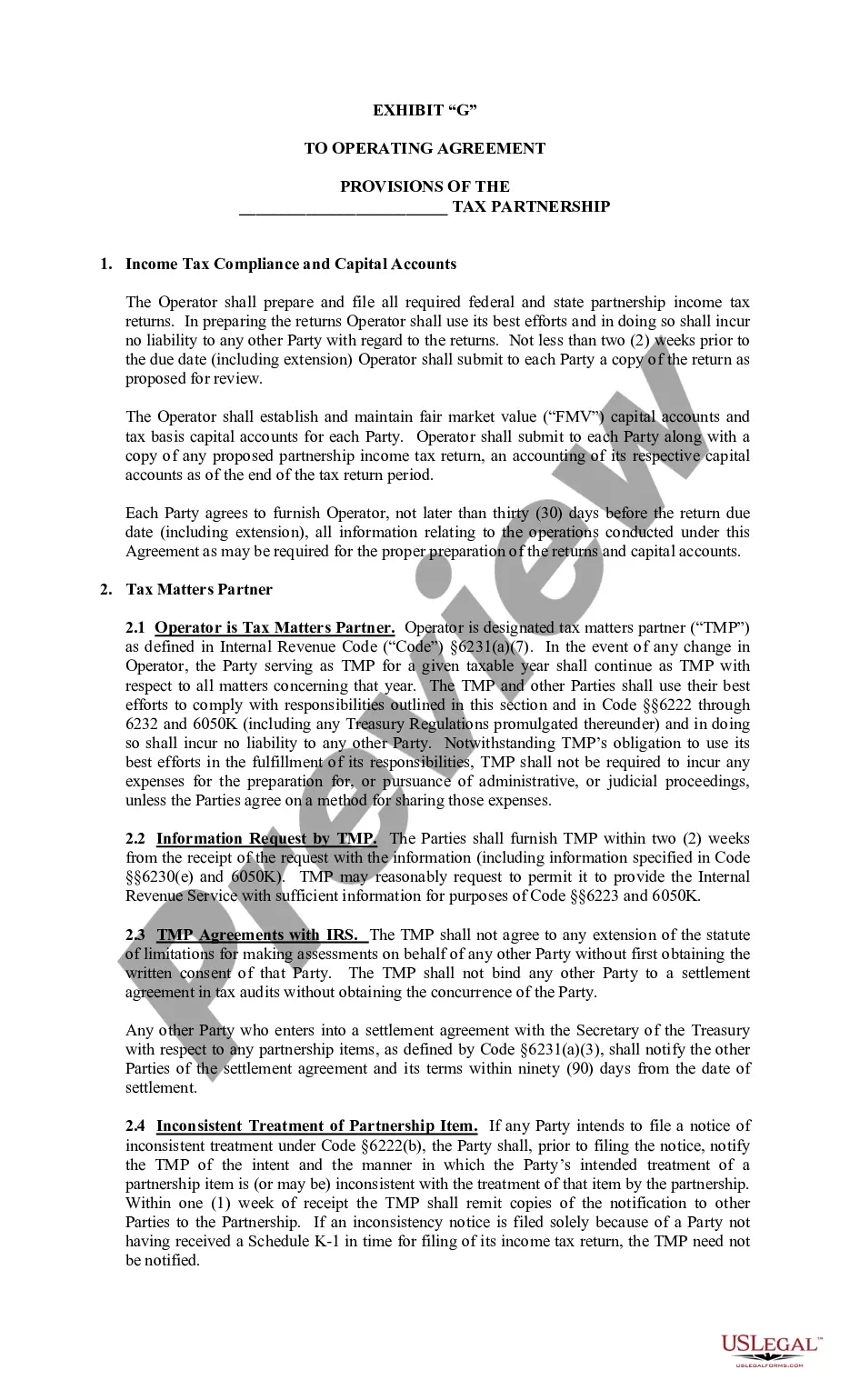
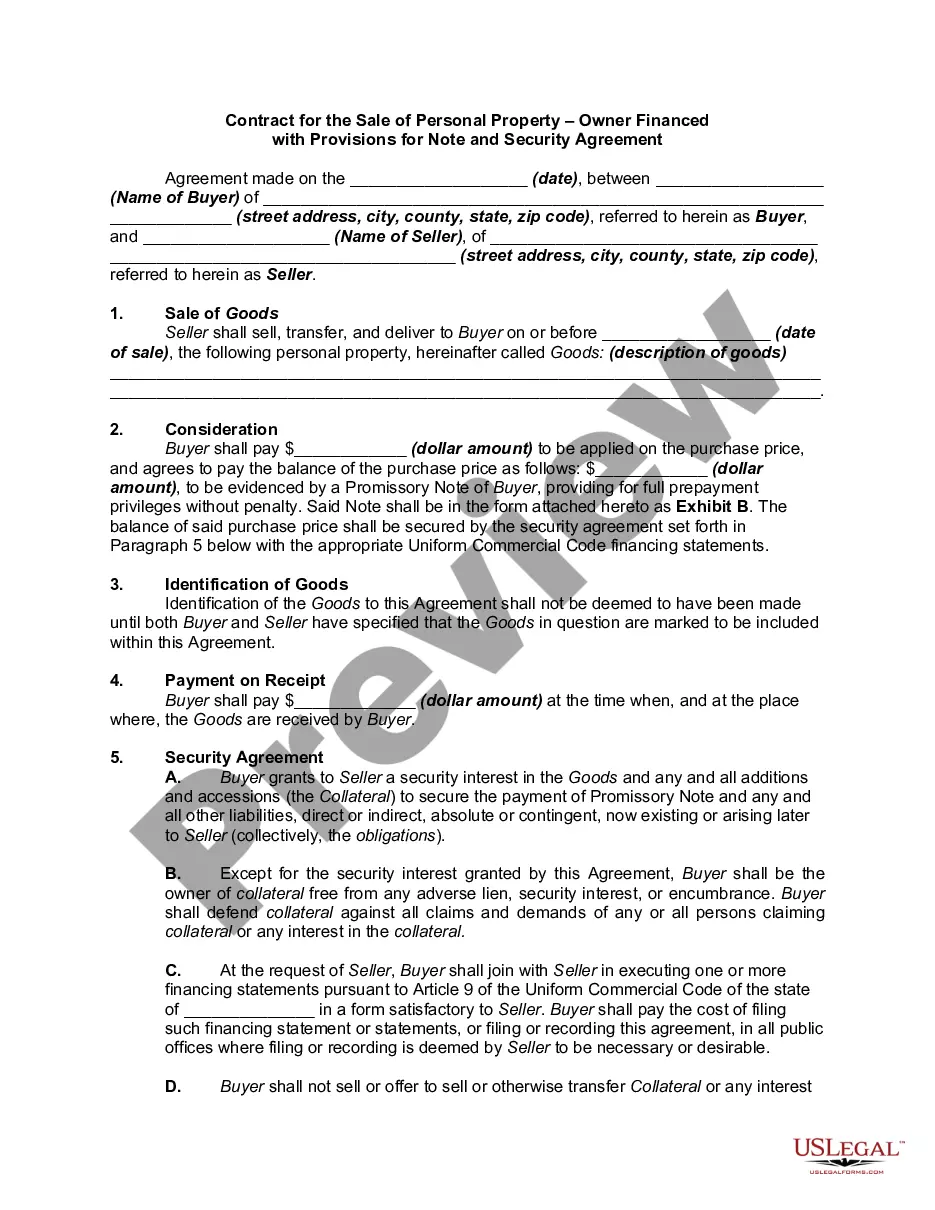

How to fill out License Agreement (For Natural Gas Pipeline)?
Are you presently inside a situation where you require papers for either organization or individual functions almost every day time? There are plenty of authorized record web templates accessible on the Internet, but getting types you can trust is not easy. US Legal Forms offers thousands of develop web templates, much like the Arizona License Agreement (For Natural Gas Pipeline), which can be written to satisfy state and federal requirements.
If you are presently acquainted with US Legal Forms web site and get a merchant account, basically log in. Next, you may obtain the Arizona License Agreement (For Natural Gas Pipeline) template.
Unless you have an profile and need to start using US Legal Forms, abide by these steps:
- Get the develop you require and ensure it is for your correct area/state.
- Make use of the Preview switch to examine the shape.
- Read the outline to actually have selected the proper develop.
- When the develop is not what you`re trying to find, take advantage of the Look for industry to find the develop that fits your needs and requirements.
- When you obtain the correct develop, simply click Purchase now.
- Select the rates program you desire, complete the necessary info to generate your money, and pay for the order making use of your PayPal or credit card.
- Pick a hassle-free paper structure and obtain your duplicate.
Locate all of the record web templates you have bought in the My Forms menu. You can obtain a extra duplicate of Arizona License Agreement (For Natural Gas Pipeline) whenever, if required. Just select the essential develop to obtain or print out the record template.
Use US Legal Forms, probably the most considerable assortment of authorized varieties, to save time as well as stay away from blunders. The assistance offers skillfully created authorized record web templates which you can use for an array of functions. Create a merchant account on US Legal Forms and initiate generating your life easier.
Form popularity
FAQ
Begin your license agreement by defining who all parties are. From there, add information about license grants, charges, licensee's obligations, intellectual property rights, limitation of liability, confidentiality, governing law, waivers, etc. End the template with an agreement form to sign.
A licensing agreement is a contract between two parties (the licensor and licensee) in which the licensor grants the licensee the right to use the brand name, trademark, patented technology, or ability to produce and sell goods owned by the licensor.
Exploring the Dual Nature of Licensing Agreements At the core, there are two primary types of licensing agreements: exclusive and non-exclusive. These contracts are the lifeblood of various industries, ensuring that creators and owners can monetize their work while allowing others to use it under specific conditions.
At the heart of this process are two primary forms of licensing: exclusive and non-exclusive. These forms represent the divergent paths through which intellectual property can be commercialized, each with its own set of implications and strategic considerations.
A licensing agreement allows one party (the licensee) to use and/or earn revenue from the property of the owner (the licensor). Licensing agreements generate revenues, called royalties, earned by a company for allowing its copyrighted or patented material to be used by another company.
The term ?outbound licensing? or ?out-licensing?, refers to granting a licence to another party to use your IP whereas ?inbound licensing? or ?in-licensing? means obtaining a licence from another party, to use its IP for your own use.
or threeyear term is common. The word ?terminate? is generally used in two senses in a license agreement, both meaning the agreement ends. One sense is the natural end to the ?term? of the contract. A license agreement with a twoyear term will terminate two years after the effective date.
The most commonly used licensing agreements will include trademarks, technology, and trade secrets. Many times, these agreements will include more than one form of intellectual property. Many agreements have some similarities, but there are some significant differences as well.