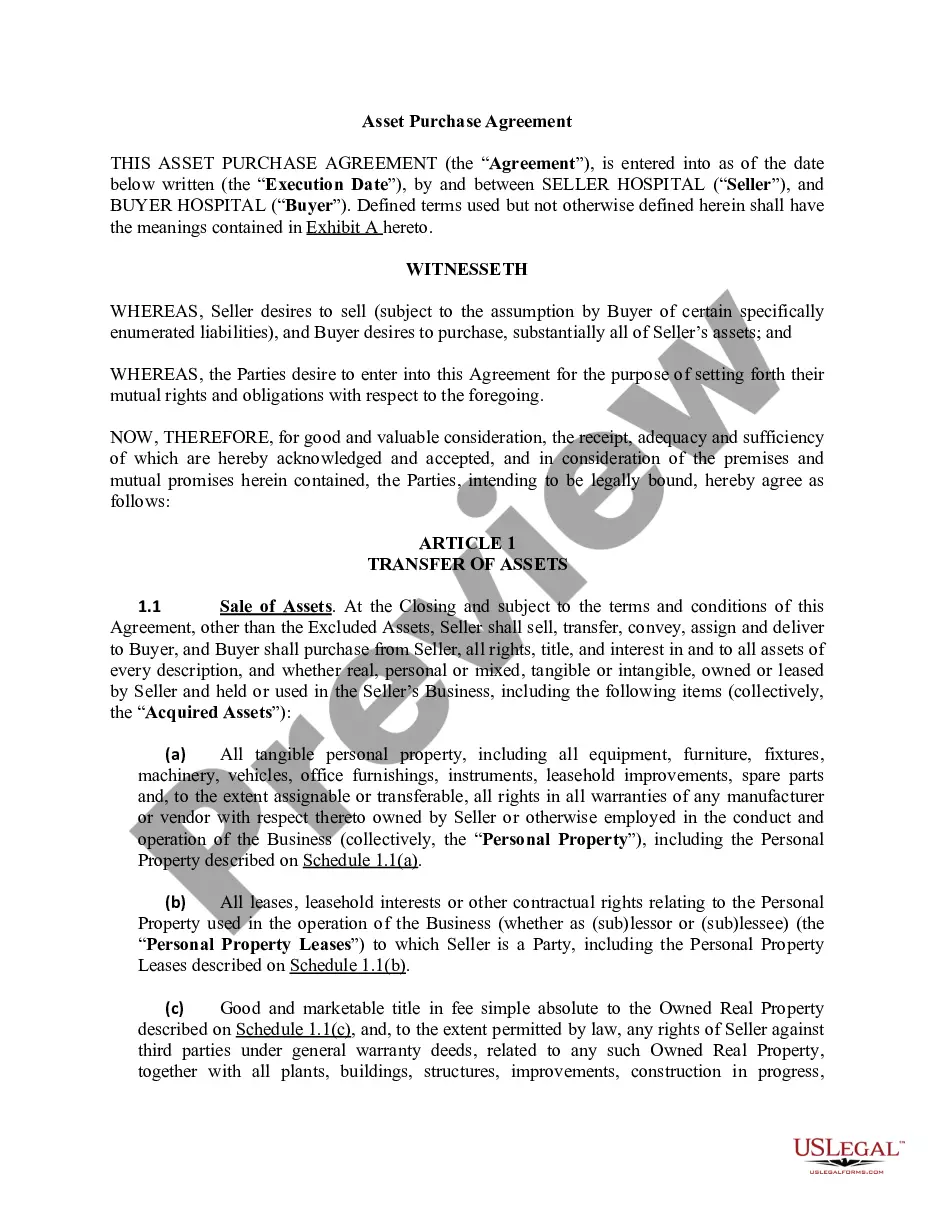
Arizona Fence Ordinance
Description

Get your form ready online
Our built-in tools help you complete, sign, share, and store your documents in one place.
Make edits, fill in missing information, and update formatting in US Legal Forms—just like you would in MS Word.
Download a copy, print it, send it by email, or mail it via USPS—whatever works best for your next step.
Sign and collect signatures with our SignNow integration. Send to multiple recipients, set reminders, and more. Go Premium to unlock E-Sign.
If this form requires notarization, complete it online through a secure video call—no need to meet a notary in person or wait for an appointment.
We protect your documents and personal data by following strict security and privacy standards.

Make edits, fill in missing information, and update formatting in US Legal Forms—just like you would in MS Word.

Download a copy, print it, send it by email, or mail it via USPS—whatever works best for your next step.

Sign and collect signatures with our SignNow integration. Send to multiple recipients, set reminders, and more. Go Premium to unlock E-Sign.

If this form requires notarization, complete it online through a secure video call—no need to meet a notary in person or wait for an appointment.

We protect your documents and personal data by following strict security and privacy standards.
Looking for another form?






How to fill out Fence Ordinance?
You can commit hours online searching for the legitimate record web template that fits the state and federal needs you want. US Legal Forms gives thousands of legitimate varieties which can be evaluated by experts. You can easily download or printing the Arizona Fence Ordinance from the service.
If you currently have a US Legal Forms accounts, you can log in and click on the Obtain key. Afterward, you can comprehensive, edit, printing, or indicator the Arizona Fence Ordinance. Each and every legitimate record web template you acquire is the one you have for a long time. To get one more backup for any acquired type, proceed to the My Forms tab and click on the corresponding key.
If you work with the US Legal Forms website for the first time, adhere to the straightforward guidelines under:
- First, make certain you have selected the proper record web template for your county/town that you pick. Look at the type explanation to make sure you have picked the proper type. If readily available, make use of the Preview key to search through the record web template as well.
- If you wish to get one more model of the type, make use of the Search industry to obtain the web template that meets your requirements and needs.
- Upon having discovered the web template you want, click Get now to continue.
- Choose the pricing strategy you want, type your references, and sign up for a merchant account on US Legal Forms.
- Full the transaction. You should use your credit card or PayPal accounts to purchase the legitimate type.
- Choose the file format of the record and download it for your device.
- Make modifications for your record if possible. You can comprehensive, edit and indicator and printing Arizona Fence Ordinance.
Obtain and printing thousands of record layouts utilizing the US Legal Forms Internet site, which offers the largest variety of legitimate varieties. Use skilled and condition-specific layouts to take on your business or individual needs.
Form popularity
FAQ
Do I need a permit for a fence or to increase the height of the fence and I want to put up a fence to block my neighbor from using the easement, do I need a permit? All fencing over 1 foot in height requires a permit from the Planning and Development Departments.
A lawful fence is ?a fence with not less than four boards per 4 feet of height; said boards to be spaced no farther apart than twice the width of the boards used fastened in or to substantial posts not more than 12 feet apart with no stay, or a fence of four barbed wires supported by posts not more than 15 feet apart ...
The maximum height that is allowed with a fence height waiver is six feet in front or street side yards, and 10 feet in interior side or rear yards. 2. Prohibited Materials. Chain link fencing is not permitted in any street-facing yard in any commercial or mixed use district or in a location visible from off site.
When a division fence exists by agreement, each party shall keep a lawful fence on his/her portion of the line. If a party fails to keep a lawful fence, then they are liable for all damages to trees, crops, livestock, etc. to the other party that occurs from trespassing livestock over the division fence.
Fences have a maximum height of six feet in residential areas, which is lowered to four feet for fences in the front yard. Additionally, if you plan to use the land for agricultural purposes, the fence has to be at least four feet and two inches high.
There should be at least a 3-ft gap between your house to the property line and the same goes for your neighbor. Suppose you decide to build the fence right on the 3-ft mark, your neighbor may file a civil case against you.
Residential Fences and Walls In Arizona, the law does not specifically address residential fence and wall disputes.? However, local municipalities may have their own codes about these matters. Generally, neighbors are equally responsible for maintaining and repairing their common fence or wall.
Fences are typically built between 2 and 8 inches from the line between properties. Some areas will allow the building of fences directly on the property line, but in this case, you'll have to cooperate with your neighbor and potentially share the cost of the fence.