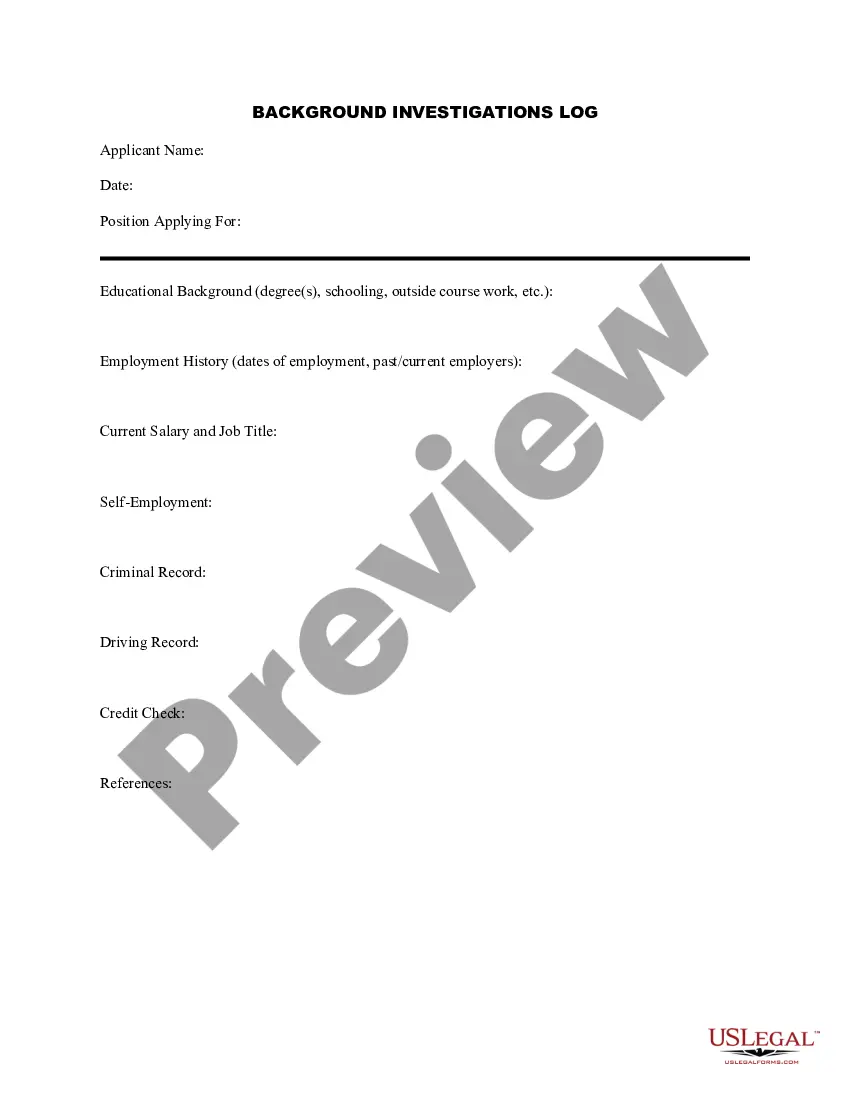
Arizona Background Investigations Log
Description
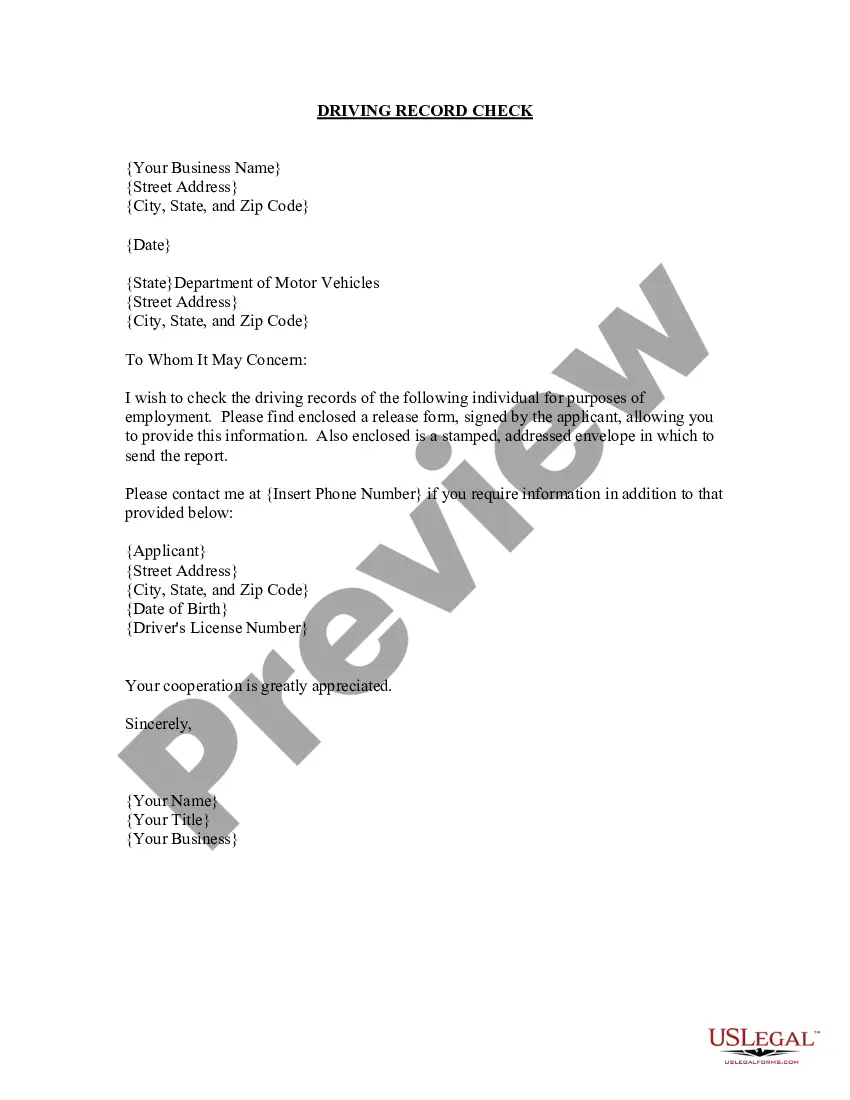

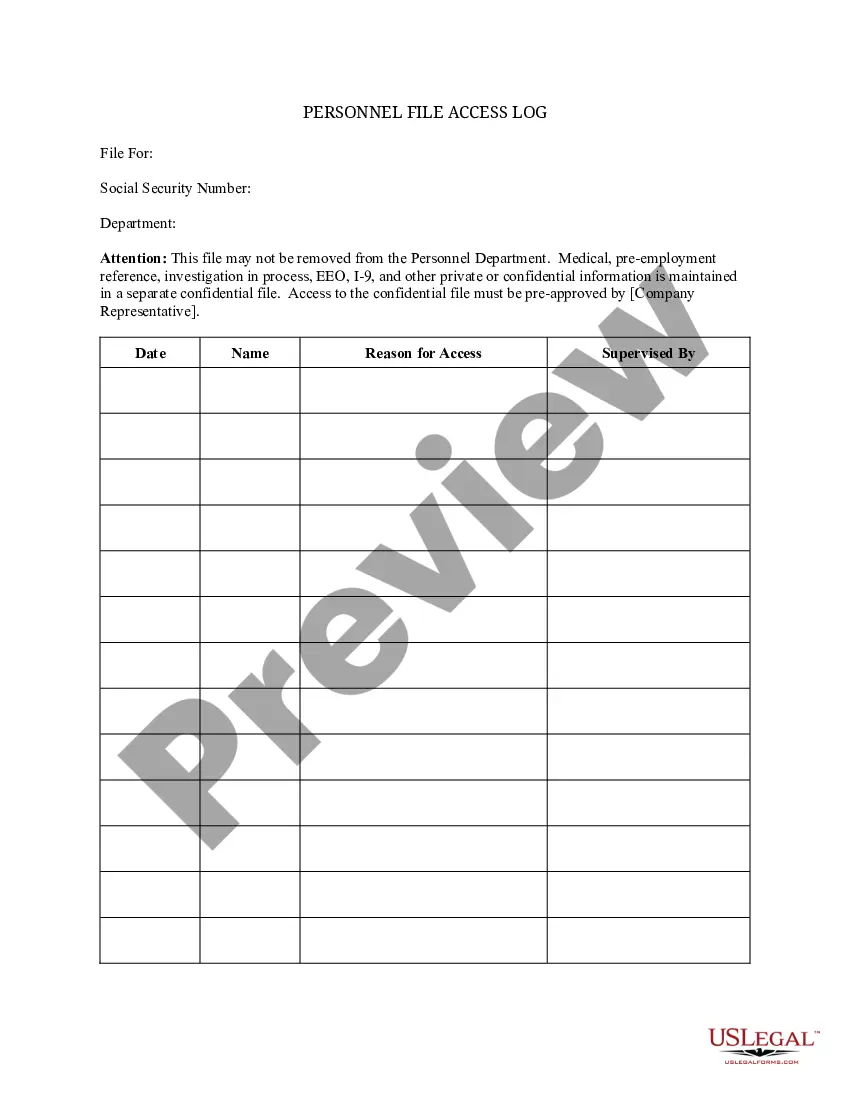
Get your form ready online
Our built-in tools help you complete, sign, share, and store your documents in one place.
Make edits, fill in missing information, and update formatting in US Legal Forms—just like you would in MS Word.
Download a copy, print it, send it by email, or mail it via USPS—whatever works best for your next step.
Sign and collect signatures with our SignNow integration. Send to multiple recipients, set reminders, and more. Go Premium to unlock E-Sign.
If this form requires notarization, complete it online through a secure video call—no need to meet a notary in person or wait for an appointment.
We protect your documents and personal data by following strict security and privacy standards.

Make edits, fill in missing information, and update formatting in US Legal Forms—just like you would in MS Word.

Download a copy, print it, send it by email, or mail it via USPS—whatever works best for your next step.

Sign and collect signatures with our SignNow integration. Send to multiple recipients, set reminders, and more. Go Premium to unlock E-Sign.

If this form requires notarization, complete it online through a secure video call—no need to meet a notary in person or wait for an appointment.

We protect your documents and personal data by following strict security and privacy standards.
Looking for another form?





How to fill out Background Investigations Log?
If you wish to gather, obtain, or create authentic document templates, utilize US Legal Forms, the largest collection of legal documents, which can be accessed online.
Use the site's user-friendly and convenient search feature to find the files you require.
Various templates for business and personal purposes are organized by categories and regions, or keywords.
Step 4. Once you have found the form you need, click on the Purchase now button. Select the pricing plan you prefer and input your information to create an account.
Step 6. Download the format of the legal document and save it to your device.
- Use US Legal Forms to find the Arizona Background Investigations Log In just a few clicks.
- If you are already a US Legal Forms user, sign in to your account and click the Acquire button to obtain the Arizona Background Investigations Log.
- You can also access forms you have previously downloaded from the My documents section of your account.
- If you are using US Legal Forms for the first time, follow the instructions below.
- Step 1. Ensure you have selected the form for your correct state/region.
- Step 2. Utilize the Preview option to review the document's content. Don't forget to read the summary.
- Step 3. If you are not satisfied with the form, use the Search field at the top of the screen to find other variations of the legal form template.
Form popularity
FAQ
By state law, public agencies must release public documents within a reasonable amount of time. You have a right to records, but frequently agencies, including police departments, stall when asked for documents.
County Superior Court records that are 50 years and older are required under statute to be transferred to the State Archives. With the exception of some records involving adoptions or juveniles, these court records are open to the public. The state archives does not have an extensive collection of business records.
A background check will investigate a candidate's background based on criteria determined by their prospective or current employer. A check of a candidate's background may include employment, education, criminal records, credit history, motor vehicle and license record checks.
Yes, though Arizona background checks go back seven years, in some cases, those with a criminal record have the right to appeal to a judge to have their conviction set aside.
In Arizona, background checks can serve to confirm Social Security numbers, confirm home addresses, check driving records, obtain a credit score report, and provide an overview of criminal history. An Arizona background check can surface criminal record information from different states, not just in Arizona.
Criminal background checks will reveal felony and misdemeanor criminal convictions, any pending criminal cases, and any history of incarceration as an adult. Arrests pending prosecution may also be reported.
Yes, the Arizona Public Records Law mandates that all documents related to criminal history are in the public domain. The Arizona Department of Public Safety is the central repository for criminal records and provides statewide criminal history records to anyone that performs a criminal record search.
Police reports are essentially government documents and thus part of the public record, but this does not necessarily mean that anyone can simply walk up to a precinct and ask for copies. The procedure for obtaining police reports is statutory and usually falls under the freedom of information law of each state.
The ban-the-box law for the state of Arizona applies to businesses with more than 15 employees. Criminal history inquiries are prohibited until an interview or a conditional job offer if there is no interview. Employers are only able to ask about criminal history in the last seven years.
Yes, though Arizona background checks go back seven years, in some cases, those with a criminal record have the right to appeal to a judge to have their conviction set aside.