Arizona Employee Confidentiality Agreement
Description
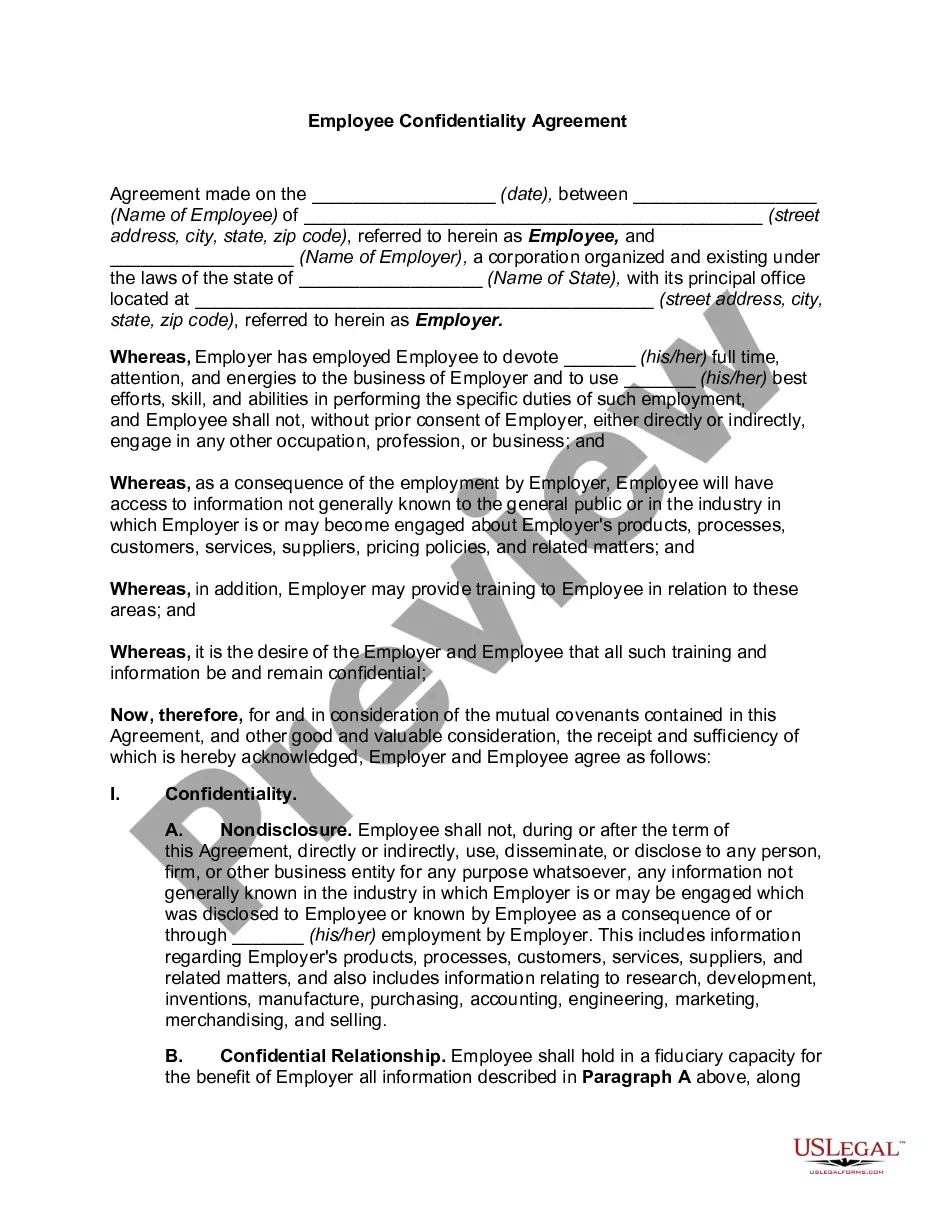
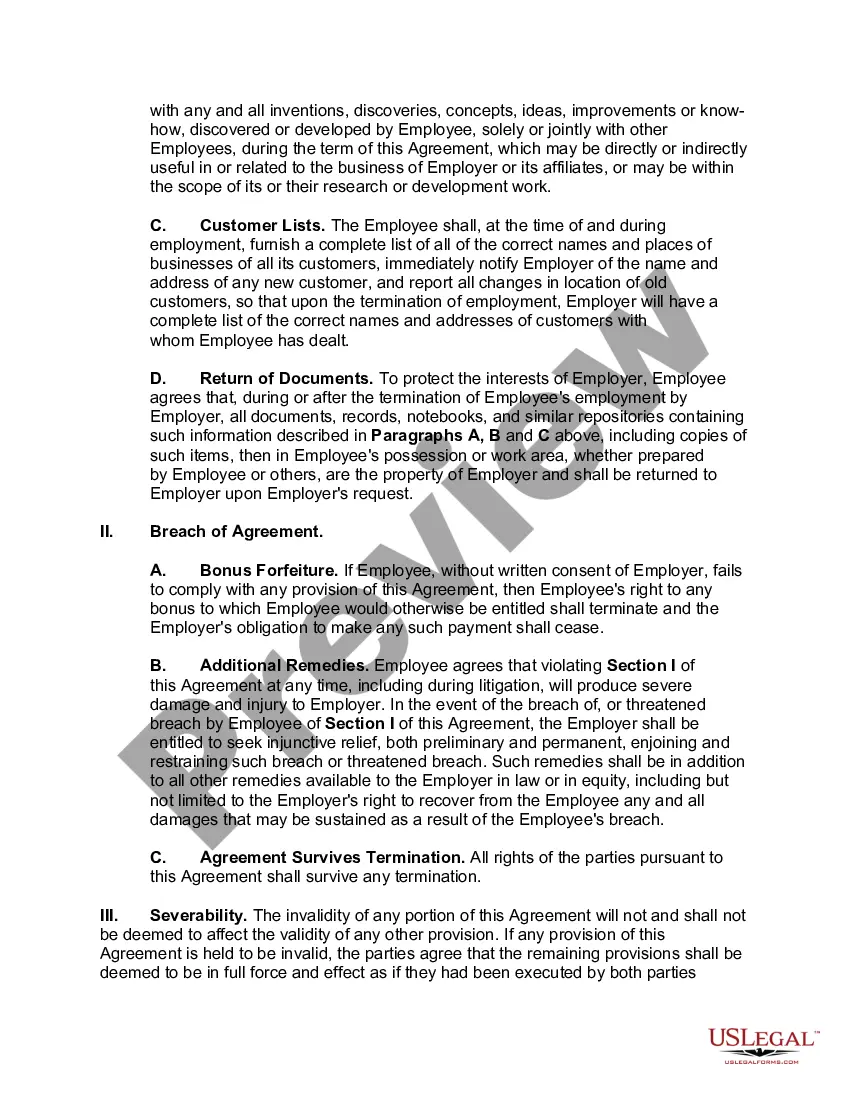
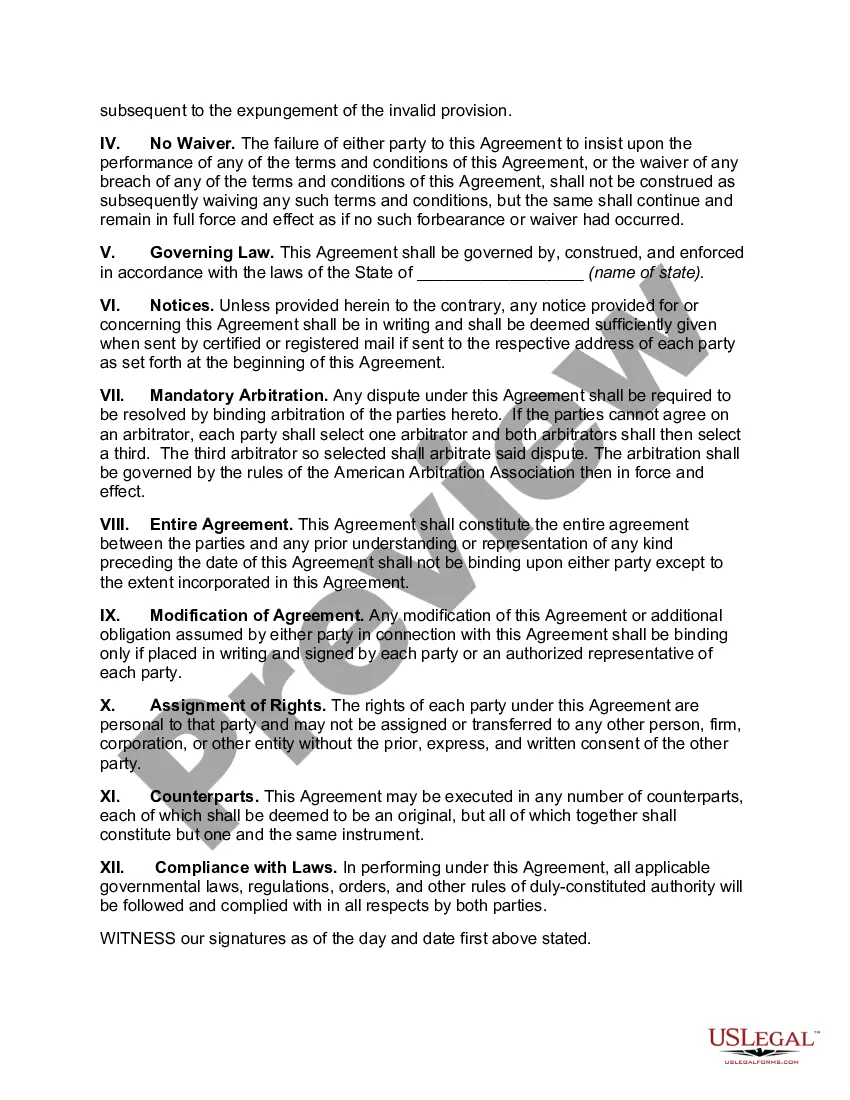

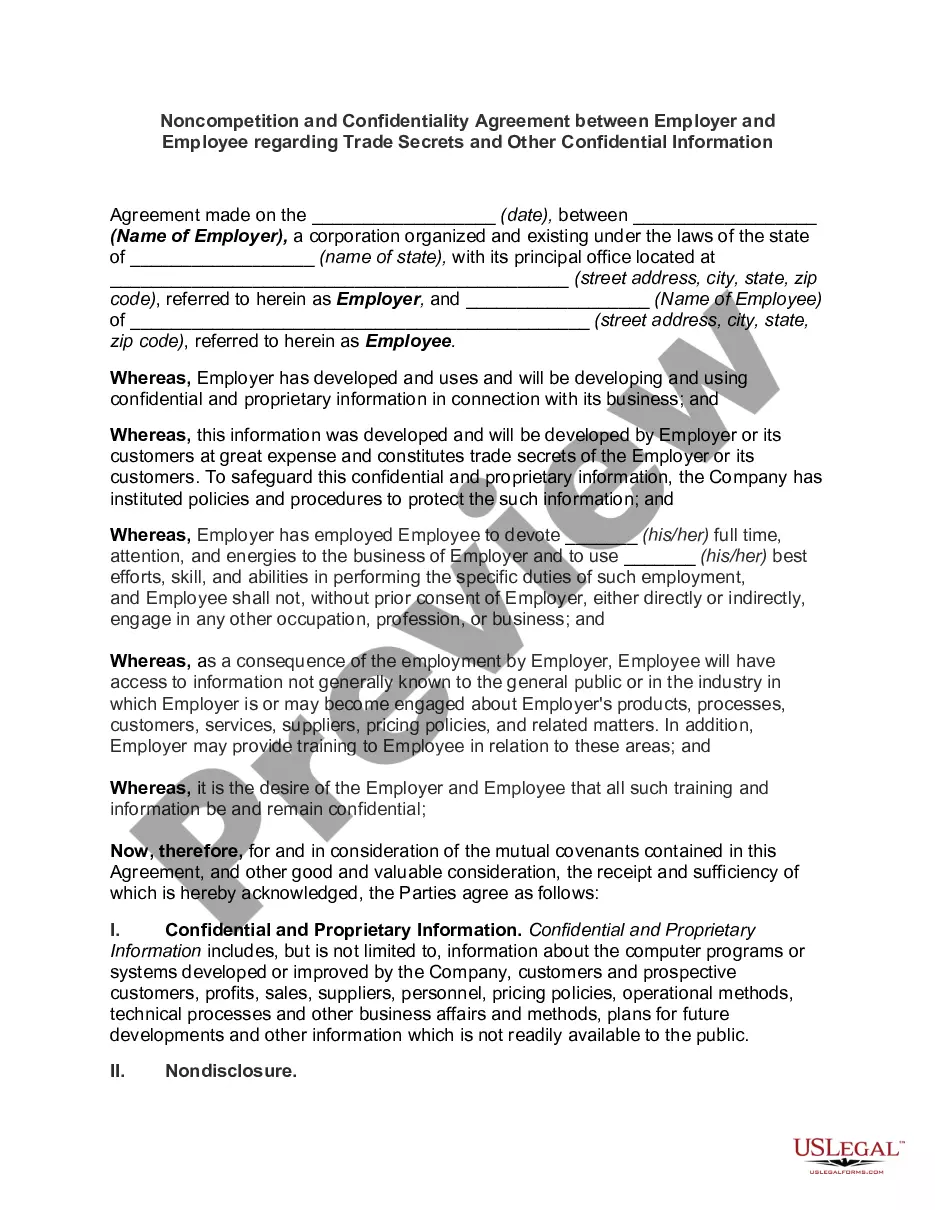
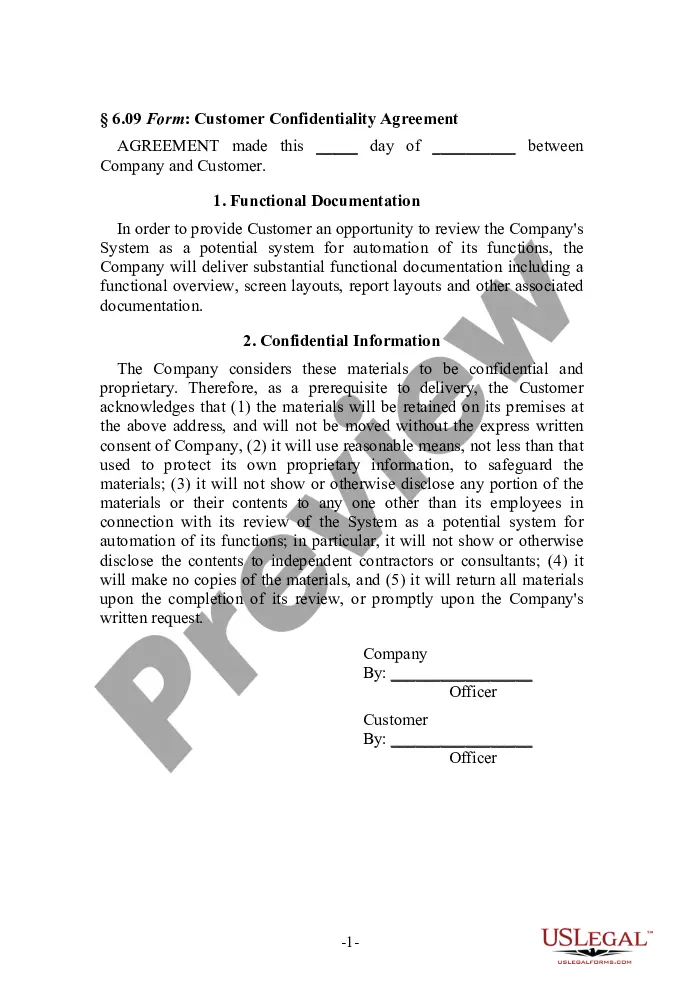
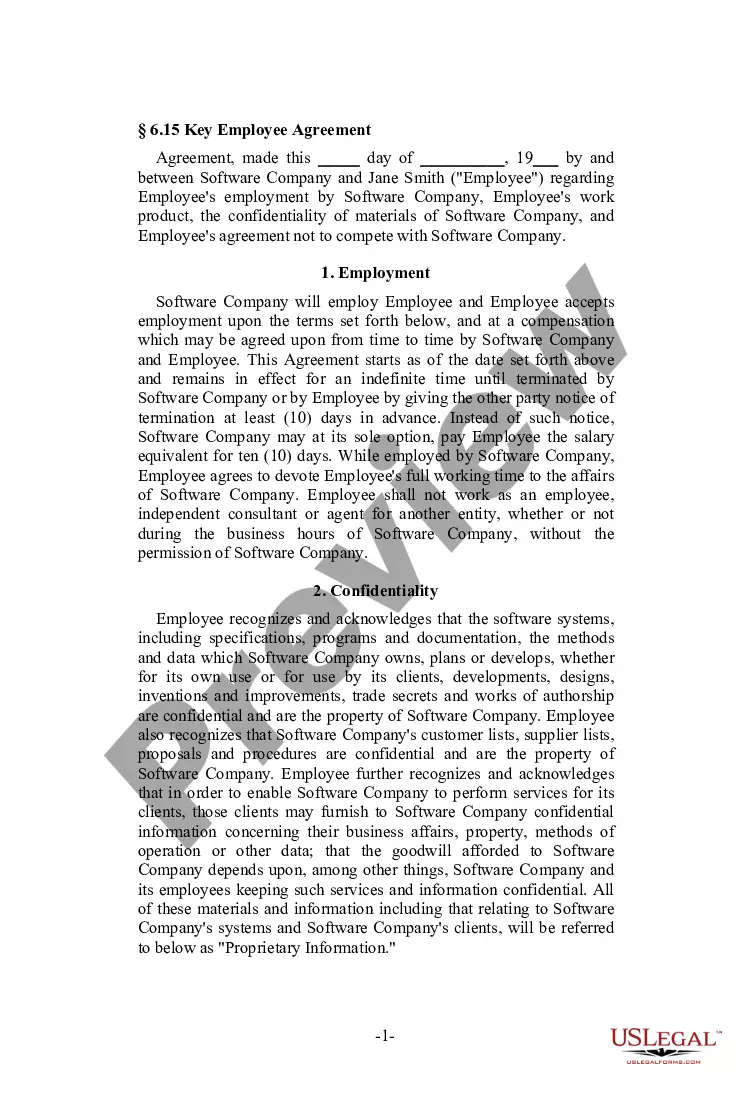
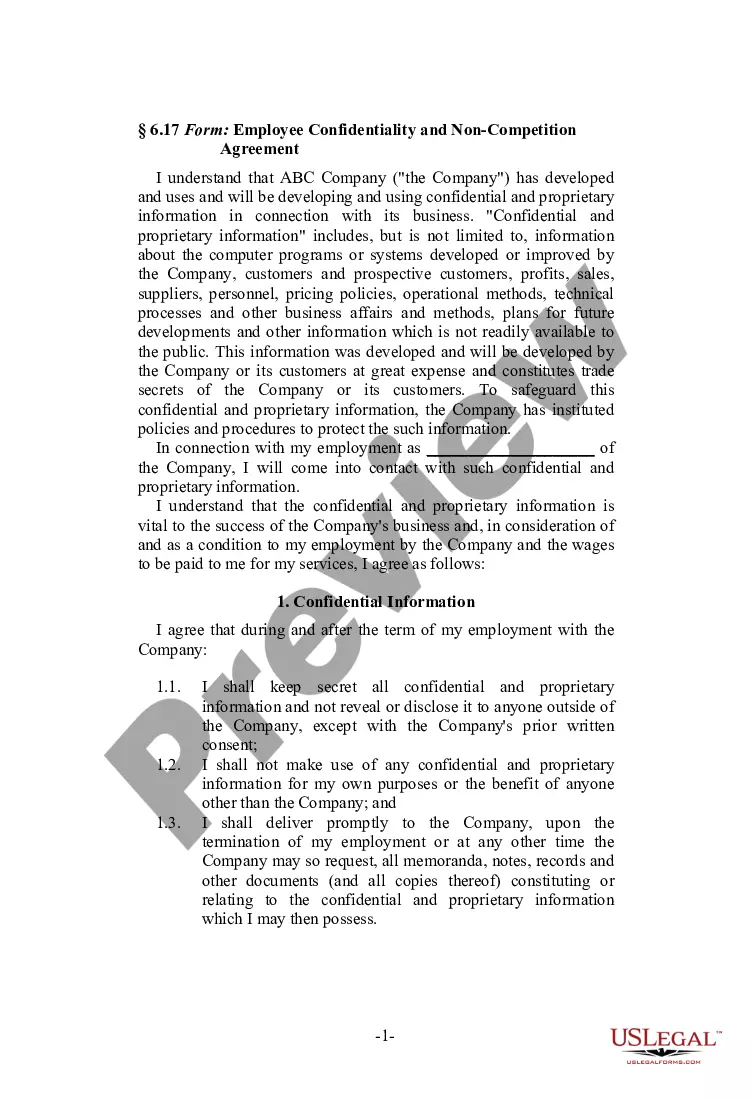
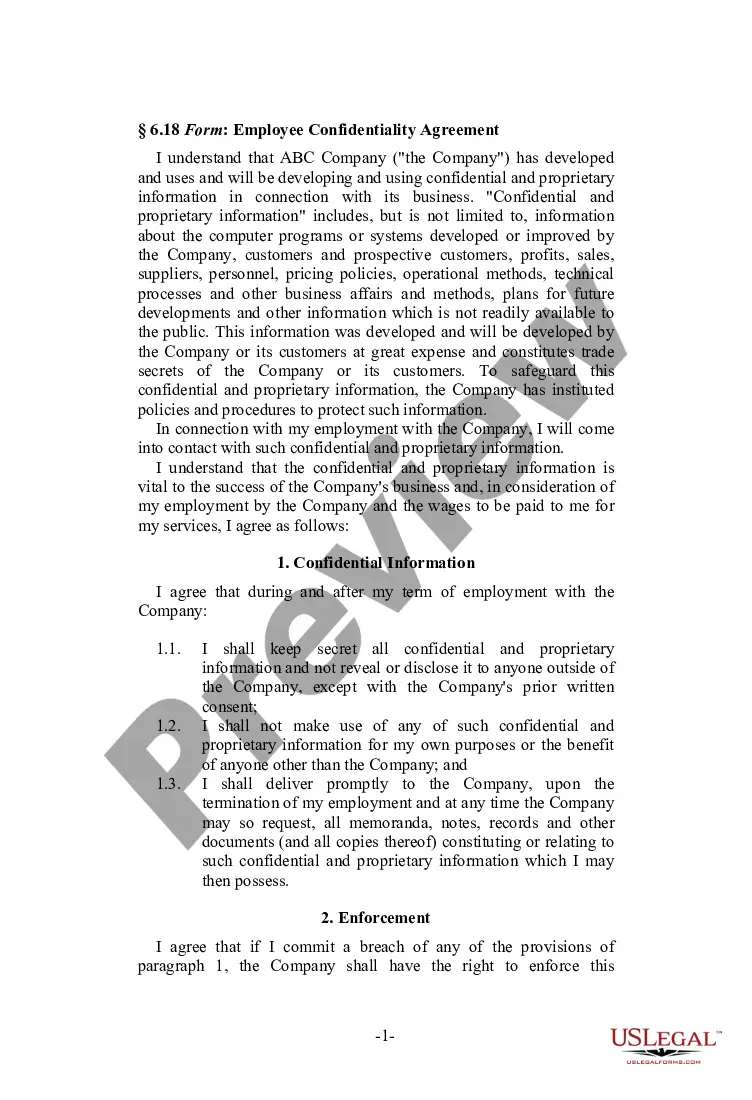

How to fill out Employee Confidentiality Agreement?
In case you require extensive, obtain, or generate legitimate document templates, utilize US Legal Forms, the largest collection of legal forms available online.
Leverage the site's user-friendly and convenient search to find the documents you need.
A selection of templates for business and personal purposes are organized by categories and states, or keywords. Utilize US Legal Forms to locate the Arizona Employee Confidentiality Agreement in just a few clicks.
Every legal document template you purchase is yours permanently. You have access to every form you saved in your account. Select the My documents section and choose a form to print or download again.
Complete, acquire, and print the Arizona Employee Confidentiality Agreement with US Legal Forms. There are millions of professional and state-specific forms you can use for your business or personal needs.
- If you are already a US Legal Forms customer, Log In to your account and then click the Download button to obtain the Arizona Employee Confidentiality Agreement.
- You can also access forms you have previously saved from the My documents tab in your account.
- If you are using US Legal Forms for the first time, follow the instructions below.
- Step 1. Ensure you have selected the form for the correct city/state.
- Step 2. Use the Preview option to review the form’s details. Remember to check the description.
- Step 3. If you are not satisfied with the form, use the Search field at the top of the screen to find alternative models in the legal form template.
- Step 4. Once you have found the form you want, click on the Get now button. Choose the payment plan you prefer and enter your details to register for an account.
- Step 5. Process the payment. You can use your credit card or PayPal account to complete the transaction.
- Step 6. Choose the format of the legal form and download it to your device.
- Step 7. Complete, amend, and print or sign the Arizona Employee Confidentiality Agreement.
Form popularity
FAQ
How to terminate the NDARead the Duration clauses. Good NDAs will have two different terms of duration.Read the termination clause. Like any other relationship, business partnerships can come to an early end unexpectedly.Read the Return of Information clause.
Confidential information is generally defined as information disclosed to an individual employee or known to that employee as a consequence of the employee's employment at a company. This information isn't generally known outside the company or is protected by law.
Generally, confidentiality agreements are enforceable when they meet the general requirements of a contract.
Disclosure of Employees' Personal InformationEmployers are prohibited from disclosing the personal information of their employees without prior authorization. Failure to keep this information confidential may constitute a breach of confidentiality.
In Arizona, courts will only enforce NDAs if they are reasonable, meaning that overly restrictive NDAs may not protect an employer's confidential information if the matter goes to court. A reasonable, and therefore enforceable, NDA is one that is appropriately restrictive in time, geography, and content.
Since NDAs are civil contracts, breaking one isn't technically a crime. However, it could come with severe financial penalties. Violating an NDA leaves you open to lawsuits from your employer, and you could be required to pay financial damages and possibly associated legal costs.
Employees have the right to keep private facts about themselves confidential and the right to some degree of personal space. An employer that discloses private facts or lies about an employee may be held accountable in a civil action for invasion of privacy or defamation.
An employee confidentiality agreement, or non-disclosure agreement or an NDA, makes it crystal clear to an employee that he or she cannot under any circumstance, with the exception of prior written approval, disclose company secrets.
A confidentiality agreement is a legally binding contract that states two parties will not share or profit from confidential information. A business usually gives a confidentiality agreement to an employee or contractor to make sure its trade secrets or proprietary information remains private.
Your employees have the right to know which records are stored about them and their use, along with how confidentially they're kept. They're also entitled to know the connection between storing this information and how it assists with training and development requirements in the workplace.