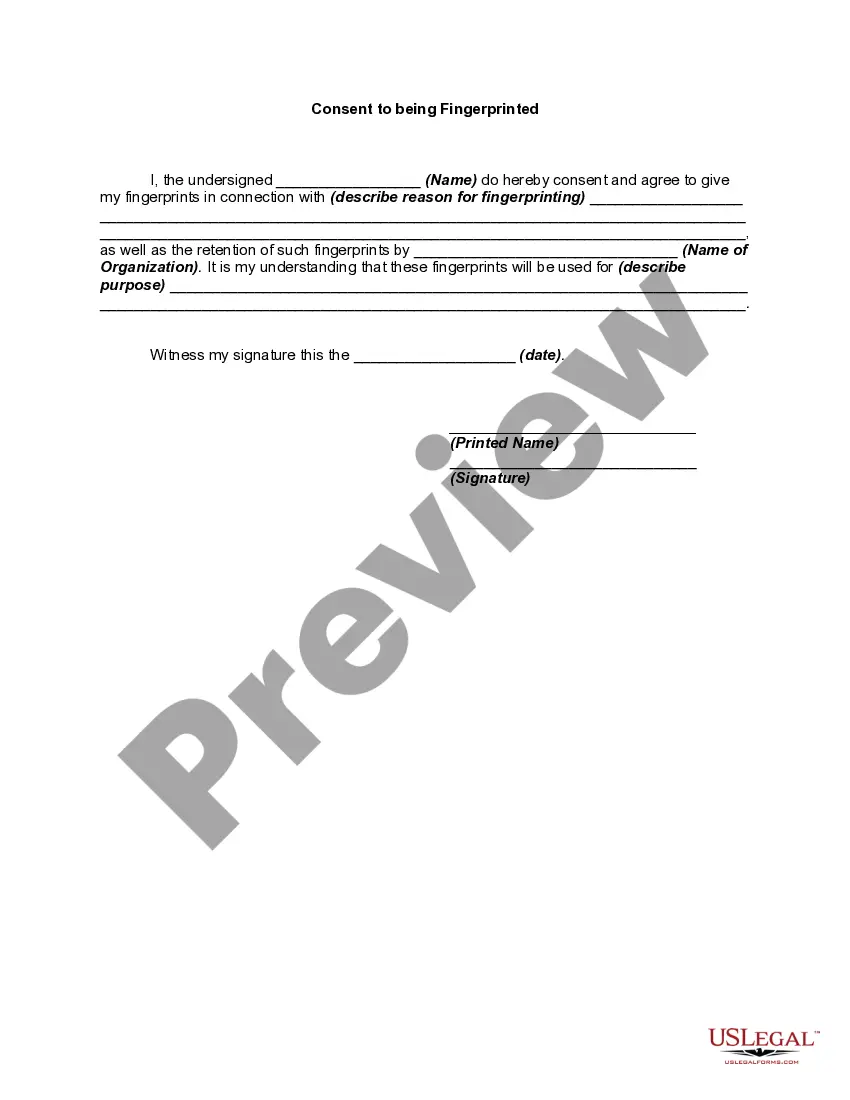
Arizona Consent to being Fingerprinted
Description
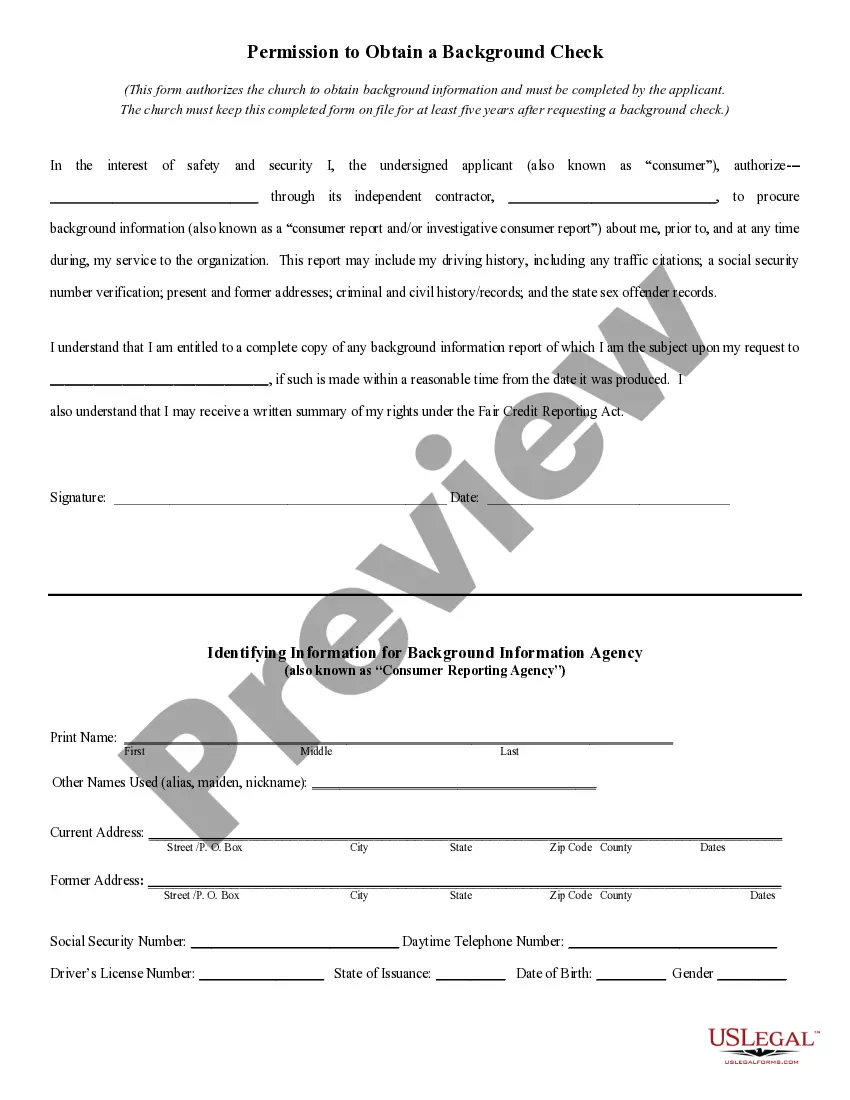
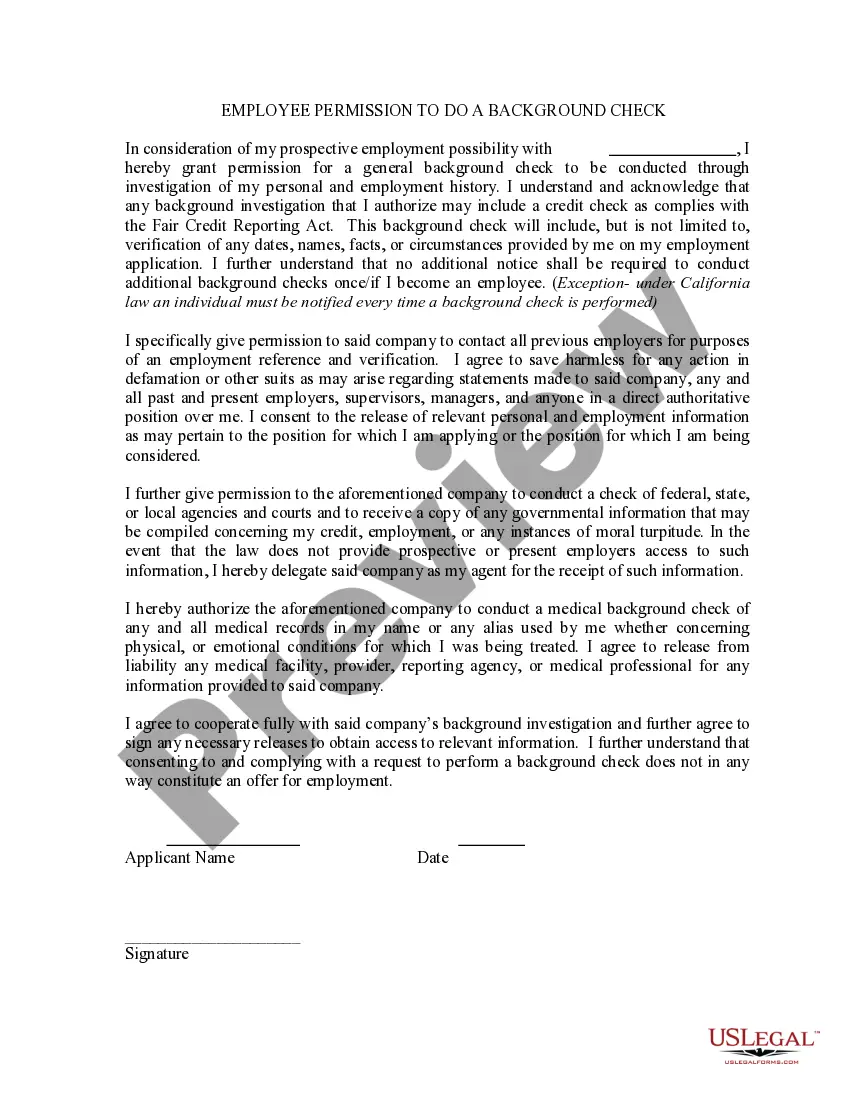
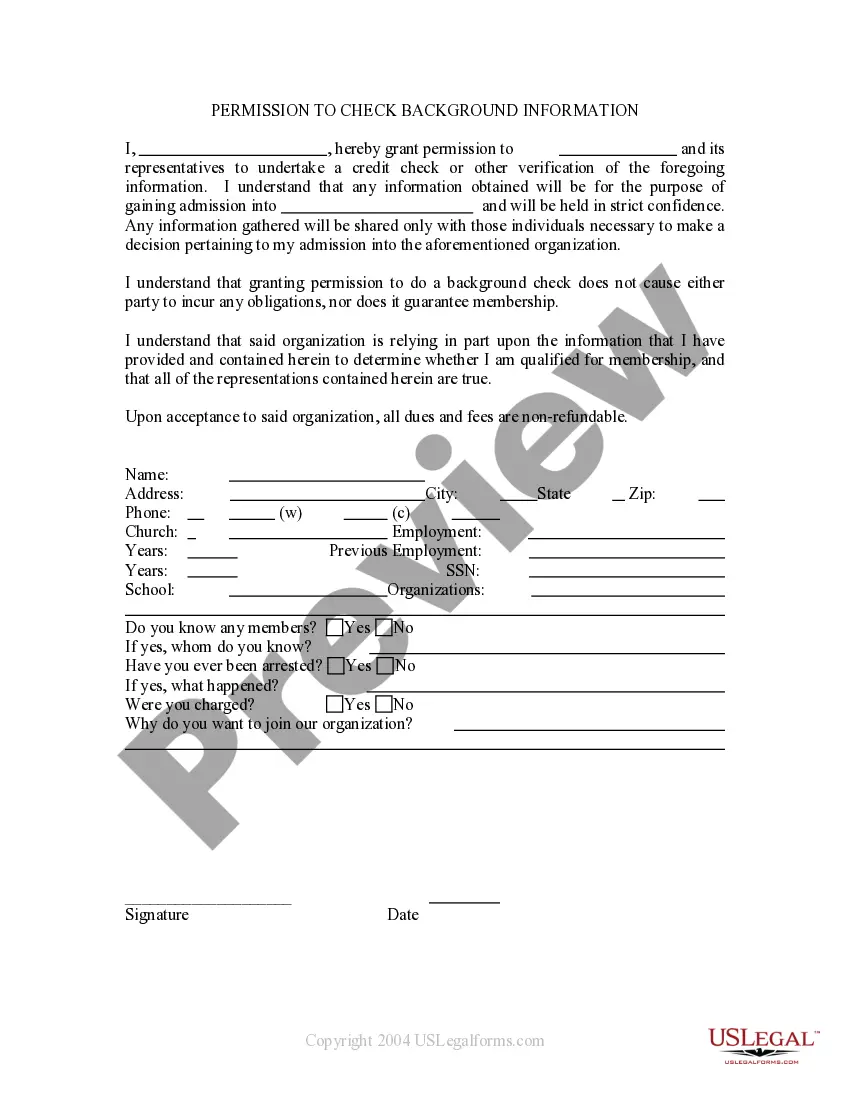
Get your form ready online
Our built-in tools help you complete, sign, share, and store your documents in one place.
Make edits, fill in missing information, and update formatting in US Legal Forms—just like you would in MS Word.
Download a copy, print it, send it by email, or mail it via USPS—whatever works best for your next step.
Sign and collect signatures with our SignNow integration. Send to multiple recipients, set reminders, and more. Go Premium to unlock E-Sign.
If this form requires notarization, complete it online through a secure video call—no need to meet a notary in person or wait for an appointment.
We protect your documents and personal data by following strict security and privacy standards.

Make edits, fill in missing information, and update formatting in US Legal Forms—just like you would in MS Word.

Download a copy, print it, send it by email, or mail it via USPS—whatever works best for your next step.

Sign and collect signatures with our SignNow integration. Send to multiple recipients, set reminders, and more. Go Premium to unlock E-Sign.

If this form requires notarization, complete it online through a secure video call—no need to meet a notary in person or wait for an appointment.

We protect your documents and personal data by following strict security and privacy standards.
Looking for another form?



How to fill out Consent To Being Fingerprinted?
Locating the appropriate valid document template can be a challenge.
Clearly, there are numerous templates accessible online, but how can you identify the legitimate form you require.
Utilize the US Legal Forms website. The service provides thousands of templates, including the Arizona Consent to being Fingerprinted, which can be utilized for professional and personal purposes.
You can review the document using the Preview button and read the form details to confirm it is indeed the appropriate one for you.
- All the forms are vetted by experts and comply with state and federal regulations.
- If you are already registered, Log In to your account and click the Download button to retrieve the Arizona Consent to being Fingerprinted.
- Use your account to view the legal forms you have obtained previously.
- Visit the My documents section of your account and download another copy of the document you require.
- If you are a new user of US Legal Forms, here are simple instructions that you can follow.
- First, ensure you have selected the correct template for your locality/state.
Form popularity
FAQ
The 4th Amendment offers protection against unreasonable searches and seizures, but when it comes to fingerprints, the context is important. Courts typically see fingerprinting as a legitimate process in law enforcement and employment checks. Hence, your fingerprints may not have the same level of protection under the 4th Amendment as you might expect. Understanding Arizona Consent to being Fingerprinted can provide you with clarity on how your rights are applied in these situations.
The requirement for fingerprinting varies by state and the specific circumstances of the application. Some states may not mandate fingerprinting for certain jobs or situations. If you are uncertain about the fingerprinting requirements in your state, it's beneficial to research or consult an expert. Arizona Consent to being Fingerprinted still remains essential if you are engaging in any activities that require it within Arizona.
Yes, a person can refuse to be fingerprinted, but it may come with repercussions. Depending on the context, such refusal may lead to denial of job offers, licenses, or even compliance issues with the law. It is crucial to weigh the importance of Arizona Consent to being Fingerprinted against the potential consequences of refusal. Understanding your options can empower you to make informed decisions.
Blocking fingerprinting can be complicated and depends on the specific laws in your jurisdiction. In Arizona, the requirement for fingerprinting is often tied to employment, licensing, or background checks. By knowing your rights and the relevant laws, you may find ways to address your concerns. Arizona Consent to being Fingerprinted provides insights that can help you navigate this process effectively.
Refusing to get fingerprinted can have serious consequences, especially if fingerprinting is mandatory for your situation, such as employment or legal proceedings. Without complying, your application may be denied, and you might miss out on important opportunities. Understanding Arizona Consent to being Fingerprinted helps clarify the importance of this requirement. It is wise to consider your options thoroughly.
Electronic fingerprinting does require the applicant to be physically present in Arizona. This process ensures that the fingerprints are taken accurately and securely. If you are located outside of Arizona, you may need to explore alternative methods for fingerprinting. It is essential to understand that Arizona Consent to being Fingerprinted enables smoother processing within the state.
The Fifth Amendment, which protects against self-incrimination, does not apply to the act of being fingerprinted. Since fingerprinting is considered a non-testimonial procedure, individuals must comply with fingerprinting requests in most legal contexts. If you have concerns about your rights regarding fingerprinting, understanding the legal framework can be beneficial. The Arizona Consent to being Fingerprinted offers transparency on these legalities.
Yes, you can refuse to give fingerprints in Arizona, but refusal may have consequences. If you choose not to provide your fingerprints during an official process where they are required, it may affect your application or eligibility for certain programs or jobs. It is essential to understand the implications of such a decision. For guidance on the Arizona Consent to being Fingerprinted, consider consulting resources that explain your rights and options.
In Arizona, the good cause exception allows certain individuals to avoid mandatory fingerprinting under specific circumstances. This provision is especially important for those whose circumstances may warrant an exemption, such as individuals with a clean background or compelling personal situations. To successfully invoke this exception, individuals typically need to provide documentation that supports their case. The Arizona Consent to being Fingerprinted process can help clarify these requirements.
Several factors may disqualify you from obtaining a fingerprint clearance card in Arizona. Common disqualifications include certain felonies or misdemeanors committed within the past few years, particularly those involving harm to others. Additionally, any pending charges can affect your eligibility. Understanding these criteria is essential as you pursue your Arizona Consent to being Fingerprinted, and US Legal Forms can guide you through the necessary steps.